

Wireless TENS Units Explained: How They Work Without Lead Wires
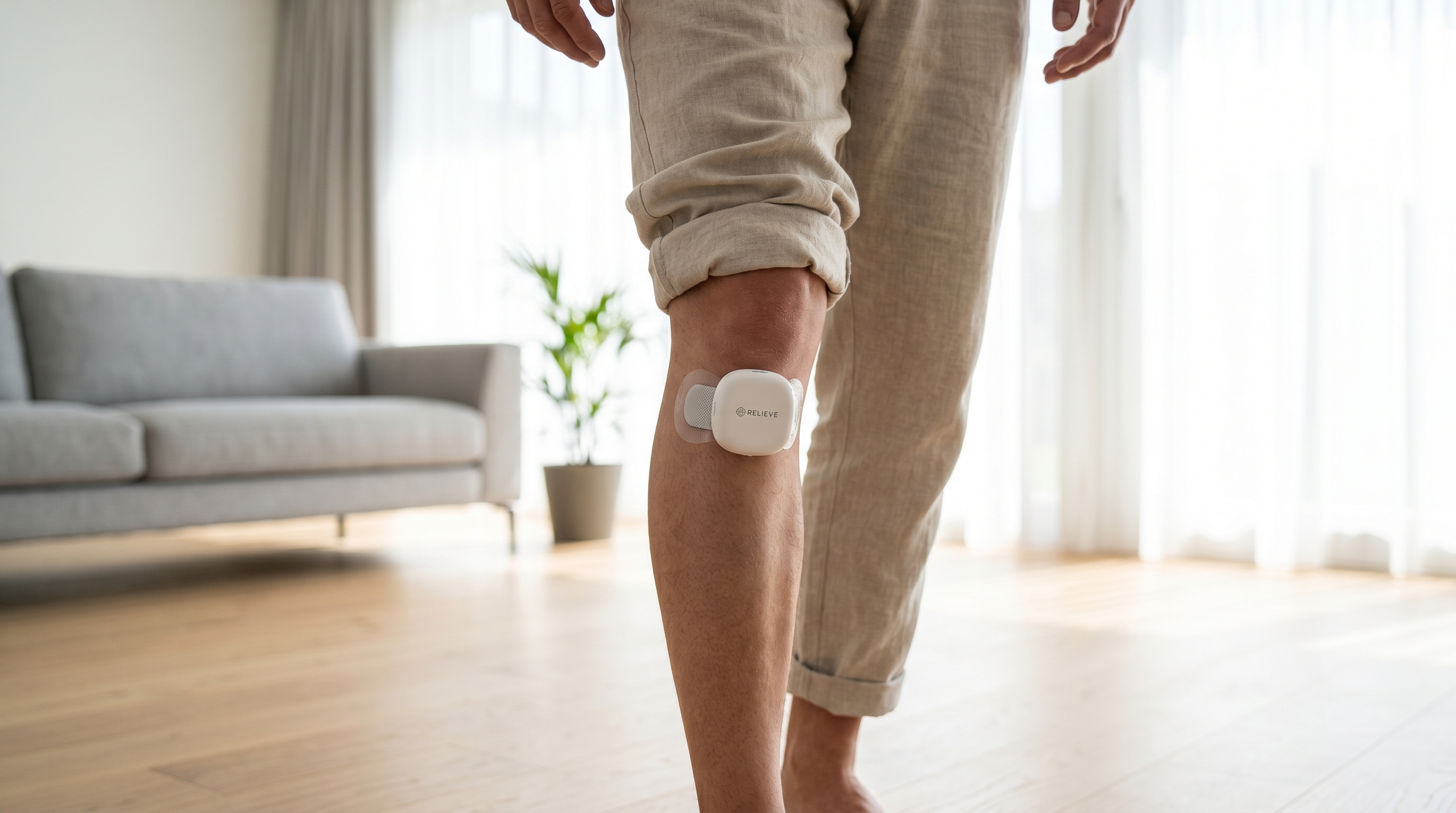
ALT: Wireless TENS unit worn on knee for drug-free pain relief without lead wires at home
What Are Wireless TENS Units and Why Are They Changing Pain Relief at Home?
Key Conclusion: Wireless TENS units deliver the same transcutaneous electrical nerve stimulation as traditional wired devices — but without restrictive lead wires connecting electrodes to a handheld controller. By housing the control circuitry directly within compact, body-worn pods, these devices offer unparalleled freedom of movement, making professional-grade, drug-free pain relief accessible during everyday activity. For anyone managing chronic pain, recovering from injury, or simply seeking a more convenient home therapy option, wireless TENS represents a meaningful leap forward in electrotherapy technology.
Electrotherapy has long been a staple of physical therapy clinics, but the lead wires, bulky controllers, and tethered electrodes of traditional TENS units have historically confined treatment to a stationary position — lying on a table or sitting still. That limitation has frustrated many people who need pain relief throughout the day, not just during dedicated downtime.
The emergence of wireless TENS units has fundamentally changed that equation. These devices embed the electrical stimulation circuitry inside small, discreet pods that attach directly to the skin alongside the electrode pads. Some models pair with smartphone apps; others include a compact remote. Either way, the result is the same: freedom to move, work, and live while receiving therapy.
Understanding exactly how wireless TENS technology works — and whether it is the right solution for your specific needs — is what this guide is designed to explain.
Who Should (and Should Not) Use a Wireless TENS Unit?
✅ Applicable Scenarios:
- Adults managing chronic pain conditions such as lower back pain, arthritis, sciatica, or neck stiffness who need therapy during daily activity
- Active individuals and athletes seeking portable muscle recovery support after workouts or sports-related strain
- Post-injury or post-surgery patients transitioning from clinical physiotherapy to home maintenance programs
- Seniors looking for a drug-free, non-invasive way to manage everyday discomfort without clinic visits
- Remote workers or caregivers who cannot afford long periods of immobility but still need consistent pain relief
❌ Not Applicable/Cautions:
- Individuals with implanted electronic devices such as pacemakers or neurostimulators — electrical stimulation can interfere with these devices and poses a serious safety risk
- People with epilepsy, active cancer in the treatment area, or open wounds or broken skin at the electrode placement site
- Pregnant women should avoid TENS on the abdomen or lower back without explicit medical clearance
- Anyone with impaired sensation in the target area, as reduced feedback increases the risk of skin irritation or burns
- Children under the age of 18 should only use TENS devices under direct medical supervision
Always consult a qualified healthcare professional before beginning any electrotherapy program, especially if you have an underlying health condition.
The Science Behind TENS: From Clinic to Your Living Room
Transcutaneous Electrical Nerve Stimulation (TENS) has been used in clinical settings for decades. The foundational science rests on two well-established mechanisms. The first is the Gate Control Theory of Pain, proposed by Melzack and Wall in 1965, which explains how non-painful sensory input — such as low-frequency electrical pulses — can effectively "close the gate" on pain signals traveling to the brain. The second mechanism involves the stimulation of endorphin release at lower frequencies, providing longer-lasting natural pain relief even after the device is switched off.
Traditional TENS devices have delivered on this science reliably, but always within a constraint: the physical wire connecting the electrode pads to the stimulation unit. For patients in a clinical setting lying on a treatment table, this is a minor inconvenience. For someone trying to manage pain while commuting, working, caring for children, or exercising, it is a significant barrier to consistent use — and consistent use is precisely what drives therapeutic results.
The Market Shift Toward Wearable, Wireless Solutions
Consumer demand for wearable health technology has surged over the past decade. From fitness trackers to continuous glucose monitors, the general public has embraced the idea that health management should fit seamlessly into daily life rather than interrupt it. The electrotherapy market has followed this broader trend with the development of wireless and wearable TENS devices designed for home use.
According to the National Institutes of Health (NIH), chronic pain affects an estimated 20% of adults in the United States — more than 50 million people. The majority of these individuals manage their pain primarily outside of clinical settings. This reality has created enormous demand for effective, safe, and convenient home-use pain management tools.
Wireless TENS units sit at the intersection of clinical efficacy and consumer convenience. Brands like iStim have recognized this opportunity, developing professional-grade electrotherapy devices — including TENS and EMS units — that bring the quality of clinical tools into the home environment, backed by ISO-certified manufacturing standards.
Why "Lead-Wire-Free" Matters More Than It Sounds
The absence of lead wires is not merely a cosmetic upgrade. It has meaningful clinical and behavioral implications. Studies on therapeutic compliance consistently show that the more disruptive or inconvenient a treatment is, the less likely patients are to adhere to it. When a TENS device requires the user to sit still for 20–30 minutes while attached to a handheld unit by several cables, many people simply skip sessions — especially on busy days when pain management is most needed.
Wireless TENS units remove this friction. The freedom to wear a device under clothing, continue household tasks, or go for a gentle walk while receiving therapy significantly increases the likelihood of regular, sustained use. And in electrotherapy, regularity is the cornerstone of effectiveness.
How Wireless TENS Units Actually Work: A Step-by-Step Technical Breakdown
Three-Step Quick Start for First-Time Users
Step 1: Prepare Your Skin and Apply the Electrode Pods
Clean and dry the skin at your target treatment area — the lower back, knee, shoulder, or wherever pain is concentrated. Attach the self-adhesive electrode pads to your skin according to the device's placement guide. With a wireless TENS unit, the stimulation pod snaps or clips directly onto the electrode pad rather than connecting to a separate handheld controller via wire. Most users are fully set up within two to three minutes.
Step 2: Select Your Program and Intensity Level
Power on the device using its built-in controls or a paired smartphone app. Choose a pre-set pain relief or recovery program that matches your condition. Begin at the lowest intensity setting and gradually increase until you feel a comfortable tingling or pulsing sensation — never pain. Most sessions run between 15 and 30 minutes, and many devices will automatically shut off at the end of a set program for safety.
Step 3: Move Freely and Monitor Your Response
One of the key advantages of wireless TENS is that you can remain active during treatment. Stand up, walk slowly, perform light stretches, or continue light daily tasks while the device works. Pay attention to how your body responds — some users feel immediate relief, while others notice cumulative benefits after several sessions. Adjust intensity or program selection based on your comfort and therapeutic goals, and log your response to help refine future sessions.
Wireless vs. Traditional Wired TENS: A Direct Comparison
Understanding the differences between wireless and wired TENS units helps users make an informed choice based on lifestyle, budget, and treatment goals.
| Comparison Dimension | Traditional Wired TENS | Wireless TENS | EMS Combo Device |
|---|---|---|---|
| Freedom of Movement | Limited — user must remain near the controller | High — fully wearable during activity | Variable depending on device design |
| Setup Complexity | Moderate — requires wire connection management | Low — pod snaps onto electrode pad | Moderate — may require program selection |
| Discretion Under Clothing | Low — visible wires | High — flat pod sits flush against skin | Variable |
| Battery Life | Typically longer (larger battery in controller) | Shorter per charge (smaller onboard battery) | Variable |
| Suitable for Home Use | Yes | Yes — especially for active home users | Yes |
| Typical Use Case | Stationary rest-based pain relief sessions | Pain relief during movement and daily activity | Muscle strengthening and pain relief combined |
| Professional-Grade Options | Yes — including iStim devices | Yes — growing market segment | Yes — including iStim EMS line |
The Internal Technology: What Makes Wireless Stimulation Possible
Miniaturized Pulse Generators
The core challenge in creating a wireless TENS unit is miniaturizing the pulse generator — the component that creates and delivers the electrical waveform — small enough to sit directly on the body without discomfort. Modern microelectronics have made this achievable. Today's wireless TENS pods house the microprocessor, battery, and output circuits in a form factor roughly the size of a matchbox or smaller.
The electrical waveform generated by a TENS unit is characterized by its pulse width (measured in microseconds), pulse rate or frequency (measured in Hz), and amplitude (measured in milliamps). These parameters determine the therapeutic effect: higher frequencies (80–150 Hz) primarily target pain gating, while lower frequencies (1–10 Hz) are associated with endorphin stimulation and deeper, longer-lasting relief.
Bluetooth and App Connectivity
Many modern wireless TENS units connect to a companion smartphone application via Bluetooth, allowing users to adjust settings, select programs, and track usage history without touching the device itself. This is particularly valuable for electrode placements on hard-to-reach areas like the mid-back or shoulder blades, where manual adjustment of the device would be awkward.
App-controlled TENS also enables more sophisticated program customization — some apps allow users to create and save personalized waveform patterns based on their specific pain profile.
Self-Adhesive Electrode Technology
Wireless TENS devices rely heavily on the quality of their electrode pads. The pads serve dual purposes: delivering the electrical current to the skin and adhering securely enough to maintain contact during movement. High-quality reusable electrode pads use a conductive hydrogel layer that maintains consistent electrical contact while remaining gentle on skin. Pad quality directly affects both therapeutic efficacy and skin comfort over time.
Safety Features in Wireless TENS Design
Reputable wireless TENS devices incorporate several layers of safety technology. Auto-shutoff timers prevent overuse. Gradual ramp-up functions ensure the stimulation intensity increases slowly rather than delivering a sudden sharp pulse when the device is activated. Output current limits are set well within medically established safe ranges for consumer-grade devices. ISO-certified manufacturers like iStim apply rigorous quality control processes to ensure consistent, safe output across every unit.
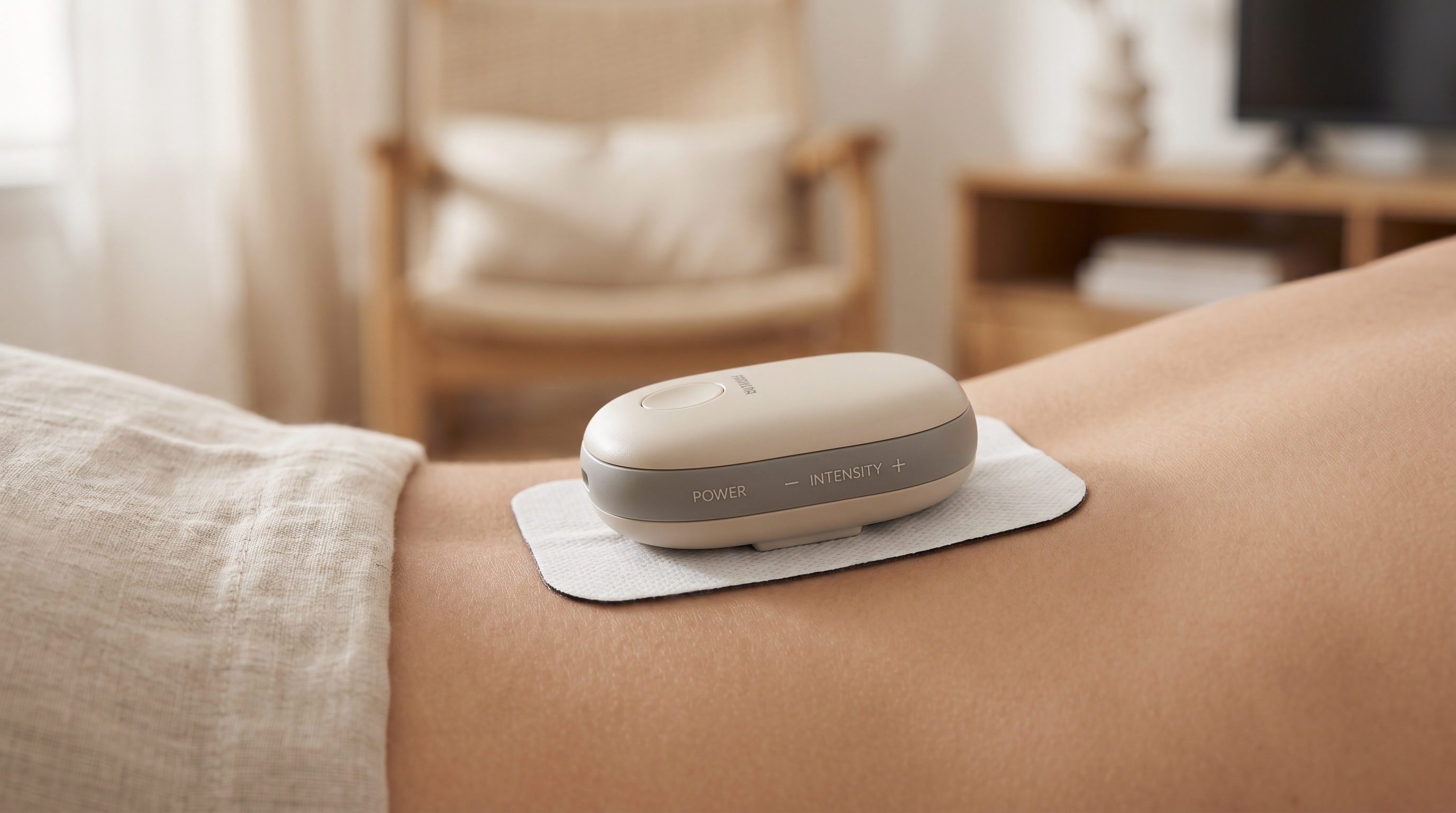
ALT: Wireless TENS pod attached to lower back electrode for drug-free pain relief during home activity
Advanced Considerations: Getting the Most From Wireless TENS Therapy
Special Situations and Nuanced Use Cases
Managing Arthritis and Mobility Limitations
For users who frequently search for the best wearables for users with arthritis or mobility issues, wireless TENS units offer a compelling advantage. Because they require no wire manipulation and no sustained grip of a handheld controller, they are significantly more accessible for individuals with reduced hand dexterity or joint stiffness. The ability to apply the pod and then simply let it work — optionally controlled via a large-button remote or smartphone — reduces the physical demands of self-administered therapy substantially.
Pelvic Floor Health and Targeted Electrostimulation
Women seeking pelvic floor support — particularly those recovering postpartum or managing urinary incontinence — often ask what pelvic floor stimulators are recommended after childbirth. While traditional Kegel electric stimulation devices like those offered by iStim use internal probes rather than surface electrode pads, the underlying electrical stimulation science is shared with TENS technology. Surface TENS applied to the sacral or lower abdominal area can complement internal pelvic floor programs as part of a broader rehabilitation strategy, always under healthcare provider guidance.
Post-Surgery Recovery and the Transition from Clinical to Home Care
Many physical therapists introduce TENS during clinical recovery sessions and recommend patients continue therapy at home after discharge. Wireless TENS units are ideal for this transition because they replicate clinical-grade stimulation in a format that accommodates daily life. The consistency of home use between clinic visits can meaningfully accelerate functional recovery.
Common Misconceptions About Wireless TENS
Misconception 1: "Wireless means weaker."
This is perhaps the most persistent misunderstanding. Wireless TENS units are not therapeutically inferior to wired units. The absence of a physical wire does not reduce the quality or intensity of the electrical output — it only changes how that output is controlled and delivered. Professional-grade wireless TENS devices deliver the same clinically relevant waveforms as their wired counterparts.
Misconception 2: "More intensity means faster results."
Higher intensity is not inherently more effective. Effective TENS therapy depends on selecting the correct frequency and program for your specific condition, not simply turning the device to its maximum output. Overly high intensity can cause muscle soreness or skin irritation. Always work within a comfortable sensation range.
Misconception 3: "TENS and EMS are the same thing."
They share the same delivery mechanism — electrical current through surface electrodes — but serve different primary purposes. TENS targets nerve fibers to interrupt pain signals, while EMS (Electrical Muscle Stimulation) targets motor nerves to cause muscle contraction, primarily for strengthening and recovery. Some devices, including offerings from iStim, combine both modalities in a single unit to address both pain relief and muscle health simultaneously.
Frequently Asked Questions FAQ
Q1: How do I know if a wireless TENS unit is strong enough for my level of chronic pain?
Therapeutic strength in a TENS unit is measured by its output current range and waveform parameters, not by whether it is wired or wireless. Most consumer-grade wireless TENS units provide output ranges that are appropriate for mild to moderate chronic pain. For severe or complex pain conditions, consult your physiotherapist or physician to determine whether a clinical-grade device or a different therapy modality is warranted. Starting with a reputable brand that uses ISO-certified manufacturing — as iStim does — provides a reliable baseline of quality.
Q2: Is it safe to use a wireless TENS unit every day?
For most healthy adults without contraindications, daily TENS use is generally considered safe when following the manufacturer's guidelines for session length and intensity. The National Institute of Neurological Disorders and Stroke notes that TENS is a low-risk modality when used as directed. However, it is best to avoid applying electrodes to the same skin area for consecutive sessions without rotation, to prevent potential skin irritation from the adhesive pads. Always consult your healthcare provider if you are using TENS as part of a medical treatment plan.
Q3: How long does it take to notice pain relief results from a wireless TENS unit?
Results vary depending on the individual's condition, the frequency of use, and the settings applied. Some users report immediate relief during or shortly after their first session — particularly those using higher-frequency settings that activate the pain gate mechanism. Others, especially those using lower frequencies targeting endorphin release, may notice cumulative benefits after several consistent sessions over one to two weeks. Most clinical guidelines recommend evaluating outcomes after a consistent trial period of two to four weeks of regular use.
Summary
Wireless TENS units represent a significant evolution in home-based pain management — not a gimmick, but a genuine technological advancement rooted in the same well-established electrotherapy science that has guided clinical practice for decades.
Three points stand out as the core value of wireless TENS technology:
- Freedom without compromise: The elimination of lead wires allows users to receive therapeutic electrical nerve stimulation during normal daily activity, dramatically improving treatment adherence and overall outcomes.
- Clinical-grade technology, home-friendly design: Advances in microelectronics have enabled the miniaturization of pulse generators to a wearable scale without sacrificing waveform quality or safety standards. ISO-certified manufacturing ensures these standards are maintained consistently.
- Versatility across conditions and populations: Whether managing arthritis, recovering from surgery, addressing post-workout muscle soreness, or exploring adjunctive pelvic floor support, wireless TENS technology can be adapted to a wide range of therapeutic goals.
The next step is straightforward: identify your primary therapeutic need — pain relief, muscle recovery, or pelvic floor rehabilitation — and match it to the appropriate device. A trusted, professionally manufactured electrotherapy device is an investment in your daily quality of life.
Ready to take control of your pain relief and muscle health from the comfort of home? iStim offers a full line of professional-grade TENS, EMS, and Kegel devices designed to deliver safe, drug-free results — trusted by over 20,000 customers. Visit https://istim.com/ to explore the right device for your needs and start your journey toward a more comfortable, active life.
References
- National Institutes of Health (NIH), National Center for Complementary and Integrative Health. "Pain: Considering Complementary Approaches".
https://www.nccih.nih.gov/health/pain - National Institute of Neurological Disorders and Stroke (NINDS). "Chronic Pain: Hope Through Research".
https://www.ninds.nih.gov/health-information/disorders/chronic-pain - Vance, C. G. T., Dailey, D. L., Rakel, B. A., & Sluka, K. A. "Using TENS for Pain Control: The State of the Evidence." Pain Management, U.S. National Library of Medicine.
https://www.ncbi.nlm.nih.gov/pmc/articles/PMC4186747/ - Melzack, R., & Wall, P. D. "Pain Mechanisms: A New Theory." Science, 1965. Referenced via U.S. National Library of Medicine.
https://pubmed.ncbi.nlm.nih.gov/5320816/ - American Physical Therapy Association (APTA). "Physical Therapist's Guide to Pain Management Modalities".
https://www.apta.org/
Note: Standards and clinical guidelines may be updated. Please check the latest official documents or consult a qualified professional advisor for the most current information.
About iStim
iStim is a Los Angeles-based electrotherapy brand specializing in professional-grade TENS, EMS, and Kegel devices for home use. With ISO-certified Taiwanese manufacturing and the trust of 20,000+ Amazon customers, iStim is committed to delivering safe, effective, and drug-free solutions for pain relief and muscle stimulation. Learn more at https://istim.com/.
Disclaimer: This article is provided for informational and educational purposes only and does not constitute medical advice. The content is produced in association with iStim. Always consult a qualified healthcare professional before starting any electrotherapy or treatment program. Individual results may vary.
Leave a comment