

Which iStim TENS EMS Device Should You Buy?
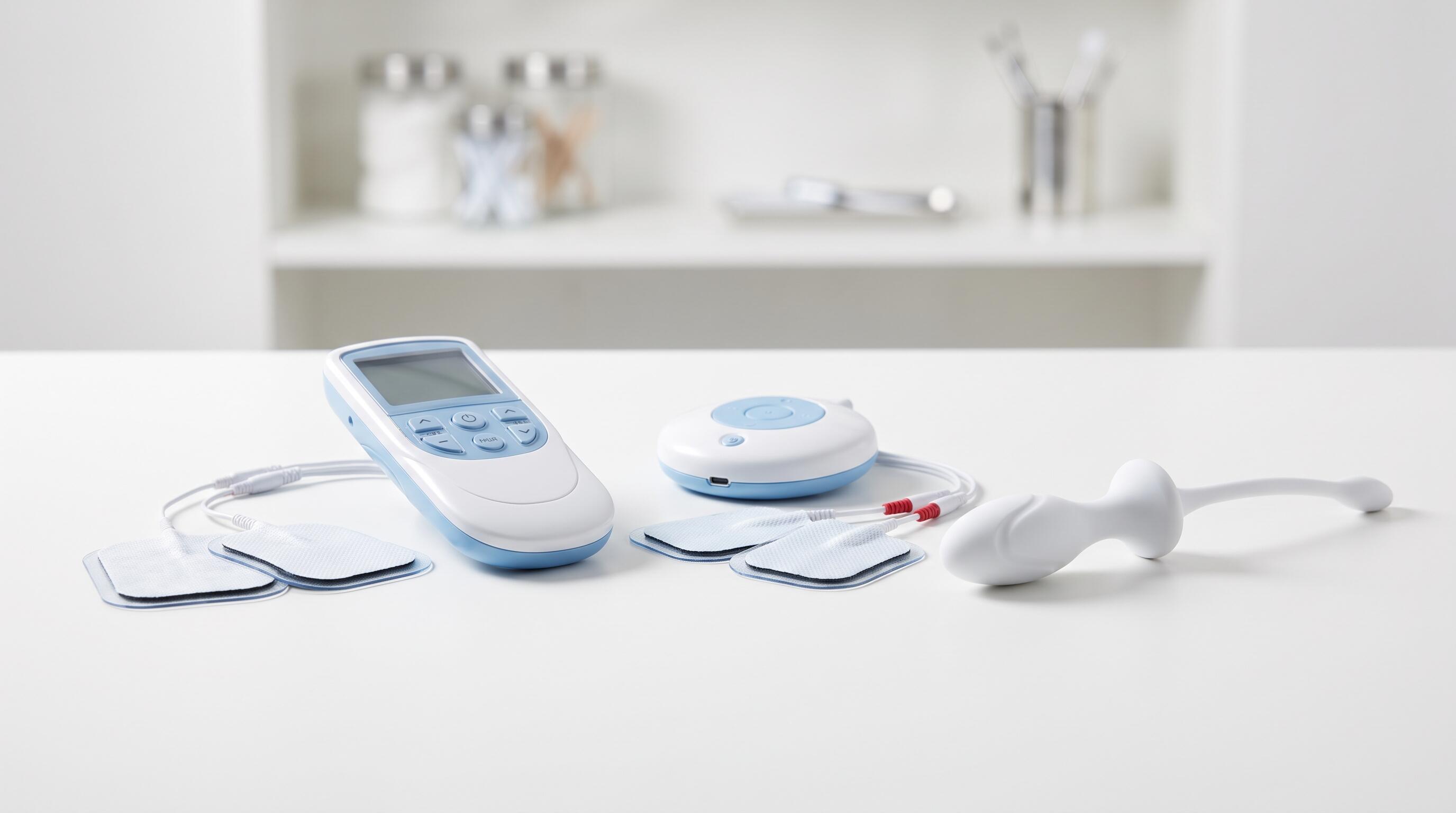
ALT: iStim TENS EMS device lineup for pain relief, muscle recovery, and pelvic floor health at home
Not Sure Which iStim TENS EMS Device Is Right for You? Start Here
Key Conclusion: Choosing which iStim TENS EMS device to buy depends on your primary health goal — whether that's drug-free chronic pain relief, faster muscle recovery, or pelvic floor rehabilitation. iStim offers a focused lineup of professional-grade TENS, EMS, and Kegel devices engineered for home use, backed by ISO-certified manufacturing and trusted by over 20,000 Amazon customers. This guide helps you match the right device to your specific needs.
Electrotherapy has moved decisively out of the clinic and into the home — and for good reason. Devices that once required a physical therapist's supervision are now compact, user-friendly, and clinically validated for self-directed use. iStim has built its reputation at exactly this intersection: professional-grade technology made accessible to everyday users.
The challenge most shoppers face isn't whether electrotherapy works — it's knowing which device matches their situation. A chronic back pain sufferer has different needs than a post-surgical rehab patient or a woman addressing pelvic floor weakness after childbirth. This iStim buying guide walks you through every key consideration so you can invest with confidence rather than guess.
Who This Guide Is For — And Who Should Consult a Doctor First
✅ Applicable Scenarios:
- Adults managing chronic pain (back, knee, shoulder, neck) who want a drug-free, at-home alternative to medication
- Post-rehabilitation patients cleared by a healthcare provider to continue therapy independently
- Fitness enthusiasts and athletes seeking accelerated muscle recovery between training sessions
- Women experiencing pelvic floor weakness related to postpartum recovery, incontinence, or menopause
- Seniors looking for a safe, non-invasive pain management tool without side effects
❌ Not Applicable/Cautions:
- Individuals with implanted electronic devices such as pacemakers or neurostimulators — electrical stimulation can interfere with these devices and should not be used without explicit medical clearance
- People with active cancer, epilepsy, or open wounds in the treatment area — electrotherapy is contraindicated in these cases and requires physician guidance before any use
- Pregnant women should avoid TENS/EMS on the abdomen or lower back and must consult their OB/GYN before using any electrotherapy device
- Anyone in acute cardiac distress or with undiagnosed pain should seek a medical diagnosis before self-treating
Why Electrotherapy at Home Is No Longer a Compromise
For decades, TENS and EMS therapy were exclusively clinic-based, largely because the devices were expensive, bulky, and required trained operators. That changed as miniaturization technology improved and regulatory pathways opened up for consumer-grade medical devices. Today, the at-home electrotherapy market serves millions of people globally — and the quality gap between clinical and consumer devices has narrowed substantially.
TENS (Transcutaneous Electrical Nerve Stimulation) works by delivering low-voltage electrical impulses through electrode pads placed on the skin. These impulses interfere with pain signals traveling to the brain while simultaneously stimulating the release of endorphins — the body's natural painkillers. Research published in journals like the Journal of Pain Research consistently supports TENS as an effective adjunct for chronic musculoskeletal pain.
EMS (Electrical Muscle Stimulation) targets the motor nerves rather than sensory nerves, causing muscles to contract involuntarily. This makes EMS invaluable for two distinct populations: athletes who want to accelerate recovery and reduce delayed-onset muscle soreness, and rehabilitation patients who need to prevent muscle atrophy or re-educate muscles after injury or surgery.
Kegel electrical stimulation is a specialized application of EMS that focuses entirely on the pelvic floor muscles. Because many people — particularly postpartum women or those with pelvic floor dysfunction — struggle to voluntarily activate these deep muscles, targeted electrical stimulation can trigger contractions that a patient might not be able to generate voluntarily. This makes electrical Kegel therapy significantly more effective than manual Kegel exercises for certain conditions.
Understanding the difference between these three modalities is the first step in your buying decision. If you'd like a deeper breakdown of how these two primary technologies compare, TENS vs EMS: Which Device Should You Choose? is an excellent place to start before diving into specific product recommendations.
The broader trend is clear: health-conscious consumers are increasingly choosing non-pharmacological interventions. The global TENS devices market is on a sustained growth trajectory, driven by aging populations, rising chronic pain prevalence, and growing awareness of opioid-related risks. iStim sits at the center of this trend — offering ISO-certified devices that don't require a prescription or a clinic visit, but still deliver the kind of consistent, measurable results that build long-term trust.
How to Choose the Right iStim Device in Three Steps
Match Your Primary Health Goal to the Right Technology
Step 1: Identify Your Primary Need
Before looking at any specific product, anchor your decision to your dominant health concern. Are you primarily dealing with pain? Muscle weakness or recovery? Pelvic floor dysfunction? Or a combination? Most people fit into one of three categories: pain relief (TENS), muscle recovery or strengthening (EMS), or pelvic rehabilitation (Kegel stimulation). Spending five minutes with honest self-assessment here saves time and money. Write down your top one or two goals — this will immediately narrow your options.
Step 2: Consider Treatment Coverage and Channels
Once you know your modality, consider how much of your body you need to treat. Do you have pain in multiple locations — say, both a knee and a lower back? Or do you need to treat a single concentrated area? This determines how many output channels you need. A dual-channel device works well for localized, bilateral treatment. A four-channel device lets you cover more surface area simultaneously — ideal for people managing pain or recovery across multiple body regions. For a detailed explanation of why channel count matters, read Best 4 Channel TENS Unit: Why Channels Matter.
Step 3: Evaluate Lifestyle and Usage Patterns
Finally, think about how and where you'll use the device. Do you want something portable you can use at your desk or during light activity? Or a dedicated home-use unit you'll connect to during a 20-minute evening session? Battery type matters here — rechargeable units reduce ongoing costs and are more eco-friendly, while replaceable battery units may suit users who travel frequently or live in areas with limited charging access. Consider also whether you want pre-programmed modes for simplicity or manual control for precision.
iStim Device Comparison: Matching Products to People
Every person who walks through the electrotherapy door has a different backstory — a runner with recurring IT band pain, a new mother struggling with stress incontinence, a desk worker with chronic neck tension. The right device isn't the most expensive one or the one with the most features. It's the one that best matches your specific combination of goals, lifestyle, and body.
The following comparison framework is built around the three core iStim device categories. Use it as a starting map, then read the detailed sections that follow for deeper context.
| Comparison Dimension | TENS Device | EMS Device | Kegel Stimulation Device |
|---|---|---|---|
| Primary Use | Drug-free pain relief | Muscle recovery & strengthening | Pelvic floor rehabilitation |
| Target Users | Chronic pain sufferers, seniors, post-injury patients | Athletes, post-rehab patients, those with muscle atrophy | Postpartum women, those with incontinence, pelvic floor dysfunction |
| Treatment Area | Back, knee, shoulder, neck, joints | Major muscle groups, limbs | Pelvic floor only |
| Mechanism | Blocks pain signals, triggers endorphin release | Motor nerve stimulation, causes muscle contractions | Targeted pelvic floor contractions |
| Session Style | Passive pain management | Active or passive muscle engagement | Passive pelvic muscle engagement |
| Typical Use Frequency | Daily as needed | Multiple times weekly | Per therapist/device guidance |
| Portability Need | Medium to high | Medium | Low (home-based) |
Deep Dive: Which iStim Device Is Actually Right for You?
If Your Primary Goal Is Pain Relief: TENS Devices
Chronic pain is one of the most undertreated conditions in modern healthcare, and TENS therapy offers something that pain medication simply cannot: a zero-drug mechanism with no systemic side effects and no dependency risk. For people who have been managing back pain, knee pain, or shoulder tension with NSAIDs or prescription painkillers, a TENS unit can be genuinely life-changing.
iStim's TENS devices are designed to deliver consistent, professional-grade electrical stimulation through a straightforward interface. The devices offer adjustable intensity and multiple waveform modes, allowing users to customize stimulation to their comfort level and pain type. This matters because different pain presentations — neuropathic pain, musculoskeletal pain, post-surgical discomfort — respond best to different stimulation parameters.
For users dealing with pain across multiple body sites simultaneously, a multi-channel device is the smarter investment. A four-channel unit, for example, allows you to place electrode pads on both a knee and a lower back at the same time, running a single session that addresses two problem areas. This is particularly relevant for older adults managing age-related joint pain in several locations — a very common scenario.
For those specifically dealing with lower limb pain, the Best TENS Unit for Knee Pain Management Routines offers excellent targeted guidance on electrode placement and session protocols.
If Your Primary Goal Is Muscle Recovery or Strengthening: EMS Devices
EMS devices speak a different electrical language than TENS units — they communicate with motor nerves rather than sensory nerves. The practical result is that muscles contract during treatment, which serves two valuable purposes: it accelerates recovery by promoting circulation and reducing lactic acid buildup, and it strengthens muscles by adding low-intensity workout stimulus without joint loading.
For athletes and fitness enthusiasts, EMS is increasingly used as a recovery modality between training sessions. If you're pushing your body hard — running, cycling, resistance training — EMS can help you bounce back faster and maintain higher training frequency without overtraining. The contractions stimulate blood flow, help clear metabolic waste from muscle tissue, and can reduce that familiar soreness that peaks 24–48 hours after a hard session.
For post-rehabilitation patients, EMS serves an even more critical function: preventing or reversing muscle atrophy. After surgery, injury, or prolonged immobilization, muscles can lose mass and strength surprisingly quickly. EMS provides a way to maintain or rebuild muscle activation patterns even when voluntary exercise is limited. Many physical therapists incorporate EMS into their treatment plans for exactly this reason.
If you're evaluating combo devices that offer both TENS and EMS in a single unit — a common and cost-effective option for users who need both pain relief and muscle recovery — the comprehensive review at Best TENS EMS Combo Machine for Home Use provides a thorough breakdown of what to look for. The EV-805 Review: Who Is This TENS EMS Combo Machine Best For? also offers a detailed look at one of iStim's specific combination units and the user profiles it serves best.
If Your Primary Goal Is Pelvic Floor Health: Kegel Devices
Pelvic floor dysfunction is vastly underreported and undertreated. Studies estimate that up to one-third of women experience some degree of pelvic floor disorder — including urinary incontinence, pelvic organ prolapse, or pelvic pain — yet many never seek treatment due to embarrassment or lack of awareness that effective, non-invasive options exist.
iStim's Kegel electrical stimulation devices are designed specifically for this gap. They deliver precisely calibrated stimulation to the pelvic floor muscles, triggering contractions in muscles that many users cannot consciously activate effectively on their own. This is not a weakness of willpower — the pelvic floor is anatomically isolated and genuinely difficult to engage voluntarily, especially after childbirth trauma or in the presence of neurological factors.
The device is discreet, designed for home use, and provides a structured path toward improved pelvic floor tone, reduced incontinence episodes, and better core stability. For postpartum women in particular, this kind of targeted rehabilitation can be transformative — addressing both the physical symptoms and the confidence impact of pelvic floor weakness.
The Case for a TENS/EMS Combo Device
Many iStim users ultimately benefit from a device that bridges both TENS and EMS functionality. This is especially true for active adults over 40 — a group that frequently deals with both chronic pain and the natural loss of muscle mass and recovery capacity that comes with aging. A combination unit means you're not choosing between pain management today and muscle health tomorrow — you get both, in one device, at a cost point that's lower than buying two separate units.
When evaluating rechargeable combo options, the guide on the Best Rechargeable TENS EMS Machine with Electrode Pads is particularly useful for understanding what the electrode system contributes to therapy quality and long-term cost of ownership.
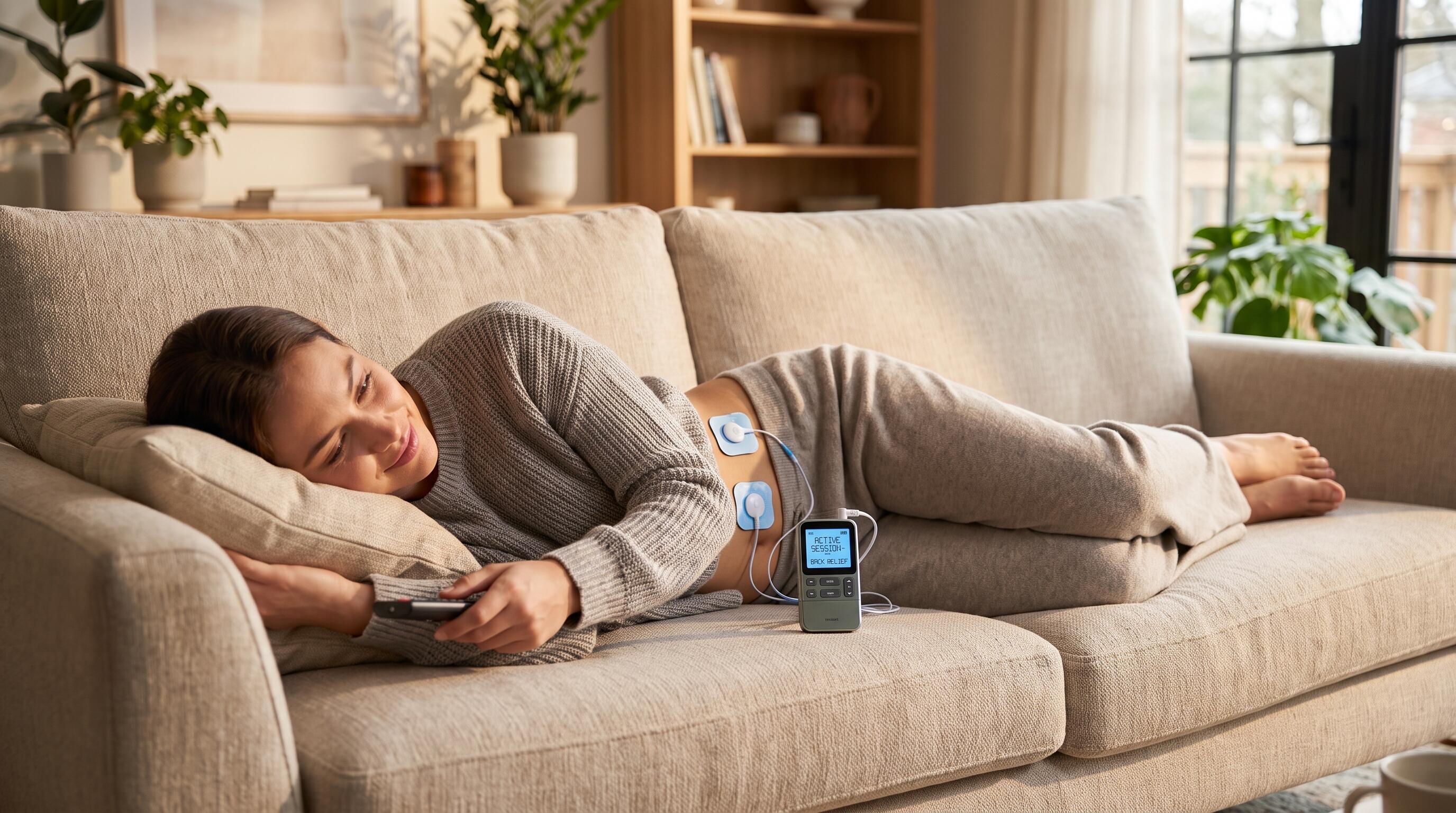
ALT: iStim TENS EMS combo device placed on lower back for drug-free pain relief and muscle stimulation during home therapy session
Advanced Considerations: Getting the Most from Your iStim Device
Special Situations Worth Knowing About
Using TENS for nerve-related pain. Standard musculoskeletal pain and neuropathic pain (caused by nerve damage or irritation — such as sciatica, diabetic neuropathy, or post-herpetic neuralgia) may respond to different TENS settings. Neuropathic pain often responds better to burst or modulated waveform modes rather than continuous stimulation. If you're dealing with nerve-related pain rather than joint or muscle pain, pay attention to how your body responds to different modes and intensity levels, and consult your healthcare provider for guidance on optimal parameters.
Combining TENS and EMS in the same session. If you're using a combo device, running TENS first for pain relief and then EMS for muscle work is a common and sensible protocol. The pain relief from a TENS session can make subsequent EMS contractions more tolerable — particularly useful for post-surgical patients who are sensitive to discomfort during rehabilitation.
Electrode placement precision. The effectiveness of any electrotherapy session is highly dependent on where you place the pads. Incorrect placement can reduce effectiveness or, in rare cases, cause skin irritation. Always refer to the placement guides included with your iStim device, and replace electrode pads regularly — worn pads deliver inconsistent current and may adhere unevenly.
Common Misconceptions Clarified
"More intensity equals better results." This is one of the most widespread misunderstandings in home electrotherapy. Higher intensity does not automatically produce better outcomes and can cause discomfort or muscle fatigue. For TENS, the goal is a strong but comfortable tingling sensation. For EMS, contractions should be firm but not painful. Starting low and gradually increasing is always the right approach.
"TENS and EMS are the same thing." They use similar hardware but fundamentally different frequencies and mechanisms. TENS operates at higher frequencies to modulate pain signals; EMS operates at frequencies designed to trigger motor nerve activation. Using a TENS device for muscle training or an EMS device purely for pain relief will produce suboptimal results — match the modality to the goal.
"Electrotherapy only works for serious medical conditions." Not true. iStim devices are equally valuable for everyday wellness maintenance — reducing muscle tension from desk work, speeding post-workout recovery, or proactively addressing pelvic floor tone before symptoms become problematic.
Frequently Asked Questions FAQ
Q1: How do I know which iStim TENS EMS product is right for my specific pain condition?
The best starting point is identifying where your pain is, what type it is (muscle, joint, nerve), and how many body areas you need to treat. If you have localized pain in one area, a standard dual-channel TENS unit typically provides effective relief. If you need to cover multiple areas simultaneously, a four-channel unit offers better coverage and session efficiency. For muscle recovery needs alongside pain management, a TENS/EMS combo device is the most versatile investment. When in doubt, consult iStim's product pages at istim.com or speak with your physical therapist.
Q2: Is it safe to use an iStim device every day for chronic pain management?
For most healthy adults without contraindications, daily TENS use for pain management is considered safe and is commonly recommended by physical therapists. TENS does not carry the risks of dependence or systemic side effects associated with pain medication. However, it's important to avoid using the device on the same skin area for excessively long sessions without breaks, as prolonged electrode contact can cause mild skin irritation. Always follow the session duration and frequency guidance provided in your device manual, and check with your healthcare provider if you have any underlying health conditions.
Q3: How long does it typically take to see results from using a TENS or EMS device at home?
Results vary depending on the condition being treated and individual physiology. Many users report noticeable pain relief during or immediately after their first TENS session — particularly for acute musculoskeletal discomfort. For chronic pain conditions, consistent use over two to four weeks generally produces more sustained improvement. EMS results for muscle recovery tend to be felt within a few sessions, while pelvic floor improvements from Kegel stimulation typically require several weeks of regular use before significant functional changes are observed. Consistency is the most important factor in achieving meaningful long-term outcomes.
Summary
Choosing the right electrotherapy device comes down to three core principles. First, match the technology to your goal — TENS for pain, EMS for muscle recovery and strength, Kegel stimulation for pelvic floor rehabilitation. Second, consider your lifestyle and coverage needs — whether that means a portable single-channel unit or a comprehensive four-channel combo device. Third, buy from a brand you can trust — one with ISO-certified manufacturing, a genuine track record with real users, and a product lineup designed with clinical input rather than marketing convenience.
iStim delivers on all three counts. Its focused product range eliminates the overwhelm of too many options while ensuring that each device is purpose-built for the people most likely to benefit from it. Whether you're a 55-year-old managing chronic knee pain, a postpartum mother rebuilding pelvic floor strength, or a 40-year-old athlete looking to train smarter — there's a device in the iStim lineup engineered for your situation.
The key next step is simple: identify your primary goal, use this guide to narrow your options, and take the first step toward a drug-free path to feeling better.
Ready to Find Your Match?
Ready to experience drug-free pain relief and muscle stimulation from the comfort of your home? Visit iStim at https://istim.com/ to explore their full range of professional-grade TENS, EMS, and Kegel devices — trusted by over 20,000 customers and built to clinical standards. Whether you're managing chronic pain, speeding up muscle recovery, or strengthening your pelvic floor, iStim has a solution designed for you.
References
- National Institute of Neurological Disorders and Stroke (NINDS). "Pain: Hope Through Research."
https://www.ninds.nih.gov/health-information/patient-caregiver-education/hope-through-research/pain-hope-through-research - U.S. National Library of Medicine — MedlinePlus. "TENS (Transcutaneous Electrical Nerve Stimulation)."
https://medlineplus.gov/ency/article/007571.htm - American Physical Therapy Association (APTA). "Physical Therapist's Guide to Chronic Pain Management."
https://www.apta.org/patient-care/interventions/electrophysiologic - National Association For Continence (NAFC). "Electrical Stimulation for Pelvic Floor Disorders."
https://www.nafc.org/electrical-stimulation - Mayo Clinic. "Transcutaneous electrical nerve stimulation (TENS)."
https://www.mayoclinic.org/tests-procedures/tens/about/pac-20384793
Note: Standards and clinical guidelines may be updated over time. Please verify information against the latest official documentation or consult a qualified healthcare professional for personalized advice.
About iStim
iStim is a Los Angeles-based electrotherapy brand specializing in professional-grade TENS, EMS, and Kegel devices engineered for safe and effective home use, backed by ISO-certified Taiwanese manufacturing and the trust of 20,000+ Amazon customers. Learn more at https://istim.com/.
Disclaimer: This article is provided for informational and educational purposes only and does not constitute medical advice. The content is produced in partnership with iStim and reflects the brand's expertise in electrotherapy and drug-free wellness solutions. Always consult a qualified healthcare professional before starting any new treatment or therapy program.
Leave a comment