

What to Expect from Next-Generation TENS/EMS Combo Devices Upcoming This Year
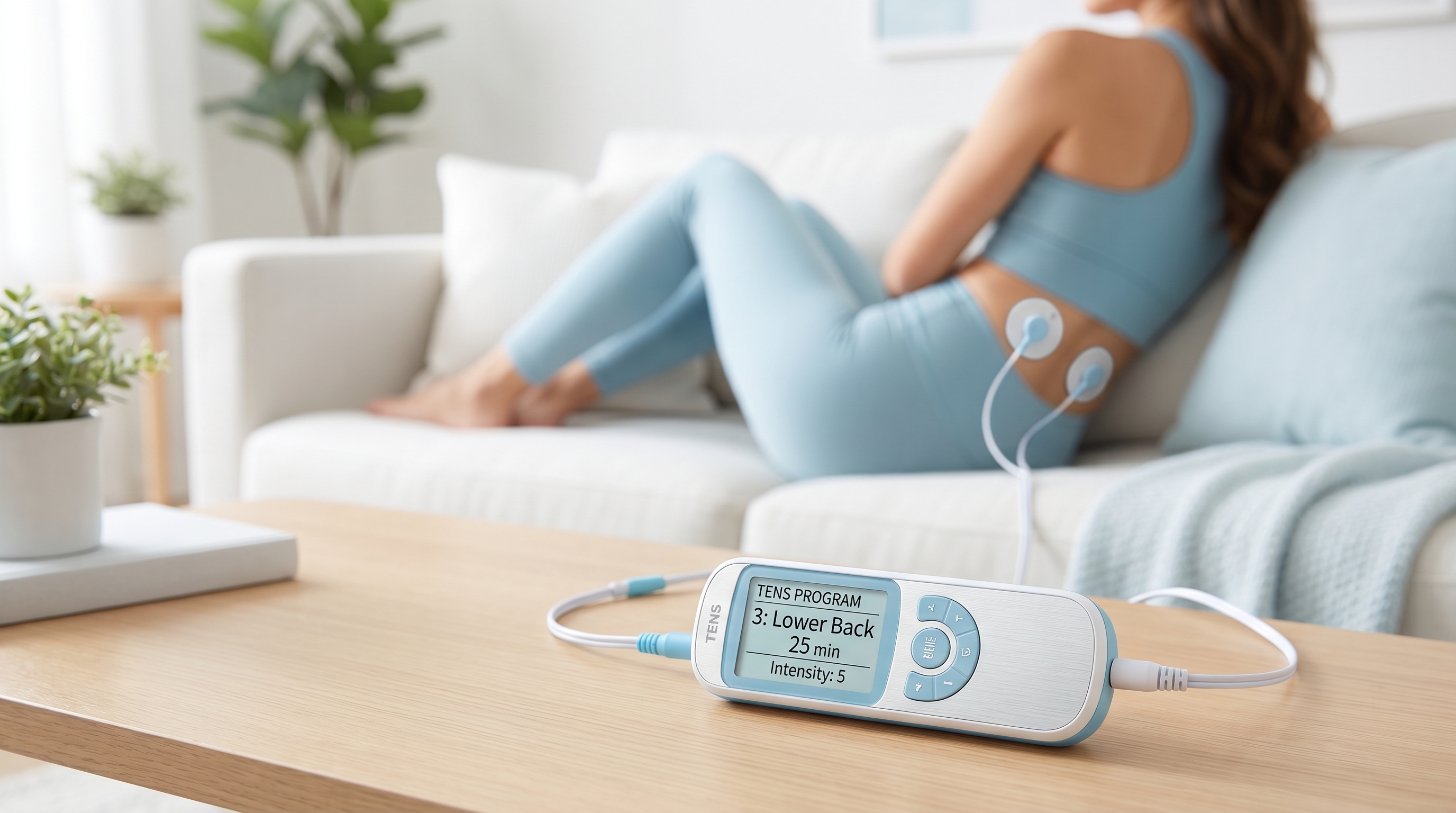
ALT: Next-generation TENS EMS combo device for drug-free pain relief and muscle recovery used at home
The Future of Drug-Free Pain Relief: What Next-Generation TENS/EMS Combo Devices Are Bringing to Home Users
Key Conclusion: Next-generation TENS/EMS combo devices are poised to redefine at-home electrotherapy by integrating smarter programming, wireless operation, and multi-modal stimulation into a single, user-friendly platform. For health-conscious individuals managing chronic pain, recovering from injury, or rebuilding muscle strength, these advanced devices promise clinical-quality results without the need for pharmaceutical interventions — all from the comfort of home.
The electrotherapy landscape is evolving rapidly. What once required a visit to a licensed physical therapist or sports medicine clinic can increasingly be achieved at home, thanks to sophisticated devices that combine Transcutaneous Electrical Nerve Stimulation (TENS) and Electrical Muscle Stimulation (EMS) in a single unit. As consumer demand for non-pharmaceutical wellness solutions accelerates, manufacturers are investing heavily in next-generation platforms that are smarter, more intuitive, and more clinically versatile than ever before.
For users already familiar with standalone TENS or EMS devices, the shift to combo technology represents more than a hardware upgrade — it signals a new philosophy of personalized, whole-body electrotherapy management. Whether you are an athlete seeking faster recovery, a chronic pain patient reducing reliance on medication, or someone navigating post-surgical rehabilitation, understanding what to expect from the next wave of devices will help you make informed decisions about your care.
Who Will Benefit Most from Next-Gen TENS/EMS Combo Devices
✅ Applicable Scenarios:
- Individuals managing chronic conditions such as lower back pain, arthritis, sciatica, or fibromyalgia who want to reduce dependence on pain medications
- Athletes and fitness enthusiasts seeking simultaneous pain relief and accelerated muscle recovery within a single session
- Post-surgery or physical therapy patients transitioning to independent home care who need a versatile, multi-function device
- Women pursuing pelvic floor rehabilitation, postpartum recovery, or management of stress urinary incontinence
- Older adults exploring medication-free alternatives for managing musculoskeletal discomfort and maintaining muscle tone
❌ Not Applicable/Cautions:
- Individuals with implanted electronic devices such as pacemakers or defibrillators — TENS unit contraindications for heart conditions are well established, and electrotherapy should never be used over the chest area or near cardiac devices without explicit physician clearance
- Pregnant women (except under specific clinical guidance, particularly for pelvic applications) and individuals with active skin infections, open wounds, or dermatological conditions at the electrode placement sites
- Anyone diagnosed with epilepsy, deep vein thrombosis, or active cancer in the treatment area should consult a healthcare provider before using any electrotherapy device
Why the Shift to Combo Devices Is Accelerating Right Now
The global electrotherapy market has seen consistent growth over the past decade, driven by aging populations, rising chronic pain prevalence, and growing consumer skepticism toward opioid-based pain management. According to the U.S. National Institutes of Health, chronic pain affects more than 50 million adults in the United States alone — a statistic that has fueled intense interest in non-pharmacological alternatives.
To understand why TENS and EMS are often discussed together, it helps to revisit what each modality does independently. If you are new to electrotherapy, What Is TENS Therapy and How Does It Relieve Pain Without Drugs? provides a thorough foundation for understanding how electrical nerve stimulation interrupts pain signals and stimulates endorphin release. Separately, What Is EMS (Electrical Muscle Stimulation) and How Is It Different from TENS? clarifies the distinct mechanism by which EMS directly contracts muscle fibers — a process that underpins both athletic performance enhancement and clinical rehabilitation.
The appeal of combining both modalities in a single device is compelling: a user managing chronic back pain might begin a session with TENS to calm acute pain signals, then transition to EMS to strengthen the surrounding musculature — all without removing electrodes or switching equipment. This sequential or simultaneous dual-mode capability is one of the defining features that next-generation platforms are expected to refine significantly.
Beyond the clinical rationale, market trends point to consumer demand for simplicity and value. Managing multiple single-function devices — each with its own charging cable, app, and electrode set — creates friction that discourages consistent use. Integrated combo devices reduce this burden, improving long-term adherence and, by extension, health outcomes.
Manufacturers are also responding to the growing sophistication of home users. Today's electrotherapy consumers research their purchases carefully, read clinical literature, and expect devices to deliver transparent, evidence-based performance. The next generation of TENS/EMS combo platforms is being engineered to meet these elevated expectations.
What to Expect: A Deep Dive into Next-Generation TENS/EMS Combo Technology
Getting Started with Your Next-Gen Combo Device: A Three-Step Orientation
Step 1: Assess Your Primary Health Goals Before Choosing Settings
Before powering on any advanced TENS/EMS device, spend a few minutes identifying your primary therapeutic objective for each session. Are you targeting acute pain relief, chronic pain management, post-workout muscle recovery, or progressive muscle strengthening? Next-generation devices will increasingly offer goal-based onboarding screens or app-guided intake questionnaires that map your responses to pre-configured programs. This initial assessment typically takes five to ten minutes and dramatically improves the quality of your first session by matching waveform type, frequency, and pulse width to your specific need.
Step 2: Optimize Electrode Placement Using Guided Mapping Tools
Proper electrode placement remains one of the most critical — and commonly misunderstood — aspects of effective electrotherapy. Next-generation combo devices are expected to incorporate visual placement guides either on the device screen or through companion apps, using body-mapping interfaces that suggest optimal electrode positions based on the selected program. For users managing conditions like chronic lower back pain, following a clinically validated placement protocol (such as those outlined in resources like the How to Use a TENS Unit for Chronic Back Pain: Electrode Placement Guide) ensures that electrical current reaches the intended nerve pathways or muscle groups efficiently.
Step 3: Progress Your Protocol Over Time with Adaptive Feedback
One of the most significant advances in next-generation devices is the shift from static, fixed programs to adaptive protocols that evolve with the user. After completing initial sessions, intelligent devices will analyze usage data — intensity levels selected, session duration, frequency of use — and recommend progressive adjustments. This mirrors the clinical progression model used by physical therapists, where treatment parameters are advanced systematically to prevent accommodation and maximize therapeutic benefit. Users should expect prompts to increase intensity gradually, try new programs, or add complementary modalities as their tolerance and goals evolve.
Comparing Next-Generation TENS/EMS Combo Devices: Key Feature Categories to Evaluate
When the next wave of devices reaches the market, consumers will encounter a range of platforms at varying price points and capability levels. Understanding the key differentiating dimensions will help you evaluate options objectively.
The table below outlines the primary feature categories to assess, contrasting entry-level combo devices with mid-range and advanced next-generation platforms based on capabilities typically associated with each tier.
| Comparison Dimension | Entry-Level Combo | Mid-Range Combo | Advanced Next-Gen Combo |
|---|---|---|---|
| Modality Coverage | TENS + basic EMS | TENS + full EMS | TENS + EMS + specialty modes (e.g., pelvic floor, microcurrent) |
| Program Intelligence | Fixed preset programs | Customizable presets | AI-assisted adaptive programming |
| Wireless Capability | Wired electrode leads | Partial wireless integration | Fully wireless electrode pods |
| App Connectivity | None or basic | Bluetooth logging | Full app ecosystem with progress tracking |
| Electrode Compatibility | Proprietary pads only | Standard snap connectors | Universal + specialty (pelvic probes, etc.) |
| User Guidance | Manual only | On-screen prompts | Real-time guided sessions with feedback |
| Clinical Credibility | Consumer-grade | Semi-professional | Professional-grade, ISO-certified manufacturing |
iStim's current device lineup, backed by ISO-certified Taiwanese manufacturing and trusted by over 20,000 Amazon customers, already occupies the professional-grade segment. The brand's trajectory toward next-generation features positions it well in the evolving landscape of home electrotherapy.
The Five Defining Innovations of Next-Generation TENS/EMS Combo Devices
1. True Dual-Channel Simultaneous TENS and EMS Delivery
Current-generation combo devices often require users to toggle between TENS and EMS modes sequentially. Next-generation platforms will increasingly offer true simultaneous dual-channel output, allowing TENS stimulation on one electrode pair and EMS activation on a separate pair — all within the same session. This means a user rehabilitating a knee injury can simultaneously calm periarticular pain through TENS while actively contracting the quadriceps via EMS, a combination that mirrors the multi-modal approach used in clinical physiotherapy settings.
2. Wireless Electrode Technology
The tangle of lead wires has long been one of the few practical frustrations associated with home electrotherapy. Wireless TENS and EMS units are already emerging in the market, and next-generation platforms will make this a standard rather than premium feature. Self-contained electrode pods that adhere directly to the skin and communicate wirelessly with a central controller or smartphone app will enable freer movement during sessions — a meaningful advantage for users who want to continue light activity while receiving muscle stimulation. Understanding how this technology functions is covered in depth in resources like Wireless TENS Units Explained: How They Work Without Lead Wires.
3. Integrated Pelvic Floor Stimulation Modes
One of the most clinically significant expansions in next-generation combo devices is the integration of dedicated pelvic floor stimulation programs alongside conventional TENS and EMS modes. The best pelvic floor stimulators for treating urinary incontinence and supporting sexual health have historically been standalone specialty devices. However, advanced combo platforms are beginning to incorporate these capabilities — including compatibility with intravaginal and intracorporeal probes — making them genuinely comprehensive electrotherapy hubs.
For women seeking postpartum recovery support or managing stress urinary incontinence, this integration is transformative. Understanding the underlying anatomy and therapeutic rationale is essential: What Is the Pelvic Floor and Why Does It Matter for Women's Health? provides an excellent foundation. Pelvic floor electrical stimulation has demonstrated clinical efficacy not only for continence but also for sexual health improvement, with research supporting its role in enhancing pelvic muscle tone and neuromuscular coordination.
4. Smarter Waveform Customization
Waveform parameters — including frequency (Hz), pulse width (microseconds), intensity (mA), and waveform shape (biphasic, burst, modulated) — are the variables that determine whether a session feels comfortable, achieves deep muscle penetration, or targets superficial versus deep nerve fibers. Next-generation devices will offer finer granularity in waveform customization, supported by on-screen or in-app explanations that translate technical parameters into practical language users can understand. This democratizes a level of control previously reserved for clinical equipment.
5. Electrode Quality and Compatibility Upgrades
The best device is only as effective as its electrode interface with the skin. Next-generation combo platforms will increasingly support high-conductivity electrode materials that improve current distribution, reduce skin irritation during prolonged sessions, and maintain adhesion over multiple uses. Electrode quality is often underestimated by first-time buyers — a point worth exploring in detail, as the difference between electrode types can meaningfully affect both comfort and therapeutic outcome.
Addressing the Question: EMS vs. Traditional Strength Training — Where Does It Fit?
A common question among fitness enthusiasts is whether the best way to build muscle is EMS or traditional strength training. The honest answer is that they serve complementary rather than competing roles. Traditional resistance training builds muscle through mechanical load, progressive overload, and metabolic stress — mechanisms that EMS cannot fully replicate. However, EMS excels in activating deep muscle fibers that are often underrecruited during voluntary exercise, supporting neuromuscular re-education after injury, and accelerating recovery between training sessions. For elite athletes and rehabilitation patients alike, EMS is best understood as a clinical augmentation to conventional training rather than a replacement.
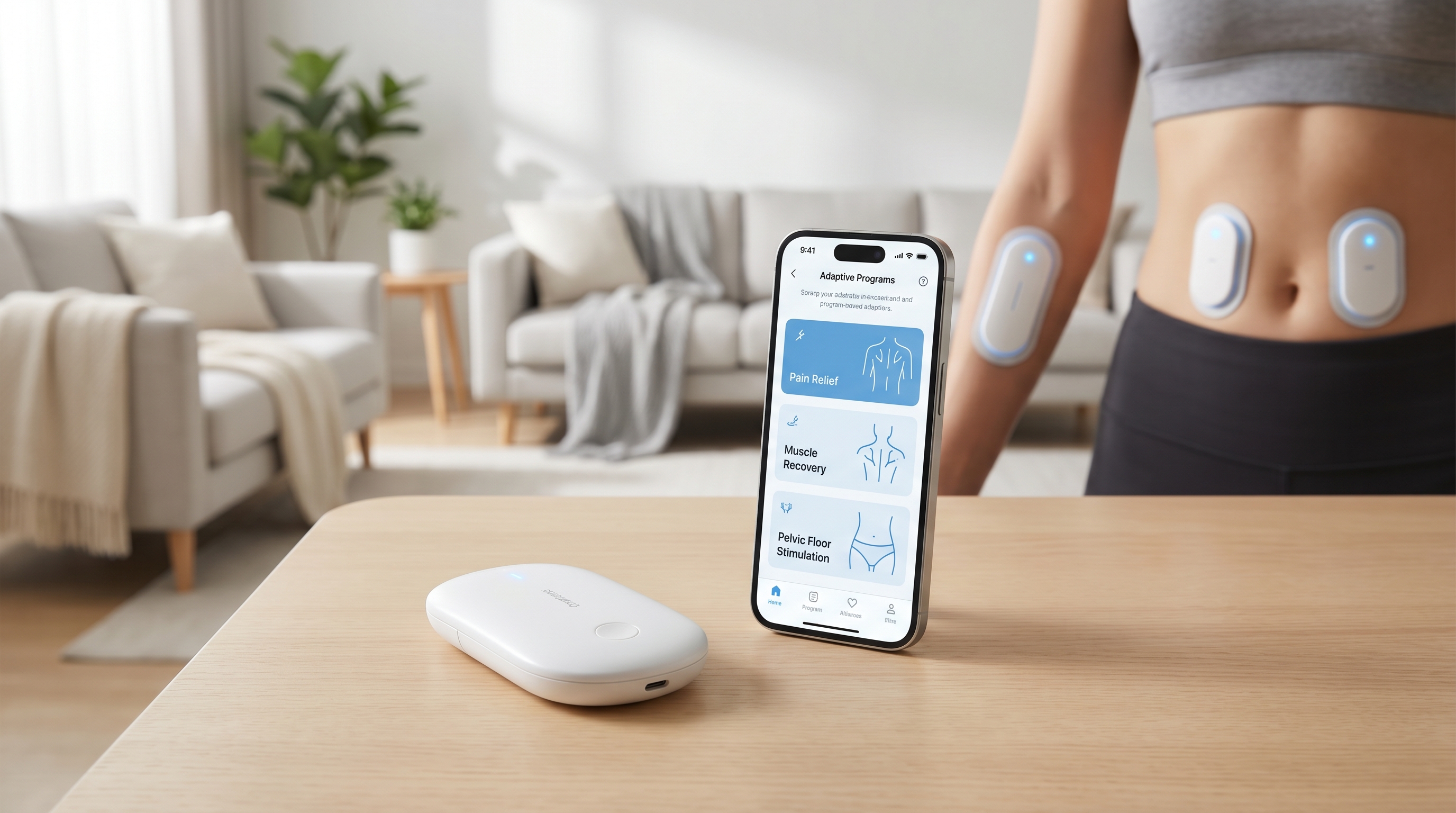
ALT: Smart wireless TENS EMS combo device showing app-guided adaptive programming for pain relief, muscle recovery, and pelvic floor stimulation at home
Advanced Considerations: Safety, Contraindications, and Realistic Expectations
TENS Unit Contraindications for Heart Conditions and Other Special Populations
Safety remains the cornerstone of responsible electrotherapy adoption. TENS unit contraindications for heart conditions are among the most important safeguards in the field. Individuals with implanted cardiac devices — including pacemakers, implantable cardioverter-defibrillators (ICDs), and spinal cord stimulators — should never use TENS or EMS without explicit medical approval, as electrical current can interfere with device function. Even individuals without implants who have a history of arrhythmia or congestive heart failure should seek physician guidance before beginning any electrotherapy program.
Other important safety considerations for next-generation users include:
- Active malignancy: Electrical stimulation should not be applied directly over known tumor sites, as the effects of electrical current on tumor tissue are not fully understood.
- Neurological conditions: Individuals with epilepsy or severe peripheral neuropathy should exercise caution, as abnormal nerve responses may alter the predictability of stimulation outcomes.
- Skin integrity: Electrode placement should always avoid broken, irritated, or infected skin. Advanced devices with higher-conductivity electrodes will require users to be especially vigilant about skin preparation.
Common Misconceptions to Dispel Before Buying
One persistent myth is that higher intensity always produces better results. In electrotherapy, effective stimulation occurs within a therapeutic window — intensity should be sufficient to achieve the desired physiological effect (sensory, motor, or strong motor response) without causing discomfort or involuntary muscle cramping. Next-generation devices with adaptive feedback systems will help users navigate this window more intelligently than manual dial-based adjustments allow.
Another misconception is that combo devices inevitably sacrifice depth of function in one modality to accommodate the other. Well-engineered next-generation platforms — particularly those built to professional-grade standards — are designed to deliver full clinical performance in both TENS and EMS modes, not a compromised hybrid of each.
When evaluating any new device, consulting a comprehensive resource like the TENS Unit Buyer's Guide: What to Look for in a Home Electrotherapy Device can help you ask the right questions before committing to a purchase.
Frequently Asked Questions FAQ
Q1: How do next-generation TENS/EMS combo devices differ from current home units?
Next-generation combo devices advance beyond current platforms by integrating adaptive AI-assisted programming, wireless electrode technology, simultaneous dual-channel TENS and EMS delivery, and dedicated specialty modes such as pelvic floor stimulation — all within a single unit. Current devices typically require users to switch modes manually and offer fixed preset programs. The next generation will dynamically adjust parameters based on user feedback and session history, more closely replicating the personalized progression model used in clinical physical therapy settings.
Q2: Are next-generation TENS/EMS combo devices safe for seniors managing multiple medications?
For older adults exploring drug-free pain relief, TENS and EMS combo devices are generally considered safe when used according to guidelines, but contraindications must be assessed carefully. Seniors with cardiac devices, epilepsy, or compromised skin integrity require physician clearance before use. The appeal for this demographic is significant — next-generation platforms designed with intuitive interfaces and pre-configured programs for common conditions could make medication-free pain management considerably more accessible for seniors seeking to reduce pharmaceutical burden.
Q3: How long does it typically take to see results from a next-gen TENS/EMS combo device?
Results vary by condition and individual response, but most users report meaningful pain relief within the first few sessions of TENS therapy. EMS-driven muscle strengthening and rehabilitation benefits typically accumulate over several weeks of consistent use — a timeline consistent with conventional physical therapy protocols. Next-generation devices with progress-tracking features will help users visualize improvements over time, supporting motivation and long-term adherence. As always, realistic expectations and consultation with a healthcare provider are essential starting points.
Summary
The next generation of TENS/EMS combo devices represents a genuine leap forward in at-home electrotherapy — not merely an incremental hardware upgrade, but a fundamental reimagining of what personalized, drug-free pain and muscle management can look like for everyday users.
Three core value propositions define this new era:
- Clinical depth in a consumer form factor: Professional-grade waveform precision, adaptive programming, and simultaneous dual-modality delivery are moving from clinical settings into home use — democratizing care that was previously accessible only through expensive specialist appointments.
- Whole-body versatility: The integration of pelvic floor stimulation, wireless electrode freedom, and multi-region programming means that a single device can address the full spectrum of electrotherapy needs — from chronic back pain to athletic recovery to postpartum rehabilitation.
- Smarter, safer guidance: AI-assisted feedback systems, built-in contraindication screening, and in-app placement guidance reduce user error and improve outcomes — particularly for individuals who are new to electrotherapy or transitioning from supervised clinical care to independent home management.
For those ready to engage with this technology, the most important next step is to align device selection with your specific health goals, review safety contraindications carefully, and seek professional guidance where applicable.
Ready to Experience Professional-Grade Electrotherapy at Home?
Ready to take control of your pain relief and muscle health — without relying on drugs? iStim offers a full range of professional-grade TENS, EMS, and Kegel devices designed for safe, effective, and convenient home use. Explore the complete lineup and find the right device for your needs at https://istim.com/.
References
- National Institutes of Health, National Center for Complementary and Integrative Health. "Chronic Pain: In Depth".
https://www.nccih.nih.gov/health/chronic-pain-in-depth - American Physical Therapy Association. "Physical Therapist's Guide to Electrical Stimulation (E-Stim)".
https://www.apta.org/ - National Institute of Neurological Disorders and Stroke. "Chronic Pain: Hope Through Research".
https://www.ninds.nih.gov/health-information/patient-caregiver-education/hope-through-research/chronic-pain-hope-through-research - U.S. Food and Drug Administration. "Electrical Muscle Stimulators".
https://www.fda.gov/medical-devices/home-use-devices/electrical-muscle-stimulators - Journal of Physical Therapy Science. "Effects of Transcutaneous Electrical Nerve Stimulation (TENS) on Chronic Pain Management" — published via PubMed Central, National Library of Medicine.
https://www.ncbi.nlm.nih.gov/pmc/articles/PMC4500017/
Note: Standards may be updated, please check the latest official documents or consult professional advisors.
About iStim
iStim is a Los Angeles-based electrotherapy brand specializing in professional-grade TENS, EMS, and Kegel devices engineered for home use, backed by ISO-certified Taiwanese manufacturing and trusted by over 20,000 Amazon customers worldwide. iStim is dedicated to making drug-free pain relief and muscle stimulation accessible, effective, and safe for everyone.
Disclaimer: This article is provided for informational and educational purposes only and does not constitute medical advice. The content is not intended to diagnose, treat, cure, or prevent any medical condition. Always consult a qualified healthcare professional before starting any electrotherapy program or making changes to your treatment plan. © iStim. All rights reserved.
Leave a comment