

What Is TENS Therapy and How Does It Relieve Pain Without Drugs?
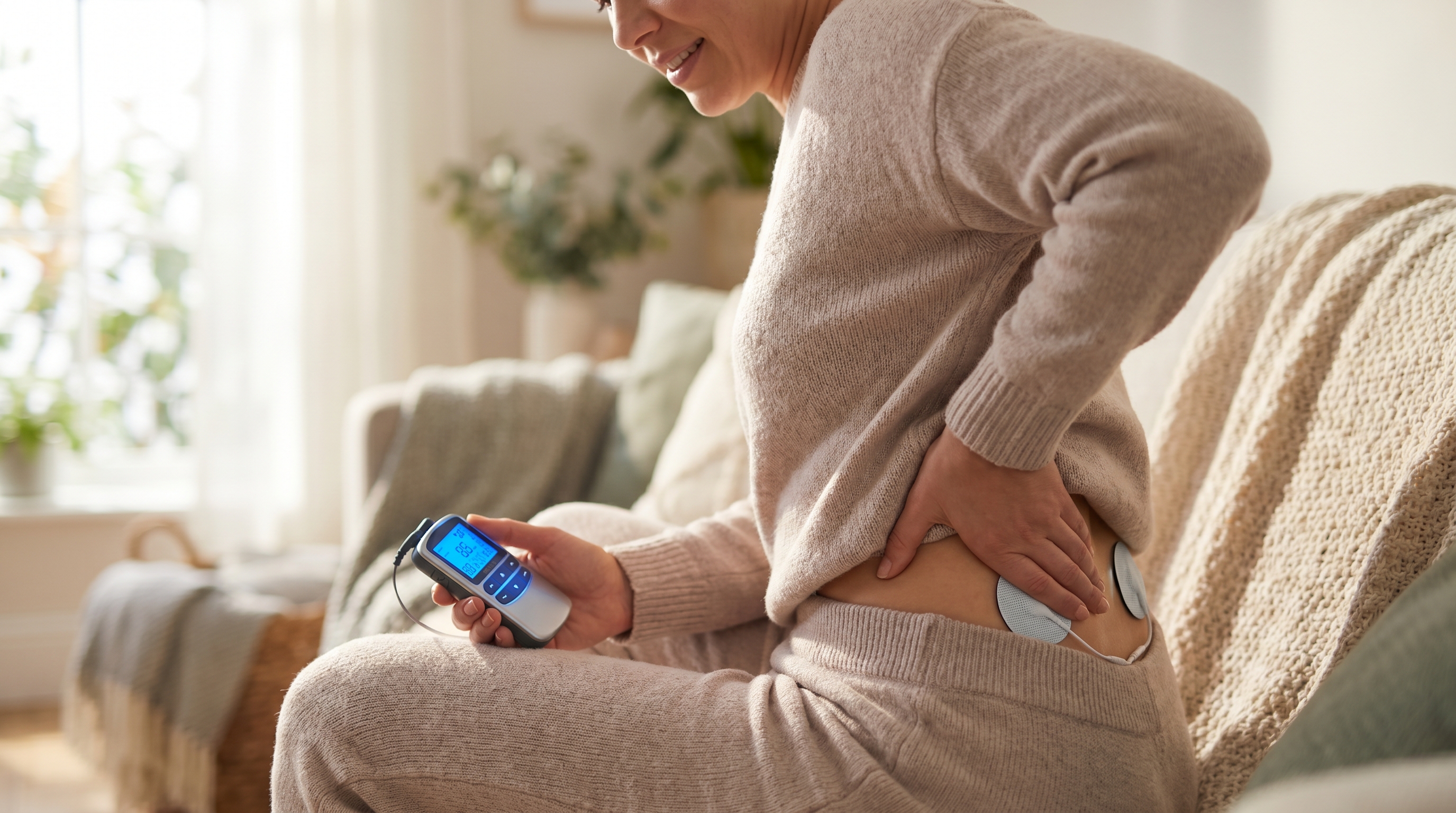
ALT: Person using a TENS therapy device on lower back for drug-free pain relief at home
What Is TENS Therapy and How Does It Relieve Pain Without Drugs?
Key Conclusion: TENS therapy — Transcutaneous Electrical Nerve Stimulation — is a clinically recognized, drug-free method of pain relief that uses low-voltage electrical currents to interrupt pain signals and stimulate the body's natural endorphin production. Whether you're managing chronic back pain, recovering from an injury, or seeking a non-pharmaceutical alternative to daily discomfort, TENS therapy offers a safe, portable, and effective solution that can be used comfortably at home without a prescription.
For millions of people living with chronic pain, muscle soreness, or post-injury discomfort, finding relief without relying on medications is a growing priority. TENS therapy has emerged as one of the most widely adopted non-invasive treatment options, embraced by physical therapists, sports medicine professionals, and everyday users alike. In this guide, we'll break down exactly how TENS therapy works, who it's best suited for, and how to get started — so you can make an informed decision about whether it's right for your lifestyle and health goals.
Who Can Benefit from TENS Therapy? Scope of Application
✅ Applicable Scenarios:
- Adults experiencing chronic lower back pain, neck stiffness, or joint discomfort who want a drug-free management option
- Athletes and fitness enthusiasts using TENS for post-workout muscle recovery and soreness relief
- Seniors dealing with arthritis pain or everyday aches and looking for wearable-friendly, easy-to-use devices
- Individuals recovering from minor injuries seeking non-invasive pain management between physical therapy sessions
- People with acute conditions such as sciatica, shoulder tension, or knee pain who need targeted, on-demand relief
❌ Not Applicable/Cautions:
- Individuals with implanted electronic devices such as pacemakers or defibrillators — electrical stimulation can interfere with device function
- Pregnant women should avoid TENS use over the abdominal or pelvic area without explicit medical approval
- Those with active skin infections, open wounds, or rashes in the area of electrode placement
- People with epilepsy or a history of seizure disorders should consult their physician before use
- TENS should not be used over the front or side of the neck, near the eyes, or across the chest
Understanding Pain Management in the Modern World: Why Drug-Free Solutions Matter
Chronic pain is one of the most widespread health challenges of our time. According to the U.S. Centers for Disease Control and Prevention (CDC), an estimated 20% of American adults experience chronic pain — and that number continues to climb. For many, the traditional response has been pharmaceutical: over-the-counter anti-inflammatories, prescription opioids, or muscle relaxants. But with growing awareness around medication dependency, side effects, and the opioid epidemic, both healthcare providers and patients are actively seeking alternatives.
This shift has fueled significant interest in electrotherapy solutions, particularly TENS therapy (Transcutaneous Electrical Nerve Stimulation). Once confined to clinical settings and physical therapy offices, TENS devices are now accessible as compact, user-friendly home units — making professional-grade pain management available to anyone, anywhere.
The demand for home electrotherapy devices has grown alongside broader health trends: more people are investing in wearables for chronic condition management, seeking tools that empower self-care, and choosing non-pharmaceutical interventions as their first line of defense. TENS fits squarely into this movement, offering a solution that is safe, reusable, and increasingly affordable without sacrificing clinical effectiveness.
Brands like iStim have been at the forefront of bringing professional-grade TENS and EMS technology into the home environment — combining ISO-certified manufacturing standards with consumer-friendly design so that everyone from athletes to seniors can experience the benefits once reserved for clinical patients.
How TENS Therapy Works — and How to Use It Effectively
Getting Started with TENS Therapy in Three Simple Steps
Step 1: Place the Electrodes on the Target Area
Begin by identifying the area of discomfort or pain you want to address. Clean and dry the skin thoroughly, then apply the self-adhesive electrode pads on either side of the painful area — not directly over it. For lower back pain, for example, pads are typically placed on the muscles flanking the spine. Proper placement is essential for effective signal delivery and comfortable stimulation. Most sessions begin with this preparation taking just a few minutes.
Step 2: Set Your Device to the Appropriate Mode and Intensity
Turn on your TENS device and select a mode that matches your needs — most units offer settings for acute pain relief, chronic pain management, or muscle relaxation. Start at the lowest intensity level and gradually increase until you feel a gentle tingling or buzzing sensation. The stimulation should feel noticeable but never painful or sharp. A typical TENS session lasts between 20 and 30 minutes, though duration can vary based on device recommendations and individual comfort.
Step 3: Relax and Allow the Therapy to Work
Once your device is running at a comfortable intensity, simply relax. You can sit, recline, or even read during a session. After your session ends, power off the device before removing the electrode pads. Gently peel pads away from the skin and store them in their protective packaging to preserve adhesive quality. Most users notice a reduction in pain or muscle tension immediately after or within a few sessions of consistent use.
TENS vs. EMS vs. Kegel Stimulators: Choosing the Right Electrotherapy Device
Not all electrotherapy devices work the same way. Understanding the differences between TENS, EMS, and Kegel stimulators helps ensure you choose the device that matches your specific health goal.
| Comparison Dimension | TENS (Pain Relief) | EMS (Muscle Stimulation) | Kegel Stimulator (Pelvic Floor) |
|---|---|---|---|
| Primary Purpose | Blocks pain signals; stimulates endorphin release | Causes muscle contractions for strengthening and recovery | Strengthens pelvic floor muscles via targeted stimulation |
| Target Users | Chronic pain sufferers, post-injury recovery, seniors | Athletes, post-surgical patients, muscle rehab | Postpartum women, menopausal individuals, those with incontinence |
| Electrode Placement | Near painful area on skin surface | Directly over target muscle groups | Specialized internal or external pelvic probes |
| Sensation | Gentle tingling or buzzing | Rhythmic muscle contractions | Mild internal pulsing |
| Typical Use Case | Back pain, arthritis, sciatica, neck tension | Muscle building, injury rehab, reducing atrophy | Bladder control, pelvic strength, intimacy enhancement |
| Device Example | iStim TENS unit | iStim EMS device | iStim Kegel trainer |
As you can see, TENS is specifically optimized for pain signal interruption and natural pain relief, while EMS focuses on inducing muscle contraction. Many iStim devices are combination units that support both modes, offering users flexibility across recovery goals.
The Science Behind TENS Therapy: Gate Control Theory and Endorphin Release
To truly understand why TENS therapy works, it helps to look at the two primary scientific mechanisms at play.
Gate Control Theory of Pain
The most foundational explanation for TENS effectiveness is the Gate Control Theory, first introduced by researchers Ronald Melzack and Patrick Wall in 1965. This theory proposes that the spinal cord contains a neurological "gate" that either allows or blocks pain signals from reaching the brain. When TENS delivers low-frequency electrical pulses to the skin, it activates large-diameter sensory nerve fibers that effectively "close the gate" — reducing the transmission of pain signals and diminishing the perception of pain.
In practical terms, this is why a TENS device placed near your aching lower back can make the pain feel significantly less intense within minutes. The electrical stimulation essentially overwhelms the pain pathway with harmless sensory information.
Endorphin Stimulation
The second mechanism involves the body's own natural painkillers: endorphins. At lower frequencies, TENS stimulation has been shown to encourage the release of endorphins — the same neurochemicals produced during exercise and laughter. These natural opioid-like compounds bind to pain receptors in the brain and spinal cord, producing analgesic effects that can last well beyond the duration of a TENS session.
This is particularly meaningful for individuals who are wary of pharmaceutical pain relief. Rather than introducing an external chemical into the body, TENS encourages your own biology to manage pain — making it a genuinely drug-free approach.
Frequency Settings and Their Effects
Most TENS devices allow users to adjust stimulation frequency, typically measured in Hertz (Hz). Higher frequency settings (generally in the range of 80–120 Hz) are associated more strongly with the Gate Control mechanism and tend to provide faster, shorter-duration relief. Lower frequency settings (typically 2–10 Hz) are believed to be more effective at triggering endorphin release, offering relief that builds more slowly but may persist longer after the session ends.
Understanding these dynamics allows users to tailor their TENS therapy sessions based on whether they need immediate, acute pain relief or longer-lasting, chronic pain management.
Practical Scenario: TENS for Arthritis in Seniors
Consider someone in their mid-60s dealing with osteoarthritis in their knees. Traditional over-the-counter medications may offer limited relief, come with gastrointestinal side effects, or interact with other prescriptions. A TENS device applied around the knee joint before or after activity can reduce pain perception significantly — allowing for greater mobility and improved quality of life without adding another pill to the daily regimen. For seniors managing everyday aches and joint discomfort, TENS offers a particularly compelling, wearable-friendly option that is intuitive to use and gentle on the body.
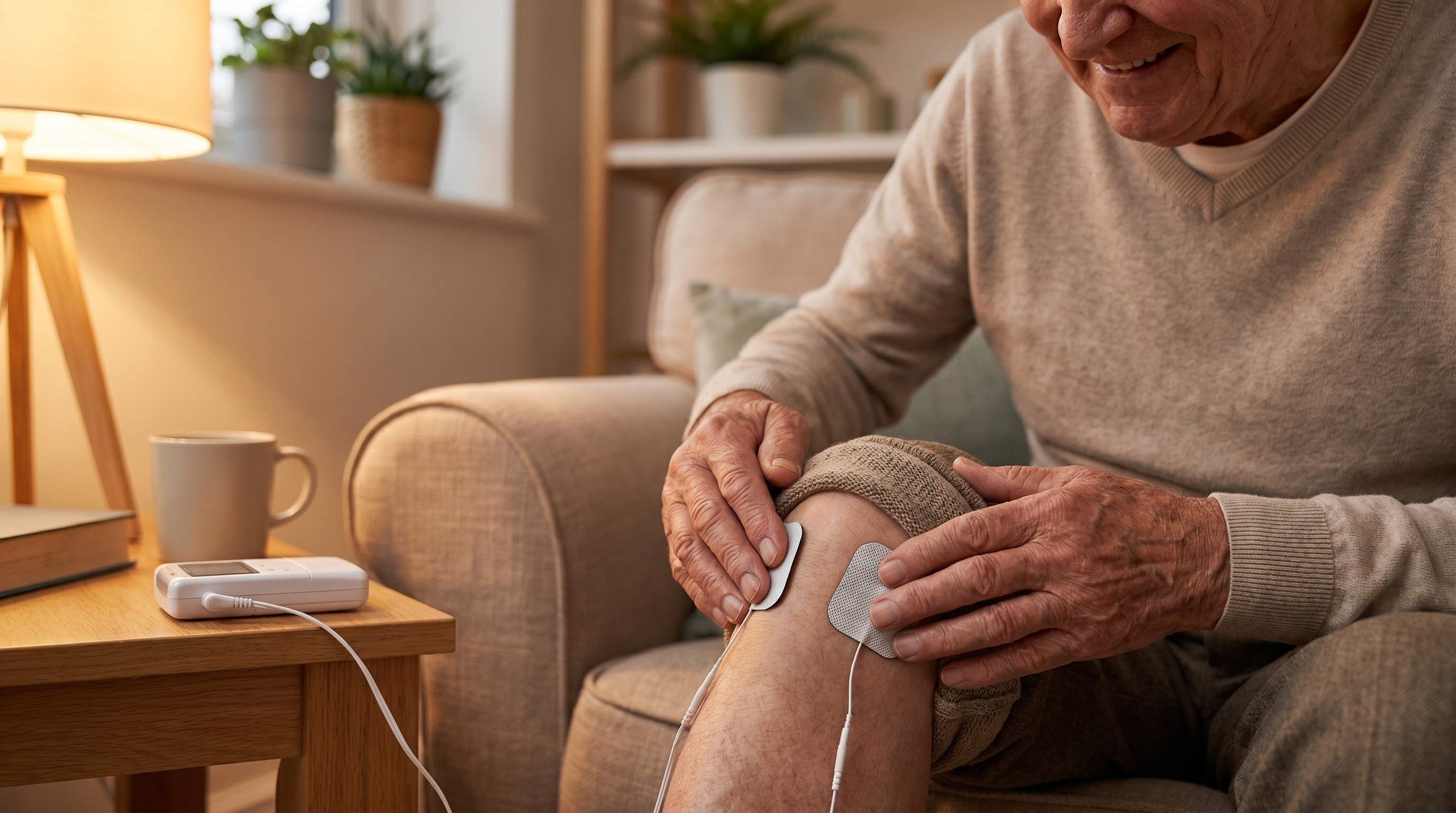
ALT: Senior placing TENS electrode pads around knee joint for arthritis and joint pain relief at home without drugs
Advanced Considerations: Getting the Most from TENS Therapy
Handling Special Situations
When pain is widespread or difficult to localize: If your pain spans a large area — such as fibromyalgia or generalized muscle fatigue — consider working with a physical therapist to map optimal electrode placement. Some conditions benefit from multiple pad placements across different body regions during a single session, though this requires careful attention to device instructions.
When relief feels inconsistent: TENS response varies between individuals. If you're not achieving consistent results, try adjusting the frequency settings, experimenting with different electrode placement positions, or extending session frequency to twice daily. It may also be worth evaluating pad quality — worn adhesive pads reduce skin contact and diminish effectiveness significantly. Replacing pads regularly with compatible, high-quality accessories makes a measurable difference.
For users with arthritis or mobility limitations: Wearable TENS devices with simple, large-button controls or wireless operation are especially valuable for individuals with restricted hand dexterity. Devices that allow pre-programmed sessions reduce the need for manual adjustments during therapy.
Common Misconceptions About TENS Therapy
One of the most persistent myths is that TENS therapy is only effective for temporary, superficial pain. In reality, consistent use of TENS — particularly at appropriate frequency settings — can contribute to meaningful, longer-term reductions in chronic pain intensity when used as part of a holistic pain management approach.
Another misconception is that more intensity means more benefit. This is not the case. TENS should never cause sharp pain, burning, or significant discomfort. Effective therapy occurs within a comfortable range of stimulation — the goal is always a manageable tingling, not an aggressive jolt.
Finally, some users assume TENS devices require clinical calibration or professional oversight for every session. While initial guidance from a healthcare provider is always recommended — particularly for new users or complex conditions — properly designed home TENS units are built for safe, independent use once baseline settings are established.
TENS in the Context of Broader Wellness
TENS therapy works best when integrated with other health-supporting practices: stretching, physical therapy exercises, proper hydration, and good sleep hygiene. For women exploring pelvic floor health, TENS and Kegel electronic stimulators can work in complementary ways — addressing both general pelvic discomfort and targeted muscle strengthening. For athletes, combining TENS with EMS post-workout creates a comprehensive recovery protocol addressing both soreness and muscle conditioning simultaneously.
Frequently Asked Questions FAQ
Q1: How do I know what TENS intensity level is right for me?
Start at the lowest available intensity and increase gradually until you feel a clear but comfortable tingling sensation. The stimulation should be noticeable without being painful or sharp. Most users find their effective range within the first one or two sessions. If you have a pre-existing condition or are new to electrotherapy, consult your healthcare provider for personalized guidance on appropriate settings before beginning regular sessions.
Q2: Is TENS therapy safe to use every day for chronic pain management?
For most healthy adults, daily TENS use is considered safe when following manufacturer guidelines and recommended session durations. Many chronic pain patients incorporate TENS into their daily routines without adverse effects. However, the skin under electrode pads should be monitored for irritation, and pads should be repositioned slightly if redness develops. Those with underlying health conditions — including heart conditions or nerve disorders — should always seek medical clearance before establishing a daily routine.
Q3: How long does it take to feel pain relief from a TENS session, and how long does it last?
Many users notice a reduction in pain within 10–20 minutes of starting a TENS session. Higher frequency settings tend to provide faster but shorter-lived relief, while lower frequency sessions may take longer to build but produce effects that last several hours after the device is turned off. Consistency is key — regular use over days and weeks tends to produce progressively more sustained results, particularly for chronic pain conditions.
Summary
TENS therapy represents one of the most accessible, evidence-informed, and genuinely drug-free approaches to pain management available today. As we've explored throughout this guide, three core values make it stand out:
- Scientific credibility: Rooted in the Gate Control Theory and endorphin stimulation research, TENS has decades of clinical use supporting its effectiveness across a broad range of pain conditions.
- Versatility and accessibility: From chronic back pain and arthritis to sports recovery and post-injury rehabilitation, TENS therapy adapts to a wide range of users and conditions — and modern home devices make it easier than ever to integrate into daily life.
- Drug-free safety profile: For individuals seeking to reduce or eliminate reliance on pharmaceuticals, TENS offers a meaningful alternative that works with the body's natural systems rather than introducing external chemicals.
If you're ready to explore TENS therapy, the next step is straightforward: choose a quality device, follow proper electrode placement guidelines, start at a comfortable intensity, and give your body time to respond. Consider discussing your plan with a physical therapist or physician, especially if you're managing a complex condition or are new to electrotherapy.
Ready to Experience Drug-Free Pain Relief at Home?
Ready to take control of your pain relief and muscle health — naturally and effectively? Explore iStim's full lineup of professional-grade TENS, EMS, and Kegel devices at https://istim.com/ and find the right solution for your body's needs. Trusted by over 20,000 customers and built to clinical standards, iStim makes drug-free electrotherapy accessible right from the comfort of your home.
References
- Centers for Disease Control and Prevention (CDC). "Chronic Pain Among Adults — United States."
https://www.cdc.gov/mmwr/volumes/67/wr/mm6736a2.htm - National Institutes of Health — National Library of Medicine. "Transcutaneous Electrical Nerve Stimulation (TENS) for Pain Relief."
https://www.ncbi.nlm.nih.gov/books/NBK537188/ - Mayo Clinic. "TENS (Transcutaneous Electrical Nerve Stimulation)."
https://www.mayoclinic.org/tests-procedures/tens/about/pac-20384903 - American Physical Therapy Association (APTA). "Physical Therapist's Guide to Pain Management."
https://www.apta.org/ - Melzack, R. & Wall, P.D. "Pain Mechanisms: A New Theory." Science, 1965. Referenced via PubMed.
https://pubmed.ncbi.nlm.nih.gov/5320816/
Note: Standards and clinical guidelines may be updated periodically. Please refer to the latest official documents or consult a qualified healthcare professional for the most current recommendations.
About iStim
iStim is a Los Angeles-based electrotherapy brand specializing in professional-grade TENS, EMS, and Kegel devices designed for safe and effective home use, backed by ISO-certified Taiwanese manufacturing and trusted by 20,000+ Amazon customers worldwide. Learn more at https://istim.com/.
© iStim. All rights reserved. This article is intended for informational purposes only and does not constitute medical advice. Always consult a qualified healthcare professional before beginning any new treatment or therapy program.
Leave a comment