

Using EMS to Boost Local Blood Circulation and Reduce Muscle Fatigue
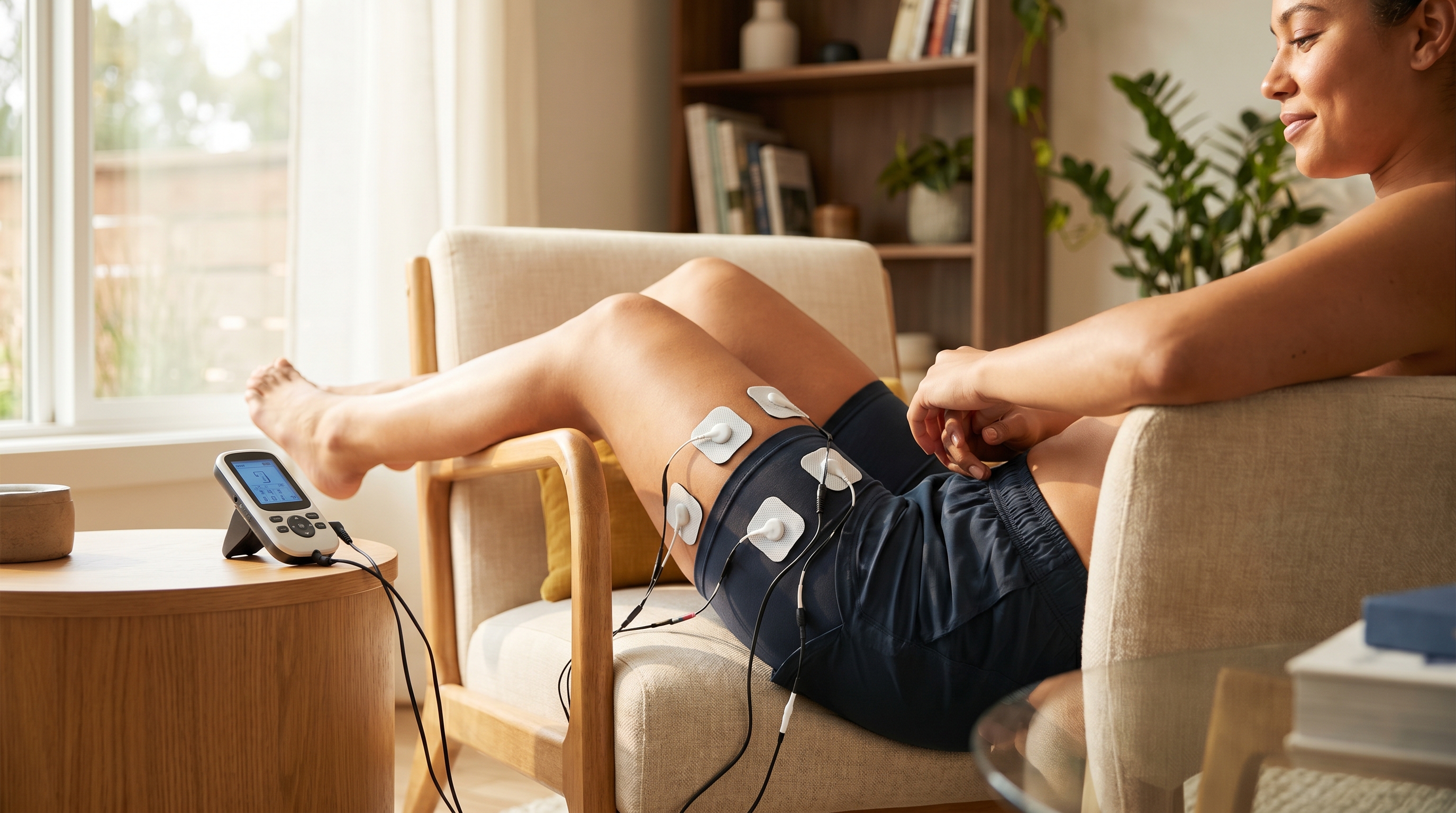
ALT: Person using EMS electrical muscle stimulation device on leg to improve local blood circulation and reduce muscle fatigue
How EMS Boosts Local Blood Circulation and Helps You Recover Faster from Muscle Fatigue
Key Conclusion: Electrical Muscle Stimulation (EMS) is a clinically supported, drug-free technology that works by delivering targeted electrical impulses to muscle tissue, triggering rhythmic contractions that actively pump blood through local vasculature. This mechanism enhances oxygen and nutrient delivery to fatigued muscles while accelerating the clearance of metabolic waste products like lactic acid — making EMS one of the most effective non-pharmaceutical tools available for both muscle recovery and long-term circulatory health.
Muscle fatigue and poor local circulation are problems that affect a surprisingly broad population — from office workers dealing with chronically tight calves and lower back stiffness, to post-surgery patients struggling with sluggish recovery, to athletes whose muscles simply can't bounce back fast enough between training sessions. What many people don't realize is that these two issues are deeply interconnected: when blood flow to a muscle is compromised, waste products accumulate, and fatigue compounds. The good news is that modern EMS technology addresses both problems simultaneously, and with devices now designed for safe, easy home use, more people than ever can access this clinically validated therapy without a prescription or a visit to a physical therapy clinic.
In this guide, we'll walk you through exactly how EMS stimulates local circulation, why that matters for muscle recovery, how to use EMS devices correctly and safely, and what to look for when choosing the right device for your needs.
Who Can Benefit from EMS for Circulation and Muscle Fatigue
✅ Applicable Scenarios:
- Post-exercise recovery: Athletes and active individuals experiencing delayed onset muscle soreness (DOMS) or persistent fatigue after intense training sessions
- Sedentary lifestyle and poor circulation: Office workers, frequent flyers, or anyone who spends long hours sitting or standing, leading to reduced lower-limb circulation, swelling, or heaviness
- Post-injury or post-surgery rehabilitation: Patients rebuilding muscle strength and circulation after orthopedic procedures, immobilization, or soft tissue injuries, under healthcare provider guidance
- Chronic muscle tension and pain: Individuals managing conditions like fibromyalgia, chronic lower back pain, or persistent neck and shoulder tightness who are seeking drug-free relief options
- Muscle conditioning and toning: Fitness enthusiasts looking to supplement their training with neuromuscular electrical stimulation for enhanced muscle activation
❌ Not Applicable/Cautions:
- Individuals with implanted electronic devices: Pacemakers, defibrillators, or other implanted neurostimulators are contraindications — electrical impulses can interfere with device function
- Pregnant individuals: EMS should not be used over the abdomen or lower back during pregnancy without direct medical supervision
- Active skin conditions, open wounds, or infections: Electrode placement over broken, irritated, or infected skin is not recommended
- Diagnosed deep vein thrombosis (DVT) or active blood clots: EMS-driven circulation changes could pose risks; always consult a physician first
- Epilepsy or seizure disorders: Consult a neurologist before using any electrical stimulation therapy
Understanding the Science: Why Circulation Is Central to Muscle Recovery
To appreciate what EMS can do, it helps to understand what's actually happening inside a fatigued muscle. When you exercise intensely, your muscles consume oxygen at a rapid rate and produce metabolic byproducts — most notably lactic acid and carbon dioxide. Under normal conditions, your cardiovascular system flushes these waste products away through venous blood return while simultaneously delivering fresh, oxygenated blood to replenish depleted energy stores.
The problem arises when this circulatory loop becomes inefficient. After prolonged exertion, muscles can develop localized tension and micro-swelling that physically compress small blood vessels, reducing blood flow precisely when the tissue needs it most. This creates a self-reinforcing cycle: poor circulation → slower waste clearance → prolonged fatigue → continued tissue tension → further circulatory restriction.
This dynamic is well-documented in sports medicine and rehabilitation science. Research published in clinical literature consistently shows that passive rest alone is often insufficient for optimal muscle recovery, particularly in older adults or individuals with pre-existing circulatory limitations. Active recovery strategies — including movement, massage, and importantly, electrical muscle stimulation — are significantly more effective at restoring normal muscle function.
EMS works by breaking this cycle at the source. By delivering precisely calibrated electrical impulses to the motor nerves and muscle fibers, EMS forces rhythmic muscle contractions even in the absence of voluntary effort. These contractions act like a mechanical pump, squeezing blood through the local capillary network and driving venous return. The result is measurably improved local circulation, faster metabolite clearance, and a notable reduction in the subjective experience of muscle soreness and fatigue.
From a broader health perspective, the implications extend beyond athletic recovery. Poor peripheral circulation is a concern for a significant portion of adults — particularly those over 50, those with metabolic conditions, or those who are largely sedentary. EMS offers a non-invasive, accessible way to actively stimulate circulation in specific regions of the body, complementing lifestyle modifications and medical treatment without pharmacological intervention.
For those already familiar with TENS (Transcutaneous Electrical Nerve Stimulation) for pain relief, it's worth noting that EMS and TENS, while related, serve distinct primary purposes: TENS primarily modulates pain signals through sensory nerve pathways, while EMS targets motor nerves to produce actual muscle contractions and the circulatory benefits that follow. Many iStim devices combine both modalities, offering flexible therapeutic options within a single unit.
How to Use EMS for Better Circulation and Faster Recovery
Three-Step Quick Start Guide for EMS Therapy
Step 1: Select Your Target Area and Prepare the Skin
Before placing electrodes, clean and dry the skin area you intend to treat. Remove any lotions, oils, or sweat, as these can interfere with electrode adhesion and conductivity. For circulation and muscle fatigue, common target areas include the calves, quadriceps, hamstrings, lower back, and shoulders. Ensure the skin is free of cuts, rashes, or irritation. Good electrode placement is the foundation of an effective EMS session — poor contact leads to uneven stimulation and reduced therapeutic benefit. This preparation step typically takes two to three minutes.
Step 2: Apply Electrodes and Set Your Parameters
Attach the self-adhesive electrode pads to the prepared skin, following the muscle fiber direction where possible and placing pads at least one inch apart. Connect the lead wires to your EMS device. Start with a low intensity setting and gradually increase until you feel a comfortable, rhythmic muscle contraction — not painful, but clearly noticeable. For circulation enhancement and fatigue recovery, a moderate, steady contraction pattern is generally more effective than high-intensity bursts. Most EMS sessions for recovery purposes run between 20 and 30 minutes per targeted muscle group. Always follow the specific guidelines provided with your device.
Step 3: Monitor Your Response and Adjust as Needed
Throughout the session, pay attention to how your muscles respond. A gentle pumping sensation with visible or palpable muscle contractions indicates good electrode placement and appropriate intensity. If you experience sharp, uncomfortable pain or skin irritation, reduce intensity immediately or reposition the electrodes. After the session, gently massage the treated area and hydrate well — EMS-driven circulation changes mean your muscles are actively flushing metabolic waste, and adequate hydration supports this process. Consistency is key: regular sessions over days and weeks yield cumulative benefits.
Comparing EMS Recovery Approaches: Which Method Works Best?
Not all approaches to managing muscle fatigue and circulation are equally effective or convenient. Here's how EMS compares to other common strategies:
| Comparison Dimension | EMS Therapy | Passive Rest | Massage Therapy |
|---|---|---|---|
| Mechanism of action | Active muscle contraction via electrical impulses; directly pumps blood | Allows natural recovery; no active circulatory boost | Manual manipulation increases local blood flow and reduces tension |
| Circulatory benefit | High — directly stimulates venous return and capillary perfusion | Low — relies entirely on ambient cardiovascular function | Moderate to high — depends on technique and practitioner skill |
| Accessibility at home | High — professional-grade devices available for home use | High — no equipment needed | Low — typically requires a therapist or significant self-massage effort |
| Time required per session | 20–30 minutes | Hours to days | 30–60 minutes per session |
| Cost over time | One-time device investment | No cost | Ongoing practitioner fees |
| Drug-free | Yes | Yes | Yes |
| Suitable for post-surgery rehab | Yes, with medical guidance | Yes | Varies — depends on surgical site and healing stage |
| Customizable intensity | Yes — adjustable per user tolerance and condition | Not applicable | Depends on practitioner |
This comparison highlights why EMS has become a preferred recovery tool for both clinical and home settings. It delivers active, measurable circulatory benefits with the convenience and cost-effectiveness that passive rest and ongoing professional massage simply cannot match.
Understanding EMS Parameters: Frequency, Intensity, and Session Duration
Frequency and Waveform
The electrical parameters of an EMS session significantly influence therapeutic outcomes. Frequency — measured in hertz (Hz) — determines how rapidly contractions occur. Lower frequencies (below 10 Hz) tend to produce slow-twitch muscle fiber recruitment, supporting endurance and circulation. Higher frequencies recruit fast-twitch fibers more effectively, which is better suited for strength training applications. For circulation enhancement and fatigue recovery, mid-range frequencies are commonly used in clinical protocols, producing smooth, sustained contractions that effectively pump blood without causing rapid muscle exhaustion.
Intensity Calibration
Intensity refers to the amplitude of the electrical current delivered to the muscle. This is the parameter most directly felt by the user. The therapeutic window for EMS sits between the sensory threshold (where you first feel tingling) and the pain threshold (where stimulation becomes uncomfortable). For recovery and circulation purposes, targeting a level that produces clear, visible muscle contractions without pain is the clinical standard. iStim devices are designed with this calibration in mind, offering intuitive intensity controls that make it straightforward for home users to find and maintain their optimal therapeutic range.
Session Duration and Recommended Safety Guidelines for TENS Unit and EMS Usage
A frequently asked question among new users concerns recommended safety guidelines for TENS unit and EMS usage duration and intensity. Clinical consensus generally supports sessions of 20 to 30 minutes for targeted muscle groups, with at least 30 minutes of rest between sessions on the same area. Most users find that one to two daily sessions deliver excellent results for recovery and circulation without overtaxing the tissue. It's important not to use EMS continuously for extended periods or at maximum intensity, as this can cause muscle fatigue rather than relieve it. Always start conservatively and progress gradually.
The Role of Electrode Placement in Circulatory Benefits
Electrode placement is arguably the most impactful variable in EMS therapy outside of intensity. For circulation-focused applications, placing electrodes along the length of the target muscle — with one pad near the proximal end and one near the distal end — ensures that contraction occurs throughout the full muscle belly, maximizing the pumping action on local blood vessels. For calf circulation specifically, which is relevant for individuals concerned about lower-limb swelling and venous health, placement along the gastrocnemius and soleus muscles can produce particularly effective results.
Real-World Application: A Post-Workout Recovery Scenario
Consider a 38-year-old recreational runner who completes a long run and experiences significant quadriceps and calf fatigue. Rather than simply resting, she uses an iStim EMS device in the evening, placing electrodes on her calves and anterior thighs for a 25-minute low-to-moderate intensity session. The rhythmic contractions drive fresh blood into the muscle tissue, flushing lactic acid and reducing the inflammatory mediators associated with exercise-induced soreness. By the following morning, her recovery is measurably ahead of where passive rest alone would have left her — a difference that compounds over weeks of consistent training and recovery practice.
This scenario illustrates why EMS has moved from the realm of elite sports performance to everyday wellness — because the underlying physiology benefits everyone who uses their muscles.
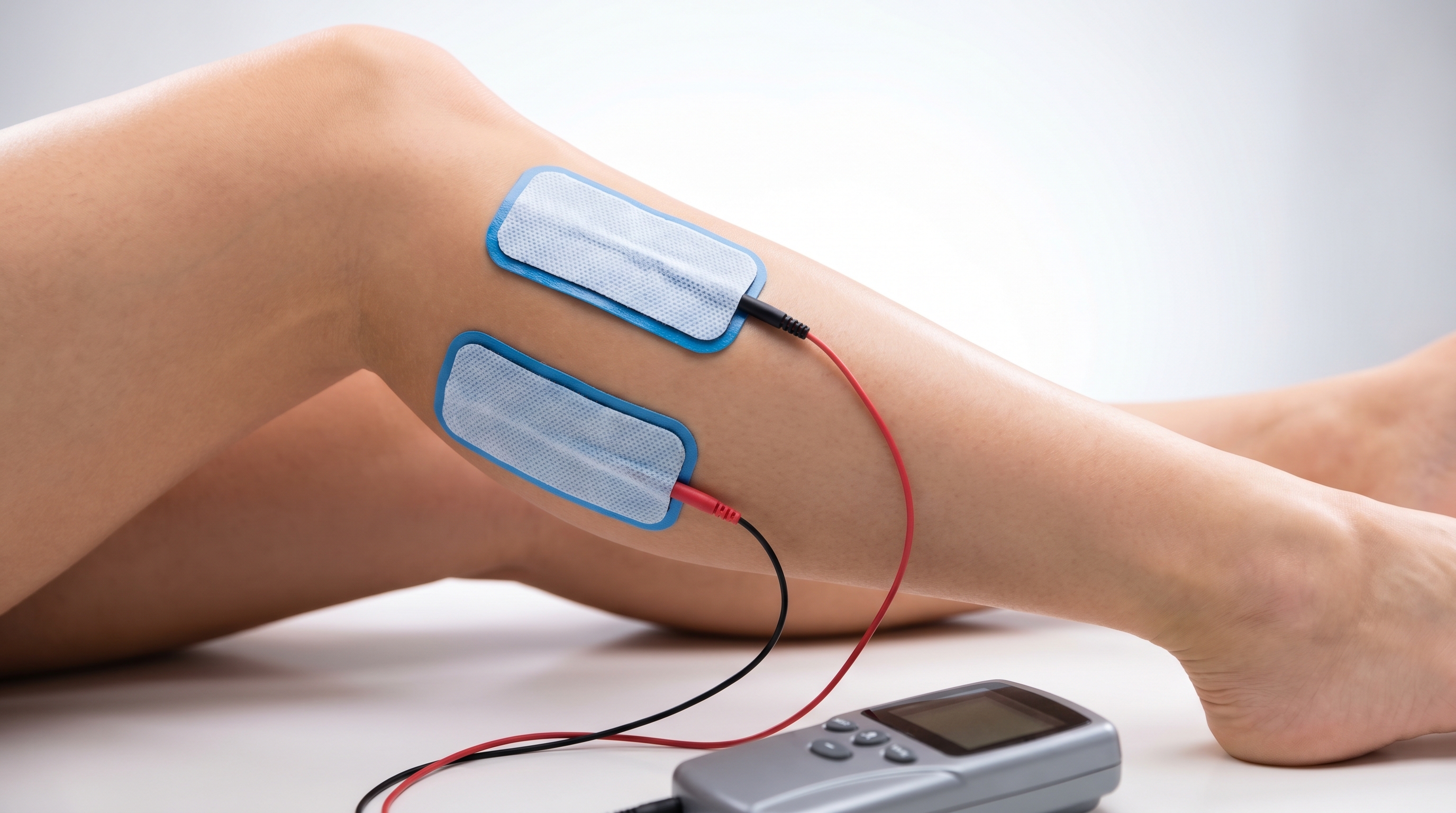
ALT: Close-up of EMS electrode pads correctly applied to calf muscles for boosting local blood circulation and reducing muscle fatigue at home
Advanced Considerations: Getting the Most from EMS Therapy
Addressing Common Misconceptions About EMS
Misconception 1: "EMS alone will build significant muscle mass."
EMS is highly effective for muscle activation, recovery, and rehabilitation — and it does contribute to muscle tone and endurance. However, for significant hypertrophy, it is most effective as a complement to active resistance training rather than a standalone strength-building tool. For circulation and fatigue recovery purposes, this distinction matters less, as EMS excels in these applications regardless.
Misconception 2: "Higher intensity always means better results."
This is one of the most common errors made by new EMS users. Excessively high intensity can cause muscle overwork, bruising, or even temporary worsening of soreness. The optimal therapeutic range is moderate — producing clear contractions without pain. More is not better with EMS; precision is better.
Misconception 3: "EMS is only for athletes or serious fitness enthusiasts."
In reality, some of the most significant benefits of EMS for circulation accrue to sedentary individuals, older adults, and post-surgery patients — precisely because these populations have the greatest circulatory deficits in affected muscle groups. EMS is a genuinely inclusive technology.
EMS, Wearables, and Holistic Recovery Monitoring
While EMS directly addresses circulation and muscle fatigue, modern wellness-conscious users often pair their EMS sessions with broader biometric monitoring. Wearable devices that track physiological markers — including heart rate and heart rate variability (HRV) — can provide useful context for understanding recovery status. HRV in particular is considered one of the most sensitive indicators of autonomic nervous system recovery and overall readiness for exertion. Some users find that monitoring HRV trends helps them time EMS sessions more strategically — using stimulation on days when HRV indicates incomplete recovery, for example. While iStim specializes in electrotherapy rather than monitoring wearables, the integration of these technologies represents the leading edge of personalized recovery practice.
Special Populations: EMS for Pelvic Floor Health
It's worth noting that the circulatory and neuromuscular benefits of electrical stimulation extend beyond limb and back muscles. Kegel electronic pelvic floor trainers — a category in which iStim has developed dedicated devices — use similar electrical stimulation principles to target the pelvic floor musculature. These devices are relevant for women managing urinary incontinence, post-partum recovery, or pelvic floor weakness. Pelvic floor stimulators help with urinary incontinence by improving the strength and endurance of the sphincter and levator ani muscles through targeted electrical stimulation, following protocols similar to those used in clinical pelvic physiotherapy.
Frequently Asked Questions FAQ
Q1: How do I use an EMS device correctly for the best circulation and recovery results?
Start by cleaning and drying the skin, then apply electrode pads along the length of the target muscle. Begin at a low intensity and increase gradually until you feel comfortable, rhythmic contractions. Sessions of 20 to 30 minutes on a given muscle group are generally recommended for recovery and circulation. Consistency matters more than any single long session — regular use over days and weeks yields the most meaningful cumulative benefits. Always refer to the user manual of your specific device for tailored guidance.
Q2: Is EMS safe to use every day for muscle fatigue and circulation?
For most healthy adults, daily EMS use is considered safe when used within recommended intensity and duration parameters. The key is to avoid overstimulation: use moderate intensity, limit sessions to the recommended duration per muscle group, and allow adequate rest between sessions on the same area. Individuals with medical conditions — including heart conditions, implanted devices, active blood clots, or pregnancy — should consult a healthcare professional before beginning EMS therapy. iStim devices are manufactured to ISO-certified safety standards to support safe home use.
Q3: How long does it take to notice improvements in circulation and reduced muscle fatigue with EMS?
Many users report a noticeable reduction in muscle soreness and a sensation of improved local circulation after just one or two sessions. More meaningful, sustained improvements in recovery time and fatigue resilience typically emerge after consistent use over two to four weeks. Individual results vary based on factors including baseline fitness, the severity of circulatory limitations, session frequency, and electrode placement accuracy. Think of EMS as a cumulative investment in muscle health — results build progressively with regular, correctly applied use.
Summary
EMS therapy represents one of the most scientifically grounded, practically accessible, and clinically validated tools available for addressing two of the most common physical challenges facing active adults: poor local blood circulation and persistent muscle fatigue. By harnessing the body's own neuromuscular pathways through precisely delivered electrical impulses, EMS achieves what passive rest cannot — an active, targeted boost to the circulatory pump that feeds oxygen and nutrients to muscles while clearing the metabolic waste products that sustain fatigue.
Three core takeaways stand out from this guide:
- EMS directly improves local circulation by producing rhythmic muscle contractions that mechanically pump blood through capillary networks and support venous return — a mechanism distinct from and complementary to general cardiovascular exercise.
- Safety and efficacy depend on correct usage — appropriate intensity, proper electrode placement, and consistent session duration are all essential variables that determine whether EMS therapy delivers its full clinical benefit.
- EMS is accessible and inclusive — while it has long been a tool of elite sports recovery and clinical rehabilitation, modern home-use EMS devices bring professional-grade therapy within reach of everyday users across all ages and activity levels.
The next step is straightforward: explore professional-grade EMS devices designed specifically for home users, understand the features that matter for your particular goals, and begin incorporating regular sessions into your wellness routine. The circulatory and muscular benefits of consistent EMS therapy are cumulative — the sooner you begin, the sooner those benefits compound.
Ready to take control of your pain relief and muscle health — without relying on drugs? iStim offers a full range of professional-grade TENS, EMS, and Kegel devices designed to deliver real results safely and effectively from the comfort of your home. Explore the complete lineup and find the right device for your needs at https://istim.com/.
References
- National Institutes of Health (NIH). "Electrical Stimulation for Muscle Recovery and Rehabilitation."
https://www.ncbi.nlm.nih.gov/pmc/articles/PMC3845536/ - American Physical Therapy Association (APTA). "Electrophysical Agents in Physical Therapy Practice."
https://www.apta.org/ - U.S. National Library of Medicine — MedlinePlus. "Electrical Muscle Stimulation."
https://medlineplus.gov/ency/article/007233.htm - Journal of Sports Science & Medicine. "Effects of Electrical Muscle Stimulation on Blood Flow and Muscle Fatigue Recovery."
https://www.jssm.org/ - National Institute on Aging (NIA), National Institutes of Health. "Exercise and Physical Activity for Older Adults."
https://www.nia.nih.gov/health/exercise-physical-activity
Note: Standards and clinical guidelines may be updated. Please check the latest official documents or consult a qualified healthcare professional for the most current recommendations.
About iStim
iStim is a Los Angeles-based electrotherapy brand specializing in professional-grade TENS, EMS, and Kegel devices for home use, trusted by 20,000+ customers and manufactured to ISO-certified standards for safe, drug-free pain relief and muscle stimulation. Learn more at istim.com.
Disclaimer: This article is provided for informational and educational purposes only and does not constitute medical advice. The content is produced in partnership with iStim. Always consult a qualified healthcare professional before starting any new therapy or treatment. © iStim. All rights reserved.
Leave a comment