

The Science Behind Endorphin Release During TENS Therapy
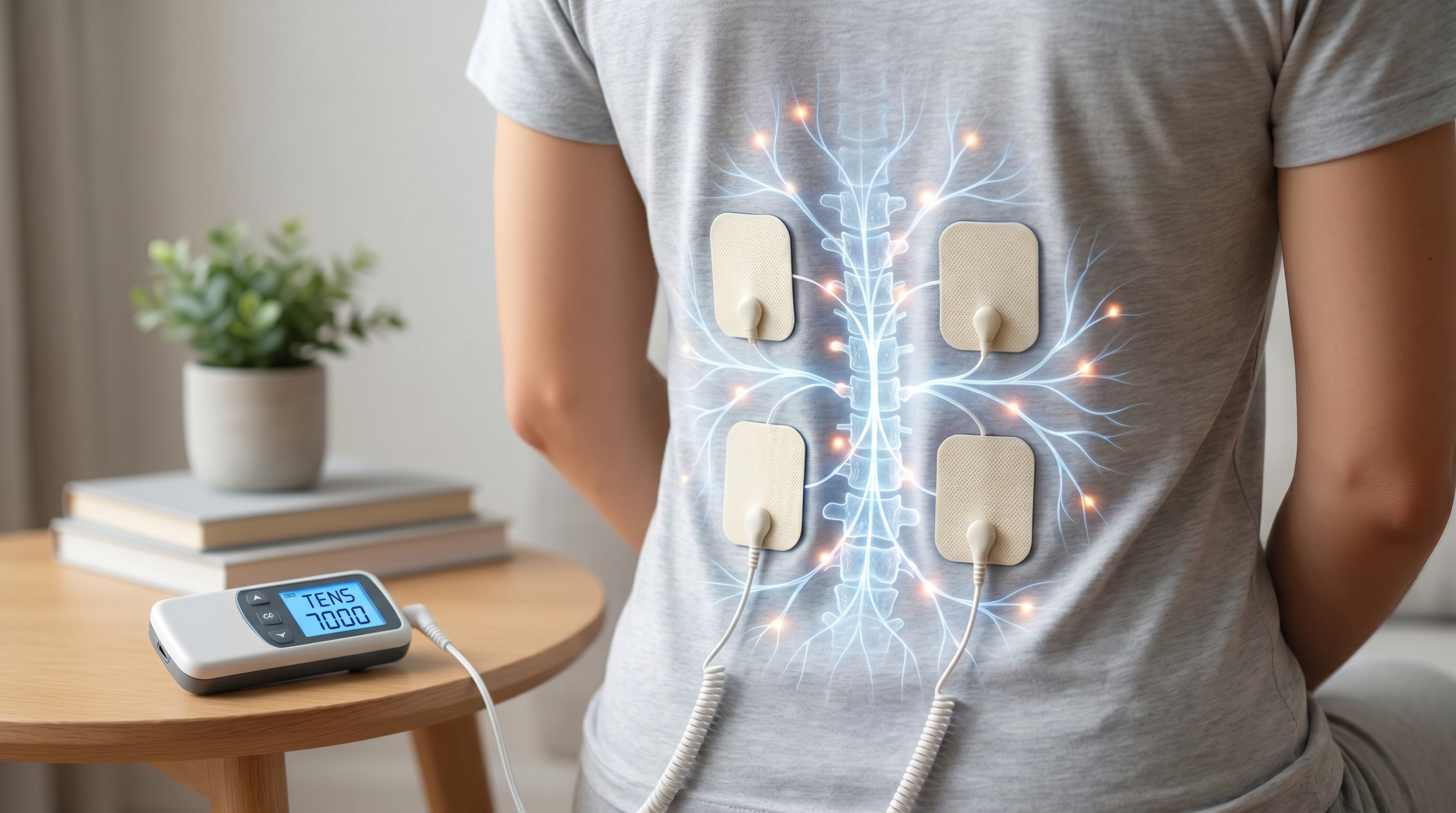
ALT: TENS therapy electrode pads on lower back triggering natural endorphin release for drug-free pain relief
How TENS Therapy Triggers Natural Endorphin Release for Drug-Free Pain Relief
Key Conclusion: TENS therapy — Transcutaneous Electrical Nerve Stimulation — stimulates the body's own neurochemical pain-relief pathways, prompting the release of endorphins and other natural analgesic compounds. This scientifically validated mechanism offers a compelling, drug-free alternative for managing chronic and acute pain conditions. Understanding how TENS activates these biological responses empowers users to apply the technology more effectively and confidently at home.
When people think about pain relief, many instinctively reach for an over-the-counter medication. Yet the human body carries its own remarkable pharmacy — one that can be activated through safe electrical stimulation. TENS therapy (Transcutaneous Electrical Nerve Stimulation) works with your nervous system rather than around it, triggering the release of endorphins, enkephalins, and other natural pain-modulating chemicals.
This biological process is not speculation — it is grounded in decades of peer-reviewed research. For the millions of adults managing back pain, arthritis, post-injury soreness, or muscle fatigue, understanding this mechanism can shift how they think about pain management entirely. The good news is that professional-grade TENS devices, like those offered by iStim, now make this clinical-quality therapy accessible at home.
Who Can Benefit from TENS Therapy and Endorphin Stimulation
✅ Applicable Scenarios:
- Adults managing chronic pain conditions such as lower back pain, neck tension, arthritis, sciatica, or fibromyalgia
- Post-injury or post-surgery recovery patients seeking non-pharmaceutical support for muscle and nerve rehabilitation
- Fitness enthusiasts and athletes using TENS for muscle recovery, delayed onset muscle soreness (DOMS), or performance support
- Women pursuing pelvic floor rehabilitation, including those addressing stress urinary incontinence or post-partum recovery through Kegel electrical stimulation
- Individuals who prefer evidence-backed wellness technology and are looking to reduce reliance on pain medications
❌ Not Applicable / Cautions:
- Individuals with implanted electronic devices such as cardiac pacemakers or defibrillators — electrical stimulation can interfere with device function
- People with active skin infections, open wounds, or irritated skin at the electrode placement site
- Those with epilepsy or a history of seizures, or who are pregnant (unless specifically advised by a healthcare provider)
- TENS should not be applied over the anterior neck, eyes, or directly over the spine — placement should follow manufacturer guidelines and clinical recommendations
Understanding the Neuroscience: What Happens in Your Body During TENS Therapy
To appreciate why TENS therapy is so effective, it helps to understand the biology of pain itself. Pain is not simply an event — it is a signal. When tissue is damaged or irritated, nociceptors (pain-sensing nerve fibers) send electrical messages to the brain, which then interprets and responds to those signals. This system is protective by design, but in chronic pain conditions, it can become dysregulated, sending persistent distress signals long after an initial injury has healed.
TENS therapy intervenes at multiple points in this signaling pathway, and the endorphin release mechanism is one of the most clinically significant.
The Gate Control Theory: Closing the Door on Pain Signals
First proposed by Melzack and Wall in 1965, the Gate Control Theory of pain remains a foundational concept in pain science. It posits that the spinal cord contains a neurological "gate" that can open or close the flow of pain signals to the brain. Larger, faster-conducting nerve fibers (A-beta fibers) can "close the gate" on smaller, slower pain fibers (A-delta and C fibers) when activated.
TENS devices, particularly when set to higher frequencies (conventionally described as high-frequency or conventional TENS), stimulate these large-diameter sensory nerves. The resulting nerve activity effectively competes with and overrides pain signals, reducing the perception of pain before it even reaches the brain. This is why many users experience immediate relief during a TENS session — the gate is being held closed.
Endorphin Release: The Low-Frequency Mechanism
While high-frequency TENS works primarily through gate control, low-frequency or acupuncture-like TENS operates through a different and arguably deeper mechanism: the stimulation of endorphin release.
At lower frequencies — typically in the range associated with acupuncture-point stimulation — TENS activates the release of beta-endorphins, the body's most potent naturally occurring opioid peptides. These endogenous compounds bind to the same receptors targeted by prescription opioid medications, producing genuine analgesia without dependency risk or pharmaceutical side effects.
Research published in peer-reviewed neuroscience journals has confirmed that low-frequency TENS increases plasma and cerebrospinal fluid levels of beta-endorphins. Significantly, the effects of low-frequency TENS can be blocked by naloxone (an opioid receptor antagonist), which provides compelling biochemical evidence that the pain relief observed is genuinely mediated by the endogenous opioid system — not a placebo effect.
Serotonin and Other Neurochemical Contributions
The neurochemical story of TENS does not end with endorphins. Research also points to the involvement of serotonin — a neurotransmitter associated with mood, well-being, and pain modulation. High-frequency TENS has been shown to increase serotonin activity in the dorsal horn of the spinal cord, contributing to pain inhibition through non-opioid pathways.
This multi-pathway action — engaging both endorphin systems and serotonergic systems — helps explain why TENS therapy tends to provide relief that outlasts the actual stimulation session. Users often report continued pain reduction for hours after treatment ends, a phenomenon consistent with residual neurochemical activity rather than a purely electrical effect.
The Role of the Descending Inhibitory Pathway
Beyond peripheral nerve stimulation, TENS also activates descending pain inhibitory pathways — neural circuits originating in the brainstem (specifically the periaqueductal gray and rostral ventromedial medulla) that send inhibitory signals downward to the spinal cord. These pathways naturally suppress incoming pain signals, and TENS appears to upregulate their activity.
This means TENS therapy is not simply numbing local tissue — it is engaging the brain's own top-down pain control architecture. For individuals with chronic pain, where central sensitization may have amplified pain responses over time, this central modulation is particularly significant.
Practical Guide: How to Use a TENS Device to Maximize Endorphin Release
Getting the Most from Your TENS Session in Three Steps
Step 1: Select the Right Frequency for Your Goal
Understanding frequency settings is essential for targeting the right pain-relief mechanism. For immediate, gate-control-based relief, higher frequencies (typically described as conventional or burst mode) are appropriate for acute pain or muscle tension. For deeper endorphin-mediated analgesia — ideal for chronic pain or post-workout recovery — choose lower frequency settings as recommended by your device's guidelines or a healthcare provider. Allow approximately 20–30 minutes per session for neurochemical effects to build.
Step 2: Position Electrode Pads Correctly
Electrode placement dramatically affects both comfort and therapeutic outcome. For back pain, pads are typically placed on either side of the affected vertebral area — not directly over the spine. For muscle recovery, placement over the belly of the target muscle optimizes stimulation. Always ensure the skin is clean and dry before application. iStim's professional-grade electrode pads are designed for consistent conductivity and comfortable adhesion, supporting proper electrical contact throughout your session.
Step 3: Start Low and Gradually Adjust Intensity
Begin at a low intensity and increase gradually until you feel a comfortable, strong tingling sensation — never pain or sharp discomfort. Pain during TENS stimulation signals that intensity is too high or electrode placement is suboptimal. As your session progresses, the sensation may diminish due to accommodation — this is normal and does not mean the therapy has stopped working. Slight upward adjustments in intensity can maintain effective stimulation. Follow recommended TENS unit usage duration and intensity guidelines: most clinical protocols suggest sessions of 20–45 minutes, one to four times daily depending on condition severity.
Comparing TENS Approaches: Which Mechanism is Right for You?
Different TENS modes target different pain-relief pathways, making it useful to understand how they compare in practice.
| Comparison Dimension | High-Frequency TENS | Low-Frequency TENS | Burst Mode TENS |
|---|---|---|---|
| Primary Mechanism | Gate Control Theory | Endorphin Release | Combined (gate + endorphin) |
| Onset of Relief | Rapid (during session) | Slower (builds over session) | Moderate |
| Duration of Effect | Shorter post-session | Longer post-session | Extended |
| Best For | Acute pain, flare-ups | Chronic pain, deep aching | Broad pain management |
| Neurochemical Target | A-beta nerve fiber activation | Beta-endorphin & serotonin release | Both opioid & non-opioid pathways |
| Typical Application | Back tension, headache, joint pain | Arthritis, fibromyalgia, post-surgery | Versatile daily use |
TENS for Pelvic Floor Health: A Special Application
One of the most clinically meaningful — yet underappreciated — applications of electrical stimulation involves pelvic floor rehabilitation. iStim's Kegel electrical stimulation devices apply the same endorphin-activating and neuromuscular principles of TENS and EMS to address pelvic floor dysfunction.
For women experiencing stress urinary incontinence, post-partum muscle weakness, or pelvic pain, targeted electrical stimulation can both strengthen pelvic floor muscles (through EMS-like contractions) and modulate pain signals through endorphin release. Many users searching for the best pelvic floor stimulator devices for safety and reliability will find that medically credible brands with ISO-certified manufacturing — like iStim — offer a meaningful advantage over generic consumer devices, providing consistent electrical output and professionally designed electrode interfaces for sensitive anatomical areas.
The discretion and accessibility of at-home Kegel devices remove many of the barriers associated with clinical pelvic floor therapy, empowering women to pursue treatment privately and consistently — both of which are predictors of improved outcomes.
Understanding Electrode Pad Quality and Its Impact on Therapy
A TENS unit is only as effective as the quality of its electrode pads. Poorly conductive or deteriorating pads create uneven current distribution, which can both reduce therapeutic benefit and increase the risk of skin irritation. Professional-grade electrode pads — like those from iStim — are engineered for consistent, even conductivity and comfortable extended wear.
When selecting electrode pads, consider:
- Conductivity consistency: Uniform gel distribution ensures even current delivery across the pad surface
- Skin compatibility: Hypoallergenic materials reduce irritation risk for sensitive skin
- Reusability: High-quality pads maintain their adhesion and conductivity across multiple sessions, making them more cost-effective and sustainable
- Size options: Different pad sizes serve different anatomical locations — larger pads for broad back coverage, smaller pads for targeted joint or muscle work
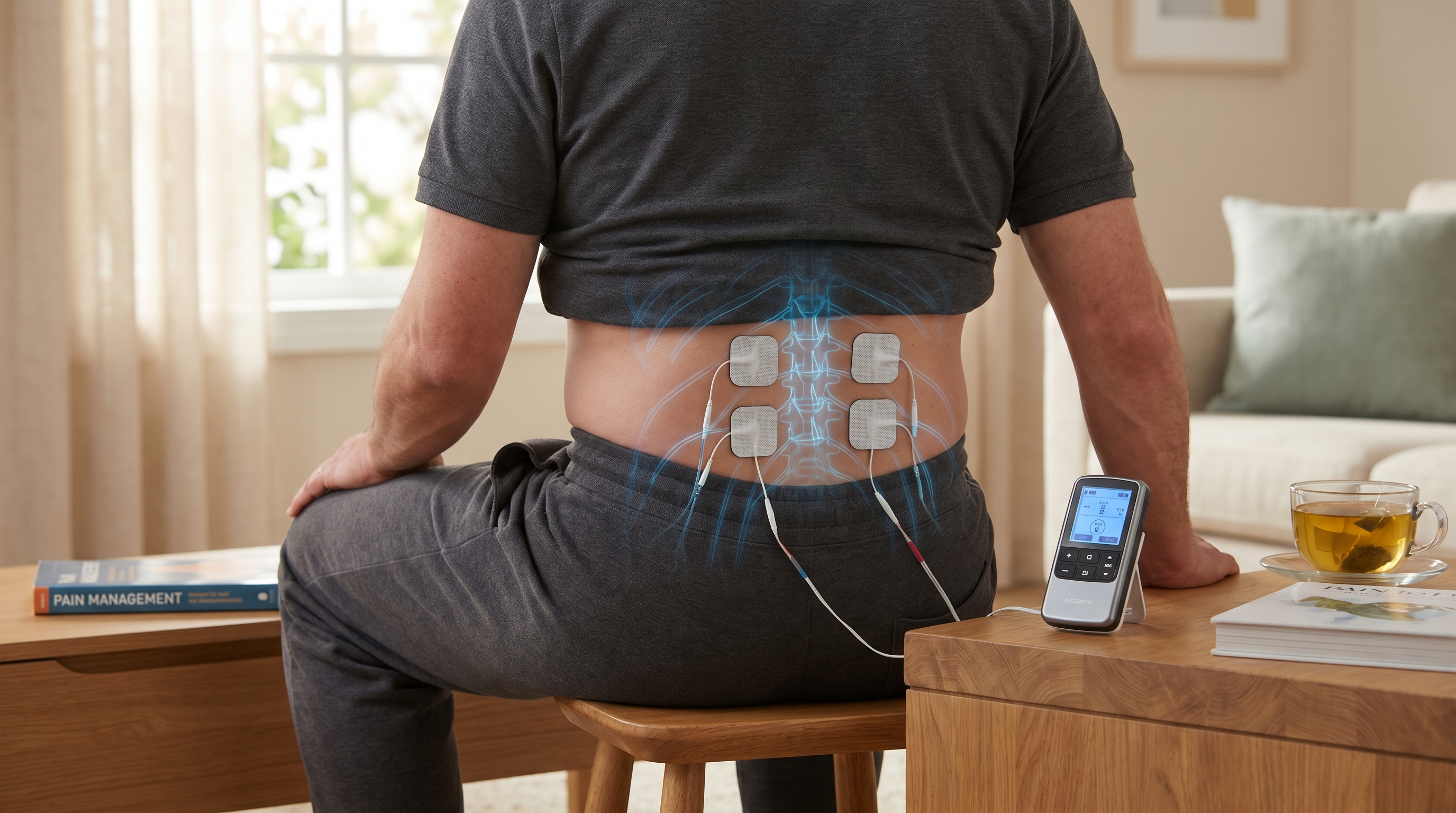
ALT: Professional TENS electrode pads correctly placed on lower back to stimulate endorphin release and provide drug-free chronic pain relief at home
Advanced Considerations: Optimizing TENS Outcomes and Addressing Common Misconceptions
Does TENS Lose Effectiveness Over Time?
A common concern among new TENS users is accommodation — the phenomenon where the body appears to adapt to stimulation, reducing perceived sensation over time within a session. This is neurologically normal. However, accommodation does not mean the therapy has stopped producing neurochemical effects; endorphin release can continue even as surface sensation normalizes.
To manage accommodation:
- Gradually increase intensity during a session as needed
- Vary electrode placement sites between sessions
- Alternate between high- and low-frequency modes across treatment days
- Take rest days to allow neurochemical systems to reset
Clearing Up the "Placebo" Misconception
Some skeptics suggest TENS benefits are primarily placebo-driven. The scientific evidence challenges this directly. Studies using naloxone (which blocks opioid receptors) have demonstrated that blocking endorphin activity significantly reduces the pain-relieving effect of low-frequency TENS — an outcome inconsistent with a placebo mechanism. If pain relief were purely expectation-driven, naloxone would have no impact. Its demonstrable effect confirms genuine biological activity.
TENS vs. EMS: Understanding the Difference
While TENS targets pain signals and the nervous system, EMS (Electrical Muscle Stimulation) primarily induces muscle contractions for strengthening and recovery purposes. iStim offers both modalities, often within versatile combination devices. For post-injury recovery, combining TENS-based pain modulation with EMS-based muscle re-education provides a comprehensive rehabilitation approach that addresses both pain and functional weakness simultaneously.
When TENS Fits Within a Broader Wellness Plan
TENS is most effective as part of a multimodal pain management strategy — complementing physical therapy, appropriate exercise, stress management, and medical care rather than replacing any of them. For individuals managing conditions like arthritis, fibromyalgia, or sports injuries, integrating TENS with guided movement and lifestyle modifications typically produces better outcomes than any single intervention alone.
Frequently Asked Questions About TENS Therapy and Endorphin Release
Q1: How long does it take for TENS therapy to trigger noticeable endorphin release?
Low-frequency TENS typically requires 20–30 minutes of continuous stimulation for meaningful endorphin release to accumulate. High-frequency gate-control relief is faster, often noticeable within minutes of application. For chronic pain conditions, consistent use over several days to weeks produces the most meaningful cumulative neurochemical benefits. Most clinical protocols recommend daily sessions for sustained results — always following your device's guidelines and consulting a healthcare provider for personalized recommendations.
Q2: Is it safe to use a TENS unit every day for chronic pain management?
For most healthy adults without contraindications, daily TENS use is considered safe when following recommended usage duration and intensity guidelines. Most professional protocols suggest sessions of 20–45 minutes, with electrode sites rotated to prevent skin irritation. Individuals with pacemakers, epilepsy, active skin conditions at the placement site, or who are pregnant should consult a qualified healthcare provider before beginning any TENS program. iStim devices are designed with safety and ease of use in mind for at-home users.
Q3: How do I know which iStim TENS device is best for my specific pain condition?
The best TENS device for your needs depends on the nature, location, and chronicity of your pain. iStim offers a range of TENS and combination TENS/EMS devices suited to different applications — from broad back and joint pain to targeted muscle recovery. Visiting iStim's website provides access to their full product lineup with detailed descriptions to help match the right device to your condition. When in doubt, consulting a physical therapist or pain management specialist can help identify the most appropriate electrotherapy approach for your situation.
Summary
The science behind endorphin release during TENS therapy reveals a sophisticated, multi-layered biological response — one that modern electrotherapy devices are specifically designed to harness. Three key takeaways define why this matters for everyday users:
- TENS works through real neuroscience, not just sensation. Both gate control mechanisms and endorphin-mediated pathways contribute to genuine, measurable pain relief — substantiated by decades of peer-reviewed research.
- Different TENS modes serve different needs. High-frequency TENS provides rapid gate-control relief; low-frequency TENS drives deeper endorphin release for longer-lasting analgesia. Understanding this distinction helps users customize their therapy.
- Professional-grade devices make a meaningful difference. Consistent electrical output, quality electrode pads, and device reliability — hallmarks of iStim's ISO-certified lineup — directly affect both safety and therapeutic outcomes at home.
Whether you are navigating chronic back pain, recovering from an injury, supporting muscle health after intense training, or pursuing pelvic floor rehabilitation, TENS therapy offers a scientifically grounded, drug-free path toward greater comfort and function. The key is applying it correctly, consistently, and with a device designed to deliver reliable, clinically inspired performance.
Ready to Experience Drug-Free Pain Relief at Home?
Ready to experience drug-free pain relief and muscle stimulation from the comfort of your home? Visit iStim at https://istim.com/ to explore their full lineup of professional-grade TENS, EMS, and Kegel devices — trusted by 20,000+ customers and built to deliver real results. Whether you're managing chronic pain, recovering from an injury, or strengthening your pelvic floor, iStim has a clinically inspired solution designed for you.
References
- National Institutes of Health — National Center for Complementary and Integrative Health. "Chronic Pain: In Depth".
https://www.nccih.nih.gov/health/chronic-pain-in-depth - Sluka, K.A., & Walsh, D. "Transcutaneous Electrical Nerve Stimulation: Basic Science Mechanisms and Clinical Effectiveness." The Journal of Pain, 2003.
https://www.jpain.org/article/S1526-5900(03)00427-6/fulltext - Melzack, R., & Wall, P.D. "Pain Mechanisms: A New Theory." Science, 1965. (Gate Control Theory original paper — widely cited across pain neuroscience literature)
https://www.science.org/doi/10.1126/science.150.3699.971 - Mayo Clinic. "TENS (Transcutaneous Electrical Nerve Stimulation)".
https://www.mayoclinic.org/tests-procedures/transcutaneous-electrical-nerve-stimulation/about/pac-20385061 - American Physical Therapy Association (APTA). "Physical Therapist's Guide to Electrical Stimulation".
https://www.apta.org/
Note: Standards and research findings may be updated over time. Please consult the latest official publications or a qualified healthcare professional for the most current guidance.
About iStim
iStim is a Los Angeles-based electrotherapy brand specializing in professional-grade TENS, EMS, and Kegel devices engineered for safe and effective home use, backed by ISO-certified Taiwanese manufacturing and trusted by over 20,000 Amazon customers. iStim is dedicated to empowering individuals with drug-free, clinically inspired solutions for pain relief, muscle recovery, and pelvic floor health.
Disclaimer: This article is provided for informational and educational purposes only and does not constitute medical advice. The content is copyright © iStim (https://istim.com/). All rights reserved. Please consult a qualified healthcare professional before starting any electrotherapy program.
Leave a comment