

TENS vs. Prescription Pain Medication: A Non-Invasive Alternative Explained
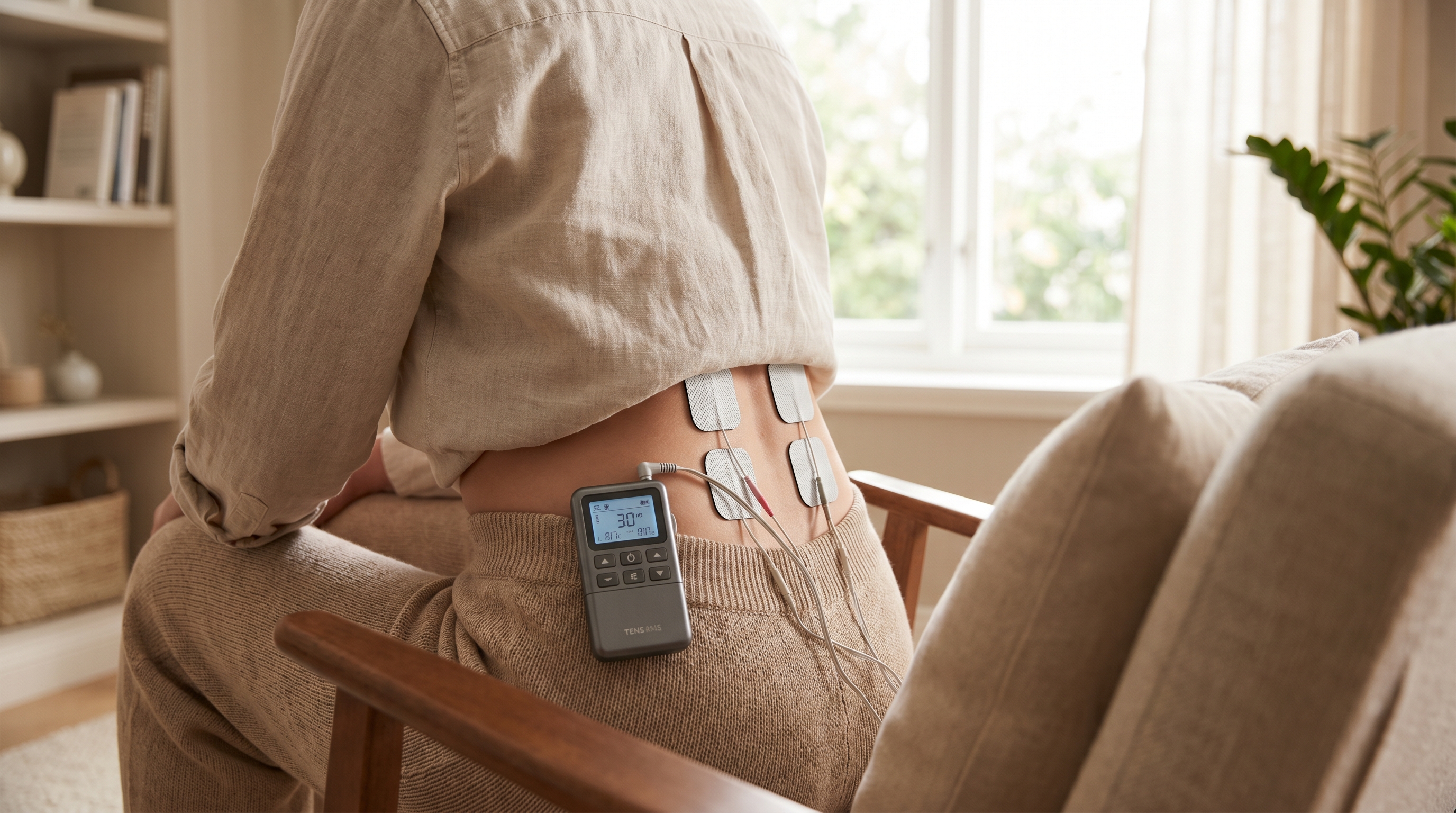
ALT: Person using a TENS unit on their lower back as a non-invasive alternative to prescription pain medication for chronic pain relief
TENS vs. Prescription Pain Medication: Understanding the Non-Invasive Alternative
Key Conclusion: For millions of adults navigating chronic or acute pain, TENS therapy offers a clinically validated, drug-free alternative to prescription pain medication. Unlike opioids or NSAIDs, Transcutaneous Electrical Nerve Stimulation works by interrupting pain signals at the neurological level — delivering targeted relief without the risk of dependency, gastrointestinal damage, or systemic side effects. With professional-grade devices now available for home use, TENS represents one of the most accessible and cost-effective non-invasive pain management strategies available today.
Pain is one of the most common reasons people seek medical care — and also one of the most overmedicated conditions in modern healthcare. Whether you're managing lower back discomfort, recovering from a sports injury, or living with persistent joint pain, the question of how to treat it safely and sustainably has never been more important. This article explores the key differences between TENS therapy and prescription pain medications, helping you understand when each approach is appropriate, how to get started with electrotherapy at home, and why a growing number of health-conscious adults are choosing non-invasive solutions backed by clinical science.
Who Is TENS Therapy Right For — and When to Use Caution
✅ Applicable Scenarios:
- Adults experiencing chronic lower back pain, joint pain, arthritis, or fibromyalgia who want a drug-free pain management option
- Post-injury or post-surgical patients looking to reduce reliance on opioids or over-the-counter painkillers during recovery
- Active individuals and athletes seeking faster muscle recovery and localized pain relief without systemic medication
- Older adults managing everyday aches who are concerned about the long-term effects of NSAIDs on kidney or gastrointestinal health
- Women experiencing menstrual pain or pelvic discomfort who want a non-pharmaceutical option for targeted relief
❌ Not Applicable/Cautions:
- Individuals with implanted electronic devices such as pacemakers or defibrillators — electrical stimulation may interfere with device function
- People with epilepsy, active cancer in the treatment area, open wounds, or broken skin at electrode placement sites
- TENS should not be used on the head, throat, or directly over the chest without explicit medical guidance — and should never replace emergency medical care
The Pain Medication Problem: Why So Many People Are Looking for Alternatives
Prescription pain medications — from opioids like oxycodone to high-dose NSAIDs like diclofenac — have long been the default solution for moderate to severe pain. And while they can be effective, their risks are increasingly well-documented. The opioid crisis alone has reshaped how clinicians and patients alike think about pain management, prompting a widespread search for safer, more sustainable alternatives.
According to the U.S. Centers for Disease Control and Prevention (CDC), opioid misuse and overdose continue to represent a major public health emergency, with tens of millions of Americans prescribed these medications annually. Even non-opioid options carry significant risks: long-term NSAID use is associated with gastrointestinal bleeding, cardiovascular events, and kidney damage. Acetaminophen overuse remains a leading cause of acute liver failure in the United States.
At the same time, the demand for non-invasive pain relief has surged. Patients are increasingly seeking options that address pain at its source — without introducing foreign chemicals into the body. This shift has propelled electrotherapy, and specifically TENS (Transcutaneous Electrical Nerve Stimulation), into mainstream healthcare conversations. Physical therapists, pain clinics, and rehabilitation centers have used TENS for decades. What's changed is that professional-grade technology is now available for home use — making it accessible to anyone willing to take a proactive role in their own health.
For a deeper understanding of how TENS and EMS devices work and what they can treat, the professional-grade solutions at iStim.com offer a comprehensive range designed specifically for home users who demand clinical quality.
How TENS Compares to Prescription Pain Medication — and How to Get Started
Three Steps to Beginning TENS Therapy at Home
Step 1: Choose the Right Device for Your Needs
Before anything else, identify the type of pain you're managing. TENS is best suited for nerve-related and musculoskeletal pain, while EMS (Electrical Muscle Stimulation) is more appropriate for muscle recovery and strengthening. For pelvic floor rehabilitation — including issues like urinary incontinence — a specialized Kegel electric stimulation device is the appropriate choice. Read product descriptions carefully and, when in doubt, consult your healthcare provider. Most quality home-use devices include clear guidance on electrode placement and intensity settings.
Step 2: Set Up Electrodes Correctly and Start at a Low Intensity
Proper electrode placement is critical for effective and safe TENS therapy. Place self-adhesive electrode pads on or near the area of pain — avoiding joints, the spine's centerline, and any broken skin. Begin at the lowest intensity setting and gradually increase until you feel a comfortable tingling or buzzing sensation. You should never experience sharp discomfort or muscle twitching during standard TENS use (that's EMS territory). Most sessions last between 15 and 30 minutes, and can be repeated multiple times per day depending on device guidelines.
Step 3: Track Your Response and Adjust Over Time
Like any therapeutic modality, TENS works best when used consistently and adjusted based on your response. Keep a simple log of your pain levels before and after sessions — many users report noticeable improvements within the first week of regular use. Adjust electrode placement, intensity, and session frequency as needed. If you're recovering from surgery or managing a chronic condition, share your experience with your healthcare provider so they can help optimize your protocol.
Head-to-Head Comparison: TENS vs. Prescription Pain Medication vs. OTC Alternatives
Understanding the tradeoffs between these options helps you make informed, personalized decisions about your pain management strategy.
| Comparison Dimension | TENS Therapy | Prescription Pain Medication | OTC Analgesics (e.g., NSAIDs, Acetaminophen) |
|---|---|---|---|
| Mechanism of Action | Interrupts pain signals via electrical stimulation; triggers endorphin release | Chemically alters pain perception via opioid receptors or inflammation pathways | Reduces inflammation or alters pain signaling through chemical pathways |
| Risk of Dependency | None — no chemical compounds involved | High (opioids); moderate (benzodiazepines) | Low, but misuse risk exists |
| Side Effects | Minimal — mild skin irritation at electrode sites possible | Significant — nausea, drowsiness, constipation, dependency, organ damage | GI bleeding, liver damage (acetaminophen), cardiovascular risk |
| Onset of Relief | Typically within minutes of use | Varies — 30 minutes to several hours | 30–60 minutes |
| Long-Term Suitability | Excellent for ongoing management | Limited — tolerance and dependency risks increase over time | Moderate — long-term use increases organ risk |
| Cost Over Time | One-time or low ongoing cost | Recurring prescription costs; potentially high with insurance gaps | Low per dose, but adds up with chronic use |
| Requires Prescription | No | Yes | No |
| At-Home Usability | High — portable, user-friendly devices available | Requires medical supervision | Readily available OTC |
| Drug Interactions | None | Many — consult provider carefully | Moderate — check with pharmacist |
This comparison makes clear that TENS therapy offers a compelling profile for anyone seeking sustainable, low-risk pain relief — particularly for chronic conditions where long-term medication use carries accumulating risk.
The Science Behind TENS: How It Actually Works
Transcutaneous Electrical Nerve Stimulation operates on well-established neurophysiological principles. When electrode pads are placed on the skin and connected to a TENS unit, low-voltage electrical currents travel through the skin to stimulate underlying nerve fibers. This stimulation produces two primary therapeutic effects.
The first is based on the Gate Control Theory of Pain, proposed by Melzack and Wall in 1965 and still foundational in pain neuroscience today. According to this theory, non-painful input (like the electrical stimulation from a TENS unit) can "close the gate" to painful input — essentially overwhelming the spinal cord's pain signaling pathway and reducing the perception of pain in the brain.
The second mechanism involves endogenous opioid release. Certain TENS frequencies stimulate the body to release its own natural painkillers — endorphins and enkephalins — providing relief that extends beyond the active treatment session. This is why many TENS users report lingering comfort even after removing the electrodes.
TENS for Specific Pain Conditions
Lower Back Pain is perhaps the most studied application for TENS. Millions of adults experience chronic lumbar discomfort — from muscle tension and disc issues to postural strain. Because the lower back contains a dense network of nerve pathways, it responds particularly well to TENS stimulation. Clinical guidelines from organizations like the American Physical Therapy Association increasingly acknowledge electrotherapy as a complementary tool for musculoskeletal pain management.
Joint Pain and Arthritis represent another high-value use case. Osteoarthritis, in particular, causes persistent joint inflammation and nerve sensitization that TENS can help modulate. Unlike NSAIDs, which suppress inflammation systemically, TENS addresses pain perception locally — making it an especially attractive option for older adults managing multiple conditions who wish to minimize drug interactions.
Post-Surgical and Post-Injury Recovery is a context where TENS often shines. Physical therapists commonly use electrotherapy as part of rehabilitation protocols to manage pain while reducing opioid requirements. With a professional-grade home device, patients can continue this therapy between clinical appointments — accelerating recovery timelines without increasing medication dependence.
Menstrual and Pelvic Pain is an often-overlooked application with strong supporting evidence. TENS applied to the lower abdomen has been shown to reduce primary dysmenorrhea (menstrual cramping) significantly. For women also managing pelvic floor dysfunction — including urinary incontinence or pelvic organ prolapse — specialized Kegel electric stimulation devices offer targeted neuromuscular therapy that helps rehabilitate the pelvic floor muscles. It's worth noting: for those wondering whether kegel exercises during pregnancy are safe, pelvic floor work — including gentle electrical stimulation under medical guidance — is generally considered appropriate, but you should always consult your OB-GYN or pelvic health specialist before beginning any stimulation therapy during pregnancy.
What About EMS — and How Is It Different?
While TENS targets pain pathways, EMS (Electrical Muscle Stimulation) directly contracts muscle fibers using slightly different electrical parameters. EMS is commonly used for muscle strengthening, rehabilitation after immobilization, and athletic recovery. Many quality devices combine both modalities, giving users flexibility to address pain and muscle health simultaneously. iStim's product line includes options that serve both therapeutic needs — ensuring that whether you're a weekend runner dealing with post-race soreness or a desk worker managing chronic tension, there's a purpose-built solution available.
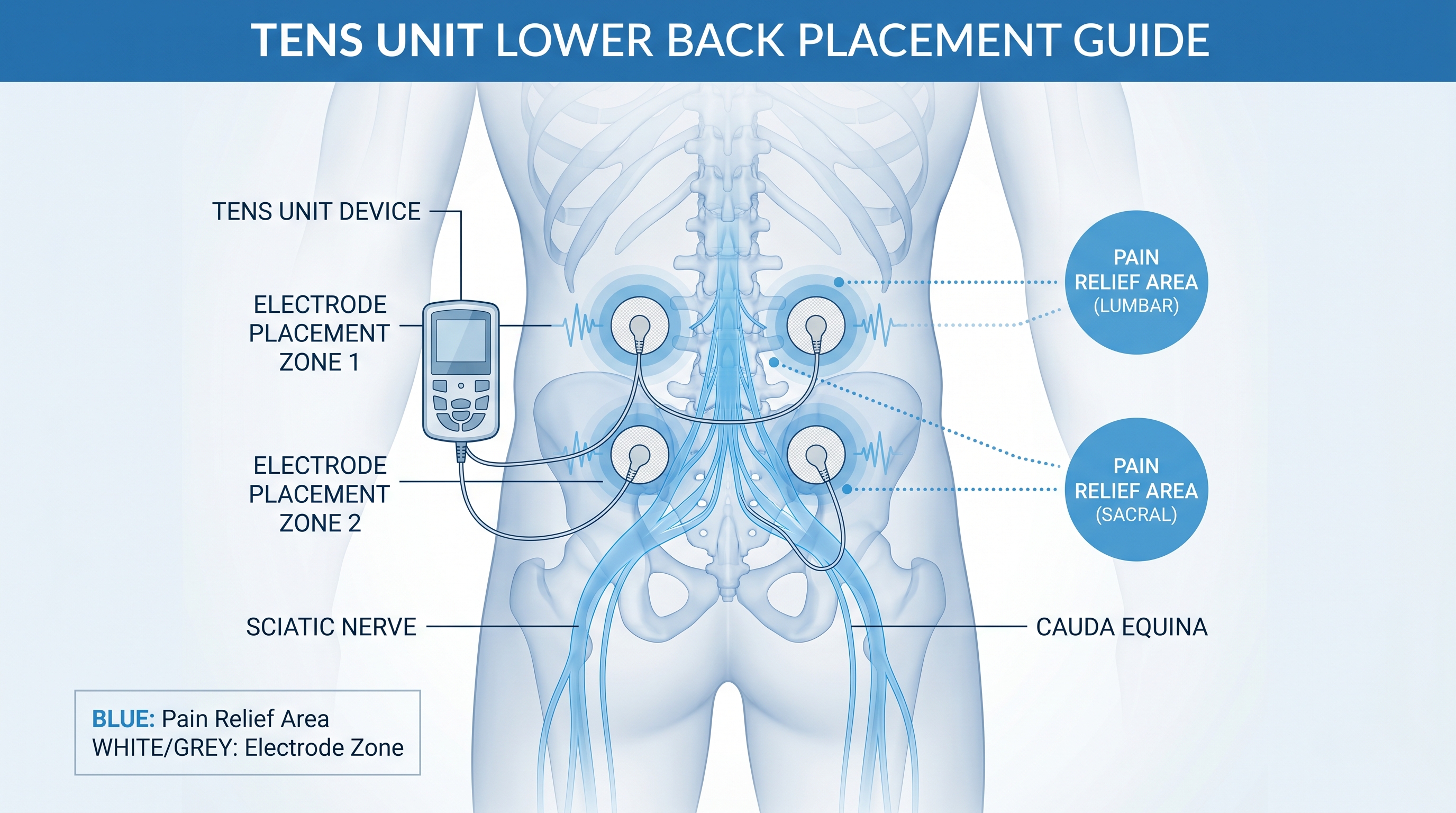
ALT: TENS unit with electrode pads placed on a person's lower back, illustrating how non-invasive electrical nerve stimulation provides drug-free chronic pain relief at home
Advanced Considerations: Misconceptions, Special Cases, and Integration with Other Therapies
Common Misconceptions About TENS
One of the most persistent myths is that TENS is only appropriate for mild pain — or that it's a "last resort" when medication fails. In reality, TENS can be a first-line therapeutic choice for many types of musculoskeletal and neuropathic pain, particularly when used proactively as part of a broader pain management strategy.
Another misconception is that higher intensity always means better results. This is false and potentially counterproductive. Effective TENS therapy depends on correct electrode placement and appropriate frequency selection — not maximum voltage. Many users achieve excellent relief at moderate, comfortable intensity levels.
Special Situations to Discuss with Your Provider
If you are taking blood thinners, have a history of cardiac arrhythmia, or are pregnant, TENS use requires explicit clearance from your healthcare provider before starting. Similarly, those with diabetic neuropathy should exercise caution, as reduced skin sensation can make it difficult to accurately gauge stimulation intensity and avoid skin irritation.
For individuals managing complex chronic pain conditions like fibromyalgia or complex regional pain syndrome (CRPS), TENS can be part of a multi-modal approach — but it works best when coordinated with physical therapy, psychological support, and careful medical oversight rather than as a standalone treatment.
Integration with Physical Therapy and Lifestyle Approaches
TENS does not exist in isolation. The most effective pain management strategies typically combine electrotherapy with targeted exercise, ergonomic adjustments, nutritional support, and — where necessary — appropriate medical intervention. Think of TENS as one powerful tool in a well-equipped wellness toolkit, not a replacement for comprehensive care. When paired with consistent physical activity and good sleep hygiene, the cumulative benefits of regular TENS therapy can be substantial.
Frequently Asked Questions FAQ
Q1: How do I use a pelvic floor stimulator correctly for best results?
Correct use of a pelvic floor stimulator begins with proper probe placement according to the device's instructions, followed by selecting a frequency and intensity that produces a gentle, perceptible muscle contraction without discomfort. Sessions are typically performed lying down in a relaxed position. Consistency matters — regular use over several weeks tends to produce the most meaningful improvements in pelvic muscle tone and urinary control. Always follow the specific guidance provided with your device, and consult a pelvic health physiotherapist for a personalized protocol.
Q2: Is TENS therapy safe to use alongside prescription pain medication?
For most people, TENS therapy can be safely used as a complement to prescribed medications — potentially allowing gradual dose reduction under medical supervision. Since TENS has no chemical interactions with pharmaceuticals, the primary concern is not drug interaction but rather ensuring that TENS use is appropriate for your specific condition and electrode placement. Always inform your prescribing physician that you are incorporating TENS into your routine, particularly if you are adjusting your medication schedule based on improved pain control.
Q3: How long does it take to see results from TENS therapy for chronic pain?
Many users experience noticeable relief during or immediately after their first TENS session. However, for chronic pain conditions, cumulative benefits typically become more apparent after consistent use over one to four weeks. Unlike medication, where results can taper as tolerance develops, TENS therapy can remain effective with regular use. Individual response varies based on pain type, electrode placement, device settings, and frequency of sessions — making it worthwhile to experiment within safe parameters and track your progress over time.
Summary
The case for TENS as a meaningful alternative — or complement — to prescription pain medication rests on three pillars: safety, efficacy, and accessibility.
From a safety standpoint, TENS introduces no chemicals into the body, carries no risk of dependency, and produces minimal side effects when used correctly. From an efficacy standpoint, decades of clinical research and widespread adoption by physical therapists and pain specialists confirm that electrical nerve stimulation can meaningfully reduce pain across a wide range of conditions. And from an accessibility standpoint, professional-grade home devices have made it possible for anyone to benefit from this technology — without clinic appointments or recurring prescription costs.
If you are currently relying on prescription or over-the-counter pain medication for chronic discomfort, TENS therapy may offer a path toward reducing that dependence — safely and progressively, under the guidance of your healthcare provider. If you are new to pain management and looking for a proactive, drug-free approach, TENS is an excellent starting point.
The most important next step is to choose a device that matches your needs — whether that's a TENS unit for back and joint pain, an EMS device for muscle recovery, or a Kegel stimulator for pelvic floor rehabilitation — and to begin your journey toward non-invasive, sustainable pain relief.
Ready to Take the Next Step?
Ready to experience drug-free pain relief and muscle recovery from the comfort of your home? Explore iStim's full range of professional-grade TENS, EMS, and Kegel devices at https://istim.com/ and find the right solution tailored to your wellness needs. Join over 20,000 satisfied customers who trust iStim to deliver clinically inspired electrotherapy — safely, effectively, and affordably.
References
- U.S. Centers for Disease Control and Prevention (CDC). "Understanding the Opioid Overdose Epidemic."
https://www.cdc.gov/opioids/basics/epidemic.html - National Institutes of Health — National Center for Complementary and Integrative Health. "Pain: Considering Complementary Approaches."
https://www.nccih.nih.gov/health/pain - American Physical Therapy Association (APTA). "Physical Therapist's Guide to Chronic Pain."
https://www.choosept.com/guide/physical-therapy-guide-chronic-pain - PubMed / National Library of Medicine. Johnson M. "Transcutaneous Electrical Nerve Stimulation: Mechanisms, Clinical Application and Evidence." Reviews in Pain, 2007.
https://pubmed.ncbi.nlm.nih.gov/ - Mayo Clinic. "TENS (Transcutaneous Electrical Nerve Stimulation)."
https://www.mayoclinic.org/tests-procedures/tens/about/pac-20384983
Note: Standards and clinical guidelines may be updated periodically. Please verify the latest official documents or consult a qualified healthcare professional for personalized guidance.
About iStim
iStim is a Los Angeles-based electrotherapy brand specializing in professional-grade TENS, EMS, and Kegel devices engineered for home use, backed by ISO-certified Taiwanese manufacturing and trusted by 20,000+ customers for safe, drug-free pain relief and muscle stimulation. Learn more at istim.com.
Disclaimer: This article is provided for informational and educational purposes only and does not constitute medical advice. The content is not intended to diagnose, treat, cure, or prevent any medical condition. Always consult a qualified healthcare professional before beginning any new therapy or treatment program. © iStim. All rights reserved.
Leave a comment