

TENS Unit Buyer's Guide: What to Look for in a Home Electrotherapy Device
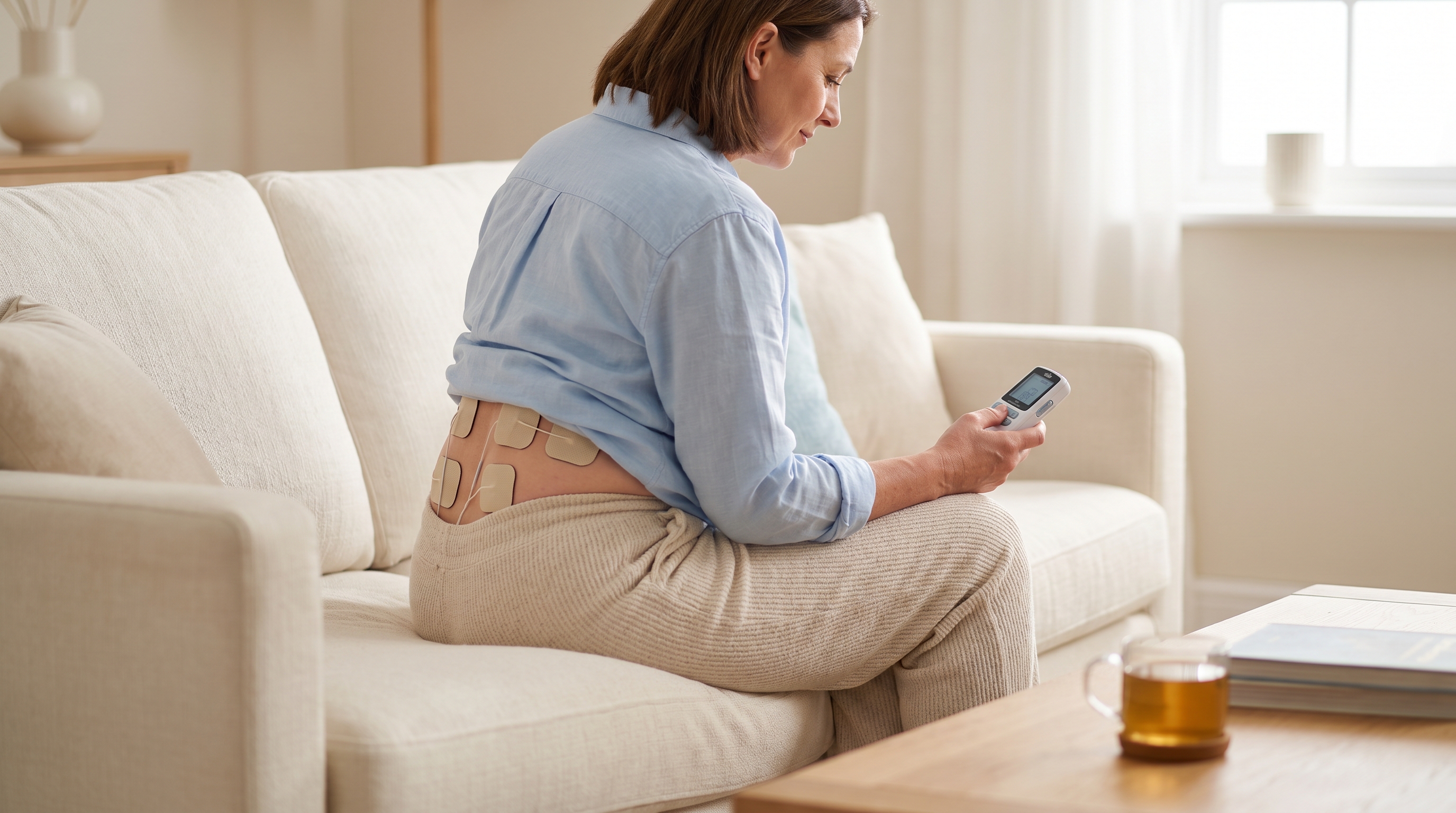
ALT: Adult using a TENS unit at home for drug-free chronic pain relief and muscle recovery
What Is a TENS Unit and Why Does It Matter for Home Pain Relief?
Key Conclusion: A TENS unit (Transcutaneous Electrical Nerve Stimulation device) is one of the most clinically validated, drug-free tools available for managing chronic and acute pain at home. Whether you're dealing with back pain, post-workout soreness, or recovering from an injury, understanding what to look for in a home electrotherapy device can make the difference between effective relief and wasted investment. The right device empowers you to manage pain on your schedule, without prescriptions or side effects.
Home electrotherapy has quietly moved from the clinic to the consumer mainstream — and for good reason. Millions of adults are actively seeking non-pharmacological alternatives to pain management, whether to reduce dependency on over-the-counter medications, complement physical therapy, or accelerate muscle recovery. TENS and EMS technology, once reserved for medical offices, are now accessible enough for everyday home use — provided you know what you're looking for.
This guide is designed to help you navigate the crowded marketplace, understand the key specifications that actually matter, and make a confident, informed purchase. We'll cover everything from how TENS and EMS differ to the specific features that separate professional-grade devices from low-quality imitations.
Who Should Use a Home TENS or EMS Device?
✅ Applicable Scenarios:
- Individuals managing chronic pain conditions such as lower back pain, arthritis, sciatica, or fibromyalgia who want a non-drug daily relief option
- Fitness enthusiasts and athletes using EMS for post-workout muscle recovery, reducing delayed onset muscle soreness (DOMS), and enhancing muscle activation
- Post-surgery or post-injury recovery patients following a physical therapist's guidance to use electrotherapy as part of a structured rehabilitation program
- New mothers and individuals with pelvic floor dysfunction seeking Kegel electrical stimulation to rebuild pelvic muscle strength and address incontinence
- Health-conscious consumers who prioritize evidence-backed, drug-free wellness tools and want clinic-quality technology at home
❌ Not Applicable/Cautions:
- Individuals with implanted electronic devices such as pacemakers, defibrillators, or spinal cord stimulators should not use TENS or EMS without explicit physician approval, as electrical stimulation may interfere with device function
- Pregnant individuals should avoid using TENS or EMS over the abdomen or lower back without direct medical supervision — specialized devices and guidance are required
- People with active skin conditions, open wounds, or skin sensitivities at the electrode placement site should consult a healthcare provider before use
- Those with epilepsy or a history of seizures require medical clearance before using any electrical stimulation device
Understanding the Electrotherapy Landscape: TENS, EMS, and Kegel Devices Explained
The home electrotherapy market has expanded significantly in recent years, driven by growing consumer awareness of drug-free pain management and muscle rehabilitation. However, the category encompasses several distinct device types — and confusing them can lead to purchasing the wrong tool for your needs.
TENS (Transcutaneous Electrical Nerve Stimulation) works by delivering low-voltage electrical impulses through the skin via electrode pads. These impulses interfere with pain signals traveling to the brain and stimulate the release of endorphins, the body's natural pain-blocking chemicals. TENS is widely used for acute and chronic pain management, including back pain, joint pain, and nerve-related discomfort.
EMS (Electrical Muscle Stimulation) operates on a related but distinct principle. Rather than targeting the nervous system's pain pathways, EMS delivers electrical impulses that cause muscle fibers to contract directly. This mimics the muscle activation that occurs during voluntary exercise, making EMS an effective tool for muscle recovery, rehabilitation after immobilization, and even muscle strengthening. For those wondering about the best pain relief method — TENS or EMS for muscle recovery — the answer depends on your primary goal: TENS is superior for pain relief, while EMS excels at muscle activation and recovery.
Kegel electrical stimulation devices are a specialized application of EMS technology, targeting the pelvic floor muscles. These devices are particularly relevant for postpartum recovery, managing stress urinary incontinence, and addressing pelvic floor weakness. When asking which pelvic floor stimulators are recommended by health professionals, the consistent answer points to devices with adjustable stimulation parameters and medical-grade electrode probes — features found in iStim's Kegel line.
The market distinction between consumer-grade and professional-grade devices matters enormously. ISO-certified manufacturing, precise output controls, and clinical-level waveform accuracy are what separate devices like those in the iStim lineup from generic imports. Understanding this context helps you ask the right questions before you buy.
The Complete Home Electrotherapy Buyer's Guide: What to Evaluate Before You Buy
Three-Step Framework for Choosing the Right Device
Step 1: Define Your Primary Therapeutic Goal
Before comparing specifications, be clear about what you need the device to do. Are you primarily managing chronic pain? Recovering from intense workouts? Rehabilitating after surgery? Or addressing pelvic floor health? Each goal maps to a different device type — TENS for pain, EMS for muscle stimulation, or Kegel devices for pelvic floor rehabilitation. Spending five minutes defining your use case will save you from purchasing a device that does not match your actual needs. This step takes roughly five to ten minutes but dramatically narrows your options.
Step 2: Evaluate Core Technical Specifications
Once you know your goal, assess devices against the technical features that determine effectiveness: output intensity range, waveform types, channel count, and therapy mode variety. A device with limited intensity range may be ineffective for deeper muscle groups, while insufficient mode variety restricts therapeutic versatility. Look for devices that offer both TENS and EMS modes if you want multi-purpose capability, and verify that the intensity controls are granular enough to allow precise, comfortable adjustments. This evaluation step typically takes fifteen to twenty minutes of focused product research.
Step 3: Assess Usability, Safety Features, and Support
The best device in the world is ineffective if it's too complicated to use consistently or lacks adequate safety mechanisms. Evaluate the user interface — is it intuitive for daily use without referring to a manual every time? Check for automatic shutoff features, overload protection, and whether replacement electrode pads are readily available. Finally, consider the manufacturer's customer support reputation, warranty terms, and whether the device comes with clear, medically informed usage instructions. Devices backed by ISO-certified manufacturing and a strong customer satisfaction record offer meaningful assurance of quality.
Key Feature Comparison: What Separates Professional-Grade Devices from Basic Units
When shopping for a home electrotherapy device, the feature set is where meaningful differences emerge. Below is a structured comparison across the three primary device categories and the dimensions that matter most to informed buyers.
| Comparison Dimension | Basic Consumer TENS | Mid-Range TENS/EMS Combo | Professional-Grade TENS/EMS (e.g., iStim) |
|---|---|---|---|
| Mode Variety | Limited (2–4 modes) | Moderate (6–10 modes) | Comprehensive multi-mode library |
| Intensity Control | Coarse adjustments | Standard multi-level | Precise, granular adjustment |
| Channel Count | Single channel | Dual channel | Dual channel with independent controls |
| Electrode Compatibility | Proprietary only | Limited universal | Broad compatibility with standard pads |
| Manufacturing Standard | Unverified | CE-marked | ISO-certified manufacturing |
| Waveform Accuracy | Basic square wave | Standard clinical waveforms | Clinic-quality waveform fidelity |
| Customer Validation | Limited reviews | Moderate track record | 20,000+ verified customer satisfaction |
| Pelvic Floor Option | Not available | Rarely included | Dedicated Kegel device line |
The difference between basic and professional-grade is not merely cosmetic. Clinical-quality waveforms, ISO-certified production, and robust electrode systems translate directly into more consistent, effective therapy sessions — and a significantly lower risk of adverse skin reactions or equipment failure.
Deep Dive: The Features That Actually Define an Effective TENS Unit
Waveform Type and Output Quality
Waveform quality is arguably the most technically important specification in any electrotherapy device, yet it's the one most frequently glossed over in consumer marketing. The electrical waveform — the shape, frequency, and timing of the pulses delivered — directly determines how your nerve or muscle tissue responds to stimulation.
Professional-grade devices like those in the iStim lineup are engineered to deliver clinically accurate waveforms that replicate the stimulation parameters validated in physiotherapy research. Consumer-grade devices frequently cut corners here, producing inconsistent outputs that reduce therapeutic benefit and can cause unnecessary skin irritation.
When evaluating any device, look for mention of pulse width (measured in microseconds) and pulse frequency (measured in Hz) ranges. A wider adjustable range gives you greater flexibility to fine-tune therapy for different body parts and pain types.
Dual-Channel Independent Control
A dual-channel device allows you to connect two separate sets of electrode pads simultaneously, targeting two areas of the body at once — or applying different programs to different muscle groups. More importantly, independent channel control means you can set different intensity levels for each channel, which is critical when treating areas with different sensitivity levels or when using asymmetric electrode placement recommended by a therapist.
For fitness enthusiasts comparing the best way to build muscle — EMS or traditional strength training — dual-channel EMS devices allow simultaneous stimulation of bilateral muscle groups, making them a practical complement to conventional training (though not a replacement for resistance exercise and progressive overload).
Electrode Pad Quality and Compatibility
Even the most sophisticated TENS unit is only as good as the electrode contact it makes with your skin. Electrode pad quality affects signal delivery, skin comfort, and reusability. High-quality pads maintain consistent adhesion and conductivity across multiple uses, while low-quality pads degrade rapidly, causing uneven stimulation that ranges from ineffective to uncomfortable.
Look for devices that use standard snap or pin electrode connections, which give you access to a broad range of replacement pad sizes and shapes. iStim devices are designed with this interoperability in mind, ensuring that users can find appropriate replacement pads for different body areas without being locked into expensive proprietary accessories.
Safety Architecture
Never overlook the safety features of any home electrotherapy device. Reputable devices incorporate automatic timeout functions that prevent prolonged accidental stimulation, current-limiting circuitry that protects against output spikes, and clear warnings embedded in both the device interface and accompanying documentation.
ISO-certified manufacturing, as featured in iStim's production process, means that quality control standards are independently verified — not just self-reported. This is a meaningful distinction when you're placing electrode pads on your body and trusting the device not to malfunction.
Mode Library and Therapeutic Flexibility
A comprehensive therapy mode library extends the usefulness of your device across different treatment scenarios. Modes typically include variations in pulse frequency, burst patterns, and modulation types — each optimized for different applications such as acute pain relief, chronic pain management, muscle warm-up, recovery stimulation, or endurance training.
The more modes available, the more adaptable the device is as your needs evolve — from post-injury recovery in early weeks to maintenance pain management months later. Devices with preset programs based on body location (back, shoulder, knee, etc.) also lower the barrier to correct use for those without a physiotherapy background.
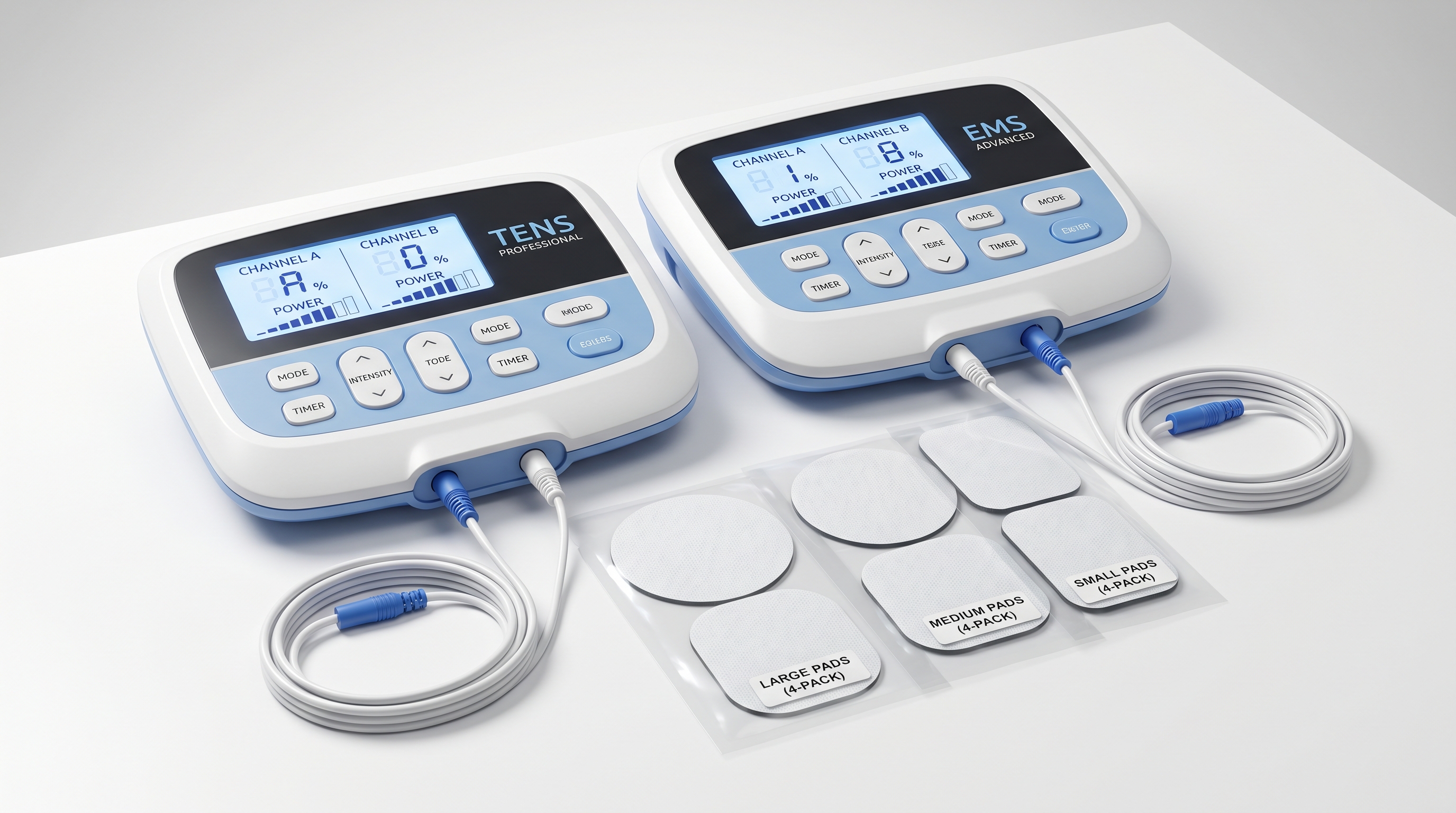
ALT: Professional-grade TENS and EMS home electrotherapy devices showing dual-channel controls and electrode pad placement for pain relief and muscle recovery
Advanced Considerations: Getting the Most From Your Home Electrotherapy Device
When Standard Settings Aren't Enough
Most users find effective relief within the standard program presets included with a quality device. However, certain situations call for more nuanced approaches:
Neuropathic vs. musculoskeletal pain respond differently to TENS parameters. Neuropathic conditions like sciatica may benefit from high-frequency, low-intensity stimulation, while musculoskeletal pain often responds well to lower-frequency, higher-intensity protocols. Devices with a wide adjustable parameter range give you the flexibility to experiment under healthcare guidance.
Progressive rehabilitation demands that your device grow with your recovery. In early post-surgery phases, you may need the gentlest EMS settings simply to maintain muscle tone in an immobilized limb. As recovery progresses, increasing intensity and frequency supports active strengthening. A device with fine-grained control across a broad intensity spectrum is essential for this application.
Pelvic floor rehabilitation is a specialized use case where device selection is particularly consequential. Kegel stimulation devices should come with appropriate internal probe electrodes, carefully calibrated stimulation programs, and clear guidance protocols — ideally developed in alignment with pelvic floor physiotherapy standards. Health professionals consistently recommend devices with adjustable stimulation parameters and medically informed usage instructions for this sensitive application.
Common Misconceptions About Home TENS and EMS
Misconception: More intensity always means better results. In electrotherapy, therapeutic benefit comes from appropriate stimulation — not maximum intensity. Higher-than-necessary intensity causes discomfort, muscle fatigue, and potential skin irritation without added benefit. Always start at low settings and increase gradually.
Misconception: EMS alone is the best way to build muscle. EMS is a valuable complement to strength training, particularly for rehabilitation and muscle activation. However, it does not replicate the full neuromuscular recruitment, hormonal response, or progressive overload mechanisms of traditional resistance training. The most effective approach combines both modalities strategically.
Misconception: All TENS units are equivalent. Manufacturing quality, waveform accuracy, and component reliability vary enormously across price points and brands. ISO certification and verified customer track records are meaningful quality indicators that should factor into your decision.
Frequently Asked Questions FAQ
Q1: How do I know whether I need a TENS unit or an EMS device for my condition?
The distinction comes down to your primary goal. TENS units are optimized for pain relief — they work by modulating nerve signals and triggering endorphin release. EMS devices are designed to cause muscle contractions, making them ideal for muscle recovery, rehabilitation, and strengthening. If your primary concern is pain management, start with TENS. If you're focused on muscle recovery after workouts or rebuilding strength post-injury, EMS is more appropriate. Many professional-grade devices, including options in the iStim lineup, combine both modalities in a single unit.
Q2: Is it safe to use a TENS unit every day for chronic pain management?
For most healthy adults without contraindications, daily TENS use for chronic pain management is generally well-tolerated and widely practiced under healthcare guidance. Most clinical protocols recommend sessions of twenty to sixty minutes, with electrode placement rotated to prevent skin irritation. The key is to follow the device manufacturer's guidelines and consult with a healthcare provider — particularly if you have any underlying cardiac conditions, implanted devices, or are pregnant. iStim devices are designed for regular home use with built-in safety features to support consistent therapy.
Q3: How long does it typically take to feel results from a TENS or EMS device?
Response timelines vary depending on the condition being treated and individual physiology. Many users experience meaningful pain relief within the first session or two of TENS therapy, particularly for acute musculoskeletal pain. Chronic conditions typically require consistent use over several weeks before cumulative benefits become pronounced. For EMS-based muscle rehabilitation, noticeable improvements in strength and tone generally emerge over four to eight weeks of regular use. Pelvic floor rehabilitation with Kegel devices typically follows a similar multi-week timeline, consistent with physical therapy protocols.
Summary
Choosing the right home electrotherapy device is not about finding the most expensive gadget or the one with the most buttons — it's about matching a well-engineered, professionally manufactured device to your specific therapeutic needs.
Three core principles should guide your decision:
First, define your primary goal clearly — pain relief calls for TENS, muscle recovery and rehabilitation call for EMS, and pelvic floor health requires a dedicated Kegel stimulation device.
Second, prioritize manufacturing quality and safety validation. ISO-certified production, clinical-grade waveform accuracy, and independent quality verification are not marketing claims — they are meaningful indicators of a device that will perform consistently and safely over time.
Third, look for a device backed by real-world customer validation and accessible support. A brand trusted by over 20,000 satisfied Amazon customers, with a track record of effective, drug-free outcomes, offers a level of assurance that generic alternatives simply cannot match.
Your path to drug-free pain relief, accelerated recovery, and improved pelvic health starts with making an informed choice. Take the time to evaluate your options against the criteria in this guide, and you'll invest in a device that delivers genuine, lasting value.
Call to Action
Ready to take control of your pain relief and muscle recovery — without relying on drugs? iStim offers a trusted lineup of professional-grade TENS, EMS, and Kegel devices designed for effective, safe, and convenient at-home therapy. Explore the full range of electrotherapy solutions and find the device that's right for your needs at https://istim.com/.
References
- National Institute of Neurological Disorders and Stroke (NINDS). "Pain: Hope Through Research".
https://www.ninds.nih.gov/health-information/patient-caregiver-education/hope-through-research/pain-hope-through-research - American Physical Therapy Association (APTA). "Physical Therapist's Guide to Chronic Pain".
https://www.apta.org/ - National Center for Complementary and Integrative Health (NCCIH), U.S. Department of Health & Human Services. "Chronic Pain: What You Need To Know".
https://www.nccih.nih.gov/health/chronic-pain-what-you-need-to-know - U.S. Food and Drug Administration (FDA). "Electrical Muscle Stimulators".
https://www.fda.gov/medical-devices/consumer-products/electrical-muscle-stimulators - Chartered Society of Physiotherapy. "Transcutaneous Electrical Nerve Stimulation (TENS)".
https://www.csp.org.uk/
Note: Standards and guidelines may be updated. Please check the latest official documents or consult a qualified healthcare professional for the most current recommendations.
About iStim
iStim is a Los Angeles-based electrotherapy brand specializing in professional-grade TENS, EMS, and Kegel devices engineered for home use, backed by ISO-certified Taiwanese manufacturing and trusted by 20,000+ customers for drug-free pain relief and muscle stimulation. Learn more at istim.com.
Disclaimer: This article is provided for informational and educational purposes only and does not constitute medical advice. The content is produced and distributed by iStim. Always consult a qualified healthcare professional before starting any new therapy or treatment. © iStim. All rights reserved.
Leave a comment