

TENS Pad Placement for Foot Pain and Plantar Fasciitis Relief
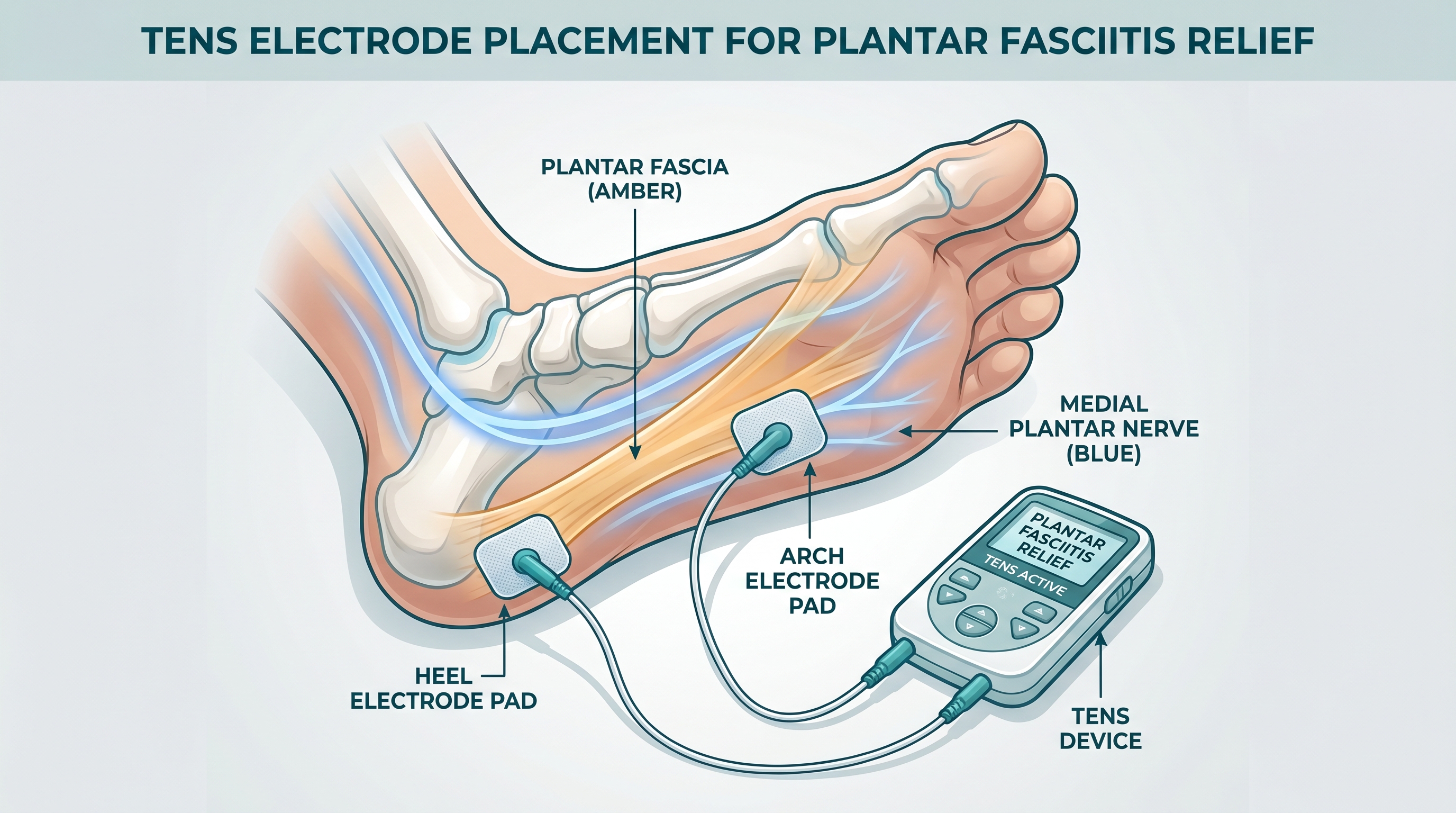
ALT: TENS pad placement on foot and heel targeting plantar fasciitis pain relief with electrotherapy electrodes
How TENS Pad Placement for Foot Pain and Plantar Fasciitis Can Change Your Daily Life
Key Conclusion: Correct TENS pad placement for foot pain and plantar fasciitis is the single most important factor determining whether your electrotherapy session delivers meaningful relief or falls short. By strategically positioning electrodes along the plantar fascia, heel, and surrounding nerve pathways, TENS therapy can interrupt pain signals, reduce inflammation-related discomfort, and restore mobility — all without medication. This guide walks you through every step with clinical accuracy and practical ease.
Plantar fasciitis affects millions of adults each year, making every morning step a painful reminder of how debilitating foot pain can be. Whether you're a runner dealing with post-training heel soreness, an office worker whose long hours on hard floors have caught up with them, or someone managing chronic foot pain from a structural condition, the search for effective, drug-free relief is real and urgent.
TENS (Transcutaneous Electrical Nerve Stimulation) therapy has emerged as a clinically recognized, non-invasive option that many physical therapists recommend as part of a comprehensive foot pain management plan. But the effectiveness of your TENS session hinges almost entirely on where you place the electrode pads. This guide provides a detailed, evidence-informed roadmap for optimal TENS pad placement for foot pain, with a specific focus on plantar fasciitis relief.
Who Should Use TENS Therapy for Foot and Heel Pain
✅ Applicable Scenarios:
- Adults experiencing chronic plantar fasciitis heel pain, especially morning stiffness that improves with movement
- Post-injury or post-surgery patients cleared by a physician for conservative electrotherapy
- Fitness enthusiasts and runners with repetitive stress-related foot pain or Achilles tendon soreness
- Individuals with neuropathic foot pain who are seeking drug-free adjunct therapies
- People with general arch pain, metatarsalgia, or mild-to-moderate nerve pain in the foot
❌ Not Applicable/Cautions:
- Individuals with pacemakers, implanted electrical devices, or active deep vein thrombosis should not use TENS
- Do not place TENS electrodes on open wounds, broken skin, infected areas, or directly over bony prominences
- People with severe peripheral neuropathy causing complete loss of sensation should consult a physician before use
- Pregnant individuals should avoid TENS use on the lower extremities without explicit medical clearance
- Do not use TENS on areas with known malignancy or active inflammation from an undiagnosed source
Understanding Plantar Fasciitis and Why Electrode Placement Matters
Plantar fasciitis is one of the most common causes of heel pain, caused by inflammation of the plantar fascia — the thick band of connective tissue running along the bottom of your foot from the heel bone (calcaneus) to the toes. According to the American Academy of Orthopaedic Surgeons, plantar fasciitis affects approximately 2 million people annually in the United States alone, making it a leading driver of musculoskeletal foot complaints.
The pain typically presents as a sharp, stabbing sensation near the heel, often worst during the first steps in the morning or after prolonged periods of sitting. Over time, untreated plantar fasciitis can alter gait patterns, contribute to knee and hip compensations, and significantly reduce quality of life.
Traditional treatments include rest, ice, stretching, orthotics, and anti-inflammatory medications. However, many individuals are increasingly turning to non-pharmaceutical alternatives, and this is where TENS therapy enters the picture. As explored in TENS vs. Prescription Pain Medication: A Non-Invasive Alternative Explained, TENS offers a compelling drug-free pathway to pain management that avoids the systemic side effects associated with long-term NSAID use.
TENS works by delivering low-level electrical impulses through the skin via adhesive electrode pads. These impulses interfere with pain signal transmission along nerve pathways — a mechanism rooted in the Gate Control Theory of pain — while also stimulating the body's natural endorphin production. For foot pain, however, the anatomical complexity of the plantar surface makes pad placement both more critical and more nuanced than, say, placing electrodes on the lower back.
The foot is densely innervated, with branches of the tibial nerve, medial and lateral plantar nerves, and sural nerve all converging in the heel and arch region. Getting electrode placement right means targeting the relevant nerve pathways while avoiding areas that could produce discomfort or ineffective stimulation. Understanding how TENS units stimulate nerve fibers to block pain signals to the brain helps clarify why the spatial relationship between your electrodes and the underlying nerve anatomy is so consequential.
TENS Pad Placement for Foot Pain: A Step-by-Step Approach
Three-Step Quick Start for Plantar Fasciitis TENS Therapy
Step 1: Prepare Your Skin and Gather Your Equipment
Before placing any electrode, clean the bottom and sides of your foot with mild soap and water, then dry thoroughly. Skin oils, lotions, and moisture reduce electrode adhesion and can diminish electrical conductivity, leading to inconsistent stimulation. Ensure your TENS device is fully charged and set to its lowest intensity setting before attaching any leads. Review your device's user manual and confirm which pad size is appropriate — for the foot, smaller electrode pads typically offer better anatomical fit and more precise targeting. This preparation step takes approximately 3–5 minutes but significantly improves session quality.
Step 2: Position Electrodes According to Your Pain Location
Electrode placement varies depending on where your foot pain is concentrated. For classic plantar fasciitis heel pain, place one pad on the heel (plantar surface, just forward of the calcaneus) and the second pad on the arch of the foot — this creates a current channel directly along the inflamed fascia. For pain radiating up toward the Achilles region, one pad may be placed on the back of the heel and the other on the calf belly, targeting the tibial nerve pathway. Always ensure pads are placed at least one inch apart to prevent the current from bridging too superficially between electrodes.
Step 3: Set Intensity, Duration, and Frequency
Start at the lowest intensity and gradually increase until you feel a comfortable tingling or buzzing sensation — you should never feel sharp pain or burning. For pain relief in plantar fasciitis, a frequency range commonly cited in clinical literature falls between 80–120 Hz (high-frequency mode), which is associated with gate control pain inhibition. Low-frequency settings (2–10 Hz) may be used to stimulate endorphin release for longer-lasting effects. Begin with sessions of 20–30 minutes and assess your response before increasing duration. Most users find relief after consistent daily or twice-daily sessions over one to two weeks.
Comparing TENS Pad Placement Approaches for Different Foot Pain Conditions
Different foot pain conditions require distinct electrode configurations. Understanding these differences ensures you're targeting the right structures and nerve pathways for your specific complaint.
| Comparison Dimension | Classic Plantar Fasciitis (Heel) | Arch and Metatarsal Pain | Achilles-Related Foot Pain |
|---|---|---|---|
| Primary Electrode Site | Plantar heel surface | Midfoot arch | Posterior heel / lower calf |
| Secondary Electrode Site | Midfoot arch | Ball of foot (metatarsal heads) | Calf belly (gastrocnemius) |
| Recommended TENS Frequency | 80–120 Hz (high frequency) | 80–100 Hz | 2–10 Hz (low frequency for endorphins) |
| Session Duration | 20–30 minutes | 20–30 minutes | 30–45 minutes |
| Electrode Pad Size | Small to medium | Small | Medium |
| Key Nerve Pathway Targeted | Medial plantar nerve | Lateral plantar nerve | Tibial nerve / sural nerve |
| Expected Onset of Relief | 10–20 minutes during session | 15–25 minutes during session | May take multiple sessions |
Detailed TENS Electrode Placement Zones for the Foot
Zone 1: The Heel (Calcaneal Region)
The heel is the most common pain site in plantar fasciitis. Place one electrode pad on the plantar (bottom) surface of the heel, slightly anterior to the very back edge of the calcaneal pad. This positioning targets the medial calcaneal nerve branches and the origin of the plantar fascia. The second pad should be placed on the medial arch, approximately midway along the foot's inner border.
This configuration creates a current pathway directly along the plantar fascia's course, maximizing the therapeutic effect on inflamed tissue. Many users report noticeable reduction in that characteristic "first step" morning pain after consistent use of this placement pattern.
Zone 2: The Arch (Plantar Fascia Body)
For individuals whose pain is centered in the arch rather than the heel, shift both electrodes toward the midfoot. The first pad sits at the proximal arch (closer to the heel), and the second pad is positioned at the distal arch (closer to the ball of the foot). This configuration targets the body of the plantar fascia and the branches of the medial and lateral plantar nerves.
Arch pain is common in individuals with flat feet or high arches, both of which place abnormal tension on the plantar fascia. TENS in this zone is particularly effective when combined with appropriate orthotics and stretching routines.
Zone 3: The Ankle and Achilles Approach
When foot pain extends up into the ankle or lower Achilles region, a vertical electrode arrangement on the posterior leg becomes appropriate. Place one pad on the back of the heel (the calcaneal attachment of the Achilles tendon) and the second pad several inches up the calf on the gastrocnemius muscle belly. This targets the tibial nerve and can be helpful for those whose plantar fasciitis is accompanied by tightness of the calf-Achilles complex — a very common co-occurring biomechanical issue.
To deepen your understanding of optimal electrode selection for different body regions, the TENS Electrode Pad Buyer's Guide: Sizes, Materials, and Compatibility Explained provides an excellent reference for choosing the right pad format before beginning treatment.
Zone 4: Cross-Foot (Bilateral Stimulation for Diffuse Pain)
Some individuals experience diffuse foot pain across multiple zones simultaneously. In these cases, a cross-foot placement — with one pad on the inner (medial) side of the foot and another on the outer (lateral) side — can create a broader field of stimulation. This is particularly useful for those with general foot fatigue or metatarsalgia affecting the entire forefoot.
Keep in mind that the best TENS device for nerve pain relief is one that offers adjustable frequency and intensity controls, allowing you to fine-tune stimulation based on feedback from your body during the session. iStim's professional-grade TENS devices are engineered with these precision controls in mind, making them well suited for the nuanced demands of foot pain treatment.
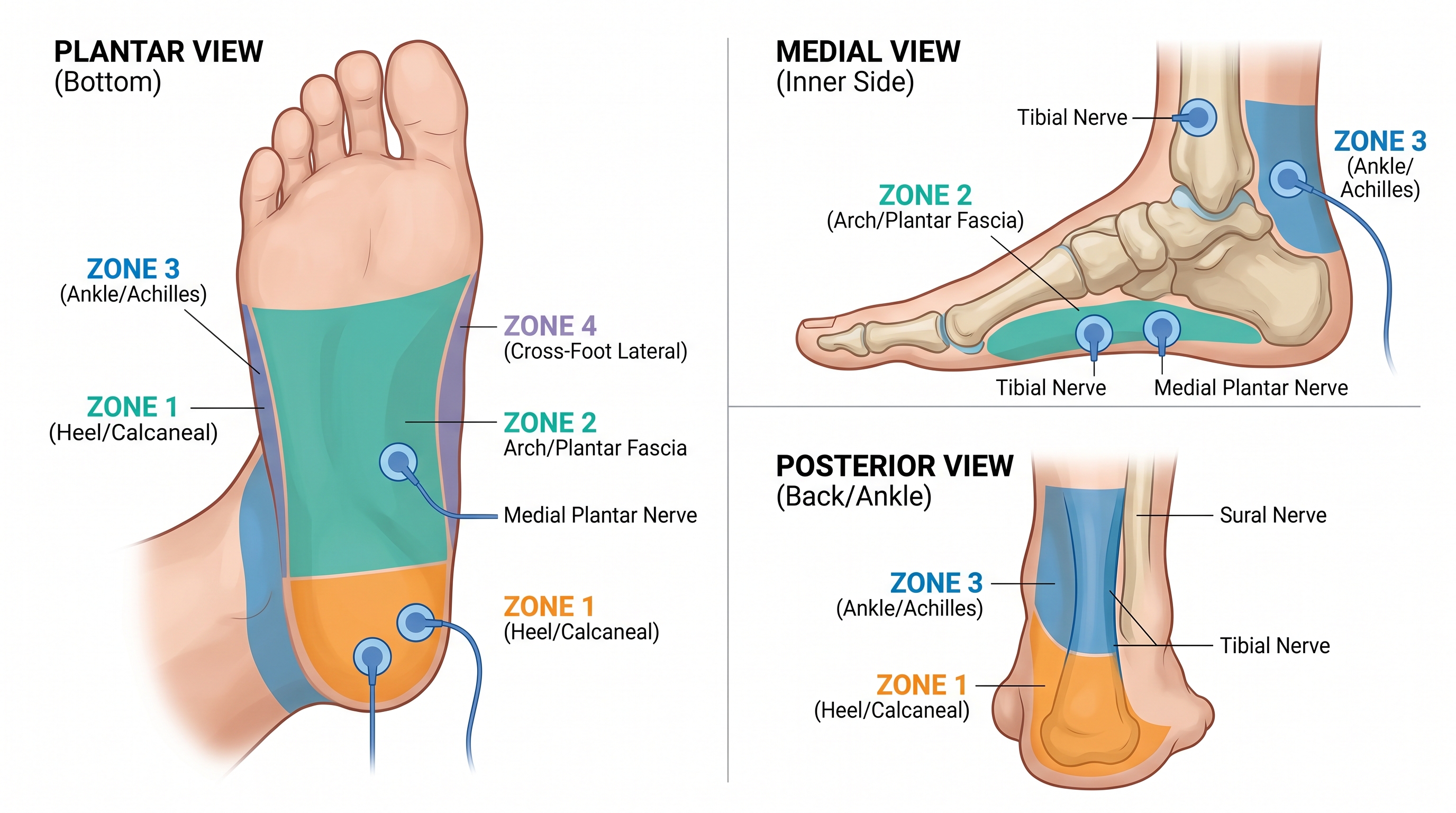
ALT: TENS electrode placement zones on foot sole, arch, and ankle targeting plantar fasciitis and heel pain nerve pathways
Advanced Considerations: Getting the Most From TENS for Foot Pain
Combining TENS Modes for Enhanced Results
Many modern electrotherapy devices offer both TENS and EMS modes. While TENS is the primary modality for pain relief, EMS (Electrical Muscle Stimulation) can be used to strengthen the intrinsic foot muscles and improve arch support — addressing one of the root biomechanical contributors to plantar fasciitis. Understanding when and how to switch between these modes is explored thoroughly in TENS + EMS Combo Machines Explained: When to Use Each Mode, which can help you build a more comprehensive foot rehabilitation protocol.
Safe Practices for Sensitive Skin
Best practices for safe TENS unit placement and electrode positioning on sensitive skin include always using hypoallergenic, medical-grade electrode pads, rotating pad placement slightly between sessions to prevent skin irritation from repeated adhesive contact, and ensuring the skin is clean and free of topical products before application. If redness persists for more than 30 minutes after a session, reduce session duration or switch to a gentler pad material. Those with particularly sensitive skin should look for latex-free, dermatologically tested electrode options.
Addressing Common Misconceptions
A frequent misconception is that more intensity equals more relief. In TENS therapy, this is simply not true — and for foot pain specifically, excessive intensity can cause muscle twitching, discomfort, or skin irritation that undermines the therapeutic benefit. The goal is a strong but comfortable tingling sensation, not a forceful contraction or burning feeling. Another common error is placing pads directly on the sole of the foot near weight-bearing pressure points without accounting for individual foot anatomy. Always match your placement to your specific pain zone rather than using a one-size-fits-all approach.
Frequently Asked Questions FAQ
Q1: How long does it take for TENS therapy to relieve plantar fasciitis pain?
Most users begin to feel relief during the TENS session itself — typically within 10 to 20 minutes of well-placed stimulation. However, for lasting reduction in plantar fasciitis pain, consistent use over one to two weeks of daily sessions is generally necessary. Clinical experience suggests that combining TENS with morning stretching routines and proper footwear accelerates recovery. Individual responses vary based on the severity and duration of the condition, so patience and consistency are key to achieving meaningful results.
Q2: Is TENS therapy safe for people with foot nerve damage or neuropathy?
TENS therapy can be beneficial for neuropathic foot pain, but individuals with significant peripheral neuropathy — particularly those who have reduced or absent sensation in their feet — must exercise caution. Without the ability to accurately feel stimulation intensity, there is a risk of applying too much current without realizing it, potentially causing skin damage. Anyone with diagnosed peripheral neuropathy should consult their physician or physical therapist before using TENS on their feet. When cleared for use, start at the lowest possible intensity and have a caregiver present to monitor skin response.
Q3: How often should I use a TENS unit for plantar fasciitis, and can I use it every day?
Daily TENS use for plantar fasciitis is generally considered safe and often recommended during the acute and subacute phases of treatment. Most clinical protocols suggest one to two sessions per day, each lasting 20 to 30 minutes, with at least a one-hour break between sessions. Avoid using TENS on the same skin site for extended periods without breaks, and rotate electrode positions slightly each session to minimize skin irritation. As symptoms improve, you can reduce frequency to a maintenance schedule of a few sessions per week.
Summary
Effective TENS pad placement for foot pain and plantar fasciitis relief is a skill that combines anatomical knowledge, attention to individual pain patterns, and disciplined technique. Three core principles emerge from everything covered in this guide:
First, placement precision matters more than intensity — targeting the medial plantar nerve, calcaneal nerve branches, and the course of the plantar fascia produces far better outcomes than arbitrarily placing pads near the pain area.
Second, TENS is most effective as part of a consistent, structured routine — daily sessions combined with stretching, appropriate footwear, and when indicated, EMS for intrinsic foot muscle strengthening create a synergistic recovery environment that addresses both symptoms and root causes.
Third, the right device matters — professional-grade TENS units with adjustable frequency, intensity, and waveform options give you the clinical-quality control needed to target foot pain with precision. Drug-free, home-based electrotherapy is no longer reserved for clinical settings; with the right equipment and knowledge, you can take meaningful control of your foot pain from the comfort of your own home.
Whether you're battling morning heel pain, chronic arch soreness, or nerve-related foot discomfort, the path forward is clear: start with proper placement, stay consistent, and choose a device engineered to meet your therapeutic needs.
Ready to Take the Next Step Toward Foot Pain Relief?
Ready to experience drug-free pain relief and muscle stimulation from the comfort of your home? Visit iStim at https://istim.com/ to explore their full lineup of professional-grade TENS, EMS, and Kegel devices — each engineered to ISO-certified standards and trusted by over 20,000 satisfied customers. Take the first step toward a healthier, pain-free lifestyle with iStim's clinically backed electrotherapy solutions today.
References
- American Academy of Orthopaedic Surgeons. "Plantar Fasciitis."
https://orthoinfo.aaos.org/en/diseases--conditions/plantar-fasciitis/ - National Institute of Neurological Disorders and Stroke (NINDS). "Pain: Hope Through Research."
https://www.ninds.nih.gov/health-information/patient-caregiver-education/hope-through-research/pain-hope-through-research - Mayo Clinic. "Transcutaneous Electrical Nerve Stimulation (TENS)."
https://www.mayoclinic.org/tests-procedures/tens/about/pac-20384806 - American Physical Therapy Association (APTA). "Heel Pain – Plantar Fasciitis: Clinical Practice Guidelines."
https://www.jospt.org/doi/10.2519/jospt.2014.0303 - National Center for Biotechnology Information (NCBI) / PubMed. "Transcutaneous Electrical Nerve Stimulation for Pain Relief in Plantar Fasciitis: A Systematic Review."
https://pubmed.ncbi.nlm.nih.gov/
Note: Standards and clinical guidelines may be updated. Please check the latest official documents or consult a qualified healthcare professional for the most current recommendations.
About iStim
iStim is a Los Angeles-based electrotherapy brand specializing in professional-grade TENS, EMS, and Kegel devices engineered for safe and effective home use. Backed by ISO-certified Taiwanese manufacturing and trusted by 20,000+ Amazon customers, iStim is committed to delivering drug-free pain relief and muscle stimulation solutions you can count on.
This article is produced in partnership with iStim. The content is intended for informational and educational purposes only and does not constitute medical advice. Always consult a qualified healthcare professional before beginning any new treatment or therapy. © iStim. All rights reserved.
Leave a comment