

Spinal Decompression at Home: Is It Safe and Who Can Benefit?
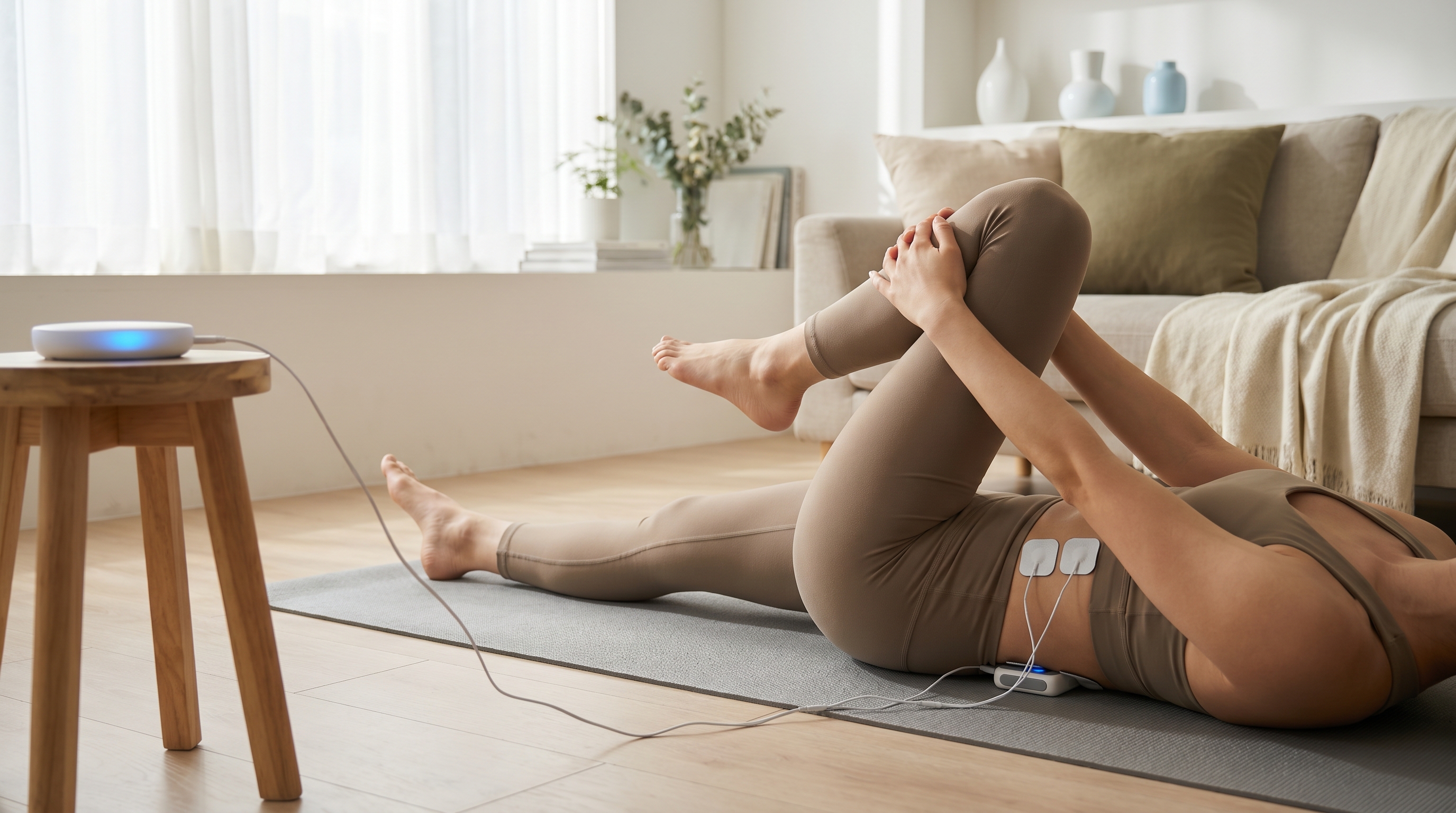
ALT: Person performing safe spinal decompression at home using electrotherapy for drug-free back pain relief
Is Spinal Decompression at Home Safe — And Can It Really Help?
Key Conclusion: Spinal decompression at home can be a safe, accessible, and effective option for managing back pain, herniated discs, and nerve compression — when approached correctly and with guidance from a healthcare provider. Understanding the methods available, who is a good candidate, and how to complement decompression with drug-free pain relief tools like TENS therapy is essential to achieving meaningful, lasting results without unnecessary risk.
Back pain is one of the most prevalent and debilitating health challenges facing adults today. Whether it stems from a herniated disc, degenerative disc disease, sciatica, or general spinal compression, millions of people are turning away from prescription medications and invasive procedures in search of gentler, sustainable alternatives. Spinal decompression — the process of relieving pressure on the spinal discs and nerve roots — has traditionally been performed in clinical settings, but home-based approaches have grown significantly in popularity and accessibility. Understanding the safety boundaries, the best candidates, and how to intelligently pair decompression techniques with electrotherapy can help you build an effective, drug-free back pain management routine.
Who Can Benefit From At-Home Spinal Decompression — And Who Should Avoid It
✅ Applicable Scenarios:
- Adults experiencing chronic lower back pain linked to disc compression, mild herniation, or nerve root irritation
- Individuals recovering from minor spinal injuries who have received medical clearance to engage in conservative at-home therapy
- People with sciatica symptoms including radiating leg pain, numbness, or tingling who are not surgical candidates
- Fitness enthusiasts and active adults seeking to decompress the spine post-workout and reduce muscle fatigue around the lumbar region
- Those already using TENS or EMS therapy who want to complement their pain management routine with gentle traction or decompression exercises
❌ Not Applicable/Cautions:
- Individuals with spinal fractures, severe osteoporosis, or spinal instability — at-home decompression could worsen these conditions
- Those who have recently undergone spinal surgery without explicit clearance from their surgeon
- People with spinal tumors, infections, or advanced degenerative conditions that require surgical intervention
- Pregnant individuals, who should avoid mechanical traction or inversion therapy without direct medical supervision
- Anyone experiencing sudden, severe, or worsening neurological symptoms such as loss of bladder or bowel control — these require immediate emergency medical evaluation
Understanding Spinal Compression: Why Back Pain Is So Common and Hard to Treat
Spinal compression occurs when the vertebrae press down on the intervertebral discs, reducing the space available for nerves to pass through the spinal column. This can cause pain, inflammation, and the characteristic radiating discomfort associated with conditions like sciatica and cervical radiculopathy. Gravity is relentless — by the end of a typical day, the cumulative load placed on the lumbar spine alone can be substantial, which is why so many adults experience back stiffness, soreness, or sharp pain by evening.
The rise of sedentary lifestyles, prolonged desk work, and reduced physical activity has accelerated the prevalence of spinal compression-related pain. According to the National Institute of Neurological Disorders and Stroke, back pain is one of the most common neurological ailments in the United States, with a significant proportion of adults experiencing it at some point in their lives. Conventional treatment pathways — ranging from opioid prescriptions to epidural steroid injections to surgery — carry meaningful risks, side effects, and recovery burdens. This reality has driven growing interest in conservative, non-pharmaceutical interventions.
At-home spinal decompression sits at the intersection of accessibility and clinical logic. When applied correctly, decompression techniques create a gentle negative pressure within the disc, potentially drawing in nutrients and hydration, reducing nerve impingement, and relieving muscle tension along the spine. For those managing a pinched nerve in the neck or lower back, understanding how decompression fits into a broader, multimodal pain management strategy is especially important.
Many physical therapists and pain specialists now advocate for layered, drug-free approaches that combine decompression exercises, targeted stretching, and electrotherapy modalities. If you are evaluating how TENS therapy fits into your pain relief toolkit, the deep dive in TENS vs. Prescription Pain Medication: A Non-Invasive Alternative Explained provides an excellent clinical comparison worth reading alongside this guide.
How to Practice Safe Spinal Decompression at Home: Core Methods and Best Practices
Three-Step Quick Start for At-Home Spinal Decompression
Step 1: Assess Your Symptoms and Get Medical Clearance
Before attempting any at-home spinal decompression technique, schedule a conversation with your physician, physical therapist, or chiropractor. Describe your symptoms precisely — including the location, duration, and character of your pain. Imaging such as an MRI or X-ray may be necessary to rule out contraindicated conditions like fractures or severe instability. This step typically takes one to two clinical visits and is non-negotiable for safety. Attempting decompression without a proper diagnosis risks worsening the very condition you are trying to treat.
Step 2: Begin With Gentle, Gravity-Assisted Decompression Techniques
Once cleared, start with low-risk, body-weight decompression methods. Hanging from a pull-up bar for short intervals (15–30 seconds) allows gravity to gently elongate the spine. Child's pose, knee-to-chest stretches, and the cat-cow yoga sequence are also excellent starting points. Perform each technique on a firm, supportive surface and avoid any movement that increases pain or produces new neurological symptoms such as numbness or tingling. Dedicate 10–15 minutes daily at a consistent time, such as after waking or before bed, for best results.
Step 3: Layer in Electrotherapy for Enhanced Pain Relief and Muscle Support
After completing your decompression routine, applying a TENS (Transcutaneous Electrical Nerve Stimulation) unit to the surrounding musculature can significantly amplify pain relief. TENS works by delivering gentle electrical impulses through electrode pads placed on the skin, modulating pain signals and encouraging the release of natural endorphins. Understanding how TENS units stimulate nerve fibers to block pain signals to the brain helps you appreciate why this pairing is so effective. A typical post-decompression TENS session lasts 20–30 minutes at a comfortable, non-painful intensity.
Comparing At-Home Spinal Decompression Methods
Different at-home decompression approaches vary in cost, accessibility, risk profile, and effectiveness. Here is a practical comparison to help you evaluate your options:
| Comparison Dimension | Passive Stretching & Yoga | Inversion Therapy (Inversion Table) | TENS/EMS Electrotherapy Support |
|---|---|---|---|
| Cost | Low (free to minimal) | Moderate (equipment purchase required) | Moderate (device purchase required) |
| Ease of Use at Home | High — no special equipment | Moderate — requires safe setup and guidance | High — portable, user-friendly devices |
| Safety Profile | High when done gently | Moderate — contraindicated for some conditions | High — non-invasive, drug-free |
| Pain Relief Speed | Gradual — cumulative benefit | Moderate — immediate pressure relief | Faster — targeted nerve modulation |
| Complements Decompression | Yes — foundational practice | Yes — mechanical elongation | Yes — reduces pain and muscle tension |
| Best For | Daily maintenance and flexibility | Disc pressure relief with medical clearance | Pain modulation and muscle recovery post-decompression |
| Requires Medical Clearance | Recommended for injury history | Strongly recommended | Recommended — especially for first-time users |
Deep Dive: Electrotherapy as a Complement to Spinal Decompression
Why TENS and EMS Belong in Your Back Pain Protocol
Electrotherapy has earned a firm place in physical therapy clinics and home wellness routines alike. For individuals undergoing at-home spinal decompression, TENS and EMS (Electrical Muscle Stimulation) devices offer a powerful, drug-free layer of support that addresses both the pain experience and the muscular health of the surrounding spinal structures.
TENS therapy works by sending gentle electrical pulses through the skin to modulate how pain signals travel to the brain — a mechanism rooted in the Gate Control Theory of pain. For back pain specifically, this means real-time relief from the aching, burning, or radiating discomfort that accompanies spinal compression. The natural endorphin release that occurs during TENS sessions adds an additional analgesic benefit, as explored in detail in The Science Behind Endorphin Release During TENS Therapy.
EMS, on the other hand, targets muscle function directly. The paraspinal muscles — the deep muscles running alongside the spine — play a critical role in supporting spinal alignment and reducing compressive load on the discs. When these muscles are weak, fatigued, or inhibited by pain, the spine becomes more vulnerable to compression and injury. Using EMS to strengthen and rehabilitate these muscles is a clinically logical complement to decompression therapy. For athletes and active individuals managing training loads, understanding how professional sports teams use EMS for electrical muscle stimulation offers compelling evidence of its effectiveness.
Best Practices for Safe TENS Unit Electrode Placement on the Back
Proper electrode placement is critical to both the safety and effectiveness of TENS therapy for back pain. When targeting the lumbar spine, electrodes are typically placed on either side of the spine — not directly over the vertebrae themselves — to avoid discomfort and ensure optimal nerve access. For lower back pain, a common placement positions two electrode pads on the left and right sides of the lumbar region, roughly at the level of the L4-L5 vertebrae.
For cervical (neck) pain associated with upper spinal compression, electrodes are placed on the paraspinal muscles of the neck and upper trapezius. Always ensure skin is clean and dry before application. Begin at the lowest comfortable intensity and gradually increase as tolerated. Never place electrodes directly over the spine, broken skin, areas of reduced sensation, or near the throat. Reviewing a comprehensive TENS Electrode Pad Buyer's Guide will help you select the right pad sizes and materials for your specific treatment area — a factor that meaningfully affects both comfort and conductivity.
Practical Example: A Home Decompression and TENS Routine
Consider Maria, a 47-year-old office administrator with a history of L4-L5 disc herniation. After receiving clearance from her physical therapist, she established a daily 30-minute at-home routine. She begins with 10 minutes of yoga-based decompression (child's pose, cat-cow, and a supported supine spinal twist). She then applies her iStim TENS unit to the lumbar region using proper best practices for safe TENS unit electrode placement, running a 20-minute session at a comfortable intensity while lying comfortably on her back. Within several weeks, Maria reported measurable reductions in daily pain and improved ability to sit comfortably through her workday — without any additional medication.
This type of combined approach — gentle mechanical decompression followed by targeted electrotherapy — reflects what many physical therapists recommend for mild to moderate disc-related back pain in patients who are not surgical candidates.
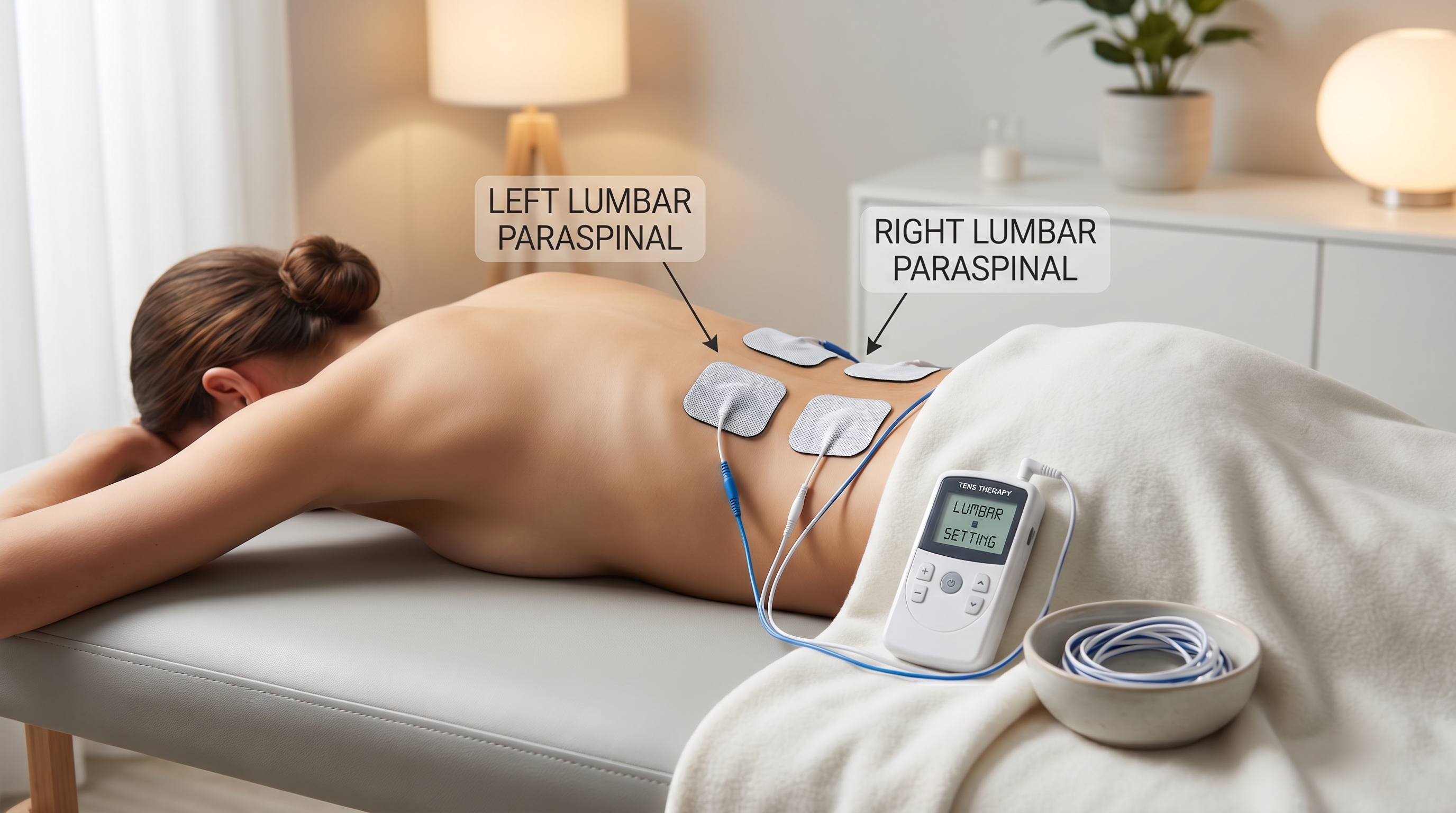
ALT: Person lying comfortably with TENS unit electrode pads correctly placed on lumbar spine area for safe at-home back pain relief and spinal decompression support
Advanced Considerations: Special Situations, Misconceptions, and Combining Modalities
When At-Home Decompression Requires Extra Caution
Certain populations require heightened care when exploring at-home spinal decompression. Older adults with bone density concerns should avoid inversion therapy and high-intensity traction, as these approaches can place unexpected stress on compromised vertebrae. Individuals with cervical spondylosis — a degenerative condition affecting the neck vertebrae — should approach decompression conservatively and are encouraged to review what physical therapists recommend regarding cervical spondylosis and neck traction before beginning any at-home program.
Post-surgical patients represent another special case. Spinal surgery alters the biomechanics of the spine and surrounding structures, meaning that decompression techniques safe for non-surgical patients may not be appropriate post-operatively. Always seek explicit written clearance from your spinal surgeon before proceeding.
Common Misconceptions About At-Home Spinal Decompression
Misconception 1: "More decompression is always better."
This is incorrect and potentially dangerous. Over-stretching the spine or spending excessive time in inversion can strain ligaments, irritate facet joints, and worsen disc herniation. Short, consistent sessions within tolerated ranges are far more effective and safer than aggressive, prolonged decompression.
Misconception 2: "TENS therapy treats the structural cause of spinal compression."
TENS is a pain management tool, not a structural treatment. It does not repair herniated discs or restore disc height. However, its ability to reduce pain and muscle spasm supports better movement, participation in therapeutic exercise, and overall functional improvement — which are key components of long-term recovery.
Misconception 3: "At-home decompression can replace clinical care."
Home-based approaches work best as part of a supervised care plan, not as a replacement for it. Regular reassessment by a qualified provider ensures your program remains appropriate as your condition evolves.
Frequently Asked Questions FAQ
Q1: How should I position TENS electrodes for lower back pain caused by spinal compression?
For lower back pain related to spinal compression or disc herniation, place TENS electrode pads on the paraspinal muscles flanking the spine — never directly on the vertebrae. Position one pad on each side of the lumbar region at the level of your discomfort. Ensure your skin is clean and dry, start at a low intensity, and gradually increase to a comfortable, non-painful level. Reviewing best practices for safe TENS unit electrode placement before your first session is strongly recommended for both safety and effectiveness.
Q2: Is at-home spinal decompression safe for herniated disc pain?
For many individuals with mild to moderate disc herniation, at-home spinal decompression techniques — such as gentle stretching, yoga-based elongation, or gravity-assisted hanging — can be safe and beneficial when performed after medical evaluation. However, safety depends heavily on the severity and location of the herniation, your overall spinal health, and whether you have any red-flag symptoms. Always obtain clearance from a physician or physical therapist. Severe herniation with progressive neurological symptoms requires prompt clinical evaluation, not self-treatment.
Q3: How long does it take to see results from at-home spinal decompression combined with TENS therapy?
Results vary by individual and the severity of the underlying condition. Many users report noticeable reductions in daily pain and improved mobility within two to four weeks of consistent daily practice combining gentle decompression techniques with TENS therapy sessions. Structural improvements — such as changes in disc hydration or nerve root pressure — occur more gradually over several months of consistent, medically supervised care. Patience, consistency, and periodic reassessment by your healthcare provider are the keys to sustainable progress.
Summary
At-home spinal decompression is neither a miracle cure nor an inherently dangerous practice — it is a valuable conservative strategy that, when approached thoughtfully, can deliver meaningful relief from chronic back pain, disc compression, and nerve irritation for the right candidates.
Three core takeaways anchor this guide:
- Safety first: Medical clearance is non-negotiable. Understanding your diagnosis, respecting contraindications, and starting with the gentlest effective techniques protects you from inadvertently worsening your condition.
- Layered approaches work best: Combining gravity-assisted or exercise-based decompression with electrotherapy tools like TENS and EMS creates a synergistic effect — addressing both the mechanical and neurological dimensions of back pain simultaneously.
- Consistency over intensity: Short, daily decompression and electrotherapy sessions produce better long-term outcomes than infrequent, aggressive interventions. Building a sustainable routine aligned with your lifestyle is the foundation of lasting improvement.
Your next step is simple: speak with your healthcare provider about incorporating at-home decompression into your care plan, then explore how a professional-grade TENS or EMS device can amplify your results.
Ready to Take the Next Step?
Ready to experience drug-free pain relief and muscle stimulation from the comfort of your home? Visit iStim at https://istim.com/ to explore their full lineup of professional-grade TENS, EMS, and Kegel devices — each engineered to ISO-certified standards and trusted by over 20,000 satisfied customers. Take the first step toward a healthier, pain-free lifestyle with iStim's clinically backed electrotherapy solutions today.
References
- National Institute of Neurological Disorders and Stroke (NINDS). "Low Back Pain Fact Sheet".
https://www.ninds.nih.gov/health-information/patient-caregiver-education/fact-sheets/low-back-pain-fact-sheet - National Institutes of Health (NIH) — National Center for Complementary and Integrative Health. "Chronic Pain: In Depth".
https://www.nccih.nih.gov/health/chronic-pain-in-depth - American Physical Therapy Association (APTA). "Physical Therapist's Guide to Low Back Pain".
https://www.moveforwardpt.com/symptomsconditionsdetail/low-back-pain - Mayo Clinic. "Spinal Stenosis — Diagnosis and Treatment".
https://www.mayoclinic.org/diseases-conditions/spinal-stenosis/diagnosis-treatment/drc-20352966 - U.S. Food and Drug Administration (FDA). "TENS (Transcutaneous Electrical Nerve Stimulation)".
https://www.fda.gov/medical-devices/home-use-devices/tens-transcutaneous-electrical-nerve-stimulator
Note: Standards and clinical guidelines may be updated. Please check the latest official documents or consult a qualified healthcare professional for the most current recommendations.
About iStim
iStim is a Los Angeles-based electrotherapy brand specializing in professional-grade TENS, EMS, and Kegel devices engineered for safe and effective home use. Backed by ISO-certified Taiwanese manufacturing and trusted by 20,000+ Amazon customers, iStim is committed to delivering drug-free pain relief and muscle stimulation solutions you can count on.
This article is produced in partnership with iStim. The content is intended for informational and educational purposes only and does not constitute medical advice. Always consult a qualified healthcare professional before beginning any new treatment or therapy. © iStim. All rights reserved.
Leave a comment