

Post-Workout EMS Recovery: How to Use Your Device After a Hard Training Session
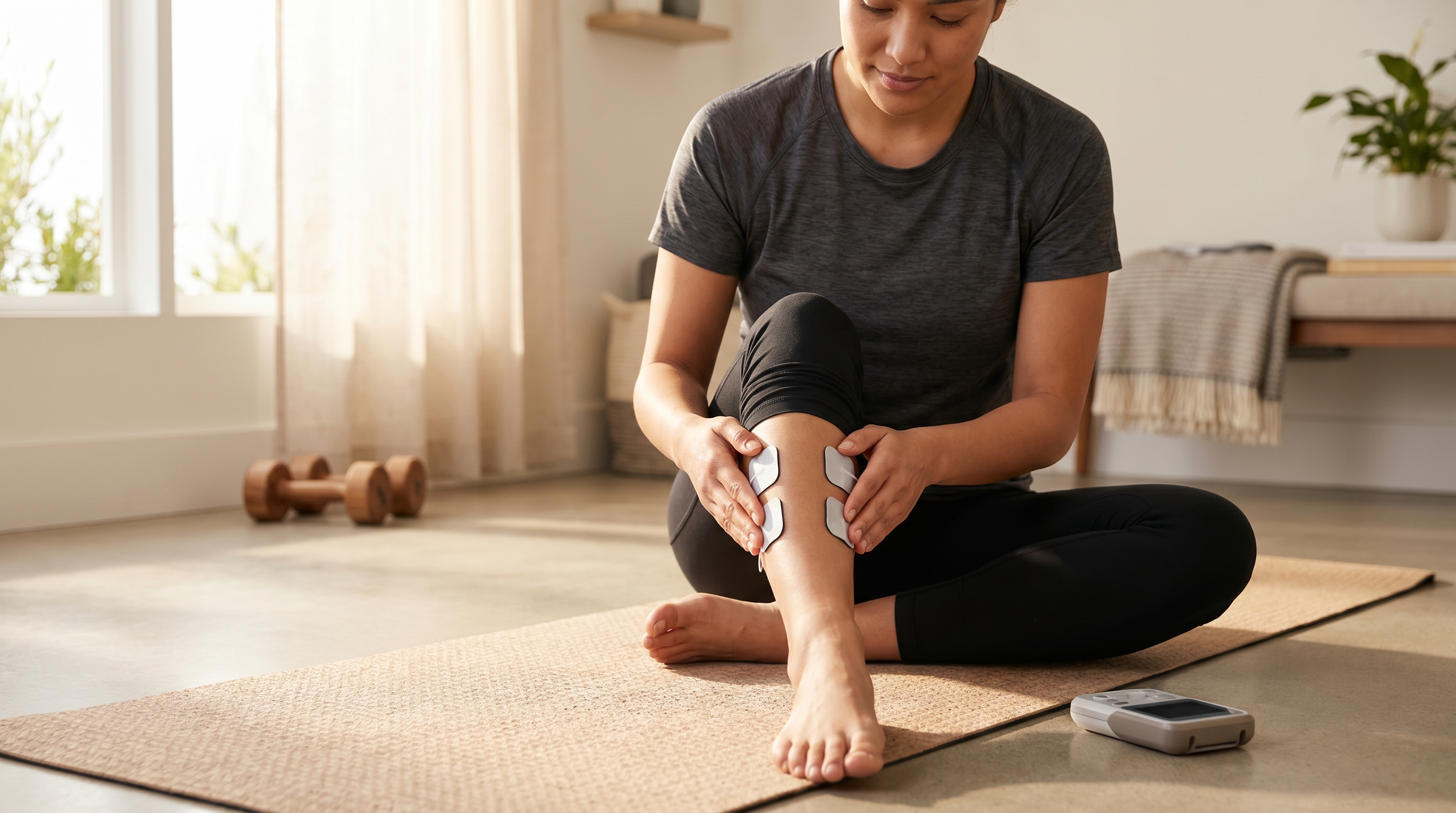
ALT: Person using EMS device for post-workout muscle recovery after hard training session at home
Why Post-Workout EMS Recovery Belongs in Every Serious Athlete's Routine
Key Conclusion: Post-workout EMS recovery using electrical muscle stimulation can significantly accelerate muscle repair, reduce delayed onset muscle soreness (DOMS), and restore neuromuscular function after intense training. By delivering precisely calibrated electrical impulses to fatigued muscle groups, EMS devices help flush metabolic waste, promote localized circulation, and support faster tissue recovery — all without adding additional physical stress to an already-taxed body. For athletes and active individuals seeking drug-free, clinically grounded recovery strategies, integrating EMS therapy into the post-workout window is both practical and evidence-informed.
You've pushed hard in the gym. Your legs feel like lead, your shoulders are aching, and tomorrow's session already seems daunting. Most people reach for an ice pack or an over-the-counter pain reliever — but there's a smarter, more targeted option gaining traction in both clinical rehabilitation settings and home wellness communities.
Electrical Muscle Stimulation (EMS) has moved well beyond the physical therapy clinic. Today's professional-grade home devices allow everyday athletes, weekend warriors, and fitness-conscious individuals to harness the same technology used by elite sports teams and rehabilitation specialists. Whether you're recovering from a heavy squat session, an endurance run, or an intense functional fitness class, understanding how to use your EMS device strategically after training can make a meaningful difference in how quickly and completely you bounce back.
This guide covers everything you need to know — from the science behind EMS recovery to step-by-step application techniques, safety considerations, and answers to the questions real users ask most.
Who Should Use EMS for Post-Workout Recovery?
✅ Applicable Scenarios:
- Active individuals and recreational athletes experiencing muscle fatigue, soreness, or tightness after moderate-to-intense training sessions
- Post-injury individuals or those in supervised rehabilitation programs who have been cleared by a healthcare provider to use electrical stimulation for muscle recovery
- Seniors and older adults managing age-related muscle stiffness or slower recovery times who want a gentle, drug-free solution
- Endurance athletes (runners, cyclists, swimmers) seeking to accelerate lactate clearance and reduce DOMS between training days
- Anyone looking to complement traditional active recovery methods — such as light movement, stretching, and hydration — with clinically grounded electrical stimulation therapy
❌ Not Applicable/Cautions:
- Individuals with implanted electronic devices (such as pacemakers or defibrillators), as electrical stimulation can interfere with device function
- People with active skin infections, open wounds, rashes, or compromised skin integrity in the area of electrode placement
- Those with a diagnosis of deep vein thrombosis (DVT), epilepsy, or cancer in or near the treatment area — always consult a physician before use
- Pregnant individuals should avoid EMS use on the abdomen or lower back without explicit medical clearance
- Do not apply EMS electrodes over bony prominences, the throat, or directly across the spine
Understanding EMS and the Science of Muscle Recovery
After a demanding workout, your muscles undergo a cascade of physiological stress. Microscopic tears in muscle fibers trigger an inflammatory response, metabolic byproducts like lactic acid accumulate in surrounding tissue, and the neuromuscular system experiences temporary fatigue. This is the biological foundation of delayed onset muscle soreness — that all-too-familiar ache that peaks 24 to 72 hours after training.
Traditional recovery modalities like passive rest, ice baths, and compression garments each target one or two aspects of this process. EMS recovery therapy, by contrast, engages multiple recovery mechanisms simultaneously. By delivering low-level electrical impulses through strategically placed electrode pads, an EMS device causes rhythmic, involuntary muscle contractions that mimic the effect of active movement — but without the energy expenditure of voluntary exercise.
To understand why this matters, it helps to know how EMS differs from its close cousin, TENS. As explained in depth in What Is EMS (Electrical Muscle Stimulation) and How Is It Different from TENS?, while TENS primarily works on pain pathways through nerve stimulation, EMS directly recruits motor neurons to produce muscle contractions — making it the more appropriate choice for recovery, strengthening, and rehabilitation applications.
These controlled contractions serve three important physiological functions during recovery:
1. Enhanced Local Circulation: The rhythmic pumping action of EMS-induced contractions promotes blood flow to the treated muscle, delivering oxygen and nutrients while helping to clear metabolic waste products — a process sometimes called the "muscle pump" effect.
2. Lymphatic Drainage Support: Increased muscular activity stimulates the lymphatic system, helping to reduce localized swelling and inflammation that naturally follows intense physical exertion.
3. Neuromuscular Re-education: Intense exercise can temporarily disrupt the efficient signaling between the nervous system and muscle fibers. Low-intensity EMS sessions help re-establish this communication pathway, supporting faster return to full functional capacity.
Research in sports science and physical rehabilitation has consistently pointed to EMS as a valuable adjunct to conventional recovery strategies, particularly when applied in the hours immediately following training. A growing number of professional sports teams now incorporate EMS recovery protocols as standard practice — and the same technology is increasingly accessible to home users through quality-engineered devices like those offered by iStim.
For those who also experience post-workout joint discomfort or residual pain in specific areas, combining EMS recovery with TENS pain relief can provide comprehensive symptom management. You can learn more about how TENS works in What Is TENS Therapy and How Does It Relieve Pain Without Drugs?.
How to Use Your EMS Device After a Hard Training Session
Three-Step Quick Start for Post-Workout EMS Recovery
Step 1: Time Your Session and Prepare Your Skin
The optimal window for post-workout EMS recovery begins as soon as you've cooled down from your training — typically within 15 to 60 minutes after completing your session. Start by thoroughly cleaning and drying the skin over the muscle groups you intend to treat. Remove any lotions, oils, or sunscreen from the area, as these can reduce electrode conductivity. If you have body hair in the target area, it may be helpful to shave or trim it for better pad adhesion. Proper skin preparation takes only a few minutes but meaningfully improves both comfort and effectiveness.
Step 2: Place Electrode Pads on the Target Muscle Groups
Attach the electrode pads to the belly of the muscle — the thickest, most central part — rather than over joints or bony areas. For post-workout quad recovery, for example, place pads on the front mid-thigh. For hamstrings, target the back of the upper leg. For the upper back or shoulders, position pads symmetrically across the muscle mass. Refer to your device's included electrode placement guide or the detailed diagrams provided by iStim, and consider the guidance available in resources like EMS for Rehabilitation: How Electrical Stimulation Helps Prevent Muscle Atrophy for correct positioning techniques. Allow adequate spacing between pads for effective current distribution.
Step 3: Select the Right Program, Intensity, and Duration
For recovery purposes, you want a program that produces gentle, rhythmic contractions rather than strong, forceful ones. Look for modes labeled "recovery," "massage," or low-frequency settings on your device. Begin at the lowest intensity level and gradually increase until you feel a comfortable, pulsing contraction — you should feel the muscle working, but there should be no pain or discomfort. A typical post-workout EMS recovery session runs between 20 and 30 minutes. After your session, remove pads carefully, clean them per the manufacturer's instructions, and rehydrate well to support the cellular recovery processes you've just enhanced.
Comparing Post-Workout Recovery Modalities: EMS vs. Other Common Approaches
Choosing the right recovery method depends on your training type, available time, and personal physiology. The table below compares EMS recovery against other widely used post-workout strategies to help you understand where each approach excels.
| Comparison Dimension | EMS Recovery | Cold Therapy (Ice Bath/Cryotherapy) | Active Recovery (Light Exercise) |
|---|---|---|---|
| Mechanism | Electrical impulses drive muscle contractions, circulation, and lymphatic flow | Vasoconstriction reduces acute inflammation and numbs pain signals | Light movement promotes blood flow and waste clearance through voluntary activity |
| Best Suited For | Localized muscle fatigue, DOMS prevention, neuromuscular recovery | Acute inflammation reduction immediately post-training | Full-body circulation and mobility maintenance |
| Ease of Home Use | High — portable devices enable convenient at-home sessions | Moderate — requires ice or specialized equipment | High — requires only space and motivation |
| Drug-Free | Yes | Yes | Yes |
| Targets Specific Muscle Groups | Yes — electrode placement allows precise targeting | No — typically systemic or regional | Limited — depends on activity chosen |
| Suitable for Sedentary Recovery Days | Yes — no additional physical output required | Yes | Less ideal for very fatigued individuals |
| Combines Well With | Stretching, hydration, TENS for pain relief | EMS before or after | EMS, stretching, foam rolling |
The best recovery outcomes are typically achieved by combining complementary modalities. Many experienced athletes use EMS as their primary recovery tool on high-training days, layering it with adequate hydration, quality nutrition, and targeted stretching.
Best Practices for Getting the Most from Your EMS Recovery Sessions
Choosing the Right EMS Device for Home Recovery Use
Not all EMS devices are created equal. When selecting a device for post-workout recovery, look for units that offer multiple program modes — particularly dedicated recovery or massage settings — alongside adjustable intensity controls and the ability to treat multiple muscle groups either simultaneously or sequentially. Quality of electrode pads matters significantly; higher-quality pads maintain better conductivity over time, improving both comfort and therapeutic effect.
iStim's EMS devices are engineered to professional-grade standards through ISO-certified Taiwanese manufacturing, bringing clinical-quality electrical stimulation to the home environment. This means the waveforms, pulse parameters, and program algorithms are developed with therapeutic efficacy in mind — not just consumer-grade approximations. For a detailed look at program options and settings on a specific iStim unit, the iStim EV-805 Deep Dive: Programs, Channels, and Intensity Settings Explained guide is an excellent resource.
Recommended Combination of EMS Devices and Traditional Exercise
One of the most frequently asked questions among active users is how to best combine EMS devices with their existing training and recovery routines. The recommended combination of EMS devices and traditional exercise follows a simple principle: use EMS to supplement, not replace, active recovery strategies.
On training days, deploy your EMS device within the first hour post-workout targeting the primary muscle groups you've stressed. On rest days, a shorter, lower-intensity EMS session can help maintain circulation and neuromuscular activation without adding meaningful fatigue to recovering muscles. Traditional active recovery modalities — light walking, yoga, foam rolling — work synergistically with EMS rather than competing with it.
Progressive athletes often structure their week so that EMS recovery sessions follow the two or three most demanding training days, reserving complete passive rest for the remaining recovery periods. This approach maximizes the benefit of electrical stimulation during the highest-demand recovery windows.
Electrode Pad Quality and Maintenance
The quality of your electrode pads directly affects both the comfort and effectiveness of each EMS session. High-quality gel pads ensure even current distribution across the electrode surface, reducing the risk of localized skin irritation and improving the consistency of muscle stimulation. Always store pads according to manufacturer instructions to preserve adhesion and gel integrity, and replace them at the first sign of reduced stickiness or cracking.
iStim offers electrode pads engineered for optimal conductivity and skin compatibility. Understanding the difference between pad types can help you make informed choices — a topic explored in detail in Japanese Gel vs. Standard Gel Electrode Pads: What's the Difference?.
Session Frequency and Progressive Loading
For most active individuals, post-workout EMS recovery sessions can be performed daily in alignment with training frequency — meaning on every day that significant muscular stress has been incurred. However, it's important not to use high-intensity EMS settings on already-fatigued muscles; recovery mode protocols use lower frequencies and gentler contractions specifically designed to aid recuperation rather than add additional training stimulus.
As you become more experienced with your device, you can begin to experiment with session timing, duration, and intensity to find the protocol that produces the best personal results. Many users find that consistent use over several weeks produces cumulative benefits — including improved recovery speed, reduced chronic soreness, and better overall training performance.
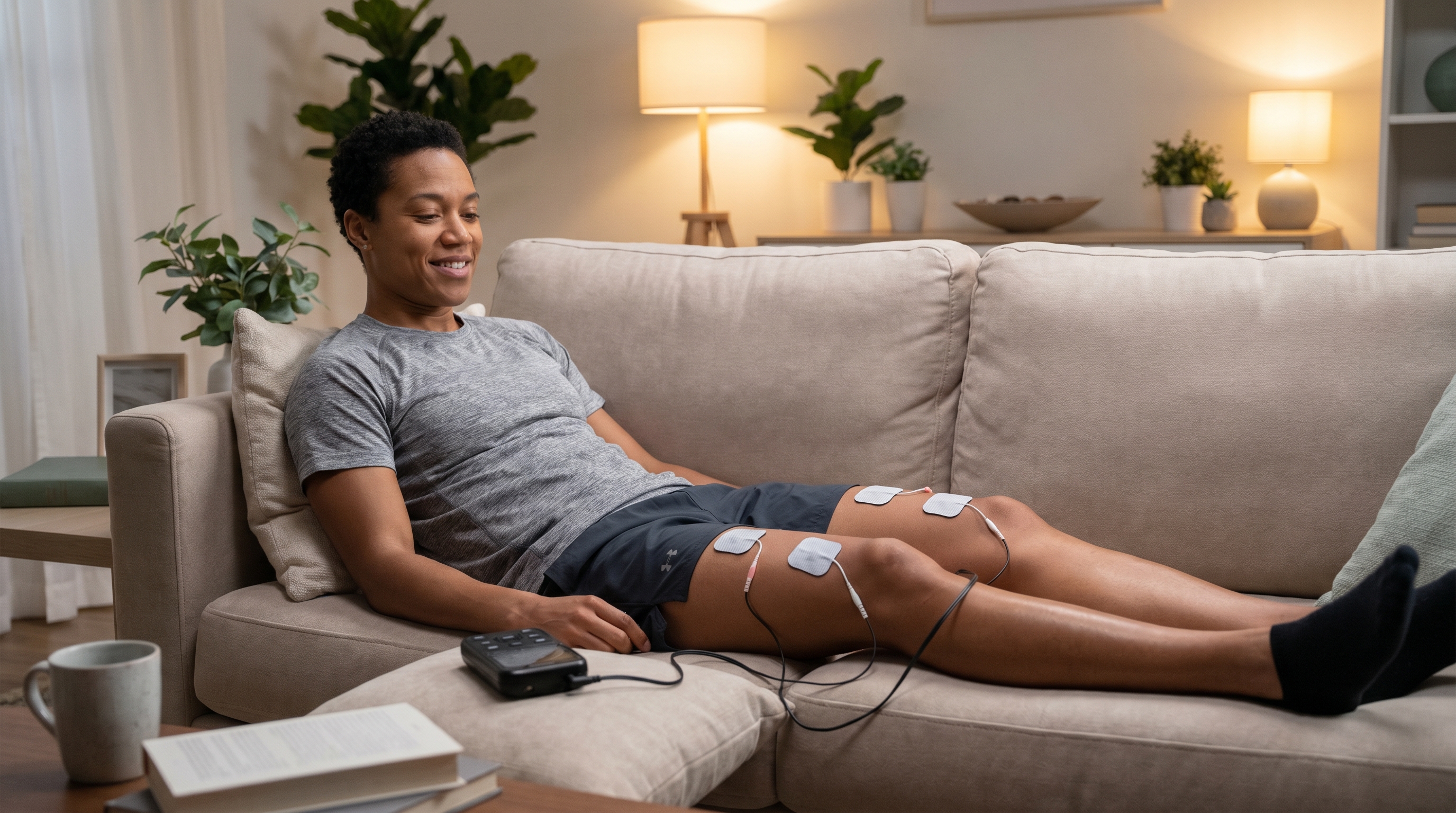
ALT: Adult athlete using EMS recovery device with electrode pads on leg muscles after intense workout session at home
Advanced Considerations: Common Misconceptions and Special Situations
Misconception 1: "EMS Will Make My Muscles Stronger Without Training"
A persistent myth is that EMS alone can build significant muscle mass as a substitute for resistance training. In reality, EMS for recovery uses low-intensity protocols designed to stimulate circulation and neuromuscular recovery — not to produce the high-force contractions associated with strength development. EMS can complement strength training and support muscle maintenance, but it is not a replacement for progressive resistance exercise.
Misconception 2: "Higher Intensity Means Faster Recovery"
More is not always better when it comes to EMS recovery. Pushing intensity too high on fatigued muscles can cause additional muscle stress rather than supporting repair. Recovery protocols should produce visible but gentle contractions — a rhythmic, comfortable pulsing sensation. If you experience pain, cramping, or significant discomfort, reduce intensity immediately.
Misconception 3: "EMS Recovery Is Only for Elite Athletes"
EMS recovery is equally valuable for recreational exercisers, older adults managing age-related muscle fatigue, and individuals in post-injury rehabilitation. The technology scales to the individual — you control intensity and program selection based on your personal needs and fitness level. Seniors, in particular, often find EMS recovery beneficial for managing the slower muscle repair rates that naturally accompany aging, as well as for maintaining neuromuscular function.
Special Situation: Combining EMS with TENS for Post-Workout Pain
For individuals who experience both muscle fatigue and localized pain after training — such as persistent joint discomfort or referred muscle pain — combining an EMS recovery session with TENS pain relief can provide comprehensive post-workout care. Apply EMS to the primary fatigued muscle groups first, then use TENS on any specific pain sites. Many quality home devices offer both modalities, allowing users to address both recovery and pain management in a single post-workout routine.
Frequently Asked Questions FAQ
Q1: How long after a workout should I use my EMS device for best recovery results?
The optimal post-workout EMS recovery window is generally within 15 to 60 minutes after completing your training session, once you have cooled down and your heart rate has returned toward baseline. During this period, muscle tissue is highly responsive to circulatory support and neuromuscular stimulation. A session lasting 20 to 30 minutes targeting the primary muscle groups used during training tends to produce the most consistent recovery benefit, though even sessions performed later in the same day can still support the recovery process.
Q2: Is it safe to use an EMS device every day for post-workout recovery?
For most healthy adults without contraindicated conditions, daily EMS recovery use is generally considered safe when using appropriate recovery-mode settings at comfortable intensity levels. The key distinction is between recovery-mode EMS — which uses gentle, low-frequency stimulation designed to aid recuperation — and high-intensity EMS protocols intended for muscle strengthening, which require rest intervals. Always begin with lower intensities, listen to your body's response, and consult a healthcare professional if you have any underlying medical conditions or experience unusual symptoms.
Q3: How long before I notice results from using EMS recovery consistently?
Individual results vary based on training intensity, overall recovery habits, and consistency of use, but many users report noticeable improvements in post-workout soreness and recovery speed within one to two weeks of regular EMS use. The benefits tend to be most pronounced when EMS recovery is combined with adequate hydration, quality nutrition, and sufficient sleep. Long-term, consistent users often describe cumulative improvements — including reduced chronic tightness and improved readiness for subsequent training sessions — that develop progressively over several weeks of structured use.
Summary
Post-workout EMS recovery represents one of the most effective, accessible, and drug-free tools available to today's active individuals. By understanding the physiological mechanisms that make electrical muscle stimulation valuable during the recovery window — enhanced circulation, lymphatic support, and neuromuscular re-education — you can apply your device with greater precision and confidence.
Three core takeaways deserve emphasis:
First, timing matters. Applying EMS in the first hour after training, when muscles are most receptive to circulatory and neuromuscular support, maximizes the therapeutic return of each session.
Second, recovery-mode settings are distinct from training modes. Use gentle, low-intensity programs specifically designed for recuperation — not the high-force protocols associated with muscle strengthening.
Third, EMS works best as part of a comprehensive recovery strategy. Combining it with hydration, nutrition, adequate sleep, and complementary modalities like active recovery movement or TENS-based pain relief produces outcomes superior to any single approach in isolation.
Whether you're a serious athlete chasing performance gains, a weekend warrior managing post-training soreness, or an older adult seeking to stay active and comfortable, a quality EMS device — used consistently and correctly — can meaningfully improve your quality of recovery and, by extension, the quality of your training.
Ready to take control of your pain relief and muscle health from the comfort of home? iStim offers a full range of professional-grade TENS, EMS, and Kegel devices engineered for safe, effective, drug-free therapy trusted by over 20,000 customers. Explore the complete lineup and find the right device for your needs at https://istim.com/.
References
- National Institute of Arthritis and Musculoskeletal and Skin Diseases (NIAMS). "Muscle Recovery and Repair After Exercise".
https://www.niams.nih.gov/ - American College of Sports Medicine (ACSM). "Recovery in Sports: Guidelines for Athletes and Active Individuals".
https://www.acsm.org/ - National Center for Biotechnology Information (NCBI) / PubMed. "Effects of Electrical Muscle Stimulation on Delayed Onset Muscle Soreness and Recovery".
https://pubmed.ncbi.nlm.nih.gov/ - MedlinePlus / U.S. National Library of Medicine. "Electrical Stimulation for Muscle Rehabilitation".
https://medlineplus.gov/ - Cleveland Clinic. "Delayed Onset Muscle Soreness (DOMS): Causes, Treatment and Prevention".
https://my.clevelandclinic.org/
Note: Standards and clinical guidelines may be updated. Please check the latest official documents or consult a qualified healthcare professional for the most current recommendations.
About iStim
iStim is a Los Angeles-based electrotherapy brand specializing in professional-grade TENS, EMS, and Kegel devices designed for home use, combining ISO-certified Taiwanese manufacturing with a commitment to drug-free pain relief and muscle stimulation trusted by 20,000+ customers worldwide. Learn more at https://istim.com/.
Disclaimer: This article is provided for informational and educational purposes only and does not constitute medical advice. The content is produced in association with iStim and reflects general wellness information. Always consult a qualified healthcare professional before beginning any new therapy or treatment program. © iStim. All rights reserved.
Leave a comment