

Pelvic Floor Health for Women Over 40: What Changes and How to Address It
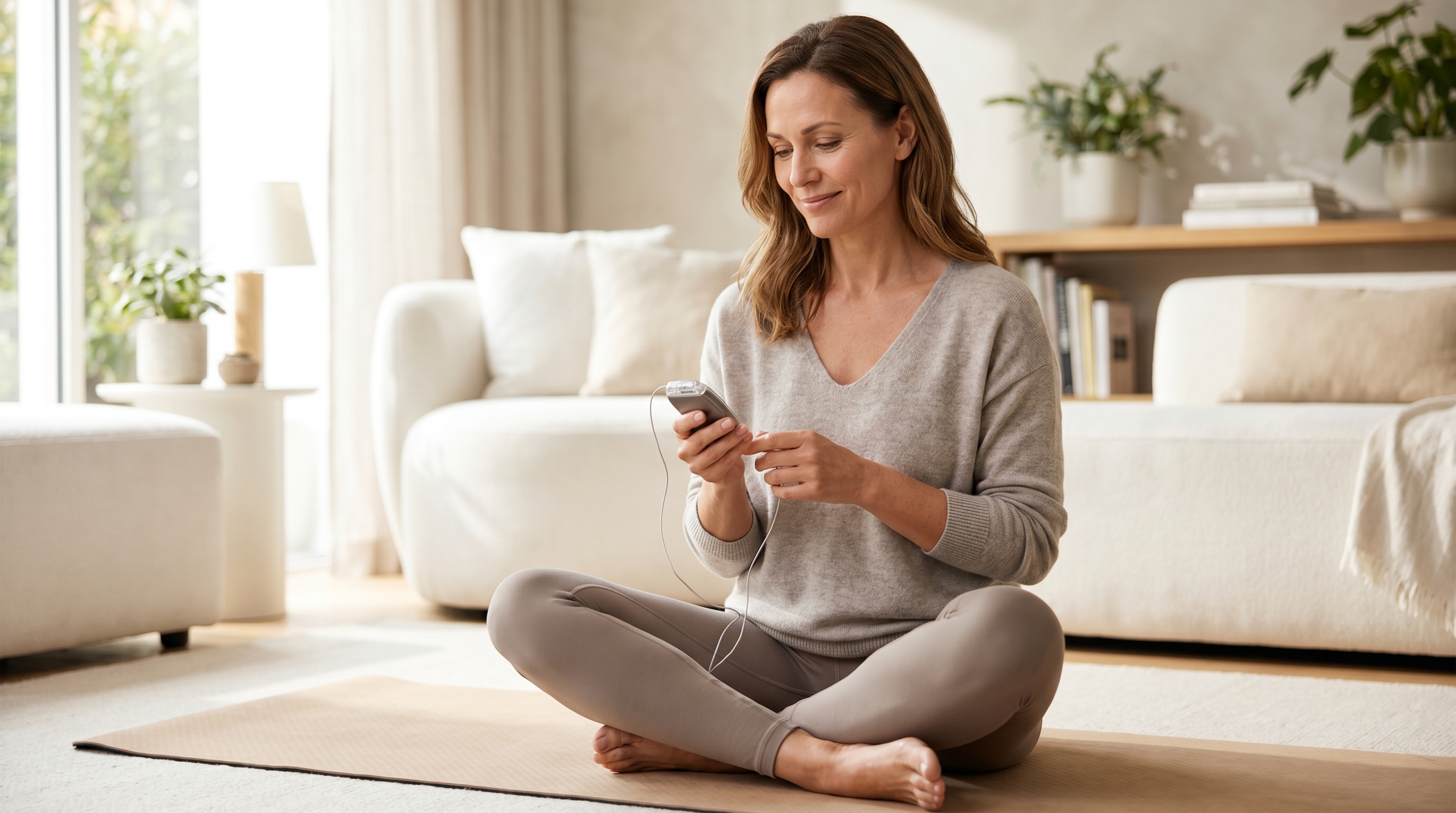
ALT: Woman over 40 doing pelvic floor exercises at home with electrotherapy device for pelvic floor health
Why Pelvic Floor Health Becomes a Priority After 40
Key Conclusion: Pelvic floor health for women over 40 undergoes significant hormonal, structural, and functional changes that can lead to urinary incontinence, pelvic organ prolapse, and reduced quality of life. Understanding these changes — and acting proactively through targeted exercises, lifestyle modifications, and evidence-based technologies like pelvic floor electrical stimulation — empowers women to take meaningful control of their well-being without relying solely on medication or invasive procedures.
For many women, the years surrounding perimenopause and menopause usher in a subtle but unmistakable shift in how their bodies feel and function. The pelvic floor — a hammock of muscles, ligaments, and connective tissue spanning the base of the pelvis — is among the most affected regions. Declining estrogen levels alter tissue elasticity, muscle tone decreases with reduced physical activity, and the cumulative effects of childbirth, gravity, and hormonal fluctuation begin to surface as real, everyday symptoms.
The good news is that pelvic floor dysfunction is neither inevitable nor permanent. With the right knowledge, consistent effort, and appropriate tools, most women can strengthen, rehabilitate, and maintain healthy pelvic floor function well into their later decades. This article explores exactly what changes occur, who is most at risk, and how modern solutions — including professional-grade Kegel electrotherapy devices — can offer effective, drug-free relief.
Who This Article Is For
✅ Applicable Scenarios:
- Women aged 40 and above experiencing mild to moderate urinary leakage, urgency, or frequency
- Postpartum women (including those whose deliveries occurred years ago) dealing with lingering pelvic weakness
- Perimenopausal or postmenopausal women noticing reduced pelvic sensation, vaginal dryness, or discomfort during activity
- Women recovering from pelvic surgery or seeking preventive pelvic floor conditioning
- Health-conscious individuals looking for drug-free, home-based alternatives to pelvic floor physical therapy visits
❌ Not Applicable/Cautions:
- Women with active pelvic infections, open wounds, or implanted electronic devices (e.g., pacemakers) should consult a physician before using any electrotherapy device
- Individuals with severe pelvic organ prolapse (Grade III or IV) or undiagnosed pelvic pain should seek professional medical evaluation before beginning self-directed pelvic floor training
Understanding the Pelvic Floor: What Happens After 40
The pelvic floor is not a single muscle but a complex, layered system that supports the bladder, uterus, and rectum while enabling continence, sexual function, and core stability. For most women, this system works silently and efficiently — until the hormonal and physiological landscape begins to shift in their 40s.
The Role of Estrogen Decline
Estrogen is the primary hormone responsible for maintaining tissue quality throughout the female body. As women enter perimenopause — typically beginning in their early-to-mid 40s — estrogen production becomes erratic before declining steadily at menopause. In the pelvic region, this hormonal withdrawal has measurable consequences:
- Muscle atrophy: The pubococcygeus and other pelvic floor muscles lose mass and contractile strength
- Connective tissue changes: Collagen production slows, reducing the tensile strength of pelvic ligaments and fascia
- Mucosal thinning: The urethral and vaginal mucosa become thinner and less elastic, contributing to urgency and stress incontinence
- Reduced nerve sensitivity: Slower neuromuscular response times make voluntary pelvic contractions less precise
According to the National Institute on Aging, more than one-third of women aged 40 to 59 report some form of urinary incontinence, with prevalence rising significantly after menopause.
Cumulative Effects of Childbirth and Gravity
Even for women who delivered their children in their 20s or 30s, the pelvic floor may carry silent damage from vaginal deliveries, episiotomies, or prolonged pushing. This damage often remains asymptomatic for years, surfacing only when estrogen declines remove the hormonal buffer that maintained tissue resilience. Combined with decades of gravitational load — particularly in women who are overweight, engage in high-impact sports, or experience chronic constipation — these cumulative stressors create a perfect storm for pelvic floor dysfunction after 40.
Common Symptoms Women Experience
Understanding that your symptoms have a physiological basis is the first step toward addressing them effectively. Common presentations include:
- Stress urinary incontinence (SUI): Leaking urine with coughing, sneezing, laughing, or exercise
- Urge incontinence: A sudden, strong urge to urinate that is difficult to suppress
- Pelvic heaviness or pressure: A sensation of something "falling out," often indicating mild prolapse
- Reduced sexual satisfaction: Decreased sensation or discomfort during intercourse
- Difficulty activating pelvic muscles: Inability to "find" or contract the pelvic floor voluntarily
Research from the American Urogynecologic Society indicates that over 50% of women over 50 experience at least one symptom of pelvic floor dysfunction, yet the majority never seek treatment — often due to embarrassment or the mistaken belief that these symptoms are an unavoidable part of aging.
A Practical Three-Step Approach to Pelvic Floor Rehabilitation
Step 1: Assess Your Current Pelvic Floor Function
Before beginning any rehabilitation program, take an honest inventory of your symptoms. This does not require a clinical visit — though a pelvic floor physiotherapist can provide valuable baseline assessment. At home, pay attention to whether you experience leakage during physical stress (coughing, exercise), how often you feel sudden urinary urgency, and whether you can consciously identify and contract your pelvic floor muscles without involving your glutes, thighs, or abdomen.
Allow yourself one to two weeks of symptom journaling to identify patterns — time of day, activity triggers, fluid intake relationships — before proceeding with targeted interventions. This awareness forms the foundation of an effective, personalized program.
Step 2: Establish a Kegel Exercise Routine
Traditional Kegel exercises — named after Dr. Arnold Kegel who developed them in the 1940s — remain the cornerstone of pelvic floor rehabilitation. The technique involves voluntarily contracting the muscles used to stop urine flow, holding for a prescribed duration, releasing fully, and repeating. However, research consistently shows that up to 50% of women perform Kegels incorrectly when relying on verbal instruction alone, often bearing down rather than lifting up, or recruiting compensatory muscle groups.
A structured program might begin with sets of 10 slow contractions (holding each for 5 to 10 seconds) alternated with 10 quick flicks, performed three times daily. Consistency over six to twelve weeks is typically required before meaningful functional improvement is observed.
Step 3: Incorporate Electrical Stimulation for Accelerated Results
For women who struggle to identify and activate their pelvic floor muscles — which is far more common than most realize — pelvic floor electrical stimulation (PFES) offers a clinically recognized alternative and complement to voluntary Kegel training. PFES devices deliver gentle electrical impulses through an internal probe or external electrode, triggering involuntary pelvic floor contractions that train the muscles even when conscious activation is difficult or ineffective.
iStim's Kegel pelvic floor stimulation devices are specifically engineered for this purpose, providing professional-grade electrical stimulation in a home-friendly format. Users can experience the sensation of correct muscle engagement, helping them build the neuromuscular awareness necessary for effective voluntary Kegel practice over time.
Comparing Pelvic Floor Rehabilitation Approaches
Choosing the right approach depends on symptom severity, lifestyle, personal preference, and access to professional care. Here is a structured comparison to help women over 40 make informed decisions:
| Comparison Dimension | Voluntary Kegel Exercises | Pelvic Floor Physical Therapy | Electrical Stimulation (Home Device) |
|---|---|---|---|
| Effectiveness | High when performed correctly | Very high with professional guidance | High, especially for those unable to activate muscles voluntarily |
| Accessibility | At-home, no equipment needed | Requires clinic visits and appointments | At-home after initial setup |
| Cost | Free | Moderate to high per session | One-time device investment |
| Precision of muscle targeting | Low without biofeedback | High with therapist guidance | High — device directly stimulates pelvic floor |
| Suitable for beginners | Partially (high error rate) | Yes | Yes — device guides correct contraction |
| Drug-free | Yes | Yes | Yes |
| Requires prescription | No | Referral sometimes needed | Generally no for home devices |
This table makes clear that electrical stimulation devices occupy a uniquely powerful position in the rehabilitation landscape: they combine the accessibility of home use with a level of muscle targeting precision that voluntary exercises alone often cannot achieve — particularly for women who are new to pelvic floor training or those whose neuromuscular connection has weakened significantly.
How Pelvic Floor Electrical Stimulation Works: A Deeper Look
Electrical muscle stimulation (EMS) applied to the pelvic floor operates on the same principles used in professional physical therapy clinics for decades. By delivering controlled electrical impulses through a probe positioned at the vaginal canal (or external electrodes for some applications), the device activates the efferent nerve fibers innervating the pelvic floor musculature, producing a coordinated contraction that mimics — and trains — the voluntary contraction pattern.
The Neuromuscular Re-Education Benefit
One of the most significant benefits of regular electrical stimulation is neuromuscular re-education. When pelvic floor muscles have weakened or when the neural pathways governing their activation have become sluggish — a common consequence of hormonal decline and disuse — voluntary effort alone may not be sufficient to produce therapeutic contractions. The electrical impulse essentially "reminds" the nervous system how to recruit these muscles effectively, rebuilding the neural pathways that underpin pelvic floor strength.
For women over 40 dealing with stress urinary incontinence, several small but well-designed clinical studies have demonstrated that PFES can produce statistically significant improvements in leakage frequency and severity, particularly when combined with voluntary Kegel training.
What Are the Benefits of Using Pelvic Floor Stimulators Regularly?
Regular use of pelvic floor stimulators offers a range of functional and quality-of-life benefits that extend well beyond symptom control:
- Reduced urinary leakage: Stronger pelvic floor muscles provide better urethral support during activities that increase intra-abdominal pressure
- Improved urgency control: Strengthened pelvic floor contraction can suppress detrusor overactivity, reducing the frequency and intensity of urge episodes
- Enhanced sexual sensation: Improved muscle tone in the vaginal canal and surrounding structures can restore or enhance sexual sensitivity and satisfaction
- Better core stability: The pelvic floor functions as the base of the core; strengthening it improves posture, reduces low back pain, and enhances overall functional movement
- Empowerment and body awareness: Many women report that consistent use of a pelvic floor stimulator helps them reconnect with a part of their body they had largely ignored or felt disconnected from
iStim's Kegel devices are designed with the home user in mind, balancing clinical effectiveness with ease of use so that women can integrate regular pelvic floor stimulation into their daily wellness routines without professional supervision for each session.
Choosing a Reliable Device: What to Look For
When evaluating options among the best pelvic floor stimulator brands for safety and reliability, several criteria matter most:
- Manufacturing quality and certification: Look for ISO-certified manufacturing, which ensures consistent production standards and device reliability. iStim's devices are backed by ISO-certified Taiwanese manufacturing — a significant differentiator in a crowded marketplace.
- Adjustable intensity settings: Pelvic floor sensitivity varies considerably between individuals and changes over time as muscles strengthen. A quality device offers a wide, finely graded intensity range.
- Pre-programmed therapy modes: Different pelvic floor conditions benefit from different stimulation parameters. Devices with multiple programs allow users to target stress incontinence, urge incontinence, or general strengthening as appropriate.
- Comfort and safety design: Internal probes should be body-safe, ergonomically designed, and easy to clean. Auto-shutoff and over-current protection features are important safety considerations.
- Customer support and community: A brand with a proven track record — like iStim's community of over 20,000 satisfied Amazon customers — provides confidence that the product performs as intended and that support is available when needed.
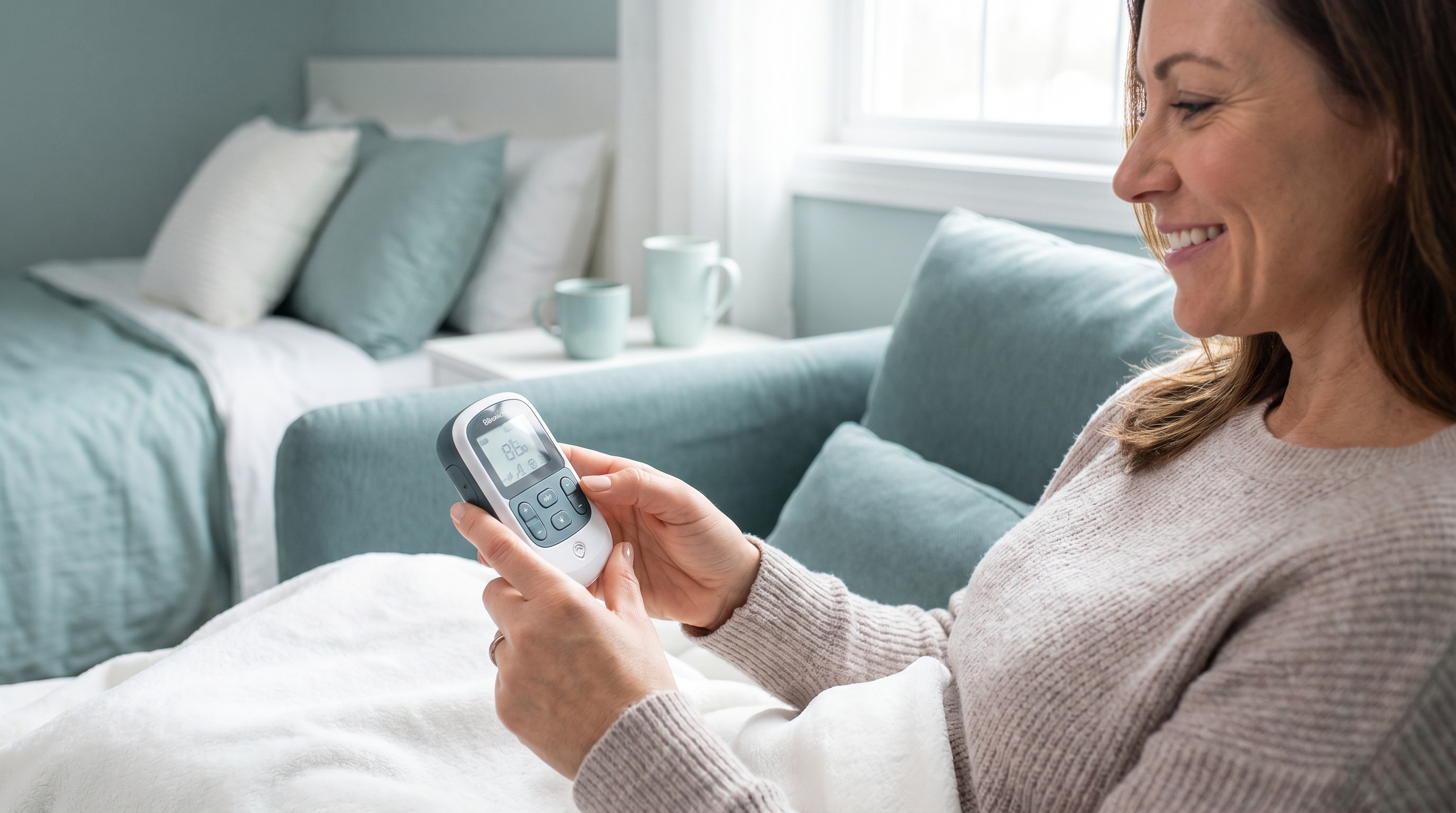
ALT: Woman over 40 using iStim Kegel pelvic floor electrical stimulator at home for drug-free pelvic floor rehabilitation and incontinence management
Advanced Considerations: Beyond Basic Kegel Training
When Pelvic Floor Muscles Are Too Tight
A commonly overlooked dimension of pelvic floor dysfunction is hypertonia — a condition in which the pelvic floor muscles are chronically tight rather than weak. Women with hypertonic pelvic floors may experience pelvic pain, painful intercourse, difficulty voiding, or constipation. In these cases, aggressive Kegel training or high-intensity electrical stimulation may worsen symptoms rather than alleviate them.
If you experience pelvic pain as a predominant symptom, consult a pelvic floor physiotherapist before beginning any stimulation program. A healthcare provider can distinguish between hypotonic (weak) and hypertonic (tight) dysfunction and recommend appropriate treatment parameters.
The Relationship Between Pelvic Floor Health and Core Function
Many women are surprised to learn that pelvic floor rehabilitation has significant positive spillover effects on broader musculoskeletal health. The pelvic floor, diaphragm, deep abdominal muscles, and deep spinal stabilizers function as an integrated pressure management system. Strengthening the pelvic floor often reduces chronic low back pain, improves balance, and enhances the effectiveness of general core conditioning programs.
Common Misconceptions to Address
Misconception 1: "Incontinence is just a normal part of aging."
While urinary leakage becomes more common with age, it is not physiologically inevitable. It is a treatable condition in the vast majority of cases, with non-surgical, drug-free interventions showing strong clinical evidence.
Misconception 2: "Kegel exercises always work if you do enough of them."
Frequency without correct technique yields minimal benefit. If you cannot consciously identify your pelvic floor muscles or if voluntary contractions feel ineffective, biofeedback or electrical stimulation can bridge the gap.
Misconception 3: "Electrical stimulation devices are only for people with severe dysfunction."
On the contrary, PFES is highly effective as a preventive tool. Women over 40 who have not yet developed significant symptoms can use pelvic floor stimulation as part of a proactive wellness strategy to maintain strength and neuromuscular responsiveness.
Frequently Asked Questions FAQ
Q1: How long does it take to see results from pelvic floor electrical stimulation?
Most women begin noticing improvement in symptoms — reduced leakage episodes, stronger muscle contractions, improved urgency control — within four to eight weeks of consistent use. However, meaningful, lasting pelvic floor strength gains typically require a commitment of twelve or more weeks, with regular sessions several times per week. As with any muscle conditioning program, consistency is the primary determinant of outcomes. Combining electrical stimulation with voluntary Kegel exercises generally accelerates progress compared to either approach alone.
Q2: Is it safe to use a pelvic floor stimulator at home without a prescription?
For most healthy women over 40 experiencing mild to moderate stress or urge incontinence, home pelvic floor stimulators are considered safe for self-directed use. High-quality devices from reputable manufacturers — such as iStim, whose devices are backed by ISO-certified manufacturing — incorporate multiple safety features including adjustable intensity, protective circuitry, and clear usage guidelines. However, women with implanted electronic devices, active pelvic infections, pregnancy, or undiagnosed pelvic pain should consult a healthcare provider before use.
Q3: How often should I use a pelvic floor stimulator for the best results?
Clinical protocols and manufacturer recommendations generally suggest using a pelvic floor stimulator for sessions of 15 to 30 minutes, three to five times per week during an active rehabilitation phase. As symptoms improve, some women transition to a maintenance schedule of two to three sessions per week. Individual programs should be guided by the device's recommended protocols and, ideally, discussed with a pelvic floor physiotherapist who can tailor frequency and intensity to your specific condition and goals.
Summary
Pelvic floor health after 40 is a genuinely important — and often underserved — dimension of women's wellness. Three core takeaways from this article deserve emphasis:
- The changes are real but addressable. Hormonal decline, cumulative physical stress, and neuromuscular changes do alter pelvic floor function after 40. But these changes respond to targeted intervention. Most women who commit to a structured rehabilitation approach experience significant, clinically meaningful improvement.
- Technology bridges the gap between intention and effectiveness. For the many women who struggle to correctly perform voluntary Kegel exercises, pelvic floor electrical stimulation provides a clinically validated, drug-free, and home-accessible pathway to genuine muscle training and neuromuscular re-education.
- Consistency and the right tools matter most. Whether you choose voluntary Kegels, professional physiotherapy, or a home stimulation device — or ideally, a combination — sustained effort over weeks and months, guided by quality tools, produces real results.
Your next steps are clear: assess your symptoms honestly, explore the evidence-based options available to you, and take proactive action. You do not have to accept incontinence, pelvic discomfort, or reduced quality of life as inevitable features of midlife.
Ready to take control of your pelvic floor health naturally and effectively? Explore iStim's full range of professional-grade Kegel and pelvic floor stimulation devices at https://istim.com/ and find the right solution tailored to your needs. Join over 20,000 satisfied customers who trust iStim for safe, drug-free electrotherapy from the comfort of home.
References
- National Institute on Aging. "Urinary Incontinence in Older Adults."
https://www.nia.nih.gov/health/urinary-incontinence/urinary-incontinence-older-adults - American Urogynecologic Society (AUGS). "Pelvic Floor Disorders — Patient Information."
https://www.augs.org/patient-services/patient-fact-sheets/ - National Institutes of Health / MedlinePlus. "Kegel Exercises."
https://medlineplus.gov/ency/article/003975.htm - Bø K, et al. "Evidence-Based Physical Therapy for the Pelvic Floor." Journal of Physiotherapy, Elsevier.
https://www.sciencedirect.com/journal/journal-of-physiotherapy - Office on Women's Health, U.S. Department of Health & Human Services. "Menopause and Your Health."
https://www.womenshealth.gov/menopause
Note: Standards and clinical recommendations may be updated. Please check the latest official documents or consult a qualified healthcare professional for personalized advice.
About iStim
iStim is a Los Angeles-based electrotherapy brand specializing in professional-grade TENS, EMS, and Kegel devices engineered for safe and effective home use, backed by ISO-certified Taiwanese manufacturing. With a growing community of 20,000+ Amazon customers, iStim is a trusted name in drug-free pain relief and muscle stimulation therapy.
© iStim. All rights reserved. This article is intended for informational purposes only and does not constitute medical advice. Always consult a qualified healthcare professional before starting any electrotherapy program.
Leave a comment