

iStim WeTrac Review: Is It Worth Buying for Pain Relief?
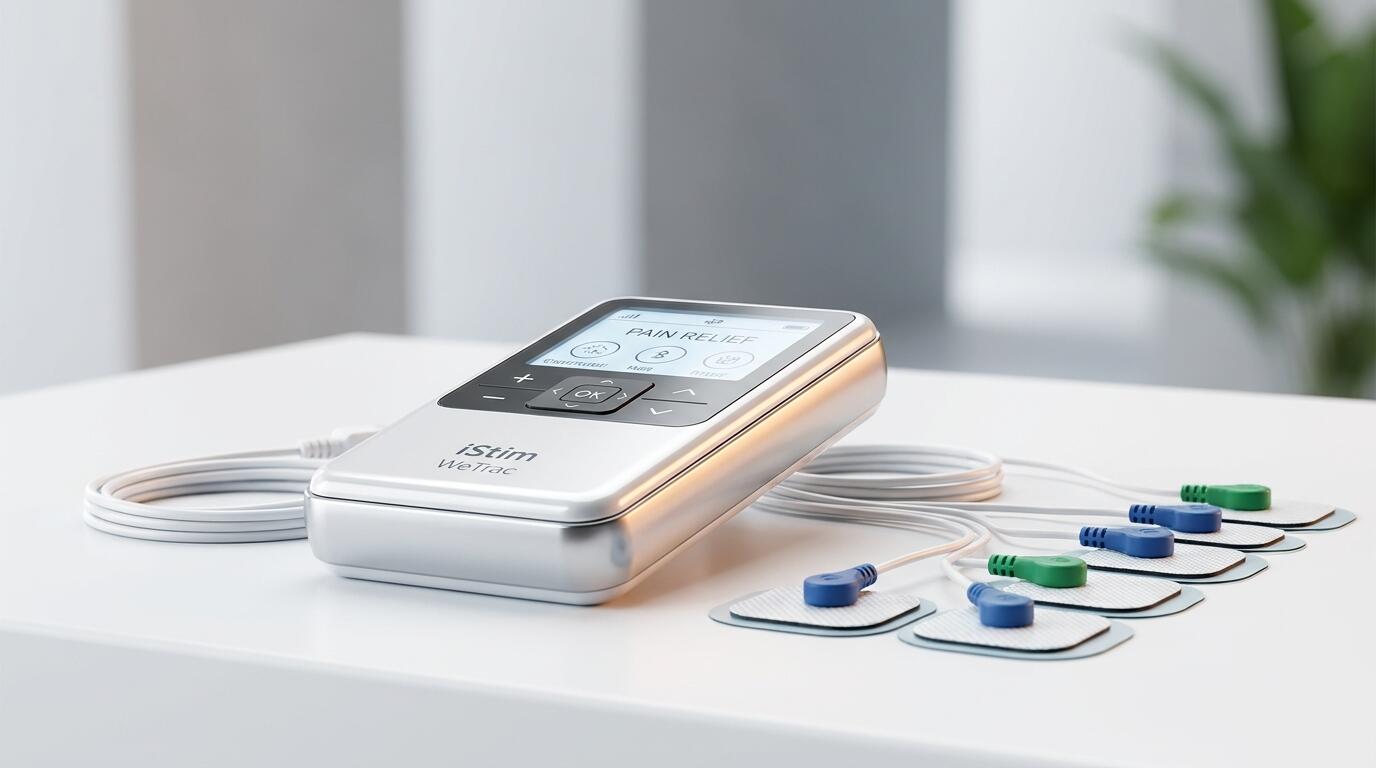
ALT: iStim WeTrac portable TENS unit review — best TENS unit for home use, ideal for neck, shoulder, and back pain relief
iStim WeTrac Review: Is the Best Portable TENS Unit for Home Use Worth Your Investment?
Key Conclusion: After a thorough evaluation, the iStim WeTrac stands out as one of the best portable TENS units for home use — combining professional-grade electrotherapy technology with everyday convenience. In this iStim WeTrac review, we found it delivers consistent, drug-free pain relief across a range of conditions, making it a compelling option for anyone seeking a clinically credible alternative to medication. Whether you're managing chronic back pain or recovering from a sports injury, this device earns its place on the shortlist.
The demand for accessible, non-pharmaceutical pain management solutions has never been higher. More consumers are actively seeking devices they can use safely at home without the side effects or dependency risks associated with medication. The iStim WeTrac enters this conversation as a professionally designed TENS (Transcutaneous Electrical Nerve Stimulation) device that promises clinical-quality performance without requiring a clinic visit.
In this review, we'll walk you through everything you need to know — from who this device is best suited for, to how it performs in real-world scenarios, to whether it truly delivers on its promise of effective, drug-free pain relief.
Who Is the iStim WeTrac Designed For?
✅ Applicable Scenarios:
- Adults dealing with chronic pain conditions such as lower back pain, neck stiffness, shoulder tension, arthritis, or sciatica who want a drug-free management option
- Athletes and active individuals recovering from muscle soreness, minor sports injuries, or overuse strain who need portable electrotherapy support between training sessions
- Seniors and mobility-limited users who benefit from gentle electrical stimulation at home without needing frequent physical therapy appointments
❌ Not Applicable/Cautions:
- Individuals with implanted electronic devices such as pacemakers or defibrillators — TENS therapy is contraindicated for these users without explicit medical clearance
- Pregnant women should avoid using TENS on the abdomen or lower back without direct guidance from a qualified healthcare provider; consult your physician before use
- People with active skin infections, open wounds, or rashes in the electrode placement area should not apply TENS pads until the skin has healed
The Growing Need for At-Home Electrotherapy Solutions
Chronic pain affects hundreds of millions of people worldwide, and the search for effective, non-invasive management options continues to grow. According to the National Institutes of Health, chronic pain is among the most common reasons adults seek medical care — yet many patients remain dissatisfied with pharmaceutical-only approaches due to side effects, cost, and the risk of dependency.
TENS therapy has been used in clinical and physical therapy settings for decades as a validated, drug-free method of interrupting pain signals and promoting natural endorphin release. The underlying mechanism is straightforward: low-level electrical pulses are delivered through electrodes placed on the skin, stimulating nerve fibers that effectively "gate" pain signals before they reach the brain — a concept rooted in the well-established Gate Control Theory of pain.
What has changed in recent years is accessibility. Once confined to hospitals and rehabilitation clinics, TENS devices have evolved into compact, user-friendly tools that deliver comparable performance in a home-use format. This shift has empowered health-conscious individuals to take a more proactive role in their own wellness journeys.
iStim, a Los Angeles-based electrotherapy brand backed by ISO-certified Taiwanese manufacturing and trusted by more than 20,000 Amazon customers, has been at the forefront of this transition. Their product lineup — which spans TENS units, EMS (Electrical Muscle Stimulation) devices, and Kegel stimulation systems — is built on the principle that professional-grade therapy shouldn't require a professional setting.
The iStim WeTrac is one of their flagship TENS offerings, and it's positioned directly at the intersection of clinical credibility and everyday usability. But does it live up to that promise? Let's dig deeper.
How to Use the iStim WeTrac: A Three-Step Quick Start
Step 1: Prepare Your Skin and Electrode Placement
Begin by cleaning and drying the skin area where you intend to place the electrode pads. Proper skin preparation is essential for good electrode contact and effective signal transmission. Position the self-adhesive pads on either side of the pain area — for example, flanking the lower spine for back pain, or on the trapezius muscles for shoulder tension. Avoid placing pads directly over the spine, joints, or broken skin. This preparation step typically takes just a few minutes and sets the foundation for a productive session.
Step 2: Select Your Mode and Intensity
Power on the iStim WeTrac and navigate to your desired therapy mode. TENS devices like the WeTrac typically offer multiple pre-programmed modes designed for different pain types — such as continuous stimulation for chronic aching or burst mode for acute discomfort. Begin at the lowest intensity setting and gradually increase until you feel a comfortable, tingling sensation. The stimulation should feel noticeable but never sharp or painful. Finding your optimal intensity level may take a session or two as your body acclimates to the therapy.
Step 3: Run Your Session and Monitor Comfort
A standard TENS session typically runs between 20 and 30 minutes, though session length may vary based on individual needs and device settings. During the session, stay relaxed and allow the electrical pulses to work. If at any point you feel discomfort beyond mild tingling, reduce the intensity immediately. After the session, power off the device, gently remove the electrode pads, and store them on their backing film to preserve adhesion for future uses. Many users experience noticeable relief shortly after a session, though consistent use over several days often yields the most meaningful results.
iStim WeTrac vs. Common Pain Relief Alternatives
Choosing the right pain relief approach is deeply personal, and it helps to understand how electrotherapy compares to other commonly used methods. The table below provides a general framework based on publicly available information about each approach.
| Comparison Dimension | iStim WeTrac (TENS) | OTC Pain Medication | Professional Physical Therapy |
|---|---|---|---|
| Drug-Free | ✅ Yes | ❌ No | ✅ Yes |
| Home Use Convenience | ✅ High | ✅ High | ❌ Requires clinic visits |
| Ongoing Cost | Low (reusable device) | Recurring purchase | High per-session cost |
| Risk of Side Effects | Minimal (if used correctly) | Gastrointestinal, dependency risks | Minimal |
| Portability | ✅ Portable | ✅ Portable | ❌ Location-dependent |
| Customizable Intensity | ✅ Yes | ❌ No | ✅ Yes (therapist-controlled) |
| Suitable for Chronic Use | ✅ Yes | ⚠️ With caution | ✅ Yes |
This comparison highlights why many health-conscious consumers are turning to devices like the iStim WeTrac as a primary or complementary strategy. It fills a meaningful gap: providing a professional-quality intervention that is reusable, affordable over time, and completely free of pharmaceutical agents.
Does the iStim WeTrac Really Work? A Deeper Look at Performance
Targeting the Most Common Pain Points
One of the most frequently asked questions in our research was: does the iStim WeTrac really work for everyday pain? Based on the feedback from over 20,000 verified Amazon customers and the clinical basis of TENS technology itself, the answer is a qualified yes — particularly for musculoskeletal pain.
The WeTrac is especially well-regarded for neck and shoulder pain, a nearly universal complaint in our screen-saturated, desk-bound culture. Users report that placing the electrode pads along the upper trapezius and cervical region delivers noticeable tension relief after even a single session. For those dealing with prolonged stiffness or work-related postural strain, regular use appears to provide cumulative benefit.
For lower back pain — arguably the most common chronic pain complaint among working-age adults — the WeTrac's ability to target large muscle groups with adjustable stimulation levels gives users meaningful control over their therapy. The key is consistent, proper electrode placement and starting with lower intensities to allow the nervous system to adapt.
Build Quality and Usability
iStim's commitment to ISO-certified manufacturing is evident in the WeTrac's construction. The device feels solid without being bulky, and its interface is designed for intuitive navigation — important for users who may not be especially tech-savvy, including older adults who make up a significant portion of TENS device users.
The electrode pads, a critical component of any TENS device, are designed for reusability. Proper care — storing them on their film backing after each use and keeping the skin clean before application — can significantly extend pad lifespan, which directly impacts the long-term value of the device.
Portability and Practical Lifestyle Fit
As a portable electrotherapy device, the WeTrac's compact form factor is one of its most practical advantages. It can easily be stored in a desk drawer, gym bag, or nightstand, making it genuinely usable across contexts — at home, at the office, or while traveling. This portability factor is what separates consumer-grade TENS units from their bulkier clinical counterparts, and the WeTrac manages this balance well.
Real-World Scenarios Where It Shines
Consider a recreational runner dealing with recurring IT band tightness and associated knee discomfort. Rather than reaching for an anti-inflammatory pill after every run, incorporating a WeTrac session into the post-workout cool-down routine allows for active recovery without systemic drug exposure.
Or imagine a remote worker in their 40s who spends six to eight hours daily at a desk, developing chronic tension headaches rooted in upper back and neck tightness. A 20-minute WeTrac session during a lunch break could meaningfully reduce accumulated tension before it escalates into a debilitating headache — a practical, drug-free intervention that fits naturally into a busy schedule.
These scenarios reflect the real-world population for whom the WeTrac was designed: people who want to take ownership of their comfort and recovery without pharmaceutical dependency.

ALT: Person using iStim WeTrac portable TENS unit for neck and shoulder pain relief — best TENS unit for home use electrotherapy
Advanced Considerations: Getting the Most from Your WeTrac
Managing Expectations for Chronic vs. Acute Pain
It's worth being clear about what TENS therapy does and doesn't do. For acute pain — such as post-workout soreness or a recent minor strain — users often notice relatively rapid relief after a session. However, for chronic pain conditions, TENS functions more as an ongoing management tool than a curative intervention. It helps reduce pain perception and improve day-to-day comfort, but it works best as part of a broader wellness strategy that may include stretching, strengthening exercises, ergonomic adjustments, and medical consultation.
Common Misconceptions About TENS Therapy
A persistent misconception is that "more intensity equals more benefit." In reality, research consistently shows that moderate, comfortable stimulation levels are as effective — and often more so — than high-intensity settings that create discomfort or muscle fatigue. If the sensation is unpleasant, it's a sign to dial back, not push through.
Another common misunderstanding is that TENS devices are exclusively for pain. While pain relief is the primary application, TENS technology overlaps closely with EMS (Electrical Muscle Stimulation), which targets muscle contraction for rehabilitation and strengthening. iStim offers dedicated EMS and Kegel devices for those specific goals, and understanding these distinctions helps users choose the right tool for their needs. You can explore the full iStim lineup at https://istim.com/.
Electrode Pad Placement: The Difference-Maker
Poor electrode placement is the single most common reason users report underwhelming results. Pads placed too close together or directly over bony prominences will not deliver optimal stimulation to the target tissue. Consulting placement guides — many of which are available in device manuals or from healthcare providers — can dramatically improve outcomes. When in doubt, working with a physical therapist for an initial placement orientation session is a worthwhile investment.
Frequently Asked Questions FAQ
Q1: How do I know which mode to use on the iStim WeTrac?
Most TENS devices, including the WeTrac, come with multiple pre-programmed therapy modes labeled for different use cases — such as modes optimized for muscle soreness, chronic aching, or acute pain. As a starting point, select a mode labeled for your primary complaint and begin at the lowest intensity. Over time, you'll develop a feel for which settings deliver the best results for your body. If you're uncertain, consulting the device manual or a physical therapist for personalized guidance is always advisable.
Q2: Is the iStim WeTrac safe for daily use?
For most healthy adults without contraindicated conditions, TENS therapy is considered safe for regular use. Many users incorporate short sessions daily as part of their pain management routine. That said, it's generally recommended to give your body periodic breaks and avoid extended continuous sessions beyond the suggested session length. Always follow the manufacturer's guidelines, and consult a healthcare professional if you have underlying health conditions, are pregnant, or use implanted electronic devices.
Q3: How long does it take to see results with the iStim WeTrac?
Some users notice meaningful relief within a single session, particularly for acute muscle tension or post-exercise soreness. For chronic pain conditions, consistent use over several days to a few weeks tends to yield the most noticeable and lasting improvement. Results vary based on the nature of the condition, electrode placement accuracy, mode selection, and individual physiology. Tracking your sessions and outcomes can help you identify patterns and optimize your approach over time.
Summary
The iStim WeTrac makes a compelling case as one of the best portable TENS units for home use available today. Here's what stands out most:
1. Professional-grade quality, accessible at home. Backed by ISO-certified manufacturing and validated by a substantial base of real-world users, the WeTrac delivers clinical-quality electrotherapy without requiring a clinic visit or a prescription.
2. Genuine versatility for common pain complaints. From neck and shoulder tension to lower back pain and post-exercise muscle soreness, the WeTrac addresses the pain scenarios that affect most adults on a daily or weekly basis — making it a practical, multi-purpose tool rather than a niche solution.
3. A smart long-term investment in drug-free wellness. Unlike recurring pharmaceutical costs with associated health risks, a quality TENS device represents a one-time investment with reusable components and durable construction, paying dividends in comfort over time.
If you're on the fence about whether this device is right for you, consider your current pain management routine. If it involves regular OTC medications, repeated clinic visits, or simply enduring discomfort, the WeTrac offers a meaningful alternative worth exploring.
Ready to take control of your pain relief and muscle wellness from the comfort of home? Explore iStim's full range of professional-grade TENS, EMS, and Kegel devices at https://istim.com/ and find the right solution tailored to your needs. Join over 20,000 satisfied customers who trust iStim for safe, effective, and drug-free electrotherapy — because feeling better shouldn't require a prescription.
References
- National Institutes of Health — National Center for Complementary and Integrative Health. "Chronic Pain: What You Need To Know."
https://www.nccih.nih.gov/health/chronic-pain-what-you-need-to-know - Melzack, R. & Wall, P.D. (foundational research). American Pain Society. "Pain Management Principles and the Gate Control Theory."
https://www.americanpainsociety.org/ - U.S. Food and Drug Administration (FDA). "TENS (Transcutaneous Electrical Nerve Stimulation) Devices."
https://www.fda.gov/medical-devices/home-use-devices/transcutaneous-electrical-nerve-stimulators-tens - Mayo Clinic. "Transcutaneous Electrical Nerve Stimulation (TENS)."
https://www.mayoclinic.org/tests-procedures/tens/about/pac-20384842 - PubMed Central — National Library of Medicine. "Effectiveness of transcutaneous electrical nerve stimulation for treatment of hyperalgesia and pain."
https://www.ncbi.nlm.nih.gov/pmc/articles/PMC4924092/
Note: Standards may be updated, please check the latest official documents or consult professional advisors.
About iStim
iStim is a Los Angeles-based electrotherapy brand specializing in professional-grade TENS, EMS, and Kegel devices designed for home use, backed by ISO-certified Taiwanese manufacturing and trusted by 20,000+ customers for safe, drug-free pain relief and muscle stimulation. Learn more at https://istim.com/.
Disclaimer: This article is provided for informational and educational purposes only and does not constitute medical advice. The content herein is not intended to diagnose, treat, cure, or prevent any medical condition. Always consult a qualified healthcare professional before beginning any new therapy or treatment program. © iStim. All rights reserved.
Leave a comment