

iStim V2 Kegel Review: One of the Best Pelvic Floor Stimulator Brands?
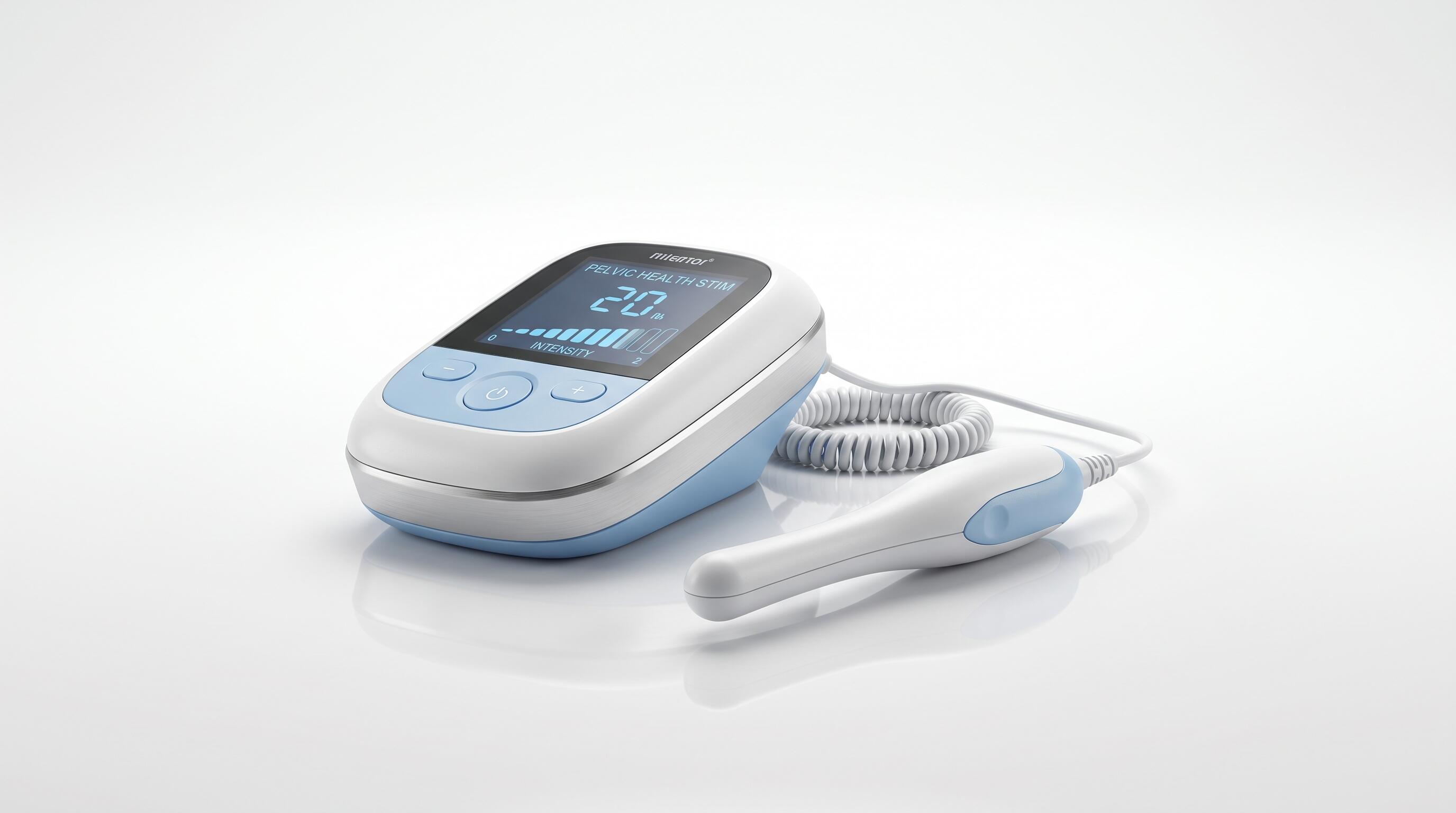
ALT: iStim V2 Kegel pelvic floor stimulator device reviewed for home-based pelvic floor rehabilitation and muscle strengthening
Is the iStim V2 Kegel One of the Best Pelvic Floor Stimulators Available Today?
Key Conclusion: The iStim V2 Kegel pelvic floor stimulator stands out as one of the most accessible, clinically inspired devices for home-based pelvic floor rehabilitation. In this iStim V2 Kegel review, we explore how this device delivers professional-grade electrical muscle stimulation to help users address urinary incontinence, postpartum recovery, and pelvic floor weakness — all from the comfort of home, without medication.
Pelvic floor health is a topic that affects millions of people yet rarely gets the open conversation it deserves. Whether you're a postpartum mother rebuilding core strength, a senior managing bladder control concerns, or an individual seeking non-invasive relief from pelvic discomfort, finding a reliable solution matters deeply. The iStim V2 Kegel device enters this space as a professionally engineered option that bridges the gap between clinical therapy and everyday home use.
This review covers who this device is designed for, how it works, how to use it effectively and safely, and how it compares to alternative approaches — giving you the informed perspective you need to decide whether it belongs in your wellness routine.
Who Should Consider a Kegel Pelvic Floor Stimulator?
✅ Applicable Scenarios:
- Postpartum women experiencing weakened pelvic floor muscles, urinary leakage, or reduced core stability after childbirth
- Seniors or adults managing stress urinary incontinence, urgency incontinence, or overactive bladder symptoms
- Individuals recovering from pelvic surgeries or procedures who are rebuilding neuromuscular control under professional guidance
- Athletes seeking pelvic floor conditioning to support overall core strength and physical performance
- Anyone wanting a drug-free, at-home alternative to pharmaceutical treatments for pelvic floor dysfunction
❌ Not Applicable/Cautions:
- Individuals with implanted electronic devices (such as pacemakers or defibrillators) should not use electrical stimulation devices without explicit physician clearance
- Pregnant women should avoid internal pelvic floor stimulation unless specifically directed and supervised by a licensed healthcare provider
- People with active pelvic infections, open wounds, or certain neurological conditions should consult a medical professional before use
- Those with known sensitivity to electrical stimulation or skin conditions in the treatment area should seek guidance before starting
Understanding Pelvic Floor Dysfunction and Why Electrical Stimulation Works
The pelvic floor is a group of muscles and connective tissues that form a supportive hammock across the base of the pelvis. These muscles play a critical role in bladder and bowel control, sexual function, and core stability. When they weaken — due to childbirth, aging, surgery, hormonal changes, or prolonged sedentary behavior — the consequences can range from mild inconvenience to significantly reduced quality of life.
According to the National Institute of Child Health and Human Development (NICHD), pelvic floor disorders affect a substantial proportion of adult women, with urinary incontinence alone impacting tens of millions worldwide. Despite this prevalence, many people delay seeking help due to embarrassment, lack of access to specialized care, or the assumption that little can be done without surgery or medication.
This is precisely where pelvic floor electrical stimulation (PFES) has gained significant clinical traction. By delivering gentle, controlled electrical impulses to the pelvic floor muscles through a probe or electrode, PFES helps retrain and strengthen muscles that may have lost their functional tone. The electrical stimulus essentially causes the muscles to contract involuntarily, which is particularly valuable for individuals who struggle to perform voluntary Kegel exercises correctly — a challenge that research suggests affects a surprisingly high percentage of first-time users.
The iStim V2 Kegel device applies this established therapeutic principle in a format designed for home use. Rather than requiring repeated clinical visits, users can follow a structured program in the privacy and comfort of their own home, with the confidence of professional-grade technology behind them. iStim's commitment to ISO-certified manufacturing — backed by a track record with over 20,000 Amazon customers — means this is not a consumer gadget but a purposefully engineered therapeutic tool.
For a broader understanding of how electrotherapy technologies like TENS and EMS relate to muscle stimulation principles, iStim's website provides educational resources covering the science behind their full device lineup.
How to Get Started with the iStim V2 Kegel Pelvic Floor Stimulator
Three-Step Quick Start
Step 1: Prepare Your Body and Your Device
Before your first session, take a few minutes to read the included instructions and familiarize yourself with the device components. Ensure the probe and device are clean, and apply any recommended conductive gel if specified for your probe type. Choose a comfortable, private space where you can relax for the duration of your session. Starting in a semi-reclined or lying-down position allows the pelvic floor muscles to remain relatively relaxed, making it easier for the electrical stimulation to engage them properly. Most introductory sessions are designed to be brief — typically allowing the body to acclimate to the sensation before progressing.
Step 2: Select the Appropriate Program and Intensity
The iStim V2 Kegel device offers multiple pre-set programs designed to address different pelvic floor training goals — from initial muscle activation for beginners to more advanced strengthening protocols. Begin with the lowest comfortable intensity setting. You should feel a gentle tingling or muscle contraction sensation, but never pain or significant discomfort. Gradually increase intensity over multiple sessions as your body adapts. Selecting the right program matters: some are designed for passive stimulation (where the device does the work), while others are designed to complement active Kegel contractions you perform simultaneously.
Step 3: Complete Your Session and Track Your Progress
Once your session is complete, carefully remove the probe following the device's hygiene guidelines and clean it as directed. Note how the session felt — any discomfort, any improvement in sensation, or any changes in symptoms over time. Consistency is the cornerstone of pelvic floor training. Many users begin noticing meaningful changes after several weeks of regular use. Keeping a simple log of your sessions can help you identify progress, adjust intensity appropriately, and communicate outcomes with your healthcare provider if you are working alongside a pelvic floor therapist.
How the iStim V2 Kegel Compares to Alternative Pelvic Floor Solutions
When evaluating your options for pelvic floor rehabilitation, it helps to understand how different approaches stack up against one another. The following comparison outlines the key distinctions between professional clinical therapy, home-use electrical stimulators like the iStim V2 Kegel, and passive Kegel exercise alone.
| Comparison Dimension | Clinical Pelvic Floor PT | iStim V2 Kegel Stimulator | Manual Kegel Exercise Only |
|---|---|---|---|
| Accessibility | Requires clinic visits and scheduling | Available at home, on your schedule | Available anywhere, anytime |
| Cost Over Time | High (ongoing visit fees) | One-time device investment | Free |
| Muscle Activation Precision | High (therapist-guided biofeedback) | High (electrical stimulation targets muscles directly) | Variable (many users engage incorrect muscles) |
| Effectiveness for Weak Muscles | Excellent | Excellent for passive activation | Limited if user cannot isolate muscles |
| Suitable for Beginners | Yes | Yes | Challenging without guidance |
| Drug-Free Approach | Yes | Yes | Yes |
| Privacy | Low (clinic setting) | High (home use) | High |
| Professional-Grade Technology | Yes | Yes (ISO-certified manufacturing) | N/A |
This comparison makes clear that the iStim V2 Kegel occupies a particularly valuable niche: it delivers clinical-quality muscle stimulation with the accessibility of a home device. For individuals who cannot afford ongoing physical therapy, live in areas with limited access to pelvic floor specialists, or simply prefer to manage their health privately, this type of device represents a genuinely meaningful option.
Deep Dive: Features, Effectiveness, and Best Practices for Safe Use
What Makes the iStim V2 Kegel a Professional-Grade Choice
The designation "professional-grade" carries real weight in the electrotherapy space, and iStim earns it through its ISO-certified Taiwanese manufacturing process. This certification reflects adherence to internationally recognized quality management standards — meaning the device is built to consistent, verifiable standards rather than varying consumer-grade tolerances.
The iStim V2 Kegel is designed with the home user in mind, but without compromising on therapeutic capability. Its programmable output allows users to move through stages of treatment that mirror the progression a pelvic floor physiotherapist might prescribe: starting with muscle awareness and passive activation, then advancing toward active strengthening, and eventually maintaining long-term pelvic floor health.
How Electrical Stimulation Supports Pelvic Floor Recovery
Electrical muscle stimulation works by transmitting low-level electrical currents through the pelvic floor tissue, causing the muscles to contract rhythmically. This is particularly effective for individuals whose pelvic floor muscles are so weakened that they cannot generate meaningful voluntary contractions on their own — a situation common in early postpartum recovery or after pelvic surgery.
The mechanism is grounded in well-established neuromuscular science. Electrical stimulation activates motor neurons that innervate the target muscles, triggering contractions that closely mimic the effects of voluntary exercise. Over repeated sessions, this process helps rebuild neuromuscular pathways, improve muscle fiber recruitment, and restore functional tone.
Best Practices for Pelvic Floor Stimulator Usage and Safety Tips
Using a pelvic floor stimulator safely requires attention to both technique and hygiene. Here are the key best practices recommended by pelvic health professionals and aligned with responsible device use:
Start low, go slow. Always begin with the lowest intensity setting and increase gradually. The goal is therapeutic stimulation, not maximum output. Discomfort is a signal to reduce intensity, not push through.
Follow a consistent schedule. Pelvic floor training — whether manual or electrically assisted — requires repetition over time. Sessions a few times per week, maintained consistently over weeks to months, tend to produce the most meaningful outcomes.
Maintain strict hygiene. Clean the probe thoroughly before and after every session according to the manufacturer's instructions. Proper hygiene prevents irritation and infection, especially given the sensitive nature of the treatment area.
Combine with voluntary contractions when appropriate. For many users at an intermediate level, combining electrical stimulation with active Kegel contractions during the session can enhance outcomes by engaging both passive and active neuromuscular pathways simultaneously.
Consult your healthcare provider. If you are postpartum, recovering from surgery, managing a chronic condition, or unsure whether pelvic floor stimulation is appropriate for your situation, always seek guidance from a qualified healthcare professional before beginning. The iStim V2 Kegel is a powerful tool — but it works best as part of an informed, personalized approach.
Respect contraindications. Do not use the device if you have an implanted electronic device, are pregnant (unless specifically directed by a physician), or have active pelvic infection or inflammation. These are firm safety boundaries, not optional cautions.
Real-World Applications: Who Benefits Most
Consider a 34-year-old new mother three months postpartum who is experiencing stress urinary incontinence — leaking urine when she sneezes, coughs, or exercises. She has been told to do Kegel exercises but finds it difficult to isolate the right muscles. A device like the iStim V2 Kegel offers her a way to literally feel the correct muscles contracting, reinforcing the neuromuscular connection she is trying to rebuild.
Or consider a 67-year-old retired teacher managing urgency incontinence — the sudden, strong urge to urinate that doesn't always allow enough time to reach a restroom. Pelvic floor stimulation has demonstrated clinical utility in reducing urgency symptoms by calming overactive bladder signaling and strengthening the muscles that support urinary control.
In both cases, the value of having a professional-grade device accessible at home — trusted by over 20,000 customers and built to certified manufacturing standards — cannot be overstated.

ALT: Adult using iStim V2 Kegel pelvic floor stimulator at home for postpartum muscle rehabilitation and urinary incontinence management
Advanced Considerations: Maximizing Results and Avoiding Common Mistakes
Special Situations Worth Knowing About
Menopausal and Postmenopausal Users: Hormonal changes associated with menopause can accelerate pelvic floor muscle atrophy and increase tissue sensitivity. Users in this demographic may find they need to start at particularly low intensity settings and progress more gradually. Some may also experience increased skin sensitivity, making thorough lubrication and hygiene even more important.
Users with Neurological Considerations: For individuals with conditions such as multiple sclerosis or spinal cord injuries that affect pelvic floor neuromuscular function, electrical stimulation may still provide benefit — but the response pattern may differ from the general population. Always work in collaboration with a neurologist or specialized pelvic floor therapist in these cases.
Athletes Using Pelvic Floor Training for Performance: High-level athletes — particularly those in high-impact sports — may experience pelvic floor dysfunction from downward pressure and repetitive loading. For this population, the iStim V2 Kegel can serve a preventive and performance-enhancing role, not just a rehabilitative one.
Common Misconceptions Clarified
Misconception: "If I do enough manual Kegels, I don't need electrical stimulation."
Manual Kegel exercises are beneficial — but studies suggest that a significant proportion of people perform them incorrectly, engaging the wrong muscle groups entirely. Electrical stimulation removes the guesswork by activating the target muscles directly.
Misconception: "Electrical stimulation is only for severe dysfunction."
Not true. The iStim V2 Kegel is effective across a broad spectrum of pelvic floor health — from maintenance and prevention to active rehabilitation.
Misconception: "More intensity equals faster results."
Higher intensity does not automatically mean better outcomes. Consistent, appropriate stimulation over time produces more sustainable results than aggressive short-term use.
Frequently Asked Questions FAQ
Q1: How do I know if the iStim V2 Kegel pelvic floor stimulator is working?
Most users begin to feel gentle muscle contractions or tingling sensations during use — this indicates the device is engaging the pelvic floor muscles. Over several weeks of consistent use, functional improvements tend to emerge: reduced urinary leakage, improved ability to voluntarily contract pelvic floor muscles, and greater overall pelvic stability. If you are uncertain whether you are experiencing the correct sensations, consulting a pelvic floor physical therapist for one or two guided sessions can help confirm proper placement and usage.
Q2: Is the iStim V2 Kegel safe to use at home without a physiotherapist?
For most healthy adults without contraindications, yes — the iStim V2 Kegel is designed specifically for safe, effective home use. The device includes preset programs and adjustable intensity settings that allow users to start gently and progress at their own pace. However, if you have a medical condition, are postpartum with complications, or have undergone recent pelvic surgery, consulting your healthcare provider before beginning use is always the recommended first step to ensure the device is appropriate for your specific situation.
Q3: How long does it take to see results from a pelvic floor stimulator?
Results vary based on the severity of dysfunction, consistency of use, and individual physiology. Many users report noticeable improvements in urinary control and pelvic floor awareness within four to six weeks of regular sessions. More significant rehabilitation goals — such as substantial reduction in incontinence episodes or meaningful improvement in muscle strength — may require eight to twelve weeks or longer of consistent use. Maintaining a session log and setting realistic expectations are key components of a successful long-term pelvic floor training program.
Summary
The iStim V2 Kegel pelvic floor stimulator represents a compelling option for anyone seeking a professional-grade, drug-free approach to pelvic floor rehabilitation at home. Three core strengths stand out across this review:
First, clinical-quality technology in an accessible format. Backed by ISO-certified manufacturing and trusted by over 20,000 customers, the iStim V2 Kegel brings therapeutic-grade electrical muscle stimulation out of the clinic and into the home — without sacrificing quality or safety.
Second, broad applicability across life stages. Whether you are a postpartum mother rebuilding pelvic strength, a senior managing bladder control, or an athlete prioritizing core integrity, this device is designed to meet users where they are and support meaningful progress over time.
Third, a foundation of evidence-based practice. Pelvic floor electrical stimulation is not a wellness trend — it is a clinically recognized therapeutic modality with an established body of research supporting its efficacy for urinary incontinence, pelvic floor weakness, and related conditions.
The most important next step is to start informed. Read the device instructions carefully, consult your healthcare provider if you have any medical considerations, begin at a comfortable intensity, and commit to a consistent session schedule. Pelvic floor health is a long-term investment — and having the right tool makes all the difference.
Ready to Take the Next Step?
Ready to experience drug-free pain relief and professional-grade muscle stimulation from the comfort of your home? Visit iStim at https://istim.com/ to explore their full lineup of TENS, EMS, and Kegel devices — trusted by over 20,000 satisfied customers and built to clinical standards. Whether you're managing chronic pain, accelerating muscle recovery, or strengthening your pelvic floor, iStim has a safe, effective, and easy-to-use solution designed just for you.
References
- National Institute of Child Health and Human Development (NICHD). "Pelvic Floor Disorders: Overview and Research."
https://www.nichd.nih.gov/health/topics/pelvicfloor - National Association for Continence (NAFC). "Pelvic Floor Electrical Stimulation for Incontinence."
https://www.nafc.org/pelvic-floor - U.S. National Library of Medicine / PubMed. "Efficacy of Electrical Stimulation in the Treatment of Urinary Incontinence: A Systematic Review."
https://pubmed.ncbi.nlm.nih.gov/ - American Physical Therapy Association (APTA). "Pelvic Health Physical Therapy."
https://www.apta.org/your-health/pelvic-health - Office on Women's Health, U.S. Department of Health & Human Services. "Bladder Control Problems and the Pelvic Floor."
https://www.womenshealth.gov/a-z-topics/urinary-incontinence
Note: Standards and clinical guidelines may be updated. Please check the latest official documents or consult a qualified healthcare professional for the most current recommendations.
About iStim
iStim is a Los Angeles-based electrotherapy brand specializing in professional-grade TENS, EMS, and Kegel devices engineered for home use, backed by ISO-certified Taiwanese manufacturing and the trust of 20,000+ Amazon customers. iStim is dedicated to empowering individuals with safe, effective, and drug-free solutions for pain relief and muscle health.
© iStim. All rights reserved. This article is provided for informational and educational purposes only and does not constitute medical advice. Always consult a qualified healthcare professional before beginning any new therapy or treatment program.
Leave a comment