

iStim S1 Wireless TENS for Period Cramps: How Heat and Stimulation Work Together
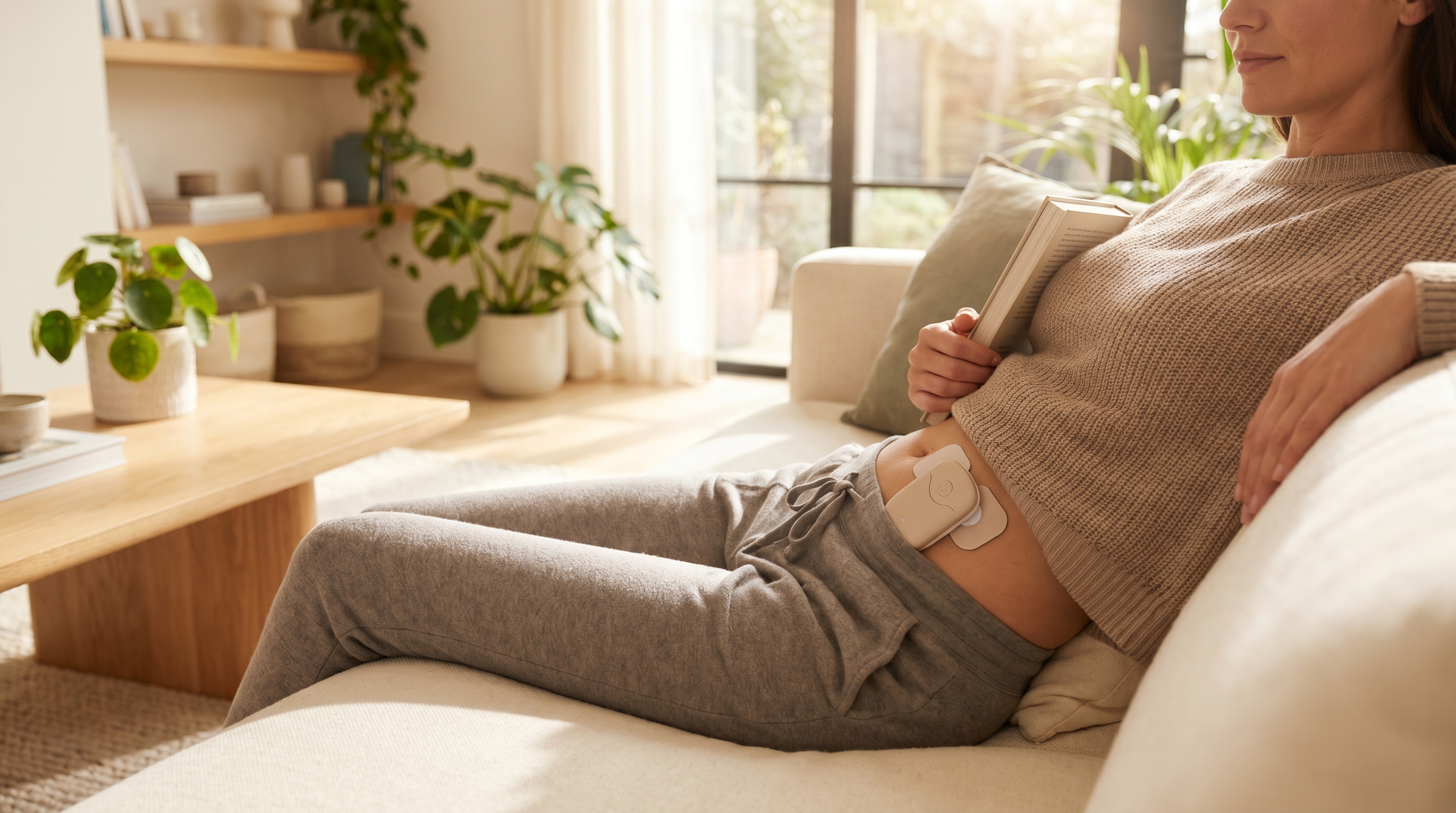
ALT: Woman using iStim S1 wireless TENS unit on abdomen for drug-free period cramp and menstrual pain relief
Why TENS and Heat Together Are Changing How Women Manage Period Pain
Key Conclusion: The combination of wireless TENS therapy and targeted heat application represents a powerful, drug-free approach to managing period cramps and menstrual pain. By simultaneously addressing pain signals at the nerve level and relaxing uterine muscle tension through warmth, this dual-modality strategy delivers faster, more comprehensive relief than either method alone — and the iStim S1 makes this accessible, discreet, and clinically credible right at home.
For millions of women, the monthly arrival of their menstrual cycle comes with a familiar, dreaded companion: dysmenorrhea, or period cramps. The cramping, bloating, and radiating lower back pain can sideline even the most active individuals for hours or days at a time. While over-the-counter NSAIDs remain a common go-to, growing numbers of health-conscious women are seeking non-pharmaceutical alternatives that work with their bodies rather than masking symptoms chemically.
This is precisely where the iStim S1 Wireless TENS unit enters the conversation. Designed for discreet, on-the-go use, the S1 brings professional-grade electrical nerve stimulation directly to where you need it most — without wires, without a prescription, and without the gastrointestinal side effects associated with long-term NSAID use. When paired strategically with heat therapy, the results can be genuinely transformative. This guide unpacks exactly how these two modalities work in synergy, and how to use them effectively and safely.
Who This Approach Is — and Isn't — Right For
✅ Applicable Scenarios:
- Women experiencing primary dysmenorrhea (menstrual cramps without underlying pathology), including teens, adults, and perimenopausal individuals
- Those seeking to reduce or eliminate reliance on ibuprofen, naproxen, or other NSAIDs for monthly menstrual pain
- Individuals already managing general pain conditions (back pain, muscle tension) who want a versatile device that also addresses period pain
- Postpartum women cleared by their OB-GYN to begin gentle pelvic pain management
- Athletes and active women who need fast-acting, portable pain relief that doesn't impair cognitive clarity or physical performance
❌ Not Applicable/Cautions:
- Women with a confirmed diagnosis of endometriosis, fibroids, or pelvic inflammatory disease should consult their gynecologist before using TENS for menstrual pain, as these conditions may require specific clinical management
- Individuals with implanted electronic devices (pacemakers, neurostimulators), active skin infections at electrode placement sites, or pregnancy should not use TENS therapy without explicit medical clearance
- Those experiencing unusually severe or sudden changes in menstrual pain patterns should seek medical evaluation before self-treating, as this may signal an underlying condition
Understanding Period Pain: The Science Behind the Monthly Cycle
Period cramps — clinically known as dysmenorrhea — affect an estimated 50–90% of menstruating women, making them one of the most prevalent gynecological complaints worldwide. According to research published in the American Journal of Obstetrics and Gynecology, dysmenorrhea is a leading cause of absenteeism from work and school among women of reproductive age, underscoring its genuine impact on daily quality of life.
The mechanism driving this pain is primarily prostaglandin-mediated. During menstruation, the uterine lining releases prostaglandins — hormone-like compounds that trigger uterine muscle contractions to facilitate the shedding of the endometrial lining. Elevated prostaglandin levels cause stronger, more frequent contractions, which in turn compress blood vessels and reduce oxygen supply to uterine muscle tissue. The result: ischemic pain similar in character to muscle cramps experienced during intense physical exertion.
This cramping pain is typically felt in the lower abdomen and often radiates to the lower back and inner thighs. It may be accompanied by nausea, headache, and generalized fatigue. For women with secondary dysmenorrhea — pain linked to conditions like endometriosis or fibroids — the experience can be considerably more severe and require specialized treatment.
Understanding that period cramp relief requires both interrupting pain signals and relaxing muscle tension is essential context for appreciating why the TENS-plus-heat combination is so effective. To understand the full scientific basis of electrical pain relief, What Is TENS Therapy and How Does It Relieve Pain Without Drugs? provides a comprehensive clinical breakdown worth reading alongside this guide.
The market for non-pharmaceutical menstrual pain relief is growing rapidly. Sales of wearable pain relief devices have surged in recent years, driven by consumer demand for drug-free, convenient solutions — a trend that has validated the clinical research supporting TENS as a legitimate therapeutic modality for menstrual pain. The iStim S1 was engineered directly in response to this need, combining wireless design with professional-grade stimulation parameters in a form factor that travels with you.
How to Use the iStim S1 with Heat Therapy for Period Cramps: A Practical Guide
Three-Step Quick Start
Step 1: Prepare Your Electrode Placement and Heat Source
Before your period begins — ideally during the day or two of premenstrual discomfort — gather your iStim S1 unit, appropriate electrode pads, and your preferred heat source (a microwavable heat pack, electric heating pad, or adhesive heat patch). Clean and dry the skin on your lower abdomen, just above the pubic hairline. This placement targets the uterine region most directly affected by cramping. If lower back pain is prominent, prepare a second electrode placement for the lumbar region. Allow approximately 5 minutes for setup.
Step 2: Apply Electrodes and Begin TENS Stimulation
Attach the iStim S1 unit directly to the electrode pads on your lower abdomen. Because the S1 is wireless, there are no lead wires to manage — the unit sits directly at the treatment site, making it completely discreet under clothing. Begin with a lower intensity setting and gradually increase until you feel a strong but comfortable tingling sensation. Select a mode appropriate for menstrual pain; programs emphasizing burst or modulated frequencies tend to be particularly effective for cramping pain. A typical TENS session for menstrual pain runs 20–30 minutes, and it is generally safe to repeat sessions throughout the day as needed, with brief rest intervals between.
Step 3: Layer in Heat Therapy Strategically
Once your TENS session is underway and you've found a comfortable intensity level, apply your heat source over or adjacent to the electrode area (never place heat directly on top of the TENS unit itself — refer to your device manual). The warmth from the heat pack works synergistically with the electrical stimulation: heat increases local blood flow and relaxes tense smooth muscle tissue, while TENS modulates pain signals traveling to the brain. Together, they address both the vascular (ischemic) and neurological components of period pain. Maintain heat application for 15–20 minutes, and monitor skin carefully to avoid overheating. Stay hydrated and rest comfortably in whatever position provides the most relief.
Comparing Approaches to Period Pain Relief
Choosing the right pain management strategy depends on your lifestyle, health status, and pain severity. The table below compares common approaches to help you make an informed decision.
| Comparison Dimension | NSAIDs (e.g., Ibuprofen) | Heat Therapy Alone | iStim S1 Wireless TENS + Heat |
|---|---|---|---|
| Drug-free | ❌ No | ✅ Yes | ✅ Yes |
| Addresses nerve pain signals | ✅ Partially (prostaglandin suppression) | ❌ No | ✅ Yes (gate control mechanism) |
| Relaxes muscle tension | ❌ Limited | ✅ Yes | ✅ Yes |
| Portability / Wearable | ❌ No (pill-based) | ❌ Limited (cord, bulk) | ✅ Fully wireless, discreet |
| Side effect risk | ⚠️ GI irritation, liver risk with overuse | ✅ Minimal (with proper use) | ✅ Minimal (with proper use) |
| Reusable / Cost-effective long-term | ❌ Recurring purchase cost | ✅ Yes (device) | ✅ Yes (device + replacement pads) |
| Onset speed | Fast (30–60 min) | Moderate | Fast + ongoing during session |
| Suitable for daily repeated use | ⚠️ Not recommended long-term | ✅ Yes | ✅ Yes |
The data in this table reflects general clinical observations. Individual responses vary, and NSAIDs remain a medically valid first-line option for many women. However, for those seeking drug-free alternatives or those who cannot tolerate NSAIDs, the TENS-plus-heat approach offers a compelling, evidence-supported alternative.
The Science of Synergy: How TENS and Heat Work Together to Defeat Cramps
The Gate Control Theory in Action
TENS therapy works primarily through the gate control theory of pain, first proposed by Melzack and Wall in 1965 and extensively validated since. The theory holds that non-painful sensory input — such as the electrical stimulation produced by a TENS unit — can effectively "close the gate" on pain signals traveling through the spinal cord to the brain. When you apply the iStim S1 to your lower abdomen, the device delivers precisely calibrated electrical pulses through the skin to underlying sensory nerve fibers. These pulses generate competing sensory signals that compete with and diminish the perception of cramping pain.
Higher-frequency TENS (typically in the range used for acute pain) stimulates A-beta sensory fibers, which carry non-painful touch and pressure signals. When these fibers are activated, they inhibit the transmission of pain signals carried by smaller C-fibers and A-delta fibers — the very fibers responsible for the deep, aching quality of uterine cramping. Lower-frequency TENS, meanwhile, has been associated with the release of endogenous endorphins, providing a secondary analgesic effect that can outlast the stimulation session itself. The versatility to access different frequency ranges is part of what makes a quality device like the iStim S1 so valuable for ongoing menstrual pain management.
How Heat Completes the Picture
Heat therapy addresses the vascular component of dysmenorrhea that TENS alone does not fully resolve. The sustained uterine contractions driving menstrual cramps reduce local blood flow and create ischemia — an oxygen deficit that intensifies pain. Applying heat to the lower abdomen causes vasodilation: blood vessels widen, circulation improves, and the oxygen debt that fuels cramping pain begins to resolve.
Heat also directly reduces muscle spasm by affecting muscle spindle activity and decreasing the excitability of sensory neurons in the tissue. Clinical research has shown that heat application at therapeutic temperatures can be as effective as ibuprofen for primary dysmenorrhea — a remarkable finding that has encouraged gynecologists and physical therapists to recommend it more actively.
When TENS and heat are layered together, their mechanisms complement each other seamlessly: TENS manages the neurological perception of pain while heat addresses the physiological source of it. This is not additive relief — it is genuinely synergistic, targeting period cramp pain through two distinct but mutually reinforcing pathways.
Wireless Design: Why It Matters for Menstrual Pain Management
Traditional wired TENS units, while effective, present real practical limitations for managing period pain. Wires restrict movement, make discreet use under clothing impractical, and often require the user to sit or lie still during treatment. For women who need to attend work, school, or other daily activities despite menstrual pain, these limitations are significant.
The iStim S1's wireless design eliminates these barriers entirely. The compact unit attaches directly to electrode pads and sits flush against the skin, invisible under most clothing. Users can walk, sit at a desk, run light errands, or rest at home — all while receiving continuous therapeutic stimulation. This portability fundamentally changes the calculus of pain management: instead of choosing between pain relief and productivity, women can pursue both simultaneously.
For those new to wireless electrotherapy devices and wanting to understand how this technology works, Wireless TENS Units Explained: How They Work Without Lead Wires offers an accessible technical overview.
Safety Guidelines for TENS Duration and Intensity
Recommended safety guidelines for TENS unit usage are important to follow to ensure effective and risk-free treatment. For menstrual pain specifically, sessions of 20–30 minutes are typical, with brief rest periods of 15–20 minutes between sessions if repeated treatment is needed throughout the day. Most clinical guidelines suggest avoiding continuous TENS use for extended hours without breaks, as this can reduce the therapeutic effectiveness through nerve accommodation and may cause mild skin irritation at electrode sites.
Intensity should always be set to the highest level you find comfortable — strong enough to produce a clear tingling sensation without being painful or causing muscle twitching (unless you are intentionally using an EMS mode). Always start low and increase gradually. Never place electrodes over broken skin, open wounds, or directly over bony prominences.
If you are evaluating which TENS device best meets your needs, the TENS Unit Buyer's Guide: What to Look for in a Home Electrotherapy Device is an invaluable resource for understanding the key features that distinguish professional-grade devices from consumer-grade alternatives.
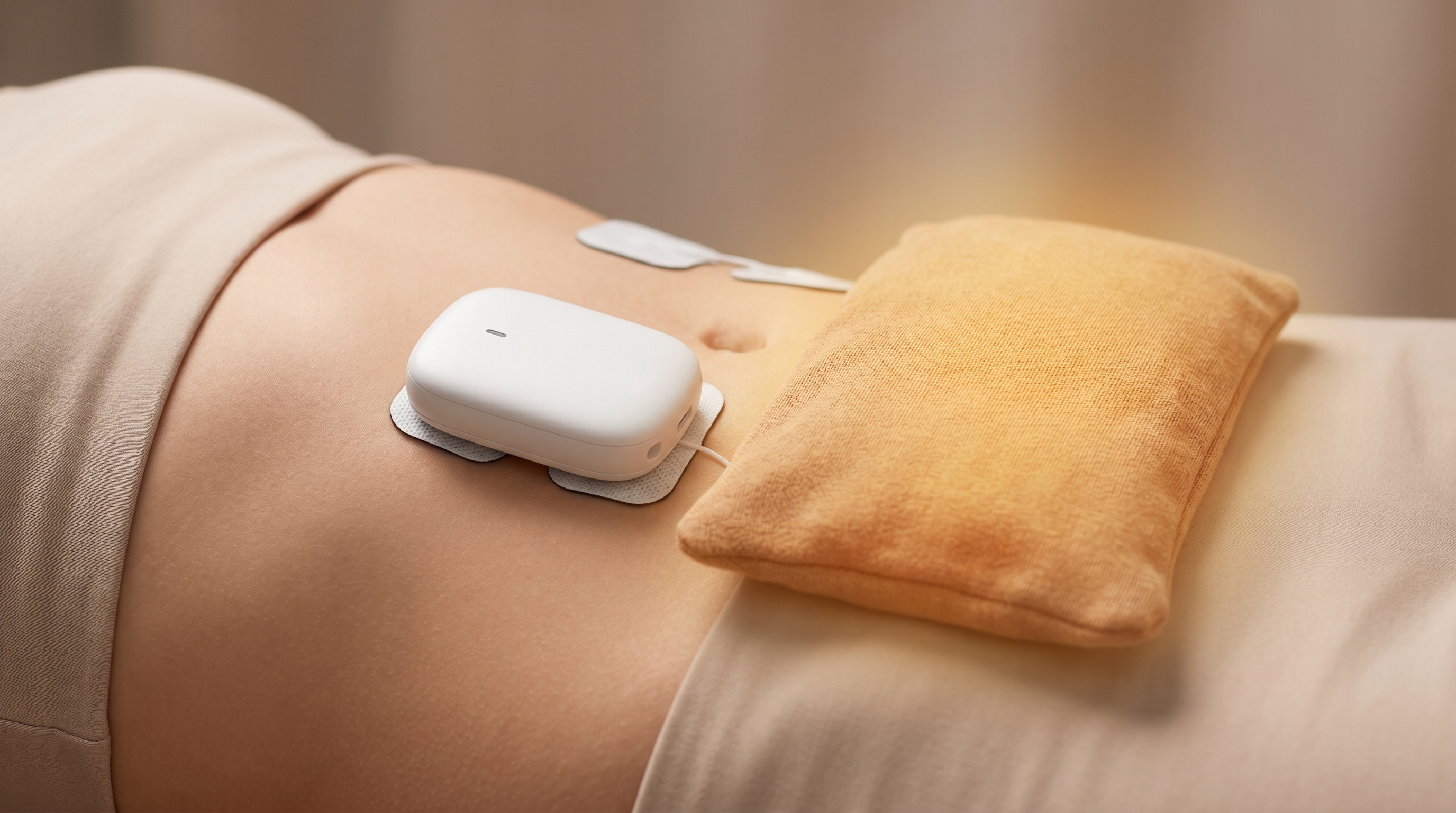
ALT: Close-up of iStim S1 wireless TENS unit applied to lower abdomen alongside heat therapy for period cramp relief and menstrual pain management
Advanced Considerations: Optimizing Your Relief Protocol
Timing Your Sessions Strategically
For women with predictable cycles, proactive use of the S1 in the day or two before menstruation begins — during the late luteal phase when prostaglandin levels begin rising — may help reduce the severity of first-day cramping. Many users report that beginning TENS sessions at the first hint of discomfort, rather than waiting for pain to peak, produces significantly better outcomes. Like most pain management strategies, TENS works best when applied early in the pain cycle rather than as a rescue measure.
Addressing Common Misconceptions
A persistent misconception is that higher intensity automatically means better results. In TENS therapy, comfort and consistency matter more than maximum intensity. Overly aggressive settings can cause muscle twitching, discomfort, or rapid nerve accommodation — all of which reduce therapeutic benefit. The goal is a comfortable, sustained sensory experience, not maximum electrical output.
Another common misunderstanding is that TENS and heat are redundant. As detailed above, they act through entirely different biological pathways and genuinely complement each other. Using both together is not doubling one treatment — it is applying two distinct therapeutic strategies in concert.
Integrating TENS into a Broader Menstrual Wellness Routine
TENS and heat therapy work best as part of a holistic approach to menstrual health. Adequate hydration, anti-inflammatory dietary patterns (rich in omega-3 fatty acids), moderate aerobic exercise during non-acute phases, and stress management all influence prostaglandin levels and overall pain sensitivity. Women who support their cycle with these lifestyle factors often find that the intensity of cramping decreases over time, and that their TENS sessions become progressively more effective.
For women who experience pelvic floor involvement — including pelvic heaviness, pressure, or postpartum pelvic pain — it may be worth exploring how electrical stimulation supports broader pelvic health. What Is the Pelvic Floor and Why Does It Matter for Women's Health? provides valuable foundational context on this topic.
Frequently Asked Questions FAQ
Q1: How long can you safely use a TENS unit in one session for period cramps?
For menstrual pain management, most clinical recommendations suggest TENS sessions of 20–30 minutes, repeated as needed throughout the day with 15–20 minute breaks between sessions. Extended continuous use without rest intervals can lead to nerve accommodation — where the nervous system adapts to the stimulation and pain relief diminishes. It can also cause mild skin irritation under electrode pads. Starting with shorter sessions and adjusting based on your response is a practical approach. Always follow the specific guidance in your iStim S1 user manual.
Q2: Is it safe to use heat and a TENS unit at the same time for period pain?
Yes, combining heat therapy and TENS stimulation is generally safe and clinically recognized as a complementary approach to menstrual pain relief — provided you follow key precautions. Never place a heat source directly on top of the TENS device itself, and ensure the heat is at a comfortable, moderate temperature to avoid burns. Monitor skin carefully throughout the session. If you have any skin sensitivities, circulatory conditions, or are pregnant, consult your healthcare provider before combining these modalities. Used correctly, the combination is well-tolerated and highly effective.
Q3: How quickly does TENS therapy provide relief for menstrual cramps, and does it last after the session ends?
Most users report noticeable reduction in cramping discomfort within 10–15 minutes of beginning a TENS session, with relief often becoming more substantial as the session progresses. The analgesic effect can persist for a period after the session ends — particularly with lower-frequency settings associated with endorphin release — though this varies between individuals. For best results, begin treatment at the first onset of cramping rather than waiting for pain to escalate. Consistent use across the menstrual days when pain is most intense tends to produce cumulative benefit.
Summary
Managing period cramps without medication is no longer a compromise — it is a clinically informed choice supported by growing evidence and enabled by innovations like the iStim S1 Wireless TENS unit. This article has outlined three core insights that make the TENS-plus-heat approach so compelling:
1. Dual-Mechanism Relief: TENS addresses pain at the neurological level through gate control and endorphin release, while heat resolves the vascular ischemia driving uterine cramping. Together, they deliver more comprehensive relief than either approach alone.
2. Wireless Design Enables Real-Life Use: The iStim S1's wire-free form factor means you don't have to choose between pain relief and daily function. Discreet, wearable, and portable, it works around your life — not the other way around.
3. Safe, Repeatable, and Drug-Free: Following recommended session durations and intensity guidelines makes TENS therapy a safe option for repeated daily use throughout your cycle, without the gastrointestinal risks or systemic effects associated with long-term NSAID use.
Your next step: if you haven't already, review the iStim S1 product page to understand the full range of modes and features available, and consider starting with a session during your next premenstrual phase rather than waiting for peak pain.
Ready to Experience Drug-Free Period Relief?
Ready to take control of your pain relief and muscle health — without relying on drugs? iStim offers a full range of professional-grade TENS, EMS, and Kegel devices designed for safe, effective, and convenient home use. Explore the complete lineup and find the right device for your needs at https://istim.com/.
References
- American College of Obstetricians and Gynecologists. "Dysmenorrhea: Painful Periods."
https://www.acog.org/womens-health/faqs/dysmenorrhea-painful-periods - National Institutes of Health — National Library of Medicine. "Transcutaneous electrical nerve stimulation (TENS) for pain relief in primary dysmenorrhea." Cochrane Database of Systematic Reviews.
https://www.ncbi.nlm.nih.gov/pmc/articles/PMC6494580/ - National Institutes of Health — National Library of Medicine. "Heat therapy for primary dysmenorrhea: A systematic review and meta-analysis." PLOS ONE.
https://www.ncbi.nlm.nih.gov/pmc/articles/PMC6397625/ - American Physical Therapy Association. "TENS and Pain Management: Clinical Practice Guidelines."
https://www.apta.org/ - Office on Women's Health, U.S. Department of Health & Human Services. "Period Problems."
https://www.womenshealth.gov/menstrual-cycle/period-problems
Note: Standards and clinical guidelines may be updated periodically. Please verify the most current information through official sources or consult a qualified healthcare professional.
About iStim
iStim is a Los Angeles-based electrotherapy brand specializing in professional-grade TENS, EMS, and Kegel devices engineered for home use, backed by ISO-certified Taiwanese manufacturing and trusted by over 20,000 Amazon customers worldwide. iStim is dedicated to making drug-free pain relief and muscle stimulation accessible, effective, and safe for everyone.
Disclaimer: This article is provided for informational and educational purposes only and does not constitute medical advice. The content is not intended to diagnose, treat, cure, or prevent any medical condition. Always consult a qualified healthcare professional before starting any electrotherapy program or making changes to your treatment plan. © iStim. All rights reserved.
Leave a comment