

iStim EV-805 Deep Dive: Programs, Channels, and Intensity Settings Explained
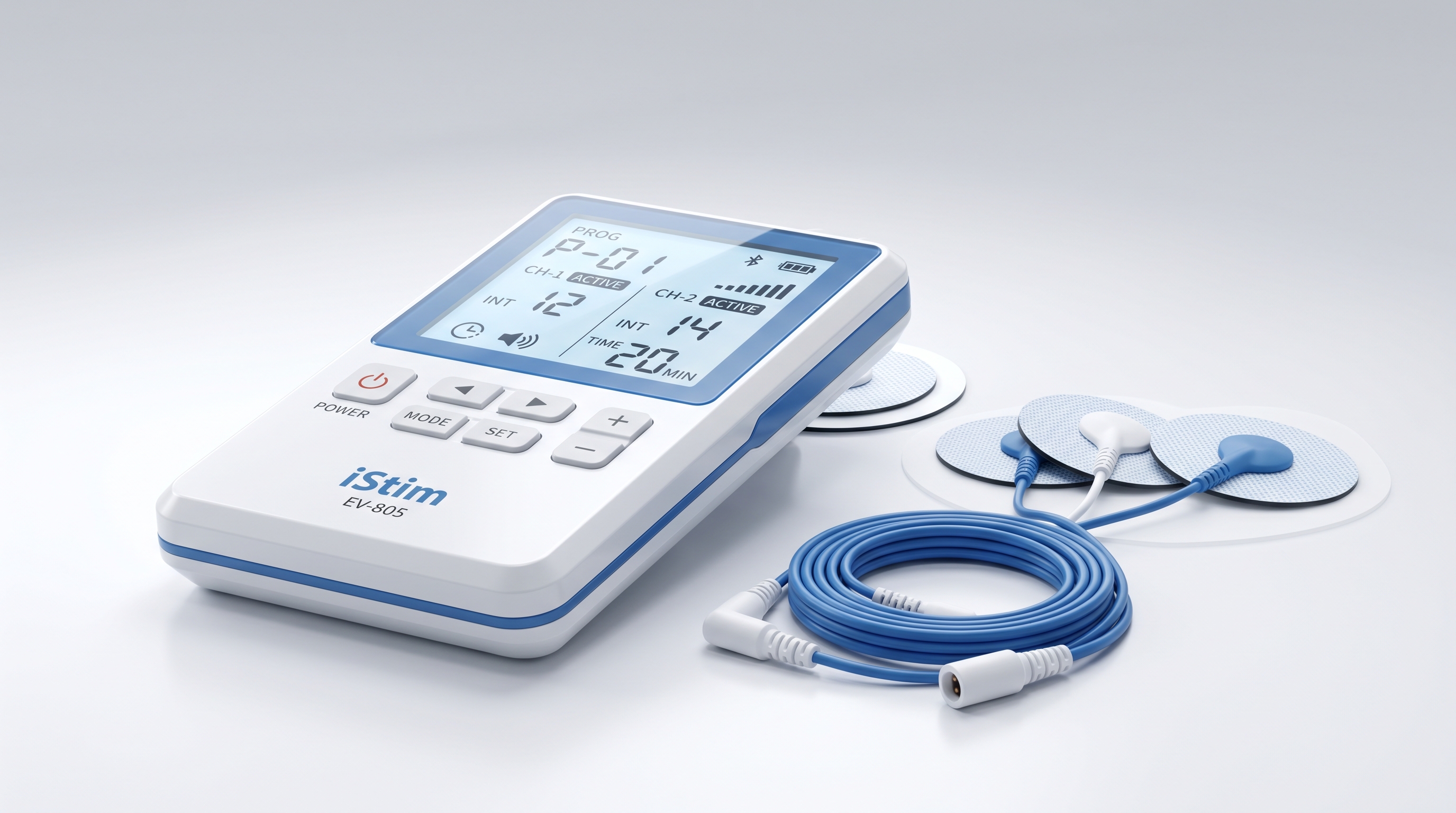
ALT: iStim EV-805 electrotherapy device with multiple programs, dual channels, and adjustable intensity settings for drug-free pain relief
Understanding the iStim EV-805: A Complete Guide to Programs, Channels, and Intensity Settings
Key Conclusion: The iStim EV-805 is a professional-grade TENS/EMS electrotherapy device designed for versatile, drug-free pain relief and muscle stimulation at home. With multiple pre-set programs, dual-channel capability, and a wide range of adjustable intensity levels, it gives users clinically meaningful control over their therapy — without requiring a clinic visit. Whether you're managing chronic back pain, recovering from a workout, or rebuilding muscle strength, understanding the EV-805's core settings is the first step toward getting real results.
The world of electrotherapy can feel technically overwhelming at first glance — especially when a device offers multiple modes, channels, and dozens of intensity increments. But once you understand the logic behind each setting, the iStim EV-805 becomes an intuitive, powerful wellness tool. This guide breaks down everything you need to know: what each program does, how dual channels work, and how to dial in the right intensity safely. We'll also address best practices for safe EMS device usage and avoiding muscle damage, so you can get the most out of every session.
Who This Guide Is For — and When to Use the EV-805
✅ Applicable Scenarios:
- Adults managing chronic or acute pain in the back, neck, shoulders, knees, or joints who want a drug-free alternative to medication
- Athletes and fitness enthusiasts using EMS programs for post-workout muscle recovery or pre-workout warm-up stimulation
- Seniors dealing with everyday aches and stiffness who prefer a gentle, controllable therapy they can use independently at home
- Individuals in physical rehabilitation who have been cleared by a healthcare provider to use electrotherapy devices at home
- Health-conscious users exploring non-pharmaceutical approaches to pain management and muscle conditioning
❌ Not Applicable/Cautions:
- Individuals with implanted electronic devices (such as pacemakers or defibrillators) — electrical stimulation can interfere with device function
- People with active cancer, epilepsy, deep vein thrombosis, or open wounds in the treatment area — consult a physician before use
- Pregnant women should avoid placing electrodes on the abdomen or lower back without explicit medical guidance
- Children under the recommended age threshold should not use the device without direct medical supervision
Why Electrotherapy Settings Matter More Than You Think
Electrotherapy has been used in clinical settings for decades. TENS (Transcutaneous Electrical Nerve Stimulation) works by sending low-voltage electrical impulses through the skin to interrupt or modulate pain signals traveling to the brain — a mechanism supported by the gate control theory of pain. EMS (Electrical Muscle Stimulation), on the other hand, targets motor nerves to produce actual muscle contractions, making it valuable for rehabilitation, muscle strengthening, and improving circulation.
The difference between a mediocre session and a genuinely therapeutic one often comes down to program selection, channel configuration, and intensity calibration. According to the American Physical Therapy Association, improper use of electrotherapy devices — particularly at incorrect intensity levels — can reduce efficacy or, in rare cases, cause skin irritation or muscle fatigue. This is why understanding your device's architecture matters.
Consumer demand for home-use electrotherapy has grown significantly in recent years, driven by rising healthcare costs, increased interest in non-pharmaceutical wellness, and the growing availability of professional-grade devices like the iStim EV-805. The iStim brand, backed by ISO-certified Taiwanese manufacturing and trusted by over 20,000 Amazon customers, sits at the intersection of clinical credibility and accessible home use — a positioning that makes understanding its features especially worthwhile.
For a broader look at how TENS and EMS therapies compare and complement each other, the iStim website offers detailed product guides and educational resources to help you choose the right device for your specific needs.
Deep Dive: Programs, Channels, and Intensity Settings on the EV-805
Three-Step Quick Start for New Users
Step 1: Prepare Your Skin and Place the Electrodes
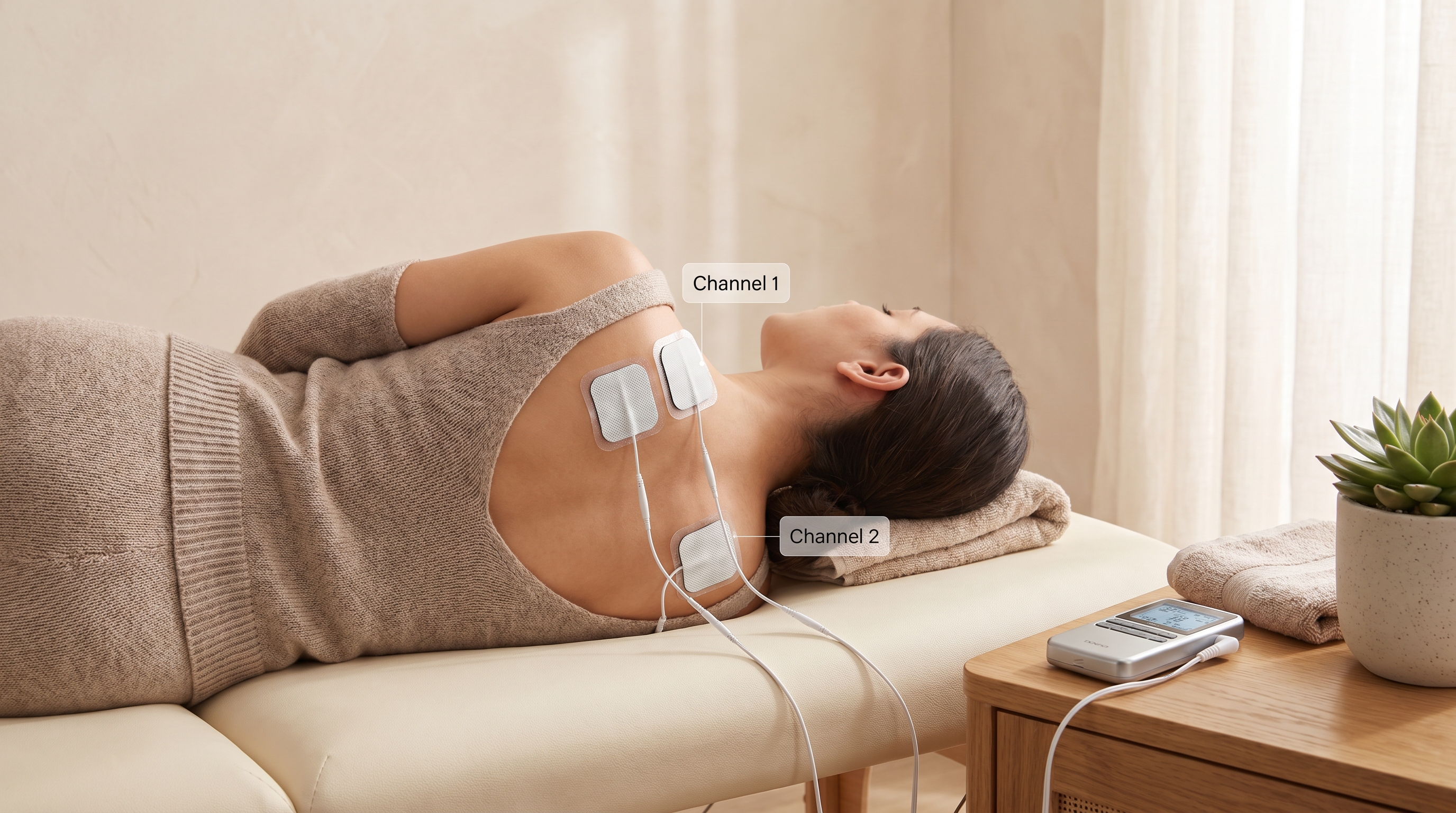
Before powering on the device, clean and dry the skin in the target treatment area. Attach the electrode pads firmly — poor adhesion is one of the most common causes of uneven stimulation or skin discomfort. For dual-channel use, position Channel 1 pads on one muscle group and Channel 2 pads on the adjacent or secondary area. Proper pad placement typically takes 2–5 minutes and is foundational to a successful session.
Step 2: Select Your Program and Mode
Power on the EV-805 and navigate to the program menu. Choose a TENS program for pain relief or an EMS program for muscle stimulation, depending on your goal. Pre-set programs are designed to cycle through waveforms optimized for specific outcomes — so starting with a pre-set rather than manual mode is recommended for beginners. Program selection should take no more than 1–2 minutes once you're familiar with the interface.
Step 3: Adjust Intensity Gradually and Begin Your Session
Start at the lowest intensity setting and increase slowly until you feel a comfortable, noticeable sensation — a gentle tingling for TENS or a mild pulsing contraction for EMS. Never jump to high intensity at the start of a session. Most therapeutic sessions run between 15 and 30 minutes. Always reduce intensity back to zero before removing pads or switching programs, and allow muscles adequate rest time between EMS sessions.
Program Comparison: Choosing the Right Mode for Your Goals
Understanding which program to use is the single most impactful decision you'll make when operating the EV-805. The device offers multiple pre-set programs spanning TENS and EMS modalities, each engineered for a distinct therapeutic purpose.
Below is a practical comparison of the primary program categories available on a device of this class, based on their typical clinical applications:
| Comparison Dimension | TENS Pain Relief Programs | EMS Muscle Stimulation Programs | Combination/Massage Programs |
|---|---|---|---|
| Primary Goal | Block or reduce pain signal transmission | Stimulate muscle contractions for strength or recovery | Blend relaxation with mild stimulation |
| Target Nerve Type | Sensory nerves | Motor nerves | Both sensory and motor |
| Sensation During Use | Tingling, buzzing, warmth | Pulsing, rhythmic muscle tightening | Variable — gentle to moderate |
| Best For | Chronic pain, arthritis, joint discomfort | Post-workout recovery, muscle atrophy, rehabilitation | General relaxation, circulatory support |
| Recommended Session Length | 20–30 minutes | 15–20 minutes per muscle group | 15–30 minutes |
| Intensity Approach | Moderate — below pain threshold | Progressive — build over sessions | Low to moderate |
| Frequency of Use | Multiple times daily (as tolerated) | Allow 48-hour muscle recovery between EMS sessions | Daily use generally well-tolerated |
This table reflects general clinical guidance and typical device capabilities. For the EV-805's specific program list and manufacturer recommendations, consult the included user manual or the iStim product page.
Understanding Dual-Channel Functionality
One of the most practical features of the iStim EV-805 is its dual-channel design. Each channel operates independently, meaning you can stimulate two separate muscle groups or body areas simultaneously — maximizing the efficiency of your therapy session without needing to run multiple sequential treatments.
How Dual Channels Work in Practice
In a standard single-channel setup, one pair of electrode pads delivers stimulation to one area. With dual channels, you use two pairs of pads connected to separate channel outputs on the device. Channel 1 and Channel 2 can be set to different intensity levels — which is particularly useful when treating areas with different pain thresholds or muscle mass.
For example, an athlete might place Channel 1 pads on the quadriceps and Channel 2 pads on the hamstrings during a post-workout EMS recovery session. Each channel's intensity can be tuned independently to match the responsiveness of that particular muscle group. This is a feature more commonly found in clinical-grade equipment, and its inclusion in the EV-805 reflects iStim's commitment to professional-quality home therapy.
Best Practices for Safe EMS Device Usage and Avoiding Muscle Damage
When using EMS programs on the EV-805 — or any electrotherapy device — the following practices are essential for safety and effectiveness:
- Never exceed comfortable intensity. The goal of EMS is a firm but painless muscle contraction. If the sensation becomes sharp or painful, reduce intensity immediately.
- Respect muscle recovery time. EMS induces real muscle contractions similar to voluntary exercise. Overuse without adequate rest can lead to delayed onset muscle soreness (DOMS) or, in extreme cases, muscle fatigue similar to overtraining.
- Avoid placing pads over joints, bony prominences, or broken skin. Electrode placement should target the belly of the muscle for optimal contraction and comfort.
- Recommended combination of EMS devices and traditional exercise: EMS works best as a complement to — not a replacement for — conventional physical activity. Use EMS for warm-up, recovery, or targeted strengthening, and continue your regular fitness routine. Research from sports science consistently shows that pairing EMS with voluntary exercise produces superior outcomes compared to either approach alone.
- Hydrate before and after sessions. Muscle stimulation increases local metabolic activity; adequate hydration supports recovery and reduces post-session fatigue.
Intensity Settings: Finding Your Therapeutic Window
The intensity settings on the EV-805 span a range designed to accommodate users from sensitive beginners to those accustomed to stronger stimulation. Here's how to think about the intensity spectrum:
Low intensity produces a subtle tingling or buzzing sensation. This range is ideal for first-time users, sensitive areas, or general relaxation-focused programs. Many users find that consistent low-to-moderate TENS sessions over time provide cumulative pain relief benefits.
Moderate intensity is where most therapeutic work happens. For TENS, moderate intensity should produce a clear, noticeable sensation without being uncomfortable. For EMS, moderate intensity will produce visible muscle contractions — the muscle will visibly twitch or contract rhythmically.
High intensity should only be approached gradually and with experience. For EMS, high intensity can produce strong contractions comparable to vigorous exercise. For most home users, mid-range intensity is both sufficient and sustainable for long-term use.
A practical rule of thumb from physical therapy practitioners: the right TENS intensity is the highest level that remains completely comfortable. The right EMS intensity is the highest level that produces a strong contraction without pain.
ALT: iStim EV-805 dual channel TENS EMS device with electrode pads placed on back and shoulder for drug-free pain relief and muscle recovery
Advanced Usage: Customization, Common Misconceptions, and Program Stacking
Special Situations and Customization Tips
Targeting Multiple Pain Points Simultaneously: The EV-805's dual-channel design is especially valuable for users with pain in more than one location — a common scenario for older adults or those with fibromyalgia-type widespread discomfort. By placing each channel's pads on separate pain sites, you can run a full therapeutic session for both areas in the same time it would take to treat one.
Adapting Intensity as Your Body Responds: It's normal to experience what clinicians call "accommodation" — a gradual reduction in perceived sensation at a fixed intensity level as your nervous system adapts. If a setting that once felt strong now feels mild, slightly increasing intensity maintains the therapeutic effect. This is not cause for concern; it reflects your body's natural neurological adaptation.
Using Massage Programs for Recovery and Relaxation: Many users overlook the massage-mode programs in favor of strictly clinical TENS or EMS settings. These programs, which typically alternate between different waveforms and frequencies, offer an excellent way to ease into a session, cool down after EMS work, or provide gentle daily relief without the higher intensity of full TENS or EMS programs.
Common Misconceptions About TENS and EMS
Misconception 1: "Higher intensity always means better results."
This is one of the most persistent myths in electrotherapy. For TENS, the therapeutic benefit comes from consistent sensory stimulation at a comfortable level — not from maximum intensity. For EMS, intensity should match your current fitness and recovery needs, not be pushed to the maximum.
Misconception 2: "EMS replaces exercise."
EMS is a powerful adjunct tool, but it cannot replicate the full cardiovascular, skeletal, and hormonal benefits of voluntary physical exercise. The recommended combination of EMS devices and traditional exercise is the optimal approach — use EMS to enhance, accelerate, and supplement your active lifestyle.
Misconception 3: "TENS provides a cure."
TENS is a management and relief tool, not a cure for underlying conditions. It works best as part of a comprehensive pain management plan that may include physical therapy, lifestyle modification, and medical care.
Frequently Asked Questions FAQ
Q1: How do I know which program to start with on the iStim EV-805?
For new users, the best practice is to start with a general TENS pain relief program at the lowest intensity setting. These pre-set programs are designed by clinicians to deliver a safe, effective stimulation pattern without manual adjustment. Once you're comfortable with the sensation and understand how the device responds, you can explore EMS programs or combination modes. If you have a specific condition, consult your healthcare provider for guidance on the most appropriate program selection.
Q2: Is it safe to use the EV-805 every day for pain relief?
For TENS programs focused on pain relief, daily use is generally considered safe and well-tolerated for most adults, provided sessions are kept within recommended time limits and intensity remains at comfortable levels. EMS programs, however, should be used with rest days factored in — just as you would with any exercise regimen — to allow muscles to recover. Always follow the user manual guidelines and consult a healthcare professional if you have any underlying medical conditions.
Q3: How long does it take to notice results from regular TENS or EMS sessions?
Results vary by individual, condition, and consistency of use. Many users report noticeable pain relief within the first few TENS sessions, particularly for acute pain or muscle tension. For chronic pain management or EMS-based muscle conditioning, consistent use over several weeks tends to produce more meaningful and lasting outcomes. Clinical studies on TENS therapy suggest that cumulative benefits — including reduced reliance on pain medication and improved mobility — often emerge after two to four weeks of regular, correctly applied therapy.
Summary
The iStim EV-805 is more than a device with buttons and pads — it's a structured therapeutic system with real clinical logic behind every program, channel, and intensity setting. Here are the three core takeaways from this deep dive:
1. Program selection is your most important decision. Matching the right program (TENS for pain, EMS for muscle stimulation, combination modes for recovery) to your specific goal is the foundation of effective treatment. Don't default to the same setting every session — adjust based on your current needs.
2. Dual-channel capability dramatically expands what's possible at home. The ability to treat two areas simultaneously — with independently adjusted intensity levels — brings professional clinic capability into your living room. Use it strategically for complex or multi-site treatment plans.
3. Intensity is a dial, not a target. The right intensity is always the one that feels therapeutic and comfortable, not the highest the device can produce. Safe, consistent, appropriately calibrated sessions produce better long-term outcomes than aggressive overuse.
Your next step: review the EV-805 user manual for the complete program list and manufacturer-specific recommendations, position your electrode pads correctly for your target area, and start your first session at minimum intensity. Build from there with confidence.
Ready to take control of your pain relief and muscle health — naturally and effectively? Explore iStim's full lineup of professional-grade TENS, EMS, and Kegel devices at https://istim.com/ and find the right solution for your body's needs. Trusted by over 20,000 customers and built to clinical standards, iStim makes drug-free electrotherapy accessible right from the comfort of your home.
References
- American Physical Therapy Association. "Electrophysical Agents in Physical Therapy Practice".
https://www.apta.org/ - National Institutes of Health — National Library of Medicine. "Transcutaneous Electrical Nerve Stimulation (TENS) for Chronic Pain Management".
https://www.ncbi.nlm.nih.gov/pmc/articles/PMC4186747/ - U.S. Food and Drug Administration. "Electrical Stimulators — Information for Patients".
https://www.fda.gov/medical-devices/consumer-products/electrical-stimulators - Mayo Clinic. "TENS: Can It Relieve Pain?".
https://www.mayoclinic.org/tests-procedures/tens/about/pac-20384842 - Journal of Sports Science and Medicine. "Effects of Electrical Muscle Stimulation on Strength and Recovery in Trained Athletes".
https://www.jssm.org/
Note: Standards and clinical guidelines may be updated. Always check the latest official documents or consult a qualified healthcare professional for personalized advice.
About iStim
iStim is a Los Angeles-based electrotherapy brand specializing in professional-grade TENS, EMS, and Kegel devices designed for safe and effective home use, backed by ISO-certified Taiwanese manufacturing and trusted by 20,000+ Amazon customers worldwide. Learn more at https://istim.com/.
© iStim. All rights reserved. This article is intended for informational purposes only and does not constitute medical advice. Always consult a qualified healthcare professional before beginning any new treatment or therapy program.
Leave a comment