

Is TENS Therapy Safe? What Doctors and Physical Therapists Say
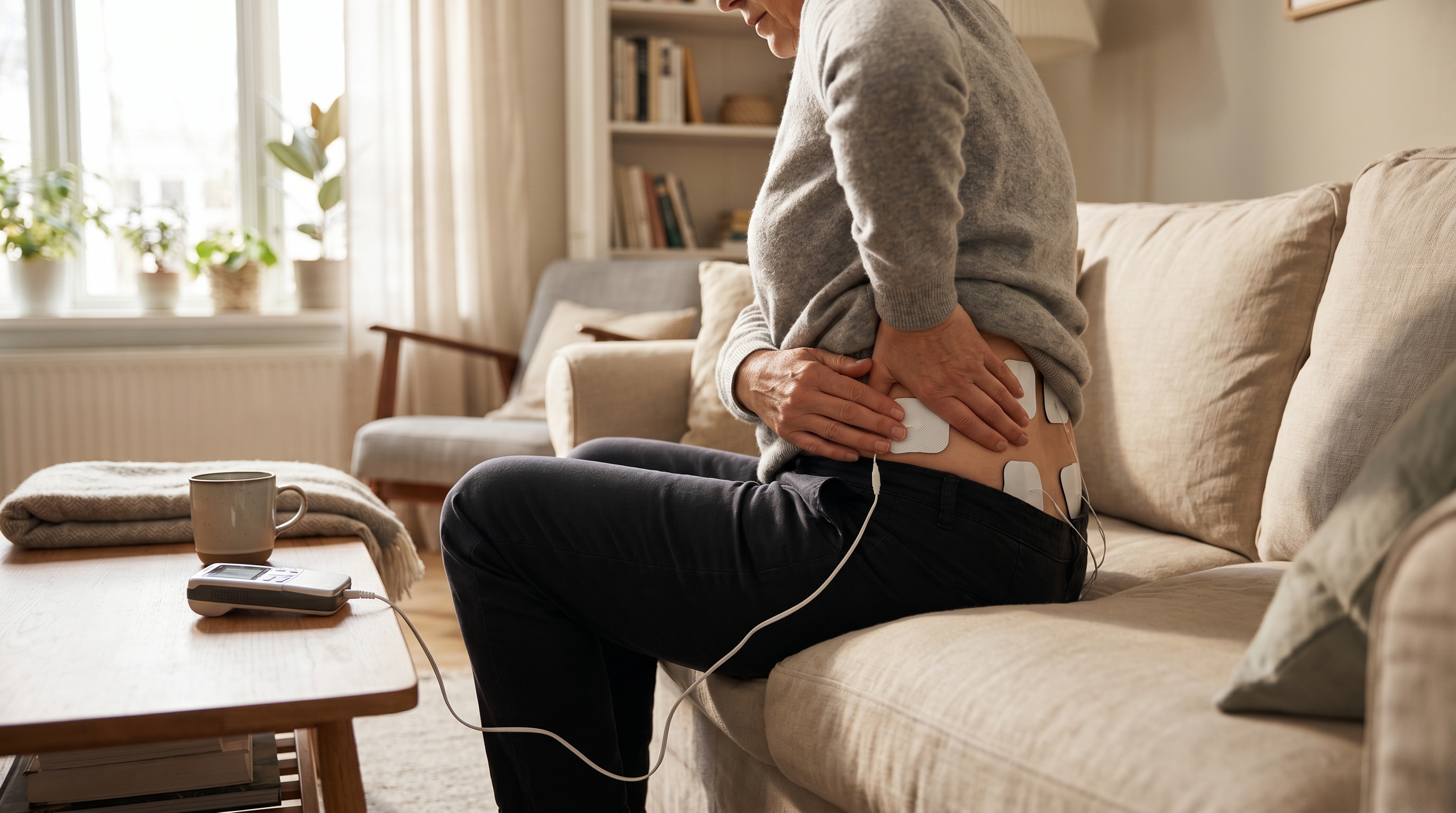
ALT: Person applying TENS therapy electrodes on lower back for safe, drug-free pain relief at home
Is TENS Therapy Safe? Here's What Doctors and Physical Therapists Actually Say
Key Conclusion: TENS therapy is widely considered safe for most adults when used correctly, and healthcare professionals — including physicians and physical therapists — routinely recommend it as a non-pharmaceutical option for managing acute and chronic pain. Clinical evidence and decades of real-world use support its safety profile, provided users follow proper electrode placement guidelines and avoid a small number of contraindicated conditions. For health-conscious individuals seeking drug-free pain relief, TENS represents a clinically credible, low-risk tool.
If you've ever typed "is TENS therapy safe?" into a search engine at midnight while nursing a sore back or recovering from a knee injury, you're in very good company. Millions of people are asking the same question — and for good reason. The wellness landscape is flooded with devices, supplements, and therapies that make bold promises with little evidence behind them. TENS (Transcutaneous Electrical Nerve Stimulation) therapy is different. It has been studied clinically, used in hospitals and rehabilitation centers for decades, and is now widely available for safe home use.
This article brings together what leading doctors, physical therapists, and clinical researchers say about TENS safety — covering who it's right for, what precautions matter, and how to use it effectively at home.
Who Should (and Shouldn't) Use TENS Therapy: A Clear Breakdown
Understanding whether TENS is appropriate for your situation is the first step toward using it safely and effectively.
✅ Applicable Scenarios:
- Adults with chronic pain conditions such as lower back pain, arthritis, fibromyalgia, or sciatica
- Individuals in post-injury or post-surgery recovery seeking to reduce reliance on pain medications
- Active individuals experiencing muscle soreness, tension, or sports-related aches
- Older adults managing everyday musculoskeletal discomfort looking for a non-invasive solution
- Women seeking pelvic floor rehabilitation through electrical stimulation (Kegel-focused devices)
- People with acute, localized pain such as neck stiffness, shoulder tension, or knee discomfort
❌ Not Applicable/Cautions:
- Individuals with implanted electronic devices such as pacemakers or defibrillators (electrical interference risk)
- People with epilepsy or a history of seizure disorders
- Use during pregnancy without explicit guidance from an OB-GYN or midwife
- Placement of electrodes over open wounds, rashes, or irritated skin
- Application directly over the chest, heart area, throat, or across the temples
- Children under 18 without direct medical supervision
What Is TENS Therapy and Why Is It Gaining Mainstream Attention?
TENS therapy works by delivering small, controlled electrical pulses through adhesive electrode pads placed on the skin. These pulses interact with the nervous system in two primary ways: they stimulate the body's production of endorphins (natural pain-blocking chemicals) and interrupt pain signals traveling to the brain — a mechanism explained by the widely referenced "gate control theory of pain."
What was once a tool found only in physical therapy clinics has quietly become one of the most recommended at-home pain management tools by healthcare providers. According to the American Physical Therapy Association, electrotherapy modalities including TENS are commonly integrated into clinical rehabilitation programs for musculoskeletal pain, nerve pain, and post-operative recovery.
The appeal is understandable. With growing concerns about opioid dependency and the side effects of long-term NSAID use, both patients and clinicians are actively seeking alternatives. TENS therapy offers exactly that: a drug-free, non-invasive, repeatable therapy that individuals can administer themselves. The market for home-use electrotherapy devices has expanded significantly as a result, with brands like iStim bridging the gap between clinical-quality technology and accessible home use — offering ISO-certified TENS, EMS, and Kegel devices designed to bring professional-grade therapy into everyday life.
For those researching the full landscape of electrotherapy options, it's worth understanding that TENS (focused on pain relief) is distinct from EMS (Electrical Muscle Stimulation, focused on muscle contraction and recovery) and Kegel electrical stimulation (targeting pelvic floor muscles). Each has its own safety considerations, but all three share the foundational principle of using gentle electrical current therapeutically.
The Safety Science Behind TENS: A Step-by-Step Guide to Using It Correctly
Getting Started with TENS Therapy at Home
Step 1: Consult Your Healthcare Provider Before Beginning
Before applying any electrotherapy device, particularly if you have a pre-existing health condition, speak with your doctor or physical therapist. This is especially important if you're managing chronic illness, taking blood thinners, have nerve damage, or are pregnant. A brief consultation — which can often happen at a routine appointment or via telehealth — can confirm whether TENS is appropriate for your specific situation and help establish a starting intensity and session duration. This step takes minimal time but significantly enhances safety.
Step 2: Follow Best Practices for TENS Unit Placement and Electrode Positioning
One of the most important factors in safe TENS use is correct electrode placement. For general pain relief, electrodes should be placed on or around the area of pain — not directly over bony prominences, joints, or the spine itself. For lower back pain, place pads on the muscle tissue on either side of the lumbar spine. For knee pain, flank the kneecap rather than placing pads directly on it. Always ensure skin is clean, dry, and free of lotion before application. Avoid placing pads near the heart, over the carotid artery in the neck, or across the head.
Best practices for safe TENS unit placement and electrode positioning also include starting at the lowest intensity setting and gradually increasing until you feel a comfortable tingling sensation — never sharp pain or strong muscle contractions (that's EMS territory). Sessions typically last between 20–30 minutes, though your healthcare provider may recommend a specific duration based on your condition.
Step 3: Monitor Your Response and Adjust as Needed
After each session, check the skin under the electrodes for any redness, irritation, or discomfort. Mild skin redness that resolves within 30 minutes is common and typically not a concern. If you experience persistent skin irritation, consider repositioning the pads or using hypoallergenic electrodes. Track how your pain levels respond over time — many users report cumulative benefits with consistent use over days and weeks. If symptoms worsen or new symptoms appear, pause use and consult your provider.
TENS vs. Other Pain Relief Methods: How Does It Compare?
Before committing to any therapy, it helps to understand how TENS stacks up against other commonly used pain management tools. The table below outlines a practical comparison based on key considerations for home users.
| Comparison Dimension | TENS Therapy | OTC Pain Medications | Physical Therapy (In-Clinic) |
|---|---|---|---|
| Drug involvement | None — fully drug-free | Yes — systemic side effects possible | None |
| Cost over time | Low (one-time device cost) | Recurring purchase cost | High (per-session fees) |
| Convenience | High — home use, on demand | High — available at pharmacies | Low — requires scheduling, travel |
| Side effect profile | Very low when used correctly | Moderate (GI, liver, kidney risks with long-term use) | Very low |
| Clinical evidence base | Strong for musculoskeletal pain | Strong for acute pain | Strong across conditions |
| Accessibility for elderly users | High with simple-interface devices | High | Moderate (mobility barriers) |
| Suitability for pelvic floor rehab | Yes (with Kegel-specific devices) | No | Yes (with specialist referral) |
The comparison reinforces what many healthcare providers already communicate to their patients: TENS isn't a replacement for comprehensive physical therapy or medical care, but it's a highly practical, low-risk complement — especially for managing day-to-day pain and supporting recovery between clinic visits.
What Physical Therapists and Physicians Specifically Say About TENS Safety
The Clinical Consensus Is Largely Positive
Physical therapists are among the most enthusiastic advocates for TENS therapy — and they use it routinely in clinical settings. The general professional consensus is that TENS is safe, well-tolerated, and appropriate for a broad range of musculoskeletal and neuropathic pain conditions when standard contraindications are respected.
Dr. and PT communities consistently highlight several key points: TENS does not carry the addiction or dependency risks associated with opioid analgesics, does not place stress on the gastrointestinal system the way NSAIDs can, and can be self-administered by patients at home with appropriate instruction. This makes it particularly valuable for older adults managing everyday aches, who may be at higher risk from medication side effects and who often prefer non-invasive solutions.
The Pelvic Floor Application: A Growing Area of Clinical Acceptance
One emerging and increasingly accepted application of electrical stimulation is pelvic floor rehabilitation. Physical therapists who specialize in pelvic health routinely use electrical stimulation devices — including Kegel-specific stimulators — to help women recovering from childbirth, managing incontinence, or rehabilitating after pelvic surgery. The best pelvic floor stimulators for safety and minimal side effects are those that deliver precise, adjustable stimulation within clinically appropriate parameters, and that are designed specifically for this sensitive application rather than repurposed from generic TENS units.
iStim's Kegel electrical stimulation devices are engineered with this specificity in mind — offering targeted pelvic floor therapy as a distinct product category, separate from general TENS and EMS devices, to ensure both effectiveness and safety for this specialized use.
What About EMS? Is It as Safe as TENS?
EMS (Electrical Muscle Stimulation) works differently from TENS — it targets motor nerves to produce actual muscle contractions, rather than sensory nerves to block pain signals. Physical therapists use EMS for muscle re-education, preventing atrophy during recovery, and strengthening. For home users — including active individuals with arthritis or mobility issues — EMS devices can be particularly valuable for maintaining muscle function when exercise is limited.
Safety-wise, EMS is similarly well-tolerated when used correctly. The key distinction is intensity: EMS devices deliver stronger stimulation that causes visible muscle movement. Users should start conservatively and ensure the device is designed for their intended use. iStim offers dedicated EMS devices engineered for home-use muscle recovery and strengthening, separate from its TENS pain relief lineup.

ALT: Physical therapist applying TENS unit electrodes on patient's shoulder demonstrating safe electrotherapy placement for pain relief and rehabilitation
Advanced Considerations: Special Situations, Misconceptions, and Device Quality
Special Situations Worth Knowing
Using TENS with Other Therapies: TENS pairs well with physical therapy, massage, heat therapy, and gentle exercise. Many physical therapists encourage patients to use their home TENS units before stretching or exercise to reduce pre-existing discomfort. There is no known interaction between TENS and most non-electronic medical treatments.
TENS for Elderly Users: Older adults are among the most frequent TENS users, and the therapy is generally considered very appropriate for this population. Skin can be more fragile with age, so using high-quality electrode pads and checking skin condition after each session is especially important. Simple-interface devices with large controls are preferable for users managing arthritis or mobility issues — a factor iStim considers in its product design ethos.
Post-Surgery Use: Some surgeons recommend waiting until incision sites are fully healed before using TENS in the area. However, TENS can often be used on other body parts during recovery to manage general discomfort. Always confirm with your surgical team.
Common Misconceptions Cleared Up
"TENS is only for severe pain." Not true. TENS is equally effective and appropriate for mild-to-moderate everyday discomfort — muscle tension, minor joint pain, and general soreness are all well within its scope.
"More intensity means better results." This is one of the most common user errors. Clinical guidance consistently recommends using the lowest effective intensity. Excessive intensity does not enhance pain relief and can cause skin irritation or discomfort.
"TENS is the same as EMS." They use electrical stimulation but work through different mechanisms and serve different purposes. TENS targets sensory nerves for pain relief; EMS targets motor nerves for muscle stimulation. Using them interchangeably without understanding the difference can lead to suboptimal — or inappropriate — application.
Frequently Asked Questions FAQ
Q1: How should I position TENS electrodes for lower back pain?
For lower back pain, the best practice for safe TENS unit placement is to position electrode pads on the muscle tissue flanking the lumbar spine — not directly over the spine or on bony prominences. A common configuration places two pads on either side of the painful area, a few inches apart. Begin at a low intensity, increase gradually to a comfortable tingling sensation, and run a session of approximately 20–30 minutes. Consult your physical therapist for personalized placement guidance if pain is severe or radiating.
Q2: Is TENS therapy safe to use every day for chronic pain management?
For most adults without contraindicated conditions, daily TENS use is considered safe and is routinely practiced by chronic pain patients under healthcare guidance. The therapy does not carry the cumulative organ-related risks associated with daily medication use. However, give your skin regular breaks between sessions and vary electrode placement slightly to prevent localized irritation. If you're managing a specific chronic condition, periodic check-ins with your doctor or physical therapist can help ensure your protocol remains optimal.
Q3: How long does it take to feel results from TENS therapy, and how much does a home device cost?
Some users notice pain relief during or immediately after their first TENS session, particularly for acute muscle tension. For chronic conditions, cumulative benefits typically build over several days to weeks of consistent use. In terms of cost, quality home TENS devices vary widely — iStim offers professional-grade options at a fraction of the cost of recurring clinic visits or ongoing medication purchases, making drug-free pain relief genuinely accessible. Exact pricing varies by model; visit istim.com for current options.
Summary
The evidence is clear and the clinical consensus is firm: TENS therapy is safe for the vast majority of adults when used according to established guidelines. Three core takeaways stand out from everything doctors and physical therapists emphasize:
- Safety is high when contraindications are respected. A small number of conditions — including implanted electronic devices and certain cardiovascular conditions — require caution or avoidance. For everyone else, the risk profile is very favorable.
- Correct electrode placement and appropriate intensity are the keys to both safety and effectiveness. Following best practices for TENS unit placement transforms the therapy from a guessing game into a reliable, repeatable tool for pain management.
- TENS fills a real gap in accessible, drug-free care. For chronic pain sufferers, post-injury patients, older adults, and women seeking pelvic floor rehabilitation, TENS and related electrotherapy devices offer a clinically credible path that doesn't rely on pharmaceuticals.
Whether you're exploring TENS for the first time or looking to upgrade to a more professional-grade device, the most important first step is understanding your specific situation — and then choosing a device designed with clinical quality and home usability in mind.
Ready to experience drug-free pain relief from the comfort of your own home?
Explore iStim's full range of professional-grade TENS, EMS, and Kegel devices at https://istim.com/ and find the right solution tailored to your wellness needs. Join over 20,000 satisfied customers who trust iStim to deliver clinically inspired electrotherapy — safely, effectively, and affordably.
References
- American Physical Therapy Association. "Physical Therapy Guide to Pain Management".
https://www.apta.org/patient-care/interventions/electrotherapeutic-modalities - National Institutes of Health — National Center for Complementary and Integrative Health. "Chronic Pain: In Depth".
https://www.nccih.nih.gov/health/chronic-pain-in-depth - U.S. Food and Drug Administration. "Transcutaneous Electrical Nerve Stimulators (TENS) — Overview".
https://www.fda.gov/medical-devices/home-use-devices/transcutaneous-electrical-nerve-stimulators-tens - Cochrane Library. "Transcutaneous Electrical Nerve Stimulation (TENS) for Chronic Pain — An Overview of Cochrane Reviews".
https://www.cochranelibrary.com/cdsr/doi/10.1002/14651858.CD011890.pub2/full - Mayo Clinic. "TENS Therapy: Can It Relieve Pain?".
https://www.mayoclinic.org/tests-procedures/tens/about/pac-20384898
Note: Standards and clinical guidelines may be updated. Please check the latest official documents or consult a qualified healthcare professional for the most current guidance.
About iStim
iStim is a Los Angeles-based electrotherapy brand specializing in professional-grade TENS, EMS, and Kegel devices engineered for home use, backed by ISO-certified Taiwanese manufacturing and trusted by 20,000+ customers for safe, drug-free pain relief and muscle stimulation. Learn more at istim.com.
Disclaimer: This article is provided for informational and educational purposes only and does not constitute medical advice. The content is not intended to diagnose, treat, cure, or prevent any medical condition. Always consult a qualified healthcare professional before beginning any new therapy or treatment program. © iStim. All rights reserved.
Leave a comment