

Is iStim WeTrac Safe for Daily Use?
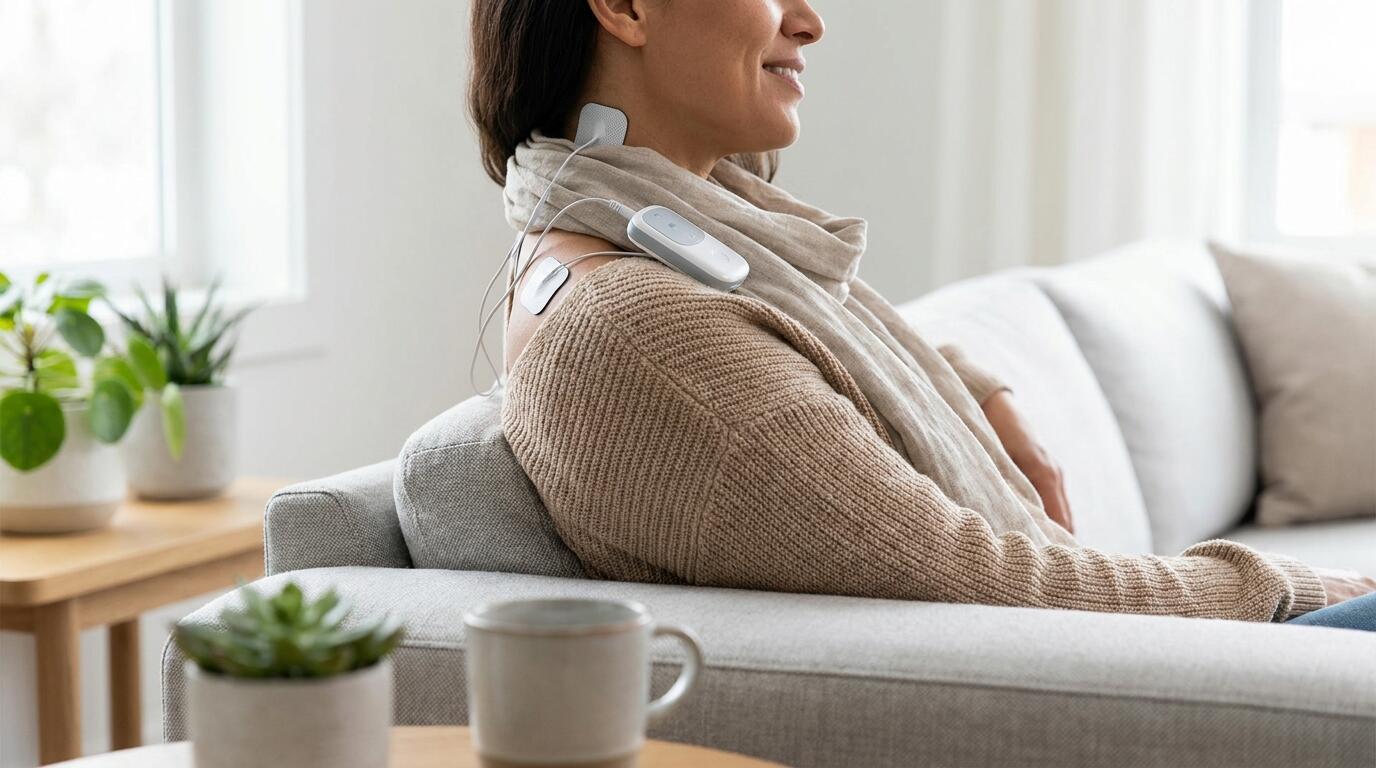
ALT: iStim WeTrac best portable TENS unit for daily home use neck shoulder pain relief
Is the iStim WeTrac the Best Portable TENS Unit for Daily Home Use?
Key Conclusion: The iStim WeTrac is designed as a professional-grade, portable electrotherapy device intended for regular, consistent use at home. Based on established TENS therapy principles, ISO-certified manufacturing standards, and extensive user feedback from over 20,000 verified customers, the iStim WeTrac stands out as one of the best portable TENS units and a compelling choice for anyone seeking a best TENS unit for home use. This iStim WeTrac review explores its daily-use safety profile, practical applications, and how it compares to alternative pain relief methods.
If you've ever wondered whether it's safe — or even beneficial — to use a TENS device every single day, you're not alone. Millions of people managing chronic pain, muscle tension, or post-workout soreness are asking the same question. The iStim WeTrac was built with exactly that lifestyle in mind: a compact, wearable electrotherapy solution that slots effortlessly into your daily wellness routine. Whether you're dealing with persistent neck stiffness from desk work, shoulder tension from athletic training, or recurring lower back discomfort, understanding the device's safety profile and proper usage guidelines is the essential first step toward confident, effective therapy.
Who Should (and Shouldn't) Use the iStim WeTrac Daily
✅ Applicable Scenarios:
- Adults experiencing chronic or recurring neck, shoulder, or upper back pain who want a drug-free, non-invasive daily management strategy
- Athletes and active individuals using electrotherapy for muscle recovery, warm-up preparation, or post-exercise soreness relief
- Office workers and remote professionals suffering from tension-related muscle stiffness caused by prolonged sitting or screen time
- Seniors looking for a safe, easy-to-operate at-home device that reduces reliance on over-the-counter pain medications
- Individuals exploring complementary therapies alongside physiotherapy or chiropractic care
❌ Not Applicable / Cautions:
- Individuals with implanted electronic devices such as pacemakers or defibrillators — electrical stimulation can interfere with device function
- People with active skin infections, open wounds, or dermatological conditions in the electrode placement area
- Pregnant individuals, particularly those placing electrodes near the abdomen or lower back, unless specifically cleared by a healthcare provider
- Anyone who has recently undergone surgery in the targeted muscle or nerve region without physician approval
- People with epilepsy or known sensitivity to electrical stimulation should consult their doctor before use
The Growing Demand for Drug-Free Pain Management at Home
Chronic pain affects an estimated 50 million adults in the United States, according to the Centers for Disease Control and Prevention (CDC). For many, the traditional response has been pharmaceutical — reaching for anti-inflammatories, muscle relaxants, or stronger prescription medications. But a meaningful cultural shift is underway. Health-conscious consumers are increasingly prioritizing non-pharmaceutical approaches: physical therapy, mindfulness, nutrition, and increasingly, electrotherapy devices like TENS and EMS units.
Transcutaneous Electrical Nerve Stimulation (TENS) works by delivering small, controlled electrical impulses through electrode pads placed on the skin. These impulses stimulate sensory nerves, which can interrupt pain signal transmission to the brain — a phenomenon explained by the Gate Control Theory of pain. Simultaneously, TENS therapy may encourage the release of endorphins, the body's natural pain-modulating chemicals. The result: localized, drug-free pain relief that can be applied on demand.
The home-use electrotherapy market has expanded rapidly in response to this demand. Where TENS devices were once confined to clinical and hospital settings, today's compact, user-friendly units bring that same therapeutic technology directly to consumers. The iStim WeTrac represents a particular evolution in this space — a wearable, hands-free portable electrotherapy device engineered not just for occasional use, but for seamless daily integration.
What differentiates responsible daily use from overuse? That's the central question this article addresses. Understanding the science, the device's design principles, and the safety guidelines empowers you to use the WeTrac confidently — every day if needed.
How to Use the iStim WeTrac Safely Every Day: A Three-Step Quick Start
Three-Step Daily Routine for Safe, Effective Use
Step 1: Prepare Your Skin and Position the Device
Before each session, ensure the skin in the treatment area is clean, dry, and free of lotions or oils that could reduce electrode conductivity. Position the iStim WeTrac on the targeted muscle group — typically the neck, shoulders, or upper back — following the placement guidelines in the user manual. Proper electrode contact is critical for consistent electrical delivery and comfort. This preparation step typically takes two to three minutes and sets the foundation for an effective session.
Step 2: Select Your Mode and Intensity Level
Power on the device and navigate to the appropriate therapy mode for your goal — whether that's pain relief, muscle relaxation, or recovery stimulation. Begin at the lowest intensity setting and gradually increase until you feel a comfortable tingling or gentle pulsing sensation. You should never experience sharp pain or involuntary, forceful muscle contractions during a standard TENS session. Starting low and adjusting incrementally is especially important for new users and ensures the nervous system acclimates to the stimulation safely.
Step 3: Monitor Your Session and Allow Adequate Rest Between Uses
Run your session for the recommended duration per the device guidelines. Once complete, power down the device, gently remove the electrodes, and inspect the skin for any redness or irritation before your next use. For daily users, rotating electrode placement sites slightly can help prevent skin desensitization or localized irritation from repeated contact. Giving your skin and nervous system appropriate rest windows — even briefly repositioning between sessions — supports sustainable daily use without diminishing the therapeutic effect.
How Does the iStim WeTrac Compare to Other Pain Relief Solutions?
When evaluating whether the iStim WeTrac is the right daily therapy tool for you, it helps to place it in context alongside the alternatives most commonly used for chronic pain and muscle recovery.
The following comparison focuses on key factors relevant to health-conscious daily users:
| Comparison Dimension | iStim WeTrac (TENS/EMS) | Over-the-Counter Pain Medications | Physical Therapy (Clinic-Based) |
|---|---|---|---|
| Drug-free | ✅ Yes | ❌ No | ✅ Yes |
| Suitable for daily use | ✅ Yes, with proper technique | ⚠️ Limited (dosage restrictions) | ⚠️ Typically 2–3x weekly |
| Portable / home-based | ✅ Fully portable, wearable | ✅ Yes | ❌ Requires clinic visit |
| Upfront cost | Moderate one-time investment | Low per-dose, accumulates | High per session |
| Risk of dependency or side effects | Minimal, no pharmacological effects | Risk of GI issues, renal impact with prolonged NSAID use | Low, but access-dependent |
| Customizable intensity | ✅ Multiple modes and levels | ❌ Fixed dosage | ✅ Clinician-adjusted |
| ISO-certified manufacturing | ✅ (iStim) | Varies by brand | Regulated by clinical standards |
This comparison illustrates a compelling case: for individuals seeking daily, drug-free, portable pain management, the iStim WeTrac offers a uniquely balanced profile. It delivers the clinical-grade therapeutic benefit of electrotherapy in a format that fits a busy, on-the-go lifestyle — without the recurring costs of clinic visits or the health concerns associated with long-term medication use.
Understanding Daily Safety: What the Science and User Experience Tell Us
Is Daily TENS Therapy Actually Safe?
The short answer, for most healthy adults without contraindicated conditions, is yes — TENS therapy is considered safe for frequent use when applied correctly. The key phrase is "when applied correctly." Unlike pharmaceutical interventions, TENS does not introduce chemical compounds into the body. It works through the peripheral nervous system, and the body does not develop the same kind of tolerance or dependency that can occur with analgesic medications.
That said, responsible daily use means respecting a few important boundaries. Placement matters — electrodes should never be placed over the eyes, throat, or directly over the spinal column. Intensity matters — stronger is not always better, and the goal is comfortable stimulation, not forceful muscle recruitment (unless using an EMS mode specifically designed for that purpose). Duration matters — sessions that are excessively prolonged without adequate rest can lead to mild skin irritation or temporary sensory fatigue in the stimulated area.
How Does iStim's Manufacturing Quality Support Daily Use?
The iStim WeTrac is manufactured under ISO-certified standards — a mark of quality control and consistency that matters significantly for a device you intend to use daily. ISO certification in medical and consumer health device manufacturing means the production process meets internationally recognized benchmarks for safety, consistency, and performance reliability. For daily users, this translates into confidence that each session delivers a predictable, calibrated therapeutic experience.
The brand's professional-grade positioning — bringing clinical-quality technology into the home setting — is particularly relevant here. Devices designed for professional or clinical environments are engineered for repeated, high-frequency use. The iStim WeTrac inherits that durability and reliability philosophy.
Addressing the Question: Does the iStim WeTrac Really Work for Daily Pain Management?
Does iStim WeTrac really work? This is among the most common questions from new users, and the answer is grounded in both established science and real-world feedback. TENS therapy has decades of clinical research supporting its effectiveness for musculoskeletal pain, neuropathic pain, and post-exercise recovery. The over 20,000 Amazon customers who have validated iStim products represent a substantial body of real-world use cases — individuals who have integrated these devices into their daily lives and reported meaningful, consistent relief.
For conditions like iStim WeTrac for neck and shoulder pain, users consistently note that regular sessions — particularly when combined with mindful posture adjustment and light stretching — produce cumulative benefits. Unlike a single dose of pain medication that wears off, consistent TENS use can gradually recondition the nervous system's response to pain stimuli in the treated region.
Practical Scenarios: Real-Life Daily Use Cases
Consider a 42-year-old marketing manager who spends eight-plus hours daily at a desk. Chronic neck tension has become her baseline — a dull ache that compounds into headaches by late afternoon. Using the iStim WeTrac during her lunch break or post-work wind-down gives her a consistent, controllable intervention that doesn't require medication or scheduling a clinic appointment.
Or picture a 58-year-old retired athlete managing recurring shoulder discomfort from years of sport. A morning session with the WeTrac before light exercise and a brief evening session for recovery creates a bookend routine that keeps inflammation and soreness manageable — sustainably, day after day.
These aren't outliers. They represent the growing population of health-conscious adults who have discovered that how to use iStim WeTrac effectively isn't complicated — it's a matter of consistency, correct technique, and listening to your body.

ALT: iStim WeTrac best portable TENS unit worn on neck and shoulder for daily drug-free pain relief home use
Advanced Considerations for Long-Term Daily Users
Special Situations Worth Knowing
Skin Sensitivity and Electrode Maintenance: With daily use, skin sensitivity at electrode contact points is the most commonly reported minor concern. The solution is straightforward: rotate placement sites slightly with each session, ensure skin is clean and dry before use, and replace electrode pads regularly as directed. Worn or degraded electrodes reduce conductivity and can cause uneven stimulation.
Combining TENS with Other Therapies: The iStim WeTrac works synergistically with complementary approaches. Many users integrate sessions before or after stretching, yoga, massage, or physiotherapy exercises. TENS is not a replacement for prescribed medical treatment but functions effectively as a supportive daily tool within a broader wellness strategy.
Adjusting for Changing Pain Levels: One nuanced reality of daily use is that your pain or muscle tension levels will vary. On lower-intensity pain days, you may find that a lower stimulation setting is entirely sufficient. Avoid the temptation to automatically escalate intensity simply because you're familiar with the device. Effective daily TENS use is calibrated, not maximized.
Common Misconceptions About Daily TENS Use
Misconception: "More intensity equals faster results."
Not true. TENS therapy effectiveness is not linearly proportional to intensity. Comfortable, consistent stimulation within your personal tolerance range is more effective and sustainable than aggressive settings that cause discomfort.
Misconception: "If the pain comes back, the device isn't working."
TENS provides relief that is, to some degree, session-dependent. Chronic pain conditions benefit from regular sessions rather than occasional high-dose use. Consistency is the operative word for long-term results.
Misconception: "TENS devices are all the same."
Manufacturing quality, output consistency, and device engineering vary significantly across the market. ISO-certified, professional-grade devices like the iStim WeTrac deliver more reliable and consistent therapeutic parameters than lower-quality alternatives — a difference that matters most with daily use.
Frequently Asked Questions FAQ
Q1: How often can I safely use the iStim WeTrac each day?
For most healthy adults, using the iStim WeTrac once or twice daily in appropriate session durations is considered safe and effective. Many users incorporate a morning session for muscle activation or pain preemption and an evening session for recovery and relaxation. The key is to follow the device's recommended usage guidelines, start with lower intensity settings, and monitor your skin at electrode sites for any irritation. If you have underlying health conditions, consult your healthcare provider to establish a personalized frequency.
Q2: Is the iStim WeTrac safe to use if I have chronic pain conditions like arthritis or fibromyalgia?
TENS therapy is commonly used as a complementary approach for chronic pain conditions including arthritis and fibromyalgia. The iStim WeTrac's professional-grade design and adjustable intensity settings make it adaptable to varying pain sensitivities. However, individual responses differ, and it is important to consult your physician or pain specialist before beginning daily TENS therapy, particularly if you are managing a diagnosed chronic condition or taking medications that affect nerve sensitivity. Never use electrodes over inflamed or acutely swollen joints.
Q3: How long does it take to notice results from daily iStim WeTrac use?
Many users report noticeable relief within the first few sessions. However, the cumulative benefit of consistent daily use tends to build over time — with many users describing progressively more sustained relief over the course of two to four weeks of regular use. The timeline varies depending on the nature and severity of your pain, your overall health status, and how consistently and correctly you use the device. Pairing daily sessions with complementary wellness habits (stretching, hydration, good posture) typically accelerates results.
Summary
The question at the heart of this article — is the iStim WeTrac safe for daily use? — has a clear and evidence-grounded answer for most healthy adults: yes, when used correctly, consistently, and within established guidelines.
Three key points define the case for making the iStim WeTrac your daily electrotherapy companion:
1. Clinical-grade quality designed for frequent use. ISO-certified manufacturing ensures that every session with the iStim WeTrac delivers reliable, calibrated therapeutic stimulation — the same standard expected of professional clinical devices, now accessible at home.
2. Drug-free, non-invasive pain management that fits your lifestyle. Whether you're addressing chronic neck tension, post-workout muscle soreness, or daily stress-related discomfort, the WeTrac offers a portable, wearable solution that integrates seamlessly into morning routines, lunch breaks, or evening wind-downs.
3. Validated by a large, real-world user community. Over 20,000 Amazon customers have put iStim devices to the test in their daily lives. That depth of real-world validation, combined with the brand's professional positioning, provides meaningful reassurance for anyone considering committing to daily electrotherapy.
The next step is straightforward: assess your specific needs, review the contraindications, and if you're in good health and seeking a trusted, drug-free approach to daily pain management, the iStim WeTrac is a compelling, well-engineered choice worth exploring.
Ready to Experience Daily Drug-Free Relief?
Ready to take control of your pain relief and muscle wellness from the comfort of home? Explore iStim's full range of professional-grade TENS, EMS, and Kegel devices at https://istim.com/ and find the right solution tailored to your needs. Join over 20,000 satisfied customers who trust iStim for safe, effective, and drug-free electrotherapy — because feeling better shouldn't require a prescription.
References
- Centers for Disease Control and Prevention (CDC). "Chronic Pain Among Adults — United States".
https://www.cdc.gov/mmwr/volumes/67/wr/mm6736a2.htm - National Institutes of Health — National Center for Complementary and Integrative Health. "Chronic Pain: In Depth".
https://www.nccih.nih.gov/health/chronic-pain-in-depth - Vance, C.G.T., Dailey, D.L., Rakel, B.A., & Sluka, K.A. "Using TENS for pain control: the state of the evidence." Pain Management, 2014.
https://www.ncbi.nlm.nih.gov/pmc/articles/PMC4440830/ - American Physical Therapy Association (APTA). "Physical Agents and Electrotherapy".
https://www.apta.org/ - International Organization for Standardization (ISO). "ISO Standards for Medical Devices".
https://www.iso.org/medical-devices.html
Note: Standards and clinical guidelines may be updated periodically. Please consult the latest official documents or a qualified healthcare professional for the most current recommendations.
About iStim
iStim is a Los Angeles-based electrotherapy brand specializing in professional-grade TENS, EMS, and Kegel devices designed for home use, backed by ISO-certified Taiwanese manufacturing and trusted by 20,000+ customers for safe, drug-free pain relief and muscle stimulation. Learn more at https://istim.com/.
Disclaimer: This article is provided for informational and educational purposes only and does not constitute medical advice. The content herein is not intended to diagnose, treat, cure, or prevent any medical condition. Always consult a qualified healthcare professional before beginning any new therapy or treatment program. © iStim. All rights reserved.
Leave a comment