

How to Use the iStim V2 Kegel Exerciser: A Complete Setup and Usage Guide

ALT: Woman using iStim V2 Kegel Exerciser device for pelvic floor muscle stimulation and rehabilitation at home
Getting Started with the iStim V2 Kegel Exerciser: What Every User Should Know
Key Conclusion: The iStim V2 Kegel Exerciser is a professional-grade pelvic floor stimulation device designed for safe, effective home use. Whether you're recovering postpartum, managing urinary incontinence, or proactively strengthening your pelvic floor, this complete setup and usage guide will help you get the most out of every session — drug-free, clinically informed, and from the comfort of your own home.
Pelvic floor health is one of the most underaddressed aspects of physical wellness — yet it affects millions of adults across every life stage. From postpartum mothers navigating bladder control challenges to older adults seeking to reduce urinary leakage or improve core stability, the need for accessible, at-home pelvic floor therapy has never been greater.
The iStim V2 Kegel Exerciser meets that need with a thoughtful, user-focused design that brings professional-level electrical muscle stimulation (EMS) directly to your home. This guide walks you through everything: from understanding who benefits most from this device, to step-by-step setup instructions, program selection tips, safety best practices, and answers to the questions real users ask most. If you're new to Kegel stimulation or simply want to use your V2 more effectively, you're in the right place.
Who Should (and Shouldn't) Use the iStim V2 Kegel Exerciser
✅ Applicable Scenarios:
- Postpartum women experiencing weakened pelvic floor muscles, urinary leakage, or reduced pelvic tone following childbirth
- Adults managing stress urinary incontinence or urgency incontinence who seek a drug-free, non-invasive therapy option
- Individuals completing pelvic floor physical therapy and looking for a consistent at-home maintenance solution between clinic visits
- Older adults proactively working to preserve pelvic floor strength and reduce age-related muscle decline
- Those who have been cleared by a healthcare provider to begin or continue Kegel exercises but find voluntary contractions difficult or inconsistent
❌ Not Applicable/Cautions:
- Individuals with implanted electronic devices such as pacemakers or defibrillators — electrical stimulation may interfere with device function
- Pregnant women, unless use has been explicitly approved by an obstetrician or pelvic floor specialist
- Anyone with active pelvic infections, open wounds, or undiagnosed pelvic pain — consult a healthcare provider before use
- Individuals with epilepsy, cancer in the treatment area, or compromised skin sensation in the pelvic region
Why Pelvic Floor Stimulation Matters: The Science and the Need
The pelvic floor is a group of muscles, ligaments, and connective tissues that form the base of the pelvis, supporting the bladder, bowel, and — in women — the uterus. When these muscles weaken due to childbirth, hormonal changes, aging, or prolonged inactivity, the consequences can range from inconvenient to significantly life-limiting: urinary leakage, pelvic organ prolapse, reduced sexual function, and chronic pelvic discomfort.
Traditional Kegel exercises — voluntary contractions of the pelvic floor — are widely recommended by clinicians. However, research consistently shows that a large proportion of patients perform them incorrectly, recruiting the wrong muscle groups, applying inadequate effort, or simply failing to maintain the consistency required for meaningful improvement. A study published in the Journal of Physical Therapy Science found that nearly 30% of women given written Kegel instructions were unable to perform a correct voluntary contraction without additional guidance.
This is precisely where Kegel electrical muscle stimulation (EMS) fills a critical gap. By delivering gentle, precisely calibrated electrical impulses to the pelvic floor via an internal probe, devices like the iStim V2 cause involuntary muscle contractions — ensuring the correct muscles are engaged every time, regardless of the user's baseline body awareness or exercise experience.
The global market for pelvic floor rehabilitation devices has grown substantially in recent years, reflecting increasing awareness of pelvic floor disorders among both women and men. This shift has encouraged brands like iStim to develop professional-grade devices accessible to everyday consumers — not just physical therapy clinics.
The iStim V2 Kegel Exerciser represents iStim's commitment to bringing that clinical quality home. Engineered under ISO-certified manufacturing standards and backed by the trust of more than 20,000 Amazon customers, the V2 is designed with both efficacy and user comfort in mind. For those navigating postpartum recovery, incontinence management, or simply age-related pelvic floor decline, understanding how to use this device correctly is the first step toward meaningful, lasting results.
How to Use the iStim V2 Kegel Exerciser: Step-by-Step Setup and Operation
Three-Step Quick Start
Step 1: Prepare the Device and Probe
Before your first session, ensure the device is adequately charged or has fresh batteries as applicable. Inspect the vaginal probe for any visible damage or residue from prior use — it should be clean, smooth, and intact. Apply a generous amount of water-based lubricant to the probe tip and shaft; this ensures comfortable insertion and optimal electrical conductivity between the probe and pelvic floor tissue. Never use silicone-based lubricants, as these can degrade probe materials over time. Wash your hands thoroughly before handling the probe. The entire preparation process typically takes two to three minutes and sets the foundation for a safe, effective session.
Step 2: Insert the Probe and Connect to the Device
Find a comfortable position — lying on your back with knees bent, or sitting upright on the edge of a chair are common preferences. Gently insert the lubricated probe into the vaginal canal until comfortably positioned; the probe should sit snugly but without pressure or discomfort. Once inserted, connect the probe lead wire to the corresponding port on the iStim V2 main unit. Power on the device. At this stage, the intensity should be set to zero. Slowly increase the intensity using the adjustment controls until you feel a gentle, rhythmic pulsing sensation. The sensation should never be painful — a mild tingling or muscle contraction feeling is the target.
Step 3: Select Your Program and Complete Your Session
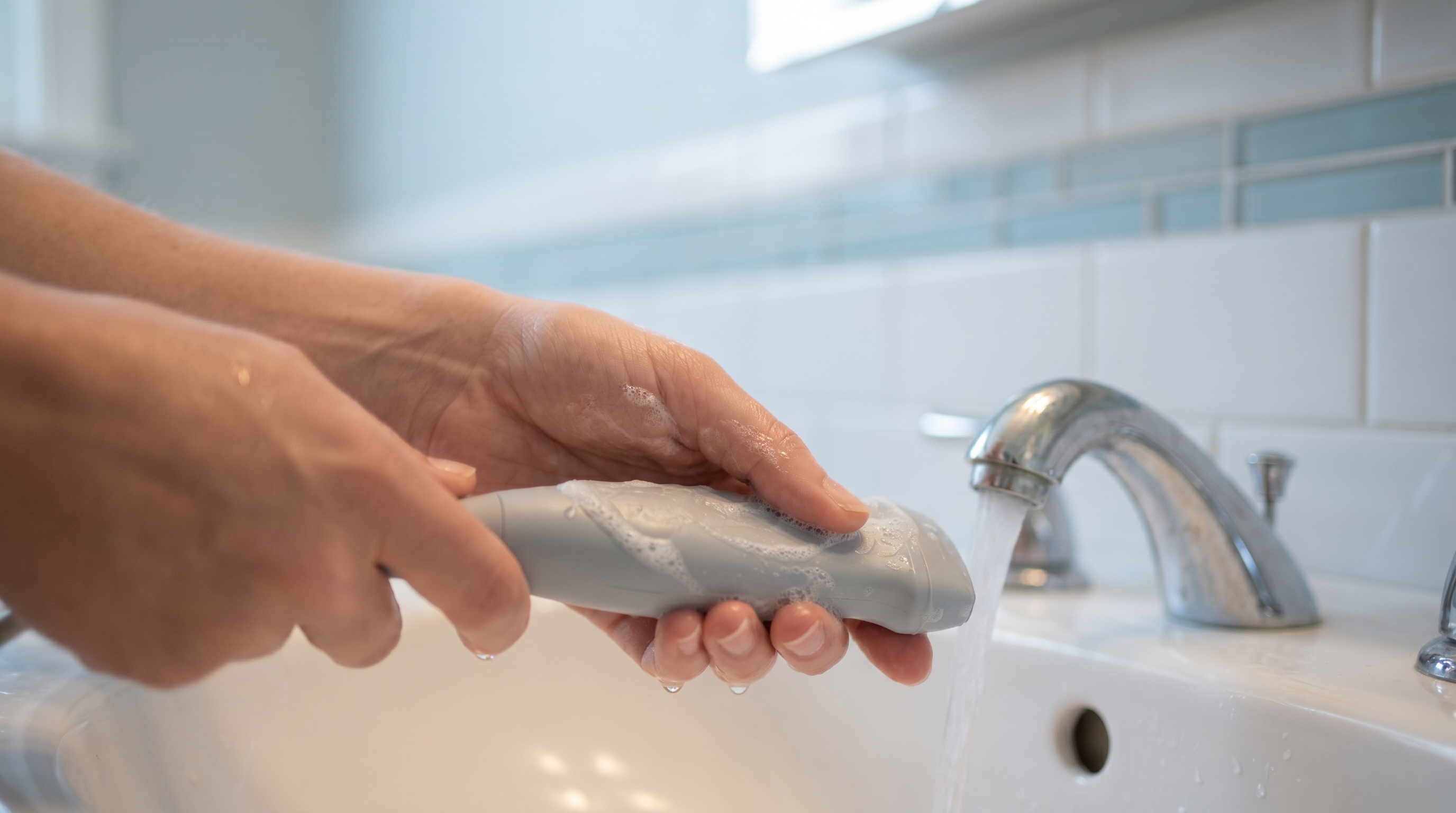
The iStim V2 offers multiple pre-programmed therapy modes designed for different goals — from introductory strengthening to more advanced pelvic floor rehabilitation. Select the program most appropriate for your current stage (detailed in the next section). Most sessions range from fifteen to thirty minutes. During the session, relax and allow the device to do the work — you do not need to voluntarily contract muscles alongside the stimulation unless instructed by your healthcare provider. When the session ends, reduce intensity to zero, power off the device, and gently remove the probe. Clean the probe immediately after use with mild soap and warm water, or as directed in your product manual.
Comparing Pelvic Floor Strengthening Approaches
Understanding how the iStim V2 fits within the broader landscape of pelvic floor therapy helps set realistic expectations and informed goals.
| Comparison Dimension | Voluntary Kegel Exercises | In-Clinic EMS Therapy | iStim V2 Kegel Exerciser (Home EMS) |
|---|---|---|---|
| Correct muscle targeting | Difficult without guidance (~30% perform incorrectly) | Clinician-guided, high accuracy | Device-guided, consistent activation |
| Accessibility | Anytime, no equipment | Requires clinic visits and scheduling | Home use, on your schedule |
| Cost over time | Free | High (ongoing clinic fees) | One-time device investment |
| Professional-grade stimulation | No | Yes | Yes (ISO-certified manufacturing) |
| Consistency support | Relies entirely on user discipline | Session-dependent | Program modes support regular use |
| Privacy and comfort | High | Low (clinical setting) | High (private home use) |
This comparison illustrates a fundamental advantage of the iStim V2: it bridges the gap between what's clinically effective and what's practically sustainable for everyday life. Clinic-based EMS therapy delivers excellent results — but only if you can attend appointments consistently, which many postpartum mothers, working adults, or those with mobility limitations cannot. The V2 brings that same core technology home.
Understanding Programs, Intensity Settings, and Best Practices
Choosing the Right Program for Your Goal
The iStim V2 Kegel Exerciser includes multiple therapy programs, each targeting different aspects of pelvic floor function. While program specifics may vary and are detailed in your product manual, most programs fall into one of three functional categories:
Strengthening Programs focus on progressive muscle contraction cycles — alternating periods of stimulation with rest. These are ideal for users building baseline pelvic floor tone, including postpartum recovery or those new to pelvic floor therapy.
Endurance and Coordination Programs combine varying contraction patterns designed to improve muscle endurance and neuromuscular coordination over time. These are suited for users who have completed an introductory phase and want to maintain or advance their results.
Relaxation and Recovery Programs use lower-frequency settings to promote muscle relaxation, reduce tension, and improve circulation in the pelvic region. These can be beneficial for users experiencing pelvic floor hypertonicity (overly tight muscles) rather than weakness.
Consult your healthcare provider when selecting between programs, particularly if you are managing a specific clinical condition such as incontinence, prolapse, or postpartum trauma.
Setting the Right Intensity
Intensity calibration is arguably the most important aspect of safe, effective Kegel EMS therapy. The general principle: start low, increase gradually. On your first session, increase intensity only until you feel a clear but comfortable pulsing or mild contraction sensation in the pelvic floor area. This is your working threshold.
As sessions continue over several weeks, your pelvic floor muscles will adapt and the same intensity may feel less pronounced — this is normal muscle accommodation. Gradually increase intensity as needed to maintain an effective therapeutic stimulus, but never push into pain. Discomfort signals poor probe placement, insufficient lubrication, or an intensity level that exceeds your current tolerance.
A useful clinical benchmark often cited by pelvic floor physical therapists: you should be able to hold a conversation comfortably during your session. If you cannot, reduce intensity.
Recommended Session Frequency
For most users pursuing pelvic floor rehabilitation or strengthening, three to five sessions per week is a widely supported frequency — consistent with guidelines used in formal pelvic floor physical therapy programs. Daily use is generally safe for users with no contraindications, but allowing occasional rest days supports muscle recovery, particularly in early stages of training.
Track your sessions and note any changes — improved bladder control, reduced leakage episodes, enhanced pelvic awareness — to motivate continued consistency and help guide conversations with your healthcare provider.
Safety Precautions: Using the iStim V2 Responsibly
Safety is non-negotiable when using any electrotherapy device. The best safety precautions when using TENS and EMS units apply equally to Kegel stimulators:
- Always begin at zero intensity and increase slowly
- Never use the device while sleeping or in water
- Discontinue use immediately if you experience burning, pain, or unusual discomfort
- Keep the device and leads away from children
- Do not use over areas of reduced or absent skin sensation
- Clean the probe after every use to prevent bacterial contamination
- Replace probe components as recommended by iStim to ensure hygiene and device performance
These precautions are not excessive — they reflect the responsible use standards that allow electrotherapy devices to remain both safe and effective over the long term.
ALT: Hands cleaning iStim V2 Kegel Exerciser probe with mild soap after pelvic floor EMS therapy session at home
Advanced Tips: Getting More from Your iStim V2 Over Time
Combining EMS Stimulation with Active Kegel Practice
Once you've established comfort with the device and developed foundational pelvic floor awareness through passive EMS sessions, many pelvic floor therapists recommend layering in voluntary contractions alongside device stimulation. During a stimulation pulse, consciously contract your pelvic floor in sync with the electrical impulse — then relax fully during the rest phase. This neuromuscular co-activation approach — often called active-assisted Kegel training — can accelerate strength gains compared to passive stimulation alone, as it engages both the involuntary and voluntary components of the motor pathway.
This is similar in principle to how EMS is used in sports rehabilitation and fitness: pairing electrical muscle stimulation with intentional movement yields more comprehensive neuromuscular adaptation than either approach used in isolation.
Tracking Progress Realistically
Pelvic floor rehabilitation is not a quick fix — it is a progressive, cumulative process. Most clinically significant improvements in urinary incontinence, muscle strength, and pelvic awareness occur over six to twelve weeks of consistent use, with some users noticing initial improvements in bladder control within the first three to four weeks.
A common misconception among new users is that stronger = better, or that maximum intensity should be the goal. In reality, therapeutic effectiveness at the pelvic floor level depends on appropriately challenging the muscle — not overwhelming it. Work with your body's current capacity and trust the process.
When to Consult Your Healthcare Provider
If symptoms worsen during your program, if you experience new or unusual pelvic pain, or if you have not noticed any functional improvement after eight or more weeks of consistent use, schedule a consultation with a pelvic floor physical therapist or urogynecologist. The iStim V2 is a powerful tool — but it works best as part of a holistic approach to pelvic health that may include manual therapy, behavioral strategies, and professional guidance.
Frequently Asked Questions FAQ
Q1: How long does it take to see results from using the iStim V2 Kegel Exerciser?
Most users begin noticing early improvements — such as reduced urgency or increased pelvic floor awareness — within three to four weeks of consistent use (three to five sessions per week). More significant outcomes, such as meaningfully reduced urinary leakage or improved muscle strength, typically develop over six to twelve weeks. Individual results vary based on baseline muscle condition, session consistency, and whether the device is used alongside other pelvic floor therapies. Track your progress weekly and discuss results with your healthcare provider.
Q2: Is it safe to use the iStim V2 Kegel Exerciser every day?
For most users without contraindications, daily use is generally considered safe, particularly with shorter session durations. However, incorporating rest days — especially in the first few weeks — supports healthy muscle recovery and reduces the risk of overuse fatigue in the pelvic floor muscles. The iStim V2 is designed for regular home use and its program modes are calibrated for safe, repeatable application. As always, consult your healthcare provider if you have specific health conditions or concerns about daily use.
Q3: How do I clean and maintain the probe to ensure hygiene and device longevity?
Clean the probe immediately after every session using mild, fragrance-free soap and warm water. Rinse thoroughly and allow to air dry before storage. Do not submerge the main device unit in water. Avoid harsh chemical disinfectants or abrasive materials that may damage the probe surface. Replace probe components according to iStim's recommendations to maintain both hygiene and therapeutic effectiveness. Proper probe care is one of the most important — and most overlooked — aspects of safe long-term Kegel EMS use.
Summary
The iStim V2 Kegel Exerciser offers a clear, clinically grounded path to pelvic floor rehabilitation and strengthening — available entirely from the privacy and convenience of your home. Three core takeaways define its value:
1. Consistent, correct muscle activation. Unlike voluntary Kegel exercises — which studies show are frequently performed incorrectly — the V2 ensures precise pelvic floor engagement every session, regardless of your experience level.
2. Professional-grade technology, designed for home use. Backed by ISO-certified manufacturing and trusted by over 20,000 Amazon customers, the iStim V2 brings clinical-quality EMS therapy to your daily routine without clinic fees or scheduling constraints.
3. A safe, drug-free pathway to meaningful results. With proper setup, appropriate intensity calibration, and consistent use over six to twelve weeks, users across postpartum recovery, incontinence management, and general pelvic wellness have achieved meaningful, lasting improvements.
Your next step is simple: begin with the three-step setup outlined in this guide, commit to a consistent session schedule, and monitor your progress week by week. If you're new to pelvic floor therapy, consider sharing this guide with your healthcare provider to align your at-home program with your broader treatment plan.
Ready to take control of your pelvic health — naturally and effectively? Explore iStim's full range of professional-grade TENS, EMS, and Kegel devices at https://istim.com/ and find the right solution tailored to your needs. Join over 20,000 satisfied customers who trust iStim for safe, drug-free electrotherapy from the comfort of home.
References
- National Institute of Diabetes and Digestive and Kidney Diseases (NIDDK). "Kegel Exercises".
https://www.niddk.nih.gov/health-information/urologic-diseases/kegel-exercises - American Physical Therapy Association (APTA). "Pelvic Floor Physical Therapy".
https://www.apta.org/your-practice/practice-models-and-settings/pelvic-health - National Association For Continence (NAFC). "Electrical Stimulation for Bladder Control".
https://www.nafc.org/electrical-stimulation - Bø, K. et al. "Evidence-Based Physical Therapy for the Pelvic Floor." Journal of Physical Therapy Science — Bridging Science and Practice, Elsevier.
https://www.sciencedirect.com/book/9780702044434/evidence-based-physical-therapy-for-the-pelvic-floor - Office on Women's Health, U.S. Department of Health & Human Services. "Urinary Incontinence".
https://www.womenshealth.gov/a-z-topics/urinary-incontinence
Note: Standards and clinical guidelines may be updated. Please verify the latest official documents or consult a qualified healthcare professional for personalized advice.
About iStim
iStim is a Los Angeles-based electrotherapy brand specializing in professional-grade TENS, EMS, and Kegel devices engineered for safe and effective home use, backed by ISO-certified Taiwanese manufacturing. With a growing community of 20,000+ Amazon customers, iStim is a trusted name in drug-free pain relief and muscle stimulation therapy.
© iStim. All rights reserved. This article is intended for informational purposes only and does not constitute medical advice. Always consult a qualified healthcare professional before starting any electrotherapy program.
Leave a comment