

How to Use iStim WeTrac for Muscle Recovery and Pain Management

ALT: Person using iStim WeTrac best portable TENS unit on shoulder for drug-free pain relief and muscle recovery at home
iStim WeTrac: Your Complete Guide to Muscle Recovery and Pain Management at Home
Key Conclusion: The iStim WeTrac stands out as one of the best portable TENS units available for home use, combining clinically inspired electrotherapy with an accessible, user-friendly design. Whether you're managing chronic back pain, recovering from a workout, or dealing with neck and shoulder tension, this device delivers professional-grade relief without a prescription. In this comprehensive iStim WeTrac review, we'll walk you through everything you need to know — from setup to advanced usage — so you can get the most out of every session.
If you've been searching for a reliable, drug-free way to manage everyday pain and support muscle recovery, you're not alone. Millions of adults turn to electrotherapy devices each year as a safe alternative to over-the-counter medications. The iStim WeTrac was designed precisely for this purpose — bringing the quality of a clinical TENS/EMS device into the comfort of your home.
This guide covers the full picture: who benefits most from the WeTrac, how to use it step by step, how it compares to alternatives, and what real-world application looks like for conditions ranging from lower back pain to post-workout soreness.
Who Should (and Shouldn't) Use the iStim WeTrac
✅ Applicable Scenarios:
- Adults dealing with chronic pain conditions such as lower back pain, neck stiffness, shoulder tension, arthritis, or sciatica who are looking for non-pharmaceutical relief
- Athletes and active individuals seeking faster muscle recovery after intense training sessions, or those managing exercise-related muscle soreness and fatigue
- Post-rehabilitation patients who have completed physical therapy and want to continue at-home muscle stimulation and pain management under general guidance
- Health-conscious consumers who prefer evidence-based, professional-grade wellness tools and want a versatile device that can handle both TENS (pain relief) and EMS (muscle stimulation) modes
❌ Not Applicable/Cautions:
- Individuals with implanted electronic devices (such as pacemakers or defibrillators) should not use TENS or EMS devices without explicit clearance from their cardiologist
- People with active skin infections, open wounds, or broken skin at electrode placement sites should avoid using the device on affected areas until fully healed
- Pregnant individuals should avoid using electrotherapy devices without prior consultation with their OB-GYN or healthcare provider, particularly on the abdomen or lower back
- Those with epilepsy or certain neurological conditions should speak with a qualified physician before beginning any electrotherapy regimen
Why At-Home Electrotherapy Is Gaining Ground in Pain Management
Chronic pain affects an estimated 20% of adults in the United States, according to the Centers for Disease Control and Prevention (CDC), making it one of the most common reasons people seek medical care. For many, prescription medications — while effective — carry the risk of dependency, side effects, and long-term health implications. This has driven significant consumer interest toward drug-free, non-invasive alternatives.
Transcutaneous Electrical Nerve Stimulation (TENS) has been used in clinical settings for decades. It works by sending low-voltage electrical impulses through the skin to interrupt pain signals traveling to the brain, effectively providing relief without medication. Electrical Muscle Stimulation (EMS), a related technology, targets muscle tissue directly — making it particularly valuable for recovery, strengthening weakened muscles, and reducing post-exercise inflammation.
What was once confined to physiotherapy clinics and sports medicine facilities is now available in a compact, portable format for home use. Devices like the iStim WeTrac represent the convergence of clinical-grade technology and consumer-friendly design. For a deeper understanding of whether this device lives up to its promise, iStim WeTrac Review: Is It Worth Buying for Pain Relief? offers an in-depth analysis that complements this usage guide.
The growing demand for best TENS unit for home use options reflects a broader shift: people want clinically credible tools they can use on their own schedule, without repeated clinic visits. The iStim WeTrac has earned its reputation among tens of thousands of customers precisely because it bridges that gap — offering the kind of versatility and quality previously reserved for healthcare professionals.
How to Use iStim WeTrac: A Practical Step-by-Step Guide
Three-Step Quick Start
Step 1: Prepare Your Skin and Electrode Placement
Before powering on the device, clean and dry the skin area you intend to treat. Avoid applying electrodes over bony prominences, broken skin, or areas with poor circulation. For common pain sites like the lower back, place the electrode pads on either side of the spine — not directly on the spinal column itself. For shoulder or neck pain, position the pads on the muscle belly of the affected area. Press each electrode firmly to ensure full skin contact, which maximizes conductivity and comfort. Good electrode placement is the single most important factor in achieving effective results, so take an extra 60 seconds here to get it right.
Step 2: Select Your Mode and Intensity Level
Turn on the iStim WeTrac and select the appropriate therapy mode. For pain relief, choose a TENS mode; for muscle recovery and strengthening, select an EMS mode. The device offers multiple pre-programmed settings designed for different body regions and therapy goals. Always start at the lowest intensity setting and gradually increase until you feel a comfortable, tingling sensation — not discomfort or sharp pain. A correctly calibrated session should feel noticeable but never painful. Allow yourself one to two minutes at each intensity level before adjusting further, particularly if this is your first session.
Step 3: Run Your Session and Monitor Your Response
A standard therapy session typically runs between 15 and 30 minutes, depending on the mode selected and your individual tolerance. During the session, relax the treated area — avoid tensing the muscles you're targeting, especially during TENS pain-relief sessions. After the session ends, the device will power down automatically. Remove the electrode pads gently, clean the skin, and store the pads on their protective film to preserve the adhesive. Note how your body responds: mild skin redness at the electrode site is normal and typically fades within minutes. Significant or persistent discomfort should prompt you to reduce intensity or consult a healthcare provider.
How iStim WeTrac Compares to Other Pain Relief Approaches
Choosing between drug-free options can feel overwhelming. The table below provides a side-by-side comparison of the most common approaches for at-home pain management and muscle recovery, helping you understand where the iStim WeTrac fits in the landscape of available solutions.
| Comparison Dimension | iStim WeTrac (TENS/EMS) | Topical Analgesics | Foam Rolling / Massage |
|---|---|---|---|
| Mechanism of Action | Electrical nerve/muscle stimulation for pain gating and muscle activation | Chemical absorption to reduce local inflammation or block pain receptors | Physical compression to release myofascial tension |
| Drug-Free | ✅ Yes — completely non-pharmacological | ❌ No — contains active pharmaceutical ingredients | ✅ Yes — entirely mechanical |
| Portability | High — compact, wireless design | High — small tubes/creams | Moderate — bulky foam rollers |
| Targeted Application | Precise — electrode placement allows site-specific treatment | Moderate — applied to general area | General — broad surface coverage |
| Mode Versatility | High — TENS for pain, EMS for muscle recovery | Low — single function (pain relief only) | Low — primarily recovery/relaxation |
| Long-Term Cost | Low — reusable device with replaceable accessories | Moderate — ongoing product purchase | Low — one-time purchase |
| Clinical Backing | Strong — TENS/EMS supported by decades of clinical research | Moderate — varies by active ingredient | Moderate — supported by sports science |
As this comparison illustrates, a portable electrotherapy device like the WeTrac offers a uniquely versatile profile — functioning as both a pain management tool and a muscle recovery aid in a single compact package. For athletes and chronic pain sufferers alike, this dual functionality represents significant value over single-purpose alternatives.
Targeting Specific Conditions: Detailed Application Guide
Using iStim WeTrac for Neck and Shoulder Pain
Neck and shoulder pain is among the most common complaints addressed by TENS therapy, largely because these areas are prone to muscle tension, poor posture strain, and repetitive stress injury. When using the iStim WeTrac for neck and shoulder pain, electrode placement is critical.
For the upper trapezius (the thick muscle running from the neck to the shoulder), place one electrode on the upper shoulder muscle and a second electrode slightly below the first, along the same muscle. Avoid placing electrodes directly on the front of the neck, near the carotid arteries, or on the throat. A gentle TENS mode at a moderate intensity typically works well for this region, producing a relaxing, tingling sensation that helps interrupt the pain-tension cycle.
Many users report noticeable relief within the first few sessions, though consistent use over several weeks tends to yield the most sustained results. This is consistent with how TENS therapy works clinically — cumulative neurological adaptation and pain gate modulation over repeated sessions.
Using iStim WeTrac for Lower Back Pain
Chronic lower back pain is one of the leading reasons people seek out the best TENS unit for home use, and the WeTrac performs particularly well in this application. For lumbar pain, place the electrode pads on the paraspinal muscles — the long muscles running vertically on either side of the lower spine — rather than on the spine itself.
For muscle recovery after physical activity, switching to an EMS mode following your TENS session can help stimulate blood circulation in the area, reducing delayed onset muscle soreness (DOMS) and promoting faster tissue recovery. This TENS-to-EMS sequencing approach mirrors protocols used in professional sports rehabilitation settings.
Using iStim WeTrac for Post-Workout Muscle Recovery
Athletes and active individuals represent one of the fastest-growing user groups for at-home electrotherapy. After intense training, muscles undergo microscopic damage that initiates the recovery and growth process — but this process can be accompanied by significant soreness. EMS therapy helps accelerate recovery by stimulating circulation, reducing fluid accumulation, and promoting active muscle relaxation without requiring additional physical exertion.
For full context on whether this device delivers measurable results for users like you, the comprehensive guide Does iStim WeTrac Really Work? Complete Review and User Guide addresses common user questions with evidence-based analysis.
A typical post-workout EMS session on the legs, for example, involves placing electrode pads on the quadriceps or hamstrings, selecting a recovery-focused EMS mode, and running a session at a gentle-to-moderate intensity while seated comfortably. This can be done within 30 to 60 minutes after exercise for best results.
Caring for Your Electrodes and Device
Electrode pad longevity directly affects the quality of your therapy sessions. Pads that lose their adhesion make poor skin contact, reducing the efficiency of electrical stimulation. Always store used pads on their protective film, keep them away from heat and direct sunlight, and avoid touching the adhesive surface with your fingers. When pads begin to feel less sticky or sessions feel less effective at the same intensity level, it's typically a sign that replacement is needed.
For a more detailed breakdown of the WeTrac's performance characteristics, including a candid assessment of its strengths and limitations, you may find the Honest iStim WeTrac Review: Features, Pros, Cons, and Performance a valuable resource before or after purchasing.
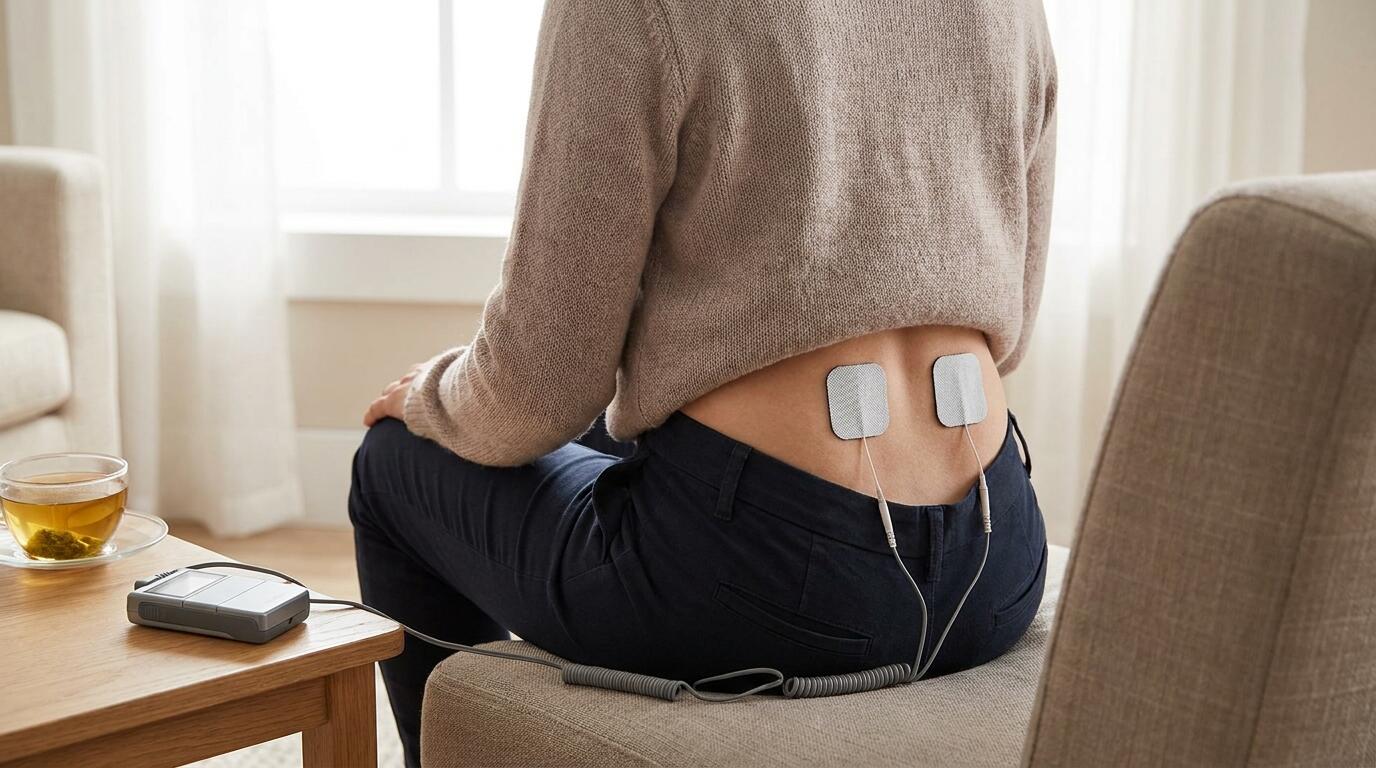
ALT: iStim WeTrac best portable TENS unit electrode placement on lower back for drug-free chronic pain relief at home
Advanced Usage Tips and Common Misconceptions
Special Situations Worth Knowing
Layering TENS and EMS in a Single Session: Many users don't realize they can use both TENS and EMS modes in a single visit — TENS first to reduce pain and muscle guarding, followed by EMS to activate and recover the underlying muscle. This sequencing can be particularly effective for post-injury rehabilitation where both pain and muscle weakness are present simultaneously.
Adjusting for Sensitivity Changes: It's normal for your perception of electrical stimulation intensity to shift over time as your nervous system adapts. If your usual intensity level begins to feel less effective, incrementally increase it rather than dramatically changing settings. Conversely, if you notice increased sensitivity after illness or periods of rest, always reduce intensity and rebuild gradually.
Using the Device During Sedentary Work: One underutilized application is gentle TENS therapy during desk work or sedentary periods. Low-intensity settings applied to chronically tense areas — such as the neck, shoulders, or lower back — can provide background pain management throughout a workday without interrupting productivity.
Common Misconceptions Clarified
"More intensity means better results." This is one of the most persistent myths about electrotherapy. Clinical evidence consistently shows that the optimal TENS intensity is the highest level that remains comfortable — not the maximum the device can deliver. Excessive intensity can cause muscle fatigue, skin irritation, and a paradoxical increase in discomfort.
"TENS cures the underlying condition." TENS and EMS are therapeutic management tools, not cures. They are most effective as part of a broader pain management strategy that may include physical therapy, appropriate exercise, and lifestyle modification. Relying solely on electrotherapy without addressing root causes of pain is unlikely to yield lasting improvement.
"Electrotherapy devices are all the same." Device quality varies significantly in terms of waveform precision, mode versatility, build quality, and safety features. ISO-certified manufacturing — as found in iStim's production process — ensures consistent electrical output, reliable safety mechanisms, and durable construction that many budget devices cannot match.
Frequently Asked Questions FAQ
Q1: How do I know if I'm placing the electrodes correctly on the iStim WeTrac?
Correct electrode placement is the foundation of effective TENS/EMS therapy. As a general rule, place both electrodes on the muscle belly of the area you're treating — not over bony areas, joints, or the spine itself. For paired muscles (like both sides of the lower back), place one electrode on each side. If your session produces a strong, uncomfortable shock rather than a gentle tingling, the pads may be too close together or misaligned with the muscle. Consult the device's instruction manual for body-region placement diagrams.
Q2: Is it safe to use the iStim WeTrac every day for chronic pain management?
For most healthy adults without contraindications, daily use at appropriate intensity levels is generally considered safe for TENS therapy. Many users incorporate short daily sessions as part of their pain management routine. However, it's advisable to give treated skin areas occasional rest to prevent irritation from electrode adhesive. If you're managing a specific medical condition or recovering from an injury, consulting a physical therapist or physician about session frequency tailored to your situation is always a sound approach.
Q3: How long does it take to see results from using the iStim WeTrac for muscle recovery?
Results vary by individual and condition. Many users experience immediate or same-session relief from acute pain and muscle tension. For chronic pain management and ongoing muscle recovery, consistent use over two to four weeks tends to produce the most meaningful cumulative benefit. Athletes using EMS for post-workout recovery often notice reduced soreness and improved readiness for subsequent training sessions within the first week of regular use. Patience and consistency are the key variables in maximizing long-term outcomes.
Summary
The iStim WeTrac represents a meaningful step forward in accessible, professional-grade electrotherapy for home users. Three core values define its place in your wellness routine:
1. Dual-Mode Versatility: By combining TENS pain relief and EMS muscle stimulation in a single portable device, the WeTrac addresses two of the most common physical wellness needs — chronic pain management and muscle recovery — without requiring separate tools or clinic visits.
2. Clinical Credibility in a Consumer Package: Built on ISO-certified manufacturing standards and backed by decades of clinical electrotherapy research, the WeTrac offers a level of quality assurance that distinguishes it from generic budget devices flooding the market.
3. Empowering At-Home Independence: For adults managing ongoing pain conditions, recovering from physical activity, or simply seeking drug-free alternatives to analgesics, the WeTrac provides a practical, safe, and evidence-aligned tool that puts therapeutic control back in your hands.
If you're ready to explore electrotherapy as part of your pain management or recovery strategy, start with the step-by-step guidance in this article, experiment with different modes and placements for your specific needs, and track your progress over time. As with any wellness intervention, consistency and informed application yield the best results.
Ready to Experience Drug-Free Pain Relief?
Ready to take control of your pain relief and muscle wellness from the comfort of home? Explore iStim's full range of professional-grade TENS, EMS, and Kegel devices at https://istim.com/ and find the right drug-free solution tailored to your needs. Join 20,000+ satisfied customers who trust iStim for safe, effective, and clinically inspired electrotherapy — no prescription required.
References
- Centers for Disease Control and Prevention (CDC). "Chronic Pain Among Adults — United States".
https://www.cdc.gov/nchs/products/databriefs/db390.htm - National Institutes of Health — National Center for Complementary and Integrative Health. "Chronic Pain: In Depth".
https://www.nccih.nih.gov/health/chronic-pain-in-depth - Johnson, Mark I. "Transcutaneous Electrical Nerve Stimulation (TENS): Research to Support Clinical Practice." Oxford University Press.
https://academic.oup.com - American Physical Therapy Association (APTA). "Physical Therapist's Guide to Back Pain".
https://www.choosept.com/guide/physical-therapy-guide-to-low-back-pain - PubMed Central — National Library of Medicine. "Effectiveness of Transcutaneous Electrical Nerve Stimulation for Treatment of Hyperalgesia and Pain".
https://www.ncbi.nlm.nih.gov/pmc/articles/PMC3570913/
Note: Standards and clinical guidelines may be updated. Please check the latest official documents or consult a qualified healthcare professional for the most current recommendations.
About iStim
iStim is a Los Angeles-based electrotherapy brand specializing in professional-grade TENS, EMS, and Kegel devices for home use, built on ISO-certified Taiwanese manufacturing and trusted by over 20,000 Amazon customers for drug-free pain relief and muscle stimulation. Learn more at https://istim.com/.
Disclaimer: This article is provided for informational and educational purposes only and does not constitute medical advice. The content is produced in partnership with iStim and reflects the brand's expertise in electrotherapy and wellness. Always consult a qualified healthcare professional before beginning any new treatment or therapy program. © iStim. All rights reserved.
Leave a comment