

How to Use a TENS Unit While Working, Walking, or Exercising
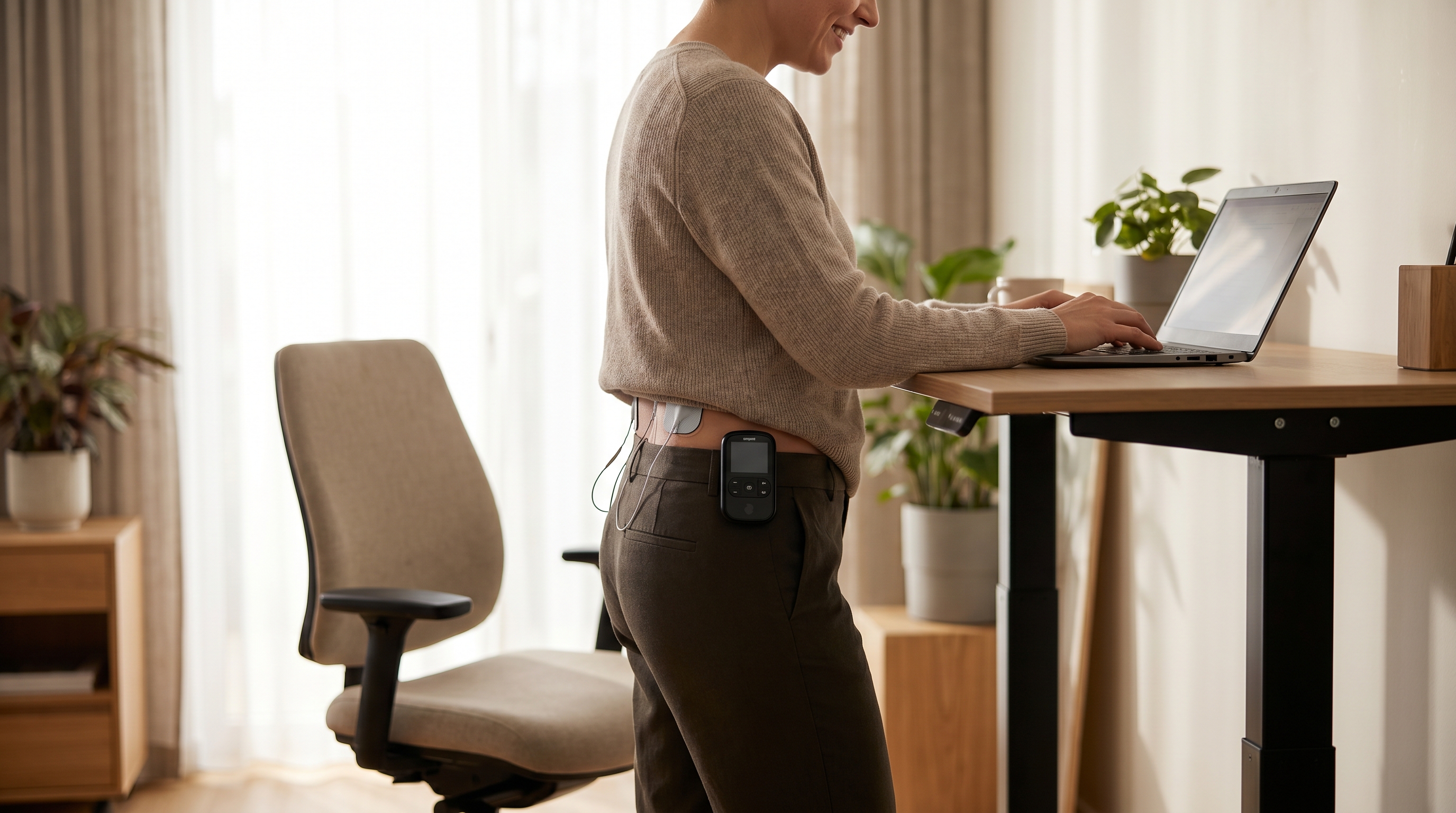
ALT: Person using a TENS unit for chronic back pain relief while working at a standing desk at home
Can You Use a TENS Unit While Working, Walking, or Exercising? Here's What You Need to Know
Key Conclusion: Modern TENS devices have revolutionized drug-free pain management by enabling users to pursue relief during everyday activities — not just at rest. Whether you're engaged in home physical therapy, managing chronic back pain, or supporting pelvic floor health, understanding how to safely integrate TENS therapy into your daily routine can dramatically improve your quality of life without interrupting your schedule.
For many people living with persistent discomfort, the prospect of scheduling dedicated rest time for pain management sessions simply isn't practical. Between work deadlines, family responsibilities, and active lifestyles, carving out 30–45 minutes to sit still can feel like a luxury. That's precisely why portable TENS devices have become one of the fastest-growing categories in at-home wellness technology. However, using a TENS unit on the go isn't as simple as clipping it on and going about your day — there are meaningful distinctions in how you should configure, position, and monitor your device depending on your activity level. This article covers everything you need to know to use your TENS unit safely and effectively, whether you're sitting at a desk, walking the neighborhood, or pushing through a workout.
Who Can Benefit from Active TENS Use — and Who Should Exercise Caution
✅ Applicable Scenarios:
- Office workers and remote professionals experiencing chronic lower back tension, neck stiffness, or shoulder pain during long sedentary periods
- Walkers, hikers, and light exercisers seeking drug-free support for knee pain, shin splints, or hip discomfort during low-to-moderate intensity movement
- Post-rehabilitation patients cleared by their healthcare provider to resume light activity while continuing electrotherapy for muscle recovery
- Athletes using EMS or TENS between training sets for active recovery and muscle fatigue reduction
- Individuals undergoing home physical therapy who want to maintain therapeutic consistency throughout the day
❌ Not Applicable/Cautions:
- People with implanted electronic devices such as pacemakers, defibrillators, or insulin pumps — electrical stimulation can interfere with these devices
- Anyone who has not yet received a diagnosis for their pain source — using a TENS unit on undiagnosed conditions may mask symptoms that require medical attention
- Those experiencing acute inflammation, open wounds, skin infections, or irritation at the electrode placement site
- Pregnant individuals should avoid TENS use on the abdomen or lower back without explicit clearance from an OB-GYN
- People engaging in high-intensity exercise, swimming, or activities involving significant perspiration that could compromise electrode adhesion and safety
Why More People Are Turning to TENS Therapy During Daily Activities
The appeal of TENS therapy has never been stronger. As awareness grows about the long-term risks associated with opioid analgesics and even over-the-counter NSAIDs, health-conscious adults are actively seeking non-pharmaceutical pain management strategies. According to the American Chronic Pain Association, tens of millions of Americans live with chronic pain — and a significant percentage report that pain interferes with their ability to work, exercise, and perform daily tasks.
This cultural shift toward drug-free alternatives has accelerated the adoption of TENS devices for home use. Unlike clinical TENS machines that require appointments and professional oversight, today's professional-grade portable units — like those offered by iStim — deliver ISO-certified, clinical-quality stimulation in a compact, user-friendly form factor. The result is therapy that travels with you.
Understanding how TENS units stimulate nerve fibers to block pain signals to the brain helps clarify why the therapy can remain effective even during movement. At its core, TENS operates on the Gate Control Theory of pain — electrical pulses sent through strategically placed electrode pads stimulate large-diameter nerve fibers, effectively "closing the gate" to pain signal transmission before those signals reach the brain. This mechanism functions independently of whether you're sitting, walking, or performing light exercise, provided electrode placement remains secure and appropriate.
For those managing conditions like chronic back pain, shoulder tension, or joint discomfort, TENS therapy represents a compelling evolution in self-care. And as explored in TENS vs. Prescription Pain Medication: A Non-Invasive Alternative Explained, the safety profile and accessibility of electrotherapy make it an increasingly recommended complement to conventional pain management programs.
How to Use a TENS Unit During Work, Walking, and Exercise: A Step-by-Step Approach
Three-Step Quick Start for Active TENS Use
Step 1: Prepare Your Skin and Place Electrodes Correctly
Before any session — whether you're about to sit at your desk or head out for a walk — proper skin preparation is non-negotiable. Clean the target area with a gentle, unscented soap and allow the skin to dry completely. Avoid applying lotions, oils, or creams, as these reduce electrode adhesion and conductivity. Position electrode pads symmetrically around the pain site, never directly over the spine, joints, or bony prominences. For back pain, pads typically flank the affected vertebral segment; for knee pain, they're placed medially and laterally around the joint. Allow approximately 5 minutes to confirm pads are firmly adhered before beginning movement.
Step 2: Select the Right Mode and Intensity for Your Activity Level
This is where most users make critical errors. The settings appropriate for a restful TENS session at home differ significantly from those suited to active use. For working at a desk or walking, select a burst or continuous mode at low-to-moderate frequency (typically 80–100 Hz for pain relief), starting intensity at the lowest perceptible level and increasing gradually until you feel a comfortable tingling sensation — never pain or sharp discomfort. During exercise, reduce intensity slightly from your resting session level to account for natural body movement and muscle activity, which can amplify the perception of stimulation. Secure the device unit itself using a clip, armband, or waistband attachment to minimize wire tension.
Step 3: Monitor, Adjust, and Set a Session Timer
Active TENS use requires more attentiveness than passive sessions. Check electrode adhesion every 15–20 minutes during movement-based activities, particularly if you're perspiring. Most sessions during activity should be kept to 20–30 minutes to prevent skin irritation from prolonged pad contact during movement. After your session, remove pads gently, inspect skin for any redness or irritation, and allow the area to rest before reapplying. Store electrode pads on their protective film to maximize reusability and adhesive longevity.
Comparing TENS Use Across Three Common Activity Contexts
Understanding how your environment and activity level affect TENS therapy outcomes allows you to optimize every session. Below is a comparison of TENS use across three of the most common scenarios:
| Comparison Dimension | Desk/Office Work | Walking/Light Activity | Exercise/Training |
|---|---|---|---|
| Recommended Mode | Continuous or modulated | Burst or continuous | Burst (lower intensity) |
| Electrode Security Risk | Low | Moderate | High — check frequently |
| Session Duration | 20–45 minutes | 20–30 minutes | 15–20 minutes |
| Intensity Level | Moderate (comfortable tingling) | Low-to-moderate | Low (movement amplifies sensation) |
| Wire Management | Clip device to chair or desk | Secure to waistband or armband | Tape wires to skin or use wireless unit |
| Primary Benefit | Sustained pain relief during sedentary work | Functional pain management during daily movement | Active recovery between sets |
| Key Caution | Avoid leaning on electrode pads | Monitor pad adhesion with perspiration | Stop immediately if sharp sensation occurs |
Detailed Guidance for Each Activity Scenario
Using a TENS Unit While Working at a Desk
For many chronic pain sufferers, the workday itself is the primary aggravator. Hours of sitting with suboptimal posture tighten the lower back, compress the lumbar discs, and create cascading tension through the shoulders and neck. TENS therapy applied during desk work addresses this pain cycle at its source — in real time, rather than reactively after the damage is done.
When positioning electrodes for desk use, focus on your most affected region. Lower back sufferers should place pads on either side of the lumbar spine (never on the spine itself), approximately at the level of the iliac crest. For neck and shoulder tension, pads can be placed along the upper trapezius or the cervical paraspinal muscles. If you're curious about optimal placement for various body regions, the Full Body TENS Electrode Placement Reference: 10 Common Treatment Sites is an excellent visual resource.
The device itself can rest in a desk drawer, clip to your clothing, or sit on your desktop — the key is minimizing tension on the lead wires. Avoid leaning back heavily against electrode pads, as sustained pressure can affect adhesion. Most users find they can type, attend video calls, and manage their workload comfortably during a TENS session with minimal distraction once they've acclimated to the sensation.
Using a TENS Unit While Walking
Walking is one of the most universally recommended forms of exercise for pain management — but for individuals with knee osteoarthritis, hip pain, or plantar fasciitis, even a brief walk can become a painful proposition. TENS therapy during walking can provide meaningful relief, allowing users to stay active without relying on pain medication.
The primary challenge during walking is electrode stability. Natural leg and hip movement creates friction and slight stretching of the skin surface, which can loosen electrode pads — particularly in warmer conditions. Consider using self-adhesive electrode pads with enhanced adhesive backing for movement-based sessions. Securing lead wires with medical tape or using a wireless TENS unit eliminates the risk of wires catching on clothing or becoming a tripping hazard.
Keep intensity settings conservative during walking sessions. Movement naturally amplifies the perception of electrical stimulation, so what feels comfortable at rest may become uncomfortably strong during activity. Start lower than your typical resting setting and adjust from there. For those managing musculoskeletal discomfort during walking as part of a structured recovery plan, understanding the science of endorphin release through The Science Behind Endorphin Release During TENS Therapy explains why consistent TENS use can provide cumulative, lasting benefits beyond each individual session.
Using a TENS Unit During Exercise and Training
Athletes and fitness-oriented users represent one of the most rapidly growing segments of the TENS and EMS user base — and for good reason. As explored in depth in EMS for Athletes: How Professional Sports Teams Use Electrical Muscle Stimulation, electrotherapy has long been a staple in elite sports recovery programs. Now, the same technology is accessible for home users.
During exercise, TENS and EMS devices serve distinct but complementary purposes. TENS is primarily used for pain modulation — applied between sets or during warm-up and cool-down phases to manage joint pain or pre-existing muscle soreness. EMS, by contrast, is used to elicit muscle contractions, enhance strength training, or accelerate post-workout recovery. Many combo units allow users to switch between modes without changing electrode placement. If you're using a combination device, understanding TENS + EMS Combo Machines Explained: When to Use Each Mode will help you maximize results from a single device.
Safety during exercise is paramount. Never use TENS during high-impact activities like running, jumping, or contact sports — the combination of intense movement and electrical stimulation creates both an adhesion risk and a distraction that could lead to injury. Swimming and other aquatic activities are strictly off-limits with any non-waterproof electrical device. Instead, use TENS between training sets, during stretching, or during post-workout cool-down for optimal benefit and safety.
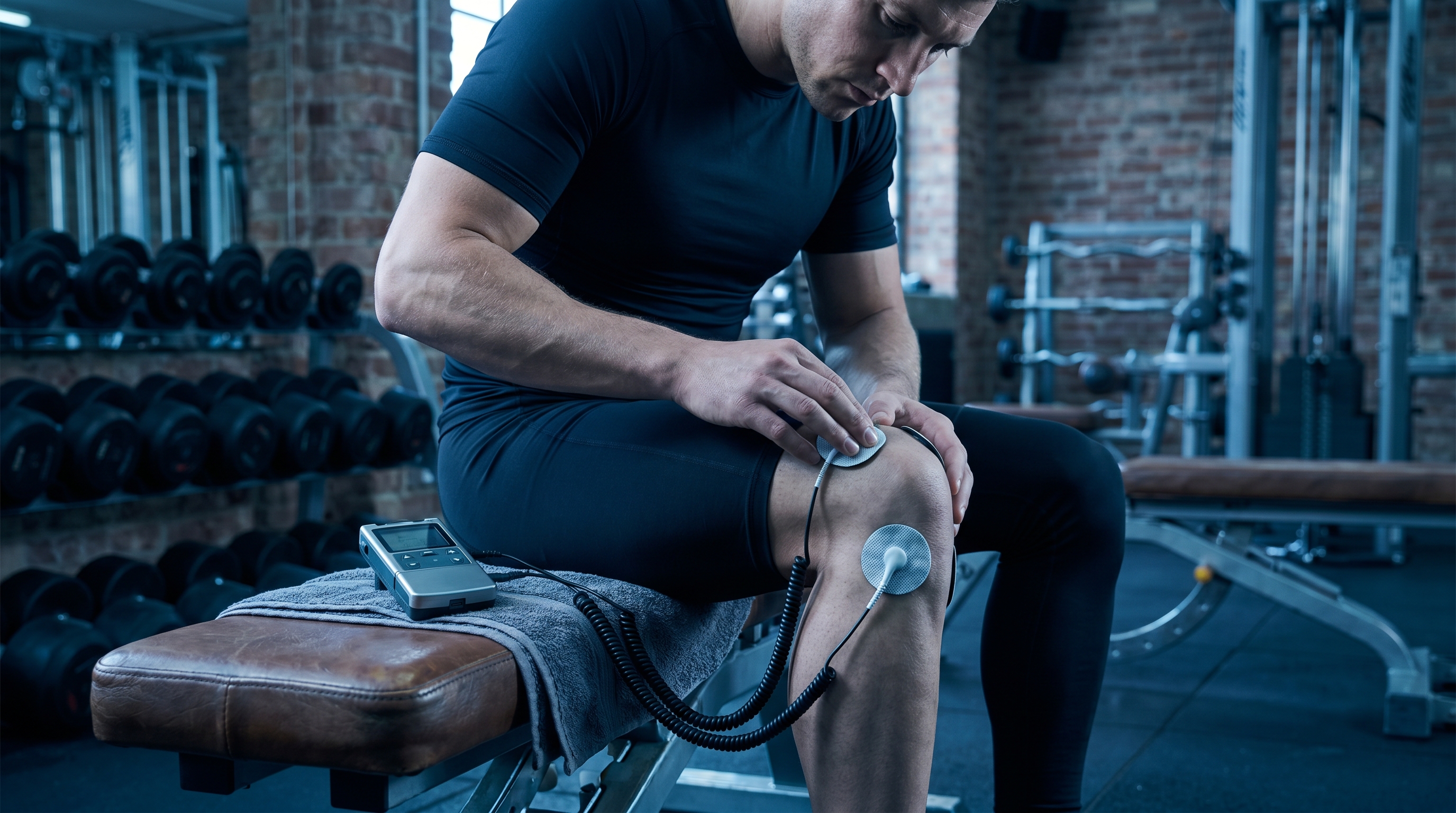
ALT: Athlete applying TENS electrode pads to knee for drug-free pain relief and muscle recovery between exercise sets
Advanced Considerations: Maximizing Safety and Effectiveness in Active TENS Use
Addressing Common Misconceptions
One of the most persistent misconceptions about TENS therapy is that more intensity equals more relief. In reality, effective TENS therapy operates at the level of comfortable, noticeable stimulation — a strong tingling sensation, not a painful jolt. During activity, this threshold actually lowers slightly because movement amplifies perception. Users who dial up intensity to "feel it better" while walking or exercising risk skin burns, muscle spasms, or simply an unpleasant experience that discourages consistent use.
Another common misunderstanding concerns electrode placement during movement. Some users assume they can leave pads in place across multiple sessions without repositioning. However, repeated movement in the same area, combined with perspiration and natural skin oils, degrades adhesive quality and electrical conductivity over time. Consistently inspect and replace pads as recommended — quality electrode pads are a small investment that meaningfully impacts both safety and therapeutic outcomes.
Safety Precautions Every User Must Follow
The best safety precautions when using TENS units are non-negotiable, regardless of activity level. Never place electrodes on the head, face, throat, or directly over the heart. Avoid applying pads over broken or irritated skin. Always start at the lowest intensity and increase gradually. Do not use TENS while driving or operating machinery — the sensation can be distracting. If you experience any unusual pain, skin discoloration, muscle twitching beyond the targeted area, or dizziness during a session, stop immediately and consult a healthcare professional.
Pairing TENS with a Structured Wellness Routine
Consistency amplifies results. Rather than using your TENS unit reactively — only when pain becomes unbearable — consider integrating it into a structured weekly wellness schedule. This approach is particularly effective for chronic pain conditions, post-surgical recovery, and athletic training. Systematic use across targeted muscle groups and pain areas, combined with appropriate rest periods, yields cumulative therapeutic benefits that reactive use simply cannot match.
Frequently Asked Questions FAQ
Q1: How do I keep TENS electrode pads secure while walking or exercising?
The most effective strategies for maintaining electrode adhesion during movement include thoroughly drying the skin before application, choosing high-quality self-adhesive pads, and securing lead wires with medical tape to reduce tension on the pad edges. Some users prefer wireless TENS units for activity-based sessions, eliminating wire management altogether. For areas prone to movement — like knees or hips — consider using flexible, contoured electrode pads designed for joint use. Replacing pads when adhesion quality begins to diminish is also critical, as worn pads create uneven conductivity.
Q2: Is it safe to use a TENS unit every day during work hours?
Daily TENS use during work is generally considered safe for most healthy adults when following manufacturer guidelines and appropriate session durations. However, it is important to rotate electrode placement slightly between sessions to prevent skin irritation from prolonged repeated adhesion. Allow the skin to rest between sessions, and be attentive to any signs of redness, itching, or sensitivity. Individuals with underlying medical conditions, implanted devices, or those who are pregnant should always consult their healthcare provider before beginning any regular electrotherapy regimen.
Q3: How long does a typical active TENS session last, and when will I feel results?
Session duration during activity typically ranges from 15 to 30 minutes, shorter than passive resting sessions of 30–45 minutes. Many users notice meaningful pain relief within the first 10–20 minutes of a session. However, consistent use over days and weeks tends to produce more durable results, particularly for chronic conditions — as cumulative endorphin release and nerve desensitization contribute to a longer-lasting reduction in baseline pain levels. The timeline varies by individual, condition severity, and device settings used.
Summary
Using a TENS unit while working, walking, or exercising is not only possible — it's one of the most effective ways to integrate drug-free pain management into a modern, active lifestyle. The three core principles to carry forward are:
- Preparation determines success. Proper skin prep, secure electrode placement, and appropriate intensity settings are foundational. Rushing any of these steps compromises both safety and therapeutic outcome.
- Activity context shapes your settings. The mode, intensity, and session duration appropriate for desk work differ meaningfully from those suited to walking or exercise. Adapting your approach to your activity level is not optional — it's essential.
- Consistency drives cumulative results. Reactive, occasional TENS use provides short-term relief. Structured, consistent integration into your daily or weekly routine — whether for chronic pain, post-injury recovery, or athletic performance — produces lasting, meaningful improvement in pain levels and quality of life.
The next step is straightforward: assess your primary pain points and daily routine, select the appropriate iStim device for your needs, and begin with a seated session to acclimate before progressing to active use.
Ready to take control of your pain relief and muscle recovery — naturally and drug-free? Explore iStim's full range of professional-grade TENS, EMS, and Kegel devices at https://istim.com/ and find the right solution tailored to your wellness needs. Join over 20,000 satisfied customers who have made iStim their trusted partner in at-home electrotherapy.
References
- National Institutes of Health — National Center for Complementary and Integrative Health. "Chronic Pain: What You Need To Know".
https://www.nccih.nih.gov/health/chronic-pain-what-you-need-to-know - American Physical Therapy Association. "Physical Therapists' Use of Electrophysiologic Agents".
https://www.apta.org/ - National Institute of Neurological Disorders and Stroke (NINDS). "Pain: Hope Through Research".
https://www.ninds.nih.gov/health-information/patient-caregiver-education/hope-through-research/pain-hope-through-research - Mayo Clinic. "TENS (Transcutaneous Electrical Nerve Stimulation)".
https://www.mayoclinic.org/tests-procedures/tens/about/pac-20384884 - American Chronic Pain Association. "ACPA Resource Guide to Chronic Pain Management".
https://www.theacpa.org/
Note: Standards and clinical guidelines may be updated periodically. Please check the latest official documents or consult a qualified healthcare professional for the most current guidance.
About iStim
iStim is a Los Angeles-based electrotherapy brand specializing in professional-grade TENS, EMS, and Kegel devices engineered for safe, effective home use — backed by ISO-certified Taiwanese manufacturing and trusted by 20,000+ Amazon customers for drug-free pain relief and muscle stimulation. Learn more at istim.com.
© iStim. All rights reserved. This article is intended for informational purposes only and does not constitute medical advice. Always consult a qualified healthcare professional before beginning any electrotherapy or treatment program.
About iStim
iStim is a Los Angeles-based electrotherapy brand specializing in professional-grade TENS, EMS, and Kegel devices engineered for safe, effective home use — backed by ISO-certified Taiwanese manufacturing and trusted by 20,000+ Amazon customers for drug-free pain relief and muscle stimulation. Learn more at istim.com.
© iStim. All rights reserved. This article is intended for informational purposes only and does not constitute medical advice. Always consult a qualified healthcare professional before beginning any electrotherapy or treatment program.
Leave a comment