

How to Use a TENS Unit for Chronic Back Pain: Electrode Placement Guide
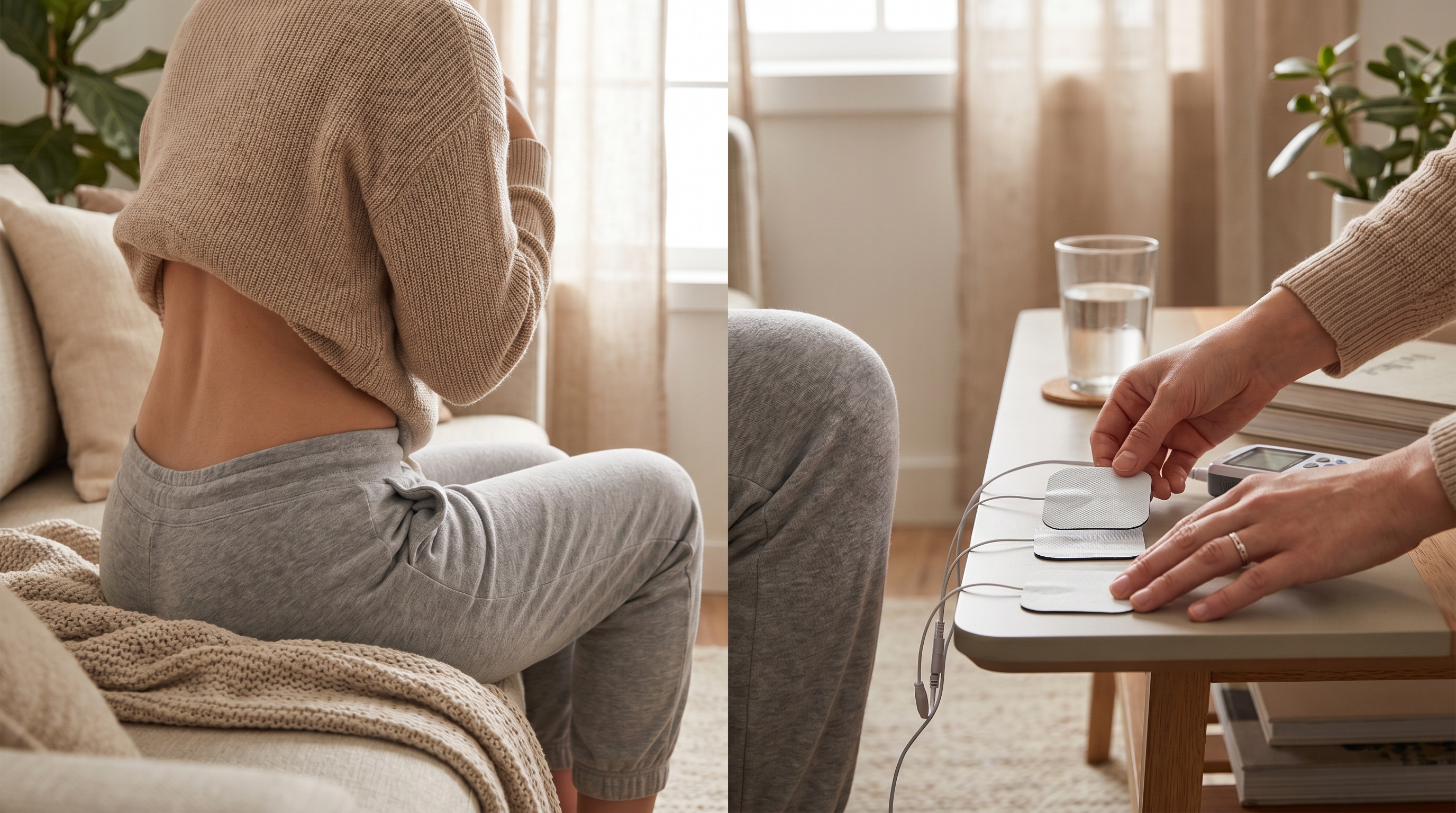
ALT: Person applying TENS unit electrode pads on lower back for chronic pain relief at home
Understanding TENS Therapy for Chronic Back Pain: A Complete Guide
Key Conclusion: A TENS unit for chronic back pain delivers low-level electrical impulses through strategically placed electrodes to interrupt pain signals and stimulate the body's natural endorphin release. When electrode placement is optimized — targeting the lumbar region, paraspinal muscles, and pain-specific trigger points — users can experience meaningful, drug-free relief from persistent back discomfort. iStim's professional-grade TENS devices make this clinically trusted therapy accessible and safe for everyday home use.
Chronic back pain is one of the most prevalent health challenges facing adults today, affecting quality of life, sleep, mobility, and mental well-being. Whether your discomfort stems from a herniated disc, muscle strain, degenerative disc disease, or postural stress, the search for effective, non-pharmaceutical relief is a journey many people share.
Transcutaneous Electrical Nerve Stimulation (TENS) has emerged as a leading drug-free solution for managing persistent back pain. What was once confined to clinical settings is now accessible at home through professional-grade devices like those offered by iStim. This guide walks you through exactly how to use a TENS unit for chronic back pain, with a detailed electrode placement guide, safety tips, and practical advice for getting the most out of every session.
Who Should (and Should Not) Use a TENS Unit for Back Pain
✅ Applicable Scenarios:
- Adults experiencing chronic lower back pain due to muscle tension, disc issues, or postural imbalances
- Post-injury or post-surgery patients cleared by a healthcare provider for non-invasive pain management
- Fitness enthusiasts and athletes dealing with back muscle soreness, spasms, or delayed onset muscle soreness (DOMS)
- Individuals seeking a drug-free alternative or complement to pain medications
- People managing arthritis-related back discomfort or sciatica-associated pain along the lumbar region
❌ Not Applicable/Cautions:
- Individuals with implanted electronic devices such as pacemakers or spinal cord stimulators — electrical stimulation can interfere with these devices
- Pregnant individuals, especially when placing electrodes near the abdomen or lower back
- People with active skin conditions, open wounds, rashes, or infections at the electrode placement site
- Those with epilepsy or a history of seizures without explicit medical clearance
- Do not apply electrodes directly over the spine, throat, eyes, or broken skin
Always consult a licensed healthcare professional before beginning TENS therapy, particularly if you have underlying medical conditions or are recovering from surgery.
What Is TENS Therapy and Why Is It Effective for Chronic Back Pain?
Chronic back pain is not just a physical inconvenience — it is a complex neurological and musculoskeletal experience that affects millions of people across the globe. According to the National Institute of Neurological Disorders and Stroke, back pain is one of the most common reasons people seek medical care or miss work. This persistent burden has driven enormous interest in non-pharmacological treatment options.
TENS therapy works by delivering controlled, low-voltage electrical pulses through adhesive electrode pads placed on the skin. These impulses travel along sensory nerve fibers and interact with the nervous system in two primary ways:
The Gate Control Theory suggests that the electrical signals generated by a TENS unit travel faster than pain signals to the brain, effectively "closing the gate" on pain perception. This means the brain receives the TENS signal before the pain signal, reducing or blocking the sensation of discomfort.
Endorphin Release is the second mechanism. At lower, more rhythmic frequencies, TENS stimulation prompts the body to release its own natural pain-fighting chemicals — endorphins and enkephalins — which provide longer-lasting relief even after the session ends.
For chronic back pain specifically, these dual mechanisms make TENS uniquely effective. Unlike pain medications that work systemically and can carry side effects or dependency risks, TENS therapy is targeted, adjustable, and non-invasive. It delivers relief precisely where it's needed — the muscles and nerves of the lumbar and thoracic regions — without affecting the rest of the body.
Modern TENS devices, like those in the iStim lineup, offer multiple programmable modes and intensity levels, allowing users to customize their therapy based on pain type, location, and severity. This level of personalization was once only available in clinical physiotherapy settings, but iStim's mission is to bring that clinical quality directly into your home.
How to Use a TENS Unit for Back Pain: Step-by-Step Electrode Placement Guide
Three-Step Quick Start
Step 1: Prepare Your Skin and Equipment
Before placing any electrodes, clean the skin on your back thoroughly with mild soap and water, then pat dry. Remove any lotions, oils, or creams from the area, as these can reduce electrode adhesion and conductivity. Inspect your electrode pads for any damage, dryness, or loss of gel coating. If the pads feel less sticky than usual, lightly dampen them with a small amount of water to restore conductivity. This preparation step takes approximately two to three minutes but significantly improves the effectiveness and comfort of your session.
Step 2: Place Electrodes According to Your Pain Pattern
This is the most critical step. Electrode placement for chronic back pain varies depending on the specific location and type of discomfort you experience. A general guideline is to place electrodes on either side of the painful area — not directly over the spine itself. Use the detailed placement guide below to identify the ideal configuration for your specific back pain type. Once positioned, press each pad firmly against the skin to ensure full contact. Connect the lead wires securely before powering on the device. Proper placement takes three to five minutes.
Step 3: Set Intensity and Begin Your Session
Power on your iStim TENS device and select an appropriate mode — typically a continuous or burst mode is effective for chronic back pain. Always start at the lowest intensity setting and gradually increase until you feel a comfortable tingling or buzzing sensation. You should never experience sharp pain, burning, or significant muscle twitching during a TENS session for pain relief. Most sessions last between 20 to 30 minutes. After the session, power off the device before removing the electrodes, and gently peel pads from the skin starting at the edges.
Electrode Placement Configurations for Different Types of Back Pain
Understanding where to place your TENS electrodes is the difference between modest relief and truly transformative results. Below is a comparison of the most effective configurations based on common chronic back pain presentations.
| Pain Type | Primary Electrode Placement | Secondary/Supplemental Placement | Session Notes |
|---|---|---|---|
| Lower back (lumbar) general pain | On either side of lumbar spine (L1–L5 region), approximately 1–2 inches from midline | Back of thigh or gluteal area if pain radiates downward | Most common configuration; highly effective for muscle tension |
| Sciatica / radiating leg pain | Upper lumbar region (L4–S1) bilaterally | Back of knee or upper calf along nerve pathway | Follow the sciatic nerve path; avoid placing directly over spine |
| Upper back / thoracic pain | Either side of the thoracic spine (mid-back), parallel placement | Trapezius or shoulder blade area if tension extends upward | Useful for postural strain and desk-related pain |
| Lower back with hip involvement | Lumbar paraspinal muscles on affected side | Hip and gluteal region on the same side | Asymmetric placement works well for unilateral pain |
| Post-surgical back pain | As directed by physician or physiotherapist only | Avoid incision sites and surgical hardware areas | Always obtain medical clearance before using post-surgery |
Detailed Electrode Placement Explanation for Chronic Back Pain
Lower Lumbar Pain: The Most Common Placement
For the majority of people experiencing chronic lower back pain, the lumbar region spanning from approximately the waistline to the top of the gluteal muscles is where the greatest relief is found. Place two electrode pads on each side of the spine in the lower lumbar area — this bilateral configuration targets the paraspinal muscles that frequently go into spasm during chronic pain episodes.
The key rule: never place electrodes directly over the vertebral column. The bony structures of the spine are not effective conductors of electrical stimulation, and placement over them can cause discomfort without providing therapeutic benefit. Keep pads at least one inch away from the midline on each side.
Sciatica and Radiating Back Pain
If your back pain travels down your buttocks and into your leg — a hallmark of sciatica — electrode placement should follow the path of the sciatic nerve. Start with pads in the lower lumbar and sacral region (the area just above the tailbone), and if needed, place a second pair of electrodes along the pathway of pain — such as the back of the thigh or behind the knee.
This approach targets the nerve at its origin and along its course, providing more comprehensive relief for radiating pain than lumbar-only placement would achieve.
Upper Back and Thoracic Region
For chronic tension in the mid or upper back, electrode placement shifts upward to the thoracic paraspinal muscles. These muscles run alongside the thoracic vertebrae and are commonly strained by poor posture, prolonged sitting, or repetitive overhead activity.
Place electrodes in a vertical or slightly angled configuration along either side of the thoracic spine. If tension extends into the trapezius muscles or shoulder blades, a horizontal placement straddling the thoracic-shoulder junction can address that broader area of discomfort.
Practical Scenario: Managing Work-From-Home Back Pain
Consider a 38-year-old professional who spends eight or more hours daily at a desk and develops persistent lower lumbar and mid-back tightness. A TENS session using iStim's device, with electrodes placed bilaterally in the lumbar region at the end of the workday, provides a meaningful opportunity to interrupt the pain cycle, relax overworked muscles, and avoid over-reliance on anti-inflammatory medications. Over time, consistent sessions help manage chronic tension before it escalates into acute flare-ups.
Tips for Getting the Most From Each Session
- Rotate electrode placement slightly between sessions to prevent skin irritation from adhesive exposure
- Combine TENS with gentle stretching before or after sessions to address muscle tightness from multiple angles
- Keep a pain journal to track which placement configurations and intensity settings provide the best relief — this helps you refine your approach over time
- Replace electrode pads when they lose their adhesive quality, as worn pads reduce conductivity and therapeutic effectiveness
- Avoid using TENS while driving, operating machinery, or sleeping — always use in a safe, stationary environment
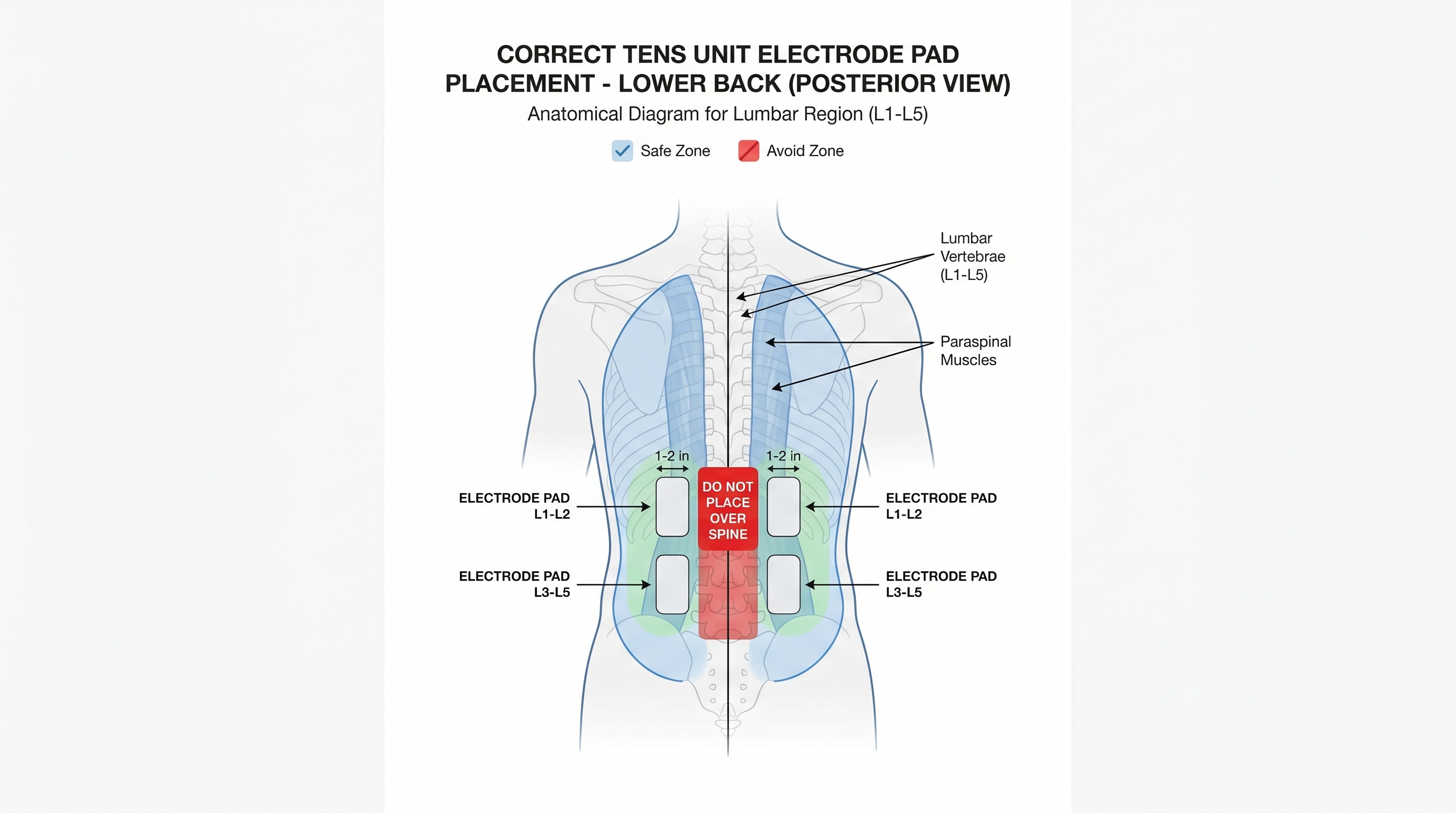
ALT: Diagram of TENS unit electrode pad placement on lower back targeting lumbar paraspinal muscles for drug-free chronic back pain relief
Advanced Considerations: Making Your TENS Therapy More Effective
Choosing the Right Mode and Frequency
Different TENS modes serve different therapeutic purposes, and understanding them helps you get targeted results. High-frequency TENS (typically above 50 Hz) works primarily through the gate control mechanism, providing fast-acting relief that is ideal for acute flare-ups or sharp pain. Low-frequency TENS (typically below 10 Hz) stimulates endorphin release and is better suited for longer-lasting, chronic pain management.
For most chronic back pain users, alternating between these modes — or using a burst mode that delivers high-frequency bursts at a low-frequency rate — provides the benefit of both mechanisms in a single session. iStim's TENS devices offer multiple programmable modes to support this kind of customized therapy.
Common Misconceptions About TENS for Back Pain
Misconception 1: "More intensity means more relief."
This is one of the most common mistakes new users make. TENS therapy should never be painful. Excessive intensity can cause skin irritation, muscle discomfort, and may actually counteract therapeutic benefits. The ideal sensation is a firm, comfortable tingle — not a shock or painful contraction.
Misconception 2: "TENS cures the underlying cause of back pain."
TENS is a powerful pain management tool, but it does not repair herniated discs, reverse degeneration, or resolve structural issues. It works by modulating pain signals and providing symptomatic relief, which is valuable for quality of life but should be part of a broader treatment plan that may include physical therapy, exercise, and medical care.
Misconception 3: "You can use TENS anywhere on your body."
There are specific contraindicated areas — the front of the neck (which contains the carotid sinus), directly over the heart, across the eyes, directly over the spine, and over broken or inflamed skin. Always review your device's user manual and consult a healthcare provider if unsure about placement.
Integration With Other Drug-Free Therapies
TENS therapy pairs well with other non-pharmaceutical approaches. Physical therapy exercises strengthen the core muscles that support the lumbar spine, complementing TENS's pain relief with structural rehabilitation. Heat therapy used before a TENS session can improve blood flow and electrode conductivity. Mindfulness and breathwork can enhance the relaxation response during sessions, deepening their effectiveness.
Frequently Asked Questions FAQ
Q1: How do I know if I'm placing the TENS electrodes correctly for back pain?
You'll know the placement is correct when you feel a symmetrical, comfortable tingling sensation in the area of your back pain during the session. If the sensation feels uneven, overly sharp on one side, or you feel nothing at all, adjust the pads slightly or ensure they are making full skin contact. A good rule of thumb: place pads on either side of the painful area — not directly over the spine — and ensure the gel is making solid contact with clean, dry skin. Refer to your device manual for placement diagrams.
Q2: Is it safe to use a TENS unit for chronic back pain every day?
For most healthy adults, daily use of a TENS unit for chronic back pain is generally considered safe when following the manufacturer's guidelines and using appropriate intensity levels. However, it is important to rotate electrode placement slightly between sessions to avoid skin irritation, and to take periodic breaks to assess how your pain is responding over time. If you have underlying medical conditions or implanted devices, always consult your healthcare provider before beginning daily TENS therapy.
Q3: How long does it take to feel relief from TENS therapy for back pain?
Many users report noticeable reduction in pain within the first 20 to 30 minutes of a properly configured TENS session. For chronic conditions, cumulative benefits often build over several weeks of consistent use. Some research suggests that endorphin-mediated relief from low-frequency TENS can persist for 30 minutes to several hours after a session ends. Results vary by individual, pain type, electrode placement accuracy, and device settings — keeping a pain log helps track your personal response over time.
Summary
Using a TENS unit for chronic back pain is one of the most accessible, effective, and drug-free options available to people seeking lasting relief at home. Three core takeaways define a successful approach:
1. Electrode placement is everything. The difference between marginal relief and significant improvement comes down to where you position your pads. Bilateral lumbar placement for general lower back pain, sciatic nerve tracking for radiating pain, and thoracic configurations for upper back tension — each serves a distinct purpose and produces distinct results.
2. Personalization unlocks the full potential of TENS. Adjusting frequency, mode, intensity, and session duration to match your specific pain pattern transforms TENS from a generic tool into a personalized therapy. iStim's multi-mode TENS devices are designed to give you that clinical-level control in your own home.
3. Consistency compounds results. Like physical therapy or exercise, TENS therapy delivers its greatest benefits when used regularly and thoughtfully. Keeping a pain log, combining TENS with stretching or physical therapy, and working with a healthcare provider to monitor progress creates a sustainable, drug-free pain management strategy.
Your next step is simple: start with proper skin preparation, follow the electrode placement guide in this article, begin at low intensity, and give your body the time to respond. Chronic pain management is a journey — but TENS therapy gives you a powerful, drug-free tool to make that journey more manageable.
Ready to Start Your Drug-Free Pain Relief Journey?
Ready to take control of your pain relief and muscle health — without relying on drugs? Visit iStim at https://istim.com/ to explore their full range of professional-grade TENS, EMS, and Kegel devices designed for effective, safe home use. Whether you're managing chronic back pain, recovering from an injury, or strengthening your pelvic floor, iStim has a clinically trusted solution tailored for you.
References
- National Institute of Neurological Disorders and Stroke (NINDS). "Back Pain Fact Sheet."
https://www.ninds.nih.gov/health-information/patient-caregiver-education/fact-sheets/back-pain-fact-sheet - Mayo Clinic. "Transcutaneous Electrical Nerve Stimulation (TENS)."
https://www.mayoclinic.org/tests-procedures/tens/about/pac-20384884 - National Institutes of Health — National Center for Complementary and Integrative Health (NCCIH). "Chronic Pain: In Depth."
https://www.nccih.nih.gov/health/chronic-pain-in-depth - American Physical Therapy Association (APTA). "Physical Therapist's Guide to Back Pain."
https://www.choosept.com/symptomsconditionsdetail/physical-therapy-guide-to-low-back-pain - Johnson, M.I. "Transcutaneous Electrical Nerve Stimulation: Mechanisms, Clinical Application and Evidence." Reviews in Pain, U.S. National Library of Medicine, PubMed Central.
https://www.ncbi.nlm.nih.gov/pmc/articles/PMC4589875/
Note: Standards and clinical recommendations may be updated. Please check the latest official documents or consult a qualified healthcare professional for the most current guidance.
About iStim
iStim is a Los Angeles-based electrotherapy brand specializing in professional-grade TENS, EMS, and Kegel devices for home use. Backed by ISO-certified Taiwanese manufacturing and trusted by 20,000+ Amazon customers, iStim is committed to delivering safe, effective, and drug-free pain relief and muscle stimulation solutions.
© iStim. All rights reserved. This article is intended for informational purposes only and does not constitute medical advice. Always consult a qualified healthcare professional before beginning any new treatment or therapy program.
Leave a comment