

How to Make Your TENS Electrode Pads Last Longer: Storage and Care Tips
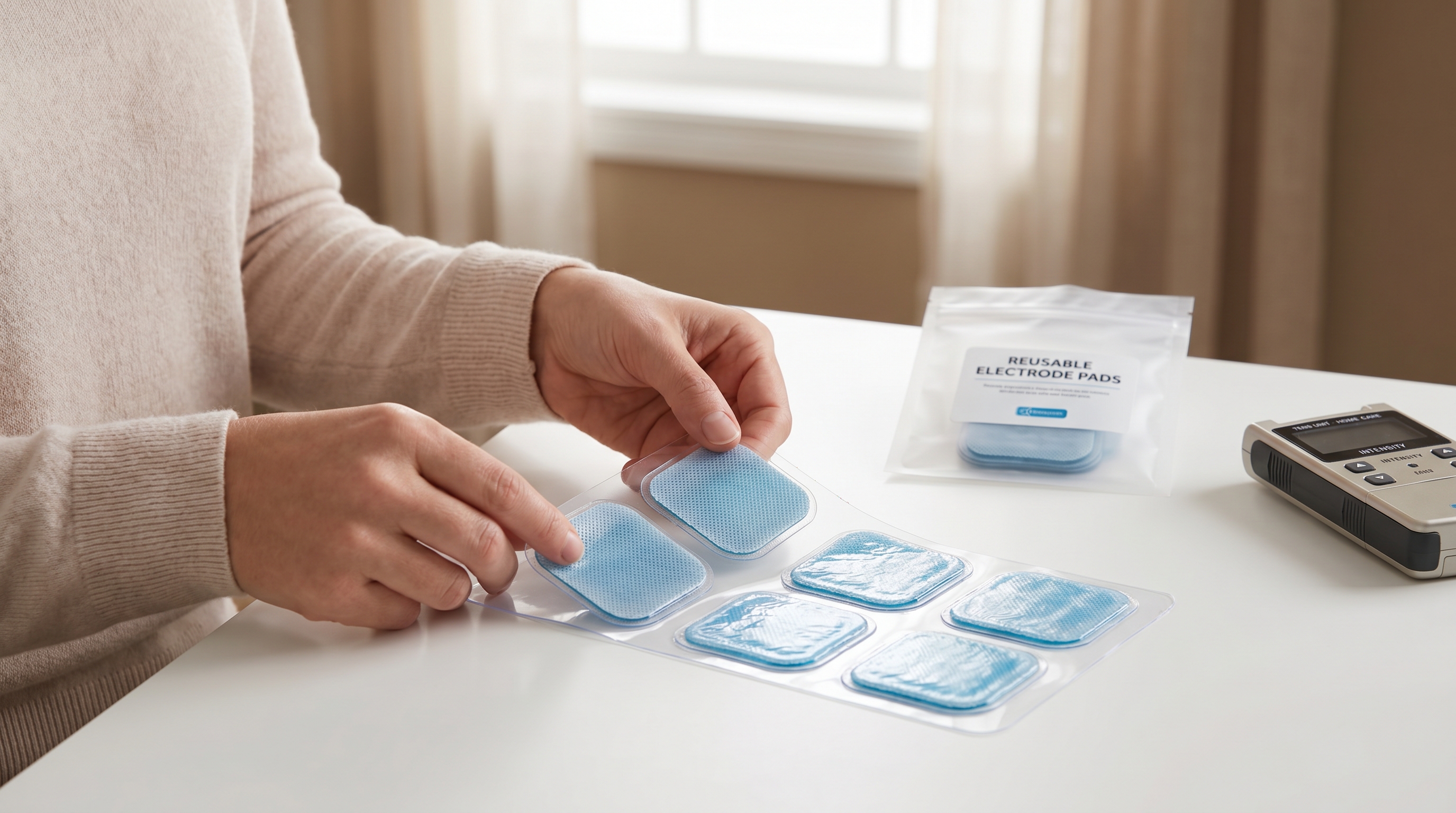
ALT: Person carefully storing reusable TENS electrode pads on a protective backing sheet to extend pad longevity and maintain optimal adhesion
Why Your TENS Electrode Pads Wear Out Faster Than They Should
Key Conclusion: Proper storage and daily care of your TENS electrode pads can significantly extend their usable lifespan, preserve adhesive quality, and ensure consistent electrical conductivity session after session. By understanding the common causes of premature pad degradation — from improper storage to skin preparation errors — you can protect your investment, maintain effective drug-free pain relief, and avoid the frustration of pads that no longer stick or conduct current properly.
If you've invested in a quality TENS device for drug-free pain management, you already understand the value of consistent, reliable therapy. But even the best electrotherapy device can underperform if its electrode pads are degraded, dried out, or losing adhesion. For many users, replacement pads become an unexpectedly frequent expense — not because the pads themselves are poor quality, but because small, avoidable habits quietly shorten their lifespan.
The good news is that with a few straightforward storage and care practices, most users can meaningfully extend the life of their pads. This translates to better therapy outcomes, lower ongoing costs, and a more satisfying home treatment experience. Whether you're using a TENS device for chronic back pain, post-workout muscle recovery, or rehabilitation following an injury, the electrode pads are the critical interface between your device and your body — and they deserve more attention than most users give them.
Who This Guide Is For
✅ Applicable Scenarios:
- Home TENS users who go through replacement pads frequently and want to reduce ongoing costs
- Individuals using TENS therapy regularly for chronic pain conditions, post-injury recovery, or daily muscle stimulation
- Caregivers or seniors managing at-home electrotherapy routines who want to simplify pad maintenance
- Active individuals and athletes using EMS or TENS devices for muscle recovery multiple times per week
❌ Not Applicable/Cautions:
- Users with skin conditions such as open wounds, active rashes, or severely sensitive skin should consult a healthcare provider before adjusting electrode placement or pad-care routines
- This guide addresses standard reusable gel electrode pads; carbon rubber electrodes with separate gel applications follow a different maintenance protocol
Understanding Why TENS Electrode Pads Degrade
TENS electrode pads are precision-engineered components. They aren't simply sticky patches — they're designed to maintain consistent electrical conductivity across your skin surface while conforming comfortably to body contours. Understanding how and why they degrade helps you make smarter decisions about care and storage.
The central element of most modern TENS pads is the hydrogel adhesive layer. This gel serves two simultaneous functions: it keeps the pad anchored to your skin throughout a session, and it conducts the low-level electrical current from your TENS unit into the underlying tissue. If you want to understand exactly how that current works to interrupt pain signals, the foundational resource What Is TENS Therapy and How Does It Relieve Pain Without Drugs? provides an excellent clinical breakdown.
The hydrogel layer begins to break down under several conditions:
Drying out is the single most common cause of premature pad failure. When moisture evaporates from the gel, it loses both its tackiness and its electrical conductivity. This happens when pads are left exposed to air between uses, stored in dry environments, or pressed against surfaces that absorb moisture.
Contamination from skin products is the second major culprit. Body lotion, sunscreen, natural skin oils, sweat residue, and even some topical pain medications leave a film on the skin surface that interferes with the gel's ability to adhere and conduct. Over time, these residues transfer to the gel layer and permanently compromise its properties.
Physical damage to the gel surface — from folding, pressing pads together incorrectly, or allowing debris to contact the adhesive — creates micro-tears and inconsistencies in the gel that affect both comfort and conductivity.
Heat and UV exposure accelerate gel degradation at the molecular level. Storing pads in a warm car, near a heating vent, or in direct sunlight speeds up moisture loss and can alter the gel's chemical structure.
Market research in the home healthcare technology space consistently shows that replacement consumables like electrode pads represent a significant ongoing cost for regular TENS users. Yet surveys of experienced users reveal that those who follow consistent care protocols report substantially longer pad lifespans — in many cases more than doubling the number of uses they get from each set of pads. The difference is almost entirely attributable to preventable factors that this guide addresses directly.
For those who are newer to electrotherapy and still selecting a device, the TENS Unit Buyer's Guide: What to Look for in a Home Electrotherapy Device offers valuable context on how electrode pad compatibility and replacement costs should factor into your purchasing decision.
How to Properly Care for and Store Your TENS Electrode Pads
Three-Step Quick Start for New Users
Step 1: Prepare Your Skin Before Every Session
Before applying electrode pads, clean the placement area with mild soap and warm water, then rinse thoroughly and allow the skin to dry completely — this typically takes two to three minutes. Avoid applying any lotion, oil, or cream to the area beforehand. If you've been exercising, shower before your session if possible. This single step removes the surface contaminants that most aggressively degrade gel adhesion over time, and it also improves electrical conductivity for more consistent therapy delivery.
Step 2: Remove Pads Gently and Restore Protective Backing Immediately
At the end of each session, peel the electrode pads away from your skin slowly and evenly, starting from one corner. Rushing this step is a common cause of gel layer tearing. Once removed, immediately press the pad back onto its original plastic backing sheet — or a dedicated backing sheet if the original has been discarded — and seal it in a resealable plastic bag or airtight container. This takes under a minute and is the most impactful single habit for extending pad lifespan.
Step 3: Store in a Cool, Dry, Dark Location
Place your sealed pads in a location away from direct sunlight, heat sources, and humidity extremes. A bathroom medicine cabinet, bedside drawer, or dedicated electrotherapy storage box all work well. Avoid storing pads in vehicles, near windows, or in areas that experience significant temperature fluctuations. If your home is particularly dry, adding a small humidity-regulating packet to your storage container can help preserve gel moisture over time.
Comparing Pad Care Approaches: What Actually Works
Different users adopt different approaches to TENS electrode pad maintenance. Understanding the tradeoffs helps you choose a strategy that fits your routine.
| Comparison Dimension | Minimal Care (No Protocol) | Basic Storage Protocol | Full Maintenance Protocol |
|---|---|---|---|
| Typical Pad Lifespan | Shorter; adhesion degrades quickly | Moderate; noticeable improvement over no care | Longest; maximizes gel integrity and adhesion |
| Daily Time Investment | None initially | Under 2 minutes per session | 3–5 minutes per session |
| Skin Preparation | None | Basic cleaning before application | Thorough cleaning + drying + no products |
| Storage Method | Left exposed or loosely stored | Sealed bag with backing sheet | Airtight container, climate-considered location |
| Re-moistening Practice | None | Occasional water drop if pads feel dry | Controlled micro-moistening as needed |
| Cost Implication | Highest replacement frequency | Moderate savings | Best long-term value |
| Therapy Consistency | Variable; may feel inconsistent | Generally consistent | Highly consistent conductivity and comfort |
The full maintenance protocol requires minimal additional time and yields the most consistent therapy experience alongside the greatest savings on replacement pads.
Detailed Care Practices That Make a Real Difference
Skin Preparation Is Non-Negotiable
The condition of your skin at the time of pad application directly determines how well the gel adheres and how consistently current is delivered. Skin preparation is the most underappreciated aspect of TENS pad maintenance, yet it has the greatest cumulative effect on pad longevity.
Natural skin oils are continuously secreted by sebaceous glands. Even clean-feeling skin carries a thin oil film that, over repeated sessions, transfers to the gel and gradually reduces its tackiness. A quick wash with mild soap and warm water before each session removes this film effectively without over-drying the skin.
Similarly, avoid applying electrode pads over body hair whenever possible. Hair creates an uneven surface that causes the pad to lift at the edges, introducing air gaps that dry out the gel much faster. If hair removal isn't practical, at minimum smooth the area to reduce surface irregularity.
The Backing Sheet: Your Pad's Best Friend
Many users discard the plastic backing sheets that come with new electrode pads, not realizing these thin sheets are specifically designed to protect the hydrogel surface between uses. The backing sheet prevents dust and debris from contacting the gel, maintains even pressure across the adhesive surface to preserve its structure, and limits moisture evaporation.
If your original backing sheets are lost or damaged, plastic transparency sheets cut to size, clean parchment paper, or commercially available electrode pad backing sheets all serve as effective substitutes. What matters most is that something non-porous is pressed firmly and evenly against the gel surface whenever the pad is not in active use.
Re-Moistening: When and How
As pads age, their gel layer naturally loses some moisture content even with excellent storage. A common and effective technique for restoring adhesion is controlled re-moistening: using a clean fingertip or a cotton swab, apply one to three drops of clean water to the gel surface and gently spread it in a thin, even layer. Allow it to absorb for thirty seconds before applying the pad to your skin.
This technique can meaningfully restore adhesion in pads that have become less sticky but are otherwise undamaged. However, it is not a cure-all — if the gel has developed tears, discoloration, or hard spots, the pad should be replaced. Over-moistening (applying too much water) can also temporarily reduce conductivity, so the emphasis is always on minimal application.
Rotation Reduces Wear Patterns
If you use the same placement sites for every session, the same areas of your electrode pads experience repeated adhesion and removal cycles. Slightly varying your pad placement within the approved therapeutic zone allows different areas of the gel surface to be used across sessions, distributing wear more evenly and extending overall pad life.
For users following structured electrode placement protocols — such as those used in chronic back pain therapy — it's worth reviewing guidance like that found in How to Use a TENS Unit for Chronic Back Pain: Electrode Placement Guide to understand how much flexibility exists in placement positioning without compromising therapeutic outcomes.
Temperature and Humidity Considerations
Gel adhesives are particularly sensitive to environmental temperature. Storing pads in areas that regularly reach high temperatures — such as a car glove compartment on a warm day — can cause irreversible gel degradation in a very short time. Conversely, environments that are extremely cold can temporarily stiffen the gel, reducing its initial adhesion until it warms to body temperature.
The ideal storage environment is consistently cool and moderately humid. If you live in a very dry climate or use air conditioning extensively, consider storing pads in a small sealed container with a piece of damp (not wet) cloth or a commercial humidity-control packet nearby. This passive humidification strategy is particularly useful during winter months when indoor heating significantly reduces ambient humidity.
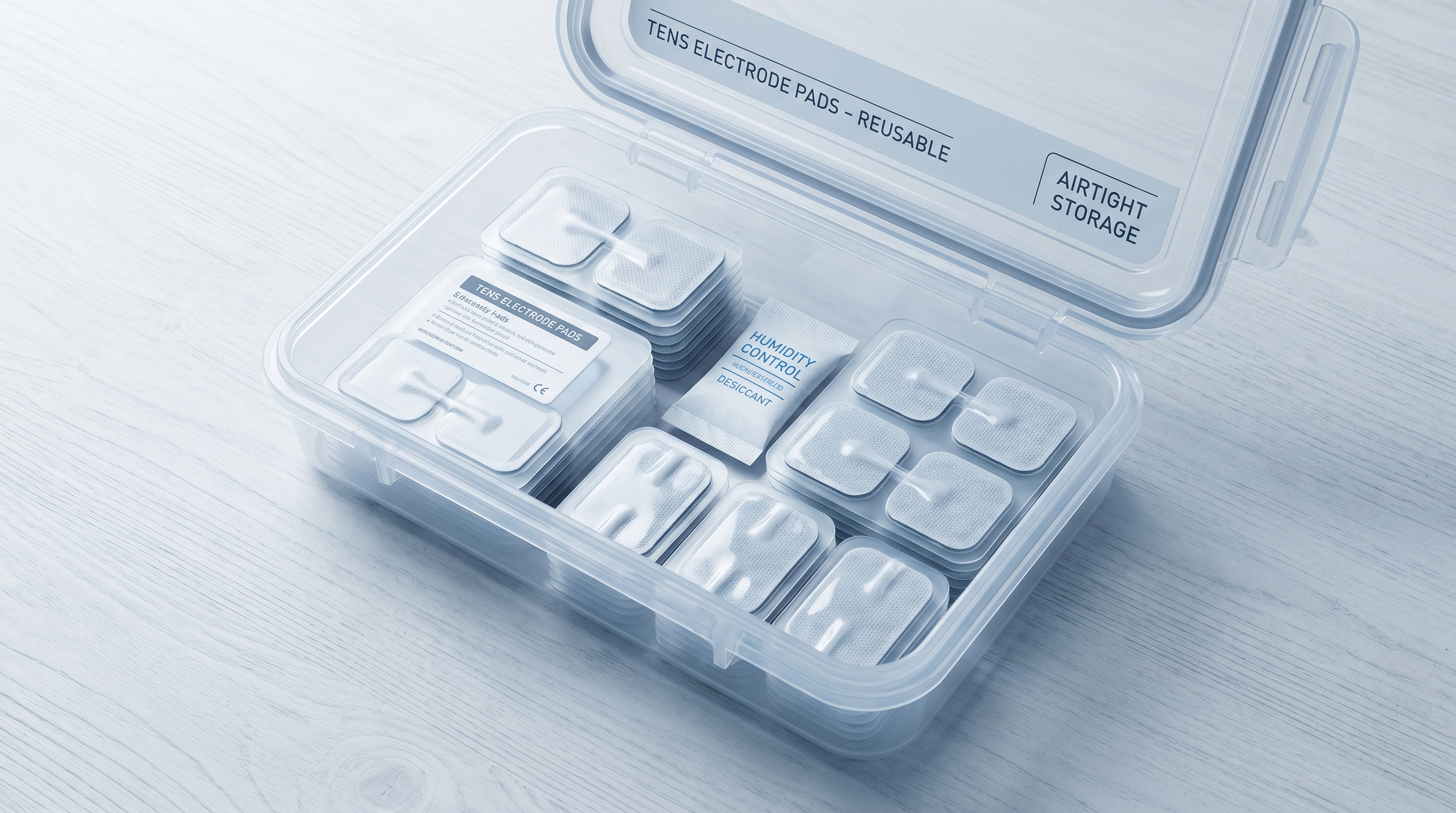
ALT: TENS electrode pads stored correctly on protective backing sheets inside a sealed airtight container to preserve gel adhesion and extend usable lifespan
Advanced Considerations for Long-Term Users
When Pads from Different Devices Are Not Interchangeable
A common misconception among TENS users is that electrode pads from different brands and devices are universally interchangeable. While the snap connector size or pin type may appear compatible, pads differ significantly in their gel formulation, thickness, flexibility, and conductivity characteristics. Using pads not optimized for your specific device can result in uneven current delivery, skin irritation, and faster pad degradation.
iStim devices are designed to work optimally with matched electrode pads that reflect the same commitment to quality and ISO-certified manufacturing standards. Understanding the difference between gel formulations — including specialty options — is covered in depth in the article Japanese Gel vs. Standard Gel Electrode Pads: What's the Difference?, which helps users make informed choices about pad selection.
The "More Is Not Better" Principle in Pad Moisture Management
Some users, after reading about re-moistening techniques, begin applying water liberally to their pads before every session regardless of actual need. This approach is counterproductive. Excessive moisture dilutes the gel's conductivity, creates inconsistent current distribution across the pad surface, and can accelerate gel breakdown over time. The correct approach is to assess each pad individually before use — if it feels adequately tacky and the gel surface looks intact and uniform, no additional moisture is needed.
Recognizing When Pads Must Be Replaced
Even with exemplary care, electrode pads have a finite lifespan. Replace pads when you notice:
- Persistent failure to adhere to clean, dry skin despite re-moistening
- Visible gel damage including tears, hard patches, crystallized areas, or significant discoloration
- Consistent "hot spots" or uneven sensations during sessions, suggesting uneven conductivity
- Any skin irritation that persists after a session that was not present with fresh pads
Continuing to use degraded pads is not just ineffective — it can deliver uneven current that causes skin discomfort. For anyone using electrotherapy as part of a structured rehabilitation program, consistent pad quality is directly tied to therapy outcome reliability. This is equally true whether you're using TENS for pain management or EMS (Electrical Muscle Stimulation) for muscle recovery — both modalities depend on reliable electrode-to-skin contact for effective treatment delivery.
Frequently Asked Questions FAQ
Q1: How can I tell if my TENS electrode pads are still conducting electricity properly?
The most reliable indicator is the sensation you feel during a session. Properly conducting pads deliver a consistent, even tingling or pulsing sensation across the entire pad surface. If you notice a "stinging" feeling at pad edges, patchy sensations, or need to use unusually high intensity settings to feel anything, conductivity has likely been compromised. A visual inspection of the gel — looking for dryness, crystallization, or surface damage — combined with a basic tactile test (the gel should feel evenly tacky across its full surface) provides a practical pre-session quality check.
Q2: Is it safe to reuse TENS electrode pads between multiple users or family members?
Electrode pads should not be shared between individuals. The gel surface directly contacts skin and can pick up bacteria, dead skin cells, and other biological material during use. Sharing pads between users creates a hygiene risk and also accelerates gel degradation due to varying skin chemistry, oils, and moisture levels. Each user should have their own dedicated set of pads. For households with multiple TENS device users, label individual pad sets clearly and store them separately.
Q3: How long should a set of quality TENS electrode pads last with proper care?
With consistent proper care — including thorough skin preparation before each session, immediate resealing on a backing sheet after use, and appropriate storage conditions — quality reusable hydrogel pads can deliver a substantially greater number of sessions than those used without care protocols. The exact number varies based on gel formulation, session frequency, individual skin chemistry, and placement sites. However, users who adopt full maintenance protocols consistently report their pads lasting noticeably longer compared to periods when they used no care routine at all. When pads begin showing signs of adhesion loss or gel damage that cannot be reversed with re-moistening, replacement is the appropriate next step.
Summary
Extending the life of your TENS electrode pads isn't complicated — it requires consistency in three key areas:
- Thorough skin preparation before every session removes the oils, residues, and contaminants that most aggressively degrade gel adhesion and conductivity over time. This one habit alone has a greater impact on pad lifespan than almost anything else.
- Proper post-session storage — returning pads to a protective backing sheet and sealing them in an airtight container away from heat, light, and humidity extremes — preserves the hydrogel's moisture content and physical integrity between uses.
- Informed maintenance practices including controlled re-moistening when needed, pad rotation across therapeutic zones, and prompt replacement when pads show genuine signs of degradation ensure that every session delivers consistent, safe, and effective therapy.
These practices take minimal time but have a meaningful cumulative effect on both the performance and cost-efficiency of your home electrotherapy routine. For users managing chronic pain, supporting rehabilitation, or maintaining an active lifestyle, consistent pad quality isn't a minor detail — it's a foundational element of reliable, drug-free therapy.
Your next step: assess your current storage setup. Do you have a proper backing sheet and sealed container for your pads? If not, a simple airtight bag and a cool drawer is all it takes to start protecting your investment today.
Call to Action
Ready to take control of your pain relief and muscle health from the comfort of home? iStim offers a full range of professional-grade TENS, EMS, and Kegel devices engineered for safe, effective, drug-free therapy trusted by over 20,000 customers. Explore the complete lineup and find the right device for your needs at https://istim.com/.
References
- National Institutes of Health (NIH). "Transcutaneous Electrical Nerve Stimulation (TENS) for Pain Management: An Overview".
https://www.ncbi.nlm.nih.gov/pmc/articles/PMC5737664/ - U.S. Food & Drug Administration (FDA). "Transcutaneous Electrical Nerve Stimulators (TENS) — Device Classification and Guidance".
https://www.fda.gov/medical-devices/home-use-devices/transcutaneous-electrical-nerve-stimulators-tens - American Physical Therapy Association (APTA). "Electrophysical Agents in Physical Therapy Practice".
https://www.apta.org/ - Cleveland Clinic. "TENS (Transcutaneous Electrical Nerve Stimulation)".
https://my.clevelandclinic.org/health/treatments/22053-transcutaneous-electrical-nerve-stimulation-tens - MedlinePlus, U.S. National Library of Medicine. "Electrical Stimulation for Pain".
https://medlineplus.gov/ency/patientinstructions/000403.htm
Note: Standards and clinical guidelines may be updated periodically. Please consult the latest official documents or a qualified healthcare professional for current recommendations.
About iStim
iStim is a Los Angeles-based electrotherapy brand specializing in professional-grade TENS, EMS, and Kegel devices designed for home use, combining ISO-certified Taiwanese manufacturing with a commitment to drug-free pain relief and muscle stimulation trusted by 20,000+ customers worldwide. Learn more at https://istim.com/.
Disclaimer: This article is provided for informational and educational purposes only and does not constitute medical advice. The content is produced in association with iStim and reflects general wellness information. Always consult a qualified healthcare professional before beginning any new therapy or treatment program. © iStim. All rights reserved.
Leave a comment