

How Often Should You Use a TENS Unit for Optimal Pain Relief?
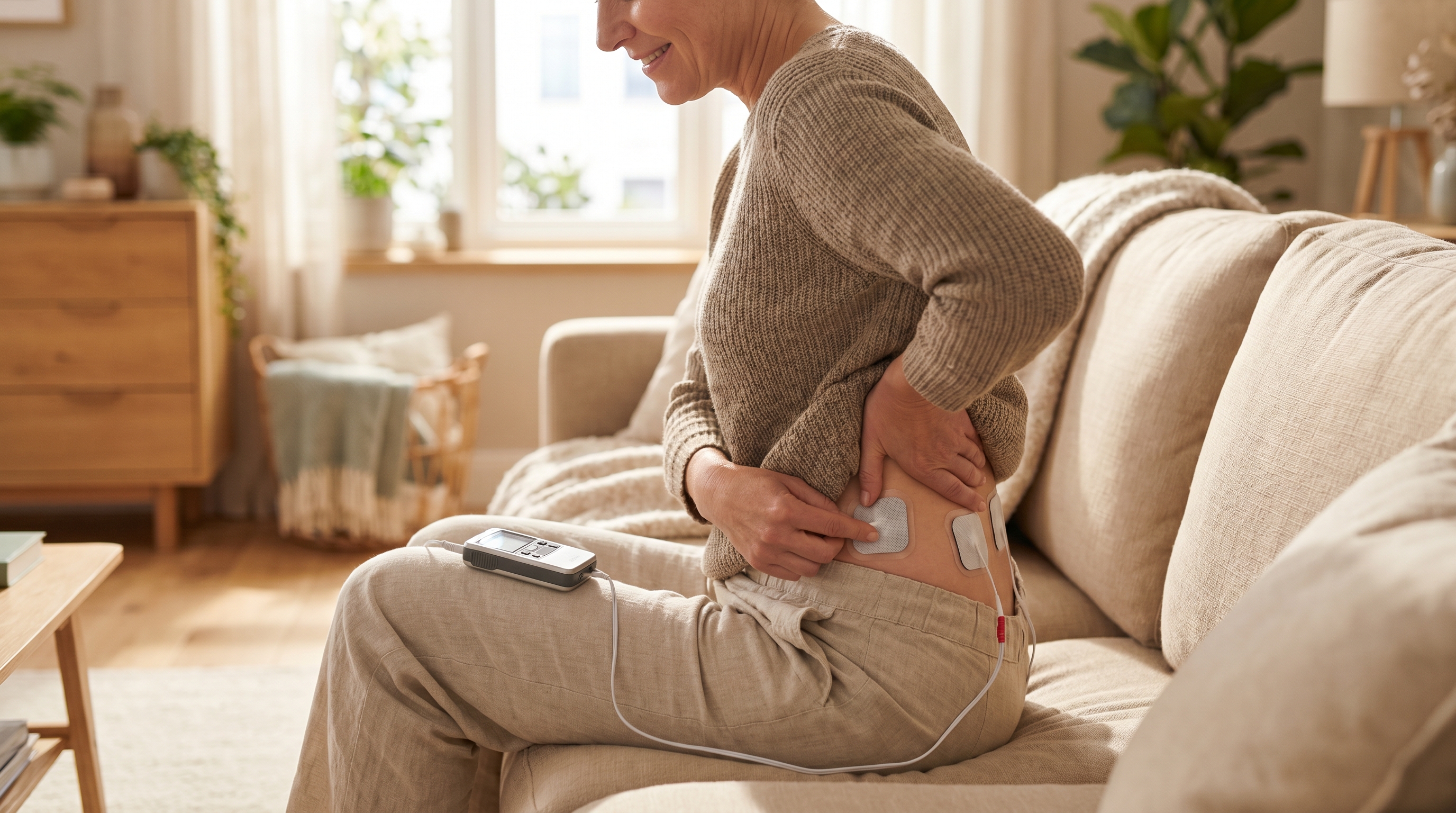
ALT: Person using a TENS unit on lower back for drug-free pain relief at home
How Often Should You Use a TENS Unit for Optimal Pain Relief?
Key Conclusion: The optimal frequency for TENS unit use depends on your specific condition, pain levels, and treatment goals. For most adults seeking pain relief, sessions of 20–60 minutes can be used up to several times daily, while those focused on muscle recovery or pelvic floor health benefit from structured, consistent routines. Building a personalized schedule — guided by a healthcare provider — is the most effective path to lasting, drug-free relief.
Whether you're managing chronic back pain, recovering from an injury, or working to strengthen your pelvic floor, a TENS unit can be a powerful, non-invasive tool in your wellness toolkit. But one of the most common questions new users ask is: How often is too often — and how often is not enough?
The answer is nuanced. TENS therapy works by delivering gentle electrical impulses through electrode pads placed on the skin, stimulating nerve fibers to interrupt pain signals before they reach the brain. Unlike medications, it carries no systemic side effects — but that doesn't mean more is always better. Understanding the right usage frequency is key to maximizing results while ensuring long-term safety.
Who Should (and Shouldn't) Use a TENS Unit Regularly
✅ Applicable Scenarios:
- Adults with chronic pain conditions such as lower back pain, arthritis, sciatica, or fibromyalgia seeking a drug-free pain relief alternative
- Athletes and active individuals using TENS or EMS for post-workout muscle recovery and soreness reduction
- Women experiencing pelvic floor dysfunction, urinary incontinence, or postpartum recovery who benefit from electrotherapy-based pelvic floor rehabilitation
- Post-surgery or injury recovery patients following a medically guided electrotherapy plan
- Individuals looking to reduce or eliminate reliance on over-the-counter pain medications
❌ Not Applicable/Cautions:
- People with implanted electronic devices such as pacemakers or defibrillators — electrical stimulation can interfere with device function
- Individuals with epilepsy, active cancer, or open skin wounds at the electrode site should consult a physician before use
- Pregnant women should avoid TENS use over the abdomen or lower back without explicit medical approval
- TENS should not be used while driving, operating heavy machinery, or submerged in water
Why TENS Frequency Matters: The Science Behind Consistent Use
TENS (Transcutaneous Electrical Nerve Stimulation) has been a cornerstone of physical therapy and pain management for decades. According to the American Physical Therapy Association, electrotherapy modalities like TENS are among the most widely used non-pharmacological interventions for both acute and chronic pain. Yet despite their growing popularity in home settings, many users still rely on guesswork when deciding how often to use their devices.
This matters because TENS therapy is not a one-size-fits-all treatment. The frequency of your sessions directly influences the type and duration of pain relief you experience. High-frequency TENS (generally above 50 Hz) tends to produce faster but shorter-lasting relief by activating the gate control mechanism — essentially "closing the gate" on incoming pain signals. Low-frequency TENS (typically below 10 Hz) stimulates endorphin release, which can provide longer-lasting relief but may take more sessions to build up noticeable effects.
If you're curious about the biological mechanisms at play, the article The Science Behind Endorphin Release During TENS Therapy offers an in-depth look at how consistent TENS use can naturally elevate your body's own pain-fighting chemistry. Understanding this biology helps explain why regularity — not just intensity — is so important to getting lasting results.
The rise of at-home electrotherapy has also changed the conversation. As more people search for drug-free pain relief options for chronic back pain and alternatives to prescription medications, TENS units have moved from clinic floors into living rooms. With that shift comes the need for clear, reliable guidance on safe and effective usage patterns.
How to Build an Optimal TENS Usage Routine
Getting Started: A Three-Step Approach to Daily TENS Therapy
Step 1: Assess Your Pain Type and Treatment Goal
Before establishing a routine, identify whether you're addressing acute pain (sudden, injury-related), chronic pain (ongoing, lasting more than three months), or functional recovery (post-workout muscle soreness, pelvic floor rehabilitation). Acute pain often responds well to shorter, more frequent sessions in the early days. Chronic conditions typically benefit from a consistent daily or twice-daily schedule maintained over weeks. This assessment — ideally done in consultation with a physical therapist or physician — forms the foundation of your personalized plan and should take no more than a single appointment to clarify.
Step 2: Set Up Your Session Parameters
Place your electrode pads correctly on or near the area of pain, following your device's electrode placement guide. For most pain relief applications, a session length of 20 to 60 minutes is commonly recommended. Start with lower intensity settings and increase gradually until you feel a comfortable tingling sensation — never pain or discomfort. If you're targeting multiple body areas simultaneously, a 4-channel TENS/EMS device can allow you to treat more than one site in a single session, maximizing efficiency.
Step 3: Track Your Response and Adjust Frequency
After each session, note your pain levels before and after on a simple 1–10 scale. If you experience significant relief lasting several hours, a once-daily or twice-daily routine may be sufficient. If relief is minimal or short-lived, you may benefit from shorter, more frequent sessions throughout the day. Keep a simple log for the first two to four weeks. This data is invaluable for communicating with your healthcare provider and for fine-tuning your protocol.
Comparing TENS Usage Frequencies: Which Schedule Works Best?
Finding the right rhythm for your TENS sessions can feel overwhelming at first. The table below compares three common usage patterns to help you identify the best starting point for your situation.
| Comparison Dimension | Light Use (1x Daily) | Moderate Use (2–3x Daily) | Intensive Use (4+ Sessions Daily) |
|---|---|---|---|
| Best suited for | Mild, intermittent pain; maintenance | Chronic pain management; post-workout recovery | Acute flare-ups; guided clinical protocols |
| Typical session length | 30–60 minutes | 20–30 minutes per session | 15–20 minutes per session |
| Pain relief duration | Several hours | Sustained throughout the day | Near-continuous; ideal for acute episodes |
| Risk of skin irritation | Low | Low to moderate (rotate pad placement) | Moderate (monitor skin carefully) |
| Ideal user profile | New users; mild conditions | Chronic pain sufferers; athletes | Post-injury recovery (with provider guidance) |
| Recommended approach | Start here and build | Most common maintenance schedule | Consult a healthcare provider first |
As this comparison illustrates, there's no single "correct" answer — but most experts and device guidelines suggest that two to three sessions per day represents a practical, sustainable sweet spot for the majority of chronic pain sufferers.
Condition-Specific Guidance: Tailoring Your TENS Schedule
Chronic Back Pain and Musculoskeletal Conditions
For individuals dealing with persistent lower back pain — one of the most frequently searched topics when it comes to drug-free pain relief — a consistent daily routine tends to outperform sporadic use. Many physical therapists recommend starting with a once-daily session and progressing to two or three sessions per day if the initial response is positive.
It's worth noting that TENS is not a cure for the underlying cause of back pain; rather, it helps manage the symptom experience while other rehabilitative work — stretching, strengthening, posture correction — addresses the root issue. For a thorough comparison of how TENS stacks up against pharmaceutical approaches, the article TENS vs. Prescription Pain Medication: A Non-Invasive Alternative Explained provides a balanced, evidence-informed perspective that many chronic pain sufferers find reassuring.
Athletes and Muscle Recovery
For athletes and fitness enthusiasts, TENS and EMS are often used in tandem. TENS sessions immediately after intense training can help dull exercise-induced soreness, while EMS (Electrical Muscle Stimulation) promotes active muscle recovery and circulation. A typical athlete's schedule might include a TENS session within the first hour post-workout, followed by an EMS recovery session in the evening.
Understanding how these two modalities complement each other is key to building an effective schedule. If you're combining both in your routine, Creating a Weekly Pain Relief and Muscle Training Schedule Using a TENS/EMS Combo offers a practical, week-by-week framework that athletes at all levels can adapt.
Pelvic Floor Rehabilitation
Pelvic floor electrotherapy operates under a somewhat different protocol. Unlike musculoskeletal TENS applications, Kegel electrotherapy devices designed for pelvic floor health typically follow a more structured program — often manufacturer-recommended treatment cycles of 20–30 minutes, performed daily or on alternating days. The goal is progressive muscle conditioning rather than immediate pain relief.
Women experiencing urinary incontinence, pelvic prolapse, or postpartum weakness should approach pelvic floor stimulation with patience and consistency. Results typically become noticeable after several weeks of regular use. For a step-by-step setup guide, the iStim resource How to Use the iStim V2 Kegel Exerciser: A Complete Setup and Usage Guide walks through proper technique and session frequency in detail.
Post-Surgery and Injury Recovery
In post-surgical contexts, TENS frequency is almost always determined by a physical therapist or rehabilitation specialist. Patients in these situations should follow their provider's prescribed schedule closely and avoid increasing session frequency without professional input. Generally, sessions are kept shorter in the early stages of recovery and extended as healing progresses.
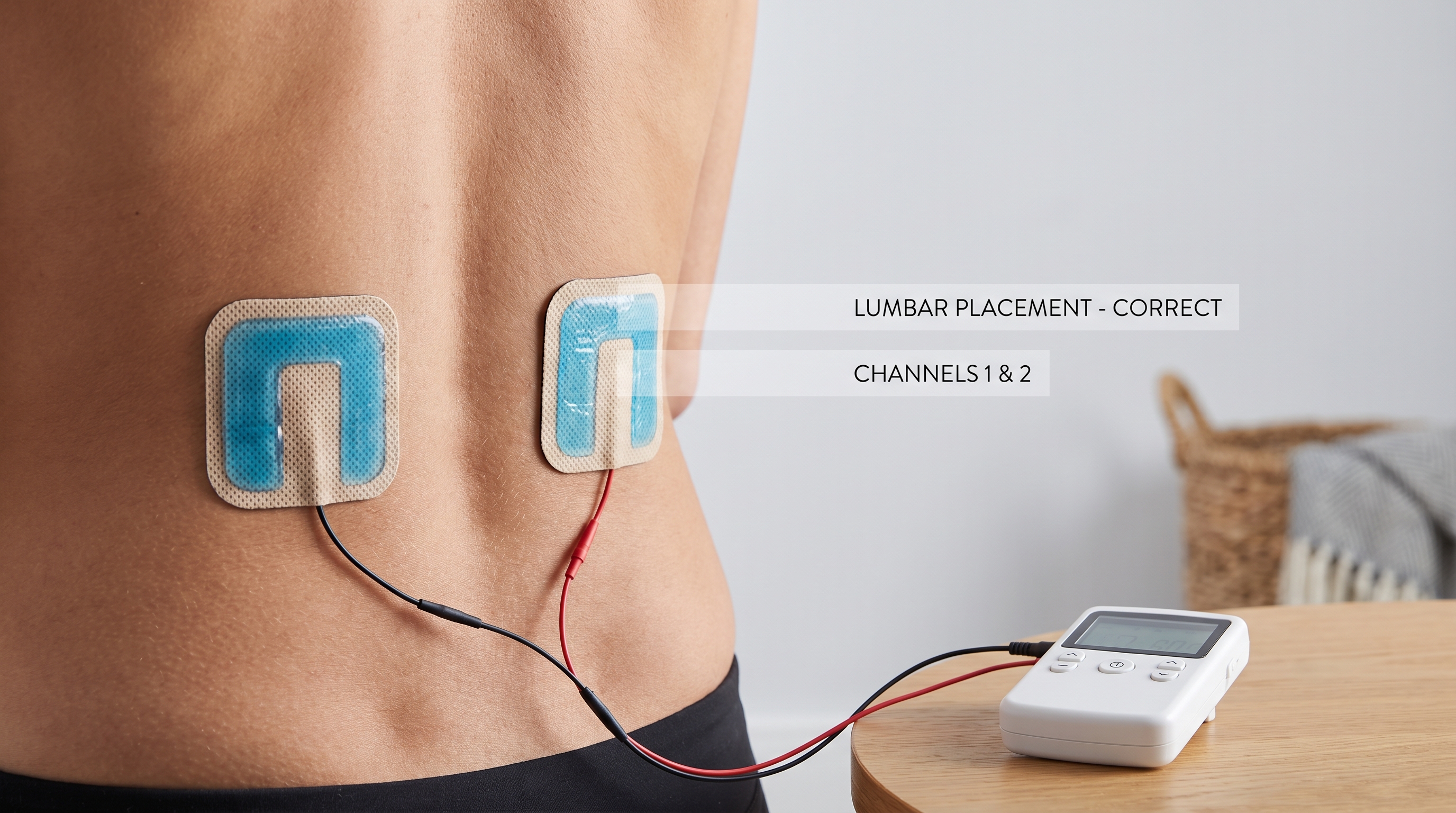
ALT: Close-up of TENS electrode pads correctly placed on lower back for drug-free chronic pain relief therapy at home
Advanced Considerations: What Most People Get Wrong About TENS Frequency
The "More Is Better" Misconception
One of the most prevalent misunderstandings about TENS therapy is that using the device more frequently will automatically deliver faster or stronger results. In reality, overuse — particularly at high intensities — can lead to skin irritation beneath the electrode pads, reduced sensitivity over time (sometimes called "accommodation"), and in rare cases, muscle fatigue if EMS mode is involved. Most device guidelines and physical therapy recommendations include rest periods between sessions specifically to prevent these outcomes.
A practical rule: if you notice your skin becoming red or irritated at electrode sites, reduce frequency and rotate pad placement to adjacent areas. Give your skin at least a few hours of rest between sessions.
Tolerance and the Importance of Varying Settings
Prolonged use of the exact same TENS settings — frequency, pulse width, intensity — can cause your nervous system to adapt, reducing the perceived effectiveness over time. Many experienced users and therapists recommend periodically varying your settings or switching between high-frequency and low-frequency modes to maintain responsiveness. Devices with multiple pre-programmed modes, like those offered by iStim, make this rotation straightforward.
Does Electrode Placement Affect How Often You Should Use TENS?
Absolutely. Correct electrode placement is inseparable from frequency considerations. Placing pads too close together, over bony prominences, or in anatomically inappropriate locations can reduce effectiveness and increase the risk of skin irritation — which in turn forces you to reduce frequency to allow recovery. Reviewing a comprehensive placement reference, such as Full Body TENS Electrode Placement Reference: 10 Common Treatment Sites, can help you optimize both placement and session frequency simultaneously.
Is TENS Safe Enough to Use Every Day?
For most healthy adults with musculoskeletal pain, daily TENS use is considered safe and appropriate when used as directed. Clinicians commonly prescribe daily TENS sessions as part of comprehensive pain management programs. The key qualifiers are: use appropriate intensity (comfortable, never painful), monitor skin condition, and consult a healthcare provider if you have any underlying health conditions that might affect safety. For a deeper look at safety data and clinical perspectives, Is TENS Therapy Safe? What Doctors and Physical Therapists Say is an excellent resource.
Frequently Asked Questions FAQ
Q1: How long should each TENS session last for effective pain relief?
Most clinical guidelines and device manufacturers recommend session lengths of 20 to 60 minutes for general pain relief applications. Shorter sessions (15–20 minutes) are often used for acute pain flare-ups or when sessions are repeated multiple times per day. Longer sessions (45–60 minutes) may be appropriate for chronic pain management during low-activity periods. Always start at the lower end of the recommended range and adjust based on your comfort level and how long the relief lasts after the session ends.
Q2: Is it safe to use a TENS unit every single day for chronic back pain?
For most adults with chronic musculoskeletal conditions, daily TENS use is considered safe and is commonly recommended within structured rehabilitation programs. The critical factors are maintaining appropriate intensity levels (a gentle tingling, never pain), rotating electrode pad placement to prevent skin irritation, and ensuring your device is suitable for your specific condition. Individuals with pacemakers, epilepsy, or active cancer should not use TENS without explicit medical clearance. When in doubt, consult a physical therapist or physician before establishing a daily routine.
Q3: How long before I see results from regular TENS therapy use?
Many users report noticeable pain relief during or immediately following their first session, particularly with high-frequency TENS settings that activate the gate control mechanism. However, for cumulative benefits — such as longer-lasting relief, reduced baseline pain levels, or meaningful pelvic floor strengthening — consistent use over two to six weeks is typically needed. Keeping a pain journal tracking your pre- and post-session scores is the most reliable way to objectively measure your progress and communicate results to your healthcare provider.
Summary
Knowing how often to use your TENS unit is just as important as knowing how to use it correctly. Three core principles should guide your approach:
1. Match frequency to your condition. Acute pain may call for multiple shorter sessions in the early stages, while chronic pain management benefits most from consistent, moderate daily use. Pelvic floor rehabilitation follows a progressive conditioning protocol that prioritizes consistency over intensity.
2. Listen to your body. Skin condition, pain response, and overall comfort are your best real-time feedback mechanisms. If something doesn't feel right — whether that's increased discomfort, skin irritation, or diminishing returns — reduce frequency and consult a professional.
3. Combine TENS with a broader wellness plan. TENS is most effective as part of a holistic approach that includes appropriate exercise, posture work, nutrition, and — where applicable — professional physical therapy. It's a powerful tool, not a standalone cure.
The good news is that with high-quality, professional-grade devices designed for home use, you have access to the same caliber of electrotherapy that clinics have offered for decades — at a fraction of the cost and with the convenience of doing it on your own schedule.
Ready to Start Your Drug-Free Pain Relief Journey?
Ready to take control of your pain relief and muscle recovery — naturally and drug-free? Explore iStim's full range of professional-grade TENS, EMS, and Kegel devices at https://istim.com/ and find the right solution tailored to your wellness needs. Join over 20,000 satisfied customers who have made iStim their trusted partner in at-home electrotherapy.
References
- American Physical Therapy Association. "Physical Therapy Guide to Chronic Pain".
https://www.choosept.com/guide/physical-therapy-guide-chronic-pain - National Institutes of Health — National Library of Medicine. "Transcutaneous Electrical Nerve Stimulation (TENS) for Pain Relief".
https://www.ncbi.nlm.nih.gov/books/NBK537188/ - Cochrane Library. "Transcutaneous electrical nerve stimulation (TENS) for chronic pain — an overview of Cochrane Reviews".
https://www.cochranelibrary.com/cdsr/doi/10.1002/14651858.CD011890.pub2/full - Mayo Clinic. "TENS (Transcutaneous Electrical Nerve Stimulation)".
https://www.mayoclinic.org/tests-procedures/transcutaneous-electrical-nerve-stimulation/about/pac-20393884 - National Institute of Neurological Disorders and Stroke (NINDS). "Pain: Hope Through Research".
https://www.ninds.nih.gov/health-information/patient-caregiver-education/hope-through-research/pain-hope-through-research
Note: Standards and clinical guidelines may be updated over time. Please check the latest official documents or consult a qualified healthcare professional for the most current recommendations.
About iStim
iStim is a Los Angeles-based electrotherapy brand specializing in professional-grade TENS, EMS, and Kegel devices engineered for safe, effective home use — backed by ISO-certified Taiwanese manufacturing and trusted by 20,000+ Amazon customers for drug-free pain relief and muscle stimulation. Learn more at istim.com.
© iStim. All rights reserved. This article is intended for informational purposes only and does not constitute medical advice. Always consult a qualified healthcare professional before beginning any electrotherapy or treatment program.
Leave a comment