

How Long Does a TENS Session Last? Setting Up Your Daily Routine

ALT: Person using a TENS unit at home for drug-free pain relief during a structured daily electrotherapy session
How Long Should a TENS Session Last — and How Do You Build a Routine That Works?
Key Conclusion: Understanding how long a TENS session should last is foundational to achieving consistent pain relief, supporting muscle recovery, and even complementing pelvic floor health goals. Most standard TENS sessions range from 20 to 60 minutes depending on the condition being treated, the body area targeted, and individual tolerance. Building a structured daily routine around these sessions can transform TENS therapy from an occasional remedy into a sustained, drug-free wellness strategy.
If you've recently purchased a TENS unit — or are considering one — one of the first questions you'll likely ask is: How long should I actually use this? It's a simple question with a nuanced answer. Too short, and you may not get the full therapeutic benefit. Too long, and you risk skin irritation or diminishing returns. The sweet spot lies in understanding your condition, your body, and how to build a consistent routine that evolves with your progress.
Whether you're managing chronic back pain, recovering from a sports injury, or exploring electrotherapy as part of a broader wellness plan, this guide will help you structure your TENS sessions with confidence and clarity.
Who Should Read This — and Who Should Proceed with Caution
✅ Applicable Scenarios:
- Adults managing chronic pain conditions such as lower back pain, arthritis, sciatica, or fibromyalgia who want a drug-free daily management strategy
- Athletes and active individuals using TENS or EMS for muscle recovery, warm-up preparation, or post-training soreness relief
- Post-surgery or injury recovery patients working with a physical therapist who has recommended electrotherapy as a complementary treatment
- Women incorporating pelvic floor electrotherapy into a structured pelvic health routine alongside traditional exercises
- Health-conscious individuals looking to reduce their reliance on over-the-counter pain medications
❌ Not Applicable/Cautions:
- Individuals with implanted electronic devices such as pacemakers or defibrillators — TENS therapy is contraindicated without explicit physician clearance
- Pregnant women should avoid TENS therapy on the abdomen or lower back without direct medical supervision
- People with active skin conditions, open wounds, or infections in the area of electrode placement should delay use until healed
- Those with epilepsy, blood clotting disorders, or malignant tumors in the treatment area should consult a physician before beginning
Understanding TENS Therapy — What's Actually Happening During a Session
TENS — or Transcutaneous Electrical Nerve Stimulation — works by delivering mild electrical impulses through adhesive electrode pads placed on the skin. These impulses travel through the skin to underlying nerve fibers, where they interact with the body's own pain-signaling pathways. Depending on the frequency and intensity settings used, TENS therapy can work through two primary mechanisms: the gate control theory of pain (higher frequencies "close the gate" on pain signals reaching the brain) and endorphin release (lower frequencies stimulate the body's natural opioid-like chemicals).
This dual mechanism is part of why TENS is so versatile — and why session length and frequency matter so much. As explored in The Science Behind Endorphin Release During TENS Therapy, endorphin-mediated relief tends to build over time and may persist beyond the session itself, making consistent scheduling more effective than sporadic use.
The growing adoption of home-based electrotherapy has been significant. According to market research, the global TENS device market is expanding rapidly as consumers increasingly seek non-pharmaceutical alternatives to manage both acute and chronic pain. iStim has been at the forefront of this shift, offering ISO-certified, professional-grade TENS and EMS devices trusted by more than 20,000 Amazon customers. For a broader perspective on how TENS compares to pharmaceutical options, TENS vs. Prescription Pain Medication: A Non-Invasive Alternative Explained provides a detailed, evidence-informed breakdown.
Understanding what happens neurologically during a session helps you design a routine that's not just habitual, but genuinely therapeutic. To learn more about the underlying mechanism, How TENS Units Stimulate Nerve Fibers to Block Pain Signals to the Brain offers an accessible deep dive.
Setting Up Your Daily TENS Routine: A Practical Framework
Three-Step Quick Start for New TENS Users
Step 1: Identify Your Treatment Goal and Target Area
Before placing a single electrode pad, clarify what you're trying to achieve. Are you managing chronic lower back pain? Recovering from a hamstring strain? Supporting pelvic floor rehabilitation? Each goal maps to different settings, electrode placements, and session durations. Spend 5–10 minutes reviewing your device's guidelines and, where possible, confirm your intended protocol with a physical therapist or physician — especially if you're treating a post-surgical area or a complex chronic condition.
Step 2: Set Up Your Electrodes and Start at a Low Intensity
Once you've identified your target area, place the electrode pads according to your device's instructions or a trusted placement guide. A resource like the Full Body TENS Electrode Placement Reference: 10 Common Treatment Sites can be extremely helpful here. Begin at the lowest intensity setting and gradually increase until you feel a strong but comfortable tingling sensation — never pain. For most users, this initial setup process takes 5–10 minutes.
Step 3: Set a Timer and Stay Consistent
For most applications, a session of 20 to 60 minutes is appropriate. Set a timer so you're not guessing, and use the time to rest, read, or engage in light activity as appropriate for your condition. After the session, remove electrodes carefully, clean the skin, and note any changes in your pain level or comfort. Consistency is key — aim to schedule sessions at similar times each day to build a rhythm that becomes as natural as brushing your teeth.
How Session Duration Varies by Condition: A Practical Comparison
Session length is not one-size-fits-all. The following comparison illustrates how duration and frequency recommendations typically differ based on common treatment scenarios. Note that individual responses vary, and these are general guidelines — always defer to your healthcare provider for personalized protocols.
| Treatment Scenario | Recommended Session Duration | Recommended Daily Frequency | Key Consideration |
|---|---|---|---|
| Chronic lower back pain | 30–60 minutes | 1–3 times per day | Avoid overuse; allow skin rest between sessions |
| Post-workout muscle recovery (EMS/TENS) | 20–40 minutes | Once daily or as needed | Pair with hydration and light stretching |
| Acute injury (e.g., muscle strain) | 20–30 minutes | 2–3 times per day in early phase | Consult provider if swelling is present |
| Pelvic floor rehabilitation | 20–30 minutes | Once daily or as recommended | Follow pelvic health specialist guidance |
| Arthritis joint pain | 20–45 minutes | 1–2 times per day | Monitor skin under electrodes carefully |
| Post-surgical recovery | Consult provider | Consult provider | Physician clearance essential before starting |
Building a Week-by-Week TENS Routine That Actually Sticks
Starting Simple: Week 1–2
In your first two weeks, the priority is calibration — learning how your body responds to different intensities, placements, and durations. Start with one session per day, capped at 20–30 minutes. Keep a simple pain journal: note your pain score before and after each session, any skin reactions, and your general energy and comfort levels. This data will be invaluable as you refine your approach.
Many first-time users are surprised to find that relief doesn't always occur during the session itself. For conditions like chronic pain, the cumulative effect of consistent TENS use over days and weeks is often more significant than any single session. Be patient and trust the process.
Building Intensity and Frequency: Week 3–4
If your first two weeks went smoothly — minimal skin irritation, comfortable intensity tolerance, and some measurable pain relief — you can begin extending session duration toward the 45–60 minute range and potentially adding a second daily session for higher-need conditions. Continue your pain journal and watch for signs of skin sensitivity, which is the most common reason to scale back.
For those using TENS alongside EMS for muscle recovery, the scheduling becomes especially important. If you're an athlete or someone incorporating electrical muscle stimulation into a training plan, resources like Creating a Weekly Pain Relief and Muscle Training Schedule Using a TENS/EMS Combo can help you integrate both modalities without overloading your recovery system.
Adapting for Pelvic Floor Health Goals
For women incorporating pelvic floor electrotherapy into their routine, session length and placement require particular attention. Kegel electrotherapy devices deliver targeted stimulation to the pelvic floor muscles, supporting both strengthening and rehabilitation. Typical sessions are shorter — often 20–30 minutes — and should be used consistently, ideally at the same time each day, to complement traditional pelvic floor exercises. If you're new to this approach, the iStim V2 Kegel Exerciser setup guide provides a comprehensive walkthrough of how to begin safely and effectively.
Maintaining Your Routine Long-Term
Once you've established a routine that's producing measurable results, the challenge becomes maintenance. Pain relief from TENS is often sustained as long as use continues — meaning that stopping abruptly after improvement may allow symptoms to return. Many long-term users settle into a maintenance pattern of one session per day, adjusting intensity and duration based on symptom fluctuation, seasonal activity changes, or new physical demands.
The best TENS routines evolve with you. A post-surgical patient in early recovery may need two to three daily sessions; the same person, once mobile and actively rehabilitating, might shift to a single maintenance session paired with EMS for muscle rebuilding. Flexibility is a feature, not a complication.
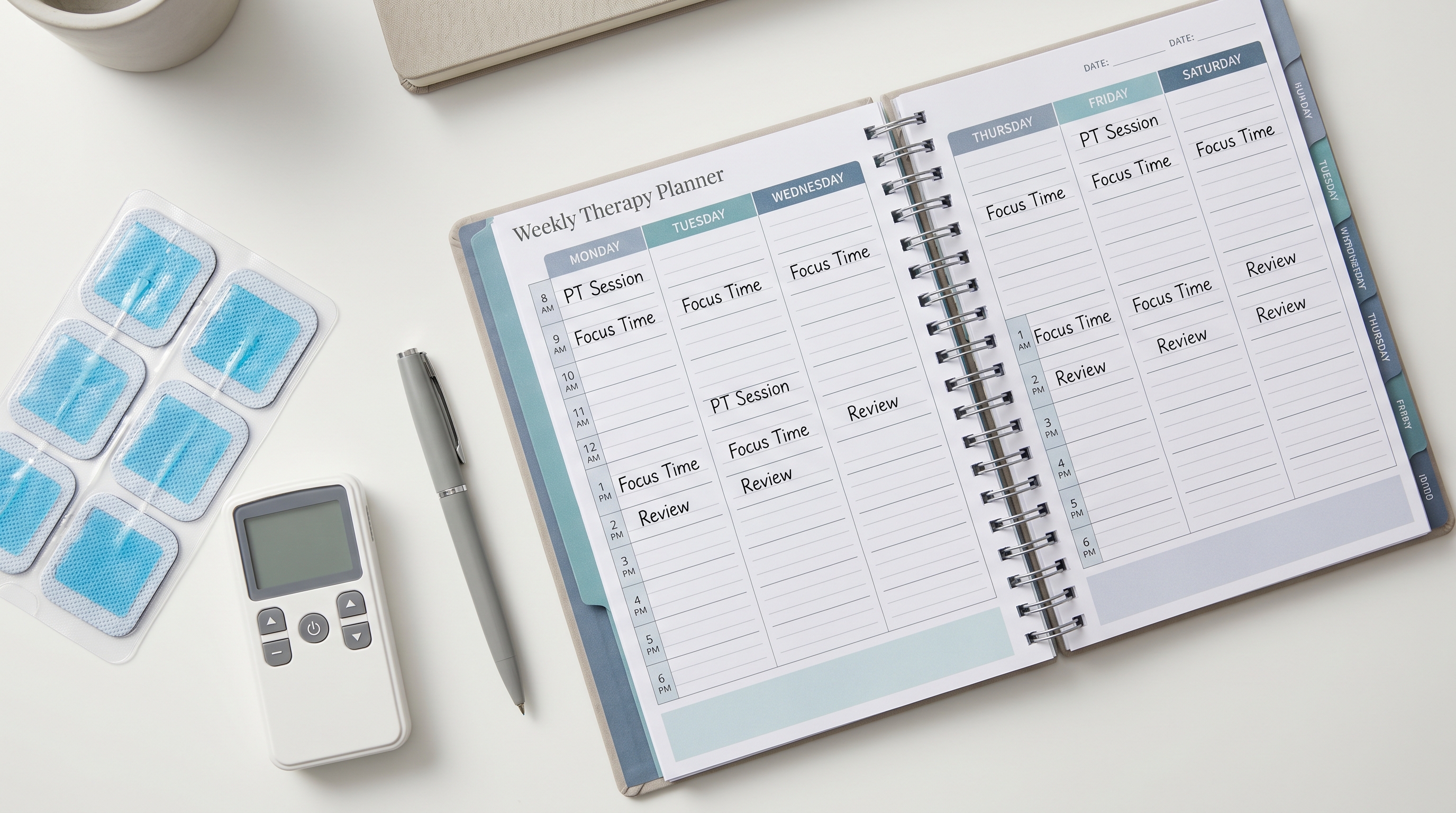
ALT: Weekly TENS therapy planner with electrode pads and iStim TENS unit for structured daily pain relief routine
Advanced Considerations: Timing, Intensity, and Common Mistakes
The Best Time of Day for TENS Therapy
One of the most frequently searched questions around home electrotherapy is: What is the best time of day to use a TENS unit? The honest answer is that it depends on your condition and lifestyle — but there are evidence-informed patterns worth considering.
For chronic pain sufferers, morning sessions can help reduce the stiffness and discomfort that often peaks upon waking, setting a more comfortable baseline for the day. Evening sessions, on the other hand, can help unwind muscle tension accumulated throughout the day and may support better sleep quality. For athletes, timing relative to training matters: TENS used before activity can serve as a warm-up for pain-sensitive areas, while post-workout TENS or EMS supports muscle recovery.
Common Misconception: "More Time Equals More Relief"
One of the most persistent misconceptions about TENS therapy is that longer sessions always produce better outcomes. In reality, nerve accommodation — the phenomenon where nerves adapt to a repeated stimulus and become less responsive — can actually reduce effectiveness if sessions are excessively long or too frequent without adequate breaks. Most clinical guidelines suggest no more than 60 minutes per session and recommend allowing at least 20 minutes of rest between sessions if multiple daily treatments are planned.
Skin Care Between Sessions
Electrode placement areas should be inspected after every session. Mild redness that fades within 30 minutes is normal; persistent redness, irritation, or blistering is a sign to reduce intensity, reposition pads, or take a break from that area. Rotating electrode placement slightly between sessions can reduce cumulative skin stress, particularly for users who treat the same area multiple times daily.
Combining TENS with Other Therapies
TENS is most powerful as part of a comprehensive approach rather than a standalone solution. Many users combine TENS with physical therapy exercises, gentle stretching, heat or cold therapy, and lifestyle modifications. For those wondering whether an EMS device might enhance their recovery goals, EMS for Athletes: How Professional Sports Teams Use Electrical Muscle Stimulation explains why elite training programs have embraced electrical muscle stimulation — and how these principles apply to everyday users at home.
Frequently Asked Questions FAQ
Q1: How long should a TENS session last for lower back pain?
For chronic lower back pain, most physical therapists and clinical guidelines suggest sessions of 30 to 60 minutes, one to three times daily depending on symptom severity. It's important to start at lower durations and intensity levels, particularly if you're new to TENS therapy, and build gradually based on your body's response. Always allow adequate recovery time between sessions to prevent skin irritation and maintain nerve responsiveness. If pain worsens or new symptoms appear, consult a healthcare professional promptly.
Q2: Is it safe to use a TENS unit every day for extended periods?
For most healthy adults without contraindications, daily TENS use is considered safe when sessions remain within recommended time limits and electrode placement guidelines are followed. iStim's professional-grade devices are ISO-certified and designed for regular home use. That said, indefinitely daily use without reassessment is not ideal — periodic check-ins with a healthcare provider help ensure your therapy remains appropriate for your evolving condition. Monitor skin health, take rest days as needed, and adjust your routine as your pain or recovery status changes.
Q3: How long before I notice results from a TENS routine?
Results vary significantly by individual and condition. Some users experience immediate short-term pain relief during or shortly after their first session. For chronic conditions, meaningful cumulative improvement often becomes noticeable after one to two weeks of consistent daily use. Pelvic floor rehabilitation with electrotherapy typically requires four to six weeks of regular sessions before significant functional changes are observed. Keeping a pain diary helps track subtle progress that might otherwise go unnoticed during the early weeks.
Summary
Building a structured TENS routine is one of the most empowering steps you can take toward sustainable, drug-free pain management and recovery. Three core principles underpin every effective TENS schedule:
Consistency over intensity — Regular, correctly timed sessions of appropriate duration outperform occasional long sessions every time. Your nervous system responds to patterns, and building a reliable daily routine is what unlocks TENS therapy's full potential.
Personalization over prescription — There is no single "correct" TENS schedule. Your condition, lifestyle, pain patterns, and recovery goals all shape the optimal routine. Use the frameworks in this guide as a starting point, not a rigid protocol.
Integration over isolation — TENS works best when it's part of a broader wellness strategy that may include physical therapy, movement, nutrition, and other evidence-based interventions. Whether you're managing chronic pain, rebuilding after injury, or supporting pelvic floor health, TENS is a powerful tool — and even more powerful when combined thoughtfully with other approaches.
Your next step is simple: choose one consistent time each day, set up your iStim device with the electrode placement appropriate for your target area, start at a comfortable intensity for 20–30 minutes, and track how you feel. Adjust from there. Small, consistent actions compound into meaningful, lasting relief.
Ready to take control of your pain relief and muscle recovery — naturally and drug-free? Explore iStim's full range of professional-grade TENS, EMS, and Kegel devices at https://istim.com/ and find the right solution tailored to your wellness needs. Join over 20,000 satisfied customers who have made iStim their trusted partner in at-home electrotherapy.
References
- National Institutes of Health — National Center for Complementary and Integrative Health. "Chronic Pain: In Depth".
https://www.nccih.nih.gov/health/chronic-pain-in-depth - American Physical Therapy Association. "Physical Therapist's Guide to Chronic Pain Management".
https://www.choosept.com/guide/physical-therapy-guide-chronic-pain - National Institute of Neurological Disorders and Stroke. "Pain: Hope Through Research".
https://www.ninds.nih.gov/health-information/patient-caregiver-education/hope-through-research/pain-hope-through-research - Mayo Clinic. "Transcutaneous Electrical Nerve Stimulation (TENS)".
https://www.mayoclinic.org/tests-procedures/tens/about/pac-20384991 - PubMed Central — National Library of Medicine. "Transcutaneous Electrical Nerve Stimulation (TENS) for Chronic Pain".
https://www.ncbi.nlm.nih.gov/pmc/articles/PMC6419484/
Note: Standards and clinical guidelines may be updated periodically. Please check the latest official documents or consult a qualified healthcare professional for current recommendations.
About iStim
iStim is a Los Angeles-based electrotherapy brand specializing in professional-grade TENS, EMS, and Kegel devices engineered for safe, effective home use — backed by ISO-certified Taiwanese manufacturing and trusted by 20,000+ Amazon customers for drug-free pain relief and muscle stimulation. Learn more at istim.com.
© iStim. All rights reserved. This article is intended for informational purposes only and does not constitute medical advice. Always consult a qualified healthcare professional before beginning any electrotherapy or treatment program.
Leave a comment