

Heat + TENS Combination Therapy: Why Warmth Enhances Pain Relief

ALT: Person using heat therapy and TENS unit together on lower back for enhanced drug-free pain relief at home
Why Heat and TENS Together Create a More Powerful Pain Relief Experience
Key Conclusion: Combining heat therapy with TENS (Transcutaneous Electrical Nerve Stimulation) creates a synergistic pain relief effect that exceeds what either modality can achieve alone. Warmth relaxes muscle tissue, improves local circulation, and opens pain gate channels, while TENS simultaneously disrupts pain signals and stimulates endorphin release. Together, they represent one of the most accessible, drug-free approaches to managing chronic and acute pain available for home use today.
For millions of people living with chronic pain, muscle tension, or post-exercise soreness, finding reliable non-pharmaceutical relief can feel like a constant uphill battle. The good news is that science increasingly supports what many physical therapists have known for decades: combining thermal and electrical stimulation doesn't just offer temporary comfort — it can fundamentally change the way your body processes pain signals.
This article explores the physiological mechanisms behind heat and TENS combination therapy, explains how to apply it safely and effectively at home, and helps you determine whether this approach is right for your specific situation.
Who Can Benefit from Heat + TENS Combination Therapy?
✅ Applicable Scenarios:
- Individuals with chronic lower back pain, neck stiffness, or joint pain seeking long-term, drug-free management strategies
- Athletes and active individuals dealing with delayed-onset muscle soreness (DOMS), post-training recovery, or minor sports injuries
- Seniors experiencing age-related muscle tension, arthritis discomfort, or reduced circulation in extremities
- Office workers and desk-bound professionals suffering from tension headaches, shoulder tightness, or repetitive strain
- Postpartum individuals (after medical clearance) managing residual pelvic or lower back discomfort
- Physical therapy patients transitioning to home-based maintenance care
❌ Not Applicable/Cautions:
- Do not apply heat or TENS over open wounds, broken skin, rashes, or areas with active inflammation or acute swelling (ice may be more appropriate in the first 48–72 hours of acute injury)
- Individuals with pacemakers, implanted defibrillators, or other active electronic implants should avoid TENS therapy without explicit physician approval
- Pregnant individuals should consult a healthcare provider before using either heat or TENS therapy, particularly near the abdomen or lower back
- Those with impaired skin sensation (e.g., diabetic neuropathy) should exercise heightened caution, as they may not accurately detect excessive heat or stimulation intensity
- Do not use electrical stimulation devices while driving, operating machinery, or submerged in water
Understanding the Science Behind Heat and TENS Therapy
Pain is the body's alarm system — but when that alarm misfires chronically, it can disrupt sleep, limit mobility, and diminish quality of life. Fortunately, both heat therapy and TENS therapy have decades of clinical research supporting their ability to modulate pain perception through distinct but complementary mechanisms.
TENS therapy works primarily through two well-documented pathways. The first is the gate control theory of pain, proposed by Melzack and Wall in 1965, which posits that non-painful input (like electrical stimulation) can close the "gates" to painful input, preventing pain signals from reaching the brain. The second involves the stimulation of endogenous opioid release — your body's own natural painkillers, including endorphins and enkephalins — particularly when TENS is applied at lower frequencies. To understand the full science behind how this works, What Is TENS Therapy and How Does It Relieve Pain Without Drugs? offers a detailed and accessible breakdown of these mechanisms.
Heat therapy, meanwhile, works through thermoreception — the body's system for detecting and responding to temperature. When warmth is applied to a painful area, several beneficial changes occur simultaneously:
- Vasodilation: Blood vessels expand, improving circulation and delivering more oxygen and nutrients to stressed tissues
- Muscle relaxation: Elevated tissue temperature reduces the resting tension in muscle fibers, relieving spasm and stiffness
- Increased tissue extensibility: Warmth makes connective tissue more pliable, which is particularly beneficial before stretching or exercise
- Nerve conduction modulation: Heat can reduce the firing rate of pain-sensing nerves (nociceptors), partially closing the same pain gates that TENS targets
When used together, heat and TENS don't just add their effects — they multiply them. Warmer, more relaxed tissue allows TENS electrode pads to make better skin contact and conduct electrical signals more efficiently. Simultaneously, TENS-induced endorphin release combines with heat-induced muscle relaxation to create a broader, more sustained analgesic effect.
This combination is particularly valuable in the context of a growing public health trend: the movement away from opioid reliance for chronic pain management. The CDC, pain medicine associations, and patient advocacy groups increasingly recommend non-pharmacological, multimodal approaches to pain — and heat-TENS combination therapy exemplifies exactly that philosophy.
How to Use Heat and TENS Together: A Practical Guide
Three-Step Quick Start for Heat + TENS Combination Therapy
Step 1: Prepare the Treatment Area with Heat
Begin by applying gentle, moist heat to the target area for 10 to 15 minutes before attaching your TENS electrodes. Use a quality heating pad set to a comfortable warm temperature — never so hot that it causes discomfort or skin redness. This pre-warming phase relaxes superficial muscles, opens pores, and improves skin conductivity, which helps TENS electrode pads adhere better and transmit current more evenly. Ensure skin is clean, dry, and free from lotions or oils before electrode placement.
Step 2: Apply TENS Electrodes and Begin Stimulation
Once the area is warmed and pliable, place your TENS electrode pads according to your device's guidelines — typically flanking the area of pain rather than directly over the spine or bony prominences. If you're new to electrode placement, How to Use a TENS Unit for Chronic Back Pain: Electrode Placement Guide provides a detailed visual reference. Start the TENS device at its lowest intensity and gradually increase until you feel a comfortable tingling or buzzing sensation — never pain. A typical session lasts 20 to 30 minutes.
Step 3: Continue Gentle Heat During or After TENS
Many users find it beneficial to maintain low-level warmth during their TENS session, either using a low-heat pad around (not under) the electrode area, or simply keeping the treated area covered with a light blanket to retain warmth. After the TENS session concludes, you may apply heat for an additional 10 to 15 minutes to extend muscle relaxation and comfort. Allow the skin to cool and rest before removing electrodes to avoid any risk of irritation.
Heat Therapy vs. Ice Therapy vs. TENS: Choosing the Right Approach
Understanding when to use heat, cold, or TENS — or a combination — is critical to getting the best results. Each modality serves a different physiological purpose, and choosing the wrong one at the wrong time can slow recovery.
The following comparison can help guide your decision-making:
| Comparison Dimension | Heat Therapy Alone | Cold (Ice) Therapy Alone | Heat + TENS Combined |
|---|---|---|---|
| Best For | Chronic muscle tension, stiffness, pre-activity warm-up | Acute injury (first 48–72 hrs), swelling, inflammation | Chronic pain, muscle recovery, ongoing tension relief |
| Mechanism | Vasodilation, muscle relaxation, nerve modulation | Vasoconstriction, numbing, anti-inflammatory | Synergistic: relaxation + electrical pain gate closure + endorphin release |
| Duration of Relief | Moderate, temporary | Short-term, primarily numbing | Longer-lasting due to dual modality effect |
| Ease of Home Use | High — heating pads widely available | High — ice packs widely available | High — with a quality home TENS device |
| Drug-Free | ✅ Yes | ✅ Yes | ✅ Yes |
| Suitable for Chronic Pain | ✅ Yes | ❌ Generally not ideal | ✅ Highly effective |
| Risk of Overuse | Moderate (skin burns if excessive) | Moderate (frostbite if excessive) | Low when used per device guidelines |
The takeaway: Heat + TENS combination therapy is often the most versatile and effective option for managing chronic or subacute pain at home, while cold therapy remains the preferred first-line response to fresh injuries.
Deep Dive: The Physiology of Warmth and Electrical Stimulation Working Together
Why Warm Tissue Responds Better to TENS
One underappreciated aspect of heat-TENS combination therapy is the direct impact of tissue temperature on electrical conductivity. When skin and muscle tissue are warmed, their electrical resistance decreases. This means that TENS current can penetrate more deeply and distribute more evenly across the treatment area — maximizing the therapeutic effect without requiring higher (potentially uncomfortable) intensity settings.
From a practical standpoint, this means you may achieve equivalent or better pain relief at lower TENS intensity settings when you pre-warm the area, reducing any initial discomfort from the electrical stimulation and making the experience more comfortable, particularly for first-time users or those with heightened sensitivity.
Endorphin Release and Thermal Synergy
Both heat and low-frequency TENS (typically set between 1–10 Hz) have been independently shown to encourage the body's release of endogenous opioids. When applied together, these pathways appear to operate simultaneously without interfering with each other, effectively creating a dual-channel endorphin release that prolongs the analgesic effect beyond what either therapy achieves alone.
This is especially meaningful for individuals managing fibromyalgia, chronic low back pain, or arthritis, where pain tends to be diffuse, persistent, and poorly responsive to single-modality interventions.
Heat as a Gateway to TENS Tolerance
For people who are new to TENS therapy and find the sensation initially jarring or uncomfortable, applying gentle heat first can make the introduction significantly smoother. Warm, relaxed muscle tissue is simply less reactive to novel sensory input. Many physical therapists use heat pre-treatment as a standard protocol before applying electrical stimulation for exactly this reason — and it's a strategy any home user can easily replicate.
It's also worth noting that the type of TENS device matters. While conventional wired units remain highly effective, Wireless TENS Units Explained: How They Work Without Lead Wires describes how wire-free designs offer additional flexibility, making it easier to pair TENS sessions with other therapeutic activities — including gentle heat application — without getting tangled in cords.
Practical Considerations for Different Body Areas
- Lower back: The most common application area. Pre-warm with a lumbar heating pad, then apply dual-channel TENS pads on either side of the spine, avoiding the vertebrae themselves.
- Shoulders and neck: Apply a heated wrap for 10–15 minutes, then use smaller TENS pads along the trapezius or cervical paraspinal muscles.
- Knees and joints: Moist heat packs work well here. Position TENS pads above and below the joint for best coverage.
- Calves and feet: Ideal for post-exercise recovery or circulatory issues. A warm foot soak followed by TENS application to the calf muscles can provide significant relief.
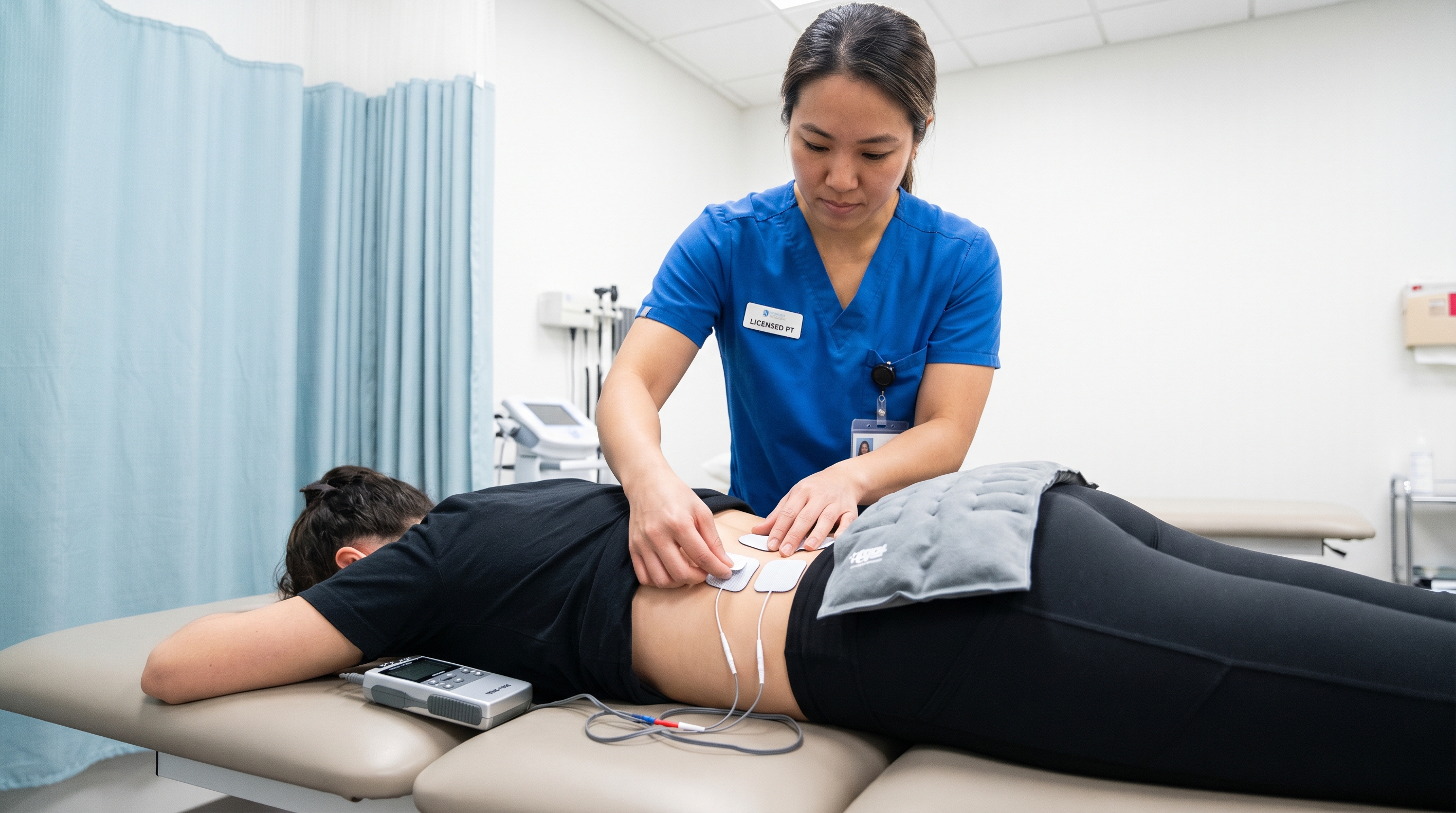
ALT: Physical therapist applying TENS electrode pads to lower back alongside heat therapy for enhanced chronic pain relief and muscle relaxation
Advanced Considerations: Special Situations and Common Misconceptions
Special Situations to Be Aware Of
Older adults with thinner skin: As skin ages, it becomes more sensitive to both heat and electrical stimulation. Seniors should begin with the lowest heat setting and the lowest TENS intensity, and always check skin condition after sessions. Shorter session durations may be preferable initially.
Individuals managing neuropathic pain: Conditions like peripheral neuropathy can impair the ability to accurately gauge heat intensity, increasing the risk of unintentional burns. In these cases, heat should be used cautiously and at verified safe temperatures, with a caregiver present when possible.
Athletes using TENS for post-training recovery: TENS is an excellent complement to post-workout recovery, particularly when combined with heat to address DOMS. However, it's important to distinguish between TENS (which modulates pain signals) and EMS (Electrical Muscle Stimulation, which causes actual muscle contractions). Understanding the difference — covered thoroughly in What Is EMS (Electrical Muscle Stimulation) and How Is It Different from TENS? — helps athletes choose the right modality for their specific recovery or training goals.
Common Misconceptions Clarified
"More heat means more relief." This is false and potentially dangerous. Excessive heat can cause tissue damage, burns, and paradoxically worsen inflammation. Moderate warmth (comfortable to touch, never hot) is optimal.
"Higher TENS intensity is always better." Effective TENS therapy operates on the principle of comfortable stimulation, not maximum intensity. The goal is to feel a noticeable but non-painful sensation — typically described as a strong tingling. Pushing beyond this point does not increase efficacy and may cause skin irritation or muscle fatigue.
"TENS is only for acute pain." TENS is, in fact, one of the most extensively studied non-pharmacological interventions for chronic pain management. Its efficacy for conditions including chronic lower back pain, osteoarthritis, and fibromyalgia is supported by a substantial body of clinical evidence.
Frequently Asked Questions
Q1: How long should I apply heat before using a TENS unit for the best results?
Most physical therapists recommend applying moderate heat for 10 to 15 minutes before beginning a TENS session. This duration is sufficient to warm superficial and mid-layer tissues, reduce muscle resting tension, and improve skin conductivity without causing excessive vasodilation or skin sensitization. After TENS, you may extend the heat application for another 10 to 15 minutes to prolong the relaxation effect. Always ensure skin cools adequately before removing electrodes.
Q2: Is it safe to use a TENS unit and heating pad at the same time?
In most cases, yes — but with important caveats. The heating element and TENS device should not directly overlap on the skin simultaneously, as this can create unpredictable current distribution and increase the risk of skin irritation. The preferred approach is to pre-warm with heat, then apply TENS, or to use heat in an adjacent area while TENS is active. Always follow your device manufacturer's guidelines and consult a healthcare provider if you have any underlying conditions.
Q3: How often can I combine heat and TENS therapy for chronic pain management?
For chronic pain conditions, many individuals safely use TENS therapy once or twice daily, with each session lasting 20 to 30 minutes. Heat therapy can be applied with similar frequency for muscle tension and stiffness. Before establishing a regular combination therapy routine, it's advisable to consult with a physical therapist or physician to ensure the regimen is appropriate for your specific diagnosis, skin tolerance, and overall health status. Rotating electrode pad placement can also help prevent skin irritation over time.
Summary
Heat and TENS combination therapy represents one of the most scientifically supported, practically accessible, and genuinely effective non-pharmacological approaches to pain management and muscle recovery available today. Three core insights define its value:
- Synergistic physiology: Heat prepares tissue for optimal TENS performance by reducing electrical resistance, relaxing muscles, and priming the body's natural pain-modulating systems — allowing TENS to work more efficiently and comfortably.
- Versatile application: Whether you're a weekend athlete managing DOMS, a senior dealing with arthritis stiffness, or an office worker battling chronic neck tension, the heat-TENS protocol can be adapted to virtually any lifestyle and pain profile.
- Sustainable, drug-free relief: Unlike medications that carry side effects, dependency risks, and ongoing costs, heat and TENS therapy deliver meaningful relief through natural physiological mechanisms — and can be used safely as part of a long-term wellness strategy under appropriate guidance.
The next step is simple: evaluate your specific pain profile, choose a quality home TENS device designed for your needs (the TENS Unit Buyer's Guide: What to Look for in a Home Electrotherapy Device is an excellent starting point), consult your healthcare provider if you have any underlying conditions, and begin experiencing the difference that thoughtful, evidence-based combination therapy can make.
Ready to Experience the Difference?
Ready to take control of your pain relief and muscle recovery without relying on drugs? Explore iStim's full range of professional-grade TENS, EMS, and Kegel devices at https://istim.com/ and find the right solution tailored to your wellness needs. Backed by ISO-certified manufacturing and trusted by 20,000+ satisfied customers, iStim is your partner in safe, effective, at-home electrotherapy.
References
- National Institutes of Health — National Center for Complementary and Integrative Health. "Chronic Pain: What You Need To Know."
https://www.nccih.nih.gov/health/chronic-pain-what-you-need-to-know - American Physical Therapy Association (APTA). "Physical Agents in Rehabilitation: Electrical Stimulation and Thermal Modalities."
https://www.apta.org/ - Melzack, R., & Wall, P.D. (1965). "Pain Mechanisms: A New Theory." Science, 150(3699), 971–979. Cited via PubMed, National Library of Medicine.
https://pubmed.ncbi.nlm.nih.gov/5320816/ - Johnson, M.I. (2014). "Transcutaneous Electrical Nerve Stimulation: Mechanisms, Clinical Application and Evidence." Reviews in Pain, National Library of Medicine.
https://www.ncbi.nlm.nih.gov/pmc/articles/PMC4590060/ - Centers for Disease Control and Prevention (CDC). "CDC Clinical Practice Guideline for Prescribing Opioids — United States, 2022."
https://www.cdc.gov/mmwr/volumes/71/rr/rr7103a1.htm
Note: Standards and clinical guidelines may be updated. Please check the latest official documents or consult professional healthcare advisors for the most current recommendations.
About iStim
iStim is a Los Angeles-based electrotherapy brand specializing in professional-grade TENS, EMS, and Kegel devices designed for safe and effective home use. With ISO-certified manufacturing and a growing community of 20,000+ Amazon customers, iStim is committed to delivering drug-free pain relief and muscle stimulation solutions you can trust.
© iStim. All rights reserved. This article is intended for informational purposes only and does not constitute medical advice. Always consult a qualified healthcare professional before beginning any new therapy or treatment program.
Leave a comment