

EMS for Rehabilitation: How Electrical Stimulation Helps Prevent Muscle Atrophy
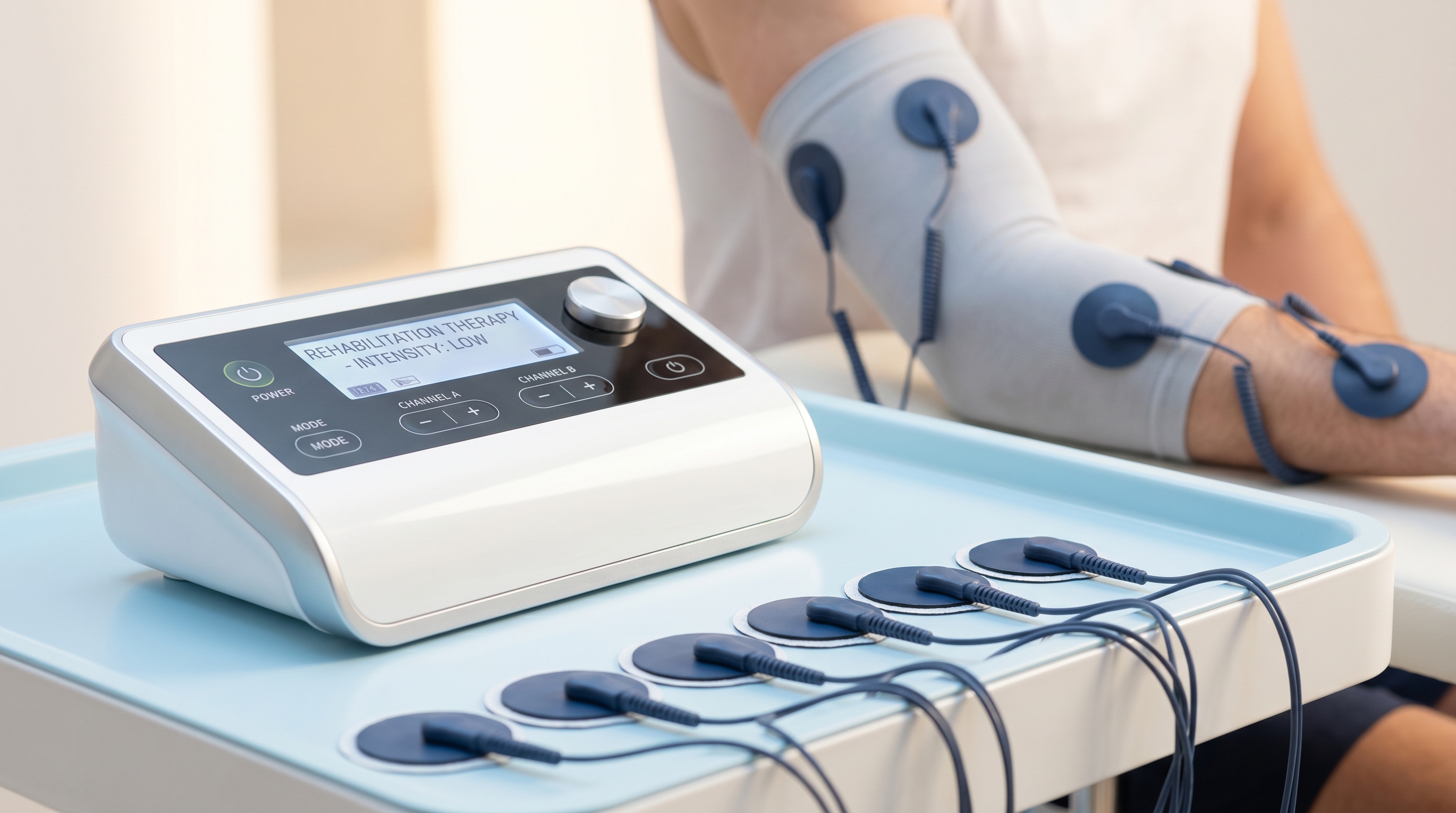
ALT: EMS electrical muscle stimulation device used in rehabilitation to prevent muscle atrophy and support recovery
Why EMS for Rehabilitation Is Changing the Way We Recover from Injury and Illness
Key Conclusion: EMS (Electrical Muscle Stimulation) for rehabilitation is a clinically supported, drug-free approach to preventing muscle atrophy during recovery. By delivering controlled electrical impulses directly to muscle tissue, EMS devices help maintain muscle strength, improve circulation, and accelerate healing — making them an increasingly essential tool for post-surgical patients, injury recovery, aging adults, and anyone who has experienced extended periods of immobility or reduced physical activity.
When muscles are inactive — whether due to injury, surgery, illness, or simply aging — they begin to break down faster than most people expect. This process, known as muscle atrophy, can set in within just days of immobilization and may take weeks or months of active rehabilitation to reverse. For many patients, this creates a frustrating cycle: the very rest required to heal the injury also accelerates physical decline.
EMS technology offers a powerful solution to this challenge. By stimulating muscle contractions through safe, targeted electrical impulses, EMS devices activate muscle fibers even when voluntary movement is limited or impossible. The result is a tool that bridges the critical gap between rest and active recovery — preserving the strength, tone, and function that patients need to return to their daily lives.
Who Can Benefit from EMS Rehabilitation Therapy?
✅ Applicable Scenarios:
- Post-surgical patients recovering from orthopedic procedures (knee, hip, shoulder replacements) who face weeks of limited mobility
- Individuals rehabilitating from sports injuries such as ACL tears, muscle strains, or stress fractures
- Seniors experiencing age-related muscle loss (sarcopenia) who want a low-impact method to preserve muscle function
- Stroke or neurological condition patients working to regain motor control and prevent disuse atrophy
- Athletes returning from injury who need to maintain muscle conditioning during enforced rest periods
- Postpartum women using targeted stimulation to support pelvic floor and core muscle recovery
❌ Not Applicable/Cautions:
- Individuals with implanted electronic devices such as pacemakers or defibrillators — electrical stimulation may interfere with device function
- Pregnant women should not apply EMS stimulation over the abdomen or lower back without explicit medical clearance
- Active cancer sites, open wounds, or areas with compromised skin integrity should never receive direct electrode placement
- Those with epilepsy, deep vein thrombosis, or uncontrolled cardiac conditions should consult a physician before use
The Science Behind Muscle Atrophy — and Why Prevention Starts Early
Muscle atrophy is not just a cosmetic concern — it is a significant medical challenge that affects recovery timelines, functional outcomes, and long-term health. Understanding why muscles waste and how EMS intervenes at the cellular level can help patients and caregivers make more informed decisions about rehabilitation strategy.
What Causes Muscle Atrophy During Recovery?
When the neuromuscular system stops receiving regular activation signals — as happens during bedrest, immobilization, or nerve injury — muscle protein synthesis declines and protein degradation increases. Studies have shown that in healthy individuals, complete immobilization can lead to measurable muscle mass loss within 48 to 72 hours. For older adults, this process is often accelerated due to age-related changes in hormone levels and reduced protein synthesis efficiency.
The problem compounds when you factor in inflammation. Following surgery or significant injury, the body's inflammatory response can further suppress muscle regeneration pathways. Patients are left in a difficult position: rest is medically necessary, yet every day of inactivity carries a hidden cost in lost muscle tissue.
How EMS Bridges the Gap Between Rest and Active Recovery
This is precisely where electrical muscle stimulation enters as a rehabilitation tool. EMS devices deliver low-level electrical currents through electrode pads placed on the skin above a target muscle group. These impulses mimic the motor nerve signals the brain would normally send to initiate a contraction — essentially telling the muscle to "work" even when the patient cannot perform voluntary movement.
The key mechanisms through which EMS supports rehabilitation include:
Maintaining muscle fiber activation: Even passive, EMS-induced contractions preserve the neuromuscular pathways that would otherwise begin to degrade. This means that when active rehabilitation begins, the muscle responds more quickly and effectively.
Improving local circulation: Muscle contractions — whether voluntary or EMS-induced — function like pumps, drawing fresh, oxygenated blood into the tissue and clearing metabolic waste. This enhanced circulation supports tissue repair and reduces post-surgical swelling.
Reducing disuse atrophy: Multiple clinical studies have demonstrated that regular EMS use during periods of immobilization significantly reduces the rate of muscle mass loss compared to rest alone, allowing patients to begin their active rehabilitation phase with a stronger baseline.
Supporting neurological reconnection: For patients recovering from stroke, spinal cord injuries, or nerve damage, EMS can help re-establish the neural pathways between the brain and the affected muscles — a process called neuromuscular re-education.
A Growing Role in Modern Rehabilitation
The use of electrical stimulation in rehabilitation is not new — physical therapists have employed clinical EMS units in hospital and clinic settings for decades. What has changed dramatically in recent years is the accessibility of professional-grade EMS technology for home use. Patients no longer need to visit a physical therapy clinic multiple times per week to benefit from electrical muscle stimulation; they can now incorporate consistent, daily EMS sessions into their home recovery routine.
This shift is particularly significant for seniors and individuals with limited mobility who face transportation barriers to frequent clinic visits. It also reflects a broader trend toward proactive, home-based wellness management — one that prioritizes drug-free, evidence-supported tools for maintaining health and function.
How to Use EMS Devices for Rehabilitation: A Practical Step-by-Step Guide
Three-Step Quick Start for EMS Rehabilitation Sessions
Step 1: Prepare Your Skin and Position the Electrodes
Clean and dry the skin over the target muscle group — remove any lotions, oils, or sweat that could interfere with electrode conductivity. Place the electrode pads according to the muscle map provided in your device's instruction guide, ensuring firm contact with the skin. Proper pad placement is critical: electrodes should be positioned along the length of the muscle belly, not over bony prominences or joints. This preparation step takes approximately two to three minutes and directly impacts the quality and comfort of your session.
Step 2: Select the Appropriate Program and Intensity Level
Begin with a low intensity setting and a rehabilitation or recovery mode if your device offers program options. Gradually increase the intensity until you feel a strong but comfortable muscle contraction — you should see or feel the muscle visibly contracting, but it should never be painful. For rehabilitation purposes, start with shorter sessions and extend duration gradually as your tolerance builds. Many rehabilitation specialists recommend beginning with passive stimulation programs before progressing to active-assisted modes. Always follow the guidance of your healthcare provider when selecting program settings.
Step 3: Complete Your Session and Follow a Recovery Routine
After each EMS session, gently remove the electrode pads, clean the skin if needed, and allow the muscles a brief recovery period before any additional physical activity. Many users find EMS most effective when incorporated into a broader rehabilitation schedule — for example, using EMS in the morning to stimulate the muscles and support circulation, then following up with prescribed physical therapy exercises or gentle stretching later in the day. Consistency is key: regular, daily or near-daily sessions tend to yield significantly better outcomes than sporadic use.
Comparing Rehabilitation Approaches: EMS vs. Other Options
When evaluating how to manage muscle atrophy during recovery, it helps to understand where EMS fits relative to other available strategies. The following comparison offers a practical overview:
| Comparison Dimension | EMS Therapy | Passive Physical Therapy | Traditional Exercise |
|---|---|---|---|
| Requires voluntary movement | No | Partially | Yes |
| Drug-free | Yes | Yes | Yes |
| Suitable during immobilization | Yes | Limited | No |
| Home use accessibility | High | Low (clinic-based) | Variable |
| Muscle fiber activation | Direct electrical stimulation | Indirect (manual manipulation) | Voluntary neural activation |
| Supports neurological rehab | Yes | Yes | Yes (when possible) |
| Frequency flexibility | Daily at home | Typically 2–3x/week clinic | Variable |
| Cost over time | Device investment, low ongoing | Ongoing session fees | Gym or equipment costs |
This comparison illustrates that EMS is not a replacement for comprehensive physical therapy or medical care — rather, it serves as a powerful complement that fills a critical gap during the phases of recovery when conventional exercise is not yet possible.
Key Rehabilitation Use Cases: A Deeper Look
Post-Surgical Muscle Recovery
Joint replacement surgeries — such as total knee or hip arthroplasty — are among the most common orthopedic procedures performed globally. One of the most challenging aspects of recovery is the significant quadriceps or gluteal muscle atrophy that occurs within the first weeks post-surgery. Patients who begin EMS therapy early in their recovery window, in consultation with their surgical team, consistently report better-preserved muscle function and faster return to functional activities like walking and stair climbing.
Stroke Rehabilitation and Neuromuscular Re-Education
Stroke survivors often experience hemiplegia or partial paralysis affecting one side of the body. EMS devices can play a meaningful role in this population by delivering stimulation to affected limb muscles, helping to maintain tissue health and potentially supporting the neuroplasticity processes the brain relies on to rewire motor pathways. This application is typically guided by a neurologist or physiatrist, but home maintenance programs using accessible EMS devices are increasingly incorporated into outpatient stroke rehabilitation plans.
Sarcopenia in Aging Adults — A Quiet Epidemic
Sarcopenia, the age-related progressive loss of muscle mass and strength, affects a substantial proportion of adults over 60. While it doesn't always result from injury, its consequences are serious — reduced mobility, increased fall risk, and loss of independence. For seniors who cannot safely perform high-intensity resistance training, EMS offers a low-impact, accessible alternative that maintains muscle fiber recruitment and slows functional decline. Unlike passive activities, EMS actively engages the muscle tissue, making it meaningfully superior to rest alone.
Athletes and Sports Injury Rehabilitation
Competitive and recreational athletes face particular frustration during injury recovery — the fear of deconditioning while waiting for a tissue to heal is both psychologically and physically real. EMS allows athletes to maintain neuromuscular conditioning in uninjured muscle groups, manage the atrophic effects of immobilization in the injured area, and perform targeted stimulation protocols that complement their sports medicine program. The best way to build muscle with an EMS device versus gym workouts differs in this context: during active injury, EMS fills the gap that gym training cannot. Once cleared for full training, conventional resistance work resumes as the primary strengthening method, with EMS supporting recovery and maintenance.
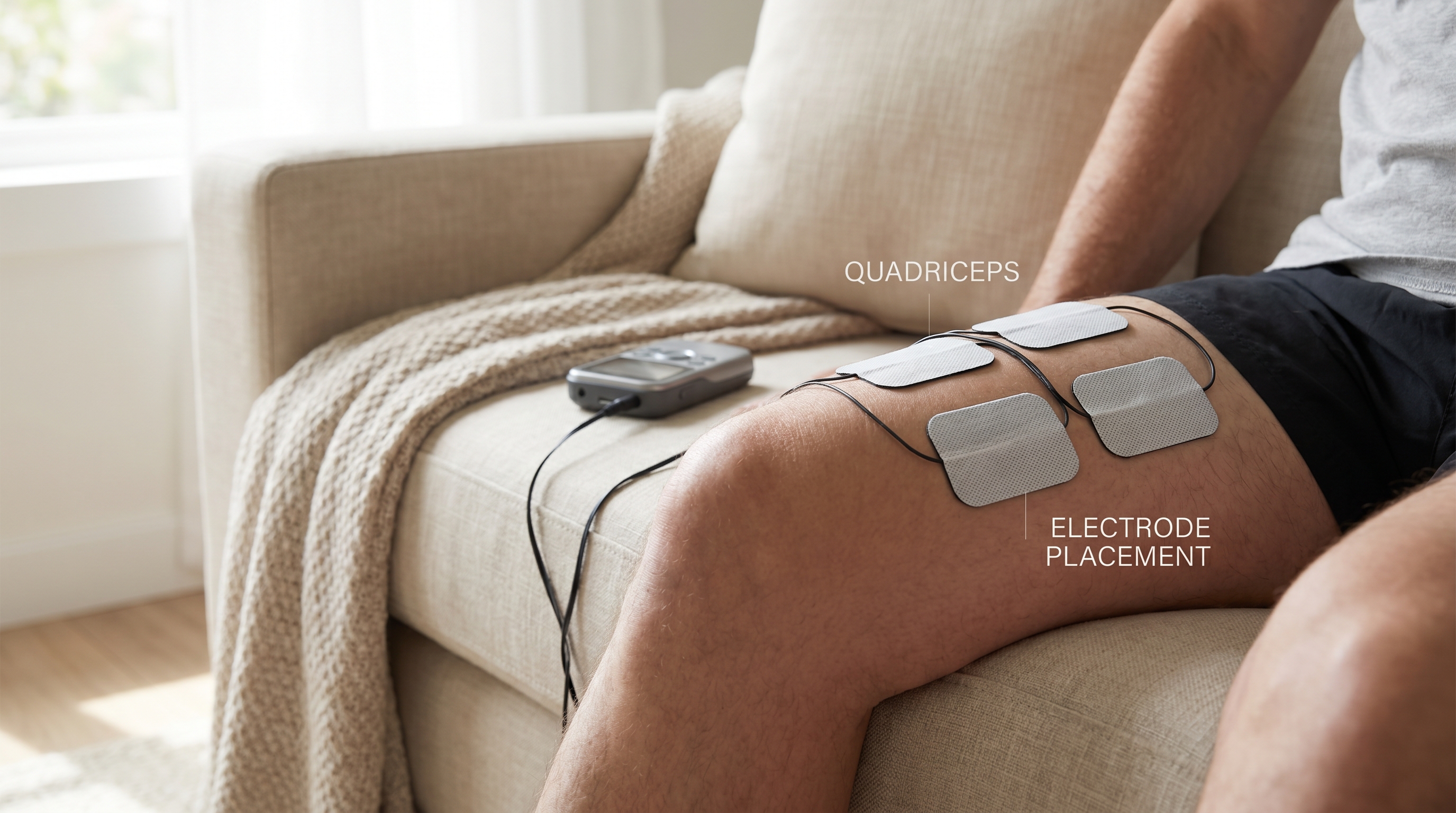
ALT: EMS electrode pad placement on quadriceps muscle for home rehabilitation to prevent muscle atrophy after surgery
Advanced Considerations: Getting More from Your EMS Rehabilitation Program
Managing Expectations and Avoiding Common Misconceptions
One of the most common misconceptions about EMS therapy is that it delivers instant, dramatic results. While the muscle-preserving effects of electrical stimulation are well-documented, EMS is a long-term rehabilitation tool — not an overnight solution. Patients should expect gradual improvement over weeks of consistent use, particularly when recovering from significant injury or surgery.
Another frequent misunderstanding involves intensity settings. Higher intensity does not always mean better results in rehabilitation contexts. In fact, for early post-surgical or neurological rehabilitation, lower-intensity programs that produce gentle contractions are often more appropriate and safer than maximum-output settings. Always calibrate intensity to the specific rehabilitation phase and your healthcare provider's guidance.
Special Situations That Require Extra Care
Edema and Post-Surgical Swelling: In some cases, significant swelling near the electrode placement area may require adjustment of pad positioning or temporary delay in EMS use. Consult your physical therapist or surgeon if you are uncertain whether your recovery stage is appropriate for starting EMS.
Combined Therapy Approaches: EMS is most effective when used as part of a comprehensive rehabilitation plan that may include manual physical therapy, progressive resistance training (when appropriate), nutrition support for muscle recovery, and adequate sleep. Think of EMS as one powerful tool in a broader toolkit — not as a standalone treatment.
Electrode Hygiene and Pad Quality: The effectiveness of any EMS session depends significantly on the quality and condition of the electrode pads. Worn or dry pads deliver inconsistent stimulation and may cause skin irritation. Using high-quality replacement pads — such as those available through professional-grade providers like iStim — ensures consistent conductivity and reliable performance throughout your rehabilitation program.
EMS vs. TENS: Understanding the Difference in Rehabilitation
It is worth clarifying the distinction between EMS and TENS (Transcutaneous Electrical Nerve Stimulation), as both are commonly used in rehabilitation but serve different primary purposes. TENS primarily targets sensory nerve fibers to provide pain relief — it is widely used for managing chronic and acute pain without inducing significant muscle contractions. EMS, by contrast, is specifically designed to target motor nerves and produce muscle contractions, making it the appropriate modality for addressing muscle atrophy and functional recovery. Many clinical and home-use devices offer both modalities, providing comprehensive support for both pain management and muscle rehabilitation.
Frequently Asked Questions FAQ
Q1: How do I know if EMS is appropriate for my stage of post-surgical recovery?
The timing of EMS introduction after surgery depends on the type of procedure, wound healing status, and your surgeon's or physical therapist's recommendations. In many orthopedic cases, EMS can begin within the first one to two weeks post-surgery, focusing on gentle muscle activation. However, it is essential to receive clearance from your medical team before starting. A qualified physical therapist can also help customize electrode placement and intensity settings appropriate for your specific recovery stage and goals.
Q2: Is EMS safe for seniors with existing health conditions who want to prevent muscle atrophy?
EMS is generally considered safe for most older adults when used correctly, and it has been studied as a tool to address sarcopenia and maintain functional independence. However, seniors with implanted devices (pacemakers, defibrillators), uncontrolled cardiac conditions, or certain neurological conditions should obtain medical clearance before use. For seniors managing everyday aches, falls prevention, or general muscle conditioning, a healthcare provider can help determine appropriate programs and settings that maximize benefit while ensuring safety.
Q3: How long does it take to see results from EMS rehabilitation, and how often should sessions be performed?
Most rehabilitation protocols suggest EMS sessions of moderate duration performed consistently — often daily or near-daily — for meaningful results. In clinical studies on muscle atrophy prevention, measurable improvements in muscle function and tone are generally observed over a period of several weeks of regular use. Individual results vary depending on the extent of atrophy, the underlying condition, the EMS program used, and whether EMS is combined with other rehabilitation activities. Consistency and adherence to a complete recovery program are the most reliable predictors of positive outcomes.
Summary
EMS for rehabilitation represents one of the most clinically credible, drug-free strategies available for preventing muscle atrophy and supporting functional recovery — and advances in home-use technology have made it more accessible than ever before.
Three core takeaways define the value of EMS in recovery:
- Muscle atrophy prevention is time-sensitive. The earlier EMS is introduced into a rehabilitation program (with appropriate medical guidance), the more effectively it preserves the muscle mass, strength, and neuromuscular connections needed for a successful recovery.
- EMS complements — and enhances — comprehensive rehabilitation. Whether you are a post-surgical patient, an aging adult managing sarcopenia, a stroke survivor, or an athlete healing from injury, EMS integrates seamlessly into a broader recovery plan without replacing physical therapy or medical care.
- Accessibility and consistency are the keys to results. Professional-grade EMS devices designed for home use allow patients to perform frequent, regular sessions on their own schedule — a critical advantage over clinic-only treatment models.
Your next step is straightforward: speak with your healthcare provider or physical therapist about whether EMS rehabilitation therapy is appropriate for your situation, and explore professional-grade devices designed specifically for safe, effective home use.
Call to Action
Ready to take control of your pain relief and muscle health — naturally and effectively? Explore iStim's full lineup of professional-grade TENS, EMS, and Kegel devices at https://istim.com/ and find the right solution for your body's needs. Trusted by over 20,000 customers and built to clinical standards, iStim makes drug-free electrotherapy accessible right from the comfort of your home.
References
- National Institute of Neurological Disorders and Stroke (NINDS). "Rehabilitation After Stroke".
https://www.ninds.nih.gov/health-information/patient-caregiver-education/hope-through-research/stroke-hope-through-research - National Library of Medicine, PubMed. "Electrical Muscle Stimulation for the Prevention and Treatment of Muscle Atrophy in Patients with Critically Illness or Orthopedic Conditions".
https://pubmed.ncbi.nlm.nih.gov/ - American Physical Therapy Association (APTA). "Physical Therapy Guide to Muscle Atrophy and Weakness".
https://www.choosept.com/ - National Institute on Aging (NIA). "Sarcopenia with Aging".
https://www.nia.nih.gov/health/exercise-physical-activity - MedlinePlus, U.S. National Library of Medicine. "Muscle Atrophy".
https://medlineplus.gov/ency/article/003188.htm
Note: Standards and clinical guidelines may be updated. Please check the latest official documents or consult professional advisors for the most current recommendations.
About iStim
About iStim
iStim is a Los Angeles-based electrotherapy brand specializing in professional-grade TENS, EMS, and Kegel devices designed for safe and effective home use, backed by ISO-certified Taiwanese manufacturing and trusted by 20,000+ Amazon customers worldwide. Learn more at https://istim.com/.
© iStim. All rights reserved. This article is intended for informational purposes only and does not constitute medical advice. Always consult a qualified healthcare professional before beginning any new treatment or therapy program.
About iStim
iStim is a Los Angeles-based electrotherapy brand specializing in professional-grade TENS, EMS, and Kegel devices designed for safe and effective home use, backed by ISO-certified Taiwanese manufacturing and trusted by 20,000+ Amazon customers worldwide. Learn more at https://istim.com/.
© iStim. All rights reserved. This article is intended for informational purposes only and does not constitute medical advice. Always consult a qualified healthcare professional before beginning any new treatment or therapy program.
Leave a comment