

Does iStim V2 Kegel Really Work? Complete Review and User Guide
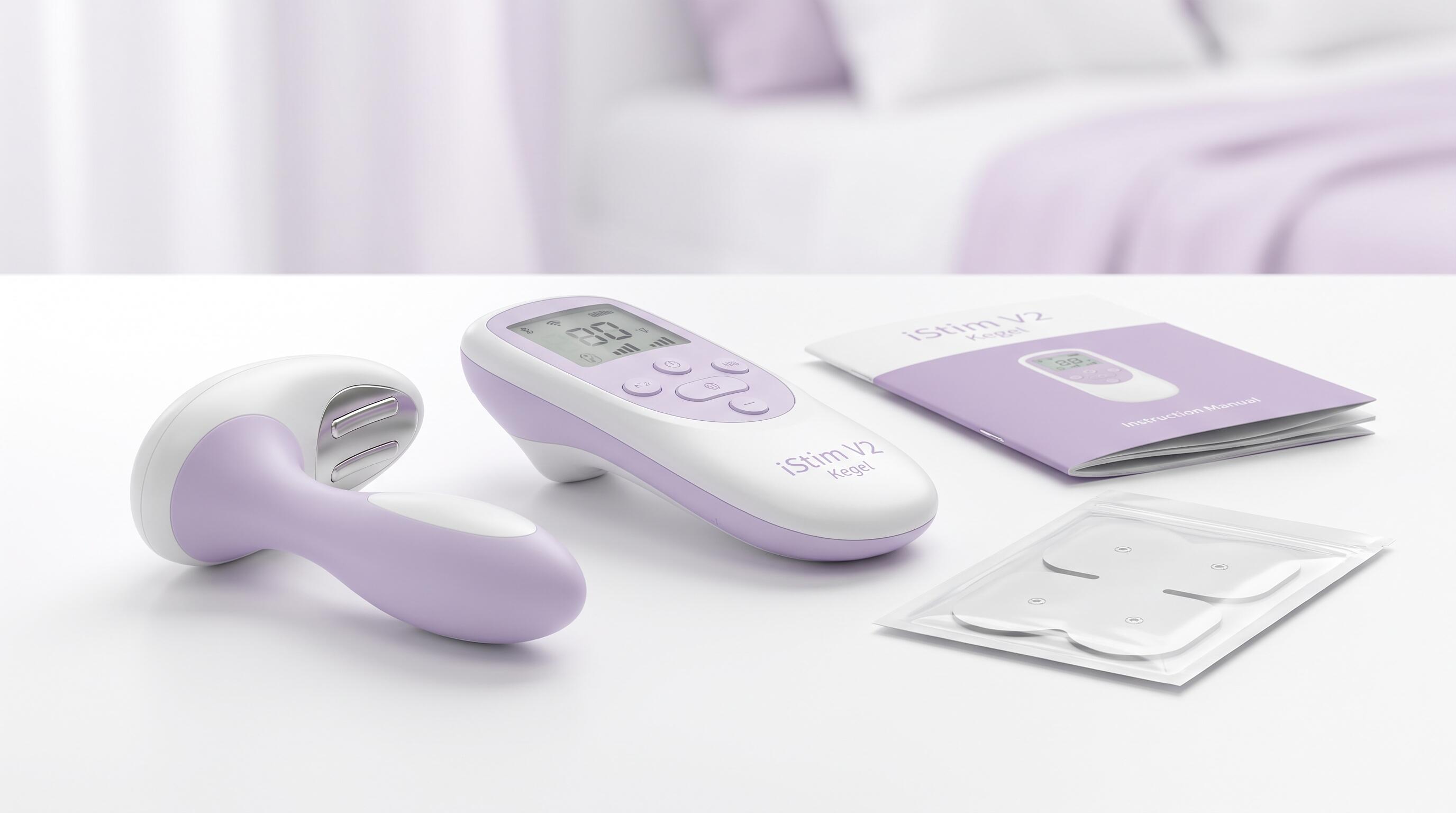
ALT: iStim V2 Kegel EMS pelvic floor trainer device shown for pelvic floor rehabilitation and bladder control review
Does the iStim V2 Kegel EMS Pelvic Floor Trainer Actually Deliver Results?
Key Conclusion: The iStim V2 Kegel EMS pelvic floor trainer is a clinically inspired, drug-free electrotherapy device designed to strengthen the pelvic floor through gentle electrical muscle stimulation. Based on user feedback and the underlying science of EMS therapy, this iStim V2 Kegel review confirms it is a credible, accessible option for postpartum recovery, urinary incontinence management, and general pelvic floor rehabilitation — offering a real alternative to expensive clinical visits or inconsistent manual Kegel exercises.
If you've been struggling with weakened pelvic floor muscles — whether from childbirth, aging, a sedentary lifestyle, or simply the frustrations of trying to do Kegel exercises correctly — you're far from alone. Millions of people silently deal with bladder leakage, reduced core stability, and diminished intimate wellness without knowing that effective, non-invasive solutions exist at home. The iStim V2 enters this space as a professional-grade EMS device that translates the technology used in physical therapy clinics into a convenient, user-friendly form. In this complete review and user guide, we'll break down how it works, who it's for, how to use it step by step, and what real users are saying — so you can make an informed, confident decision.
Who Should (and Shouldn't) Use the iStim V2 Kegel Trainer
✅ Applicable Scenarios:
- Postpartum women recovering pelvic floor strength after vaginal delivery or cesarean section
- Individuals experiencing stress urinary incontinence (leaking when sneezing, laughing, or exercising)
- Adults seeking to improve pelvic floor tone for better core stability and sexual wellness
- Those who find it difficult to isolate pelvic floor muscles during manual Kegel exercises
- Health-conscious consumers looking for a drug-free, at-home pelvic rehabilitation tool
❌ Not Applicable/Cautions:
- Individuals with implanted electronic devices such as pacemakers or neurostimulators — electrical stimulation devices are contraindicated
- Pregnant women should not use pelvic EMS devices without explicit clearance from a licensed healthcare provider
- People with active pelvic infections, open wounds, or recent pelvic surgery should consult a physician before use
- Those with a known sensitivity to electrical stimulation or skin conditions in the application area
Why Pelvic Floor Health Matters More Than You Think
Pelvic floor dysfunction is one of the most underdiagnosed and undertreated health concerns in adults. According to the National Institute of Diabetes and Digestive and Kidney Diseases (NIDDK), urinary incontinence affects an estimated 25–33% of Americans, with women disproportionately impacted — particularly after childbirth or during menopause. Despite its prevalence, many sufferers never seek help due to embarrassment or a belief that it's simply "a normal part of aging."
The pelvic floor is a complex group of muscles, ligaments, and connective tissues that support the bladder, bowel, and uterus. When these muscles weaken — due to pregnancy, hormonal changes, excess weight, or inactivity — the consequences extend far beyond occasional leakage. Weakened pelvic muscles can contribute to pelvic organ prolapse, reduced sexual satisfaction, lower back pain, and compromised core stability. For athletes and fitness enthusiasts, a strong pelvic floor is foundational to optimal performance and injury prevention.
Traditional Kegel exercises, when performed correctly and consistently, are a gold-standard first-line intervention. However, research published in fitness and physical therapy literature consistently shows that the majority of people perform Kegels incorrectly — either contracting the wrong muscle groups, not holding long enough, or simply forgetting to do them. This is precisely where a pelvic floor EMS stimulator like the iStim V2 bridges the gap: it delivers calibrated electrical impulses directly to the pelvic floor muscles, triggering involuntary contractions that guarantee the correct muscles are being worked — every single session.
The global market for pelvic floor stimulators has grown steadily as awareness increases and consumer-grade devices become more sophisticated. iStim, a Los Angeles-based brand backed by ISO-certified Taiwanese manufacturing, has positioned itself at the intersection of clinical effectiveness and everyday accessibility — making professional-grade electrotherapy available without the price tag of repeated clinic visits.
Complete Review and User Guide: iStim V2 Kegel EMS in Practice
Three-Step Quick Start: Getting the Most from Your First Session
Getting started with the iStim V2 Kegel device is designed to be intuitive, even if you've never used an electrotherapy product before. Here's a beginner-friendly walkthrough to help you launch your first session with confidence.
Step 1: Set Up Your Device and Familiarize Yourself with the Controls
Before inserting the probe or attaching any electrodes, take a few minutes to read through the included instruction manual and identify the key controls: the intensity dial or buttons, the mode selector, and the display panel. Make sure the device is fully charged or loaded with fresh batteries per the manufacturer's guidance. Wipe the probe with a gentle, non-abrasive cleanser and allow it to dry. Familiarizing yourself with the control layout before you begin will make your first session smooth and stress-free. This preparation typically takes 5–10 minutes.
Step 2: Choose the Right Mode and Start at the Lowest Intensity
The iStim V2 offers multiple EMS program modes designed for different therapeutic goals — from gentle stimulation for beginners to more intensive strengthening programs for experienced users. For your very first session, always select the lowest intensity setting and a beginner-appropriate mode. Insert or position the probe comfortably according to the user guide. Once you power on the device and start a session, you should feel gentle muscle contractions — not pain. If you experience discomfort, reduce intensity immediately. A standard initial session is typically 15–20 minutes, and most experts recommend starting with every-other-day use to allow muscles to recover.
Step 3: Build a Consistent Routine and Track Your Progress
Pelvic floor rehabilitation, like any muscle training, requires consistency over time. After your first week, gradually increase the intensity as your muscles adapt and grow stronger. Many users keep a simple journal noting their session duration, intensity level, and any subjective changes — such as fewer leakage episodes or improved muscle awareness. Aim for a regular schedule: most pelvic floor physical therapists recommend at least three to four sessions per week for measurable improvement. Over four to eight weeks, most consistent users report noticeable functional improvements.
iStim V2 Kegel vs. Other Pelvic Floor Training Approaches
Understanding how the iStim V2 stacks up against other pelvic floor strengthening methods helps you make the right choice for your lifestyle and health goals.
The table below compares key dimensions across three common approaches:
| Comparison Dimension | iStim V2 Kegel EMS Device | Manual Kegel Exercises | In-Clinic Pelvic PT |
|---|---|---|---|
| Muscle activation accuracy | High — EMS ensures correct muscles contract | Variable — many users activate wrong muscles | High — supervised by trained therapist |
| Cost over time | One-time device investment | Free but requires discipline | Recurring session fees (can be significant) |
| Convenience | At-home, flexible scheduling | Anywhere, anytime | Requires travel and appointments |
| Beginner friendliness | User-guided with multiple intensity levels | Difficult without proper guidance | Excellent with professional coaching |
| Drug-free approach | Yes — entirely non-pharmaceutical | Yes | Yes |
| ISO-certified quality | Yes — iStim manufacturing standard | N/A | Varies by clinic |
| Trusted user base | 20,000+ Amazon customers | Widely practiced | Clinical patient populations |
For those who want the efficacy of clinical pelvic floor therapy without the recurring cost or scheduling challenges, the iStim V2 represents a compelling middle ground — professional-grade stimulation you can access from the privacy and comfort of your home.
Deep Dive: How iStim V2 Kegel EMS Technology Works — and Why It's Effective
Understanding Electrical Muscle Stimulation for Pelvic Health
Electrical Muscle Stimulation (EMS) works by delivering low-level electrical impulses through a probe or electrode pad placed near the target muscle group. These impulses mimic the natural signals the nervous system sends to trigger muscle contractions. For the pelvic floor, this means the device induces controlled, rhythmic contractions of the levator ani and surrounding muscle groups — the same muscles you're trying to engage during a Kegel exercise, but with guaranteed accuracy.
This is a critical distinction. When you consciously perform a Kegel, you're relying on proprioceptive awareness — your brain's ability to sense and control those deep internal muscles. For many people, especially those who have recently given birth, experienced prolonged inactivity, or simply lack familiarity with pelvic anatomy, this mind-muscle connection is weak or absent. EMS bypasses this limitation by directly triggering the muscles electrically, ensuring every session produces effective contractions.
What Makes the iStim V2 Stand Out in the EMS Pelvic Trainer Category
iStim's V2 is built on the same foundational EMS principles used by pelvic floor physical therapists in clinical settings. The device's ISO-certified manufacturing — a quality benchmark iStim applies across its entire product line — ensures that the electrical output is consistent, calibrated, and safe for home use. The inclusion of multiple program modes means users aren't locked into a single stimulation pattern; instead, they can progress through rehabilitation phases, from initial muscle awakening to sustained strengthening.
The device is also designed with real-world usability in mind. The interface is approachable enough for a first-time user while offering enough program depth to remain useful as fitness levels improve. The probe design follows ergonomic principles informed by clinical practice, aiming to maximize both comfort and electrode contact for effective stimulation delivery.
Real-World User Experiences and What Amazon Reviews Reveal
With over 20,000 Amazon customers trusting the iStim brand, the collective feedback paints a genuinely encouraging picture for the V2 Kegel device. Common themes across positive reviews include:
- Noticeable improvement in bladder control within four to six weeks of consistent use, particularly among postpartum women
- Increased muscle awareness — many users report that after several sessions with the device, they can finally "feel" their pelvic floor during manual exercises, suggesting the EMS is successfully rebuilding the neuromuscular connection
- Ease of use for beginners — multiple reviewers specifically mention appreciating the straightforward controls and the ability to start at very low intensities
- Discretion and home convenience — the ability to complete a therapeutic session at home, on their own schedule, is cited as a major quality-of-life benefit over clinic visits
Critical feedback, where present, tends to focus on the learning curve of correct probe placement — a common challenge with any intravaginal device — and the importance of consistent, multi-week commitment to see results. These are honest, expected considerations for any pelvic rehabilitation tool and reinforce the importance of following the user guide carefully.
A Practical Scenario: Postpartum Recovery
Consider a new mother who is six weeks postpartum and has been cleared for exercise by her OB-GYN. She experiences mild stress incontinence when sneezing or carrying her newborn and has tried manual Kegels but can't tell if she's doing them correctly. After one week with the iStim V2, set to a low beginner mode for 15-minute sessions every other day, she begins to feel the contractions and gains better muscle awareness. By week six, she notices she can cough without leaking and feels more confident returning to light exercise. This scenario reflects the realistic trajectory that consistent, guided EMS pelvic training can produce.

ALT: iStim V2 Kegel EMS pelvic floor trainer being used for postpartum pelvic floor rehabilitation and bladder control improvement at home
Advanced Tips, Common Misconceptions, and Getting the Best Long-Term Results
Handling Special Situations
If you feel no sensation at the lowest setting: Some users, particularly those with significantly weakened pelvic floor muscles, may need to gradually increase intensity before feeling meaningful contractions. This is normal and expected — it reflects the current neuromuscular state of the muscles, not a device malfunction. Proceed slowly and increase intensity one step at a time until you feel gentle but clear contractions.
If you experience mild soreness after a session: Mild post-session muscle fatigue in the pelvic region is a normal adaptive response, similar to what you'd feel after any muscle workout. Ensure you are not using the device daily in the early stages; allow recovery time between sessions. If discomfort persists or intensifies, discontinue use and consult a healthcare provider.
If progress seems to plateau: After several weeks, if improvement stalls, consider advancing to a higher-intensity mode, increasing session frequency (within recommended guidelines), or combining EMS sessions with conscious manual Kegel practice to reinforce the neuromuscular connection you've been building.
Common Misconceptions About Pelvic EMS Devices
"EMS devices do all the work, so you don't need to do anything else." While EMS is highly effective at triggering correct muscle contractions, optimal long-term pelvic floor health comes from integrating EMS training with lifestyle habits — maintaining a healthy weight, managing chronic cough or constipation, and staying active. The device is a powerful tool, not a complete substitute for holistic wellness.
"Results happen overnight." Pelvic floor rehabilitation is a progressive process. Realistic expectations are four to eight weeks of consistent use before experiencing significant functional improvement. Consistency and patience are the most important variables.
"Any EMS device can be used for pelvic floor training." This is incorrect and potentially unsafe. Devices specifically designed for pelvic floor stimulation, like the iStim V2, use probe designs and program parameters calibrated for this sensitive muscle group. General-purpose EMS devices designed for large muscle groups (like quads or biceps) are not appropriate for pelvic floor use.
Frequently Asked Questions FAQ
Q1: How should a complete beginner approach using a pelvic floor stimulator for the first time?
As a beginner with a pelvic floor stimulator, start by reading the full user guide before your first session. Begin at the absolute lowest intensity setting and choose a beginner-mode program. Spend your first session simply getting comfortable with the sensation of gentle muscle contractions. There is no rush to increase intensity — the goal in week one is familiarization, correct positioning, and building confidence. Most users find that by session three or four, they feel significantly more comfortable and aware of their pelvic floor response.
Q2: Is the iStim V2 Kegel EMS device safe for long-term, regular use at home?
The iStim V2 is designed for at-home use and is manufactured to ISO-certified quality standards, reflecting the brand's commitment to safety and consistency. For most healthy adults, regular use within the recommended session guidelines is considered safe. That said, "long-term safe" depends on individual health circumstances — those with pelvic organ prolapse, a history of pelvic surgery, or other medical conditions should consult a pelvic floor physical therapist or gynecologist before committing to a sustained home EMS program. Periodic check-ins with a healthcare provider are always a good practice.
Q3: How long does it typically take to see results from consistent Kegel EMS training?
Most users report initial improvements — such as increased muscle awareness, reduced urgency, or fewer leakage episodes — within four to six weeks of consistent use (three to four sessions per week). More significant functional improvements, such as meaningful reduction in stress incontinence or measurable improvements in sexual wellness, are typically reported after six to eight weeks or more. Individual results vary based on the severity of initial muscle weakness, consistency of use, and overall health factors. Keeping a progress journal can help you track subtle improvements week by week.
Summary
The iStim V2 Kegel EMS pelvic floor trainer brings together proven electrical muscle stimulation technology, ISO-certified manufacturing quality, and an accessible user experience that makes pelvic floor rehabilitation genuinely achievable at home. Whether you're a postpartum woman rebuilding core and bladder strength, an adult managing the early signs of urinary incontinence, or a health-conscious individual investing in foundational wellness, the V2 addresses a real, underserved need with a credible, drug-free solution.
Three core takeaways from this complete review stand out: First, EMS technology genuinely works for pelvic floor strengthening — it ensures correct muscle activation in a way that manual Kegels cannot guarantee for everyone. Second, consistency is everything — users who follow a regular schedule and progress gradually are the ones who report the most meaningful long-term improvements. Third, the iStim brand's commitment to clinical-grade quality, reflected in its ISO certifications and trusted customer base of over 20,000 Amazon buyers, provides meaningful confidence for consumers navigating a crowded wellness device market.
If pelvic floor health has been on your wellness radar but you've hesitated due to cost, embarrassment, or uncertainty about where to start — this device represents a clear, practical first step.
Ready to take control of your pelvic floor health?
Ready to experience drug-free pain relief and professional-grade muscle stimulation from the comfort of your home? Visit iStim at https://istim.com/ to explore their full lineup of TENS, EMS, and Kegel devices — engineered to clinical standards and trusted by 20,000+ satisfied customers. Take the first step toward a healthier, pain-free life with iStim today.
References
- National Institute of Diabetes and Digestive and Kidney Diseases (NIDDK). "Bladder Control Problems (Urinary Incontinence)".
https://www.niddk.nih.gov/health-information/urologic-diseases/bladder-control-problems - American College of Obstetricians and Gynecologists (ACOG). "Pelvic Support Problems — FAQ".
https://www.acog.org/womens-health/faqs/pelvic-support-problems - National Center for Biotechnology Information (NCBI) / PubMed. "Electrical stimulation for urinary incontinence in women: a systematic review".
https://pubmed.ncbi.nlm.nih.gov/ - Office on Women's Health, U.S. Department of Health & Human Services. "Urinary Incontinence".
https://www.womenshealth.gov/a-z-topics/urinary-incontinence - National Association For Continence (NAFC). "Pelvic Floor Exercises and Electrical Stimulation".
https://www.nafc.org/
Note: Standards and clinical guidelines may be updated. Please check the latest official documents or consult a qualified healthcare professional for the most current recommendations.
About iStim
iStim is a Los Angeles-based electrotherapy brand specializing in professional-grade TENS, EMS, and Kegel devices for home use, backed by ISO-certified Taiwanese manufacturing and trusted by over 20,000 Amazon customers for safe, effective, drug-free pain relief and muscle stimulation. Learn more at https://istim.com/.
Disclaimer: This article is provided for informational and educational purposes only and does not constitute medical advice. The content is produced in partnership with iStim and reflects general wellness information. Always consult a qualified healthcare professional before starting any new treatment or therapy program.
Leave a comment