

Common TENS Unit Mistakes and How to Avoid Them at Home
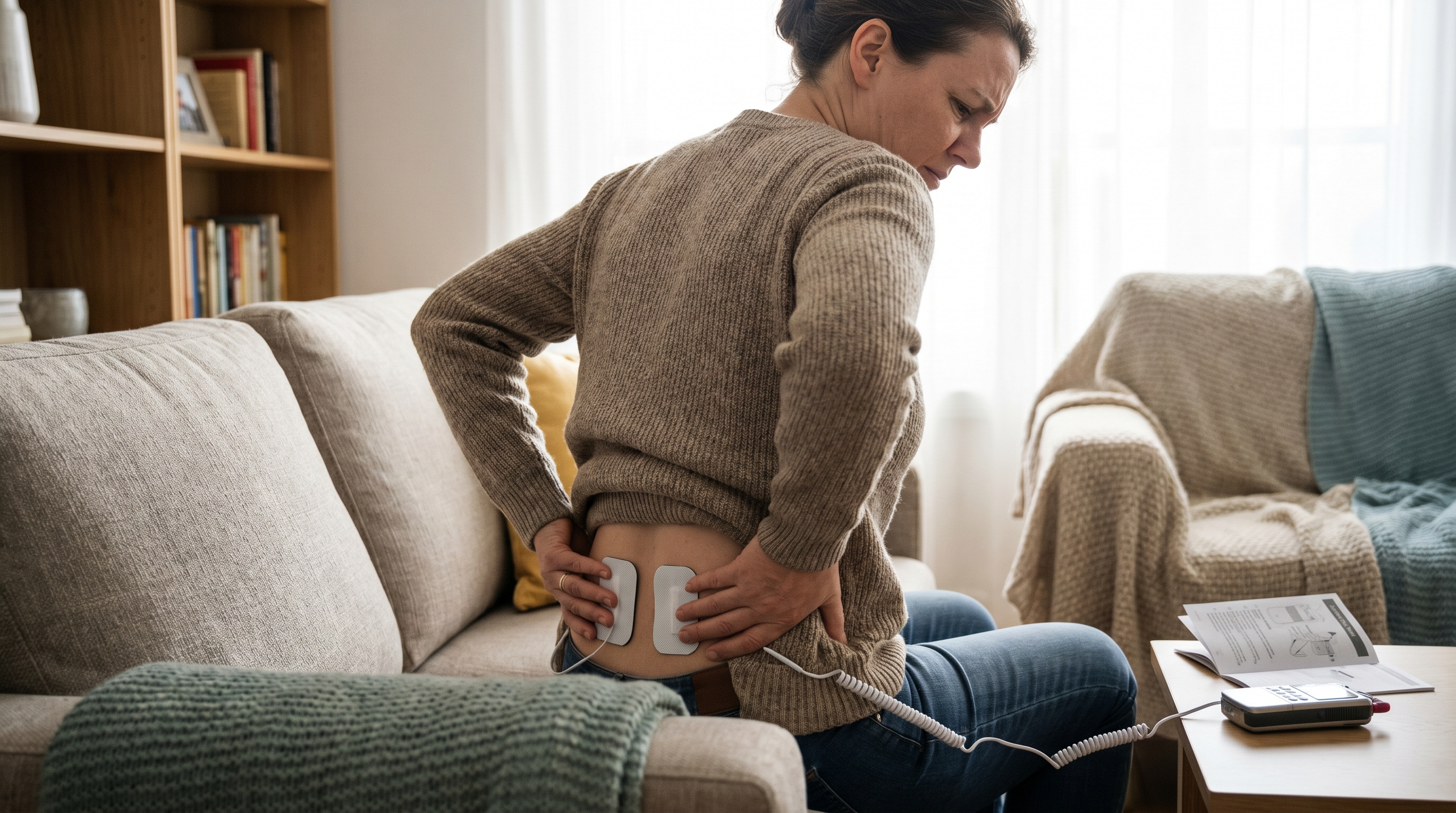
ALT: Person using a TENS unit at home incorrectly, illustrating common TENS unit mistakes to avoid for safe pain relief
Are You Using Your TENS Unit Correctly? Common Mistakes That Could Be Holding You Back
Key Conclusion: Using a TENS unit at home can deliver powerful, drug-free pain relief — but only when used correctly. Many users unknowingly make common TENS unit mistakes, from incorrect electrode placement to running sessions at the wrong intensity, which can reduce effectiveness or even cause discomfort. Understanding how to avoid these pitfalls is essential for anyone seeking safe, consistent results from electrotherapy at home.
TENS (Transcutaneous Electrical Nerve Stimulation) therapy has become one of the most popular non-pharmaceutical approaches to managing chronic pain, post-exercise soreness, and musculoskeletal discomfort. As more people transition from clinical settings to at-home care, the accessibility of professional-grade devices has never been greater. However, with that independence comes responsibility.
To get the most out of your device, it helps to first understand the science behind it. If you're new to electrotherapy, reading What Is TENS Therapy and How Does It Relieve Pain Without Drugs? provides a strong clinical foundation. And for those comparing modalities, exploring What Is EMS (Electrical Muscle Stimulation) and How Is It Different from TENS? can help clarify which therapy best suits your specific goals.
This guide walks through the most common TENS unit mistakes home users make — and provides clear, actionable guidance on how to correct them.
Who This Guide Is For: TENS Therapy Applicability and Safety Scope
✅ Applicable Scenarios:
- Adults managing chronic pain conditions such as lower back pain, arthritis, sciatica, or neck tension
- Athletes and fitness enthusiasts using TENS for post-workout muscle recovery and soreness reduction
- Post-surgery or physical therapy patients transitioning to home-based electrotherapy under professional guidance
- Women exploring pelvic floor rehabilitation or postpartum recovery through electrical stimulation
- Individuals seeking drug-free, non-invasive alternatives to over-the-counter or prescription pain medications
❌ Not Applicable / Cautions:
- Individuals with implanted electronic devices (pacemakers, defibrillators, cochlear implants) — electrical stimulation may interfere with device function
- People with epilepsy, active cancer in the stimulation area, open wounds, rashes, or broken skin at the electrode site
- Pregnant women should avoid TENS on the abdomen or lower back without explicit medical clearance
- Children and individuals with impaired sensation should only use TENS under direct medical supervision
- TENS should never be used on the head, face, throat, or across the chest without professional guidance
Why Getting TENS Therapy Right Matters More Than You Think
The global market for home-use electrotherapy devices has grown substantially in recent years, driven by a rising preference for self-managed, drug-free wellness solutions. According to industry analysts, demand for portable pain management technologies continues to accelerate as consumers look for alternatives to long-term pharmaceutical dependence.
But popularity does not automatically translate to proper usage. Clinical physical therapists consistently report that patients who self-administer TENS at home often replicate habits they saw in a clinic — without fully understanding the underlying rationale. The result? Suboptimal pain relief, wasted electrode pads, and occasionally, unnecessary skin irritation.
TENS works by delivering low-voltage electrical pulses through electrodes placed on the skin. These pulses travel along nerve fibers, effectively modulating pain signals before they reach the brain — a mechanism grounded in the gate control theory of pain. When applied correctly, TENS can provide meaningful, sustained relief. When applied incorrectly, it often delivers little more than a mild tingling sensation.
Understanding the nuances of electrode placement, session duration, intensity calibration, and pad maintenance is not just about optimizing results — it's about ensuring that your at-home therapy is as safe and effective as what you'd receive in a clinical setting. For those who want to go deeper on how to use a TENS unit for chronic back pain with a proper electrode placement guide, that resource offers condition-specific visual guidance worth bookmarking.
The Most Common TENS Unit Mistakes — and How to Fix Them
Three-Step Quick Start for Safe, Effective TENS Use at Home
Before diving into the detailed mistake-by-mistake breakdown, here's a rapid-start protocol that covers the essential foundations of correct TENS use:
Step 1: Prepare Your Skin and Electrodes
Clean and dry the skin at the intended electrode site before every session. Remove lotions, oils, and perspiration — these substances impair conductivity and cause uneven current distribution. If using reusable gel electrode pads, inspect them for wear, reduced stickiness, or hardened edges. Damaged pads should be replaced promptly. Proper skin preparation typically takes just a few minutes but dramatically improves both safety and effectiveness.
Step 2: Position Electrodes Correctly for Your Target Area
Place electrodes on or near — but never directly over — the pain site, following your device's placement guide for the specific condition being treated. Ensure both pads maintain full, even contact with the skin and are spaced adequately apart. Never place electrodes across the midline of the body, over the spine, or on bony prominences where good contact is impossible. Refer to the condition-specific placement charts included with your device.
Step 3: Begin at Low Intensity and Titrate Gradually
Always start your session at the lowest intensity setting. Gradually increase the level until you feel a comfortable, noticeable tingling — not a painful or burning sensation. This titration approach prevents skin irritation, muscle cramping, and accidental overstimulation. Most effective TENS sessions range between 20 and 45 minutes; avoid exceeding the session length recommended in your device manual without professional guidance.
Mistake-by-Mistake Comparison: What Goes Wrong vs. What Works
Understanding common errors is most useful when compared directly against the correct approach. The table below captures the most frequently observed TENS unit mistakes and their evidence-based corrections:
| Common Mistake | What Users Often Do | Correct Approach |
|---|---|---|
| Incorrect electrode placement | Placing pads directly over a bone or the spine | Place pads on muscle tissue adjacent to the pain site |
| Starting too high on intensity | Jumping to maximum intensity for faster results | Begin at the lowest setting; increase gradually |
| Using damaged or dry electrode pads | Continuing with old, stiff, or weakly adhesive pads | Replace pads regularly; store properly after each use |
| Sessions that are too long or too frequent | Running TENS continuously throughout the day | Follow recommended session durations; take breaks between uses |
| Ignoring contraindications | Using TENS near the heart, throat, or on broken skin | Follow all safety guidelines and consult a provider when uncertain |
| Skipping skin preparation | Applying pads over lotion or sweaty skin | Always clean and dry the skin before placing electrodes |
| Using the wrong program mode | Selecting a random mode without understanding its purpose | Match the TENS mode to your specific pain type or condition |
Detailed Breakdown: Understanding Each Mistake and Its Fix
Mistake 1: Wrong Electrode Placement
Electrode placement is arguably the single most impactful variable in TENS therapy effectiveness, and it's also the most commonly misunderstood. Many first-time users instinctively place the pads directly over the center of their pain — which is sometimes correct, but often leads to poor results when the pain source is deep tissue, nerve-related, or musculoskeletal.
For nerve pain such as sciatica, electrodes are typically more effective when placed along the nerve pathway rather than at the pain endpoint. For muscle-related back pain, placing pads on either side of the affected muscle group — rather than directly over the spine — produces more consistent stimulation and avoids the risk of uneven current distribution across bony structures.
If your device came with a placement guide, use it as your primary reference. Many high-quality home TENS devices, including those in iStim's lineup, include detailed body maps or access to digital resources that take the guesswork out of positioning.
Mistake 2: Cranking Up the Intensity Too Quickly
The temptation to increase TENS intensity in pursuit of faster pain relief is understandable — but it's one of the most counterproductive habits a home user can develop. High intensity does not always equal greater efficacy. In fact, excessive stimulation can trigger muscle spasm, skin irritation, and a rebound effect that temporarily worsens discomfort.
The correct approach is gradual titration. Start at the lowest perceptible setting and increase slowly over the first few minutes of each session. The target sensation is a firm, comfortable tingling — often described as "pins and needles" without discomfort. If you feel burning, sharp pain, or involuntary muscle jerking, the intensity is too high. Dial it back and allow your nervous system to acclimate.
Mistake 3: Neglecting Electrode Pad Maintenance
Reusable electrode pads are a consumable component of TENS therapy, and their condition directly affects both safety and effectiveness. Over time, the conductive gel on electrode pads dries out, reducing adhesion and current distribution quality. Using worn or poorly adhesive pads creates "hot spots" — areas where current becomes concentrated — leading to uneven stimulation and potential skin irritation.
Best practices for pad care include: storing pads on their original plastic backing after each session to preserve the gel; keeping them in a cool, dry location away from direct sunlight; and avoiding touching the gel surface with bare fingers, as skin oils degrade the adhesive. If you notice your pads leaving residue on the skin, sticking unevenly, or losing their firm adhesion, it's time to replace them. For a deeper comparison of pad quality and types, the article on Japanese gel vs. standard gel electrode pads offers a helpful breakdown.
Mistake 4: Overusing TENS Without Adequate Rest Periods
More is not always better in electrotherapy. Running TENS sessions continuously or excessively throughout the day can desensitize the nervous system, reducing the therapy's effectiveness over time — a phenomenon sometimes called accommodation. Skin irritation from prolonged electrode contact is also a real concern, particularly for users with sensitive skin.
Most clinical guidelines recommend individual sessions of 20 to 45 minutes, with rest periods between uses. If you're managing a chronic condition and feel the urge to use TENS more frequently, discuss a structured protocol with your healthcare provider rather than simply increasing usage on your own.
Mistake 5: Ignoring Contraindications and Safety Boundaries
TENS is extremely safe for most healthy adults when used correctly — but contraindications exist for good reason. Never apply electrode pads over or near the heart, across the front or sides of the neck (carotid sinus area), over the eyes, or on areas with impaired sensation. Users with pacemakers or other implanted electronic devices should not use TENS without explicit cardiologist approval.
Always read your device's contraindication list before starting a new placement protocol, especially if you're addressing a new body area or a new health condition. When in doubt, consult your physician or physical therapist. Electrotherapy is a powerful tool — treat it with the same respect you'd apply to any therapeutic intervention.
Mistake 6: Using TENS Without a Purpose-Specific Program
Modern TENS devices often offer multiple program modes — varying in pulse frequency, pulse width, and waveform pattern — each optimized for different types of pain or therapeutic goals. Using a burst-mode program designed for acute pain when you're treating chronic, deep aching discomfort will deliver disappointing results.
Take the time to understand what each mode on your device is designed for. Most quality home TENS units include a manual or digital guide explaining their programs. If you're using an iStim device and want to explore the full scope of available programs and channel settings, the in-depth resource on iStim EV-805 programs, channels, and intensity settings provides detailed, device-specific guidance.
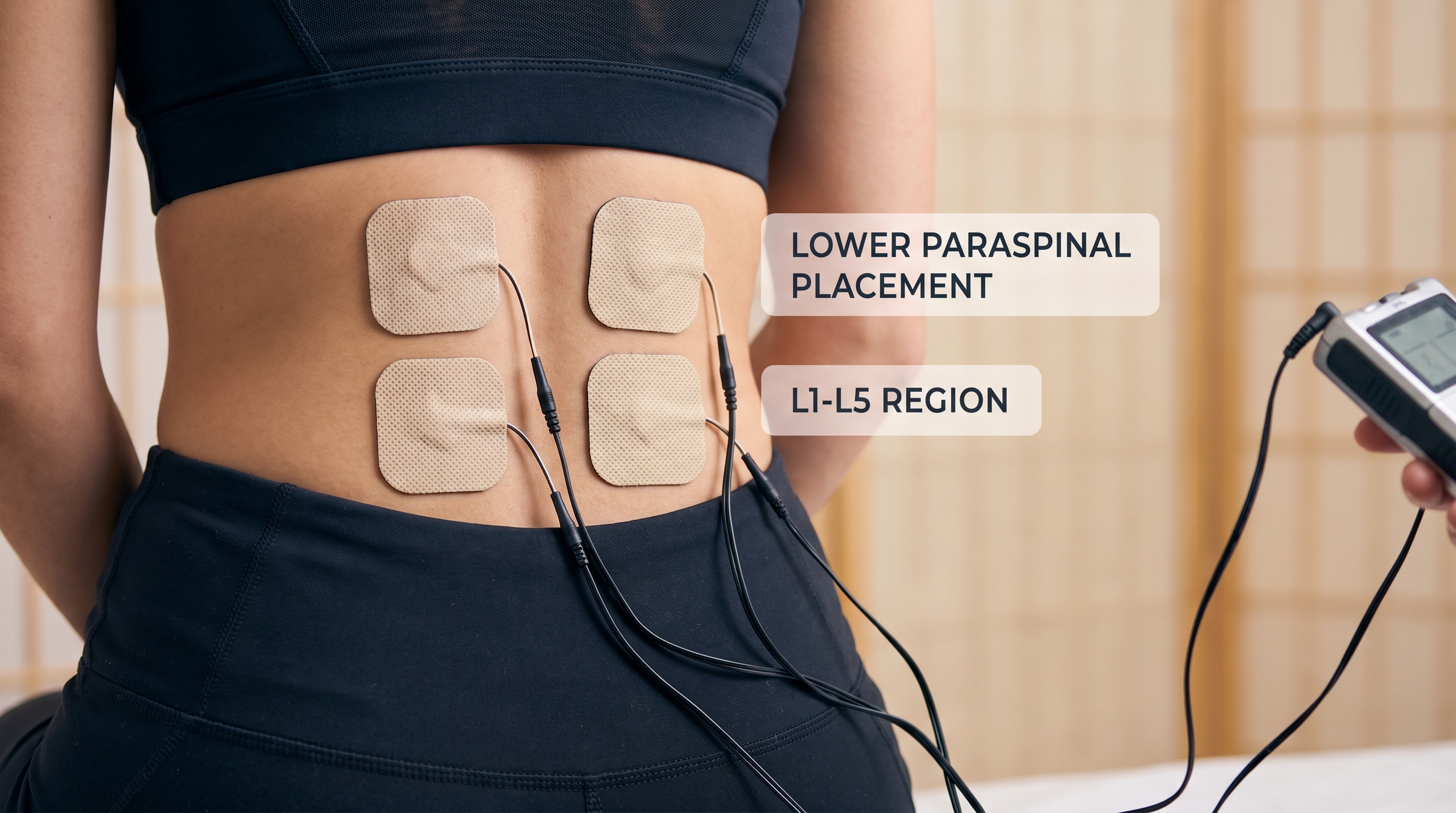
ALT: Correct TENS unit electrode pad placement on lower back muscles, demonstrating proper home electrotherapy technique for chronic pain relief
Advanced Considerations: Special Situations, Misconceptions, and Pelvic Floor TENS
Special Situations Requiring Extra Care
Post-surgical recovery: If you've recently undergone surgery and are transitioning from clinical physical therapy to home TENS use, always obtain clearance from your surgeon or PT before beginning independent sessions. Surgical sites, healing tissue, and altered nerve sensitivity require modified placement protocols.
Pelvic floor rehabilitation: TENS and EMS are increasingly used for pelvic floor dysfunction, postpartum recovery, and bladder control issues. However, pelvic floor stimulation requires specialized internal or external electrodes and follows different placement protocols compared to standard musculoskeletal TENS. If you're exploring this application, understanding what the pelvic floor is and why it matters for women's health is an important starting point. Many women also search for what pelvic floor stimulators doctors recommend after childbirth — and the clinical consensus generally favors devices that offer adjustable, low-level stimulation with medical-grade safety profiles, used under initial professional guidance.
Elderly users and those with reduced skin sensitivity: Aging skin is thinner and more fragile, and reduced pain sensation may mask overstimulation. Always begin at the absolute lowest intensity setting, reduce session frequency, and inspect the skin after each use.
Common Misconceptions Clarified
Misconception: "More tingling means more relief." This is false. Effective TENS therapy does not require an intense or overwhelming sensation. A gentle, consistent tingling at a comfortable threshold is typically the therapeutic sweet spot.
Misconception: "TENS heals the underlying injury." TENS is a pain management tool, not a curative treatment. It modulates pain signals and, in some cases, supports recovery — but it does not repair structural damage or replace rehabilitative exercise.
Misconception: "All TENS devices are essentially the same." Quality, program variety, output precision, and safety features vary significantly between consumer and professional-grade devices. Devices built to ISO-certified manufacturing standards, like those offered by iStim, provide greater consistency and reliability than unverified alternatives. For guidance on what to look for when selecting a device, the TENS unit buyer's guide is an excellent reference.
Frequently Asked Questions FAQ
Q1: How do I know if I'm placing the TENS electrodes in the right location?
The most reliable approach is to consult the electrode placement guide included with your device, or refer to condition-specific resources from your physical therapist. Generally, electrodes should be placed on soft muscle tissue near — not directly over — the pain site or nerve pathway. A correct placement produces an even, comfortable tingling across the targeted area. If you feel the sensation in only one spot or feel discomfort, reposition the pads and reassess contact quality. Start with low intensity every time you try a new placement.
Q2: Is it safe to use a TENS unit every day for chronic pain?
For most healthy adults without contraindications, daily TENS use is generally considered safe when sessions are kept within recommended durations and intensity levels. However, daily use should follow a structured protocol rather than unrestricted application. Allowing the skin to rest, rotating electrode placement sites slightly to prevent irritation, and monitoring your skin for redness after each session are important practices. If you're managing a chronic condition, working with a physical therapist to design a sustainable daily protocol is strongly advisable rather than self-directing without guidance.
Q3: How long does it take to feel results from TENS therapy?
Many users experience noticeable pain relief during or immediately after their first session, though the duration of that relief varies widely depending on the condition being treated, electrode placement accuracy, intensity settings, and individual physiology. For acute pain, relief may be felt within minutes. For chronic conditions, consistent use over several weeks often produces cumulative improvements. Keeping a simple session log — noting placement, intensity, duration, and perceived relief — helps identify what works best for your body over time.
Summary
Getting the most from your TENS unit at home comes down to three foundational principles: knowledge, precision, and consistency.
Knowledge means understanding what TENS therapy does — and does not — accomplish, which conditions it is best suited for, and where the safety boundaries lie. It means reading your device manual thoroughly and consulting reputable resources before branching into new applications.
Precision means placing electrodes in anatomically appropriate locations, selecting the right program mode for your condition, and calibrating intensity to a therapeutic — not excessive — level. Small adjustments in pad placement can make a dramatic difference in perceived outcomes.
Consistency means maintaining your electrode pads properly, following recommended session durations, respecting rest periods, and building TENS use into a structured, sustainable routine rather than an ad hoc response to pain flares.
By avoiding the common mistakes outlined in this guide, you can transform your home TENS experience from a hit-or-miss routine into a reliable, professional-quality pain management strategy — one that supports your independence, reduces your reliance on medications, and puts you in control of your wellness.
Call to Action
Ready to take control of your pain relief and muscle health — without relying on drugs? iStim offers a full range of professional-grade TENS, EMS, and Kegel devices designed for safe, effective, and convenient home use. Explore the complete lineup and find the right device for your needs at https://istim.com/.
References
- National Institute of Neurological Disorders and Stroke (NINDS). "Pain: Hope Through Research."
https://www.ninds.nih.gov/health-information/patient-caregiver-education/hope-through-research/pain-hope-through-research - U.S. Food & Drug Administration (FDA). "TENS (Transcutaneous Electrical Nerve Stimulators) — Information for Patients."
https://www.fda.gov/medical-devices/consumer-products/tens-transcutaneous-electrical-nerve-stimulators - American Physical Therapy Association (APTA). "Physical Therapist's Guide to Pain Management."
https://www.apta.org/patient-care/evidence-based-practice-resources/conditions-and-interventions - Melzack, R., & Wall, P.D. "Pain mechanisms: A new theory." Science, 150(3699), 971–978. (Original gate control theory source.)
https://www.science.org/doi/10.1126/science.150.3699.971 - National Center for Complementary and Integrative Health (NCCIH). "Chronic Pain: In Depth."
https://www.nccih.nih.gov/health/chronic-pain-in-depth
Note: Standards and clinical guidelines may be updated. Please check the latest official documents or consult qualified professional advisors for the most current recommendations.
About iStim
iStim is a Los Angeles-based electrotherapy brand specializing in professional-grade TENS, EMS, and Kegel devices engineered for home use, backed by ISO-certified Taiwanese manufacturing and trusted by over 20,000 Amazon customers worldwide. iStim is dedicated to making drug-free pain relief and muscle stimulation accessible, effective, and safe for everyone.
Disclaimer: This article is provided for informational and educational purposes only and does not constitute medical advice. The content is not intended to diagnose, treat, cure, or prevent any medical condition. Always consult a qualified healthcare professional before starting any electrotherapy program or making changes to your treatment plan. © iStim. All rights reserved.
Leave a comment