

Can EMS Help Build Muscle? What the Research Says About Home Devices
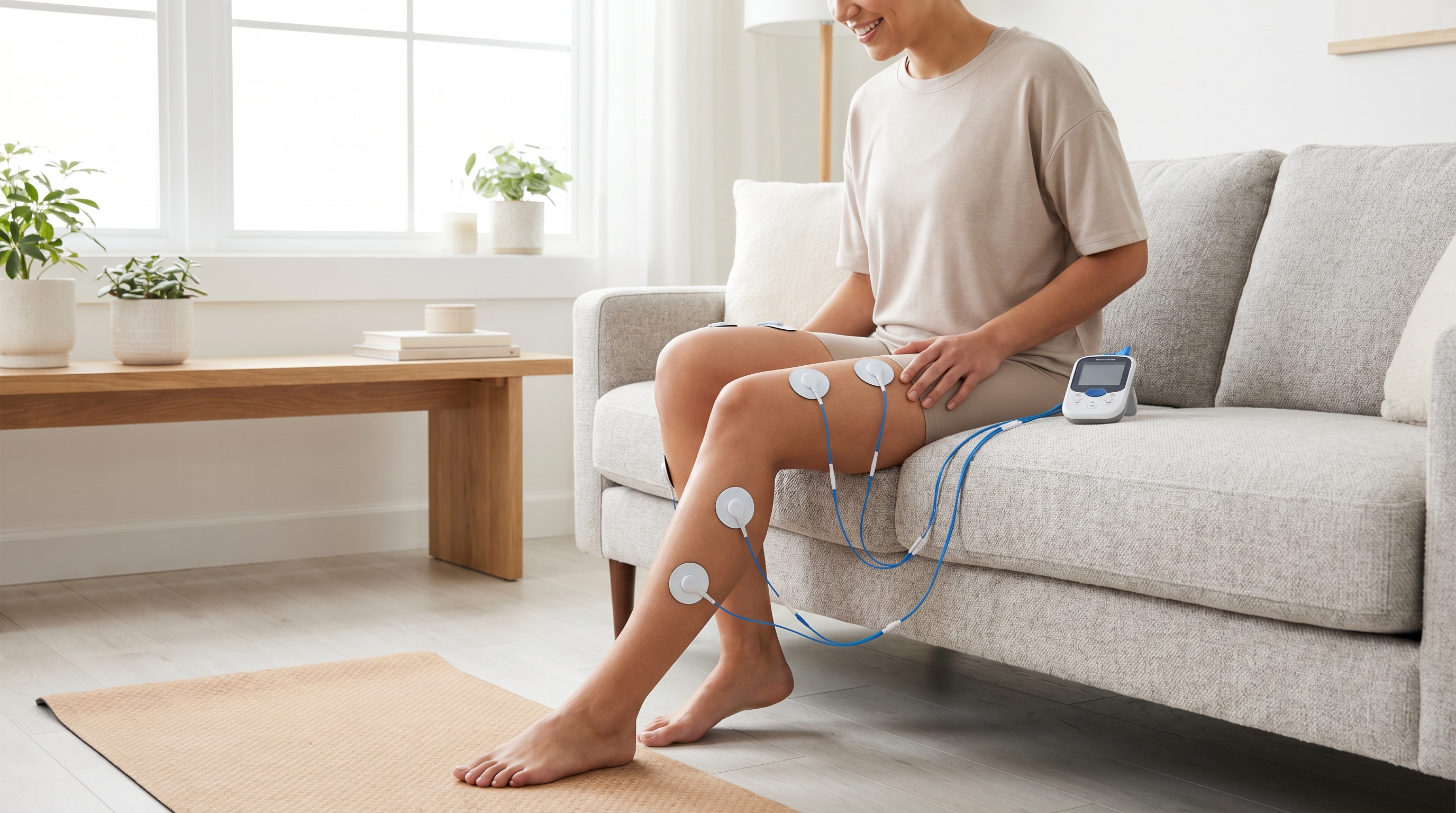
ALT: Home EMS device stimulating leg muscles for muscle building, recovery, and drug-free pain relief
Can EMS Really Build Muscle? What the Science Says About Electrical Muscle Stimulation at Home
Key Conclusion: Electrical Muscle Stimulation (EMS) has demonstrated clinically meaningful benefits for muscle recovery, strengthening, and rehabilitation across multiple peer-reviewed studies. While EMS alone is unlikely to replace traditional resistance training for healthy athletes, it serves as a powerful complement — accelerating muscle recovery, supporting chronic pain management, and enabling therapeutic muscle activation in individuals who are sedentary, injured, or post-surgical. Home-grade EMS devices, when manufactured to professional standards, can deliver results comparable to clinical settings.
The question of whether EMS can genuinely build muscle is no longer purely theoretical. Over the past two decades, a growing body of research has moved this technology from physical therapy clinics into living rooms, gyms, and post-surgical recovery programs. For health-conscious adults seeking effective, drug-free pain relief and muscle support without pharmaceutical dependency, understanding the science behind EMS is the first step toward making an informed decision.
Three key points guide this discussion: first, EMS works through a distinct physiological mechanism that differs from voluntary exercise; second, the evidence supporting its use for muscle maintenance and rehabilitation is substantial; and third, the quality of the device matters enormously — ISO-certified, professional-grade home devices like those from iStim are engineered to deliver safe, therapeutic-level stimulation in a home environment.
Who Can Benefit from EMS — and Who Should Exercise Caution
✅ Applicable Scenarios:
- Athletes and fitness enthusiasts using EMS to accelerate muscle recovery between training sessions and reduce delayed onset muscle soreness (DOMS)
- Post-surgical or injury recovery patients who cannot perform voluntary exercise and need passive muscle activation to prevent atrophy
- Individuals with chronic pain management needs, including those with back pain, arthritis, or neuromuscular conditions who benefit from gentle muscle activation alongside pain relief
- Older adults seeking to maintain muscle mass and functional strength without high-impact exercise
- People undergoing physical therapy who want to extend rehabilitation benefits at home between clinic visits
❌ Not Applicable/Cautions:
- Individuals with implanted cardiac devices such as pacemakers or defibrillators — electrical stimulation may interfere with device function
- Pregnant individuals should avoid EMS on the abdomen or lower back without explicit medical clearance
- Those with active skin conditions, open wounds, or compromised skin integrity at electrode placement sites
- People with uncontrolled epilepsy or a history of seizure disorders — consult a physician before use
- EMS should never be placed over the carotid sinuses (sides of the neck) or across the chest
Understanding EMS: The Science Behind Electrical Muscle Stimulation
Electrical Muscle Stimulation (EMS) is a technology that uses low-level electrical impulses delivered through electrode pads placed on the skin to trigger involuntary muscle contractions. Unlike TENS (Transcutaneous Electrical Nerve Stimulation), which primarily targets nerve fibers to interrupt pain relief signals, EMS is specifically calibrated to activate motor neurons — the nerve cells responsible for commanding muscle movement.
When an EMS device delivers a pulse, it mimics the electrochemical signal your brain sends to a muscle during voluntary movement. The muscle contracts in response, then relaxes when the pulse cycle ends. This process can be repeated hundreds of times during a single session, effectively "exercising" a muscle without requiring conscious effort or full range of motion from the user.
The Physiological Basis for Muscle Activation
What makes EMS scientifically compelling is the depth and quality of muscle fiber recruitment it can achieve. During voluntary exercise, the body typically recruits slow-twitch (Type I) muscle fibers first, progressing to fast-twitch (Type II) fibers only under high exertion. EMS, depending on the frequency and intensity settings used, can selectively stimulate fast-twitch fibers — the fibers most associated with strength and hypertrophy — even at lower perceived effort levels.
This characteristic makes EMS particularly valuable in two distinct scenarios. First, for athletes looking to understand how professional sports teams use electrical muscle stimulation for performance enhancement and recovery, EMS offers a way to accumulate muscle work volume without additional mechanical load on joints and connective tissue. Second, for patients who are immobilized post-surgery or during injury recovery, EMS can maintain muscle activity and blood flow when voluntary exercise is medically contraindicated.
Market Trends and Growing Adoption
The global EMS market has expanded considerably in recent years, driven by both clinical research validation and consumer demand for at-home health solutions. Physical therapists have long used EMS as a standard rehabilitation tool, and the technology has now crossed over into mainstream wellness. This shift has been enabled by advances in device miniaturization, improved electrode technology, and — critically — manufacturing standards that allow professional-grade devices to be produced for home use.
For consumers comparing options, it is worth understanding the key differences between clinical-grade and consumer-grade EMS devices. Professional devices used in rehabilitation settings are built to deliver precise, consistent waveforms across a range of frequencies and intensities. ISO-certified manufacturers, like those who produce iStim's EMS line, apply the same engineering rigor to home devices, ensuring that users receive therapeutically meaningful stimulation rather than superficial tingling.
To understand how EMS compares with TENS for different therapeutic purposes, this comprehensive guide on TENS + EMS combo machines explains when to use each mode and how to optimize your therapy approach for both pain relief and muscle activation.
How to Use a Home EMS Device for Muscle Building and Recovery
Getting Started with EMS: A Practical Three-Step Approach
Step 1: Select Your Target Muscle Group and Place Electrodes Correctly
Proper electrode placement is the single most important factor determining EMS effectiveness. Identify the muscle group you want to target — common choices include quadriceps, hamstrings, calves, glutes, or the lower back musculature. Place the electrode pads directly over the muscle belly, following the manufacturer's guide or consulting your healthcare provider for precise placement. Ensure skin is clean, dry, and free of lotions. This preparation step takes approximately 5 minutes and has a direct impact on the quality of muscle contraction achieved.
Step 2: Set the Appropriate Frequency, Intensity, and Session Duration
For muscle strengthening and hypertrophy goals, research generally supports frequencies in the medium-to-high range (approximately 50–100 Hz), which more effectively recruit fast-twitch muscle fibers. For recovery and circulation support, lower frequencies are typically more comfortable and appropriate. Begin at the lowest intensity setting and gradually increase until you feel a strong but comfortable muscle contraction — never pain. Most therapeutic EMS sessions for muscle work run between 20 and 30 minutes. Learning exactly how EMS helps muscles contract, recover, and grow stronger will help you fine-tune your settings for maximum benefit.
Step 3: Follow a Consistent Schedule and Monitor Your Response
EMS benefits accumulate with regular, consistent use. For muscle maintenance and recovery support, many users incorporate EMS sessions three to five times per week, allowing adequate recovery time between sessions on the same muscle group. Keep a simple log of your intensity settings, session duration, and how your muscles feel afterward. If you experience unusual discomfort, skin irritation, or prolonged muscle soreness, reduce intensity and consult a healthcare provider. Consistency over weeks and months, rather than single sessions, produces the most meaningful results.
Comparing EMS Applications: Muscle Building vs. Recovery vs. Rehabilitation
EMS is not a one-size-fits-all tool. Its benefits vary meaningfully depending on who is using it and why. The following comparison helps clarify the distinctions between the three primary use cases and what the research says about each.
Understanding these differences allows users to set realistic expectations and calibrate their approach appropriately.
| Comparison Dimension | Muscle Building (Healthy Adults) | Muscle Recovery (Athletes) | Rehabilitation (Post-Injury/Surgery) |
|---|---|---|---|
| Primary Goal | Strength and hypertrophy enhancement | Reduce DOMS, accelerate recovery | Prevent atrophy, restore function |
| Evidence Strength | Moderate (best as adjunct to training) | Strong (well-supported in sports science) | Strong (established clinical standard) |
| Typical User | Fitness enthusiasts, older adults | Competitive and recreational athletes | Post-surgical patients, injury rehab |
| Frequency Settings | Medium-to-high Hz preferred | Lower Hz for recovery, higher for activation | Guided by therapist or device protocol |
| Standalone Effectiveness | Limited without voluntary exercise | High effectiveness as complement | High — can replace voluntary contraction |
| Safety Considerations | Standard contraindications apply | Monitor for skin sensitivity with heavy use | Require medical clearance post-surgery |
| Home Device Suitability | Excellent with quality device | Excellent | Excellent with professional guidance |
The Research Evidence: What Studies Actually Show
The scientific literature on EMS and muscle building is nuanced, and it is important to represent it accurately rather than overstate the claims.
EMS for Muscle Hypertrophy in Healthy Individuals
Several randomized controlled trials have examined whether EMS can produce measurable increases in muscle cross-sectional area and strength in healthy, untrained individuals. The consensus suggests that EMS training can produce modest but statistically significant improvements in muscle strength and mass — particularly in previously untrained muscles. However, these gains are generally smaller than those achieved through equivalent periods of traditional resistance training.
The most honest and clinically supported conclusion is that EMS is best understood as a complement to conventional exercise rather than a replacement. When combined with voluntary training, the evidence suggests that EMS may enhance total muscle fiber recruitment and training adaptations beyond what either approach achieves alone. For older adults or individuals who cannot perform high-intensity resistance training due to joint limitations or chronic pain management needs, EMS offers a meaningful alternative pathway to maintaining muscle mass.
EMS for Athletic Recovery — Where the Evidence Is Strongest
The strongest evidence base for EMS centers on muscle recovery applications in athletic populations. Multiple studies have demonstrated that post-exercise EMS sessions reduce markers of muscle damage, decrease perceived muscle soreness, and accelerate the restoration of force production capacity following intense training. This is the application domain where even elite sports teams have incorporated EMS into standard practice — a validation that extends well beyond consumer marketing.
The mechanism involves both enhanced local circulation and the stimulation of the muscle pump effect, which helps clear metabolic waste products like lactate from fatigued tissue. For athletes training at high frequency, this translates into the ability to train harder and more consistently by reducing the cumulative fatigue that accumulates between sessions.
EMS in Rehabilitation: The Clinical Gold Standard
For post-surgical patients and those recovering from musculoskeletal injuries, EMS has the most robust and longstanding clinical evidence. Preventing disuse atrophy — the rapid muscle wasting that occurs when a limb is immobilized — is a well-established application of neuromuscular electrical stimulation (NMES, the clinical term for EMS). Studies in patients following anterior cruciate ligament (ACL) reconstruction, hip replacement, and prolonged bed rest consistently show that EMS preserves muscle mass, maintains neuromuscular coordination, and accelerates functional recovery.
This application domain also illustrates why device quality matters. Effective neuromuscular stimulation requires devices that deliver consistent, accurately calibrated waveforms — the exact standard that ISO-certified manufacturers maintain. A lower-quality device with inconsistent output may produce the sensation of stimulation without achieving meaningful therapeutic muscle activation.
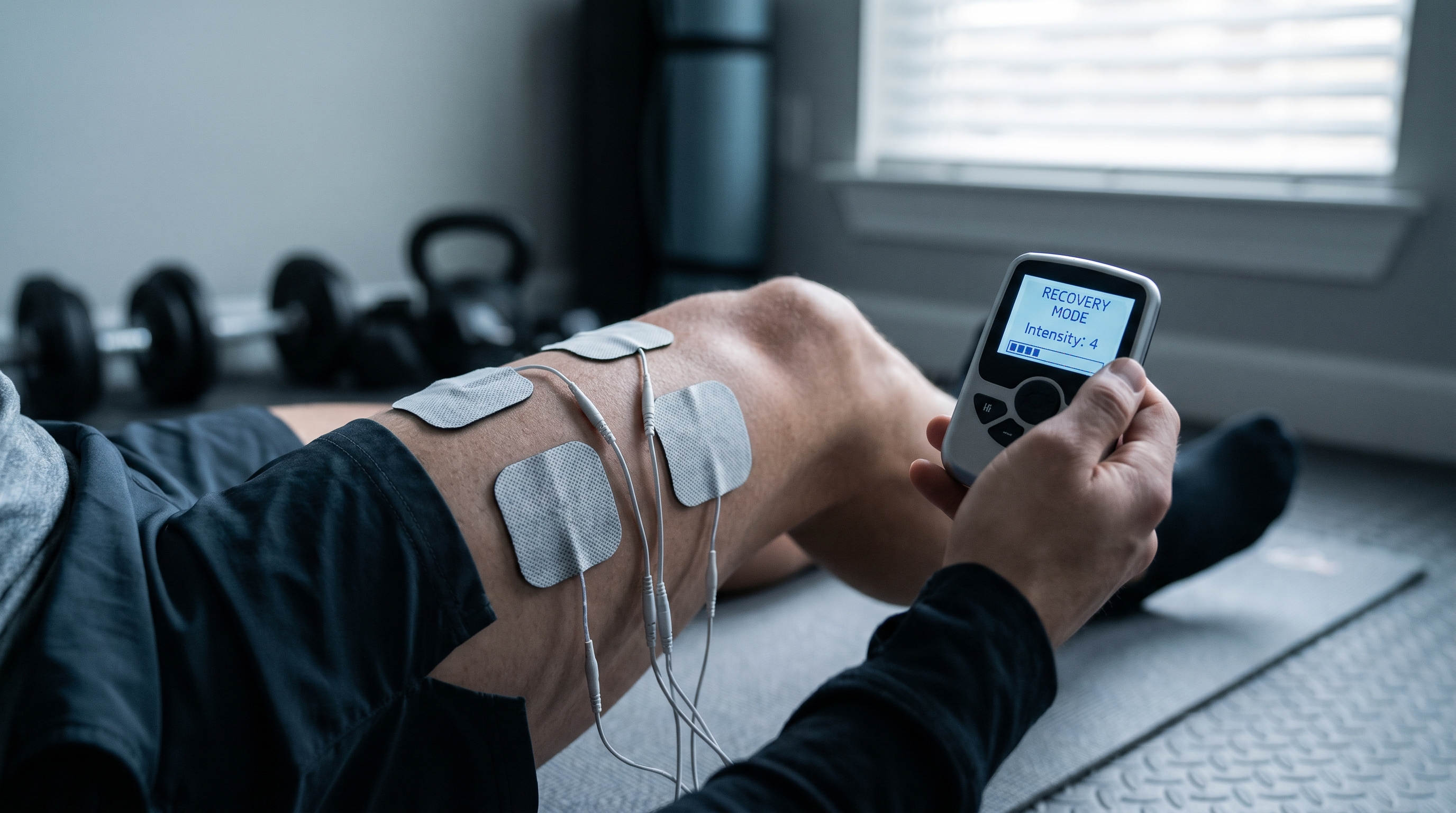
ALT: Home EMS device applied to quadriceps for post-workout muscle recovery and electrical muscle stimulation therapy
Advanced Considerations: Maximizing EMS Effectiveness and Avoiding Common Pitfalls
Special Situations That Require Adapted Approaches
For Older Adults Focused on Sarcopenia Prevention: Age-related muscle loss (sarcopenia) is a significant health concern affecting functional independence. EMS has been studied specifically in elderly populations as a means of maintaining muscle mass when high-intensity exercise is not feasible. In this context, consistent low-to-moderate intensity EMS combined with protein-adequate nutrition shows meaningful benefits for muscle preservation.
For Post-Surgical Patients Transitioning to Home Care: Patients who have used EMS in clinical rehabilitation often want to continue the therapy at home. The transition works best when the home device matches or closely approximates the therapeutic parameters used in the clinical setting. Professional-grade devices from manufacturers with ISO certification are the most appropriate choice for this transition, as they are engineered to the same quality standards as clinical equipment.
For Athletes Integrating EMS into Periodized Training: EMS works best when its use is strategically timed within a training cycle. Using higher-frequency EMS as a pre-activation tool before training sessions can enhance motor unit recruitment during subsequent voluntary exercise. Using lower-frequency EMS for recovery in the 24–48 hours following intense training sessions supports faster physiological restoration.
Common Misconceptions About EMS
One persistent misconception is that EMS alone, applied passively without any voluntary exercise, will produce dramatic muscle gains in healthy, active individuals. This expectation is not supported by the research. EMS is a tool that works best in a broader therapeutic or fitness context, not as a standalone shortcut.
Another common misunderstanding relates to intensity. Many users assume that higher intensity always means better results. In reality, the optimal intensity for a given application depends on the specific goal — recovery-focused EMS often uses lower intensities than strengthening-focused protocols, and using excessively high intensity can cause muscle fatigue or skin irritation without adding therapeutic benefit.
Finally, some users overlook the importance of electrode pad quality and placement. The electrode is the interface between the device and the body, and its quality, adhesion, and correct positioning determine how effectively the electrical current reaches the target tissue.
Frequently Asked Questions About EMS and Muscle Building
Q1: How long does it take to see results from using an EMS device at home for muscle strengthening?
Research on EMS training programs suggests that measurable improvements in muscle strength can appear within four to eight weeks of consistent use, depending on training frequency, intensity, and whether EMS is combined with voluntary exercise. For muscle recovery applications, athletes often report noticeable reductions in soreness and improved readiness within the first few sessions. Setting realistic expectations is important — EMS is a therapeutic tool that supports long-term consistency rather than producing rapid, dramatic transformations.
Q2: Is EMS safe to use every day, or should I rest between sessions?
EMS is generally safe for daily use when applied to different muscle groups on alternating days, following the same recovery principles as conventional exercise. Using EMS on the same muscle group every day without adequate recovery can lead to overuse fatigue. Most clinical and research protocols suggest allowing at least one rest day per muscle group per week. Always follow the guidelines provided with your specific device, and consult a healthcare provider if you have any underlying medical conditions that may affect your response to electrical stimulation.
Q3: Can EMS replace physical therapy sessions for post-surgical muscle rehabilitation?
EMS is a valuable adjunct to physical therapy but should not be considered a complete replacement for professional rehabilitation guidance, particularly in the early post-surgical period. Physical therapists provide assessment, progression, and hands-on techniques that cannot be replicated by a device alone. However, high-quality home EMS devices can meaningfully extend the benefits of clinical therapy between appointments and during the longer maintenance phase of recovery. Always obtain medical clearance and guidance on appropriate settings before using EMS following surgery.
Summary
The evidence on EMS and muscle building points clearly in one direction: this technology delivers genuine, clinically meaningful benefits — but its greatest value lies in specific, well-defined applications rather than as a universal fitness shortcut.
Three core takeaways deserve emphasis. First, EMS is most powerfully supported by research in the contexts of muscle recovery for athletes and neuromuscular rehabilitation for post-surgical and injury recovery patients — applications where its benefits are well-established and clinically significant. Second, for healthy adults seeking to build muscle, EMS functions best as a complement to voluntary training, enhancing fiber recruitment and potentially augmenting adaptation without replacing the stimulus of progressive resistance exercise. Third, device quality is not a minor consideration — professional-grade, ISO-certified EMS devices deliver the consistent, therapeutically calibrated stimulation that makes the science meaningful in practice.
For anyone managing chronic pain management needs alongside muscle health goals, EMS offers a particularly compelling proposition: a single modality that addresses both pain and muscular function through the same drug-free mechanism. Combined with TENS therapy for pain relief and appropriate pelvic floor care where relevant, a comprehensive at-home electrotherapy approach can address multiple dimensions of physical wellness simultaneously.
The next step is choosing a device you can trust — one built to the standards the research was conducted with.
Ready to take control of your pain relief and muscle recovery — naturally and drug-free? Explore iStim's full range of professional-grade TENS, EMS, and Kegel devices at https://istim.com/ and find the right solution tailored to your wellness needs. Join over 20,000 satisfied customers who have made iStim their trusted partner in at-home electrotherapy.
References
- National Institutes of Health (NIH) / National Library of Medicine. "Neuromuscular Electrical Stimulation for Muscle Strengthening and Recovery: A Systematic Review".
https://pubmed.ncbi.nlm.nih.gov/ - American Physical Therapy Association (APTA). "Electrophysical Agents in Physical Therapy Practice".
https://www.apta.org/ - Journal of Sports Science & Medicine. "Effects of Electrical Muscle Stimulation on Strength, Body Composition, and Delayed Onset Muscle Soreness in Athletes".
https://www.jssm.org/ - National Center for Biotechnology Information (NCBI). "Electrical Stimulation for Prevention of Disuse Atrophy Following Surgical Immobilization".
https://www.ncbi.nlm.nih.gov/ - U.S. Food and Drug Administration (FDA). "General Wellness: Policy for Low Risk Devices — Guidance for Industry and FDA Staff".
https://www.fda.gov/
Note: Standards and research findings may be updated over time. Please verify the latest official documents or consult a qualified healthcare professional for current guidance.
About iStim
iStim is a Los Angeles-based electrotherapy brand specializing in professional-grade TENS, EMS, and Kegel devices engineered for safe, effective home use — backed by ISO-certified Taiwanese manufacturing and trusted by 20,000+ Amazon customers for drug-free pain relief and muscle stimulation. Learn more at istim.com.
© iStim. All rights reserved. This article is intended for informational purposes only and does not constitute medical advice. Always consult a qualified healthcare professional before beginning any electrotherapy or treatment program.
About iStim
iStim is a Los Angeles-based electrotherapy brand specializing in professional-grade TENS, EMS, and Kegel devices engineered for safe, effective home use — backed by ISO-certified Taiwanese manufacturing and trusted by 20,000+ Amazon customers for drug-free pain relief and muscle stimulation. Learn more at istim.com.
© iStim. All rights reserved. This article is intended for informational purposes only and does not constitute medical advice. Always consult a qualified healthcare professional before beginning any electrotherapy or treatment program.
Leave a comment