

Best TENS Unit for Knee Pain Management Routines
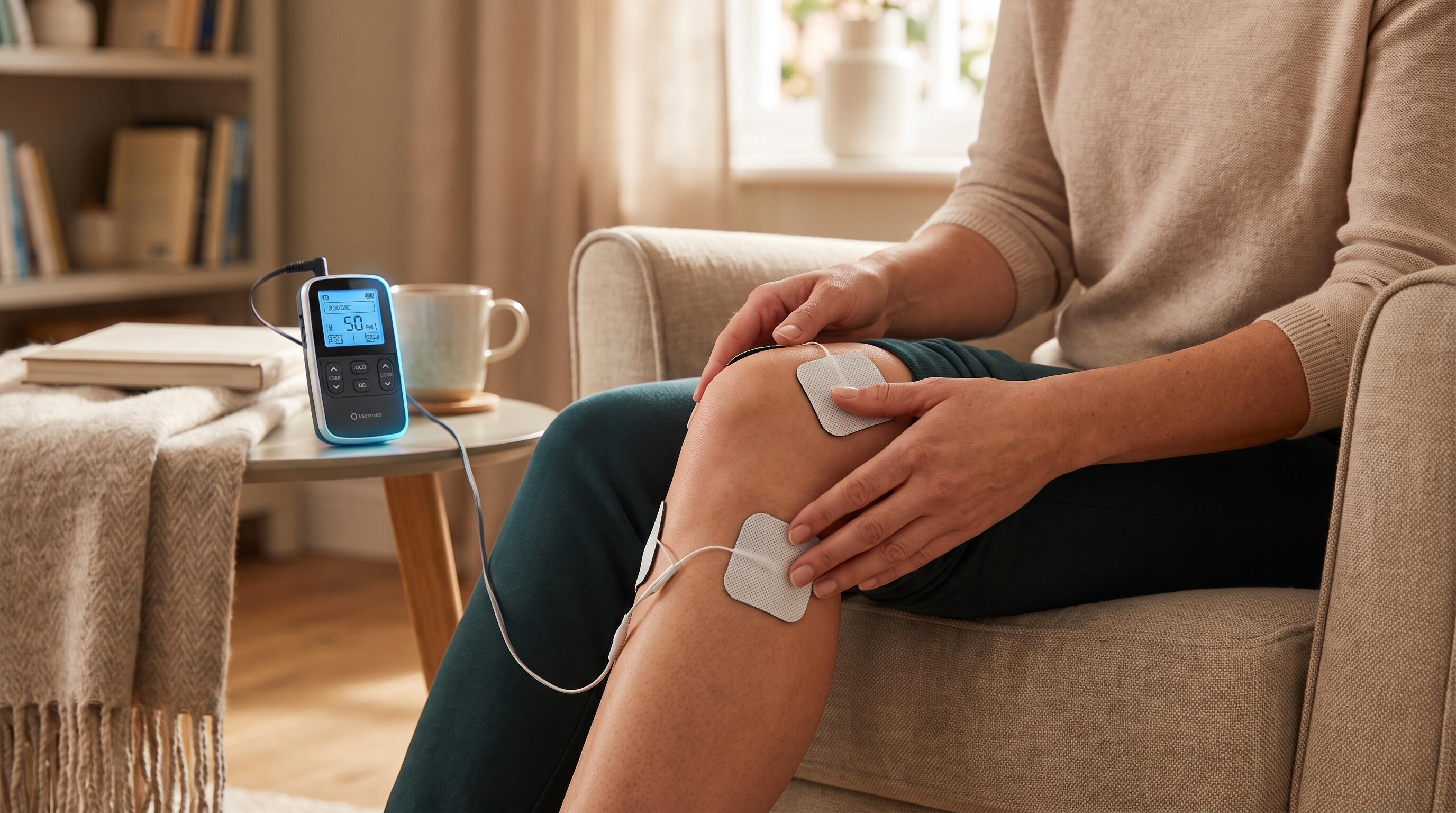
ALT: Person applying TENS unit electrode pads on knee for chronic pain management routine at home
Why a TENS Unit for Knee Pain Belongs in Your Daily Management Routine
Key Conclusion: A high-quality TENS unit for knee pain offers a clinically grounded, drug-free approach to managing discomfort caused by arthritis, post-surgical recovery, sports injuries, and chronic overuse conditions. By delivering gentle electrical impulses through strategically placed electrode pads, TENS therapy helps interrupt pain signals and stimulate natural endorphin release — making it one of the most versatile and accessible tools available for consistent, at-home knee pain management routines.
Knee pain is one of the most common musculoskeletal complaints among adults, affecting millions of people regardless of age or activity level. Whether you're an athlete managing overuse injuries, a post-surgical patient rebuilding strength, or someone navigating the day-to-day challenges of osteoarthritis, finding a reliable, non-pharmaceutical solution can feel overwhelming.
TENS therapy has emerged as a proven complement to conventional care. When properly integrated into a structured knee pain management routine, it can reduce reliance on pain medication, improve quality of life, and support faster recovery. The key is understanding how to choose the right device and use it effectively — which is exactly what this guide is designed to help you do.
Who This Guide Is For: Applicable Scenarios and Important Cautions
✅ Applicable Scenarios:
- Adults managing chronic knee pain from osteoarthritis, rheumatoid arthritis, or degenerative joint disease
- Athletes and active individuals recovering from knee strains, tendinitis, or overuse injuries
- Post-surgical patients in physical therapy programs looking to supplement professional care at home
- Individuals seeking to reduce dependence on NSAIDs or other pain medications through drug-free electrotherapy
- Older adults wanting to maintain mobility and manage knee discomfort between clinic visits
❌ Not Applicable/Cautions:
- Individuals with implanted electronic devices such as pacemakers or neurostimulators — TENS therapy is contraindicated without explicit physician approval
- People with open wounds, active skin infections, or compromised skin in the knee area where electrodes would be placed
- Those experiencing undiagnosed knee pain — always seek a medical diagnosis before beginning any electrotherapy routine
- Pregnant individuals should consult a healthcare provider before using TENS on the lower body
- Do not use TENS electrodes directly over cancerous lesions or in areas of known thrombosis
Understanding Knee Pain and the Science Behind TENS Therapy
Knee pain is not a single condition — it's a symptom with dozens of potential causes. From the wear-and-tear of osteoarthritis affecting cartilage between the femur and tibia, to ligament injuries sustained during athletic activity, to post-operative discomfort following procedures like total knee replacement, the knee joint is both mechanically complex and highly vulnerable to stress.
According to the Centers for Disease Control and Prevention (CDC), osteoarthritis alone affects more than 32 million adults in the United States, with the knee being one of the most commonly impacted joints. For many of these individuals, pain management becomes a long-term commitment rather than a short-term fix — and this is precisely where at-home electrotherapy solutions have grown in relevance and demand.
Transcutaneous Electrical Nerve Stimulation, or TENS, works through two primary mechanisms. The first is the Gate Control Theory of Pain, introduced by Melzack and Wall in 1965, which proposes that electrical stimulation activates large-diameter sensory nerve fibers that effectively "close the gate" on pain signals traveling to the brain. The second mechanism involves the stimulation of endogenous opioid release — essentially triggering your body's own natural painkillers, including endorphins and enkephalins, without any pharmaceutical intervention.
When applied correctly to the knee region, TENS therapy can:
- Interrupt acute and chronic pain signals at the spinal cord level
- Reduce local muscle tension that often accompanies chronic joint pain
- Improve circulation around the joint, supporting healing and reducing stiffness
- Enable greater participation in physical therapy exercises and daily activities
The growing market for at-home electrotherapy devices reflects a broader shift in pain management philosophy — one that emphasizes patient empowerment, reduced reliance on opioids and NSAIDs, and the integration of clinically validated tools into daily wellness routines. Professional-grade devices like those offered by iStim are specifically engineered to bring this level of clinical quality into the home environment, making consistent TENS-based knee pain management more accessible than ever.
Building an Effective TENS Knee Pain Management Routine
Three-Step Quick Start for New TENS Users
Step 1: Set Up Your Device and Prepare the Skin
Before beginning your first session, clean the skin around your knee thoroughly with mild soap and water, then pat dry. Clean, dry skin ensures optimal electrode adhesion and conductivity. Attach the electrode pads to the lead wires connected to your TENS device, and ensure the unit is powered off during placement. This preparation step typically takes 3–5 minutes and is critical for both safety and treatment effectiveness.
Step 2: Apply Electrodes Using Proper Knee Placement Technique
Knee electrode placement is one of the most important factors in achieving effective pain relief. For general knee pain, a common approach is to position one electrode pad just above the kneecap and one just below, on either side of the patellar tendon. For medial or lateral knee pain, pads can be placed on both sides of the joint line. Avoid placing electrodes directly over the kneecap itself, on bony prominences, or over broken skin. Once pads are securely adhered, turn on the device and gradually increase intensity to a comfortable, tingling sensation — never to the point of pain or strong muscle contraction for pure TENS therapy.
Step 3: Run Your Session and Monitor Response
A standard TENS session for knee pain typically lasts between 20–30 minutes. During this time, you should feel a noticeable but comfortable electrical sensation — often described as a gentle buzzing or tingling. If you experience any sharp pain, burning, or skin irritation, immediately reduce the intensity or stop the session. After completing the session, turn the device off before removing the electrode pads. Allow the skin to rest between sessions, and track your pain levels over time to gauge the therapy's effectiveness within your routine.
Comparing Pain Management Approaches for Chronic Knee Conditions
Navigating knee pain management options can be confusing, especially when weighing short-term relief against long-term outcomes. Here's how TENS therapy compares to other commonly used approaches:
| Comparison Dimension | TENS Therapy | Over-the-Counter Medications | Physical Therapy Alone |
|---|---|---|---|
| Drug-Free | ✅ Yes — no pharmaceuticals involved | ❌ No — NSAIDs carry GI and cardiovascular risks | ✅ Yes |
| At-Home Usability | ✅ High — portable, easy-to-operate devices | ✅ High — available over the counter | ⚠️ Limited — typically clinic-based |
| Onset of Relief | Fast — often within minutes of application | Moderate — 30–60 minutes for oral medications | Gradual — weeks to months of consistent work |
| Long-Term Safety | High — no systemic side effects when used correctly | Moderate — long-term NSAID use has documented risks | High — but requires sustained commitment |
| Cost Over Time | Low — one-time device investment | Ongoing — recurring medication costs | Ongoing — session fees without insurance |
| Customizability | High — adjustable intensity, frequency, and modes | Low — fixed dosage formulas | High — tailored programs by therapist |
| Combinability | Excellent — pairs well with PT and exercise | Limited — not always compatible with certain conditions | Good — can incorporate TENS as adjunct |
This comparison illustrates why many healthcare providers and patients alike are incorporating TENS devices into comprehensive knee pain management plans — not as a standalone cure, but as a highly practical, low-risk complement to other therapies.
Choosing the Best TENS Unit for Knee Pain: What to Look For
When evaluating which TENS unit to consider for knee pain routines, several factors should guide your decision beyond marketing claims and price points. Understanding what makes a device clinically relevant — and genuinely useful over time — is essential for building a sustainable pain management practice.
Output Channels and Electrode Flexibility
Knee pain often presents in multiple areas simultaneously — for example, both medial and lateral joint pain, or discomfort extending into the quadriceps and patellar tendon. A device with dual or multiple output channels allows you to treat more than one area in a single session or use a four-pad configuration around the knee for comprehensive coverage. Look for devices that support at least two independent channels so you can customize placement based on where your pain is concentrated on any given day.
Waveform and Frequency Modes
Not all knee pain responds the same way, and the best TENS devices offer multiple pre-set and adjustable modes to address different pain types. High-frequency TENS (typically in the 80–120 Hz range) is generally associated with rapid but shorter-lasting relief and is often recommended for acute flare-ups. Low-frequency TENS (typically 1–10 Hz) tends to engage endorphin release mechanisms and is more suited to chronic pain management. Devices that offer burst mode, modulated mode, and manual frequency control give users — and their care teams — far greater therapeutic flexibility.
Professional-Grade Quality for Home Use
There's a meaningful difference between consumer novelty devices and professional-grade electrotherapy tools. iStim's TENS and EMS devices are manufactured to ISO-certified standards in Taiwan, which means they meet rigorous quality control benchmarks typically associated with clinical-grade equipment. This matters not just for safety, but for consistency — knowing that the device delivers accurate, repeatable output means your knee pain management routine is built on a reliable foundation, session after session.
Ease of Use and Portability
Consistency is the cornerstone of any effective pain management routine. A device that is difficult to program or cumbersome to carry will quickly be abandoned. Look for units with clear displays, intuitive controls, and a compact form factor that supports use at home, at the office, or while traveling. Many users find that a device they can slip into a gym bag or keep at their desk is one they actually use every day — and daily use is what produces meaningful long-term results.
Electrode Quality and Replacement Availability
The electrode pads themselves are consumable components that degrade with repeated use. High-quality, skin-friendly pads that maintain strong adhesion without irritating the skin are essential for comfortable, effective sessions. Ensure that replacement pads are readily available and compatible with your chosen device. Some devices also support self-adhesive hydrogel pads, which tend to be gentler on sensitive skin and provide more consistent conductivity around the curved contours of the knee.
Trusted Track Record
When you're investing in a device that will become part of your daily health routine, brand reputation matters. iStim has built a community of 20,000+ satisfied Amazon customers, reflecting not just product quality but real-world reliability. Reading verified user reviews from people managing similar knee conditions — osteoarthritis, post-surgical recovery, sports injuries — can provide valuable insight that no specification sheet can offer.
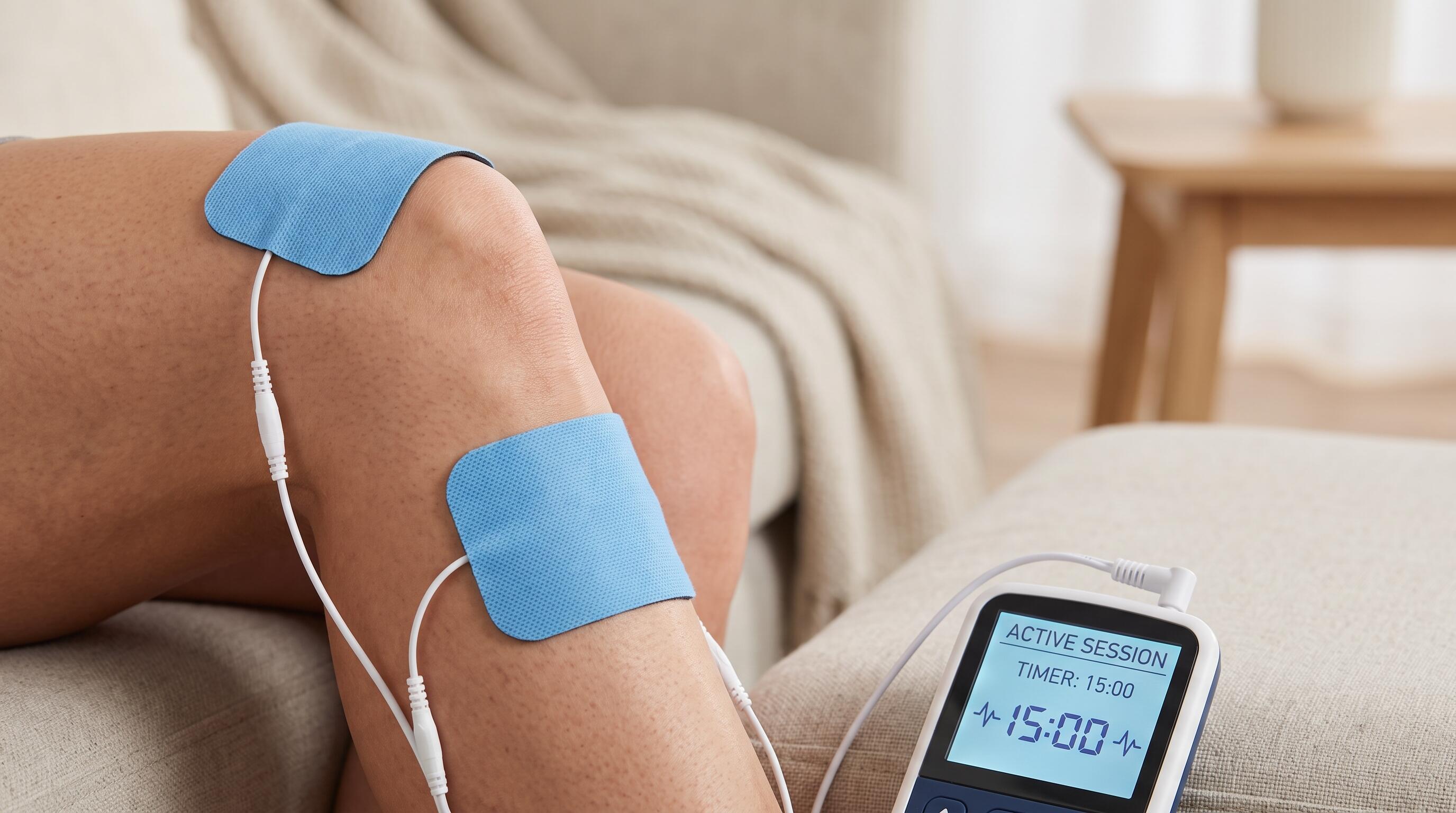
ALT: TENS unit electrode pads properly placed around knee joint during a structured pain management therapy session at home
Advanced Considerations: Getting More from Your TENS Knee Routine
Combining TENS with EMS for Comprehensive Knee Rehabilitation
For individuals not just managing pain but also rebuilding strength after injury or surgery, combining TENS therapy with Electrical Muscle Stimulation (EMS) can offer compounded benefits. While TENS targets the sensory nerve pathways to modulate pain perception, EMS directly stimulates motor nerves to cause muscle contractions — helping to maintain or rebuild the quadriceps and hamstring strength that supports healthy knee function.
This combined approach is particularly valuable for post-surgical patients and athletes returning from injury, where muscle atrophy from disuse can compound joint instability and pain. iStim offers both TENS and EMS devices designed for professional home use, allowing users to address pain relief and muscle recovery within the same therapeutic framework.
Addressing Common Misconceptions About TENS Therapy
Misconception 1: "More intensity equals more relief."
This is a frequent and potentially counterproductive assumption. TENS therapy is most effective at a comfortable, non-painful stimulation level. Excessive intensity can cause skin irritation, muscle fatigue, or even paradoxical pain increases. The optimal setting is one that produces a clear sensory response — that characteristic tingling sensation — without discomfort.
Misconception 2: "TENS cures knee conditions."
TENS is a pain management and support tool, not a cure. It does not repair damaged cartilage, resolve underlying inflammatory conditions, or substitute for medical treatment of serious injuries. Its power lies in making daily life more manageable, supporting rehabilitation adherence, and reducing pharmaceutical dependency as part of a broader care plan.
Misconception 3: "You only need TENS during pain flare-ups."
While TENS is certainly effective for acute relief, many users with chronic knee conditions benefit most from consistent, scheduled sessions — even on relatively good pain days. Regular use helps maintain the neurological adaptations that contribute to sustained pain reduction over time.
Frequently Asked Questions FAQ
Q1: How should I position electrode pads on my knee for TENS therapy?
Proper knee electrode placement is essential for effective TENS therapy. The most common configuration involves placing one pad above the kneecap and one below, flanking the patellar tendon. For pain on the inner or outer knee, pads can be positioned on either side of the joint. Always avoid bony prominences and never place pads directly on the kneecap. Consulting your physical therapist or the device manual for specific placement recommendations based on your condition is strongly advised.
Q2: Is a TENS unit safe to use every day for chronic knee pain?
For most healthy adults without contraindications, daily TENS use for knee pain is generally considered safe when used as directed. Clinical guidelines typically recommend sessions of 20–30 minutes, with rest periods between applications. However, individuals with medical implants, certain neurological conditions, or specific health histories should always consult a healthcare provider before establishing a daily electrotherapy routine. Skin tolerance should also be monitored — rotate pad placement slightly if any redness or irritation develops.
Q3: How long does it take to notice results from a TENS knee pain routine?
Many users report noticeable pain reduction within the first session, particularly for acute flare-ups. However, cumulative benefits from consistent use — including improved baseline pain levels, reduced morning stiffness, and greater functional mobility — typically emerge over several weeks of regular therapy. Individual results vary depending on the underlying cause of knee pain, session frequency, electrode placement accuracy, and whether TENS is being used alongside complementary treatments like physical therapy or exercise.
Summary
Managing knee pain effectively requires a multi-faceted approach, and a well-chosen TENS unit for knee pain is one of the most evidence-supported tools available for at-home, drug-free relief. Three core takeaways from this guide:
- TENS therapy works through proven neurophysiological mechanisms — gate control theory and endorphin stimulation — making it a scientifically grounded, not merely anecdotal, intervention for knee pain management.
- Device quality and proper technique matter enormously — from electrode placement to frequency selection, the difference between a mediocre experience and genuine therapeutic benefit lies in choosing a professional-grade device and using it correctly and consistently.
- Integration is key — the most successful outcomes come when TENS therapy is woven into a broader routine that may include physical therapy, appropriate exercise, and regular communication with healthcare providers.
Your next step is simple: assess your knee pain patterns, consult your healthcare provider about incorporating TENS therapy into your management plan, and explore the professional-grade options available to you.
Ready to take control of your pain relief and muscle health from the comfort of home? iStim offers a full range of professional-grade TENS, EMS, and Kegel devices designed to deliver real, drug-free results — trusted by over 20,000 customers. Visit https://istim.com/ to explore the complete product lineup and find the right electrotherapy solution for your needs.
References
- Centers for Disease Control and Prevention (CDC). "Osteoarthritis (OA) — Arthritis."
https://www.cdc.gov/arthritis/types/osteoarthritis.htm - National Institutes of Health — National Library of Medicine (PubMed). "Transcutaneous electrical nerve stimulation (TENS) for chronic pain — an overview of Cochrane Reviews."
https://pubmed.ncbi.nlm.nih.gov/31433507/ - American Physical Therapy Association (APTA). "TENS for Pain Management."
https://www.apta.org/ - National Institute of Neurological Disorders and Stroke (NINDS). "Pain: Hope Through Research."
https://www.ninds.nih.gov/health-information/patient-caregiver-education/hope-through-research/pain-hope-through-research - Arthritis Foundation. "Electrotherapy for Arthritis Pain."
https://www.arthritis.org/
Note: Standards and clinical guidelines may be updated; please check the latest official documents or consult professional advisors for current recommendations.
About iStim
iStim is a Los Angeles-based electrotherapy brand specializing in professional-grade TENS, EMS, and Kegel devices engineered for safe and effective home use, manufactured to ISO-certified standards in Taiwan. With a growing community of 20,000+ Amazon customers, iStim is committed to empowering individuals with drug-free pain relief and muscle stimulation solutions.
Disclaimer: This article is provided for informational and educational purposes only and does not constitute medical advice. The content is not intended to diagnose, treat, cure, or prevent any medical condition. Always consult a qualified healthcare professional before starting any new therapy or treatment program. iStim® is a registered trademark. All rights reserved.
Leave a comment