

Best TENS Unit for Back, Shoulder, and Knee Pain Management Routines
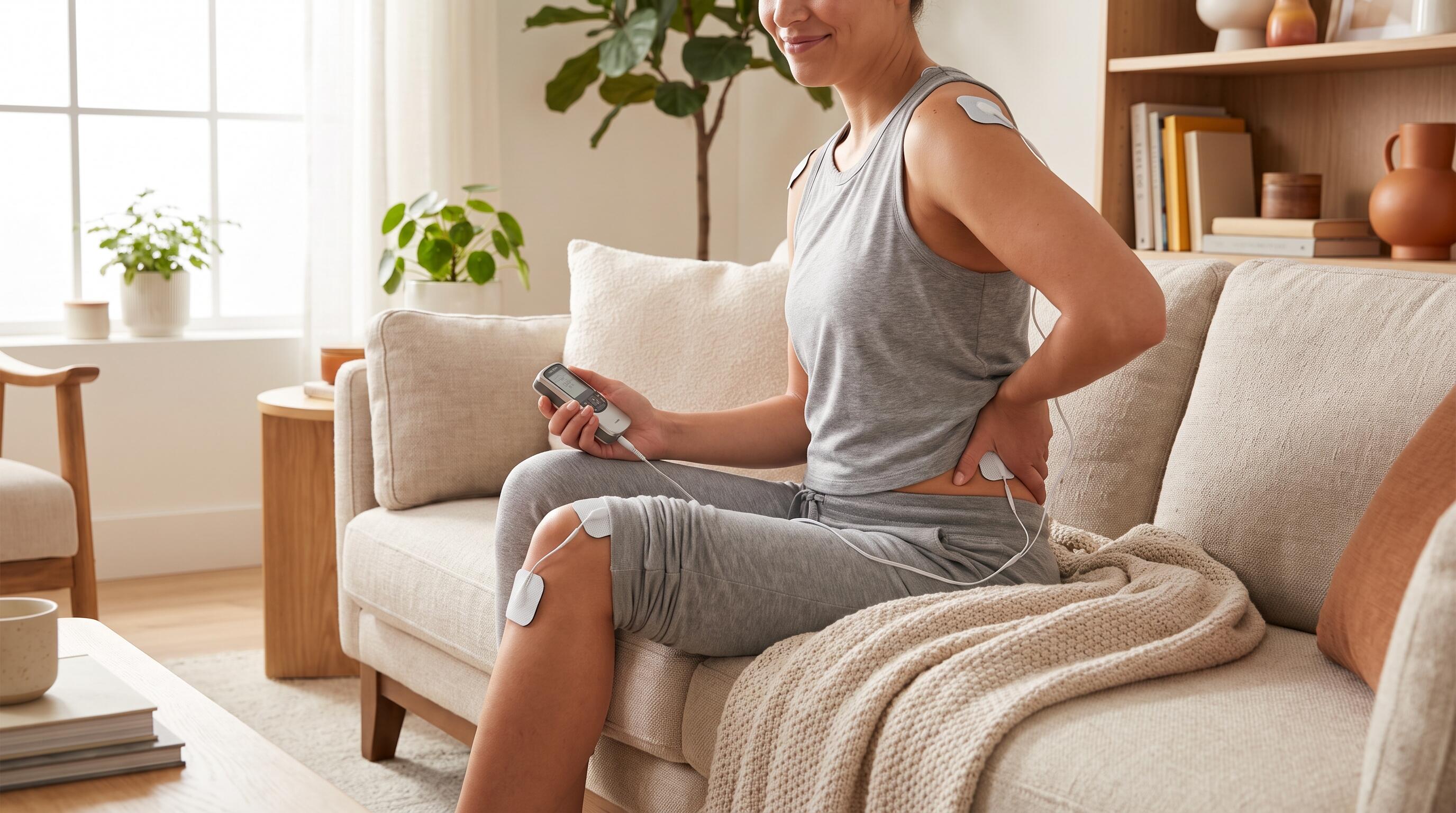
ALT: Person applying TENS unit electrode pads to lower back, shoulder, and knee for pain management routine at home
Why a TENS Unit for Back Pain, Shoulder Tension, and Knee Discomfort Belongs in Every Home Wellness Kit
Key Conclusion: A quality TENS unit for back pain management — and for shoulder and knee discomfort — offers a clinically supported, drug-free pathway to everyday pain relief. By delivering gentle electrical pulses that interrupt pain signals and stimulate endorphin release, TENS therapy empowers health-conscious individuals to take control of chronic and acute pain from the comfort of home, without relying on medication.
If you've ever reached for an over-the-counter painkiller to get through a long workday, a tough workout, or a restless night caused by persistent back, shoulder, or knee pain, you're far from alone. Musculoskeletal pain is one of the leading reasons adults seek medical care — and one of the most common drivers of daily productivity loss. The good news is that electrotherapy technology once reserved for physical therapy clinics is now accessible at home, in a compact, user-friendly device.
This guide covers everything you need to know: how TENS therapy works, how to build effective routines for your back, shoulder, and knee, what to look for in a device, and how iStim's professional-grade electrotherapy solutions compare. Whether you're an athlete managing post-training soreness, an office worker dealing with chronic tension, or an older adult seeking drug-free relief, this article is designed to help you make an informed, confident choice.
Who This Guide Is For — and When TENS Therapy Applies
✅ Applicable Scenarios:
- Individuals experiencing chronic lower back pain, muscle tightness, or stiffness related to posture, sedentary work, or aging
- Athletes or active adults recovering from muscle soreness, overuse injuries, or training-related tension in the shoulders or knees
- Older adults or postpartum women seeking non-pharmaceutical pain management tools for everyday comfort and mobility support
- People who want to complement physical therapy, chiropractic care, or exercise routines with at-home electrotherapy sessions
❌ Not Applicable/Cautions:
- Individuals with implanted electronic devices (such as pacemakers or defibrillators) should not use TENS without explicit clearance from their physician
- TENS should not be applied over open wounds, areas with impaired sensation, the face, throat, or directly over the spine — and should never be used during pregnancy without medical supervision
- Those with active cancer in the treatment area, deep vein thrombosis, or epilepsy should consult a healthcare provider before beginning any electrotherapy regimen
Understanding TENS Therapy and Why It Works for Multi-Area Pain Routines
Transcutaneous Electrical Nerve Stimulation — commonly known as TENS — has been studied and used in clinical pain management for decades. The technology works by delivering low-voltage electrical impulses through electrode pads placed on the skin near the area of pain. These impulses work through two primary mechanisms: the Gate Control Theory, which suggests that non-painful electrical stimulation can effectively "close the gate" on pain signals traveling to the brain, and the stimulation of the body's natural endorphin production, which provides longer-lasting analgesic effects.
What makes modern TENS devices especially relevant for home users is the growing body of research supporting their effectiveness across multiple pain sites — including the lumbar spine, shoulder girdle, and knee joint. According to the American Physical Therapy Association and several peer-reviewed clinical studies, TENS therapy can provide meaningful short-term relief for musculoskeletal pain when used consistently as part of a structured routine.
For individuals managing pain across more than one area of the body — say, lower back tightness from sitting plus knee discomfort from a recurring sports injury — having a versatile device with multiple channels becomes essential. A single-channel TENS unit limits you to one treatment site per session, whereas a multi-channel device allows you to address, for example, both sides of the lower back simultaneously, or switch between a shoulder routine and a knee routine within a single session. If you're considering a multi-channel setup, Best 4 Channel TENS Unit: Why Channels Matter is an excellent resource for understanding why channel count directly impacts your treatment flexibility.
The market for home TENS devices has grown significantly in recent years, driven by increasing consumer demand for non-pharmaceutical wellness tools. Yet not all devices are created equal. Clinical-grade output quality, reliable electrode contact, intuitive controls, and durable construction separate professional-grade devices from low-cost units that may underdeliver on both efficacy and safety. iStim's ISO-certified manufacturing in Taiwan reflects a commitment to meeting the standards health-conscious users and healthcare professionals expect.
Building Your TENS Routine: Back, Shoulder, and Knee in Three Targeted Steps
Three-Step Quick Start for a Multi-Area Pain Management Session
Step 1: Prepare Your Skin and Select Your Electrode Placement
Before attaching electrode pads, clean and dry the target area thoroughly — oil, lotion, or sweat can reduce conductivity and weaken the therapeutic signal. For lower back pain, place pads on either side of the spine (never directly on the vertebrae), targeting the paraspinal muscles in the lumbar region. For shoulder tension, position pads along the upper trapezius or the deltoid, depending on where the discomfort is concentrated. For knee pain, typical placements include the medial and lateral sides of the kneecap or along the quadriceps. Allow approximately 5 minutes for prep and placement before starting your session.
Step 2: Set Your Mode, Intensity, and Duration
Power on your device and select an appropriate TENS mode — most quality devices offer both high-frequency (conventional TENS, typically used for fast-acting relief) and low-frequency (acupuncture-like TENS, associated with longer-lasting endorphin-mediated relief) options. Begin intensity at the lowest setting and increase gradually until you feel a comfortable, noticeable tingling sensation — never pain or sharp discomfort. A standard session for back, shoulder, or knee pain typically runs between 15 and 30 minutes. If you're new to TENS, starting with shorter sessions and building up is a well-established best practice.
Step 3: Wind Down, Remove Pads, and Assess
At the end of your session, gradually reduce intensity before powering off — this prevents abrupt muscle or nerve response. Remove electrode pads slowly to avoid skin irritation, and apply a light moisturizer if needed. Take a moment to gently stretch the treated area and note any changes in pain level or mobility. Consistency matters: for chronic pain conditions like recurring lower back tightness, regular sessions — typically several times per week — tend to produce the most meaningful cumulative benefit. Keep a simple log to track your progress and identify which routines work best for your body.
Comparing Pain Management Approaches for Back, Shoulder, and Knee Discomfort
Different approaches to managing musculoskeletal pain each come with their own benefits and limitations. Understanding how TENS compares to common alternatives can help you make a more informed decision about how to structure your wellness routine.
| Comparison Dimension | TENS Electrotherapy | OTC Pain Medication | Manual Physical Therapy |
|---|---|---|---|
| Drug-free | ✅ Yes | ❌ No | ✅ Yes |
| Usable at home | ✅ Yes | ✅ Yes | ❌ Requires clinic visits |
| Multi-area in one session | ✅ With multi-channel device | Limited (systemic effect) | ❌ Typically one area per session |
| Risk of side effects | Low (when used correctly) | Moderate (GI, liver, cardiovascular) | Low (if performed by professional) |
| Long-term cost | Low (reusable device) | Accumulates over time | High (per-session fees) |
| Suitable for chronic use | ✅ Yes | Not recommended long-term | ✅ Yes (but access-dependent) |
| Supports muscle recovery (EMS option) | ✅ Yes (with combo device) | ❌ No | ✅ Yes |
This comparison underscores a practical reality for many home users: a professional-grade TENS device, particularly one that also offers EMS (Electrical Muscle Stimulation) functionality, delivers clinical-level therapeutic versatility at a fraction of the ongoing cost of medication or frequent clinic visits. For a deeper comparison of TENS and EMS modalities and how to choose between them, the Best TENS EMS Combo Machine for Home Use guide offers comprehensive guidance tailored to home users.
Fine-Tuning Your Routine: Practical Tips for Back, Shoulder, and Knee TENS Sessions
Back Pain: The Most Common Use Case
Lower back pain is consistently ranked as one of the most prevalent and debilitating conditions globally, affecting people across every age group. For many users, the lumbar region is the primary reason they seek out a TENS unit in the first place. When building a TENS unit for back pain routine, consistency and correct electrode placement are the two biggest determinants of success.
Place the electrodes symmetrically, flanking the area of greatest discomfort — typically around the L3 to L5 vertebral region for general lower back pain. Avoid placing pads directly over the spine itself. If your discomfort extends into the buttock or hip, electrodes can be repositioned downward along the gluteal muscle. Many users find that alternating between high-frequency and low-frequency modes across different sessions produces broader relief: high-frequency for immediate comfort during flare-ups, and low-frequency for sustained, endorphin-driven relief on maintenance days.
Shoulder Tension: Targeting the Upper Body
Shoulder and upper back tension — often rooted in poor posture, repetitive overhead activity, or stress-related muscle guarding — responds well to TENS therapy when electrodes are properly positioned. For upper trapezius tightness, pads are typically placed along the muscle belly, running from the base of the neck toward the shoulder joint. For deeper deltoid or rotator cuff-adjacent discomfort, placing electrodes slightly further down the upper arm and toward the shoulder blade can improve coverage.
A structured shoulder routine using a TENS unit is worth exploring if shoulder tension is a regular part of your experience — targeted guidance on positioning and mode selection can make a meaningful difference in outcomes.
Knee Pain: Supporting an Active Lifestyle
Knee discomfort — whether from osteoarthritis, post-exercise soreness, or overuse — is one of the most common complaints among both active adults and older individuals. TENS therapy applied around the knee can help reduce pain signals from the joint and surrounding soft tissue without the systemic side effects associated with anti-inflammatory medications.
Standard electrode placement for knee pain involves positioning pads on either side of the patella (kneecap) or above and below the joint to target the quadriceps and patellar tendon area. For users with knee osteoarthritis, studies suggest that consistent TENS use may contribute to improved functional mobility over time. Pairing TENS sessions with gentle range-of-motion exercises can amplify the benefits. For a dedicated deep-dive, the best TENS unit approaches for knee pain management routines provides area-specific electrode guidance and session structuring advice.
The Case for a Combo TENS/EMS Device
While TENS excels at pain relief, pairing it with EMS (Electrical Muscle Stimulation) functionality adds a powerful recovery dimension. EMS uses slightly different electrical parameters to cause muscle contractions, which can support muscle strengthening, prevent atrophy during recovery from injury, and improve circulation. For athletes managing both soreness and performance goals, or for older adults working to maintain muscle integrity alongside pain management, a combo device provides unmatched versatility. The EV-805 Review: Who Is This TENS EMS Combo Machine Best For? is an in-depth look at exactly this type of dual-modality device, helping you determine if a combo unit is the right fit for your specific needs.
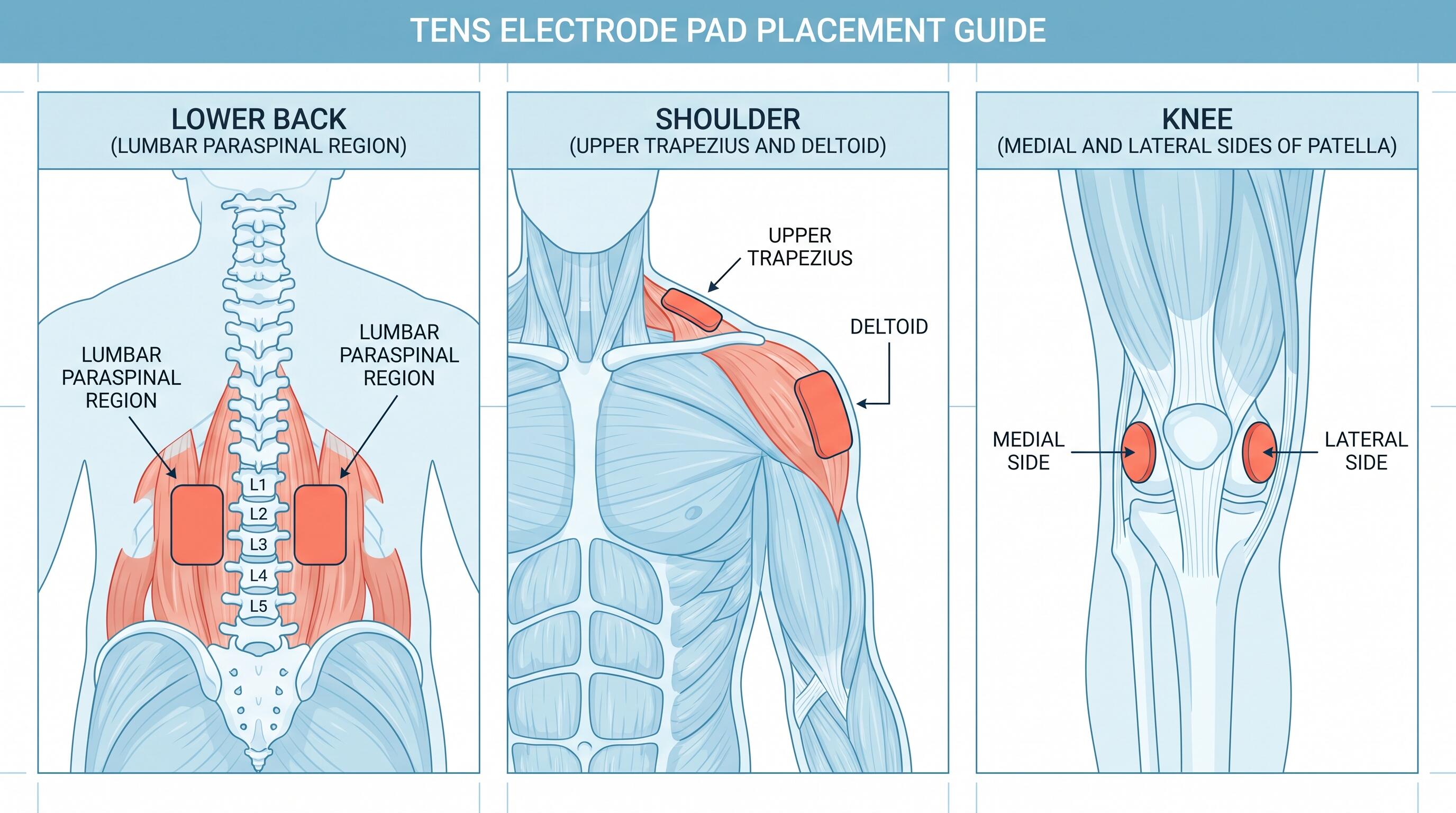
ALT: Diagram showing correct TENS electrode pad placement for lower back pain, shoulder tension, and knee pain management routines at home
Advanced Considerations: Maximizing Long-Term Results with TENS Therapy
Managing Special Situations and Avoiding Common Mistakes
Skin Sensitivity and Electrode Rotation: Repeated application in the same spot can lead to mild skin irritation over time. Rotating electrode placement slightly between sessions — staying within the therapeutic zone but varying the exact position — helps prevent this. Quality hydrogel electrode pads provide better conductivity and gentler adhesion than lower-grade alternatives, which matters especially for daily users.
Combining TENS with Other Modalities: TENS is most effective when integrated into a broader pain management strategy. Many users see enhanced outcomes when combining TENS sessions with gentle stretching, targeted strengthening exercises (where appropriate), heat or cold therapy, and in some cases, professional massage or chiropractic adjustment. Electrotherapy supports the body's recovery mechanisms but works best as part of a holistic, consistent approach.
Overuse and Setting Expectations: A common misconception is that "more is better" when it comes to TENS therapy. Excessively long or overly intense sessions do not produce proportionally greater relief and may lead to temporary skin irritation or muscle fatigue. Following the session duration and intensity guidelines that come with your device — and consulting a healthcare professional if symptoms worsen or do not improve — is always the right approach.
Multi-Channel Advantage for Complex Presentations: For individuals managing pain in more than one area simultaneously (a common reality for older adults or those with systemic conditions like fibromyalgia), a multi-channel device dramatically improves efficiency. Rather than completing one treatment area at a time, four channels allow both sides of the lower back to be treated simultaneously while a second set of pads addresses a knee — cutting treatment time in half while maintaining therapeutic coverage. Explore the best rechargeable TENS EMS options with electrode pads to understand how rechargeability and included accessories factor into long-term value.
Frequently Asked Questions FAQ
Q1: How do I choose the best TENS unit for back, shoulder, and knee routines?
Look for a device with multiple channels (at least two, ideally four) so you can treat more than one area efficiently. Variable frequency modes (both high and low) allow you to customize relief for acute versus chronic pain. A device with clear intensity controls, quality electrode pads, and reliable battery life or rechargeability makes the difference between a tool you use consistently and one that ends up in a drawer. ISO-certified manufacturing adds an important layer of quality assurance for home health applications.
Q2: Is it safe to use a TENS unit on my back and knee on the same day?
For most healthy adults without contraindications, using a TENS unit on different areas of the body on the same day is generally considered safe when sessions are conducted properly and within recommended durations. The key is ensuring each area is treated independently with correct electrode placement and that total session time per area remains within guidelines. However, always consult your healthcare provider before beginning a multi-area routine, especially if you have underlying health conditions or are recovering from an injury.
Q3: How long does it take to feel results from a TENS back pain routine?
Many users report noticeable relief during or immediately after their first session — this is primarily the Gate Control effect at work. For longer-lasting, cumulative benefit (particularly for chronic lower back pain), consistent use over several weeks tends to produce the most meaningful improvement. Individual responses vary based on pain type, severity, underlying condition, and session consistency. Think of TENS therapy as a regular wellness practice rather than a one-time fix, and give it at least two to four weeks of consistent use before evaluating overall results.
Summary
Managing back, shoulder, and knee pain at home no longer requires a choice between pharmaceutical side effects and expensive, time-consuming clinic visits. A professional-grade TENS unit brings clinical-quality electrotherapy directly into your daily wellness routine — drug-free, flexible, and designed to work with your body's natural pain-relief mechanisms.
Three core takeaways from this guide:
- TENS therapy is clinically supported for musculoskeletal pain relief across multiple sites, including the lower back, shoulder, and knee — making it one of the most versatile home health tools available.
- Device quality matters: ISO-certified manufacturing, multi-channel functionality, and reliable electrode systems separate professional-grade devices from consumer-grade alternatives that may underdeliver.
- Consistency and correct technique drive results: Proper electrode placement, appropriate mode and intensity selection, and a regular session schedule are the foundations of an effective routine.
Whether you're starting your first TENS routine or looking to upgrade to a device capable of handling your full range of needs — back pain one day, a shoulder tension session the next, a knee recovery routine after training — iStim's lineup offers the right tools, backed by real-world trust and clinical-grade standards.
Ready to experience drug-free pain relief and muscle wellness from the comfort of your home? Explore iStim's full range of professional-grade TENS, EMS, and Kegel devices at https://istim.com/ and find the right solution tailored to your needs. Join over 20,000 satisfied customers who trust iStim to power their recovery and well-being every day.
References
- National Institute of Neurological Disorders and Stroke (NINDS). "Low Back Pain Fact Sheet."
https://www.ninds.nih.gov/health-information/patient-caregiver-education/fact-sheets/low-back-pain-fact-sheet - Vance, C.G.T., Dailey, D.L., Rakel, B.A., & Sluka, K.A. "Using TENS for Pain Control: The State of the Evidence." Pain Management. U.S. National Library of Medicine, National Institutes of Health.
https://www.ncbi.nlm.nih.gov/pmc/articles/PMC4186747/ - American Physical Therapy Association (APTA). "Physical Therapist's Guide to Low Back Pain."
https://www.choosept.com/guide/physical-therapy-guide-to-low-back-pain - Osiri, M., et al. "Transcutaneous Electrical Nerve Stimulation for Knee Osteoarthritis." Cochrane Database of Systematic Reviews. Cochrane Library.
https://www.cochranelibrary.com/cdsr/doi/10.1002/14651858.CD002823/full - Centers for Disease Control and Prevention (CDC). "Nonopioid Treatments for Chronic Pain."
https://www.cdc.gov/drugoverdose/pdf/nonopioid_treatments-a.pdf
Note: Standards and clinical guidelines may be updated. Please check the latest official documents or consult a qualified healthcare professional for the most current recommendations.
About iStim
iStim is a Los Angeles-based electrotherapy brand specializing in professional-grade TENS, EMS, and Kegel devices for home use, backed by ISO-certified Taiwanese manufacturing and a community of 20,000+ satisfied Amazon customers. Learn more at istim.com.
Disclaimer: This article is provided for informational and educational purposes only and does not constitute medical advice. Always consult a qualified healthcare professional before beginning any new pain management or electrotherapy regimen. © iStim. All rights reserved.
Leave a comment