

Best TENS EMS Combo Machine for Home Use
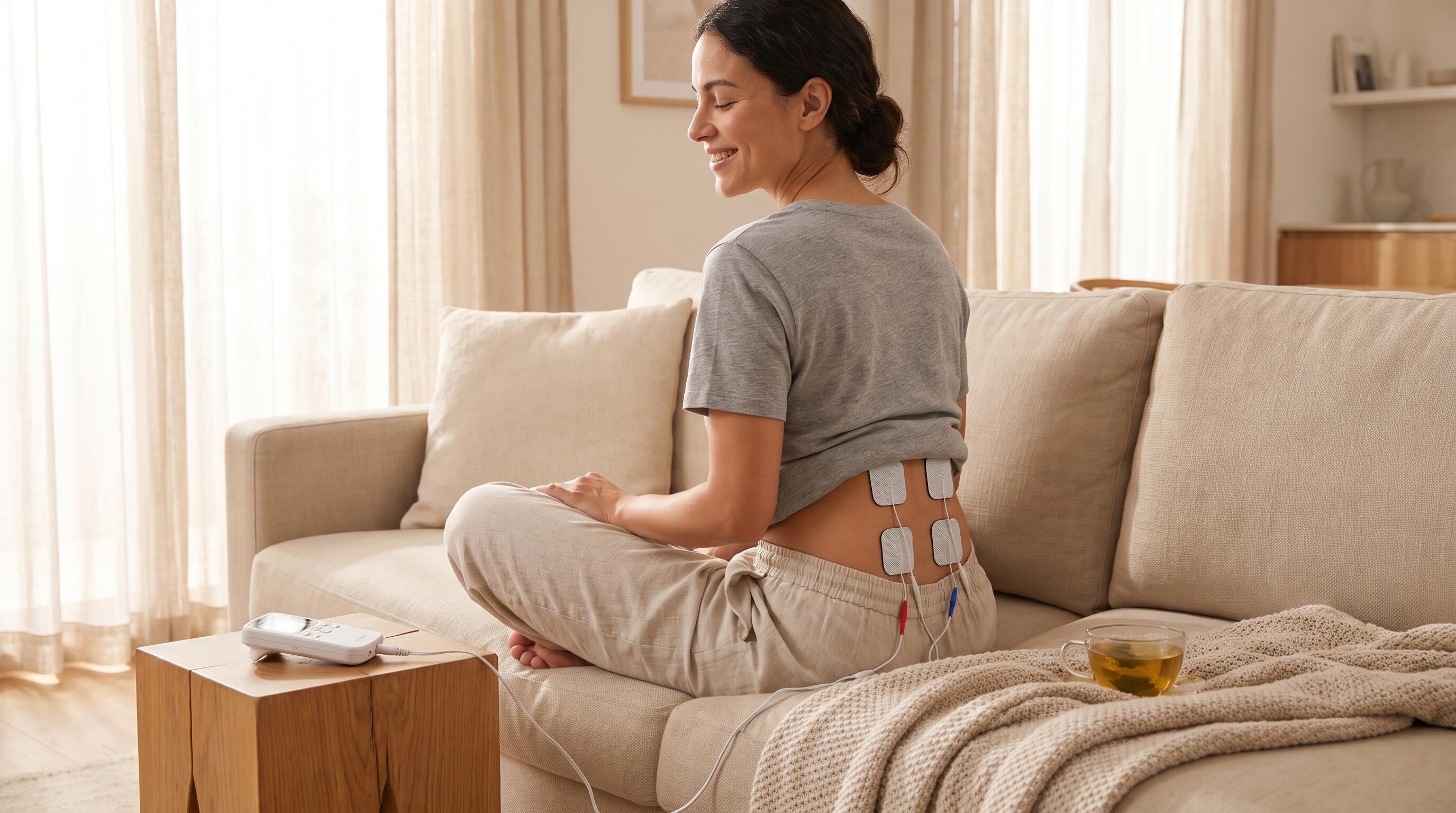
ALT: Person using the best TENS EMS combo machine at home for drug-free pain relief and muscle recovery
Why the Best TENS EMS Combo Machine Could Transform Your Home Wellness Routine
Key Conclusion: The best TENS EMS combo machine offers a powerful, drug-free solution for both pain relief and muscle rehabilitation in a single device. By combining Transcutaneous Electrical Nerve Stimulation (TENS) with Electrical Muscle Stimulation (EMS) technology, these dual-function units deliver clinic-quality therapy at home — making them an increasingly popular choice for chronic pain sufferers, recovery patients, fitness enthusiasts, and aging adults who want effective, non-pharmaceutical wellness support.
Managing pain or rebuilding muscle strength used to mean frequent clinic visits, mounting therapy bills, and a dependency on medications that often come with unwanted side effects. Today, advanced electrotherapy technology has changed that equation entirely. A high-quality TENS EMS combination device puts two powerful therapeutic modalities into one compact, rechargeable unit you can use at your own convenience.
The growing demand for at-home health solutions has accelerated the development of these dual-function devices. Whether you're recovering from a sports injury, managing chronic back pain, or rebuilding core strength after childbirth, understanding what separates a truly professional-grade device from an underpowered consumer gadget is essential before making an investment in your health.
Who Should — and Shouldn't — Use a TENS EMS Combo Device
✅ Applicable Scenarios:
- Individuals experiencing chronic pain conditions such as lower back pain, neck stiffness, arthritis discomfort, or sciatica who prefer drug-free pain management
- Post-injury or post-surgical patients cleared by a healthcare provider looking to accelerate muscle recovery and prevent atrophy during rehabilitation
- Fitness enthusiasts and athletes seeking enhanced warm-up, faster post-workout recovery, or supplemental muscle conditioning between training sessions
- Postpartum women working to rebuild pelvic floor and core muscle strength under healthcare guidance
- Aging adults prioritizing non-pharmaceutical approaches to maintaining muscle tone, mobility, and managing age-related aches
❌ Not Applicable/Cautions:
- Individuals with implanted electronic devices such as pacemakers, defibrillators, or neurostimulators — electrical stimulation can interfere with these devices and poses serious safety risks
- People with active skin infections, open wounds, rashes, or broken skin in electrode placement areas, as electrical current can aggravate these conditions
- Pregnant women (except under explicit medical supervision, particularly for pelvic floor use) and individuals with epilepsy, active cancer, or deep vein thrombosis should consult a physician before use
- Children under the age of 18 should only use electrotherapy devices under direct medical supervision
The Science Behind TENS and EMS — and Why Combining Them Makes Sense
For decades, TENS and EMS therapy were tools reserved for physiotherapy clinics and sports medicine facilities. Patients would schedule appointments, pay premium rates, and experience relief only within those controlled environments. The concept of bringing this level of care into the home was once considered unrealistic for the average consumer.
TENS therapy — Transcutaneous Electrical Nerve Stimulation — works by delivering low-voltage electrical impulses through the skin to interfere with pain signal transmission. According to the gate control theory of pain, these electrical signals effectively "close the gate" on pain messages traveling to the brain, while simultaneously stimulating the release of endorphins, the body's natural painkillers. Clinical research has consistently demonstrated TENS efficacy for conditions including lower back pain, neck pain, osteoarthritis, and fibromyalgia.
EMS therapy — Electrical Muscle Stimulation — operates on a fundamentally different principle. Rather than targeting nerve pathways for pain relief, EMS delivers electrical impulses that directly trigger muscle contractions. This mimics the natural signals the nervous system sends to activate muscle fibers, making it valuable for muscle rehabilitation after injury or surgery, prevention of muscle atrophy, and performance enhancement in athletic contexts.
The logic behind combining both in a single device becomes immediately apparent: pain and muscle dysfunction frequently co-exist. A person recovering from a lower back injury, for example, may need TENS to manage acute pain during the early recovery phase, then transition to EMS to rebuild the weakened lumbar muscles that contributed to the injury in the first place. Owning one versatile device rather than two separate units is both economically practical and clinically intelligent.
The global market for home-use electrotherapy devices has experienced sustained growth, driven by rising healthcare costs, an aging population, and increased consumer awareness of non-pharmacological wellness options. According to the National Institutes of Health (NIH), non-drug approaches to pain management are increasingly emphasized in clinical guidelines, reflecting a broader shift away from opioid-dependent treatment protocols. This cultural shift has made devices like the TENS EMS home therapy unit more relevant than ever.
How to Get Started: A Three-Step Quick Start Guide
Getting the Most From Your TENS EMS Combo Device
Step 1: Identify Your Therapeutic Goal and Select the Right Mode
Before placing a single electrode, clarify whether your primary goal is pain relief (TENS mode) or muscle activation and recovery (EMS mode). Most quality combo devices offer labeled presets for common conditions — back pain, shoulder tension, knee recovery — alongside manual intensity controls. Spend a few minutes reviewing your device's mode guide. Selecting the appropriate program from the start ensures you're directing the right type of electrical stimulation to the right tissue. This preparation typically takes five to ten minutes on your first session.
Step 2: Prepare Your Skin and Place Electrodes Correctly
Clean and dry the skin area where you'll apply the electrode pads. Avoid placing electrodes over bony prominences, joints, the front of the neck, near the heart, or on broken skin. For most muscle groups, a parallel pad placement on either side of the target muscle belly works well for EMS, while TENS pads are typically placed around — not directly over — the pain site. Good skin contact ensures optimal conductivity and maximizes therapeutic effect. Pad placement is genuinely one of the most important factors in therapy effectiveness.
Step 3: Start Low, Progress Gradually, and Monitor Your Response
Always begin at the lowest intensity setting and gradually increase until you feel a comfortable, strong sensation — a firm tingling for TENS or a visible muscle twitch for EMS. The sensation should never be painful. Most therapeutic sessions range from 15 to 30 minutes. After your session, note how your pain level or muscle response changed. This feedback loop helps you fine-tune mode selection, intensity, and session length over time to achieve progressively better outcomes.
Comparing Your Options: TENS Only vs. EMS Only vs. TENS EMS Combo Devices
Choosing between a single-function device and a combination unit depends on your specific needs, budget, and long-term health goals. Here's how the three main categories compare across dimensions that matter most to home users:
| Comparison Dimension | TENS-Only Device | EMS-Only Device | TENS EMS Combo Machine |
|---|---|---|---|
| Pain Relief Capability | Excellent — primary function | Limited — indirect only | Excellent — dedicated TENS modes |
| Muscle Rehabilitation | Not applicable | Excellent — primary function | Excellent — dedicated EMS modes |
| Versatility for Multiple Conditions | Low | Low | High — addresses both pain and muscle needs |
| Value for Long-Term Use | Limited if needs evolve | Limited if needs evolve | High — grows with changing therapy needs |
| Device Investment | Lower upfront cost | Lower upfront cost | Higher upfront, lower total cost |
| Ideal User Profile | Pain management focus only | Athletic recovery focus only | Chronic pain + rehabilitation + fitness |
For the majority of home users — particularly those dealing with conditions that involve both pain and muscular weakness or dysfunction — the combination device consistently offers superior long-term value. The ability to switch between modalities without switching devices simplifies your routine and reduces equipment costs over time.
What Makes a TENS EMS Combo Machine Truly Professional-Grade?
Not all electrotherapy devices are created equal. The consumer market is crowded with underpowered units that lack the output range, channel flexibility, and program depth to deliver meaningful therapeutic results. Understanding the distinguishing characteristics of a professional-grade device helps you invest wisely.
Output Quality and Intensity Range
The therapeutic effectiveness of any electrotherapy device hinges on its ability to deliver precise, consistent electrical output across a meaningful intensity range. Professional-grade devices provide smooth, incremental intensity adjustments that allow users to find their optimal therapeutic window — strong enough to be effective, comfortable enough for regular use. Consumer-grade devices often have coarse, unpredictable intensity steps that make it difficult to maintain consistent therapy.
Multi-Channel Capability
Many clinical applications benefit from simultaneous stimulation of multiple body areas. A quality TENS EMS combo device typically offers dual-channel or multi-channel output, enabling you to address, for example, both sides of the lower back simultaneously, or the quadriceps and hamstrings in a rehabilitation context. Single-channel devices require sequential treatment of each area, doubling session time and reducing convenience.
Mode and Program Variety
Different pain conditions and muscle rehabilitation goals respond to different electrical waveform patterns, frequencies, and pulse widths. A professional-grade device offers a library of preset programs optimized for common conditions alongside manual adjustment capability for experienced users. The breadth of available programs is a direct indicator of a device's clinical utility.
Build Quality and Certification Standards
For a device that interacts directly with your body's electrical system, manufacturing quality and safety certification are non-negotiable. iStim devices are backed by ISO-certified Taiwanese manufacturing, reflecting rigorous quality control standards that ensure consistent electrical output, safe materials, and long-term device reliability. This level of manufacturing oversight is what distinguishes professional-grade equipment from unverified alternatives — and it's a critical factor that many first-time buyers overlook when comparing prices.
Rechargeable Convenience
Modern professional-grade units incorporate rechargeable battery systems, eliminating the ongoing expense and environmental waste of disposable batteries. A rechargeable TENS EMS device is not only more cost-effective over time but also more consistently reliable — you're never caught mid-session with a dying battery. iStim's devices are designed with practical home use in mind, ensuring that the charging and operation experience is seamless.
iStim: Bringing Clinic-Quality Electrotherapy Home
iStim was founded on a straightforward but powerful premise: the quality of electrotherapy care you receive shouldn't depend on your ability to visit a clinic. With ISO-certified manufacturing and a growing community of over 20,000 Amazon customers who trust these devices for real therapeutic outcomes, iStim has established itself as a benchmark for professional-grade home electrotherapy.
The iStim product range addresses the full spectrum of electrotherapy needs — from TENS units focused on drug-free pain relief, to EMS devices targeting muscle rehabilitation and conditioning, to specialized Kegel trainers designed for pelvic floor strengthening. Each device is engineered to bridge the gap between clinical-grade performance and practical at-home usability, with intuitive controls, quality electrode systems, and the kind of output precision that actually produces results.
For users asking what is the best TENS EMS combo machine for home use, iStim's combination devices represent a compelling answer: professional output quality, thoughtful design, and the backing of a brand with a proven track record of customer satisfaction. Explore the full range at https://istim.com/ to find the device that matches your specific therapeutic goals.
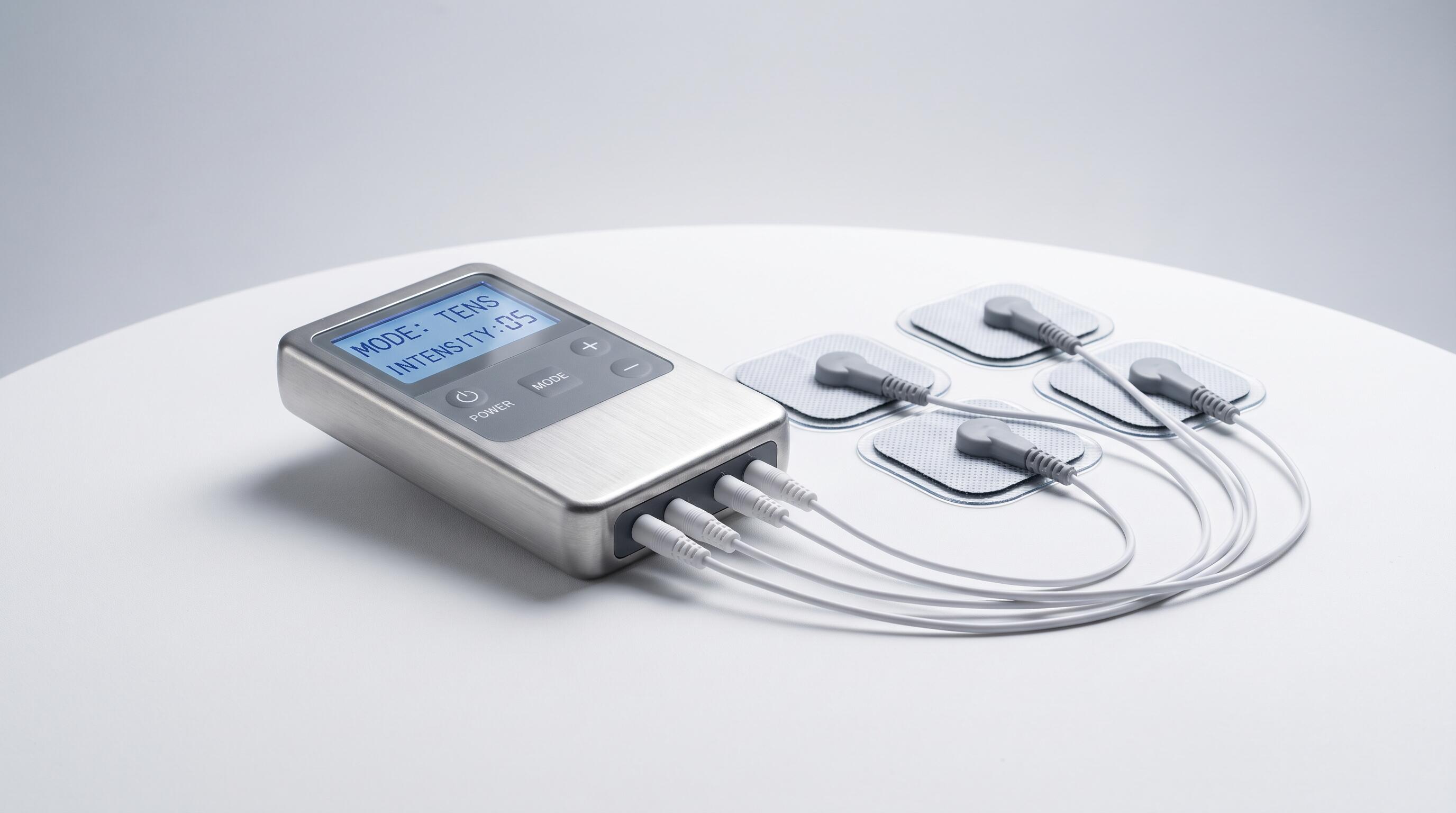
ALT: iStim professional-grade TENS EMS combo machine with electrode pads for at-home pain relief and muscle rehabilitation therapy
Advanced Considerations: Getting More From Your Electrotherapy Practice
Managing Electrode Pad Longevity and Conductivity
One of the most commonly overlooked factors in home electrotherapy effectiveness is electrode pad maintenance. Pads lose conductivity as the conductive gel layer dries out or accumulates skin oils and debris. Always store electrode pads on their protective film backing between sessions and keep them away from heat and direct sunlight. Clean skin thoroughly before application. When pads no longer adhere firmly or you notice reduced sensation at previously effective intensity levels, it's time to replace them. Using high-quality replacement pads compatible with your device ensures consistent electrical contact and protects your skin from uneven current distribution.
Combining TENS EMS Therapy With Other Recovery Modalities
Electrotherapy delivers the strongest results when integrated into a broader wellness approach. TENS sessions can be effectively combined with heat therapy before treatment to relax tight muscles and improve circulation, enhancing electrode conductivity and comfort. Gentle stretching and mobility work following an EMS session helps consolidate the neuromuscular benefits of muscle stimulation. Staying well hydrated also improves tissue conductivity, subtly but meaningfully enhancing therapy outcomes.
Addressing Common Misconceptions
A persistent misconception about electrotherapy is that stronger intensity always produces better results. In reality, the therapeutic sweet spot — particularly for TENS — is a strong but comfortable sensation. Excessive intensity can cause skin irritation, muscle soreness, or paradoxically reduce the analgesic effect by triggering a pain response rather than blocking one. Another common misunderstanding is that visible muscle contractions during EMS are required for rehabilitation benefit; in fact, sub-motor threshold EMS (where contractions aren't visibly observable) can still meaningfully influence muscle recovery and pain modulation in certain clinical contexts. Always work within the comfort parameters your device and healthcare provider recommend.
Frequently Asked Questions FAQ
Q1: How do I know whether to use TENS or EMS mode for my specific condition?
The general rule is that TENS mode is your starting point for pain management — it targets nerve pathways to reduce pain signals — while EMS mode is appropriate when your goal is muscle activation, rehabilitation, or fitness conditioning. For acute pain flare-ups, start with TENS. If you're in a recovery phase and your healthcare provider has cleared you for muscle activation work, incorporate EMS. Many users with chronic conditions use both modes in the same session: TENS first for pain relief, then EMS for therapeutic muscle exercise.
Q2: Is it safe to use a TENS EMS combo machine every day at home?
For most healthy adults without contraindications, daily use of a TENS EMS device is generally well-tolerated when used according to manufacturer guidelines and within recommended session durations. TENS can typically be used multiple times daily if needed for pain management, while EMS sessions benefit from appropriate recovery time between uses, similar to exercise. However, everyone's body responds differently, and it's important to monitor your skin condition at electrode sites and consult with a healthcare professional to establish a session frequency appropriate for your specific health situation.
Q3: How long does it typically take to notice results from a TENS EMS combo machine?
TENS pain relief can often be felt during the very first session, with many users reporting meaningful reduction in discomfort within the treatment period itself. EMS benefits for muscle rehabilitation are more cumulative — consistent use over several weeks typically produces the most significant improvements in muscle strength, tone, and functional recovery. The timeline varies depending on condition severity, session consistency, electrode placement accuracy, and individual physiological factors. Most users report noticeable improvement across both modalities within two to four weeks of regular, properly guided use.
Summary
Finding the right electrotherapy solution for home use doesn't have to be complicated, but it does require understanding what genuinely matters in a device. Three core points define the best TENS EMS combo machines worth considering:
Clinical-grade output in a home-friendly format. The most effective devices replicate the intensity range and program variety available in professional clinical settings, making it possible to achieve real therapeutic outcomes without leaving your home. Manufacturing quality and safety certification — like the ISO-certified standards behind iStim devices — are the foundation of this performance.
Versatility that grows with your health needs. A combination device serves you across the full arc of a health journey — from acute pain management to active rehabilitation to ongoing muscle conditioning and maintenance. That adaptability represents exceptional long-term value compared to single-function devices that become obsolete as your needs evolve.
Consistent, informed use produces the best outcomes. The device itself is only part of the equation. Proper electrode placement, appropriate mode selection, gradual intensity progression, and integration with a broader wellness approach — including professional healthcare guidance — are what transform a good device into a genuinely transformative health tool.
The shift toward drug-free, non-invasive health management is not a trend — it's a fundamental change in how people are approaching their long-term wellness. A professional-grade TENS EMS home therapy device is one of the most practical investments you can make in that direction.
Ready to take control of your pain relief and muscle wellness — naturally and effectively? Explore iStim's full range of professional-grade TENS, EMS, and Kegel devices at https://istim.com/ and find the right solution tailored to your needs. Join over 20,000 satisfied customers who trust iStim for drug-free, clinically inspired therapy from the comfort of home.
References
- National Institutes of Health (NIH), National Center for Complementary and Integrative Health. "Chronic Pain: In Depth".
https://www.nccih.nih.gov/health/chronic-pain-in-depth - U.S. Food and Drug Administration (FDA). "Electrical Stimulation Devices for Pain Management".
https://www.fda.gov/medical-devices/consumer-products/electrical-stimulation-devices-pain-management - American Physical Therapy Association (APTA). "Physical Therapy Guide to Electrical Stimulation".
https://www.apta.org/ - National Library of Medicine, PubMed. "Transcutaneous Electrical Nerve Stimulation (TENS) for Chronic Pain — A Cochrane Review Summary".
https://pubmed.ncbi.nlm.nih.gov/ - Cleveland Clinic. "Transcutaneous Electrical Nerve Stimulation (TENS)".
https://my.clevelandclinic.org/health/treatments/15840-transcutaneous-electrical-nerve-stimulation-tens
Note: Standards and clinical guidelines may be updated. Please check the latest official documents or consult qualified professional advisors for the most current recommendations.
About iStim
iStim is a Los Angeles-based electrotherapy brand specializing in professional-grade TENS, EMS, and Kegel devices engineered for safe and effective home use, backed by ISO-certified Taiwanese manufacturing. With a growing community of 20,000+ Amazon customers, iStim is committed to making drug-free pain relief and muscle stimulation accessible to everyone.
© iStim. All rights reserved. This article is intended for informational purposes only and does not constitute medical advice. Always consult a qualified healthcare professional before starting any new therapy or treatment program.
Leave a comment