

Best Rechargeable TENS EMS Machine with Electrode Pads
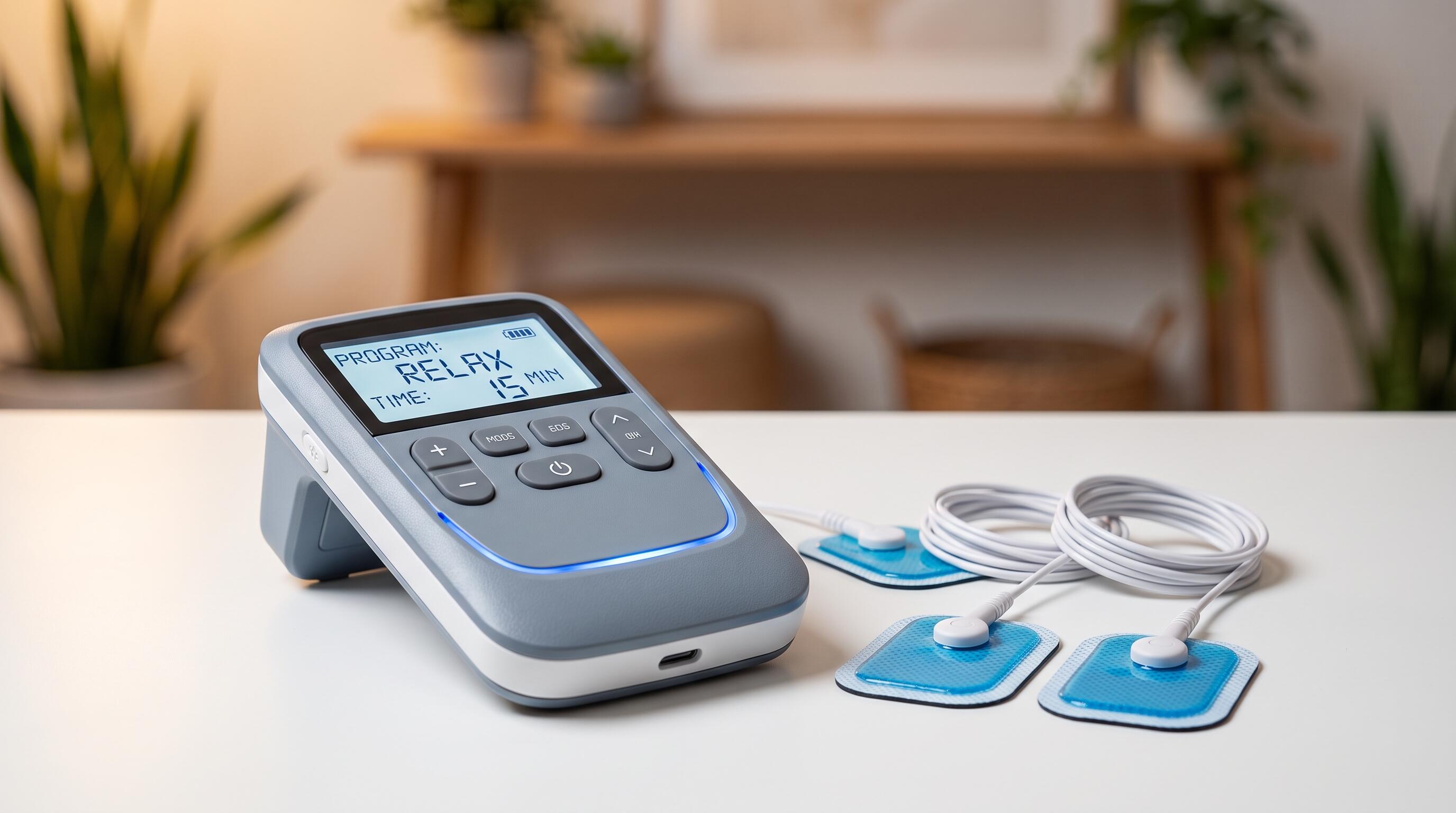
ALT: Best rechargeable TENS EMS machine with electrode pads for drug-free pain relief and muscle stimulation at home
Why a Rechargeable TENS EMS Machine Is Changing How We Manage Pain at Home
Key Conclusion: A rechargeable TENS EMS machine combines two proven electrotherapy modalities — transcutaneous electrical nerve stimulation (TENS) for pain relief and electrical muscle stimulation (EMS) for muscle recovery — into one convenient, cord-free device. For health-conscious users seeking a drug-free, clinician-quality solution they can use daily at home, a rechargeable dual-mode unit with quality electrode pads represents one of the most practical and cost-effective investments in long-term wellness.
Living with chronic back pain, recovering from a sports injury, or simply trying to keep muscles active after a sedentary workday — these are experiences shared by tens of millions of people. Yet many still rely solely on over-the-counter pain medications or expensive clinic visits for relief. The good news? Technology that was once confined to physiotherapy offices is now available for safe, effective home use.
A rechargeable TENS EMS machine eliminates the hassle of disposable batteries, reduces long-term running costs, and gives users the freedom to integrate therapy sessions into their daily routine — on the couch, at the desk, or after a workout. Paired with high-quality electrode pads that maintain consistent conductivity, the experience closely mirrors what you'd receive in a professional clinic setting.
In this guide, we break down everything you need to know: who these devices are ideal for, how to get started quickly, how different solutions compare, and what to look for when choosing the best rechargeable TENS EMS machine with electrode pads for your specific needs.
Who Should Use a Rechargeable TENS EMS Machine — and Who Should Approach with Caution
✅ Applicable Scenarios:
- Chronic pain management: Individuals living with persistent lower back pain, neck stiffness, arthritis, sciatica, or fibromyalgia who want a drug-free complement or alternative to pain medication
- Post-injury and post-surgical muscle recovery: Athletes, active adults, and rehabilitation patients looking to stimulate muscles, reduce atrophy, and restore neuromuscular function during recovery phases
- Fitness and performance enhancement: Gym-goers and endurance athletes using EMS to warm up muscles before training, accelerate recovery after intense sessions, or supplement strength conditioning
- Postpartum pelvic floor rehabilitation: New mothers seeking safe, gentle electrostimulation to rebuild pelvic floor tone and address bladder control issues
- Aging adults prioritizing non-pharmaceutical wellness: Seniors managing age-related muscle weakness, joint discomfort, or reduced mobility who prefer low-impact, medication-free therapy options
❌ Not Applicable/Cautions:
- Individuals with implanted electronic devices: People with pacemakers, implanted defibrillators, or other active electronic implants should not use TENS or EMS devices without explicit clearance from their cardiologist or specialist
- Pregnant individuals (except under medical supervision): Electrical stimulation is generally not recommended during pregnancy unless specifically directed by a qualified healthcare provider — certain pelvic floor protocols may be an exception under direct clinical guidance
- Placement over broken skin, open wounds, or areas of active infection: Electrode pads should never be applied directly to compromised skin surfaces, rashes, or infected tissue
- Those with epilepsy or certain neurological conditions: Consult a neurologist before beginning any electrotherapy program
The Growing Case for Electrotherapy: Why TENS and EMS Are Going Mainstream
For decades, TENS and EMS therapy were the exclusive domain of physiotherapy clinics, sports medicine centers, and hospital rehabilitation wards. Patients who benefited from in-clinic sessions often had no practical way to continue that therapy at home — leaving a significant gap in their recovery or pain management routine.
That gap has narrowed considerably. Advances in miniaturized electronics, rechargeable battery technology, and medical-grade manufacturing have made it possible to bring clinic-quality devices to the consumer market without compromising safety or efficacy. The global electrotherapy market has seen sustained growth, driven by rising rates of chronic musculoskeletal conditions, growing consumer preference for non-opioid pain management, and increasing awareness of EMS benefits among fitness communities.
TENS therapy works by delivering low-voltage electrical pulses through the skin via electrode pads. These pulses interact with sensory nerve fibers, effectively "gating" the transmission of pain signals to the brain — a mechanism well-supported by the gate control theory of pain developed by Melzack and Wall. Additionally, some evidence suggests TENS may stimulate the release of endorphins, the body's natural pain-modulating chemicals.
EMS therapy, by contrast, targets motor nerve fibers to elicit actual muscle contractions. This makes it particularly valuable for preventing muscle atrophy during immobilization, re-educating muscles after injury, improving local circulation, and supporting strength development as part of a broader training or rehabilitation program.
The key insight is this: most everyday users need both modalities at different times or even simultaneously. A rechargeable dual-mode TENS EMS machine addresses that need elegantly, consolidating two therapeutic tools into one portable, battery-friendly device that's always ready to use.
Brands like iStim have been at the forefront of this shift — designing professional-grade devices that meet the quality standards of clinical environments while remaining accessible and intuitive enough for home users with no prior experience in electrotherapy.
How to Get the Most Out of Your Rechargeable TENS EMS Machine: A Practical Guide
Three-Step Quick Start for New Users
Step 1: Charge the Device Fully Before First Use
Before your first session, connect your rechargeable TENS EMS machine to its power source and allow it to reach a full charge. This typically takes a couple of hours depending on the unit. A full initial charge establishes battery calibration and ensures consistent output throughout your sessions. While charging, take time to read the user manual — particularly the sections on electrode placement and contraindications. Familiarity with the device before your first session makes the experience safer and more effective.
Step 2: Prepare and Position the Electrode Pads Correctly
Clean and dry the target skin area before applying electrode pads. Proper skin preparation — removing oils, lotions, or sweat — dramatically improves conductivity and pad adhesion. Position the pads according to the recommended placement diagrams for your target muscle group or pain area. For TENS pain relief, pads are typically placed around (not directly over) the pain site. For EMS muscle stimulation, pads should align with the muscle belly for optimal contraction. Premium electrode pads, including Japanese gel pads known for their superior conductivity and skin-friendly adhesive, significantly enhance comfort and effectiveness. Ensure pads lie flat against the skin with no lifted edges.
Step 3: Select the Right Mode, Intensity, and Session Duration
Power on the device and select either the TENS or EMS mode depending on your goal. Begin at the lowest intensity setting and increase gradually until you feel a comfortable, therapeutic sensation — for TENS, a gentle tingling; for EMS, a noticeable but painless muscle contraction. Avoid the temptation to jump to high intensity immediately. Most sessions range from 20 to 30 minutes. Start conservatively — one session per day — and build frequency over time as your body adapts. After each session, carefully remove the pads, clean the skin, and store pads in their protective liner to extend their lifespan.
Comparing Your Pain Relief and Muscle Recovery Options
When evaluating electrotherapy solutions, it's helpful to understand how a rechargeable TENS EMS machine stacks up against alternatives. The table below outlines a practical comparison across the most relevant dimensions for home users.
| Comparison Dimension | Rechargeable TENS EMS Machine | Single-Mode TENS (Battery) | Professional Clinic Therapy |
|---|---|---|---|
| Therapy Modalities | Dual: TENS + EMS | TENS only | Multiple, customized |
| Power Source | Built-in rechargeable battery | Disposable batteries | Mains/clinic equipment |
| Ongoing Cost | Low (recharge only, replace pads) | Moderate (ongoing battery cost) | High (per-session fees) |
| Portability | High — cordless, compact | Moderate — limited by battery life | None — clinic-dependent |
| Electrode Pad Quality | Typically includes reusable pads; premium options available | Varies by brand | Professional single-use or clinic pads |
| Professional-Grade Output | Yes (ISO-certified manufacturers like iStim) | Varies | Yes |
| Convenience for Daily Use | Very high | Moderate | Low |
| User Learning Curve | Low–Moderate | Low | Managed by therapist |
The rechargeable dual-mode device occupies a compelling middle ground: professional-grade therapy quality without the ongoing cost or inconvenience of clinic visits, and far greater versatility than single-mode battery-powered units.
What Makes a Rechargeable TENS EMS Machine Truly Professional-Grade
Build Quality and Manufacturing Standards
Not all electrotherapy devices are created equal. The difference between a consumer-grade gadget and a genuinely professional-grade device often comes down to manufacturing standards. iStim devices are backed by ISO-certified Taiwanese manufacturing — a benchmark that reflects rigorous quality control in electrical safety, component reliability, and output consistency. When choosing a rechargeable TENS EMS machine, always verify whether the manufacturer holds relevant certifications. These aren't just marketing badges; they represent verified commitments to safety and performance consistency.
Electrode Pad Quality: The Often-Overlooked Variable
Many users focus entirely on the device itself and underestimate how profoundly electrode pad quality affects the therapeutic experience. Pads that fail to maintain consistent skin contact create uneven current distribution, reducing efficacy and potentially causing discomfort. Japanese gel pads have earned a strong reputation among electrotherapy users for their high-quality hydrogel adhesive, which delivers even current distribution, strong but gentle adhesion, and a skin-friendly composition that minimizes irritation even with daily use. When a rechargeable TENS EMS machine includes quality electrode pads in the box, it signals that the manufacturer has thought holistically about the user experience rather than cutting costs on what is, in practice, a mission-critical component.
Modes, Programs, and Intensity Range
A professional-grade rechargeable TENS EMS machine typically offers a meaningful selection of preset programs alongside adjustable intensity levels. Preset programs for common conditions — lower back pain, shoulder tension, knee recovery, general muscle relaxation — help newer users get started confidently. The ability to adjust intensity in fine increments is equally important: therapeutic stimulation should be strong enough to be effective but comfortable enough to sustain for a full session. Look for devices that cover a clinically meaningful range of pulse frequencies and waveforms to address different therapeutic goals.
Display, Controls, and Ease of Use
A clear display showing current mode, intensity level, and session timer removes guesswork and makes it easier to maintain consistent sessions. Intuitive controls — whether physical buttons or touch-sensitive panels — reduce the likelihood of user error. For older adults or those unfamiliar with technology, simplicity in interface design is not a compromise; it's a design priority. iStim designs with the everyday home user in mind, ensuring that professional-grade capability is accessible without requiring a steep learning curve.
Real-World User Scenario
Consider Maria, a 52-year-old office worker managing chronic lower back pain. She had tried physical therapy but struggled to attend regular appointments around her work schedule. After switching to a rechargeable TENS EMS machine at home, she integrated 25-minute TENS sessions into her evenings — placed two pads alongside her lumbar region, selected a preset lower back program, and gradually settled on a comfortable intensity. Within several weeks, she reported noticeably reduced reliance on over-the-counter pain relievers. The rechargeable format meant the device was always ready to use — no scrambling for batteries — and the durable electrode pads maintained their conductivity across many sessions.
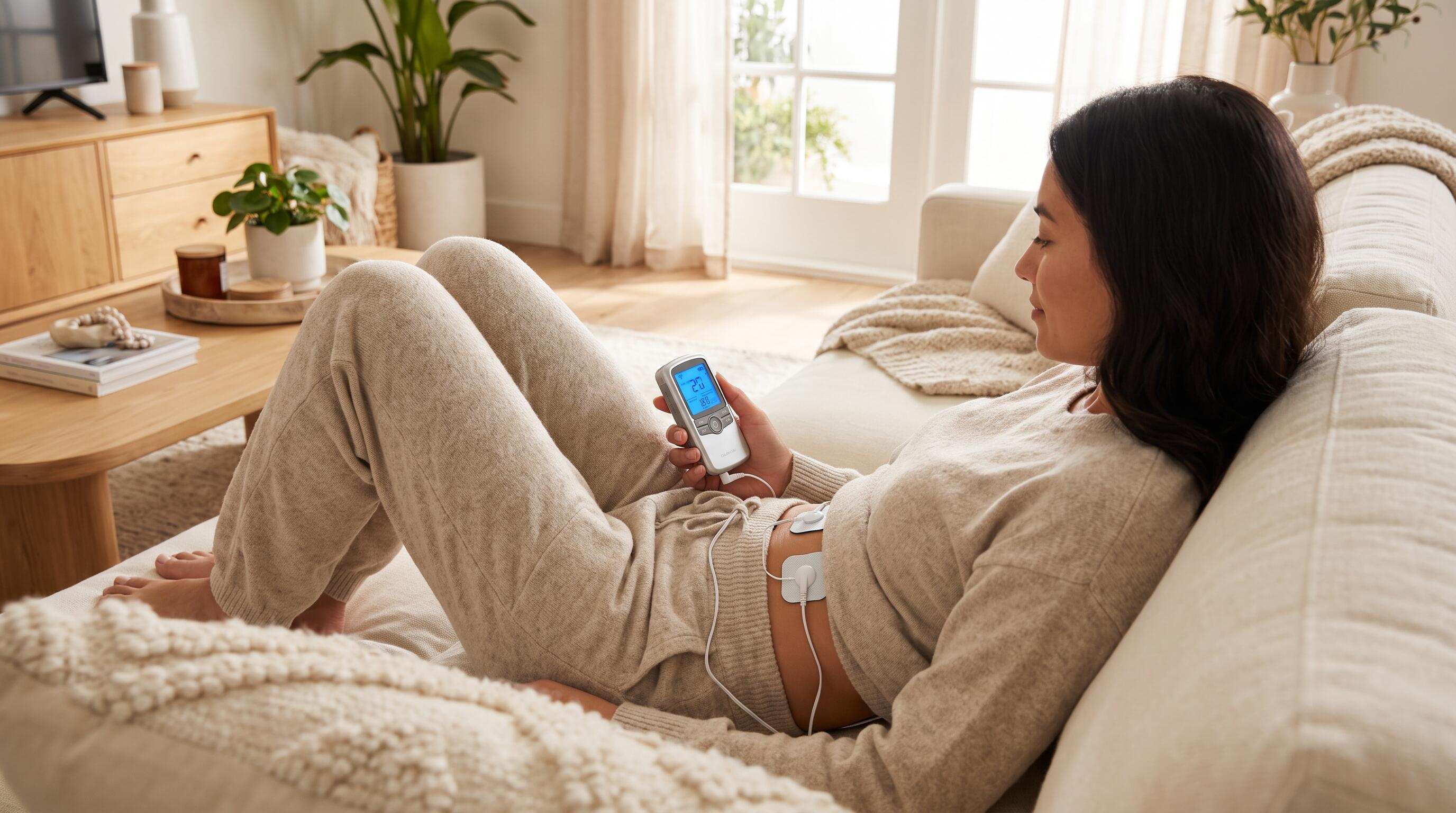
ALT: iStim rechargeable TENS EMS machine with electrode pads applied to lower back for drug-free pain relief at home
Advanced Considerations: Getting the Most from Long-Term Use
Electrode Pad Maintenance and Replacement
One of the most common performance issues with home electrotherapy isn't device-related — it's pad degradation. Even high-quality electrode pads gradually lose their adhesive and conductive properties with repeated use. You'll notice the first signs when pads no longer lie flat against the skin, or when the stimulation feels uneven or "prickly" at the edges. Replacing pads promptly isn't just about comfort; deteriorating conductivity can compromise therapeutic effectiveness. Store pads on their protective liner after each use, away from heat and dust, to maximize their lifespan.
Combining TENS and EMS Strategically
A common misconception is that TENS and EMS are interchangeable. They're complementary, not synonymous. TENS is your primary tool for pain management — ideal before or during periods of discomfort. EMS is best deployed for muscle conditioning and recovery — use it after workouts for recovery stimulation, or during rehabilitation to maintain muscle tone when conventional exercise isn't possible. Using both strategically across a day (rather than simultaneously, unless the device specifically supports it) yields better outcomes than using either in isolation.
Addressing the "More Intensity = Better Results" Myth
This is perhaps the most prevalent misconception among new electrotherapy users. Higher intensity does not equal superior therapeutic outcomes. The goal is to find the therapeutic window — the intensity range where stimulation is clearly perceptible and producing the desired effect (pain relief or muscle contraction) without causing pain or excessive muscle fatigue. Pushing beyond this window can cause skin irritation, muscle soreness, or in rare cases, superficial burns. Always prioritize comfort and consistency over maximalism.
Certifications and What They Tell You
When comparing rechargeable TENS EMS machines, look beyond marketing claims to verifiable quality indicators. ISO certification of the manufacturing facility is a meaningful signal. FDA registration or clearance (where applicable) is another. iStim's ISO-certified Taiwanese manufacturing reflects the kind of third-party quality verification that distinguishes professionally engineered devices from lower-quality alternatives flooding the consumer market.
Frequently Asked Questions FAQ
Q1: How do I know which rechargeable TENS EMS machine includes electrode pads in the box?
Most professional-grade rechargeable TENS EMS machines are sold as complete kits that include electrode pads, lead wires, and a charging cable. iStim devices are designed as ready-to-use systems, so users can begin therapy immediately after the initial charge. When shopping, check the product listing carefully for included accessories — a complete kit from a reputable brand should include enough pads for immediate use, with replacement pads available for ongoing purchase. Avoid devices that require separate accessory purchases before you can begin your first session.
Q2: Is a rechargeable TENS EMS machine safe to use every day?
For most healthy adults using a quality device from a reputable manufacturer, daily use within recommended guidelines is considered safe. Most manufacturers suggest sessions of around 20–30 minutes per muscle group per day, with a rest period between sessions on the same area. Always start at low intensity and follow the manufacturer's guidelines. If you have any underlying health conditions — cardiovascular issues, epilepsy, active cancer, or implanted electronic devices — consult your healthcare provider before beginning regular electrotherapy use.
Q3: How long do electrode pads last, and when should they be replaced?
The lifespan of electrode pads depends on frequency of use, skin type, and how well they're stored. With proper care — replacing on their protective liner after each session, keeping away from heat and moisture — quality pads can remain effective across many sessions. The clearest indicator that replacement is needed is when pads no longer adhere firmly to the skin or when you notice uneven stimulation. Premium options such as Japanese gel pads tend to offer extended durability and consistent conductivity compared to standard alternatives, making them a worthwhile investment for regular users.
Summary
Choosing the right rechargeable TENS EMS machine with electrode pads comes down to three foundational priorities:
1. Professional-grade quality you can trust at home. Devices backed by ISO-certified manufacturing, like those from iStim, deliver clinical-level performance that stands apart from generic consumer gadgets. Quality electrode pads — particularly premium options known for superior conductivity — are an equally critical part of the system.
2. Versatility that matches your real-world needs. A dual-mode device covering both TENS pain relief and EMS muscle stimulation gives you therapeutic flexibility across different scenarios — managing a flare-up of back pain one evening, supporting post-workout muscle recovery the next. The rechargeable format ensures the device is always ready when you are, without battery-related interruptions or ongoing costs.
3. Accessibility that empowers consistent use. The best device is the one you'll actually use. Intuitive controls, clear displays, helpful preset programs, and thoughtfully included electrode pads lower the barriers to building a consistent home therapy routine — the kind that produces meaningful, cumulative results over time.
Whether you're navigating chronic pain, rebuilding strength after an injury, supporting athletic recovery, or seeking a non-pharmaceutical wellness tool for the long term, a rechargeable TENS EMS machine is one of the most practical and evidence-supported tools available to you today.
Ready to take control of your pain relief and muscle wellness — naturally and effectively? Explore iStim's full range of professional-grade TENS, EMS, and Kegel devices at https://istim.com/ and find the right solution tailored to your needs. Join over 20,000 satisfied customers who trust iStim for drug-free, clinically inspired therapy from the comfort of home.
References
- National Institutes of Health — National Library of Medicine. "Transcutaneous Electrical Nerve Stimulation (TENS) for Pain Management."
https://www.ncbi.nlm.nih.gov/books/NBK537188/ - American Physical Therapy Association. "Electrophysical Agents: Contraindications and Precautions."
https://www.apta.org/ - U.S. Food and Drug Administration (FDA). "TENS — Transcutaneous Electrical Nerve Stimulators: Product Classification."
https://www.fda.gov/medical-devices/home-use-devices/tens-transcutaneous-electrical-nerve-stimulators - Chartered Society of Physiotherapy. "Electrotherapy Evidence-Based Practice Guidelines."
https://www.csp.org.uk/ - PubMed Central — National Institutes of Health. "Effectiveness of Neuromuscular Electrical Stimulation on Muscle Strength and Physical Performance."
https://www.ncbi.nlm.nih.gov/pmc/articles/PMC6154979/
Note: Standards and clinical guidelines may be updated. Please check the latest official documents or consult a qualified healthcare professional for the most current guidance.
About iStim
iStim is a Los Angeles-based electrotherapy brand specializing in professional-grade TENS, EMS, and Kegel devices engineered for safe and effective home use, backed by ISO-certified Taiwanese manufacturing. With a growing community of 20,000+ Amazon customers, iStim is committed to making drug-free pain relief and muscle stimulation accessible to everyone.
© iStim. All rights reserved. This article is intended for informational purposes only and does not constitute medical advice. Always consult a qualified healthcare professional before starting any new therapy or treatment program.
Leave a comment