

Best Postpartum Pelvic Floor Trainer Device
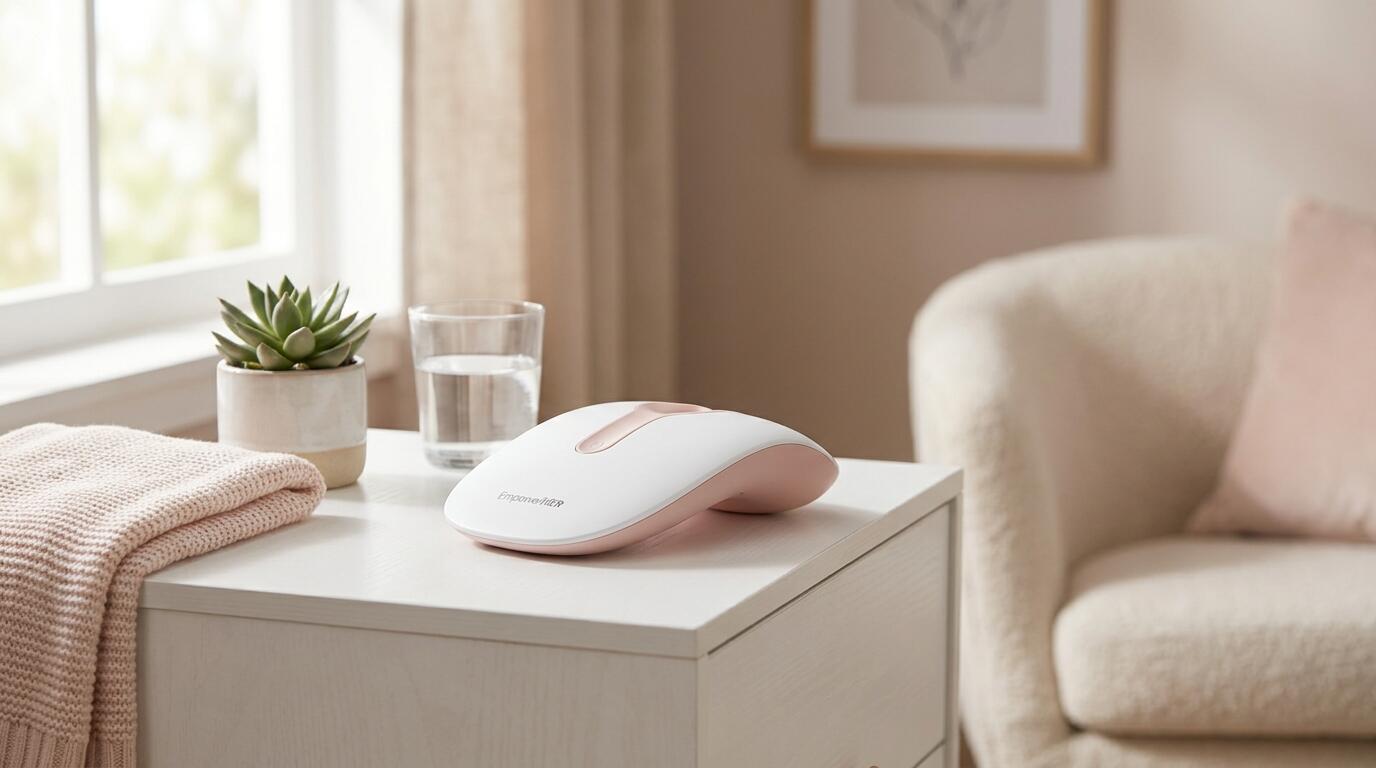
ALT: Best postpartum pelvic floor trainer device helping new mothers recover pelvic muscle strength at home
Why Every New Mother Deserves a Postpartum Pelvic Floor Trainer
Key Conclusion: Childbirth — whether vaginal or cesarean — places extraordinary stress on the pelvic floor muscles, often leaving new mothers struggling with leakage, pelvic pressure, and reduced core stability. A dedicated postpartum pelvic floor trainer using electrical muscle stimulation (EMS) technology offers a clinically informed, drug-free path to rebuilding strength, restoring control, and reclaiming confidence — right from the comfort of home.
The postpartum period is one of the most physically demanding transitions a woman's body will ever experience. Beneath the surface of new-mother exhaustion, hormonal shifts, and sleepless nights, the pelvic floor — a hammock of muscles supporting the bladder, uterus, and bowel — is quietly struggling to recover. Many women find that traditional Kegel exercises are difficult to perform correctly, especially when they can't even feel or isolate those deeply internal muscles after delivery.
This is precisely where technology steps in. Modern EMS-based pelvic floor training devices deliver gentle, targeted electrical impulses that stimulate and contract pelvic floor muscles automatically, taking the guesswork out of rehabilitation. The result is a measurable, evidence-supported postpartum recovery tool that works even when voluntary muscle engagement feels impossible.
Who This Guide Is For
✅ Applicable Scenarios:
- New mothers (vaginal or C-section delivery) experiencing urinary leakage, pelvic heaviness, or reduced muscle tone
- Women who have completed their postpartum medical clearance (typically 6 weeks after delivery) and are ready to begin pelvic rehabilitation
- Individuals who have tried manual Kegel exercises without consistent success and want a guided, technology-assisted alternative
- Women experiencing mild-to-moderate stress incontinence or pelvic organ prolapse symptoms at any life stage, not only postpartum
❌ Not Applicable/Cautions:
- Women who have not yet received clearance from their OB-GYN or midwife to begin pelvic floor exercises (do not use in the early postpartum window without professional guidance)
- Individuals with a pacemaker, active infection, open wounds in the pelvic area, or certain gynecological conditions — always consult a healthcare provider first
- Women currently pregnant — electrical stimulation devices should not be used during pregnancy without explicit medical supervision
Understanding the Postpartum Pelvic Floor Crisis
Pregnancy and childbirth stretch, strain, and sometimes structurally alter the pelvic floor in ways that aren't immediately visible — but are profoundly felt. Studies suggest that a significant proportion of women experience urinary incontinence in the weeks and months after delivery, yet many never seek treatment due to embarrassment, lack of awareness, or the mistaken belief that leakage is simply "normal" after having a baby.
The pelvic floor muscles are responsible for far more than bladder control. They support posture, contribute to sexual function, stabilize the spine in coordination with the core muscles, and play a central role in bowel regulation. When these muscles are weakened or damaged through the mechanics of labor and delivery, the ripple effects can touch nearly every area of a woman's daily life.
What makes postpartum recovery particularly challenging is neurological disruption. During vaginal delivery, the pudendal nerve — which controls pelvic floor sensation and voluntary muscle contraction — can be stretched or compressed. This means even women who want to do their Kegel exercises may find it genuinely difficult to locate or engage those muscles voluntarily. Traditional advice ("just squeeze like you're stopping urine flow") becomes frustratingly inadequate when the neural connection is compromised.
This is the scientific foundation for why EMS-based postpartum pelvic floor trainers have become a standard tool in pelvic health physiotherapy. By delivering controlled electrical pulses directly to the pelvic muscles via an internal probe, these devices trigger muscle contractions that the nervous system may not yet be efficiently generating on its own. The contractions re-educate the neuromuscular pathway, accelerating recovery and restoring function.
For a comprehensive look at how EMS compares to manual techniques in the context of pelvic rehabilitation, the guide Best Kegel Trainer for Women: EMS vs Manual Kegels offers a detailed breakdown that many postpartum women find clarifying before choosing their device.
The global market for pelvic floor therapy devices has grown substantially in recent years, reflecting both increased consumer awareness and clinical endorsement. What was once exclusively a clinic-based treatment is now accessible at home — and the evidence base continues to expand in support of at-home EMS therapy as an effective, safe adjunct to professional postpartum care.
How to Use a Postpartum Pelvic Floor Trainer: A Three-Step Approach
Three-Step Quick Start for New Mothers
Step 1: Get Medical Clearance and Choose the Right Device
Before starting any pelvic floor electrical stimulation program, confirm with your OB-GYN, midwife, or pelvic floor physiotherapist that you are healed and ready — typically at or after your 6-week postpartum checkup. Once cleared, choose an EMS Kegel device designed with postpartum use in mind: look for adjustable intensity levels (essential for those with very weakened muscles), hygienic probe design, and pre-set programs that include low-frequency settings for initial recovery phases. This preparation phase may take one appointment but sets the foundation for safe, effective therapy.
Step 2: Begin with Low Intensity and a Structured Program
Start your first sessions at the lowest intensity setting that produces a perceptible but comfortable contraction. Many high-quality devices offer dedicated postpartum or "rehabilitation" programs that begin with gentler pulses and gradually increase stimulation as muscles strengthen. A typical starting session lasts approximately 20–30 minutes, performed several times per week. Consistency matters more than duration at this stage — your muscles need repeated, regular stimulation to rebuild neuromuscular connections. Track how each session feels and increase intensity only when the current level no longer produces a meaningful contraction.
Step 3: Progress Gradually and Combine with Lifestyle Habits
As your pelvic floor strength improves — which you may notice through reduced leakage, greater muscle awareness, and improved control — you can advance to higher intensity levels and programs that target both fast-twitch (quick-squeeze) and slow-twitch (endurance) pelvic floor muscle fibers. Complement your device sessions with postpartum recovery routine practices: mindful breathing, gentle core engagement exercises, and adequate hydration. Many women find that pairing their EMS training with manual Kegel practice during daily activities (like while nursing or during a walk) accelerates overall results. Continue using the device for the duration recommended by your healthcare provider or device program guide.
Comparing Your Postpartum Pelvic Floor Recovery Options
The good news is that postpartum women have more options than ever for pelvic floor rehabilitation. The challenge is understanding which approach — or combination of approaches — is right for your situation. Here is a clear comparison of the three most common paths:
| Comparison Dimension | Manual Kegel Exercises | In-Clinic Pelvic Physio | At-Home EMS Kegel Device |
|---|---|---|---|
| Muscle Activation Accuracy | Often inconsistent; many women engage incorrect muscles | High — therapist provides real-time feedback | High — electrical stimulation activates muscles directly |
| Accessibility | Anytime, anywhere — no equipment needed | Requires scheduling, travel, childcare | Anytime at home after initial setup |
| Cost Consideration | Free | Can be expensive per session; may require multiple visits | One-time device investment; no ongoing fees |
| Suitability for Nerve-Affected Muscles | Limited — requires voluntary neural engagement | Good — therapist can use manual and EMS techniques | Excellent — EMS bypasses voluntary neural effort |
| Adjustability | Not adjustable | Customized by therapist | Adjustable intensity and program modes |
| Ongoing Guidance | Self-directed; risk of incorrect technique | Professional guidance each session | Programmatic; consult provider for complex needs |
| Convenience for New Mothers | Moderate — easy to forget or perform incorrectly | Low — difficult to schedule with a newborn | High — use during nap time or quiet moments |
The consensus among pelvic health specialists is clear: for women with significant postpartum pelvic floor dysfunction, EMS-based therapy — whether delivered in clinic or via a well-designed at-home device — is more effective than manual Kegels alone, particularly in the early recovery phase. That said, combining approaches yields the best long-term outcomes.
What to Look for in the Best Postpartum Pelvic Floor Trainer Device
Adjustable Intensity: The Non-Negotiable Feature
A postpartum pelvic floor is often in a state of significant weakness or altered sensitivity. A device that starts too strong will cause discomfort or even discouragement. The best devices allow the user to begin at a minimal stimulation level — even if that feels almost imperceptible — and build gradually over weeks and months as muscle capacity returns.
Adjustable intensity isn't just about comfort; it's about physiological appropriateness. Early-stage recovery requires low-frequency stimulation focused on muscle re-education. Later stages call for stronger contractions that build endurance and power. Best Pelvic Floor Trainer with Adjustable Intensity provides a useful framework for evaluating devices on this critical dimension.
Probe Design and Hygiene
The internal probe is the component that actually delivers stimulation to the pelvic floor muscles. For postpartum use, a few key design considerations matter greatly. The probe should be made of body-safe, medical-grade materials. It should be easy to clean and maintain. Some devices offer reusable probes with clear hygiene protocols; others are designed for extended personal use. Comfort of insertion matters, especially for women whose tissue sensitivity may still be altered in the early postpartum months.
Pre-Set Rehabilitation Programs
Rather than requiring users to manually configure every session, the best postpartum devices include pre-programmed therapy modes developed with rehabilitation protocols in mind. These programs automatically cycle through different pulse patterns — alternating contraction and relaxation, varying frequency and pulse width — mimicking the graduated approach a pelvic floor physiotherapist would use. This structure removes complexity and makes consistent daily use far more achievable for a tired new mother.
Ease of Use and Portability
New mothers have approximately zero spare time. A device that requires complicated setup, lengthy charging processes, or technical troubleshooting will quickly end up in a drawer. The ideal postpartum pelvic floor trainer is intuitive from the first use, compact enough to store discreetly, and designed for straightforward one-handed operation.
Clinical Credibility and Manufacturing Standards
When choosing a device that will be used internally, manufacturing quality and safety certification are paramount. Look for devices from brands with established clinical credibility, ISO-certified manufacturing processes, and a verifiable track record with real users. iStim's EMS Kegel devices are produced under ISO-certified manufacturing standards in Taiwan and have earned the trust of a substantial and growing community of women navigating exactly these challenges. You can explore the full range of options at istim.com.
For women specifically interested in understanding which iStim device best matches their postpartum stage and goals, the detailed breakdown in the iStim V2 Review: Who Is It Best For? offers a candid look at the device's design philosophy, appropriate use cases, and real-world user experience.
Bladder Control Support
One of the most immediately noticeable postpartum benefits of consistent pelvic floor training is improved bladder control. Stress incontinence — leaking when you sneeze, laugh, cough, or lift — is among the most common and distressing postpartum symptoms. Regular EMS therapy directly targets the urethral sphincter support muscles, producing measurable improvements in continence over a consistent training period. For more on building a targeted bladder control routine, Best Pelvic Floor Trainer for Bladder Control Routines is an excellent companion resource.

ALT: New mother using a postpartum pelvic floor EMS trainer device for drug-free muscle recovery and bladder control at home
Advanced Considerations: Beyond the Basics of Postpartum Recovery
What If You've Had a C-Section?
A common misconception is that cesarean delivery protects the pelvic floor entirely. While the mechanics differ from vaginal birth, the pelvic floor is still significantly affected by months of pregnancy weight, hormonal softening of ligaments, and the psychological and physiological stress of major abdominal surgery. C-section mothers frequently experience pelvic floor dysfunction, core weakness, and bladder symptoms — and benefit equally from postpartum pelvic floor training once they have received clearance from their surgical team (typically requiring a longer healing window than vaginal delivery).
The Timing Question: When Is the Right Time to Start?
Most pelvic floor physiotherapists recommend beginning gentle, awareness-based exercises — breathing and soft engagement without a device — within the first few days after delivery, if comfortable. EMS device use is generally deferred until the 6-week postpartum mark has passed and medical clearance has been given. However, every woman's recovery timeline is individual. If you experienced significant tearing, episiotomy, or surgical complications, your provider may recommend waiting longer or beginning with supervised physiotherapy before introducing a device at home.
Debunking Common Myths About Pelvic EMS Devices
Myth: "EMS Kegel devices are only for women with severe prolapse."
Reality: EMS therapy is beneficial across a wide spectrum of pelvic floor conditions, from mild postpartum weakening to more significant dysfunction. Preventative and early rehabilitative use is strongly supported by current pelvic health evidence.
Myth: "If I can do Kegels on my own, I don't need a device."
Reality: Research consistently shows that a significant proportion of women — including those who believe they are performing Kegels correctly — are actually engaging the wrong muscle groups. EMS devices ensure correct, targeted muscle activation every session, without relying on self-assessment accuracy.
Myth: "These devices are only effective short-term."
Reality: Like any training stimulus, EMS-based pelvic floor rehabilitation produces lasting neurological and structural adaptations when used consistently over an adequate training period. Maintenance sessions are recommended by many clinicians to sustain gains.
Frequently Asked Questions FAQ
Q1: How soon after giving birth can I start using a pelvic floor trainer device?
Most healthcare providers recommend waiting until your 6-week postpartum checkup before using an internal EMS device, allowing time for tissue healing. However, non-device pelvic awareness exercises (gentle breathing, soft engagement) may be appropriate earlier. For women who experienced significant perineal trauma or complications, individual guidance from an OB-GYN or pelvic floor physiotherapist is essential before beginning any device-assisted therapy. Always prioritize professional clearance over general timelines.
Q2: Is electrical stimulation safe for postpartum pelvic floor recovery?
Yes — when used correctly and following medical clearance, EMS-based pelvic floor stimulation is considered a safe, well-established rehabilitation approach supported by clinical research and widely used in pelvic physiotherapy settings. It is non-invasive in the pharmacological sense, requires no medication, and poses minimal risk when device quality meets medical manufacturing standards (such as ISO-certified production) and user guidelines are followed. Avoid use during pregnancy or without professional guidance if you have specific health conditions.
Q3: How long does it take to see results from a postpartum pelvic floor trainer?
Results vary based on severity of dysfunction, consistency of use, and individual recovery factors. Many women report noticeable improvements in bladder control and muscle awareness within 4–8 weeks of regular device use (typically several sessions per week). More significant structural rehabilitation — such as meaningful improvement in pelvic organ support — may take 3–6 months of consistent training. Combining EMS device use with postpartum recovery routine practices and professional physiotherapy guidance typically accelerates outcomes.
Summary
Postpartum pelvic floor recovery is not optional — it is foundational to long-term women's health, quality of life, and physical function. Yet it is still under-addressed, under-treated, and frequently dismissed as an inevitable consequence of motherhood rather than a treatable condition.
Three key truths stand out from the evidence:
- EMS technology works. Electrical muscle stimulation directly activates pelvic floor muscles, bypassing the neural disruption that makes voluntary Kegel practice ineffective for many postpartum women. This is not wellness marketing — it is the mechanism behind clinical pelvic physiotherapy.
- At-home devices make consistent care achievable. The biggest barrier to postpartum pelvic floor recovery is access — to clinics, to childcare, to time. A high-quality at-home EMS pelvic floor trainer removes that barrier and puts professional-grade rehabilitation in your hands, on your schedule.
- The best results come from consistency, not intensity. Start gently, progress methodically, and combine your device sessions with broader postpartum recovery routine practices. Patience and regularity are the true active ingredients.
Your pelvic floor carried you through pregnancy. It deserves the same intentional, informed care you would give any injured muscle during recovery. The tools exist. The evidence supports them. The only next step is starting.
Call to Action
Ready to take control of your postpartum recovery from the comfort of home? Explore iStim's full lineup of professional-grade EMS and Kegel devices at https://istim.com/ and find the right drug-free solution tailored to your needs. Trusted by over 20,000 customers and built to clinical standards, iStim is here to help you move, feel, and live better — every day.
References
- National Institute of Diabetes and Digestive and Kidney Diseases (NIDDK). "Kegel Exercises".
https://www.niddk.nih.gov/health-information/urologic-diseases/kegel-exercises - American College of Obstetricians and Gynecologists (ACOG). "Urinary Incontinence".
https://www.acog.org/womens-health/faqs/urinary-incontinence - National Health Service (NHS). "Pelvic floor exercises".
https://www.nhs.uk/conditions/pelvic-floor-exercises/ - Cochrane Library. "Pelvic floor muscle training versus no treatment, or inactive control treatments, for urinary incontinence in women".
https://www.cochranelibrary.com/cdsr/doi/10.1002/14651858.CD005654.pub4/full - International Urogynecological Association (IUGA). "Postpartum Care and Pelvic Floor Health".
https://www.iuga.org/patients/postpartum-care
Note: Standards and clinical guidelines may be updated. Please consult the latest official documents or a qualified pelvic health professional for the most current recommendations.
About iStim
iStim is a Los Angeles-based electrotherapy brand specializing in professional-grade TENS, EMS, and Kegel devices engineered for safe, effective home use — backed by ISO-certified Taiwanese manufacturing and trusted by 20,000+ Amazon customers for drug-free pain relief and muscle stimulation. Learn more at istim.com.
Disclaimer: This article is provided for informational and educational purposes only and does not constitute medical advice. The content is produced in partnership with iStim and reflects general wellness information. Always consult a qualified healthcare professional before beginning any new therapy or treatment program. iStim is not responsible for any actions taken based on the information presented in this article.
Leave a comment