

Best Pelvic Floor Stimulator for Postpartum Recovery: iStim V2 Kegel Review
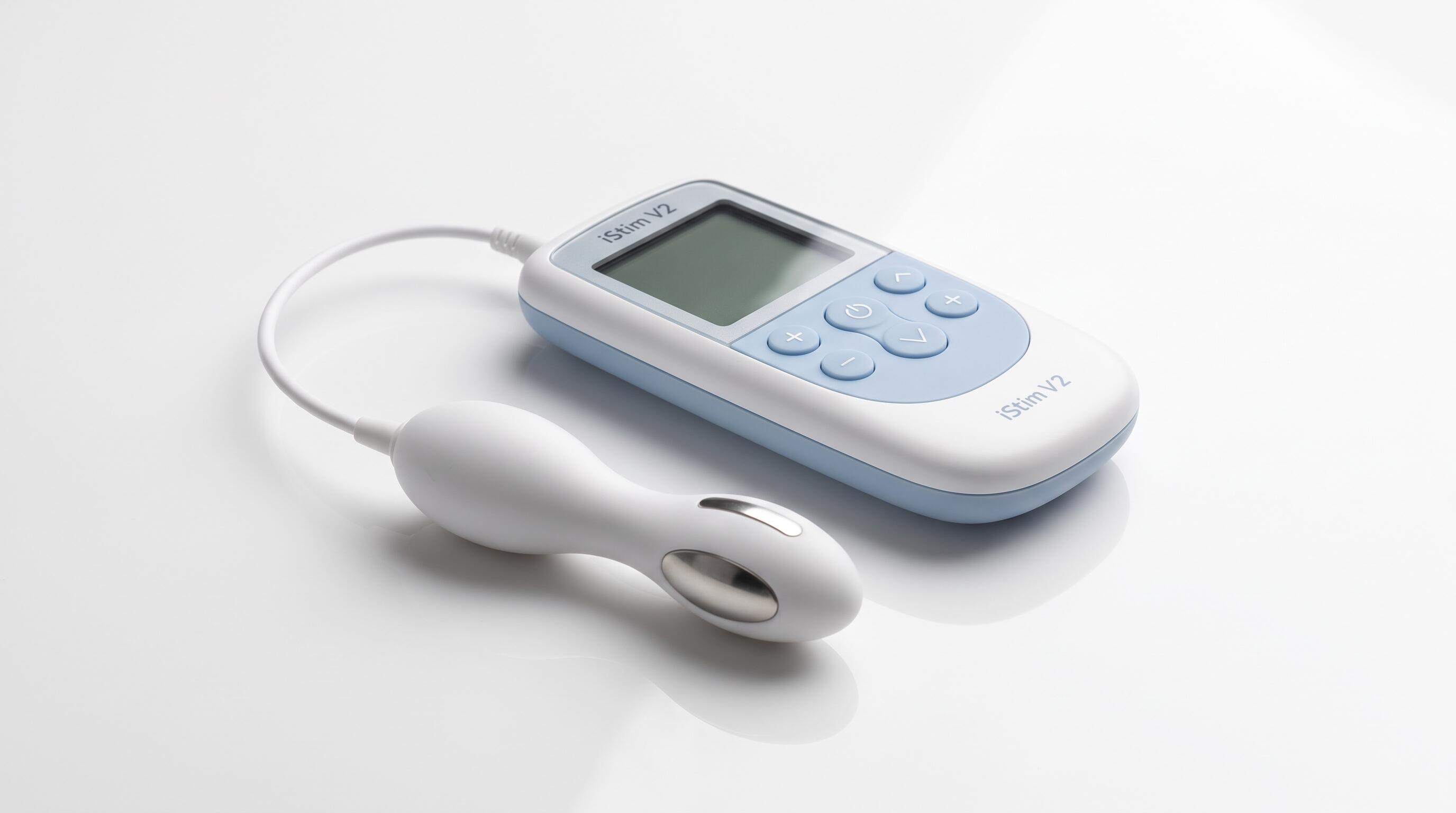
ALT: iStim V2 Kegel pelvic floor stimulator for postpartum recovery — clinical-grade electrotherapy device for women
Reclaiming Your Core: Why a Pelvic Floor Stimulator for Postpartum Recovery May Be the Missing Piece
Key Conclusion: For new mothers navigating the physical aftermath of childbirth, a pelvic floor stimulator for postpartum recovery can offer a clinically grounded, drug-free path to rebuilding strength and control. This iStim V2 Kegel review highlights why this professional-grade device stands out among home-use options — combining electrical muscle stimulation technology with user-friendly design to help postpartum women restore pelvic floor function safely and effectively.
The weeks and months following childbirth bring an enormous amount of physical change. While much of the postpartum conversation centers on sleep deprivation and emotional adjustment, the reality of pelvic floor weakness — including urinary leakage, reduced sensation, and core instability — remains underaddressed. Many women are simply told to "do your Kegels" and left without the tools to do them effectively.
That's where electrotherapy-based pelvic floor training enters the picture. By delivering targeted electrical impulses to the pelvic floor muscles, devices like the iStim V2 help stimulate involuntary muscle contractions, making rehabilitation more accessible — even for women who struggle to identify or activate these muscles on their own. This review examines how the iStim V2 Kegel stimulator performs in a postpartum context, who it's right for, and how to use it safely for optimal results.
Who Should Consider a Postpartum Pelvic Floor Stimulator?
✅ Applicable Scenarios:
- Women experiencing urinary stress incontinence after vaginal or cesarean delivery
- Postpartum individuals with weakened pelvic floor muscles who cannot perform voluntary Kegel contractions effectively
- Women seeking a drug-free, non-invasive alternative to pelvic floor physical therapy between clinic sessions
- Those looking to accelerate pelvic floor rehabilitation at home under general healthcare guidance
- Women managing pelvic organ prolapse symptoms (mild-to-moderate) as part of a broader recovery plan
❌ Not Applicable/Cautions:
- Women with an active pelvic infection, open wounds, or sutures that have not yet healed (typically within the first 6 weeks postpartum — always consult your OB-GYN or midwife before beginning)
- Individuals with implanted electronic devices such as pacemakers or neurostimulators
- Women who are currently pregnant
- Those with certain neurological conditions affecting sensation in the pelvic region — professional guidance is essential before use
The Postpartum Pelvic Floor Crisis: What the Research Tells Us
The pelvic floor is a group of muscles, ligaments, and connective tissues that form a hammock-like structure at the base of the pelvis. During pregnancy and delivery — whether vaginal or via cesarean section — these muscles endure significant mechanical stress. Stretching, nerve compression, and in some cases partial tearing can compromise their function for months or even years after birth.
Studies published in peer-reviewed obstetric journals consistently indicate that postpartum pelvic floor dysfunction affects a substantial proportion of new mothers. Symptoms such as urinary incontinence, pelvic heaviness, reduced sensation during intimacy, and core muscle weakness are not simply "normal" side effects of having a baby — they are treatable conditions that respond well to targeted rehabilitation.
Traditional Kegel exercises are widely recommended, but there's a well-documented problem: a significant percentage of women perform them incorrectly. Without biofeedback or external stimulation, it can be difficult to isolate the correct muscle group. This is precisely why electrical muscle stimulation (EMS) technology has gained traction in clinical pelvic health settings — and why home-use devices like the iStim V2 represent a meaningful advancement in accessible postpartum care.
For a comprehensive comparison of leading pelvic floor stimulator brands and an in-depth look at whether the iStim V2 is right for you, see Best Pelvic Floor Stimulator Brands and Reviews: Is iStim V2 Kegel Worth Buying? — a detailed resource that contextualizes the iStim V2 within the broader market.
The demand for home-based pelvic floor solutions has grown considerably in recent years. Telehealth limitations, postpartum care access gaps, and a growing cultural openness around women's pelvic health have all contributed to increased consumer interest in self-directed rehabilitation tools. Among these, EMS-based Kegel stimulators represent one of the most evidence-aligned options available without a prescription.
How to Use the iStim V2 Kegel Stimulator for Postpartum Recovery
Getting Started: A Three-Step Quick Start Guide
Step 1: Prepare and Set Up Your Device
Before your first session, ensure you have read the user manual thoroughly. Insert the probe carefully according to the manufacturer's instructions, using the recommended conductive gel for optimal electrical contact and comfort. Connect the probe lead to the iStim V2 unit. Begin with the lowest intensity setting — this is especially important for postpartum users whose tissues may still be in the early stages of healing. Allow roughly 5 minutes to get comfortable with the setup before starting your first program.
Step 2: Select the Appropriate Program
The iStim V2 features multiple preset programs designed for different stages of pelvic floor rehabilitation. For early postpartum recovery, select a gentle stimulation mode that focuses on muscle reactivation rather than intensive strengthening. As your comfort and muscle tone improve over several weeks, you can gradually progress to more active programs designed to build endurance and strength. Each session typically lasts 20–30 minutes, making it easy to incorporate into a daily routine.
Step 3: Complete Your Session and Track Progress
After each session, remove and clean the probe according to the care instructions provided. Note how you felt during and after the session — any discomfort, unusual sensations, or improvements in bladder control or muscle awareness. Tracking your progress over time helps you and your healthcare provider assess how well the therapy is working. Consistent use — typically several sessions per week over a number of weeks — tends to yield the most meaningful improvements in pelvic floor function.
Comparing Postpartum Pelvic Floor Recovery Approaches
When considering the best pelvic floor stimulators for postpartum recovery, it helps to understand how EMS-based devices like the iStim V2 compare to other available options. Each approach carries its own strengths and limitations depending on a woman's specific situation, schedule, and budget.
The following comparison covers three primary recovery modalities commonly recommended in postpartum pelvic health care:
| Comparison Dimension | iStim V2 Kegel Stimulator | In-Office Pelvic PT | Manual Kegel Exercises |
|---|---|---|---|
| Muscle Activation Method | Electrical stimulation (involuntary contraction) | Manual therapy + guided exercises | Voluntary contraction (self-directed) |
| Effectiveness for Weak Muscles | High — activates muscles even when voluntary control is limited | High — clinician can assess and guide technique | Moderate — depends on correct muscle identification |
| Accessibility | High — used at home, anytime | Low — requires appointments, travel, availability | High — no equipment needed |
| Cost | One-time device investment | Ongoing session fees (often significant) | Free |
| Customization | Multiple programs, adjustable intensity | Highly personalized to individual needs | Limited without professional feedback |
| Biofeedback Component | Sensory feedback from stimulation | Full clinical biofeedback available | None unless supplemented |
| Ideal For | Home recovery, consistent daily use | Complex dysfunction, early assessment | Mild weakness, maintenance phase |
This table makes clear that for women seeking a clinically informed home solution — particularly those who cannot attend regular pelvic floor physiotherapy sessions — the iStim V2 occupies a valuable middle ground. It brings the core mechanism of clinical EMS therapy into a format that is accessible, repeatable, and user-managed.
iStim V2 Kegel: A Closer Look at What Makes It a Strong Choice for Postpartum Recovery
Professional-Grade Technology in a Home-Use Format
The iStim V2 is built on the same foundational principle used in clinical electrotherapy: electrical muscle stimulation delivered via a specialized probe to target the pelvic floor directly. Unlike surface TENS pads used for general pain relief, the intravaginal probe placement ensures that stimulation reaches the deep musculature of the pelvic floor — the muscles most affected by pregnancy and delivery.
iStim's manufacturing standards are ISO-certified, a designation that reflects adherence to internationally recognized quality management processes. This matters when choosing a device for sensitive postpartum use — you want confidence in the build quality, material safety, and consistency of the electrical output.
Multiple Programs for Progressive Rehabilitation
One of the most important features for postpartum users is the ability to progress through different stimulation programs over time. In the early postpartum phase, the primary goal is muscle reactivation — simply waking up muscles that have become temporarily dormant or poorly innervated due to delivery-related nerve stress. Later, as healing progresses, the goal shifts to building strength, endurance, and neuromuscular coordination.
The iStim V2's range of preset programs supports this natural recovery arc. Users can begin gently and advance at their own pace, making the device suitable across different stages of postpartum rehabilitation rather than locking users into a single protocol.
Addressing the Most Common Postpartum Symptom: Urinary Leakage
Stress urinary incontinence — the involuntary leakage of urine during activities like coughing, sneezing, or exercise — is among the most common and distressing postpartum complaints. It results from weakened urethral support structures and diminished pelvic floor muscle tone. EMS-based pelvic floor training has a well-established evidence base for improving stress incontinence, with multiple clinical studies demonstrating measurable reductions in leakage frequency and volume after consistent use.
By consistently using the iStim V2 several times per week, postpartum women can work toward rebuilding the muscular support structures that provide urethral closure force — addressing the root cause rather than managing symptoms passively.
User Experience: Comfort, Ease, and Confidence
Postpartum users often share concerns about discomfort during probe insertion, particularly if they experienced perineal tearing or episiotomy during delivery. It's critical to wait until your healthcare provider has cleared you for intravaginal device use — typically after the standard postpartum check-up. Once cleared, most users find the device comfortable when proper conductive gel is used and intensity settings are started conservatively.
The iStim V2 has earned the trust of a growing user base, with over 20,000 Amazon customers having experience with iStim products — a testament to consistent quality and customer satisfaction. For a detailed user-perspective walkthrough, iStim V2 Kegel Review: One of the Best Pelvic Floor Stimulator Brands? offers real-world insight into everyday use.
A Drug-Free Path That Complements Other Care
Perhaps most importantly for postpartum women, the iStim V2 offers a completely drug-free approach to recovery. In a life stage where breastfeeding, hormonal fluctuations, and sensitivity to medications are all real concerns, having a therapeutic tool that works through targeted electrical stimulation — without pharmaceutical involvement — is genuinely valuable. The device can also complement ongoing pelvic floor physiotherapy, functioning as a home practice tool between professional sessions.

ALT: Postpartum woman using iStim V2 Kegel electrical pelvic floor stimulator at home for drug-free muscle rehabilitation
Advanced Considerations: What New Users Often Overlook
Timing Your Recovery Correctly
One of the most common mistakes new postpartum users make is beginning pelvic floor stimulation too early. The general clinical guideline is to wait until after your postnatal check-up — often around 6 to 8 weeks after delivery — and to receive explicit clearance from your obstetrician, midwife, or pelvic health physiotherapist. Starting too early, particularly if perineal healing is incomplete, can cause discomfort and may not be appropriate depending on your individual recovery.
Intensity Is Not the Goal — Consistency Is
Many users instinctively believe that higher stimulation intensity equals faster results. In reality, pelvic floor rehabilitation is a process of gradual neuromuscular re-education. Starting at a low, comfortable intensity and maintaining consistent sessions over several weeks produces better long-term outcomes than aggressive, inconsistent use. Think of it like physiotherapy — the cumulative effect of regular, appropriately dosed sessions is what drives meaningful change.
Clearing Up a Common Misconception: EMS vs. Kegel Exercises
Some women wonder whether using a Kegel stimulator means they no longer need to perform voluntary Kegel exercises. The answer is nuanced. EMS-based stimulation can activate muscles passively — which is especially helpful early in recovery when voluntary control is limited. However, as recovery progresses, incorporating both passive stimulation and active voluntary contractions tends to produce the strongest outcomes. The iStim V2 can serve as a foundational tool while you rebuild your ability to perform effective voluntary Kegels independently.
Understanding the Role of ISO Certification
iStim's ISO-certified manufacturing is worth highlighting for health-conscious consumers. ISO certification is not a government approval designation, but rather a rigorous quality management standard that ensures consistent production processes, material safety controls, and device reliability. For a personal health device used in an intimate area, this level of quality assurance provides meaningful peace of mind.
Frequently Asked Questions FAQ
Q1: How long does it take to see results from a pelvic floor stimulator for postpartum recovery?
Most clinical evidence and user reports suggest that measurable improvements in pelvic floor strength and urinary control become noticeable after approximately 4 to 8 weeks of consistent use — typically several sessions per week. Factors such as the severity of initial weakness, how recently you delivered, and how consistently you use the device all influence the timeline. Results are cumulative, so regular commitment is more important than session intensity. Always discuss your progress with your healthcare provider to ensure your recovery is on track.
Q2: Is the iStim V2 Kegel stimulator safe to use while breastfeeding?
The iStim V2 is an external electrotherapy device and does not involve medication, making it generally considered compatible with breastfeeding. However, it's important to obtain clearance from your OB-GYN or midwife before beginning any pelvic floor stimulation program postpartum. Individual circumstances vary — healing status, perineal integrity, and any complications during delivery all factor into when it's safe to begin. Your healthcare provider is the appropriate authority on timing for your specific situation.
Q3: How many sessions per week are recommended for postpartum pelvic floor rehabilitation with the iStim V2?
Clinical protocols for EMS-based pelvic floor rehabilitation generally recommend between 3 and 5 sessions per week for optimal outcomes, with each session lasting approximately 20–30 minutes. In the early stages of recovery, starting with 3 sessions per week at low intensity allows the body to adapt. Frequency and intensity can be increased gradually as comfort and muscle function improve. Refer to the iStim V2 user manual and consult your pelvic health professional for a personalized program schedule.
Summary
Postpartum recovery is a journey that deserves thoughtful, evidence-aligned support — and pelvic floor rehabilitation is one of its most important chapters. Here are the three core takeaways from this review:
1. Targeted EMS Technology Makes a Real Difference. The iStim V2 Kegel stimulator leverages the same electrical muscle stimulation principle used in clinical settings, bringing it into a home-use format that's both accessible and effective. For women who struggle to perform voluntary Kegels correctly, this technology removes one of the biggest barriers to recovery.
2. Consistency Over Intensity Drives Results. Starting gently, progressing gradually, and maintaining regular sessions over several weeks is the proven formula for meaningful pelvic floor improvement. The iStim V2's range of programs supports this approach throughout the full recovery arc.
3. Drug-Free, Professional-Grade Recovery Is Within Reach. With ISO-certified manufacturing and a trusted track record, the iStim V2 offers postpartum women a clinically credible option that works without medication — fitting seamlessly into a broader recovery plan that may include pelvic physiotherapy, nutritional support, and professional medical guidance.
If you're ready to take an informed, empowered step toward rebuilding your pelvic health after childbirth, exploring the iStim V2 is a logical next move. Consult your healthcare provider about timing, follow the guidance in the user manual, and give your body the consistent support it deserves.
Take the Next Step
Ready to take control of your pain relief and muscle health — naturally and without medication? Explore iStim's full range of professional-grade TENS, EMS, and Kegel devices at https://istim.com/ and find the right solution tailored to your body's needs. Trusted by over 20,000 customers, iStim makes clinical-quality electrotherapy accessible, safe, and effective right from the comfort of your home.
References
- National Institute of Diabetes and Digestive and Kidney Diseases (NIDDK). "Kegel Exercises".
https://www.niddk.nih.gov/health-information/urologic-diseases/kegel-exercises - American College of Obstetricians and Gynecologists (ACOG). "Urinary Incontinence".
https://www.acog.org/womens-health/faqs/urinary-incontinence - National Library of Medicine — PubMed. "Electrical stimulation for stress urinary incontinence: systematic review and meta-analysis".
https://pubmed.ncbi.nlm.nih.gov/ - Office on Women's Health, U.S. Department of Health & Human Services. "Postpartum care".
https://www.womenshealth.gov/pregnancy/childbirth-and-beyond/postpartum-care - International Urogynecological Association (IUGA). "Pelvic Floor Muscle Training".
https://www.iuga.org/patients/patientleaflets/PelvicFloorMuscleTraining
Note: Standards and clinical guidelines may be updated. Please check the latest official documents or consult a qualified healthcare professional for the most current guidance.
About iStim
iStim is a Los Angeles-based electrotherapy brand specializing in professional-grade TENS, EMS, and Kegel devices designed for safe, effective home use — manufactured to ISO-certified standards and trusted by 20,000+ customers for drug-free pain relief and muscle stimulation. Learn more at https://istim.com/.
Disclaimer: This article is provided for informational and educational purposes only and does not constitute medical advice. The content herein is based on general research and should not be used as a substitute for professional medical diagnosis, treatment, or guidance. Always consult a qualified healthcare provider before beginning any new therapy or device regimen. © iStim. All rights reserved.
Leave a comment