

Best Pelvic Floor Stimulator Brands and Reviews: Is iStim V2 Kegel Worth Buying?
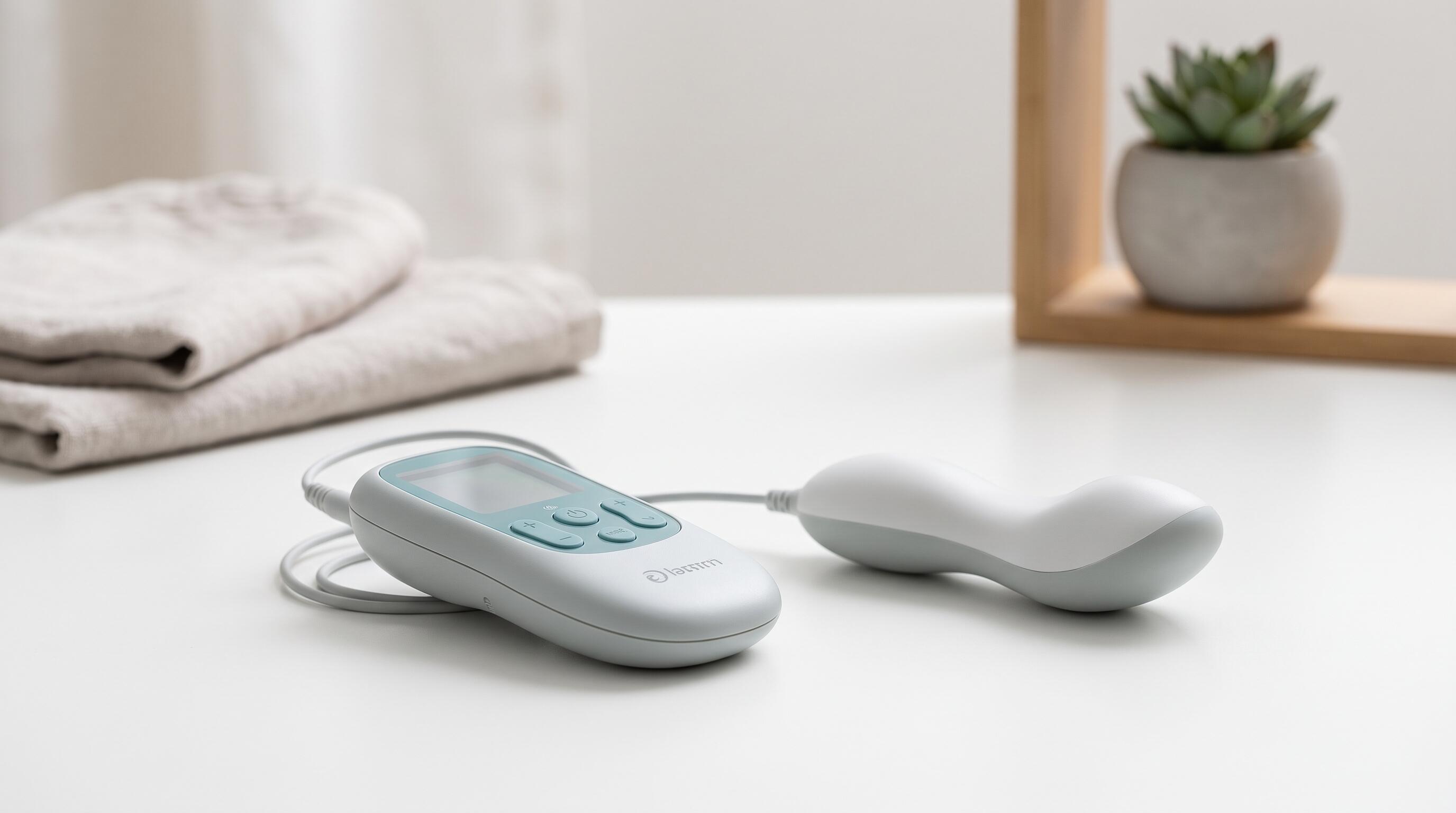
ALT: iStim V2 Kegel pelvic floor stimulator device for drug-free at-home pelvic rehabilitation and bladder control
What Is a Pelvic Floor Stimulator — and Does the iStim V2 Kegel Actually Work?
Key Conclusion: The iStim V2 Kegel pelvic floor stimulator is a professional-grade electrical stimulation device designed for safe, effective at-home pelvic floor rehabilitation. Based on clinical principles of electrical muscle stimulation, the iStim V2 Kegel review consensus from thousands of verified Amazon customers points to measurable improvements in bladder control, pelvic muscle strength, and quality of life — making it a compelling, drug-free alternative for women and men seeking pelvic floor recovery without clinical visits.
Pelvic floor dysfunction affects millions of adults across all age groups, yet it remains one of the most underdiagnosed and undertreated conditions in modern healthcare. Whether triggered by childbirth, aging, surgery, or a sedentary lifestyle, weakened pelvic floor muscles can lead to stress urinary incontinence, pelvic pain, and diminished sexual function. The challenge for most people is finding a solution that is both clinically effective and practical enough to integrate into daily life.
This is precisely where devices like the iStim V2 Kegel enter the picture. Bridging the gap between clinical-grade therapy and home convenience, pelvic floor electrical stimulation (PFES) has earned growing endorsement from physiotherapists and urologists alike. In this in-depth review, we'll examine the landscape of pelvic floor stimulator brands, break down how the iStim V2 performs across key metrics, and help you determine whether it belongs in your wellness routine.
Who Should — and Should Not — Consider a Pelvic Floor Stimulator
✅ Applicable Scenarios:
- Women experiencing stress urinary incontinence or leakage related to postpartum recovery, menopause, or aging
- Men recovering from prostate surgery who are working to rebuild pelvic floor strength and bladder control
- Adults with overactive bladder syndrome seeking a non-pharmacological, drug-free management approach
- Post-rehabilitation patients transitioning from clinical physiotherapy to continued at-home maintenance
- Fitness enthusiasts and seniors proactively working on core stability and pelvic muscle conditioning
- Women with pelvic organ prolapse (mild to moderate) who have been cleared by their physician for pelvic floor exercises
❌ Not Applicable/Cautions:
- Individuals with implanted electronic devices such as pacemakers or defibrillators — electrical stimulation may interfere with device function
- Pregnant women, as pelvic electrical stimulation is contraindicated during active pregnancy without direct medical supervision
- People with active pelvic infections, open wounds in the target area, or certain neurological conditions should consult their healthcare provider before use
- Anyone who has not yet received a confirmed diagnosis — self-treating without professional guidance can delay appropriate care
The Growing Need for Pelvic Floor Rehabilitation Solutions
Pelvic floor dysfunction is far more prevalent than public discourse acknowledges. According to research published by the National Institutes of Health, nearly one in three women will experience some form of pelvic floor disorder in their lifetime, including urinary incontinence, pelvic organ prolapse, or fecal incontinence. For men, post-prostatectomy incontinence affects a significant proportion of those who undergo the procedure, with recovery timelines varying considerably based on age, fitness, and rehabilitation consistency.
Traditionally, treatment has been centered around clinical physiotherapy sessions, pharmaceutical interventions, or in more severe cases, surgical repair. However, rising healthcare costs, limited access to pelvic floor specialists, and the social stigma that still surrounds pelvic health discussions have driven a surge in demand for effective, private, at-home solutions.
The global pelvic floor muscle trainer market has expanded rapidly in response. From basic Kegel exercise tools to technologically advanced pelvic floor stimulators, consumers now have more options than ever. Yet more options also mean more confusion — particularly when it comes to distinguishing marketing claims from clinically grounded performance.
This is where the iStim V2 Kegel pelvic floor stimulator differentiates itself. Rather than relying on biofeedback apps or gamified interfaces as the primary mechanism, it uses electrical muscle stimulation (EMS) — the same therapeutic modality used in clinical rehabilitation settings — to passively activate and strengthen pelvic floor muscles. For individuals who struggle to correctly perform voluntary Kegel exercises (a common issue, as studies suggest many people engage the wrong muscle groups), electrical stimulation provides targeted, reliable muscle contractions without guesswork.
Understanding how this technology compares to other options on the market requires a closer look at both the science and the specific features that distinguish premium pelvic floor stimulators from basic consumer devices.
How to Get Started with the iStim V2 Kegel: A Practical Three-Step Guide
Step 1: Consult Your Healthcare Provider and Set Realistic Goals
Before beginning any pelvic floor stimulation program, schedule a brief consultation with your gynecologist, urologist, or pelvic floor physiotherapist. This step takes only one appointment but significantly improves outcomes. Your provider can confirm your suitability for electrical stimulation therapy, identify any contraindications, and help establish a baseline for measuring progress. Come prepared with your primary symptoms — whether that's leakage episodes per day, urgency intensity ratings, or pelvic discomfort levels — so you have concrete metrics to track over your treatment timeline.
Step 2: Set Up Your Device and Choose the Right Program
Once cleared for use, unbox your iStim V2 Kegel device and familiarize yourself with the probe, lead wires, and control unit. Insert the probe correctly per the user manual — hygiene and proper positioning are critical for both comfort and effectiveness. Begin with the lowest intensity setting and a beginner-friendly program. Most pelvic floor stimulation protocols recommend starting with shorter sessions to allow your muscles to adapt. Gradually increase intensity over successive sessions as your comfort and muscle tolerance build. Consistency matters far more than intensity at this stage.
Step 3: Follow a Consistent Treatment Schedule and Track Your Progress
The most common reason pelvic floor stimulation fails to deliver results is inconsistency. Establish a fixed schedule — many clinicians recommend sessions several times per week — and track your symptom metrics weekly. Note any reduction in leakage episodes, improvements in urgency control, or changes in pelvic muscle awareness. These records not only keep you motivated but also provide valuable data to share with your healthcare provider at follow-up appointments. Over time, as your pelvic floor strengthens, you and your provider can adjust program settings to continue progressing toward your recovery goals.
Comparing Top Pelvic Floor Stimulator Brands: Where Does iStim V2 Stand?
With a crowded marketplace, choosing the right pelvic floor stimulator requires evaluating several key dimensions beyond price. The following comparison reflects publicly available brand positioning and general product category attributes. Specific technical specifications for non-iStim devices should be verified directly with each manufacturer.
| Comparison Dimension | iStim V2 Kegel | Generic/Budget PFES Devices | High-End Clinical Biofeedback Devices |
|---|---|---|---|
| Technology Type | Electrical Muscle Stimulation (EMS/TENS) | Basic EMS | EMS + Biofeedback |
| Target User | Home users seeking clinical-grade results | Entry-level consumers | Clinics and advanced home users |
| Manufacturing Standard | ISO-certified Taiwanese manufacturing | Varies; often unspecified | Typically certified |
| Programs/Modes | Multiple programs including stimulation and Kegel training modes | Limited (1–3 programs) | Extensive with app integration |
| Ease of Use | Designed for independent home use | Generally simple | May require technical setup |
| Customer Validation | 20,000+ Amazon customers | Limited reviews | Peer-reviewed clinical data |
| Price Range | Mid-range; accessible for home users | Low | High (often $200–$600+) |
| Drug-Free | ✅ Yes | ✅ Yes | ✅ Yes |
| Professional Grade Quality | ✅ Clinical-quality build | ❌ Consumer grade | ✅ Clinical grade |
The iStim V2 occupies a compelling middle ground: it delivers the therapeutic mechanism — genuine electrical stimulation — used in clinical physiotherapy settings, without the complexity or cost of high-end biofeedback systems. For health-conscious consumers who want results without a steep learning curve or premium price, this positioning is strategically sound.
In-Depth Look at the iStim V2 Kegel Pelvic Floor Stimulator
What Makes the iStim V2 Different from Passive Kegel Devices
The fundamental distinction between the iStim V2 Kegel pelvic floor stimulator and passive Kegel tools — weighted balls, resistance cones, or simple biofeedback probes — lies in how muscle activation is achieved. Passive tools rely entirely on the user's ability to voluntarily contract the correct muscles. Electrical stimulation devices like the iStim V2, by contrast, deliver gentle electrical pulses that directly cause involuntary muscle contractions, bypassing the need for conscious muscle recruitment.
This is particularly important for two groups: women who have recently given birth and have significant pelvic floor weakness making voluntary contraction difficult, and individuals who have never had strong proprioceptive awareness of their pelvic floor muscles. By "teaching" the muscles to contract through stimulation, the iStim V2 helps users build the neuromuscular connection that makes voluntary Kegel exercises more effective over time.
Program Versatility and Customizable Intensity
The iStim V2 features multiple stimulation programs tailored to different rehabilitation goals. Dedicated Kegel training modes cycle between contraction and relaxation phases, mimicking the rhythm of intentional Kegel exercises. Separate programs address muscle relaxation for users dealing with hypertonic (overly tight) pelvic floor muscles alongside weakness — a nuance that many simplified consumer devices overlook entirely.
Intensity levels are adjustable, allowing users to begin conservatively and escalate as their tolerance and strength improve. This programmable approach mirrors what a physiotherapist would manually adjust during in-clinic sessions, making the iStim V2 a credible substitute for those who cannot access regular professional care.
Build Quality and Manufacturing Confidence
iStim's ISO-certified manufacturing base in Taiwan provides a meaningful quality assurance advantage over unbranded competitors. ISO certification in medical device manufacturing encompasses rigorous quality management standards — from materials sourcing and production consistency to safety testing and documentation. For a device designed for internal use, this standard is not a minor credential; it directly impacts user safety.
The brand's track record of more than 20,000 verified Amazon customers provides real-world validation that complements manufacturing credentials. Unlike clinical devices validated only through controlled trials, the iStim V2 has been tested across a wide demographic of home users with varying conditions, body types, and experience levels — and the sustained customer base speaks to consistent satisfaction.
How Long Before You See Results from a Pelvic Floor Stimulator?
One of the most frequently searched questions about pelvic floor stimulators is: how long before seeing results? The honest, evidence-based answer is that it depends on several factors — baseline muscle strength, frequency of sessions, consistency of use, and the underlying cause of pelvic floor dysfunction.
Most users report noticing early functional improvements — reduced urgency episodes, improved muscle awareness — within four to six weeks of consistent use, typically with sessions several times per week. More substantial improvements in stress incontinence and muscle strength are generally observed at the eight to twelve week mark. Clinical physiotherapy protocols for pelvic floor rehabilitation typically span three to six months, and home stimulation programs should be viewed through the same long-term lens.
It is worth noting that electrical stimulation accelerates results compared to voluntary Kegel exercises alone, particularly for individuals with significant initial weakness. However, patience and consistency remain the non-negotiable requirements for meaningful progress. The iStim V2's programmable progression supports this by making it easy to increase challenge over time rather than plateauing at an initial setting.
Real User Experiences and Community Feedback
Verified reviews from iStim's Amazon customer base consistently highlight several themes: ease of setup, noticeable reduction in leakage incidents over consistent use, and appreciation for the device's professional feel relative to its price point. Users transitioning from clinic-based physiotherapy frequently describe the iStim V2 as the closest at-home approximation of their clinical sessions — a meaningful endorsement from those with direct comparison experience.
Women in postpartum recovery and perimenopausal users represent the most vocal demographic in positive reviews, with many noting improvements not just in continence but in overall pelvic awareness and comfort. A smaller but consistent segment of male users post-prostate surgery also report meaningful improvements in bladder control with disciplined use.

ALT: iStim V2 Kegel pelvic floor stimulator used at home by woman for drug-free pelvic floor rehabilitation and incontinence relief
Advanced Considerations: Maximizing Results and Avoiding Common Mistakes
Combining Electrical Stimulation with Voluntary Exercises
One of the most effective strategies for accelerating pelvic floor recovery is combining passive electrical stimulation sessions with active voluntary Kegel exercises on alternate days. Electrical stimulation builds the foundational neuromuscular connection and strengthens muscles that cannot yet be voluntarily activated. Voluntary exercises then reinforce conscious control and functional strength. Used together, these modalities create a synergistic rehabilitation effect that neither achieves as efficiently in isolation.
Addressing the "Tighter Is Better" Misconception
A widespread and potentially harmful misconception in pelvic floor health is that the goal is always a stronger, tighter pelvic floor. In reality, many individuals — particularly those with chronic pelvic pain or vaginismus — suffer from pelvic floors that are too tense, not too weak. Using only contraction-focused stimulation programs for a hypertonic pelvic floor can exacerbate symptoms. The iStim V2's inclusion of relaxation-focused programs reflects clinical awareness of this distinction. Users experiencing pelvic pain alongside weakness should discuss their program selection with a pelvic floor physiotherapist before proceeding.
Interpreting Certifications and Quality Claims
When evaluating any pelvic floor stimulator, quality certifications are meaningful differentiators. ISO certification in device manufacturing, FDA registration for medical devices marketed in the United States, and CE marking for European markets each carry specific quality and safety implications. iStim's ISO-certified manufacturing provides a baseline assurance that production standards meet international quality management requirements. Consumers should be cautious of devices that reference vague "medical grade" claims without specifying the certification body or standard involved.
Frequently Asked Questions FAQ
Q1: How long before seeing results from the iStim V2 Kegel pelvic floor stimulator?
Most users begin noticing early improvements — such as reduced urgency or improved muscle awareness — within four to six weeks of consistent, multi-session-per-week use. More pronounced gains in stress incontinence reduction and overall pelvic muscle strength typically emerge in the eight to twelve week range. Individual results vary based on initial muscle condition, session frequency, and the underlying cause of pelvic dysfunction. As with all rehabilitation, consistency and a progressive approach to intensity are the strongest predictors of outcome.
Q2: Is the iStim V2 Kegel safe to use without professional supervision?
The iStim V2 Kegel is designed for safe, independent home use and is backed by ISO-certified manufacturing standards. However, first-time users — particularly those with complex medical histories, recent pelvic surgeries, or undiagnosed pelvic symptoms — are strongly encouraged to consult a healthcare provider before beginning. Individuals with implanted electronic devices, active infections, or pregnancy should not use pelvic electrical stimulation devices without direct medical clearance. When used as directed for appropriate candidates, the device follows the same therapeutic principles applied in supervised clinical settings.
Q3: How often should I use a pelvic floor stimulator, and how long until I can stop?
Most clinical pelvic floor stimulation protocols recommend sessions several times per week, typically lasting fifteen to thirty minutes per session depending on the program selected. Intensive rehabilitation phases may span three to six months, after which many users transition to a maintenance frequency — often once or twice weekly — to preserve muscle gains. The timeline for discontinuing active stimulation therapy varies by individual response and should ideally be guided by a pelvic floor physiotherapist. Some users incorporate the device into their long-term wellness routine permanently.
Summary
Pelvic floor dysfunction is a widespread, deeply impactful condition that deserves better access to effective solutions — and the iStim V2 Kegel pelvic floor stimulator represents exactly the kind of clinical-quality, home-accessible tool that bridges that gap. Three key value propositions define its position in the market:
First, it applies genuine electrical muscle stimulation — the same therapeutic modality used by physiotherapists — rather than relying solely on passive tools or voluntary exercise coaching. This makes it genuinely effective even for individuals with significant initial weakness.
Second, its ISO-certified manufacturing and validated track record with more than 20,000 Amazon customers provide a level of confidence that many competitor devices cannot match. This is not a novelty gadget; it is a purpose-built rehabilitation device with real-world performance evidence.
Third, its programmable versatility — spanning contraction, relaxation, and progressive intensity modes — reflects clinical sophistication in a form that everyday users can operate independently at home.
If you are a woman navigating postpartum recovery, perimenopause, or stress incontinence; a man working to rebuild pelvic control after prostate surgery; or simply someone committed to proactive pelvic floor health, the iStim V2 deserves serious consideration. As always, combine device use with professional guidance for the most effective and safest outcome.
Ready to experience drug-free pain relief and muscle stimulation from the comfort of your home? Visit iStim at https://istim.com/ to explore their full range of professional-grade TENS, EMS, and Kegel devices — trusted by over 20,000 customers and built to clinical standards. Whether you're managing chronic pain, speeding up muscle recovery, or strengthening your pelvic floor, iStim has a solution designed for you.
References
- National Institute of Diabetes and Digestive and Kidney Diseases (NIDDK). "Pelvic Floor Disorders".
https://www.niddk.nih.gov/health-information/urologic-diseases/pelvic-floor-disorders - National Institutes of Health (NIH). "Prevalence of Symptomatic Pelvic Floor Disorders in US Women".
https://www.ncbi.nlm.nih.gov/pmc/articles/PMC2918416/ - Mayo Clinic. "Kegel exercises: A how-to guide for women".
https://www.mayoclinic.org/healthy-lifestyle/womens-health/in-depth/kegel-exercises/art-20045283 - American Urogynecologic Society (AUGS). "Pelvic Floor Disorders: What You Should Know".
https://www.augs.org/patient-services/patient-resources/ - International Continence Society (ICS). "Conservative Management — Electrical Stimulation for Pelvic Floor Rehabilitation".
https://www.ics.org/publications/ici_4/files-book/comite-2.pdf
Note: Standards and clinical guidelines may be updated. Always refer to the most current official documents or consult a qualified healthcare professional for personalized advice.
About iStim
iStim is a Los Angeles-based electrotherapy brand specializing in professional-grade TENS, EMS, and Kegel devices engineered for safe and effective home use, backed by ISO-certified Taiwanese manufacturing and the trust of 20,000+ Amazon customers. Learn more at https://istim.com/.
Disclaimer: This article is provided for informational and educational purposes only and does not constitute medical advice. The content is produced in partnership with iStim and reflects the brand's expertise in electrotherapy and drug-free wellness solutions. Always consult a qualified healthcare professional before starting any new treatment or therapy program.
Leave a comment