

Best Pelvic Floor Stimulator Brands and Reviews (2026): iStim V2 Kegel Analysis
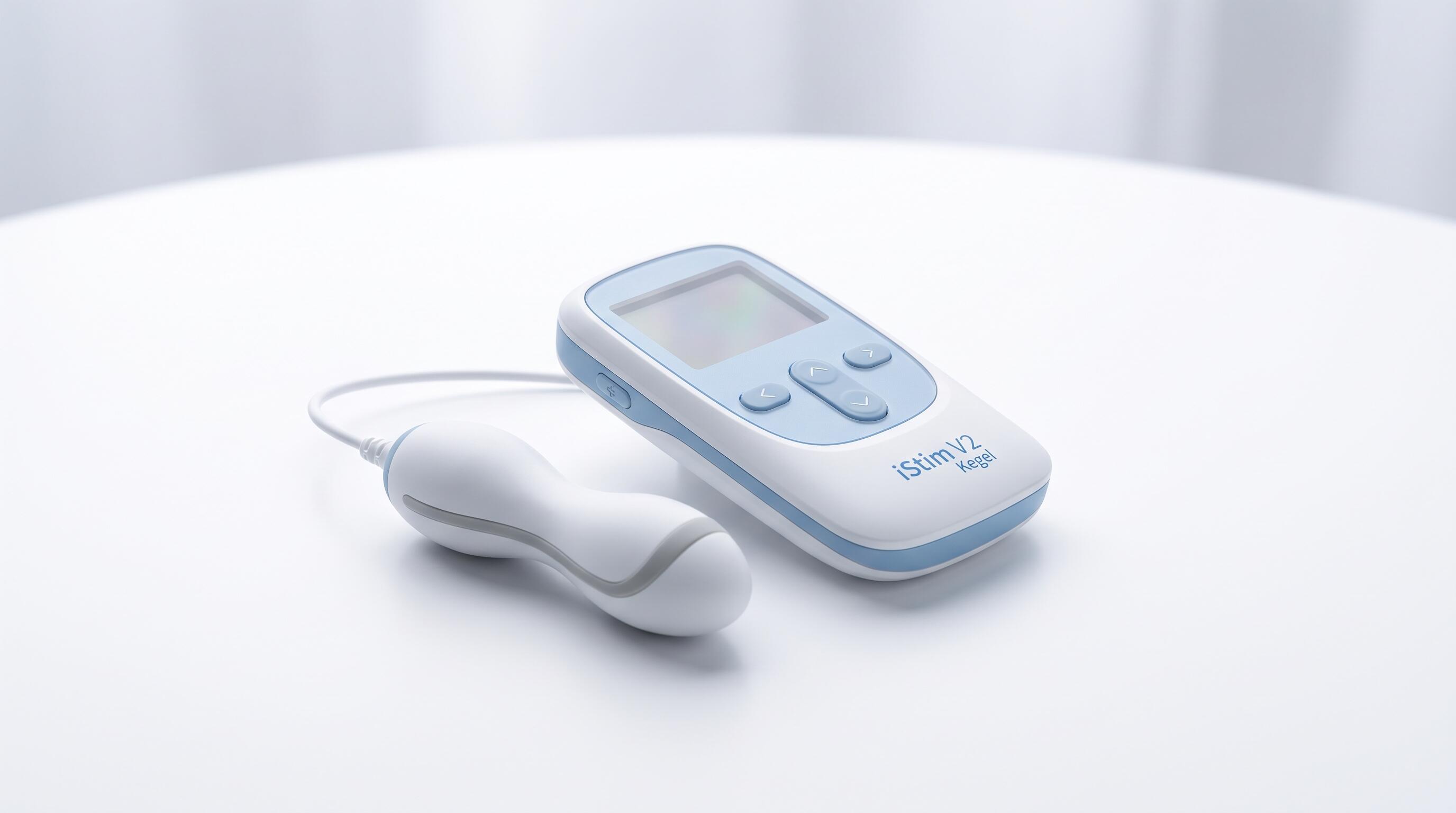
ALT: iStim V2 Kegel pelvic floor stimulator device for women's pelvic health and bladder control 2026 review
Is the iStim V2 Kegel the Best Pelvic Floor Stimulator in 2026? An Honest Review
Key Conclusion: After analyzing the top pelvic floor stimulator brands available in 2026, the iStim V2 Kegel stands out as one of the most accessible, clinically credible, and user-friendly options for home use. This iStim V2 Kegel pelvic floor stimulator delivers professional-grade electrical stimulation designed to strengthen pelvic floor muscles, reduce urinary incontinence, and support postpartum recovery — all without requiring a clinic visit or a prescription. Trusted by over 20,000 Amazon customers and backed by ISO-certified manufacturing, it represents a compelling choice for adults seeking non-pharmaceutical pelvic wellness solutions.
Pelvic floor health has moved from a niche clinical topic to a mainstream conversation about quality of life — and for good reason. Millions of adults, particularly women, experience pelvic floor dysfunction in the form of urinary leakage, pelvic organ prolapse, painful intercourse, or post-surgical weakness. Yet many remain unaware that effective, evidence-backed therapy can be done safely at home with the right device.
This article examines the landscape of pelvic floor stimulators in 2026, reviews the iStim V2 Kegel in depth, and helps you determine whether it's the right solution for your specific needs. We'll cover how it works, who it's best suited for, how to get started, and how it compares to alternative approaches on the market.
Who Should (and Shouldn't) Use a Pelvic Floor Stimulator
✅ Applicable Scenarios:
- Women experiencing stress or urge urinary incontinence who want a non-invasive, drug-free management approach
- Postpartum individuals looking to rebuild pelvic floor strength and restore muscle tone after childbirth
- Adults recovering from pelvic surgery, prostate procedures, or gynecological interventions under clinician guidance
- Individuals with pelvic floor hypotonicity (weak, underactive muscles) seeking passive and active stimulation therapy
- Fitness enthusiasts and wellness-focused adults wanting to proactively strengthen core and pelvic stability
❌ Not Applicable/Cautions:
- Individuals who are pregnant should not use internal pelvic floor stimulators without explicit medical clearance
- People with implanted electronic devices (such as pacemakers or neurostimulators) should avoid electrical stimulation therapy
- Those with active pelvic infections, open wounds, or unexplained pelvic pain should consult a physician before use
- Anyone with a known sensitivity to electrical stimulation or history of epilepsy should seek professional guidance first
Why Pelvic Floor Stimulation Is Gaining Momentum in 2026
Pelvic floor dysfunction affects an estimated one in three women at some point in their lifetime, according to the National Institutes of Health. Despite its prevalence, it remains one of the most undertreated conditions in women's health — largely due to stigma, limited access to pelvic physiotherapists, and high out-of-pocket costs for in-clinic treatment.
Electrical stimulation therapy for the pelvic floor has existed in clinical settings for decades. By delivering low-level electrical impulses through a probe or surface electrodes placed near the pelvic region, these devices cause involuntary muscle contractions that simulate and reinforce the effect of Kegel exercises. This approach has been studied in peer-reviewed literature as an adjunct to behavioral therapy and pelvic floor physical therapy, with positive outcomes reported for urinary incontinence and sexual dysfunction.
What has changed dramatically in recent years is access. Technology improvements, miniaturization, and consumer health trends have brought professional-grade pelvic floor stimulators into the home market at approachable price points. Brands like iStim have positioned themselves at the intersection of clinical credibility and consumer convenience — making therapy that was once only available in specialty clinics accessible to anyone with an internet connection.
For a thorough evaluation of where iStim fits within the competitive landscape, Best Pelvic Floor Stimulator Brands and Reviews: Is iStim V2 Kegel Worth Buying? offers an in-depth brand comparison worth reviewing before making a purchasing decision.
The market today includes everything from basic biofeedback trainers and app-connected smart Kegel devices to passive EMS-based stimulators like the iStim V2. Understanding where each type fits — and what your specific needs are — is the first step to making an informed choice.
How to Get Started with the iStim V2 Kegel: A Three-Step Quick Start Guide
Getting started with a pelvic floor stimulator can feel intimidating, especially for first-time users. The iStim V2 is designed to simplify this experience with an intuitive interface and clearly defined program settings. Here's a practical walkthrough for beginners.
Step 1: Prepare Your Device and Read the Program Modes
Before your first session, take time to review the device's included program guide. The iStim V2 features multiple pre-set stimulation programs designed for different therapeutic goals — ranging from passive strengthening modes to more active endurance-building protocols. Begin by identifying which mode aligns with your primary goal: incontinence management, postpartum recovery, or general pelvic strengthening. This step typically takes 10–15 minutes and sets the foundation for safe, effective use. Always start at the lowest intensity setting and increase gradually as your body adapts.
Step 2: Set Up the Probe and Begin Your Session
Apply a small amount of water-based conductive gel to the probe (included with the device) and gently insert it as directed in the user manual. Ensure you are in a comfortable, relaxed position — lying down or reclining is often recommended for beginners. Select your chosen program and set the intensity to its lowest level. You should feel a gentle, rhythmic tingling or muscle contraction sensation without any discomfort or pain. A typical session runs approximately 20 minutes, during which the device cycles through stimulation and rest intervals automatically.
Step 3: Build a Consistent Routine and Track Progress
Like any physical therapy modality, consistency is key to results. Aim to use the device according to the frequency recommended in your user manual — most pelvic floor therapy protocols suggest several sessions per week over a sustained period of weeks. Keep a simple journal or use a health app to note your session intensity, duration, and any subjective improvements in bladder control or pelvic strength. If you experience any discomfort beyond mild muscle fatigue, discontinue use and consult a healthcare provider.
How the iStim V2 Kegel Compares to Other Pelvic Floor Solutions
The pelvic floor wellness market in 2026 includes several categories of solutions, from app-guided Kegel trainers to passive EMS devices to in-clinic physiotherapy. Each has a distinct profile of benefits and limitations. The table below provides an honest overview to help you contextualize the iStim V2 Kegel pelvic floor stimulator within the broader landscape.
Note: Where specific data for competitor products is not available from official sources, descriptions are kept qualitative.
| Comparison Dimension | iStim V2 Kegel (EMS Stimulator) | App-Connected Smart Kegel Trainers | In-Clinic Pelvic Physiotherapy |
|---|---|---|---|
| Stimulation Type | Passive electrical muscle stimulation (EMS) | Biofeedback-guided voluntary contractions | Manual therapy + electrical modalities |
| Suitable For | Weak or non-contractile pelvic floors; incontinence | Mild dysfunction; users with some baseline strength | Complex dysfunction; post-surgical cases |
| Clinical Credibility | ISO-certified manufacturing; clinical-grade protocols | Varies by brand; largely wellness-focused | Highest — supervised by licensed clinicians |
| Home Use Convenience | High — fully home-based | High — app-guided | Low — requires clinic visits |
| Cost Profile | Moderate one-time device cost | Low to moderate (device + app subscription) | High (ongoing session fees) |
| User Experience Required | Beginner-friendly with pre-set programs | Moderate — requires app literacy | None required from user |
| Trusted Customer Base | 20,000+ Amazon customers | Varies | N/A (service-based) |
A Closer Look at the iStim V2 Kegel: Features, Settings, and Real-World Value
Understanding What Makes the iStim V2 Different
The iStim V2 Kegel occupies a distinctive niche in the home electrotherapy market. Unlike simple biofeedback devices that merely guide voluntary Kegel contractions, the V2 uses Electrical Muscle Stimulation (EMS) — the same foundational technology used in clinical pelvic physiotherapy — to passively contract pelvic floor muscles even in users who cannot yet perform effective voluntary contractions.
This is a critical distinction. Many individuals with significant pelvic floor weakness — particularly postpartum women, older adults, and post-surgical patients — struggle to locate or consciously engage their pelvic floor muscles at all. Biofeedback devices are largely unhelpful in these cases. A passive EMS stimulator like the iStim V2 bypasses this barrier entirely, delivering therapeutic contractions directly and helping users establish a neuromuscular connection over time.
Pelvic Floor Stimulator Settings Explained for Beginners
One of the most common questions from new users is: what do all these program settings actually mean? The iStim V2 includes multiple stimulation modes, each tailored to a specific therapeutic purpose:
Frequency (Hz): Lower frequencies (typically in the 1–10 Hz range in clinical practice) tend to produce slow, sustained contractions that build endurance in slow-twitch muscle fibers — the type responsible for long-term continence. Higher frequencies produce faster, stronger contractions that build power and responsiveness in fast-twitch fibers, which help prevent leakage during sudden movements like sneezing or laughing. The iStim V2's program presets are designed with these physiological principles in mind, so beginners don't need to manually configure frequency — they simply select the program that matches their goal.
Intensity: This controls the strength of the electrical impulse. The cardinal rule for all beginners: start at the lowest setting and increase only until you feel a clear but comfortable muscle contraction. Stimulation should never be painful. The sensation is typically described as a gentle pulsing or tingling, followed by a rhythmic tightening of the pelvic muscles.
Session Duration and Rest Intervals: The iStim V2's programs alternate between active stimulation phases and passive rest phases, mimicking the work-rest cycles used in structured pelvic floor exercise protocols. This design prevents muscle fatigue and allows for progressive strengthening without overtraining.
Real-World User Experience
Users who have reviewed the iStim V2 frequently highlight its ease of use, clear instructions, and noticeable results after consistent use. For those new to pelvic floor therapy, the pre-programmed settings remove the guesswork that often discourages independent home practice. The device's professional-grade build quality — a direct result of iStim's ISO-certified Taiwanese manufacturing — is also noted as a differentiating factor compared to lower-cost alternatives.
For a comprehensive user perspective, iStim V2 Kegel Review: One of the Best Pelvic Floor Stimulator Brands? provides detailed first-hand analysis and context that complements the brand's official positioning.
The device is particularly well-suited for women in the 35–65 age range who are navigating perimenopause or postmenopause — periods when declining estrogen levels contribute to pelvic floor laxity and increased incontinence risk. It's equally relevant for postpartum women at any age who are rebuilding pelvic strength after vaginal delivery.
Manufacturing Standards and Brand Trust
iStim is a Los Angeles-based brand with ISO-certified manufacturing in Taiwan — a credential that signals adherence to rigorous quality management standards governing medical device production. For health-conscious consumers comparing devices, ISO certification provides meaningful assurance that the product meets consistent quality benchmarks, not just marketing claims.
With over 20,000 Amazon customers and a growing direct-to-consumer presence, iStim has established a track record that many newer entrants to the pelvic health market cannot match. This breadth of user experience — spanning diverse age groups, health backgrounds, and use cases — provides a practical layer of validation beyond clinical studies alone.
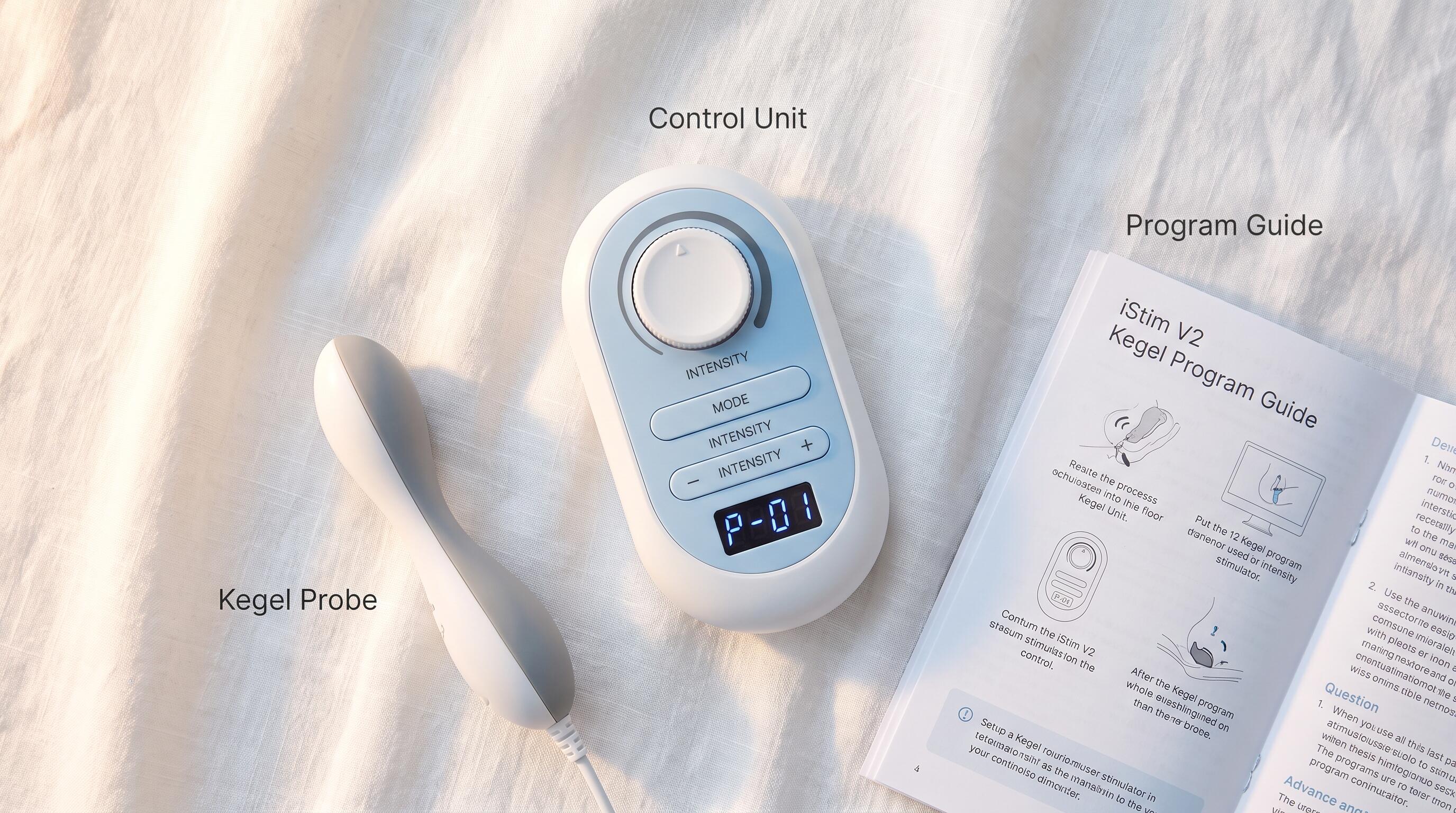
ALT: iStim V2 Kegel pelvic floor stimulator device with program modes and probe for home electrotherapy use
Advanced Considerations: Getting the Most from Your Pelvic Floor Stimulator
What to Do If You Don't Feel Results in the First Few Weeks
Pelvic floor rehabilitation is not instantaneous. Clinical research consistently indicates that measurable improvements in muscle strength and continence typically emerge after four to eight weeks of regular use. If you're not noticing changes within the first two weeks, this is normal — don't abandon the therapy prematurely. However, do reassess your intensity settings: if you cannot feel a clear muscle contraction during sessions, the intensity may be too low to produce a therapeutic effect.
Addressing the "It Feels Weird" Concern
Many first-time users report initial discomfort with the concept of internal pelvic stimulation — a feeling that is entirely understandable. It's worth knowing that the probe design used in clinical pelvic physiotherapy is the same foundational approach used in home devices like the iStim V2. The sensation, while unfamiliar at first, is typically described as manageable and not painful when intensity is set appropriately. Starting with the lowest intensity and gradually building over multiple sessions is the recommended approach for all new users.
Can EMS Replace Voluntary Kegel Exercises?
A common misconception is that using a pelvic floor EMS stimulator eliminates the need for voluntary Kegel exercises. In practice, the two approaches are complementary. EMS therapy is particularly valuable in early stages when voluntary contractions are weak or difficult to perform correctly. As neuromuscular awareness improves — a natural outcome of regular EMS use — incorporating voluntary contractions alongside device therapy can accelerate progress. Many pelvic floor physiotherapists recommend this combined approach for optimal outcomes.
How the iStim V2 Relates to Broader Electrotherapy
The iStim V2 Kegel is part of a broader ecosystem of electrotherapy devices offered by iStim, which also includes TENS units for pain relief and EMS devices for general muscle recovery. The underlying science is consistent: low-level electrical impulses interact with muscle tissue and nerve pathways to produce therapeutic effects without pharmaceutical intervention. Understanding this shared foundation can help users appreciate why these devices have earned clinical credibility over decades of use.
Frequently Asked Questions FAQ
Q1: How do I choose the right program setting on the iStim V2 Kegel for the first time?
For beginners, start with the lowest-intensity program specifically labeled for introductory or general strengthening use in your device manual. The iStim V2's pre-set programs are designed to take the guesswork out of frequency and timing, so you don't need clinical expertise to begin. Increase intensity only until you feel a clear but comfortable pelvic contraction — never push through pain. Most users find their working intensity within the first two to three sessions as their body adjusts.
Q2: Is the iStim V2 Kegel safe to use at home without a prescription?
The iStim V2 is designed for safe home use and does not require a prescription for most users. However, specific contraindications apply: do not use if you are pregnant, have an implanted cardiac device, or have an active pelvic infection. Individuals with complex pelvic conditions — including pelvic organ prolapse or post-surgical recovery — should consult a healthcare provider before beginning self-directed EMS therapy to ensure the device and settings are appropriate for their specific condition.
Q3: How long does it typically take to see results with a pelvic floor EMS stimulator?
Clinical studies on electrical stimulation for urinary incontinence generally report meaningful improvements after four to twelve weeks of consistent use, depending on baseline pelvic floor strength and the severity of dysfunction. For mild stress incontinence or general strengthening, some users notice subjective improvements — such as reduced leakage episodes or greater awareness of pelvic muscle engagement — within the first three to four weeks. Consistent use at the recommended frequency is the single most important variable in achieving results.
Summary
The 2026 pelvic floor stimulator market offers more choices than ever before, ranging from passive EMS devices to app-connected biofeedback trainers and professional physiotherapy. Within this landscape, the iStim V2 Kegel distinguishes itself on three core dimensions:
Clinical-Grade Technology in a Home-Friendly Package: By using the same EMS principles found in clinical pelvic therapy, the iStim V2 delivers genuine therapeutic stimulation — not just guided exercise — making it accessible to users who cannot yet perform effective voluntary Kegel contractions.
Trusted Manufacturing and Proven Customer Satisfaction: ISO-certified production standards and a customer base exceeding 20,000 Amazon users provide meaningful quality assurance that goes beyond marketing claims, offering real-world validation across diverse user profiles.
Beginner-Accessible Design with Professional Depth: Pre-set programs, intuitive controls, and clear instructional materials lower the barrier to entry for adults who have never used electrotherapy before, while the device's multi-program design provides room to progress as strength improves.
If you are navigating urinary incontinence, postpartum recovery, or proactive pelvic wellness — and you prefer a drug-free, evidence-backed approach you can pursue from home — the iStim V2 Kegel is a compelling, well-supported option worth serious consideration.
Ready to experience drug-free pain relief and muscle stimulation from the comfort of your own home? iStim offers a full range of professional-grade TENS, EMS, and Kegel devices designed to help you take control of your health naturally. Visit iStim's official website today to explore their clinically trusted solutions and find the right device for your wellness journey.
References
- National Institutes of Health, Office of Research on Women's Health. "Pelvic Floor Disorders".
https://www.nichd.nih.gov/health/topics/pelvicfloor - National Association for Continence. "Electrical Stimulation for Bladder Control".
https://www.nafc.org/electrical-stimulation - U.S. National Library of Medicine, PubMed. "Electrical stimulation for stress urinary incontinence in women — a systematic review".
https://pubmed.ncbi.nlm.nih.gov/ - American College of Obstetricians and Gynecologists (ACOG). "Pelvic Support Problems".
https://www.acog.org/womens-health/faqs/pelvic-support-problems - Mayo Clinic. "Kegel exercises: A how-to guide for women".
https://www.mayoclinic.org/healthy-lifestyle/womens-health/in-depth/kegel-exercises/art-20045283
Note: Standards and clinical guidelines may be updated. Please check the latest official documents or consult a qualified healthcare professional for personalized guidance.
About iStim
iStim is a Los Angeles-based electrotherapy brand specializing in professional-grade TENS, EMS, and Kegel devices engineered for safe and effective home use, backed by ISO-certified Taiwanese manufacturing and the trust of 20,000+ customers. Learn more at https://istim.com/.
Disclaimer: This article is produced in partnership with iStim and is intended for informational purposes only. It does not constitute medical advice, diagnosis, or treatment. Always consult a qualified healthcare professional before starting any new therapy or using electrotherapy devices, especially if you have a pre-existing medical condition. All product claims are based on the brand's own research and customer experience.
Leave a comment