

Best Neck Traction Device on Amazon: What to Look For
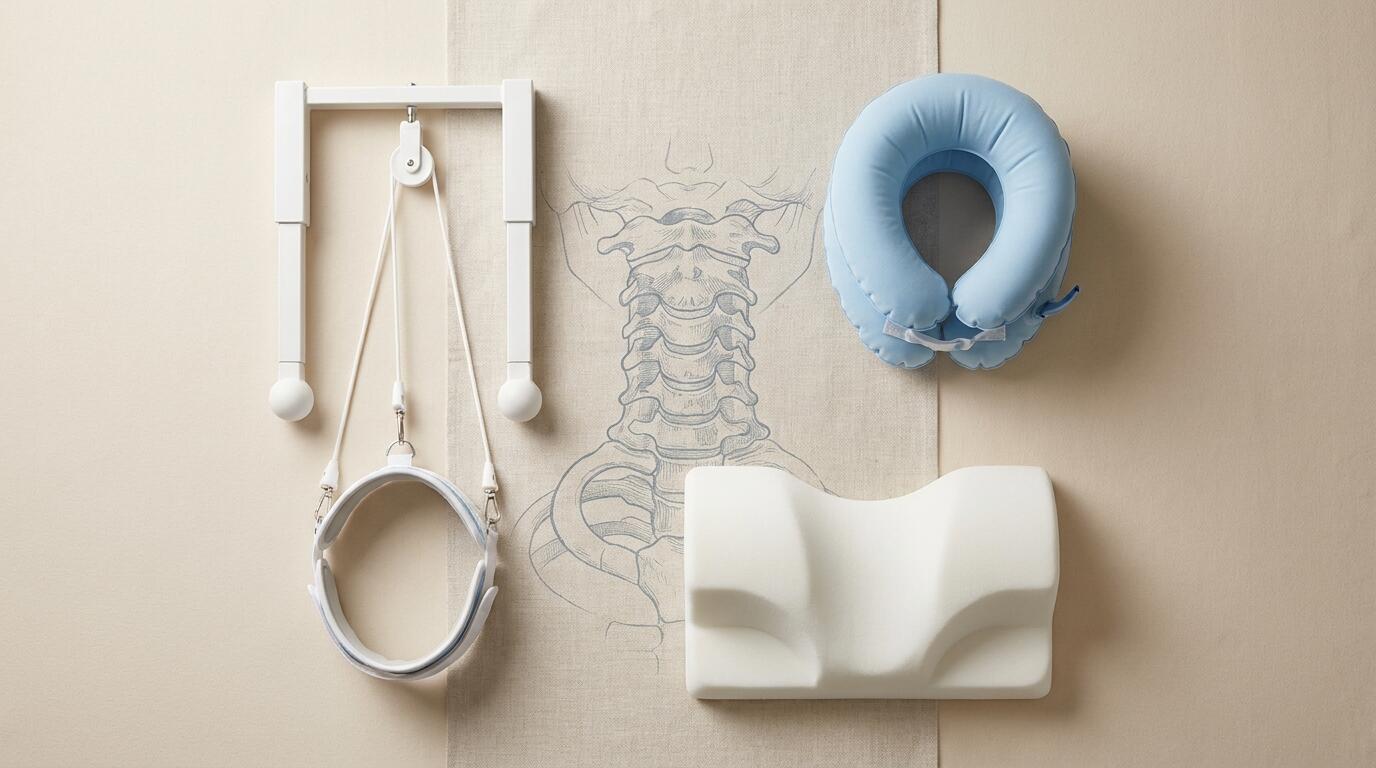
ALT: Best neck traction device on Amazon for cervical pain relief and spinal decompression at home
Why Choosing the Right Neck Traction Device Matters More Than You Think
Key Conclusion: Finding the best neck traction device is not simply a matter of picking the top-rated product on Amazon. It requires understanding your specific condition, evaluating device design, safety features, and ease of use, and matching those elements to your daily lifestyle. The right cervical traction device can meaningfully reduce nerve compression pain, improve mobility, and support non-pharmaceutical recovery — but only when chosen with informed care.
Neck pain is one of the most pervasive musculoskeletal complaints in modern life. Whether it stems from hours of desk work, a previous injury, or age-related cervical disc degeneration, the discomfort can ripple outward — causing headaches, shoulder tension, and even arm tingling from compressed nerve roots. Millions of people turn to Amazon every year searching for accessible, affordable, and safe solutions they can use at home.
Neck traction therapy — which gently elongates the cervical spine to reduce disc compression and relieve nerve pressure — has long been used in clinical rehabilitation settings. Home-based devices have brought this modality within reach. However, the Amazon marketplace offers dozens of variations, ranging from basic inflatable collars to sophisticated over-door cervical systems, making it easy to feel overwhelmed. This guide will help you cut through the noise with practical, evidence-informed criteria so you can identify the best option for your unique needs.
Who Can Benefit From Cervical Traction — And Who Should Pause
✅ Applicable Scenarios:
- Individuals experiencing chronic neck pain associated with cervical disc herniation or degenerative disc disease
- People with muscle tension headaches or upper back stiffness stemming from poor posture or prolonged screen time
- Post-rehabilitation patients cleared by a physician or physical therapist to continue decompression therapy at home
- Athletes or fitness enthusiasts managing cervical strain from training load or contact activities
- Office workers seeking a non-pharmaceutical daily maintenance tool for spinal health
❌ Not Applicable/Cautions:
- Individuals with spinal instability, cervical fractures, osteoporosis of the spine, or acute inflammatory conditions such as rheumatoid arthritis affecting the cervical region — traction can worsen these conditions
- Anyone who has not yet received a proper diagnosis for their neck pain; self-diagnosing and self-treating without medical guidance may delay appropriate care or cause harm
- People who experience increased pain, dizziness, or neurological symptoms (such as numbness or weakness) during or after traction use should discontinue immediately and consult a healthcare provider
The Growing Demand for At-Home Cervical Spine Relief
Neck pain affects a significant portion of the global adult population at any given time. Research published in the Annals of Rheumatic Diseases has found that neck pain is among the top four causes of disability-adjusted life years globally. As healthcare costs rise and access to in-clinic physical therapy becomes increasingly limited, patients and wellness consumers alike are seeking home-based interventions that replicate the benefits of professional treatment.
This shift has fueled explosive growth in the home rehabilitation device market. On Amazon alone, searches for cervical traction-related products have multiplied over the past several years, driven by a combination of remote work-induced postural strain, an aging population, and a broader cultural movement toward drug-free pain management.
Cervical traction works by applying a controlled, sustained or intermittent pulling force to the head and neck. This force gently creates space between the vertebrae, which can reduce the pressure placed on intervertebral discs and the nerve roots that pass between them. In clinical settings, this is administered using sophisticated mechanical or motorized traction tables. Home devices adapt this concept into more accessible formats — each with unique advantages and trade-offs.
Understanding which device type suits your condition is the foundational step before reading any Amazon review. A product with hundreds of five-star ratings may be entirely unsuitable if it does not match your anatomy, pain pattern, or usage context.
For those exploring complementary non-pharmaceutical therapies, combining cervical traction with modalities like TENS (Transcutaneous Electrical Nerve Stimulation) therapy has shown promise in managing chronic cervical pain. TENS therapy delivers gentle electrical impulses to interrupt pain signals and stimulate natural endorphin production — making it a popular pairing with traction in both clinical and home settings.
How to Evaluate and Choose the Best Neck Traction Device
Getting Started: A Three-Step Framework Before You Buy
Step 1: Identify Your Pain Pattern and Root Cause
Before browsing Amazon listings, invest 15–30 minutes consulting with your primary care physician or physical therapist. Understanding whether your neck pain originates from muscle tension, disc herniation, nerve impingement, or postural dysfunction will directly inform which traction style is most appropriate. A muscle-tension sufferer may respond well to a simple cervical stretch device, while someone with confirmed disc herniation typically requires a more controlled, graduated traction system.
Step 2: Match Device Type to Your Daily Lifestyle
Consider where and when you will use the device. If you work from home or can dedicate 15–20 minutes during a lunch break, an over-door traction system can be highly effective. If you travel frequently or prefer discreet use, an inflatable cervical collar may offer the portability you need. If you want passive decompression while lying down, a supine traction pillow or arch device could fit seamlessly into a bedtime routine. Matching form factor to lifestyle dramatically increases adherence.
Step 3: Set a Realistic Budget and Quality Threshold
Neck traction devices on Amazon range widely in price. Resist the temptation to choose purely based on price — extremely low-cost options often cut corners on material quality, adjustability, and safety mechanisms. Conversely, the most expensive model is not automatically the best for your needs. Identify devices from brands that clearly state their materials, provide user weight and size guidance, and include instructional documentation. A mid-range investment with transparent quality credentials is generally the most reliable starting point.
Comparing the Main Types of Neck Traction Devices Available on Amazon
Choosing between device types requires understanding how each category functions and what each is best suited for. Below is a comparison of the three most common categories you'll encounter when searching for cervical traction on Amazon.
| Comparison Dimension | Over-Door Cervical Traction | Inflatable Neck Collar | Supine Traction Arch/Pillow |
|---|---|---|---|
| Traction Mechanism | Gravity-assisted weight-based pull via water bag and pulley | Air-pump inflation gradually lifts the chin and elongates the neck | Passive cervical extension using anatomically contoured arch |
| Adjustability | High — weight can be adjusted incrementally | Moderate — inflation level varies but less precise | Low to moderate — fixed curve design |
| Portability | Low — requires door installation each session | High — compact, travel-friendly | Moderate — lightweight but bulky for travel |
| Ease of Use | Moderate — requires setup, seated position | High — inflate and wear | High — simply lie down on device |
| Targeted Use Case | Disc herniation, radiculopathy, clinical-grade decompression | Mild to moderate muscle tension, travel relief | Postural correction, daily maintenance, relaxation |
| Safety Considerations | Must follow weight guidelines; unsuitable for acute injury | Risk of over-inflation; must monitor pressure carefully | Generally low risk; may be uncomfortable for some neck shapes |
| Price Range on Amazon | Budget to mid-range | Budget to low-mid range | Budget to mid-range |
| User Comfort Level | Moderate — chin/occiput harness can feel unfamiliar | Moderate to high | High — passive and restful |
What the Best Neck Traction Device Options Have in Common
Once you understand the category distinctions, there are several universal quality markers that separate trustworthy products from gimmicks — regardless of which Amazon listing catches your eye.
Build Quality and Material Safety
The best cervical traction devices are constructed from body-safe, durable materials. Look for medical-grade foam, reinforced nylon webbing, or BPA-free plastics in inflation-based devices. Read product descriptions carefully: reputable brands will specify the materials used, especially where the device contacts skin. Avoid products with vague descriptions such as "high-quality material" without further elaboration.
Adjustability and Size Range
No two necks are anatomically identical. A device that does not accommodate your specific head circumference, neck length, or jaw structure will either be ineffective or potentially harmful. The best over-door systems offer multiple weight increments. Inflatable models should feature easy-release valves for immediate pressure reduction. Arch-style devices often come in different profiles to suit varying degrees of cervical lordosis.
Instruction Quality and Clinical Guidance
A premium neck traction device should come with clear, detailed instructions — ideally with illustrated or video guidance. Professional-grade products often include recommendations on session duration, frequency, contraindications, and progressive use protocols. If a product's packaging contains nothing more than a single fold-out sheet in small print, consider that a yellow flag.
User Reviews: What to Look For on Amazon
When evaluating Amazon reviews for cervical traction devices, pay specific attention to reviews from users who describe conditions similar to yours. Reviews that mention long-term use (several months or more) and discuss specific improvements in mobility, pain frequency, or daily function carry more weight than one-time impressions. Be cautious of review patterns that are uniformly positive with no discussion of limitations — a credible product will have honest commentary about the learning curve or fit issues.
Also look for verified purchaser status and check whether the brand responds to negative reviews professionally. A company that engages constructively with customer concerns is typically more accountable for product quality and safety.
Complementary Electrotherapy Pairing
Many users managing chronic cervical conditions find that neck traction becomes even more effective when combined with targeted electrotherapy. TENS (Transcutaneous Electrical Nerve Stimulation) units applied to the neck and upper trapezius area before or after a traction session can pre-loosen muscle tension, enhance pain relief, and accelerate tissue recovery. iStim's professional-grade TENS devices are designed precisely for this kind of home-based, drug-free pain management protocol — offering clinical-quality stimulation with intuitive controls accessible to everyday users.
If you are exploring a holistic cervical health routine that goes beyond traction alone, iStim's full range of TENS and EMS devices offers a meaningful complement to mechanical decompression therapy.
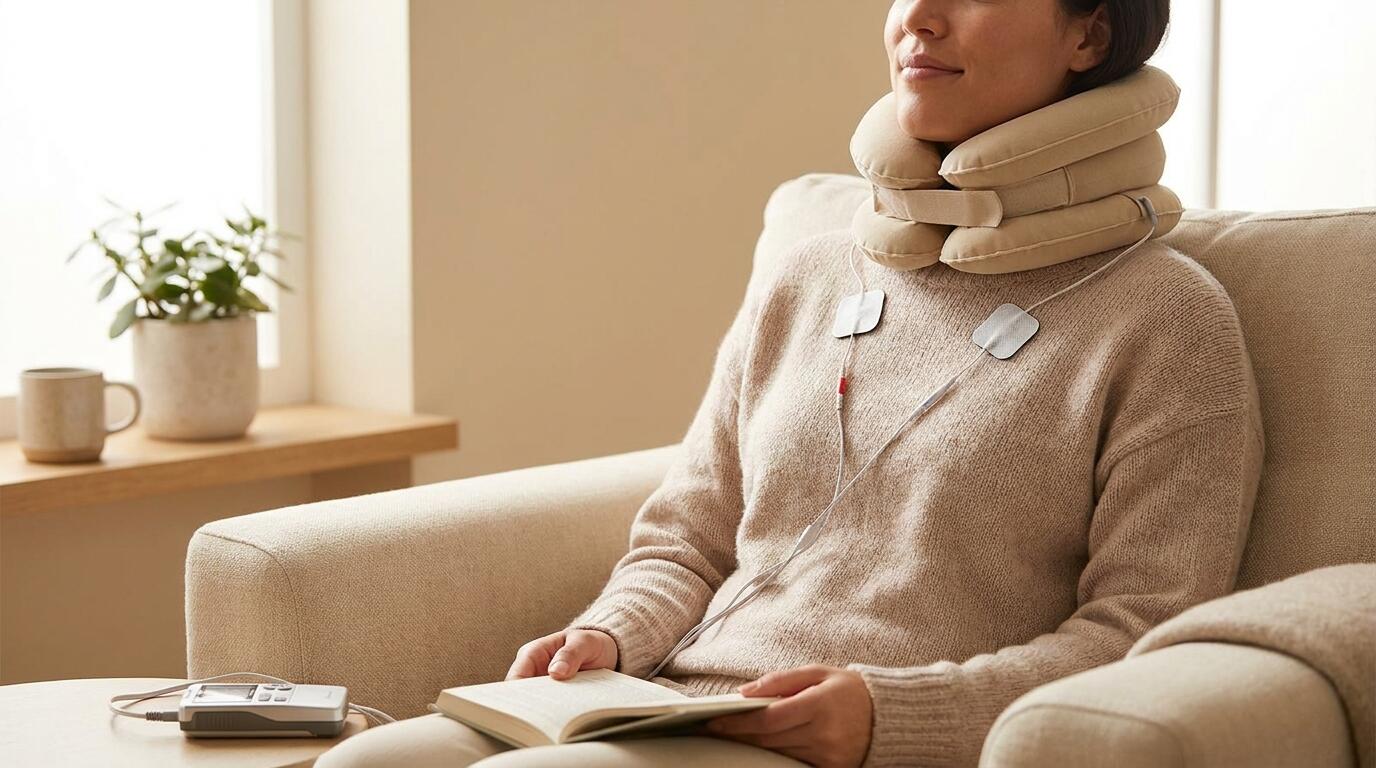
ALT: At-home neck traction device used alongside TENS electrotherapy unit for drug-free cervical spine pain relief and muscle recovery
Advanced Considerations: Beyond the Basic Purchase Decision
Handling Special Circumstances
Acute vs. Chronic Pain: Cervical traction is generally more appropriate for chronic, stable conditions rather than acute episodes. If your neck pain has appeared suddenly, is associated with a recent injury, or is accompanied by fever or unexplained weight loss, consult a physician before using any traction device. Acute inflammatory states can be exacerbated by mechanical stretch.
Cervical Stenosis: Some individuals with cervical stenosis — narrowing of the spinal canal — may actually benefit from gentle traction. However, this is highly dependent on the severity and nature of the stenosis. This condition specifically warrants medical clearance before home traction use, as improper force application can theoretically worsen symptoms.
Post-Surgical Cervical Conditions: If you have undergone cervical fusion or disc replacement surgery, traction is generally contraindicated at the fusion site, though some surgeons may allow its use at adjacent levels. Always defer to your surgical team's guidance.
Common Misconceptions to Correct
"More traction force equals better results." This is false and potentially dangerous. Cervical traction research consistently supports moderate, controlled forces applied over appropriate durations. Excessive force can strain ligaments, worsen disc herniation, or create new injury. Start with the lowest effective setting and increase only gradually and under guidance.
"Any neck traction device on Amazon will work the same way." The mechanism of action, angle of traction, and force distribution vary significantly between product categories. An inflatable collar and an over-door system are fundamentally different therapeutic tools, not interchangeable alternatives.
"If it hurts more afterward, it's working." Post-session soreness from traction may indicate improper force, incorrect positioning, or an unsuitable device for your condition. Discomfort should be mild and transient — not a signal of efficacy.
Relationship With Physical Therapy
A home neck traction device is not a replacement for professional physical therapy — it is a maintenance and adjunct tool. If you are currently working with a physical therapist, involve them in your device selection. Many PTs can recommend specific products, demonstrate correct positioning, and integrate home traction into your broader treatment plan more effectively than any Amazon algorithm.
Frequently Asked Questions FAQ
Q1: How do I know which type of neck traction device is best for my specific condition?
The most reliable way to determine the appropriate device type is through a professional evaluation. A physician or physical therapist can assess your imaging, symptom pattern, and physical presentation to recommend whether gravity-based over-door traction, inflation-based cervical collars, or passive arch devices are most suitable. Self-selecting without a diagnosis carries the risk of using the wrong mechanism for your underlying issue, which at best will be ineffective and at worst could worsen symptoms.
Q2: Is it safe to use a cervical traction device every day?
Daily use may be appropriate for some individuals, particularly those managing chronic postural tension or mild disc-related discomfort, but it depends entirely on the device type, force level, and individual response. Most clinical guidelines suggest beginning with shorter, less frequent sessions — typically a few times per week — and progressing only as tolerated. If any session produces increased pain, neurological symptoms such as numbness or tingling, or dizziness, discontinue use and consult a healthcare provider promptly.
Q3: How long does it typically take to feel relief from neck traction therapy?
Response timelines vary by individual and condition severity. Some users report noticeable muscle relaxation and mild pain reduction after the very first few sessions. For disc-related conditions, meaningful improvement may require consistent use over several weeks. Clinical studies on cervical traction typically assess outcomes over a period of four to eight weeks. Combining traction with complementary modalities like TENS therapy may support faster functional improvement, though individual results will always vary.
Summary
Choosing the best neck traction device involves far more than sorting by star rating on Amazon. Three core principles should guide every purchasing decision.
First, diagnosis before device. Understanding the root cause of your cervical pain — whether muscular, discogenic, or postural — is the only foundation for selecting a mechanism that will actually help rather than harm.
Second, match device type to your lifestyle and anatomy. The most clinically effective device is the one you will use consistently and correctly. Portability, adjustability, and ease of use are not luxury features — they are adherence factors that determine real-world outcomes.
Third, think about the full therapeutic picture. Neck traction is most powerful when embedded within a broader pain management strategy. Pairing traction with drug-free modalities like TENS electrotherapy, targeted stretching, and ergonomic corrections creates a synergistic approach that addresses pain from multiple angles simultaneously.
If you are ready to build a comprehensive, non-pharmaceutical cervical health routine, start with professional guidance, choose your traction device with the criteria outlined in this guide, and explore the supportive role that clinical-grade TENS therapy can play in your recovery journey.
Ready to Complement Your Cervical Care Routine?
Ready to take control of your pain relief and muscle health from the comfort of home? Explore iStim's full range of professional-grade TENS, EMS, and Kegel devices at https://istim.com/ and find the right drug-free solution tailored to your needs. Join over 20,000 satisfied customers who trust iStim for safe, effective, and clinically inspired electrotherapy.
References
- GBD 2016 Disease and Injury Incidence and Prevalence Collaborators. "Global, regional, and national incidence, prevalence, and years lived with disability for 328 diseases and injuries for 195 countries, 1990–2016."
https://doi.org/10.1016/S0140-6736(17)32154-2 - National Institute of Neurological Disorders and Stroke (NINDS). "Neck Pain Fact Sheet."
https://www.ninds.nih.gov/ - Graham N, Gross A, Goldsmith CH, et al. "Mechanical traction for neck pain with or without radiculopathy." Cochrane Database of Systematic Reviews.
https://www.cochranelibrary.com/cdsr/doi/10.1002/14651858.CD006408.pub2/full - American Physical Therapy Association (APTA). "Clinical Practice Guidelines for Neck Pain."
https://www.apta.org/ - Physiopedia Contributors. "Cervical Traction." Physiopedia.
https://www.physio-pedia.com/Cervical_Traction
Note: Standards and clinical guidelines may be updated. Please consult the most current official documents or a qualified healthcare professional for the most accurate and applicable guidance.
About iStim
iStim is a Los Angeles-based electrotherapy brand specializing in professional-grade TENS, EMS, and Kegel devices engineered for safe and effective home use, backed by ISO-certified Taiwanese manufacturing and a growing community of 20,000+ trusted customers.
© iStim. All rights reserved. This article is intended for informational purposes only and does not constitute medical advice. Always consult a qualified healthcare professional before beginning any electrotherapy or pain management program.
Leave a comment