

Best Neck Traction Device for Home Physical Therapy Routines
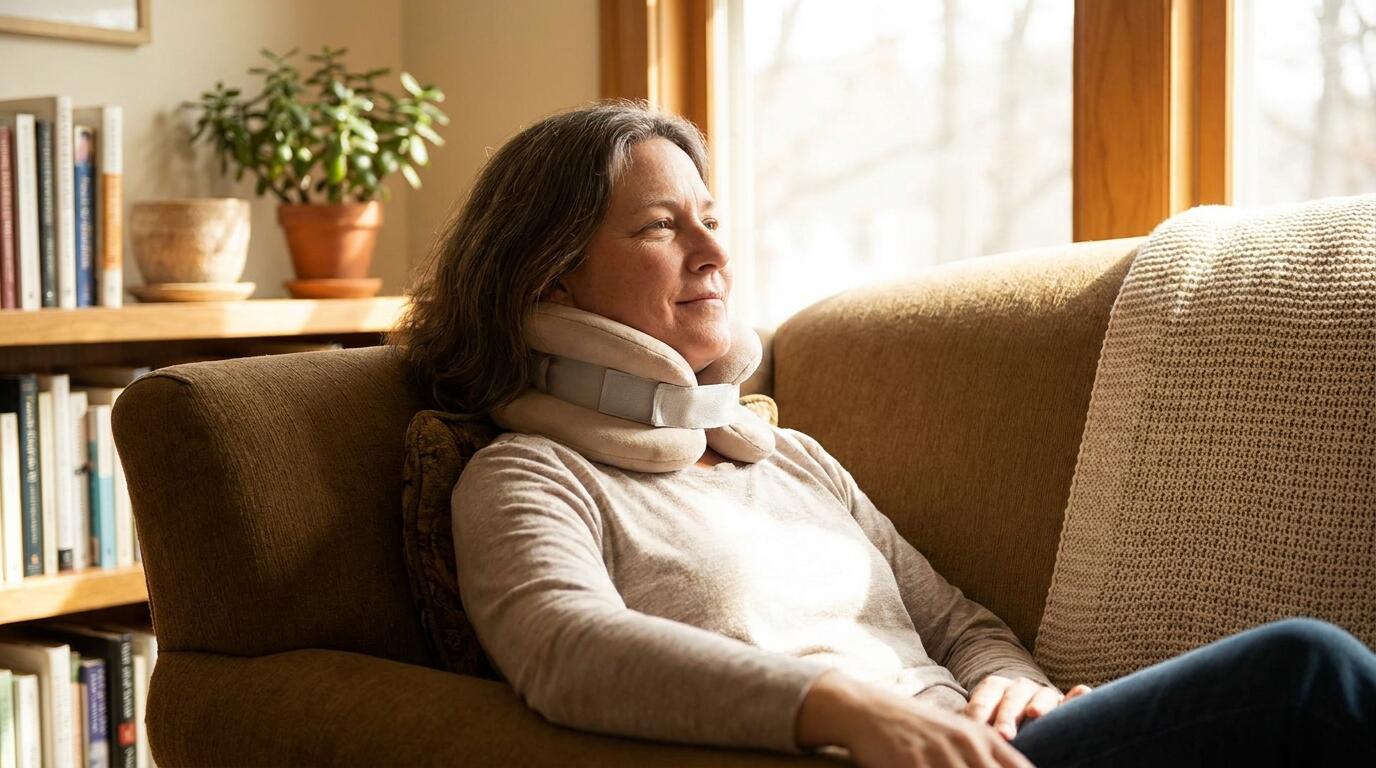
ALT: Person using a neck traction device at home for cervical decompression and pain relief therapy
Why Neck Traction Home Therapy Is Changing How People Manage Cervical Pain
Key Conclusion: Neck traction home therapy has become one of the most accessible, drug-free strategies for managing chronic cervical pain, stiffness, and nerve compression. By gently decompressing the vertebrae and relieving pressure on spinal discs and nerves, a quality neck traction device used within a consistent home physical therapy routine can deliver meaningful relief — without a prescription, without a clinic visit, and without ongoing medication costs.
Cervical pain affects millions of adults worldwide, ranging from mild stiffness after long workdays to debilitating nerve compression that radiates into the shoulders and arms. Increasingly, people are looking beyond over-the-counter pain medications and sporadic physiotherapy visits to find sustainable solutions they can practice at home, on their own schedule.
The rise of evidence-informed home therapy devices has made this possible. Neck traction — once available only through clinical settings — can now be safely performed at home with the right device and technique. Understanding how to choose the best device, when to use it, and how to integrate it into a structured cervical traction routine is the key to getting real, lasting results.
Who Should Consider a Home Neck Traction Device
✅ Applicable Scenarios:
- Adults experiencing chronic cervical stiffness or tension headaches related to posture or desk work
- Individuals diagnosed with cervical disc herniation, degenerative disc disease, or cervical radiculopathy seeking non-pharmaceutical relief
- Post-physical therapy patients who want to maintain progress and continue self-directed decompression at home
- Athletes or active individuals dealing with neck muscle fatigue, restricted range of motion, or post-workout cervical tightness
- Seniors managing age-related cervical compression and reduced spinal mobility
❌ Not Applicable/Cautions:
- Individuals with recent cervical fractures, spinal instability, or who have undergone recent neck surgery — always seek medical clearance first
- People with diagnosed osteoporosis affecting the cervical spine, severe rheumatoid arthritis of the neck, or active spinal infections should avoid traction without direct physician supervision
- Children and adolescents should not use adult cervical traction devices without specific pediatric guidance
The Growing Demand for Home-Based Cervical Traction Routines
Neck pain consistently ranks among the most common musculoskeletal complaints globally. According to the Global Burden of Disease study, neck pain is a leading cause of years lived with disability, affecting people across all age groups and occupational backgrounds. Remote work trends, increased screen time, and sedentary lifestyles have only accelerated the problem — creating what some researchers call a modern "posture epidemic."
Traditional management approaches — clinic-based physiotherapy, chiropractic adjustment, or prescription medications — often require significant time, financial commitment, and logistical coordination. For many people, these barriers make consistent treatment difficult to sustain. That's exactly why home physical therapy tools, particularly those that support cervical decompression, have seen such rapid growth in demand.
Cervical traction works by applying a gentle, controlled pulling force along the axis of the spine. This decompresses the intervertebral discs, reduces nerve root pressure, and can help relax the surrounding musculature. When done correctly and consistently, it forms an effective component of a broader home physical therapy routine — complementing stretching, strengthening exercises, and ergonomic adjustments.
For those researching their options, the Best Cervical Traction Device for Home Use guide provides a comprehensive overview of the leading device types available, helping you understand what separates clinical-grade tools from basic consumer products.
It's also worth noting that neck traction doesn't exist in isolation. Many people pair cervical decompression with electrotherapy — TENS or EMS devices, for example — to address both structural compression and the muscular tension and nerve pain that accompany it. This integrated approach reflects how modern home therapy is evolving: from single-tool solutions to thoughtfully designed, multi-modal routines.
Building the Best Home Physical Therapy Routine with a Neck Traction Device
Three-Step Quick Start for Your Cervical Traction Routine
Step 1: Select the Right Device Type and Fit
Before beginning any cervical traction routine, confirm you have the appropriate device for your condition and body type. The two primary home-use categories are over-the-door traction units (which use gravity and body weight) and air-inflatable cervical collars (which provide gentle circumferential decompression). Read product instructions carefully, ensure proper cervical sizing, and — if you've had a prior cervical diagnosis — confirm with your healthcare provider that traction is appropriate. Allow approximately 10–15 minutes for your first setup and fitting.
Step 2: Establish Your Starting Position and Traction Angle
Proper positioning is critical to both safety and effectiveness. For over-the-door devices, the angle of traction matters significantly: a slightly forward-flexed angle (approximately 20–30 degrees) targets the lower cervical vertebrae, while a more neutral angle addresses the mid-cervical spine. For inflatable collars, ensure even pressure distribution before inflating gradually. Begin with low traction force and short session durations — typically 5 to 10 minutes — and monitor for any discomfort, tingling, or symptom changes throughout.
Step 3: Integrate Traction Into a Broader Therapy Routine
Traction is most effective when paired with gentle cervical range-of-motion exercises, postural correction habits, and — for those with accompanying nerve pain or muscle tension — electrotherapy such as TENS. After each traction session, perform slow, controlled neck rotations and side-bends to maintain mobility. Rest briefly before resuming normal activity. Track your symptom response over the first one to two weeks, adjusting duration and frequency based on results and professional guidance.
Comparing the Main Types of Home Neck Traction Devices
Choosing the right device can feel overwhelming given the range of products available. The comparison below outlines the key distinctions between the most common home neck traction solutions to help you make an informed decision. For a deeper analysis of what to evaluate before purchasing, see How to Compare Neck Traction Devices Before Buying.
| Comparison Dimension | Over-the-Door Traction Unit | Inflatable Cervical Collar | Neck Hammock / Gravity Decompressor |
|---|---|---|---|
| Mechanism | Weight-based axial traction via pulley system | Air pressure circumferential decompression | Passive gravity-assisted cervical stretch |
| Traction Force Control | Adjustable via water bag weight | Adjustable via manual inflation | Fixed by body weight and position |
| Ease of Setup | Requires door anchor, moderate setup time | Very portable, quick inflation | Portable, minimal setup required |
| Target User | Those needing stronger, measurable traction | Mild-to-moderate compression, postural relief | Light decompression, travel use |
| Suitability for Routines | High — consistent, repeatable sessions | Moderate — convenient for daily maintenance | Lower — less precise for clinical-grade use |
| Cost Range | Moderate | Low to moderate | Low |
| Best Paired With | TENS therapy for radiculopathy management | Postural correction exercises | Stretching and mobility work |
Each device type has its place in a home physical therapy toolkit. The best choice depends on your diagnosis, the severity of your symptoms, how much traction force is appropriate for your condition, and how seamlessly the device fits into your daily life.
Understanding How Cervical Traction Relieves Pain and Improves Function
What Happens to Your Cervical Spine During Traction
When a neck traction device applies a controlled distraction force to the cervical spine, several beneficial physiological effects occur simultaneously. The intervertebral discs — the soft, cushion-like structures between vertebrae — experience reduced compressive load, which can encourage fluid rehydration of the disc and help retract minor disc bulges away from nerve roots. This mechanism is particularly relevant for individuals with cervical disc herniation or degenerative disc disease.
Simultaneously, the facet joints along the posterior spine are gently mobilized, which can relieve joint-mediated pain and restore a degree of normal motion. The surrounding paraspinal muscles, which are often in protective spasm due to underlying joint or disc pathology, tend to relax as axial compression is reduced — providing that characteristic sense of relief many users describe as "instant decompression."
The Role of Traction Angle and Duration in Outcomes
Not all cervical traction routines produce the same results, and the angle of pull matters more than many home users initially realize. Research in physical therapy literature suggests that a forward-flexed angle of around 15 to 30 degrees places the cervical spine in a position that maximally opens the intervertebral foramina — the openings through which nerve roots exit the spine. This is especially important for individuals with cervical radiculopathy, where nerve compression is the primary pain generator.
Duration also plays a significant role. Short, frequent sessions (typically 10–15 minutes, once or twice daily) are generally better tolerated and produce more consistent results than longer, infrequent sessions. Intermittent traction — where force is applied and released in cycles — is often more comfortable than sustained traction for home users and may be more effective for muscular relaxation.
Pairing Cervical Traction with TENS Therapy
One of the most underutilized strategies in home cervical pain management is combining cervical traction with TENS (Transcutaneous Electrical Nerve Stimulation) therapy. TENS works through a completely different mechanism: it delivers mild electrical impulses through electrode pads placed on the skin, modulating pain signals before they reach the brain and stimulating the release of endorphins — the body's natural pain-relieving chemicals.
For individuals managing neck pain alongside shoulder tension, upper back tightness, or radiating arm discomfort, using a TENS device before or after a cervical traction session can provide complementary relief. Traction addresses the structural component; TENS addresses the neurological and muscular pain response. This dual approach reflects how many physical therapists would approach treatment in a clinical setting — adapted for safe, convenient home use.
If you're also dealing with posture-related strain from extended computer use, the guide on the Best Neck Stretcher for Desk Workers offers targeted advice on addressing the specific patterns of tension that develop from prolonged sitting and screen exposure.
Building Consistency: The Real Key to Long-Term Results
The single greatest predictor of success with any home therapy routine — whether neck traction, TENS, or exercise — is consistency. A well-chosen cervical traction device used three to five times per week, in proper technique, will outperform the most sophisticated device used sporadically. Building a sustainable habit requires choosing a device that fits genuinely into your lifestyle: one that's easy to set up, comfortable to use, and delivers predictable, tolerable relief.
Many users find that anchoring their cervical traction routine to an existing habit — such as morning or evening routines, or a post-work decompression ritual — significantly improves adherence. Pairing traction with mindfulness breathing or gentle stretching can also enhance the parasympathetic relaxation response, deepening the therapeutic benefit.
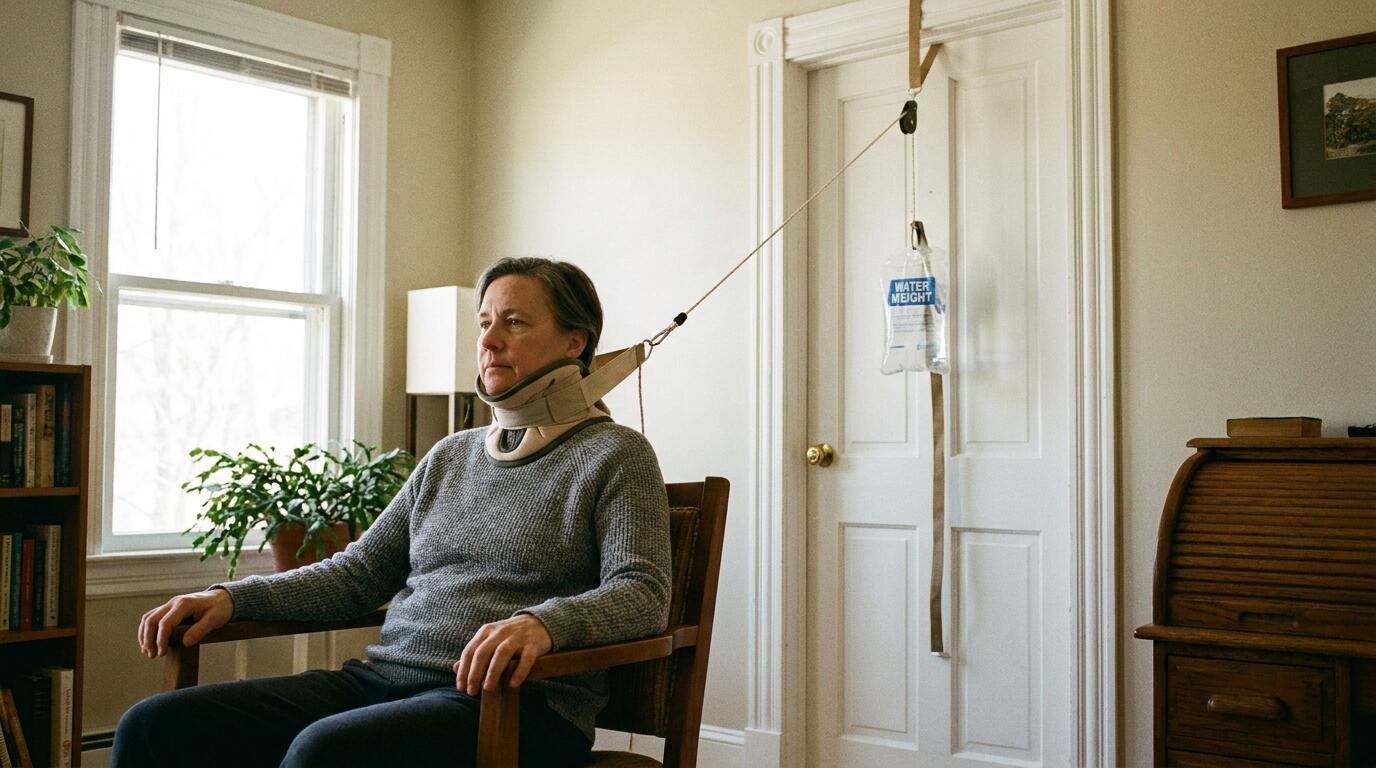
ALT: Person using an over-the-door neck traction device at home as part of a structured cervical decompression and physical therapy routine
Advanced Considerations: Getting More From Your Neck Traction Home Therapy
Handling Special Situations in Your Cervical Traction Routine
When Symptoms Worsen Initially
Some users experience a temporary increase in neck stiffness or mild soreness during the first few sessions of cervical traction. This is generally a normal adaptation response, similar to post-exercise muscle soreness. However, if you experience sharp pain, increased radiating symptoms into the arms, new numbness or tingling, or any neurological changes such as weakness, stop immediately and consult your healthcare provider before resuming. The principle of "start low, go slow" applies especially to traction force and session duration.
Adjusting for Acute vs. Chronic Presentations
Cervical traction is typically better tolerated during subacute and chronic phases of neck pain rather than during acute flare-ups where inflammation is at its peak. During acute episodes, gentle heat, rest, and TENS therapy may be more appropriate first-line interventions. As the acute phase resolves and pain becomes more manageable, reintroducing traction — starting at minimal force — can help accelerate recovery and prevent recurrence. For ongoing guidance on making safe device choices, Best Neck Traction Device on Amazon: What to Look For provides practical consumer-focused evaluation criteria.
Common Misconceptions About Home Cervical Traction
A frequent misconception is that more traction force equals better results. In clinical practice, the opposite is often true — excessive force can aggravate muscle guarding, worsen joint irritation, and increase the risk of adverse outcomes. Effective home traction operates within a therapeutic window that is generally far more modest than users expect. Another misconception is that traction alone is sufficient treatment. It is most effective as one component of a comprehensive approach that includes posture correction, strengthening, and — where appropriate — electrotherapy for pain modulation.
Frequently Asked Questions FAQ
Q1: How do I know which neck traction device supports home therapy routines best for my condition?
The right device depends on your specific diagnosis and symptom profile. Over-the-door traction units tend to offer more precise, adjustable force — making them well-suited for cervical disc issues and radiculopathy. Inflatable collars are gentler and more portable, suited for mild compression and daily maintenance. If you're unsure, consult your physical therapist or physician, and review the full device comparison guide to align your choice with your clinical needs before purchasing.
Q2: Is cervical traction at home safe to do without professional supervision?
For most adults with common cervical conditions like disc herniation, degenerative disc disease, or postural neck pain, home cervical traction is considered safe when used correctly and within prescribed parameters. However, it is not appropriate for everyone — particularly those with cervical instability, osteoporosis, recent fractures, or spinal surgery. Always seek medical clearance if you have a diagnosed cervical condition, and follow manufacturer guidelines closely. Starting with low force and short sessions significantly reduces risk.
Q3: How long does it take to see results from a consistent cervical traction routine at home?
Most users report noticeable improvement in pain levels and range of motion within two to four weeks of consistent, properly performed cervical traction sessions. Results vary based on the underlying condition, session frequency, traction parameters, and whether complementary strategies like TENS therapy and postural correction are also in place. Chronic or structural conditions may require longer commitment — but even early sessions often provide meaningful temporary relief that motivates continued adherence.
Summary
Managing cervical pain at home has never been more achievable — provided you have the right tools, the right technique, and a commitment to consistency. Neck traction home therapy, when properly integrated into a broader physical therapy routine, addresses one of the root mechanical causes of cervical pain: compression of the discs and nerve roots that drives stiffness, radiating symptoms, and chronic discomfort.
Three core takeaways guide everything in this article:
- Device selection matters — choose a traction type that matches your condition, comfort tolerance, and lifestyle so you'll actually use it regularly.
- Technique and parameters are essential — the right traction angle, appropriate force, and consistent session duration are what separate effective therapy from ineffective or potentially harmful use.
- Integration is the multiplier — combining cervical traction with complementary tools like TENS therapy, targeted stretching, and postural habits compounds results in ways that any single intervention cannot achieve alone.
Your next step is straightforward: evaluate your current needs, explore the device options most aligned with your specific cervical condition, and begin building a structured, sustainable routine you can follow from home — without medications, without clinic dependency, and without compromise on quality.
Ready to Take Control of Your Cervical Health?
Ready to take control of your pain relief and muscle health — naturally and without drugs? iStim offers a full range of professional-grade TENS, EMS, and Kegel devices designed for safe, effective home use. Visit https://istim.com/ to explore the complete product lineup and find the right electrotherapy solution for your needs.
References
- GBD 2019 Diseases and Injuries Collaborators. "Global burden of 369 diseases and injuries in 204 countries and territories, 1990–2019."
https://www.thelancet.com/journals/lancet/article/PIIS0140-6736(20)30925-9/fulltext - National Institute of Neurological Disorders and Stroke (NINDS). "Neck Pain Fact Sheet."
https://www.ninds.nih.gov/health-information/patient-caregiver-education/neck-pain - Cervical & Thoracic Spine — American Physical Therapy Association (APTA). "Clinical Practice Guidelines for Neck Pain."
https://www.apta.org/patient-care/evidence-based-practice-resources/clinical-practice-guidelines - Cochrane Database of Systematic Reviews. "Traction for low-back pain with or without sciatica." (Referenced for traction mechanism principles applicable to cervical traction research context.)
https://www.cochranelibrary.com/ - MedlinePlus — U.S. National Library of Medicine. "Neck Pain."
https://medlineplus.gov/neckpain.html
Note: Standards and clinical guidelines may be updated. Please check the latest official documents or consult professional advisors for the most current recommendations.
About iStim
iStim is a Los Angeles-based electrotherapy brand specializing in professional-grade TENS, EMS, and Kegel devices engineered for home use, backed by ISO-certified Taiwanese manufacturing and trusted by 20,000+ customers for drug-free pain relief and muscle stimulation. Learn more at istim.com.
© iStim. All rights reserved. This article is intended for informational purposes only and does not constitute medical advice. Always consult a qualified healthcare professional before beginning any new treatment or therapy program.
Leave a comment