

Best Neck Stretcher for Desk Workers
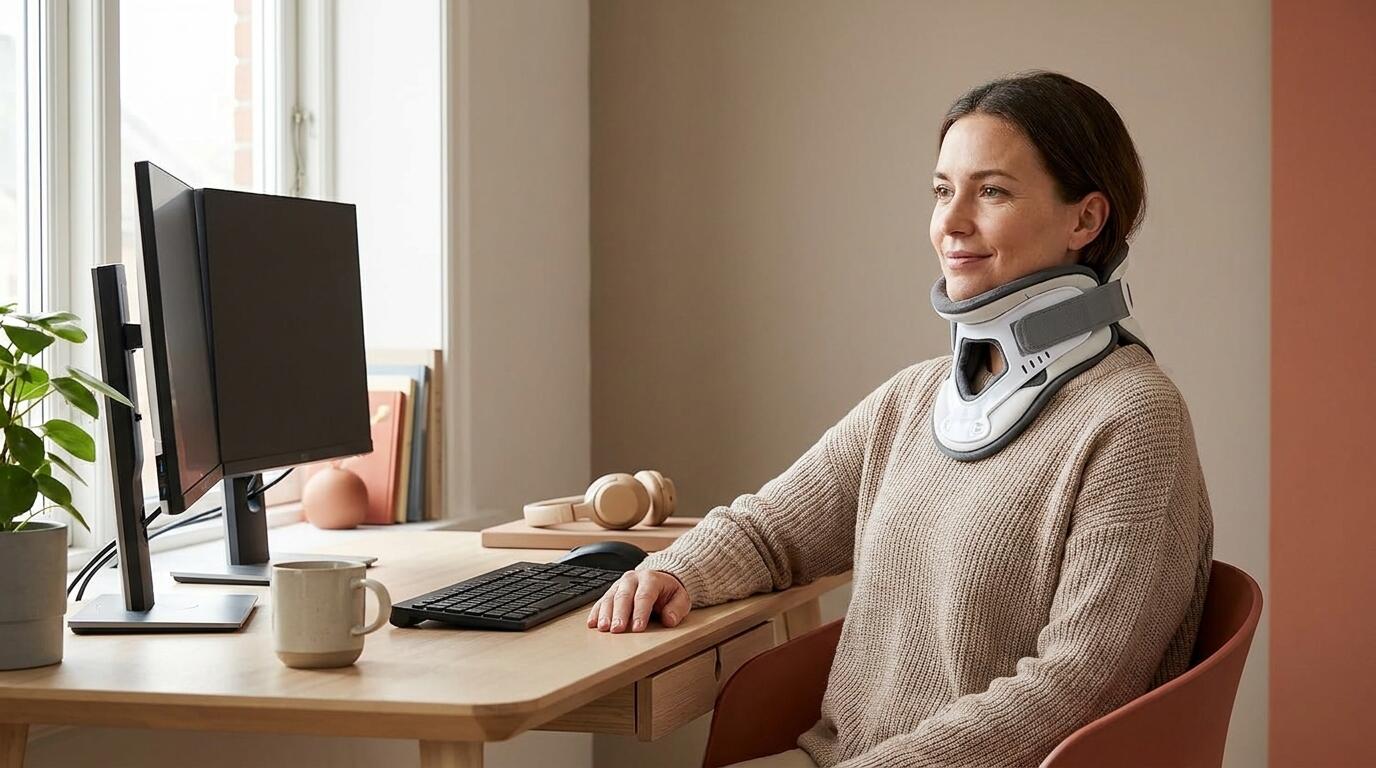
ALT: Desk worker using a neck stretcher for cervical pain relief and improved posture at home
Why Desk Workers Are Turning to Neck Stretchers for Daily Relief
Key Conclusion: A quality neck stretcher for desk workers can be a transformative tool for managing the chronic tension, stiffness, and postural strain that accumulate from hours of screen time. When chosen and used correctly, cervical traction and stretching devices help decompress vertebrae, reduce muscle tightness, and restore mobility — providing meaningful, drug-free relief that fits neatly into a modern workday routine.
If you spend the better part of your day hunched over a keyboard or craning your neck toward a monitor, you already know the toll it takes. That slow-building ache between the shoulder blades, the vice-like tension across the base of your skull, the stiffness that greets you every morning — these are not just inconveniences. They are signals that your cervical spine and surrounding musculature are under sustained mechanical stress.
The good news is that targeted neck stretching tools have become increasingly sophisticated and accessible for home users. Paired with the right recovery strategy — which may include electrotherapy modalities like TENS for pain management — a well-designed neck stretcher can become one of the most effective items in your desk worker wellness toolkit.
Who Should Consider a Neck Stretcher
✅ Applicable Scenarios:
- Office professionals and remote workers who sit at a desk for four or more hours per day and experience recurring neck stiffness or postural neck tension
- Individuals recovering from minor cervical muscle strain or whiplash under clinician guidance, looking for gentle, at-home decompression support
- Fitness enthusiasts and athletes seeking improved cervical range of motion and faster post-training muscle recovery
- Anyone managing chronic tech neck or forward head posture and seeking non-pharmaceutical, device-based relief
❌ Not Applicable/Cautions:
- Individuals with diagnosed cervical disc herniation, spinal instability, osteoporosis, or recent neck surgery should consult a physician before using any traction or stretching device
- People experiencing acute nerve symptoms such as radiating arm pain, numbness, or tingling should seek immediate professional evaluation rather than self-treating with mechanical devices
- Pregnant individuals should consult their healthcare provider before beginning any cervical traction program
The Hidden Cost of Desk Work: Understanding Neck Tension and Posture Strain
The modern office environment was not designed with spinal health in mind. According to research published by the National Institute for Occupational Safety and Health (NIOSH), musculoskeletal disorders — including neck and shoulder pain — are among the most prevalent work-related health complaints, affecting a significant portion of the workforce and contributing to lost productivity and increased healthcare utilization.
The biomechanics are straightforward but sobering. The average adult head weighs roughly 10–12 pounds when held in a neutral, upright position. For every inch of forward tilt — the kind that naturally occurs when leaning toward a screen — the effective force on the cervical spine can multiply dramatically. This sustained mechanical load creates compression across the cervical vertebrae, tightens the posterior neck musculature, and gradually remodels posture in ways that become increasingly difficult to reverse.
Tech neck, also called forward head posture, is now considered a widespread postural epidemic. It contributes not only to localized neck discomfort but also to headaches, reduced shoulder mobility, shallow breathing patterns, and in some cases, referred pain down the arms. For desk workers, these issues rarely resolve on their own without intentional intervention.
This is precisely where a well-chosen neck stretcher enters the picture. Cervical traction and stretching devices work by gently elongating the cervical spine, creating temporary decompression that reduces intradiscal pressure, loosens tight perivertebral muscles, and encourages improved alignment. Unlike oral pain medications that mask symptoms systemically, a neck stretcher targets the mechanical root of the problem — making it an especially appealing option for health-conscious individuals who prefer non-pharmaceutical approaches.
The market for cervical wellness tools has grown considerably in recent years, driven by the rise of remote work and increased consumer awareness of musculoskeletal health. However, not all devices are created equal, and understanding what differentiates effective, safe options from gimmicky products is essential before making an investment.
Complementary approaches — such as TENS (Transcutaneous Electrical Nerve Stimulation) therapy — are also gaining traction among desk workers who want to address both the muscular and neurological components of neck pain. TENS devices like those offered by iStim work by delivering gentle electrical impulses that interrupt pain signals and promote endorphin release, creating drug-free relief that pairs naturally with mechanical stretching routines.
How to Choose and Use a Neck Stretcher: A Practical Guide
Three Steps to Getting Started with Cervical Stretching
Step 1: Assess Your Needs and Choose the Right Device Type
Before purchasing any neck stretching device, take ten minutes to honestly assess your symptoms. Are you dealing primarily with muscular tightness and stiffness, or do you have diagnosed cervical compression or disc issues? Purely muscular tension often responds well to foam-based cervical rolls or inflatable traction collars. If your symptoms suggest structural involvement, an over-the-door cervical traction unit — which allows more controlled, graduated decompression — may be more appropriate. Consulting your physician or physical therapist before purchasing is always a smart first step, particularly if your symptoms include any radiating pain.
Step 2: Establish a Consistent Routine
Consistency is the single biggest predictor of success with any cervical stretching program. Most clinicians recommend short, daily sessions rather than infrequent, lengthy ones. A typical introductory protocol might involve five to ten minutes of gentle traction or positional stretching once or twice daily — ideally during natural work breaks, such as mid-morning and mid-afternoon. Begin with minimal tension or elevation and progress gradually over one to two weeks. Pair your neck stretching session with a brief mindfulness or diaphragmatic breathing practice to help the surrounding musculature fully relax.
Step 3: Combine Stretching with Complementary Recovery Tools
A neck stretcher alone addresses the mechanical dimension of desk-related neck pain, but a comprehensive recovery approach typically yields the best results. Consider pairing your stretching routine with a TENS unit applied to the cervical and upper trapezius region before or after stretching to reduce pain sensitivity and promote muscular relaxation. Ergonomic adjustments to your workstation — monitor height, chair support, keyboard positioning — address the root cause. Targeted strengthening exercises for the deep cervical flexors and scapular stabilizers help build the endurance needed to maintain good posture throughout the workday.
Comparing the Main Types of Neck Stretchers for Desk Workers
With dozens of options on the market, understanding the core categories of cervical stretching devices helps clarify which solution best matches your lifestyle and symptom profile. Each type delivers decompression or postural correction through a different mechanism, with distinct tradeoffs in terms of portability, precision, and ease of use.
| Comparison Dimension | Cervical Traction Pillow / Foam Roll | Inflatable Cervical Collar | Over-the-Door Traction Unit |
|---|---|---|---|
| Mechanism | Passive positional stretching via contoured support | Air-pump inflation lifts and decompresses cervical spine | Pulley-based upward traction with adjustable weight |
| Portability | High – compact, travel-friendly | Medium – requires hand pump | Low – fixed to door frame |
| Traction Control | Limited – depends on head weight | Moderate – adjustable via pump | High – precise weight increments |
| Ease of Use | Very easy – lie on it | Easy – wrap and inflate | Moderate – requires setup |
| Best For | Mild stiffness, daily maintenance | Moderate tension, office breaks | More significant compression, rehab use |
| Supervision Needed | Generally no | Generally no | Recommended for beginners |
| Approximate Session Length | 10–20 minutes | 10–20 minutes | 15–30 minutes |
Understanding this spectrum allows desk workers to select a device calibrated to their severity of symptoms and practical lifestyle. Many users find that beginning with a cervical traction pillow for daily maintenance and adding an inflatable collar for more targeted sessions provides a well-rounded approach without overwhelming complexity.
Deep Dive: What Makes a Neck Stretcher Effective for Desk Workers
The Science of Cervical Decompression
The core therapeutic principle behind neck stretching devices is cervical decompression — the temporary separation of adjacent vertebral bodies to reduce intradiscal pressure and relieve compression on surrounding soft tissues. When the cervical spine is gently elongated, several beneficial changes occur simultaneously: compressed intervertebral discs experience reduced load and may partially rehydrate; tight posterior neck muscles — including the suboccipitals, semispinalis, and upper trapezius — are stretched and encouraged to release; and restricted facet joints gain improved range of motion.
For desk workers specifically, the structures most commonly affected are the C4–C7 segments, which bear the brunt of forward head posture loads. A device that provides consistent, gentle traction at these levels can meaningfully interrupt the cycle of compression and compensatory muscle guarding that perpetuates chronic neck tension.
Muscular vs. Structural Contributors to Desk Worker Neck Pain
Not all desk worker neck pain has the same origin, and recognizing the distinction helps guide device selection. Purely muscular neck tension — the kind that manifests as diffuse aching, tightness, and fatigue without any neurological symptoms — typically responds very well to positional stretching and traction devices, especially when combined with heat, massage, or TENS therapy for added muscular relaxation.
Structural contributors, such as facet joint irritation or mild disc bulging, generally require a more measured approach with higher-quality traction devices that allow precise control over the applied force. In these cases, professional guidance is strongly recommended before beginning any home traction program.
The Role of TENS Therapy as a Complementary Approach
For many desk workers, the combination of mechanical cervical stretching and TENS electrotherapy represents a particularly powerful, drug-free pain management strategy. TENS works by delivering low-level electrical impulses through skin-surface electrodes, modulating pain signals via the gate control mechanism and stimulating the body's natural endorphin production.
When electrodes are placed along the upper cervical region and upper trapezius prior to a stretching session, the surrounding musculature tends to relax more fully, allowing the stretching device to work more effectively. Post-stretching TENS application can further extend relief by addressing residual soreness and promoting local circulation. iStim's professional-grade TENS devices are designed with exactly this kind of multi-modal home use in mind — offering clinical-quality stimulation in an easy-to-operate format trusted by thousands of users.
Ergonomic Integration: Making Neck Stretching Sustainable
The most effective neck stretcher for desk workers is ultimately the one you will use consistently — and consistency requires seamless integration into your daily workflow. Keep your device visible and accessible at your workstation. Set a recurring reminder for your stretching break. Combine it with an existing habit, such as your morning coffee or a midday walk, to anchor the behavior.
Equally important is addressing the upstream causes of cervical strain. Even the best neck stretcher cannot fully compensate for a poorly configured workstation. A monitor positioned too low, a chair without adequate lumbar support, or a habit of cradling your phone between ear and shoulder will continuously re-introduce the mechanical stresses your stretching routine is working to undo. True long-term relief comes from the combination of therapeutic tools, ergonomic optimization, and movement habits.
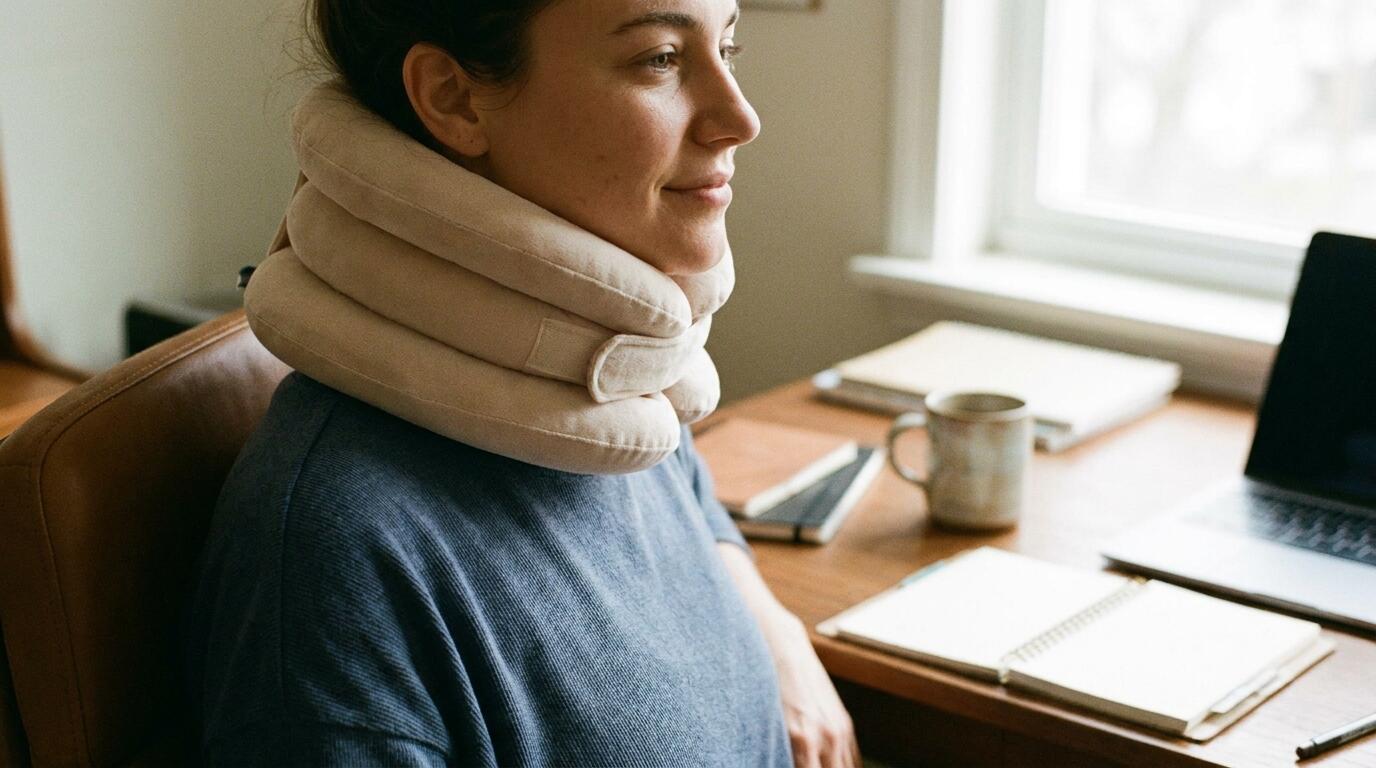
ALT: Person using an inflatable cervical neck stretcher at their home desk to relieve posture-related neck tension and stiffness
Advanced Considerations: Getting More from Your Neck Stretching Practice
Handling Specific and Complex Situations
When symptoms are intermittent vs. constant: Intermittent neck tightness that flares with long work sessions and resolves with rest is typically a musculoskeletal fatigue response and is well-suited to regular maintenance use of a cervical stretching device. Constant, unrelenting pain that does not fluctuate with position or activity warrants professional evaluation before beginning any home stretching program.
When you've recently started working from home: Remote workers often experience a sudden increase in neck symptoms due to non-ergonomic home setups — kitchen tables, soft couches, laptop-only computing. In these cases, a cervical traction pillow and an ergonomic workstation audit should happen simultaneously to address both the accumulated strain and its ongoing cause.
When stretching produces unusual sensations: Mild pulling or a feeling of elongation during cervical traction is expected and generally reassuring. Sharp pain, increased numbness or tingling, dizziness, or any worsening of neurological symptoms are clear indicators to stop immediately and consult a healthcare professional.
Common Misconceptions About Neck Stretchers
Misconception 1 — "More traction equals faster results": Progressive overload principles do not translate well to cervical traction. Excessive force or duration can actually aggravate muscle guarding and increase inflammation. Starting gently and building slowly over weeks is consistently more effective than aggressive early protocols.
Misconception 2 — "A neck stretcher can replace physical therapy": Cervical traction devices are best understood as adjunctive tools, not standalone treatments. Physical therapy addresses neuromuscular control, strengthening, and movement pattern correction in ways that no passive device can replicate. For moderate to severe presentations, professional guidance should precede and accompany device-based self-care.
Misconception 3 — "If it doesn't hurt, it isn't working": Effective cervical decompression should feel comfortable — a gentle, pleasant elongation. Pain during traction is not a sign of therapeutic progress; it is a warning signal.
Frequently Asked Questions FAQ
Q1: How do I know which neck stretcher is best for my type of desk work discomfort?
The answer depends on your symptom pattern. If you experience diffuse muscular aching and stiffness that builds throughout the day and eases with rest, a cervical traction pillow or foam cervical roll used during work breaks is often an excellent starting point. If you feel persistent compression or occasional nerve-related symptoms, an inflatable collar with adjustable traction or an over-the-door unit may offer better-controlled decompression. When in doubt, a brief consultation with a physical therapist can provide personalized guidance.
Q2: Is it safe to use a neck stretcher every day as a desk worker?
For most people with uncomplicated muscular tension and postural neck strain, daily use of a cervical stretching device in short sessions is considered safe and beneficial. The key is starting gently, respecting your body's feedback, and avoiding sessions that produce pain or neurological symptoms. Those with pre-existing cervical conditions — including diagnosed disc disease, arthritis, or prior spinal surgery — should obtain medical clearance before beginning daily use and may benefit from supervised protocols.
Q3: How long does it typically take to notice improvement with a neck stretcher?
Many users report noticeable relief from acute stiffness within the first one to three sessions. Meaningful improvement in chronic postural tension and cervical mobility typically develops over two to four weeks of consistent daily use. Long-term structural benefits — such as reduced frequency of tension headaches or improved resting posture — generally require sustained practice over several months, accompanied by ergonomic improvements and targeted strengthening exercises for lasting results.
Summary
For the millions of adults who spend their workdays at a desk, neck discomfort is not inevitable — it is manageable. A well-chosen neck stretcher for desk workers addresses the mechanical root of cervical strain, providing gentle decompression, improved mobility, and meaningful relief without the need for medication.
Three core takeaways stand out from this guide:
- Match your device to your symptoms. Understanding whether your neck pain is primarily muscular or structural guides you toward the right category of stretching tool — from simple cervical rolls to more advanced traction units.
- Consistency and integration matter more than intensity. Short, daily stretching sessions embedded into your natural work rhythm — combined with ergonomic adjustments and complementary tools like TENS therapy — deliver far better outcomes than occasional, aggressive traction.
- A holistic approach amplifies results. Neck stretching is most effective when it is part of a broader strategy that includes workstation optimization, targeted strengthening, and where appropriate, non-pharmaceutical pain management modalities such as electrotherapy.
Your neck supports your brain through every meeting, deadline, and creative effort your workday demands. It deserves purposeful, consistent care in return.
Ready to take control of your pain relief and muscle health from the comfort of home? Explore iStim's full range of professional-grade TENS, EMS, and Kegel devices at https://istim.com/ and find the right drug-free solution tailored to your needs. Join over 20,000 satisfied customers who trust iStim for safe, effective, and clinically inspired electrotherapy.
References
- National Institute for Occupational Safety and Health (NIOSH). "Work-Related Musculoskeletal Disorders & Ergonomics."
https://www.cdc.gov/niosh/topics/ergonomics/default.html - American Physical Therapy Association. "Neck Pain."
https://www.choosept.com/symptomsconditionsdetail/physical-therapy-guide-to-neck-pain - National Institutes of Health – National Library of Medicine. "Cervical Traction for Managing Neck Pain: A Systematic Review."
https://pubmed.ncbi.nlm.nih.gov/ - Occupational Safety and Health Administration (OSHA). "Computer Workstations eTool."
https://www.osha.gov/etools/computer-workstations - American Academy of Orthopaedic Surgeons. "Neck Pain."
https://orthoinfo.aaos.org/en/diseases--conditions/neck-pain/
Note: Standards and clinical guidelines may be updated; please check the latest official documents or consult a qualified healthcare professional for current recommendations.
About iStim
iStim is a Los Angeles-based electrotherapy brand specializing in professional-grade TENS, EMS, and Kegel devices engineered for safe and effective home use, backed by ISO-certified Taiwanese manufacturing and a growing community of 20,000+ trusted customers.
© iStim. All rights reserved. This article is intended for informational purposes only and does not constitute medical advice. Always consult a qualified healthcare professional before beginning any electrotherapy or pain management program.
Leave a comment