

Best Home Physical Therapy Device for Muscle Stimulation
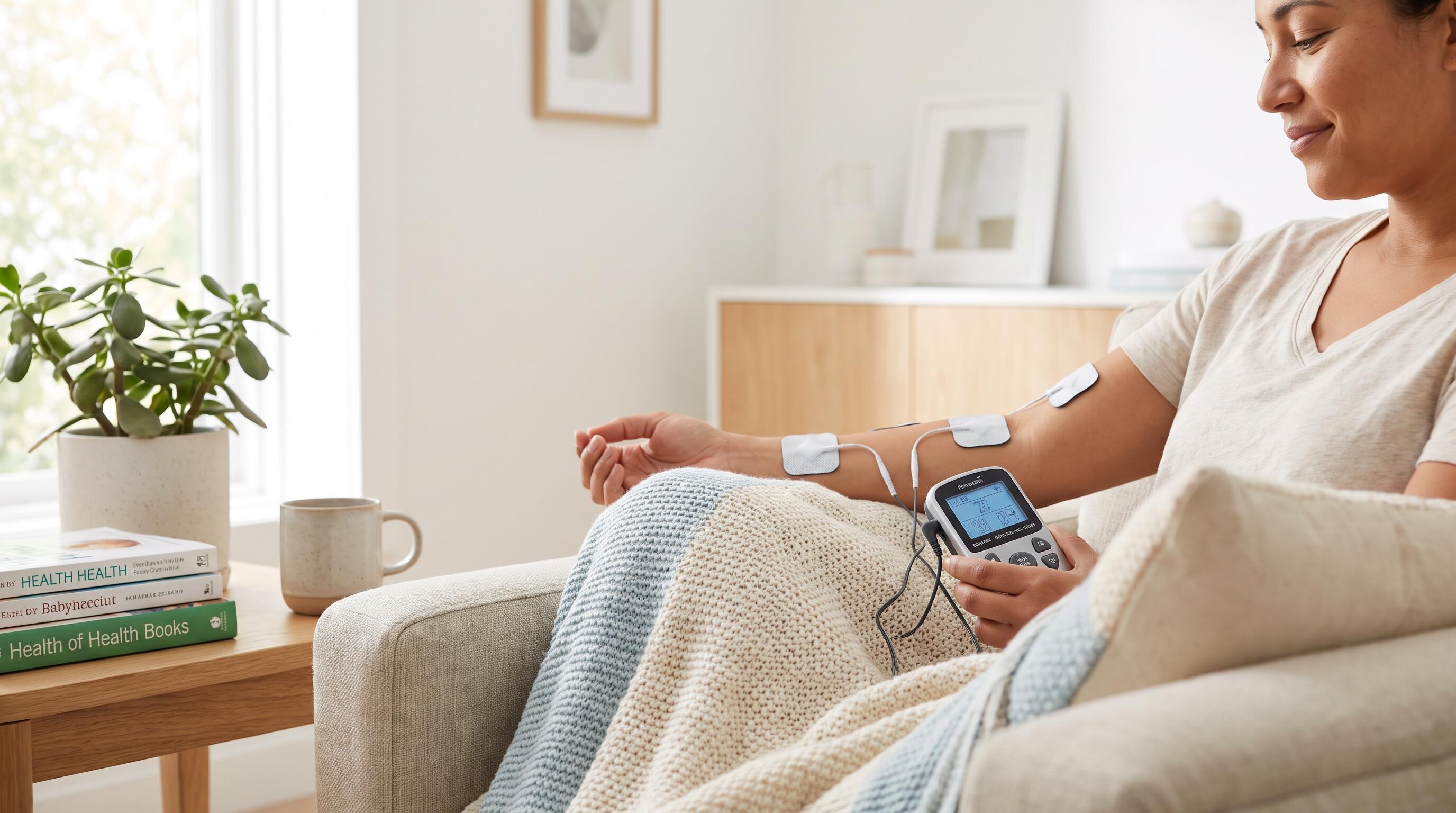
ALT: Person using a home physical therapy device for muscle stimulation and drug-free pain relief
Why the Right Home Physical Therapy Device Can Transform Your Recovery
Key Conclusion: Choosing the right home physical therapy device for muscle stimulation is no longer a luxury reserved for clinical settings. With advances in electrotherapy technology — including TENS and EMS devices — adults managing chronic pain, recovering from surgery, or rebuilding muscle strength can now access professional-grade treatment from the comfort of home. The key is understanding which device aligns with your condition, goals, and lifestyle, and using it consistently as part of a broader wellness plan.
The growing demand for at-home rehabilitation tools reflects a fundamental shift in how people approach pain management and physical recovery. More individuals are seeking non-pharmaceutical alternatives that are both effective and convenient — without the repeated cost and scheduling demands of in-clinic visits. Whether you're an athlete dealing with post-workout soreness, a post-surgery patient bridging the gap between clinic sessions, or someone living with a chronic pain condition, a well-chosen home physical therapy device can become a cornerstone of your daily wellness routine.
Two points are especially worth noting upfront. First, not all devices deliver the same results — the technology behind the stimulation matters enormously. Second, consistency and correct usage are just as important as the device itself. This article will guide you through both.
Who Benefits Most from Home Muscle Stimulation Therapy
✅ Applicable Scenarios:
- Adults recovering from orthopedic surgery or physical therapy who need continued muscle activation between clinic visits
- Athletes and active individuals seeking faster muscle recovery, reduced delayed onset muscle soreness (DOMS), and improved neuromuscular performance
- Individuals with chronic pain conditions such as lower back pain, fibromyalgia, arthritis-related discomfort, or nerve pain who prefer drug-free management strategies
- Women focused on pelvic floor rehabilitation following childbirth, managing urinary incontinence, or proactively supporting pelvic floor health
- Office workers and seniors experiencing muscle weakness, stiffness, or poor circulation due to sedentary lifestyles
❌ Not Applicable/Cautions:
- Individuals with implanted electronic devices (such as pacemakers or neurostimulators) should not use electrical muscle stimulation without explicit clearance from their physician
- Electrotherapy devices should not be applied to areas of broken skin, active infection, or near the head, neck, or heart without professional guidance
- Pregnant individuals should consult a healthcare provider before using any electrotherapy device
- Those experiencing undiagnosed pain — particularly acute or severe pain — should seek medical evaluation before self-treating at home
The Rise of At-Home Electrotherapy: Understanding the Technology Behind Muscle Stimulation
For decades, electrical muscle stimulation and transcutaneous electrical nerve stimulation were tools exclusive to physical therapists and sports medicine clinics. The devices were bulky, expensive, and required specialized training to operate. That landscape has changed dramatically over the past several years, and the shift carries real significance for everyday consumers.
According to the National Institutes of Health (NIH), TENS therapy has been studied extensively as a non-pharmacological approach to pain management, with evidence supporting its effectiveness for certain types of musculoskeletal pain. Meanwhile, EMS technology — long used by elite athletic programs — has entered the consumer market with devices that deliver clinically relevant stimulation levels at home-friendly price points.
What does this mean practically? It means that a person managing post-surgical knee rehabilitation, for example, no longer needs to schedule three clinic visits per week to maintain the muscle activation work their therapist has outlined. With a well-designed home physical therapy device, they can follow through on that work daily — at their own schedule.
The core science is straightforward. TENS devices work by delivering low-voltage electrical impulses through electrode pads placed on the skin. These impulses either interrupt pain signal transmission to the brain (the "gate control" theory) or stimulate the release of endorphins — the body's natural pain-relieving compounds. EMS devices, by contrast, deliver electrical impulses that directly cause muscle contractions, mimicking the signals sent by the nervous system. This makes EMS especially valuable for muscle re-education after injury, atrophy prevention during immobilization, and strength building in targeted muscle groups.
A third technology — Kegel electrical stimulation — applies these same principles specifically to the pelvic floor musculature, delivering gentle electrical impulses to trigger pelvic floor contractions that many individuals struggle to perform voluntarily, particularly postpartum.
Together, these three modalities — TENS, EMS, and Kegel stimulation — form the core of modern at-home electrotherapy, and understanding the distinctions between them is the first step toward choosing the right home physical therapy device for your needs.
Market adoption has been significant. Consumer interest in non-pharmacological pain management tools has grown consistently, driven in part by increasing awareness of opioid-related risks and the desire for solutions that fit into daily life. Electrotherapy devices have become one of the most searched and purchased categories within personal health and wellness equipment — and for good reason.
How to Get Started: A Three-Step Approach to Home Muscle Stimulation
Three-Step Quick Start Guide
Step 1: Identify Your Primary Goal and Choose the Right Modality
Before selecting a device, clarify what you need it to do. Are you primarily seeking pain relief? Muscle recovery and activation? Pelvic floor rehabilitation? TENS is best suited for pain management; EMS targets muscle contraction and strengthening; Kegel stimulation devices address pelvic floor function specifically. Spending 10–15 minutes mapping your goals to the appropriate modality will prevent frustration and ensure you invest in a device that genuinely serves your needs. Consult your physical therapist or physician if you're unsure.
Step 2: Set Up Your Device and Electrode Placement Correctly
Correct electrode placement is critical for both safety and effectiveness. For TENS and EMS devices, electrodes should be placed on clean, dry skin surrounding — but not directly over — the pain site or target muscle group. Follow the placement guides included with your device, or reference anatomical placement charts provided by reputable sources. For Kegel devices, follow the manufacturer's instructions precisely. A typical setup session takes under five minutes once you're familiar with the process.
Step 3: Start with Lower Intensity Settings and Build Gradually
One of the most common mistakes new users make is starting at too high an intensity. Begin at the lowest comfortable setting and increase gradually until you feel a strong but not painful sensation — for TENS, this typically means a noticeable tingling; for EMS, a visible or clearly felt muscle contraction. Most standard sessions run between 20 and 30 minutes. Consistency matters more than intensity: regular, moderate-intensity sessions tend to produce better outcomes than occasional high-intensity use.
Comparing Your Home Physical Therapy Device Options: TENS vs. EMS vs. Kegel Stimulation
Understanding how these three device types compare helps you make an informed decision — or recognize when a combination device might serve you best.
The table below outlines the key functional differences across the three primary electrotherapy modalities available for home use:
| Comparison Dimension | TENS Devices | EMS Devices | Kegel Stimulation Devices |
|---|---|---|---|
| Primary Purpose | Drug-free pain relief | Muscle activation, recovery, and strengthening | Pelvic floor rehabilitation and incontinence management |
| Mechanism | Interrupts pain signals; stimulates endorphin release | Triggers involuntary muscle contractions | Electrically stimulates pelvic floor muscles |
| Target User | Chronic pain sufferers, post-injury patients | Athletes, post-surgical patients, those with muscle weakness | Women postpartum, individuals with pelvic floor dysfunction |
| Electrode Placement | Around or near the pain area on the skin surface | On targeted muscle groups | Internal or external pelvic placement (device-specific) |
| Session Duration | Typically 20–30 minutes | Typically 20–30 minutes | Consult provider / device instructions |
| Drug Interaction | None | None | None |
| Professional Grade Home Use | Available (e.g., iStim) | Available (e.g., iStim) | Available (e.g., iStim) |
Many users find that their needs span more than one category — for example, an athlete recovering from a hamstring injury may benefit from both EMS (to maintain muscle activation during rest) and TENS (to manage residual pain). Combination devices that offer both TENS and EMS modes provide an efficient, cost-effective solution for these individuals.
Deep Dive: What Makes a Home Physical Therapy Device Truly Professional-Grade?
Not all devices sold as "home physical therapy" tools are created equal. The term gets used loosely in the consumer market, and it's worth understanding what genuinely distinguishes a professional-grade device from a basic consumer gadget.
Clinical Output Accuracy and Consistency
A professional-grade home physical therapy device must deliver precise, consistent electrical output across its range of intensity settings. Cheap devices often produce inconsistent waveforms or inaccurate intensity levels — meaning you may not be receiving the therapeutic stimulation you think you are. Devices built to clinical standards are engineered with output accuracy in mind, ensuring that what you set is what you get, session after session.
ISO-Certified Manufacturing
Manufacturing standards matter enormously in medical-grade devices. ISO certification (particularly ISO 13485, which applies to medical device quality management systems) provides assurance that a device has been produced under rigorous quality controls. iStim devices, for example, are manufactured in Taiwan to ISO-certified standards — a meaningful differentiator that speaks to the brand's commitment to quality and safety.
Multiple Modes and Customizable Programs
Therapeutic needs vary by individual, condition, and recovery phase. A versatile home physical therapy device should offer a range of stimulation modes — such as burst, continuous, and modulated waveforms for TENS, or a variety of contraction patterns for EMS — so that users and their healthcare providers can tailor sessions to specific therapeutic goals. A device that only offers one or two fixed programs quickly becomes limiting.
Ease of Use Without Sacrificing Function
There's a temptation to equate complexity with quality, but the best professional-grade home devices strike a careful balance. They must be intuitive enough for a non-clinician to operate safely and correctly, while still providing the range of settings that make meaningful therapeutic customization possible. Clear displays, logical controls, and comprehensive user guides are all markers of a well-designed product.
Proven User Trust and Outcomes
Beyond specifications, real-world outcomes matter. A device trusted by a large community of verified users — such as iStim's base of over 20,000 Amazon customers — carries a level of credibility that generic alternatives simply cannot match. User reviews, particularly from people managing conditions similar to your own, offer valuable insight into how a device performs in everyday therapeutic use.
iStim's Approach to Professional-Grade Home Electrotherapy
iStim was founded on the principle that professional-quality electrotherapy should not be confined to clinical settings. Based in Los Angeles and manufactured in Taiwan to ISO-certified standards, iStim offers a range of TENS, EMS, and Kegel devices engineered specifically for safe and effective home use. The brand's products are designed to meet the expectations of both first-time users and those transitioning from supervised clinic-based therapy — combining clinical-level output with accessible, user-friendly design.
For athletes, chronic pain patients, post-surgical individuals, and women focusing on pelvic floor health, iStim's lineup provides a comprehensive at-home electrotherapy solution backed by a track record of real-world results.
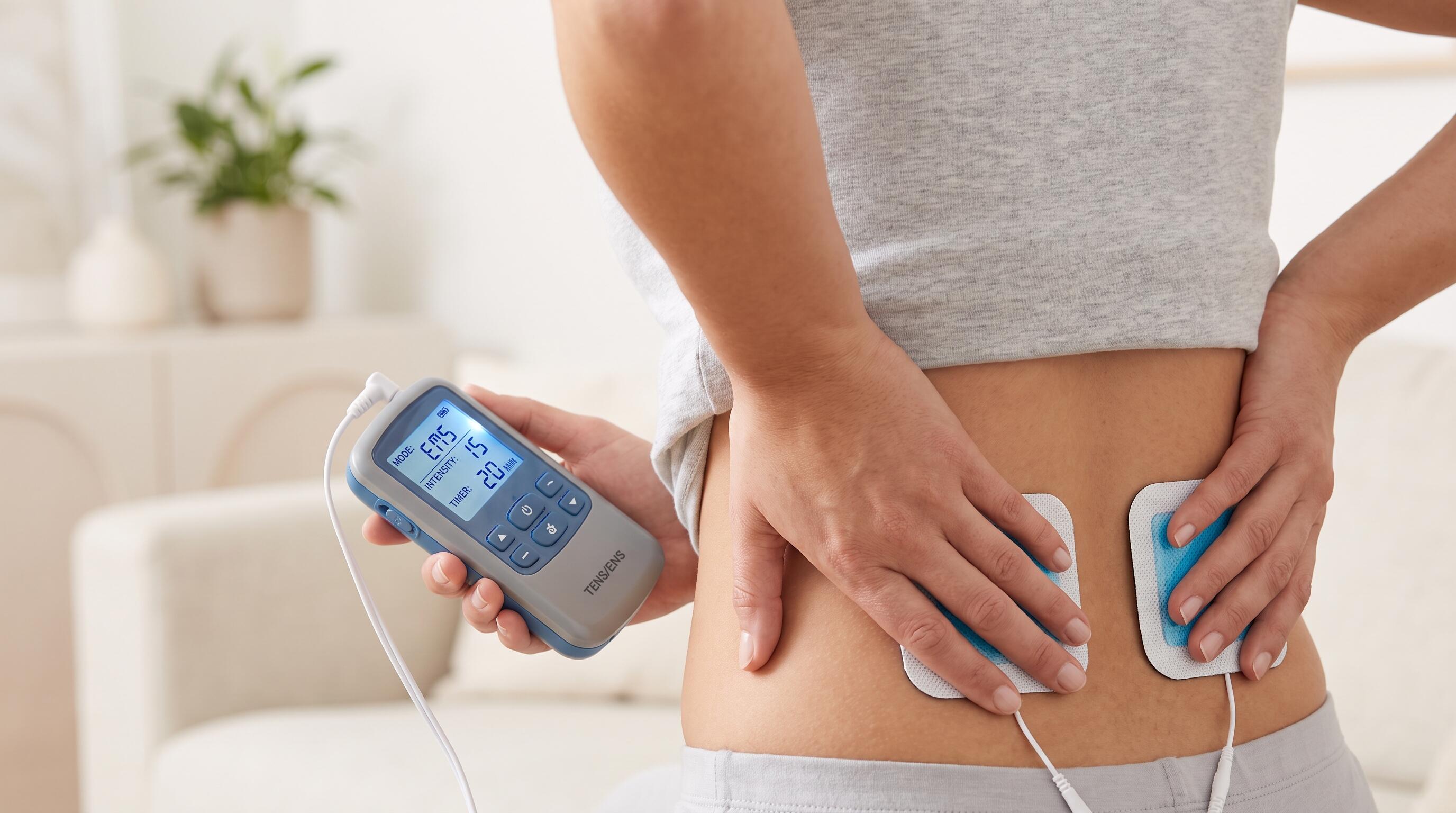
ALT: Person applying professional-grade home physical therapy device electrode pads for EMS muscle stimulation on lower back
Advanced Considerations: Getting More from Your Home Electrotherapy Practice
Layering Electrotherapy with Other Recovery Modalities
One of the most effective strategies for maximizing results from a home physical therapy device is integrating it within a broader recovery or rehabilitation framework. TENS therapy, for example, works particularly well as a preparatory tool before gentle movement or stretching — by reducing pain perception, it can enable a greater range of motion and more effective exercise. EMS, on the other hand, pairs naturally with light resistance training or physical therapy exercises, helping to reinforce the neuromuscular patterns being developed through movement.
Addressing the "More Intensity = Better Results" Misconception
This is perhaps the most common — and consequential — misunderstanding among new electrotherapy users. Higher intensity does not translate to faster or better outcomes. In fact, excessively high intensity during TENS can cause skin irritation, muscle guarding, or paradoxical pain sensitization. For EMS, intensities beyond what is therapeutically appropriate can cause muscle fatigue or soreness that interferes with recovery. The therapeutic window — the range of intensity that is both perceptible and comfortable — is where the most beneficial stimulation occurs. Always work within it.
Understanding the Difference Between Acute and Chronic Use Scenarios
How you use a home physical therapy device should differ depending on whether your pain or condition is acute (recent onset, typically less than a few weeks) or chronic (persistent, often months or years). In acute scenarios, the primary goal is typically pain modulation to support functional activity. In chronic scenarios, regular maintenance sessions may serve a more ongoing management role. The frequency, duration, and intensity of use should be calibrated accordingly — ideally in consultation with a physical therapist or physician.
Frequently Asked Questions FAQ
Q1: How do I know which home physical therapy device supports muscle stimulation for my specific condition?
The best starting point is identifying your primary goal: pain relief, muscle activation, or pelvic floor rehabilitation. TENS devices are best suited for pain management, while EMS devices are designed for muscle stimulation and recovery. For pelvic floor concerns, a dedicated Kegel stimulation device is appropriate. Consulting a physical therapist or physician before selecting a device is always recommended, particularly if you have an underlying medical condition, as they can guide you toward the modality and settings that match your clinical needs.
Q2: Is it safe to use a muscle stimulator or TENS device every day at home?
For most healthy adults, daily use of a TENS or EMS device is considered safe when following manufacturer guidelines and maintaining appropriate intensity levels. However, it's important to monitor your skin under electrode pads for any signs of irritation and to vary electrode placement slightly between sessions. People with pacemakers, implanted devices, or certain medical conditions should consult their doctor before using any electrotherapy device. When in doubt, work with a healthcare provider to establish a safe usage frequency for your specific situation.
Q3: How long does it typically take to notice results from a home electrotherapy device?
Results vary significantly depending on the condition being addressed, the device type, and consistency of use. Some users experience meaningful pain relief during or immediately after their first TENS session, while cumulative benefits — such as reduced baseline pain or improved muscle function from EMS — typically develop over several weeks of regular use. Pelvic floor improvements from Kegel stimulation often become noticeable within four to eight weeks of consistent practice. Consistency is the most critical factor: irregular use rarely produces the sustained outcomes that regular sessions can deliver.
Summary
The landscape of physical rehabilitation and pain management has shifted meaningfully toward accessible, effective at-home solutions — and home physical therapy devices for muscle stimulation are at the center of that shift. Three key takeaways stand out from everything covered in this guide:
First, understanding the distinction between TENS, EMS, and Kegel stimulation is essential to choosing the right tool for your needs. Each modality serves a different primary function, and matching that function to your therapeutic goal is the foundation of effective at-home electrotherapy.
Second, professional-grade quality matters. ISO-certified manufacturing, accurate output, and versatile programming separate devices that deliver real therapeutic value from those that offer only a superficial experience.
Third, consistency and correct technique determine outcomes. A high-quality device used irregularly or incorrectly will not deliver the results that consistent, properly applied sessions can achieve. Start gradually, follow placement guidelines, and integrate electrotherapy into a broader wellness approach whenever possible.
For those ready to move beyond passive pain management and take an active, evidence-informed role in their recovery and wellness, a carefully selected home physical therapy device is one of the most impactful investments you can make.
Ready to take control of your pain relief and muscle health from the comfort of home? iStim offers a full range of professional-grade TENS, EMS, and Kegel devices designed to deliver real, drug-free results — trusted by over 20,000 customers. Visit https://istim.com/ to explore the complete product lineup and find the right electrotherapy solution for your needs.
References
- National Institutes of Health (NIH), National Center for Complementary and Integrative Health. "Chronic Pain: In Depth."
https://www.nccih.nih.gov/health/chronic-pain-in-depth - American Physical Therapy Association (APTA). "Physical Therapist's Guide to Pain Management."
https://www.apta.org/ - U.S. Food and Drug Administration (FDA). "TENS (Transcutaneous Electrical Nerve Stimulation) Devices."
https://www.fda.gov/medical-devices/home-use-devices/transcutaneous-electrical-nerve-stimulators-tens - National Library of Medicine (PubMed). "Electrical Muscle Stimulation for Muscle Recovery and Pain Management: A Systematic Review."
https://pubmed.ncbi.nlm.nih.gov/ - Mayo Clinic. "Transcutaneous Electrical Nerve Stimulation (TENS)."
https://www.mayoclinic.org/tests-procedures/transcutaneous-electrical-nerve-stimulation/about/pac-20384986
Note: Standards and clinical guidelines may be updated. Please check the latest official documents or consult a qualified healthcare professional for current recommendations.
About iStim
iStim is a Los Angeles-based electrotherapy brand specializing in professional-grade TENS, EMS, and Kegel devices engineered for safe and effective home use, manufactured to ISO-certified standards in Taiwan. With a growing community of 20,000+ Amazon customers, iStim is committed to empowering individuals with drug-free pain relief and muscle stimulation solutions.
Disclaimer: This article is provided for informational and educational purposes only and does not constitute medical advice. The content is not intended to diagnose, treat, cure, or prevent any medical condition. Always consult a qualified healthcare professional before starting any new therapy or treatment program. iStim® is a registered trademark. All rights reserved.
Leave a comment