

Best EMS Kegel Device for At-Home Pelvic Floor Training
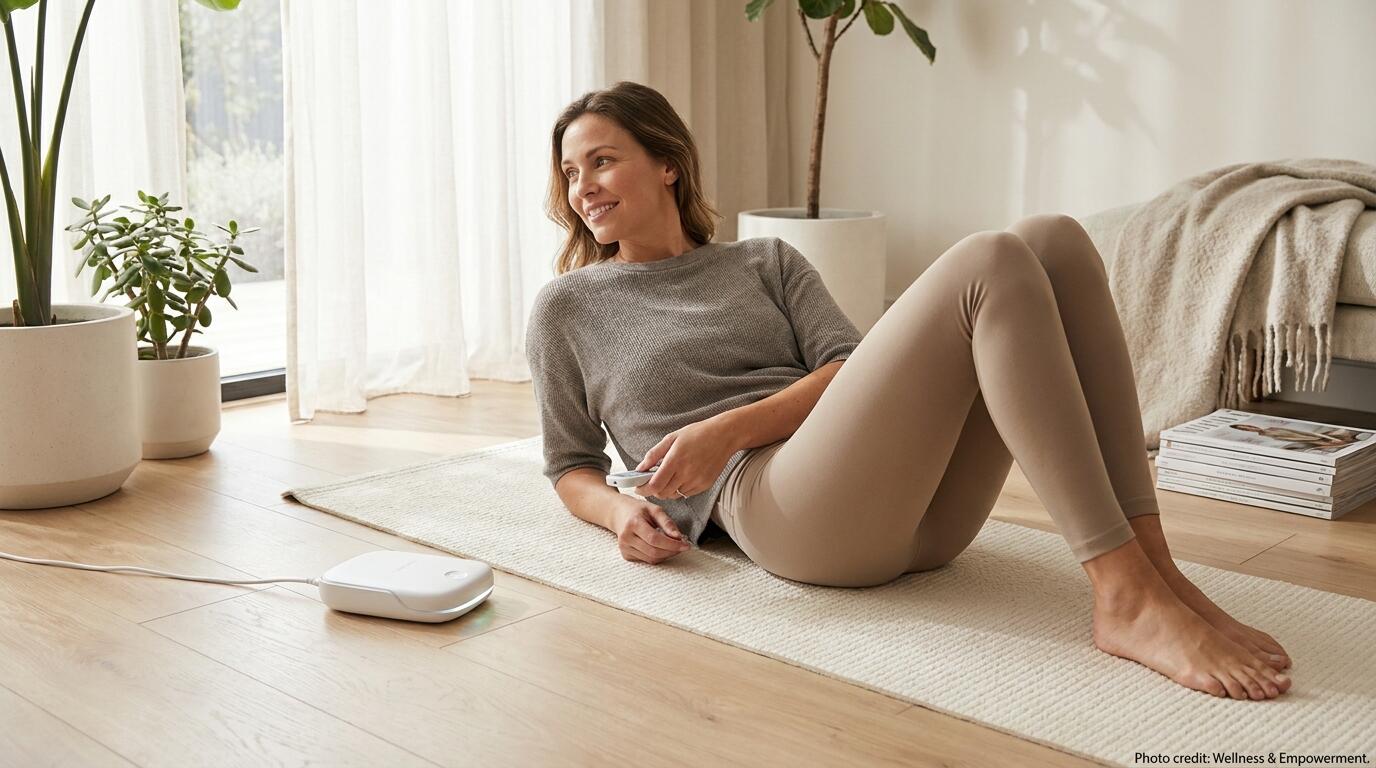
ALT: Woman using an EMS Kegel device at home for pelvic floor muscle stimulator training and rehabilitation
Why an EMS Kegel Device May Be the Smarter Way to Train Your Pelvic Floor
Key Conclusion: An EMS Kegel device delivers gentle electrical pulses directly to the pelvic floor muscles, triggering involuntary contractions that mimic — and often surpass — what manual Kegel exercises can achieve alone. For women struggling with post-partum weakness, stress urinary incontinence, or simply an inability to correctly isolate pelvic muscles, a quality EMS Kegel device offers a clinically informed, drug-free path to measurable improvement from the comfort of home.
Pelvic floor dysfunction is far more common than most people realize, yet it remains one of the most under-discussed areas of women's health. Millions of adults — particularly women who have experienced childbirth, hormonal changes, or the natural effects of aging — quietly manage symptoms like leakage, pelvic pressure, or reduced core stability without ever seeking targeted treatment.
The encouraging news is that technology originally developed for clinical rehabilitation is now accessible at home. EMS-based pelvic floor trainers bridge the gap between a physical therapist's office and your living room. They are not simply gadgets; they are precision tools grounded in decades of neuromuscular science, and choosing the right one can make a meaningful difference in your quality of life.
Who Should Consider an EMS Kegel Device — and Who Should Proceed with Caution
✅ Applicable Scenarios:
- Women experiencing stress urinary incontinence (leaking during coughing, sneezing, or exercise)
- Postpartum individuals seeking structured pelvic floor recovery after vaginal delivery
- Anyone who cannot correctly identify or voluntarily contract pelvic floor muscles through manual Kegels alone
- Women navigating perimenopause or menopause-related pelvic laxity
- Fitness-conscious adults wanting to strengthen their core foundation for improved athletic performance
- Individuals looking for a drug-free, non-invasive alternative to manage mild to moderate pelvic floor weakness
❌ Not Applicable/Cautions:
- Individuals with a cardiac pacemaker or implanted electronic device — electrical stimulation may interfere with device function
- Pregnant women — EMS stimulation is not recommended during active pregnancy without explicit physician approval
- Anyone with active pelvic infection, open wounds, or recent pelvic surgery (consult your healthcare provider before starting)
- Individuals with hypertonic (overly tight) pelvic floor muscles — stimulation may worsen tension rather than address it; always get a professional assessment first
Understanding the Pelvic Floor Challenge and Why EMS Training Works
The pelvic floor is a hammock-like group of muscles, ligaments, and connective tissues that spans the base of the pelvis. These muscles support the bladder, bowel, and uterus, playing a pivotal role in urinary control, sexual function, and spinal stability. When they weaken — through childbirth, hormonal shifts, chronic straining, or sedentary habits — the consequences ripple through daily life in ways both physically and emotionally taxing.
Traditional Kegel exercises, named after gynecologist Dr. Arnold Kegel, involve voluntarily contracting and relaxing pelvic muscles in repetitive cycles. In theory, they are an elegant, equipment-free solution. In practice, research consistently shows that up to 50% of women perform Kegels incorrectly, often bracing the abdomen, glutes, or thighs instead of isolating the intended muscle group. When the wrong muscles are recruited, not only is the exercise ineffective — it can sometimes worsen symptoms.
This is precisely where electrical muscle stimulation enters the picture. EMS (Electrical Muscle Stimulation) technology uses low-level electrical currents delivered via a probe or electrode to directly stimulate motor nerves, causing the target muscles to contract involuntarily. The body does not need to consciously identify or engage the correct muscles — the device does the recruiting work. Over time, this repeated, correctly targeted stimulation builds both muscle mass and neuromuscular awareness, helping users eventually perform voluntary Kegels with greater accuracy and strength.
The global pelvic floor muscle trainer market has grown substantially in recent years, driven by increasing awareness of pelvic health, destigmatization of incontinence conversations, and growing demand for at-home medical-grade devices. Consumers are no longer willing to wait months for a physical therapy appointment when a well-designed EMS Kegel device can deliver structured, progressive training on their own schedule.
If you are comparing modalities in depth, the guide Best Kegel Trainer for Women: EMS vs Manual Kegels offers a detailed breakdown of how electrical stimulation stacks up against traditional voluntary exercises — a valuable read before making your investment decision.
For those specifically interested in bladder control applications, exploring Best Pelvic Floor Trainer for Bladder Control Routines provides targeted program guidance to help you structure an effective daily routine.
How to Get Started with an EMS Kegel Device: A Practical Three-Step Framework
Setting Up, Training Smart, and Tracking Progress
Step 1: Choose the Right Device and Prepare Correctly
Before your first session, read the manufacturer's guidelines thoroughly. Select a clean, comfortable position — typically lying on your back with knees bent, or in a semi-reclined position. Ensure the probe or electrode is properly cleaned and lubricated as instructed. Begin with the lowest intensity setting available. Most quality EMS Kegel devices, including those in the iStim lineup, offer multiple adjustable intensity levels to let you ease into stimulation without discomfort. Allow approximately 5–10 minutes for your initial familiarization session.
Step 2: Follow a Structured Program Consistently
EMS pelvic floor training is cumulative — one session will not produce lasting results. Commit to a regular schedule, typically several sessions per week as recommended by your device's program guidelines or your healthcare provider. During each session, relax your abdomen and breathe normally while the device works. Resist the urge to voluntarily contract or tense other muscles. A typical session may run between 15 and 30 minutes depending on the chosen program. Consistency over weeks, not days, is what drives measurable improvement.
Step 3: Progress Intensity Gradually and Monitor Your Response
As your tolerance and muscle strength develop, incrementally increase the stimulation intensity — only to a level that feels like a firm, working contraction without pain. Keep a simple log of your sessions, noting intensity level and any changes in symptoms (fewer leakage episodes, improved sensation, reduced urgency). This data is also useful to share with your healthcare provider during follow-up visits. Plateau periods are normal; adjusting program mode or intensity can reinstate progress when growth stalls.
Comparing Your Main Options: Which EMS Kegel Device Approach Is Right for You?
Not all pelvic floor training tools are created equal. The market offers a spectrum of approaches, from passive manual Kegel reminders to fully automated EMS stimulation with probe delivery. Understanding how these differ helps you make a confident, informed choice.
The following comparison covers the three primary categories most home users encounter:
| Comparison Dimension | Manual Kegel Exercises | Biofeedback Kegel Trainers | EMS Kegel Devices (e.g., iStim) |
|---|---|---|---|
| Muscle Targeting Accuracy | Highly variable; depends on user's body awareness | Moderate — provides feedback but still requires voluntary control | High — electrical stimulation directly recruits target muscles |
| Suitable for Beginners | Challenging without professional guidance | Moderate — visual feedback helps | Excellent — works even when user cannot isolate muscles independently |
| Clinical Background | Long-established but limited evidence of correct execution at home | Growing evidence base | Grounded in decades of physical therapy and rehabilitation research |
| Program Customization | None — user-dependent | Limited | Multiple modes and adjustable intensity levels |
| Device Cost | Free | Moderate to high | Moderate — one-time investment with long-term value |
| Drug-Free | ✅ Yes | ✅ Yes | ✅ Yes |
| Home Usability | ✅ Yes | ✅ Yes | ✅ Yes |
| ISO-Certified Manufacturing | N/A | Varies | ✅ Yes (iStim) |
For users who are unsure which approach suits their specific situation, the review article iStim V2 Review: Who Is It Best For? walks through real-world use cases and helps match device features to individual needs.
What to Look for in a High-Quality EMS Kegel Device
Safety and Certification Standards
When you introduce any electrical device to your body, safety is non-negotiable. Look for products manufactured under ISO-certified quality management systems — this ensures consistent production standards, materials traceability, and rigorous testing protocols. iStim's devices are backed by ISO-certified Taiwanese manufacturing, which places them in the same quality tier as equipment used in clinical rehabilitation settings.
Avoid purchasing unbranded or uncertified devices from unknown sources. The pelvic region is sensitive, and poorly calibrated electrical output can cause discomfort or, in rare cases, tissue irritation. Certification is your assurance that the device has been engineered with physiologically appropriate parameters.
Intensity Adjustability and Program Variety
One of the most important features separating a professional-grade pelvic floor muscle stimulator from a basic consumer device is the range of adjustable intensity levels combined with varied stimulation programs. Different programs target different physiological outcomes — some focus on endurance contractions for baseline tone, others on rapid-fire fast-twitch recruitment for functional strength, and still others on relaxation cycles for hypertone relief.
If you want to explore devices specifically built around adjustable intensity as a core design principle, the resource Best Pelvic Floor Trainer with Adjustable Intensity provides an excellent framework for evaluating your options.
Ease of Use and Discretion
A device that sits unused in a drawer because it is too complicated offers no therapeutic value. The best at-home EMS Kegel devices feature intuitive controls, clear displays, and simple setup procedures. iStim devices are designed with the home user in mind — clinical capability delivered through a user-friendly interface that does not require a degree in biomedical engineering to operate.
Discretion also matters. Devices should be compact, quiet during operation, and easy to clean and store between sessions.
Proven Track Record and Customer Trust
Peer validation is meaningful. With over 20,000 Amazon customers having chosen iStim products, the brand's track record speaks to consistent performance and satisfaction across a diverse user base. When evaluating any EMS Kegel device, look for verified reviews that address long-term outcomes — not just first impressions — and check whether the manufacturer provides accessible customer support.
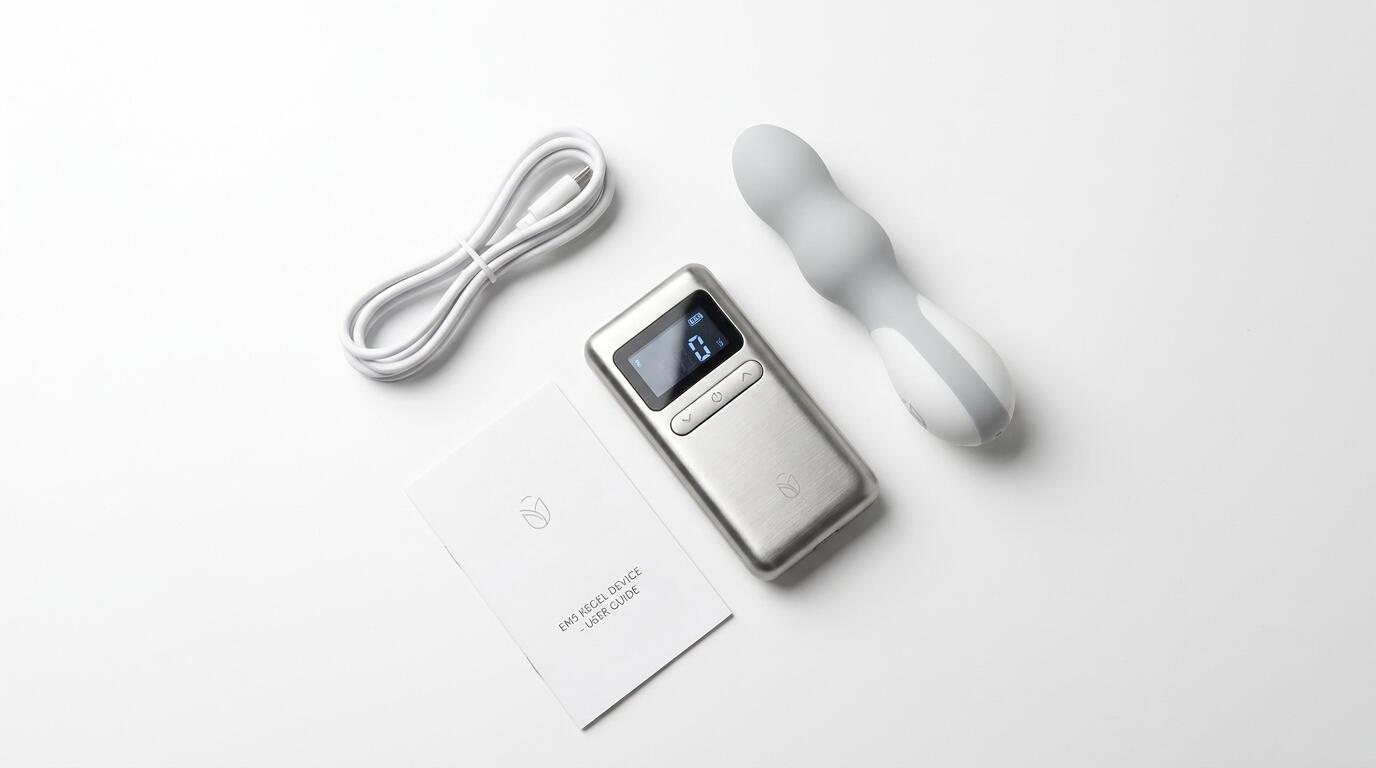
ALT: Professional-grade EMS Kegel device and pelvic floor muscle stimulator components laid out for at-home use
Advanced Considerations: Getting More from Your EMS Kegel Training
Handling Plateaus and Adjusting Your Approach
Plateaus are a normal part of any training program — pelvic floor rehabilitation included. If you have been using your EMS Kegel device consistently for several weeks and notice that symptom improvement has stalled, consider the following adjustments before concluding the device is ineffective.
First, review your intensity progression. Many users stay too comfortable for too long, never increasing stimulation beyond the initial levels. Gradual upward adjustment is expected and necessary for continued neuromuscular adaptation. Second, switch stimulation programs if your device offers multiple modes. Varying the contraction pattern challenges the muscles differently, much like cross-training does for athletes. Third, consider combining EMS sessions with newly learned voluntary Kegels — by this stage, the EMS training should have improved your proprioceptive awareness enough to execute them correctly.
Common Misconceptions to Clear Up
"More intensity means faster results." This is a persistent myth. Excessive stimulation intensity causes discomfort and may trigger muscle guarding — the opposite of therapeutic relaxation and strengthening. Always progress gradually and within your comfort threshold.
"EMS Kegel devices are only for women after childbirth." While postpartum recovery is a primary use case, pelvic floor dysfunction affects women at every life stage and for diverse reasons. Perimenopausal women, athletes experiencing stress incontinence, and those simply prioritizing preventive pelvic health are all ideal candidates.
"If I don't feel the stimulation strongly, it's not working." The perception of electrical stimulation varies based on individual nerve sensitivity, electrode positioning, and skin hydration. A mild but consistent sensation at an appropriate intensity level is sufficient for therapeutic effect — dramatic discomfort is never the goal.
Relationship with Professional Physical Therapy
EMS Kegel devices are not intended to replace pelvic floor physical therapy — they are designed to complement it. Many physiotherapists actively recommend home EMS use between clinical sessions to reinforce gains made in the clinic. If you have access to a pelvic floor specialist, sharing information about your at-home device (brand, programs used, intensity range) allows them to integrate it meaningfully into your overall treatment plan.
Frequently Asked Questions FAQ
Q1: How do I know if an EMS Kegel device is working for me?
Most users begin noticing subjective improvements — fewer leakage episodes, a stronger sense of pelvic engagement, or reduced urgency — within several weeks of consistent use. Objective signs include the ability to perform voluntary Kegel contractions more accurately and with greater endurance than before you started. Tracking symptoms in a simple diary and discussing progress with your healthcare provider is the most reliable way to assess outcomes over time.
Q2: Is an EMS Kegel device safe to use every day?
For most healthy adults without contraindications, moderate-frequency use is well-tolerated, but daily sessions at high intensity without rest may lead to muscle fatigue rather than strengthening. Most clinical guidelines suggest alternating training days or following the specific program schedule recommended by your device's manufacturer. Always start with lower frequency sessions when beginning and increase gradually. If you experience unusual discomfort or worsening symptoms, pause use and consult a healthcare professional.
Q3: How long does it take to see results from a pelvic floor EMS device?
Results vary based on the severity of pelvic floor weakness, consistency of use, and individual physiology. Many users report noticeable symptomatic improvement within four to eight weeks of regular sessions. For more significant dysfunction — such as moderate stress urinary incontinence following childbirth — a longer committed program of two to three months is typically recommended before comprehensive evaluation. Consistency is the most reliable predictor of outcome; sporadic use will not produce the same results as a structured, progressive routine.
Summary
Pelvic floor health is a foundational pillar of overall well-being — influencing continence, core strength, sexual function, and quality of life across every stage of adulthood. Yet for too long, effective solutions have been confined to clinical settings, leaving millions of people to manage symptoms without adequate support.
The three core takeaways from this guide are clear:
- EMS Kegel devices work where manual exercises often fall short — by directly stimulating pelvic muscles electrically, they ensure the right muscles are trained, regardless of the user's body awareness or prior experience.
- Safety and quality standards matter enormously — choosing an ISO-certified device from a reputable, proven brand like iStim ensures you receive clinical-grade therapeutic effect without unnecessary risk.
- Consistency and gradual progression are everything — the technology provides the foundation, but regular, structured use over weeks and months is what translates that foundation into lasting improvement.
If you are ready to move beyond symptom management and toward genuine pelvic floor rehabilitation — on your own schedule, in your own home — an EMS Kegel device is a logical, evidence-informed next step.
Take the Next Step with iStim
Ready to take control of your pelvic floor health from the comfort of home? Explore iStim's full lineup of professional-grade TENS, EMS, and Kegel devices at https://istim.com/ and find the right drug-free solution tailored to your needs. Trusted by over 20,000 customers and built to clinical standards, iStim is here to help you move, feel, and live better — every day.
References
- National Institute of Diabetes and Digestive and Kidney Diseases (NIDDK). "Kegel Exercises".
https://www.niddk.nih.gov/health-information/urologic-diseases/kegel-exercises - Office on Women's Health, U.S. Department of Health & Human Services. "Pelvic floor disorders".
https://www.womenshealth.gov/a-z-topics/pelvic-floor-disorders - American College of Obstetricians and Gynecologists (ACOG). "Pelvic Support Problems".
https://www.acog.org/womens-health/faqs/pelvic-support-problems - National Library of Medicine, PubMed Central. "Electrical stimulation for urinary incontinence in women: a systematic review".
https://pubmed.ncbi.nlm.nih.gov/ - Physiopedia. "Pelvic Floor Muscle Training".
https://www.physio-pedia.com/Pelvic_Floor_Muscle_Training
Note: Standards and clinical guidelines may be updated. Please refer to the latest official documents or consult a qualified healthcare professional for personalized advice.
About iStim
iStim is a Los Angeles-based electrotherapy brand specializing in professional-grade TENS, EMS, and Kegel devices engineered for safe, effective home use — backed by ISO-certified Taiwanese manufacturing and trusted by 20,000+ Amazon customers for drug-free pain relief and muscle stimulation. Learn more at istim.com.
Disclaimer: This article is provided for informational and educational purposes only and does not constitute medical advice. The content is produced in partnership with iStim and reflects general wellness information. Always consult a qualified healthcare professional before beginning any new therapy or treatment program. iStim is not responsible for any actions taken based on the information presented in this article.
Leave a comment