

Best Cervical Traction Device with Controlled Intensity
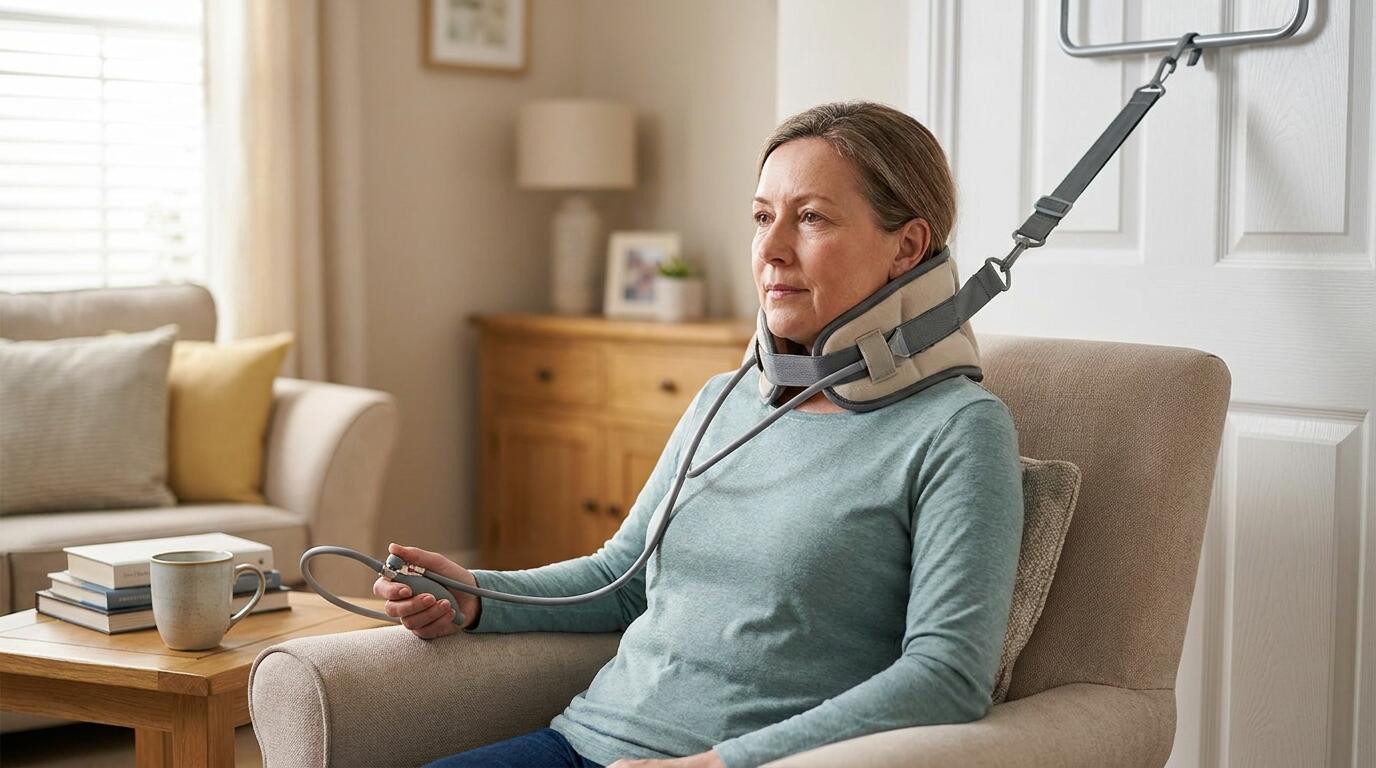
ALT: Person using best cervical traction device with controlled intensity for safe at-home neck decompression
Why Controlled Intensity Makes or Breaks Your Cervical Traction Results
Key Conclusion: When it comes to cervical traction, controlled intensity is not a luxury — it is a clinical necessity. The best cervical traction device with controlled intensity allows you to dial in the exact amount of decompressive force your cervical spine needs, minimizing injury risk while maximizing therapeutic benefit. Without precise adjustment, you risk overstretching fragile neck structures. With it, you gain a repeatable, evidence-informed tool for drug-free neck pain relief at home.
Neck pain has become one of the most prevalent musculoskeletal complaints in the modern world, affecting office workers, athletes, seniors, and anyone who spends significant time looking at screens. Cervical traction — the gentle mechanical separation of vertebral joints — has long been used in physical therapy clinics to decompress pinched nerves, relieve herniated disc pressure, and reduce muscle tension. What has changed is the technology available for home use.
The difference between a device that works and one that causes harm often comes down to a single factor: how precisely you can control the traction force. A device that offers wide-range, incremental adjustment empowers you to start conservatively, build gradually, and respond intelligently to your body's feedback. That is the defining feature we will explore throughout this article.
Who Should (and Should Not) Use a Cervical Traction Device
✅ Applicable Scenarios:
- Adults experiencing chronic neck pain, stiffness, or upper back tension from prolonged desk work or poor posture
- Individuals diagnosed with cervical disc herniation, degenerative disc disease, or cervical radiculopathy who have received physician clearance for traction therapy
- Athletes and active individuals seeking faster muscle recovery and decompression after high-impact training
- Post-injury or post-physical-therapy patients maintaining cervical mobility gains at home
- Seniors managing age-related cervical stiffness and nerve compression symptoms
❌ Not Applicable/Cautions:
- Individuals with acute cervical fractures, severe osteoporosis, spinal instability, or active infection in the cervical region — traction is contraindicated
- Pregnant women should consult their OB-GYN and physical therapist before using any traction device
- Anyone who has not yet received a diagnosis for their neck pain should consult a healthcare professional before starting traction therapy at home
- People with vascular conditions affecting the neck (e.g., vertebrobasilar insufficiency) should avoid cervical traction without explicit medical supervision
The Growing Need for Precision in At-Home Cervical Decompression
Neck disorders cost healthcare systems billions of dollars annually and are among the leading causes of disability-related work absences worldwide. According to the World Health Organization, musculoskeletal conditions are the leading contributor to global disability, with neck pain ranking as the fourth greatest cause of disability globally. As remote work has normalized sedentary, screen-forward postures, the demand for accessible, cost-effective cervical therapy solutions has surged.
Traditional clinical traction units are effective but expensive and require repeated clinic visits. This has accelerated consumer interest in home-use cervical traction devices — a market that now spans everything from simple inflatable neck collars to sophisticated over-door mechanical units. The challenge for consumers is identifying which devices offer genuine therapeutic value versus those that merely create the appearance of decompression without meaningful, adjustable force.
This is where the concept of controlled intensity becomes the pivotal differentiator. In clinical settings, physical therapists calibrate traction force based on patient weight, diagnosis, and tolerance — typically beginning at a low percentage of body weight and progressing incrementally. The best home devices replicate this logic, giving users a measurable range of traction force with clear, intuitive adjustment mechanisms.
If you are still evaluating your options, the comprehensive guide on How to Compare Neck Traction Devices Before Buying offers a structured framework for assessing quality, safety features, and clinical appropriateness — an excellent companion read before making a purchase decision.
For those specifically looking for devices optimized for home environments, the detailed overview at Best Cervical Traction Device for Home Use covers the key features that distinguish clinical-grade home units from lower-quality alternatives.
How to Use a Cervical Traction Device with Controlled Intensity: A Practical Guide
Three-Step Quick Start for Safe, Effective Cervical Traction
Step 1: Establish Your Starting Baseline Intensity
Before applying any traction force, read the device's instruction manual carefully and identify the lowest available intensity setting. Position yourself as directed — typically seated or lying supine with the neck in a neutral, slightly flexed position. Apply the device and begin at the minimum setting. Spend the first session (approximately 5–10 minutes) simply acclimating to the sensation. You should feel gentle elongation along the back of the neck, not discomfort or pain. Document your starting intensity level for reference in subsequent sessions.
Step 2: Progress Gradually Over Multiple Sessions
Cervical traction is most effective when the body is allowed to adapt progressively. After 2–3 sessions at your baseline setting with no adverse reaction, increase the intensity by one increment. Continue this pattern over one to two weeks, respecting any feedback from your body. Many devices capable of reaching up to 50 lbs traction — a range commonly cited as appropriate for adult cervical decompression — allow you to work methodically toward a therapeutic target rather than jumping to high force too quickly. Session duration can extend to 15–20 minutes as tolerated.
Step 3: Integrate into a Consistent Therapy Routine
Consistency drives outcomes in cervical traction therapy. Aim for daily or near-daily sessions at your established therapeutic intensity, ideally at the same time each day to build habit. Pair your sessions with gentle cervical range-of-motion exercises immediately afterward to capitalize on the temporary increase in joint mobility. Track your symptoms week over week — reduced morning stiffness, improved range of motion, and decreased referred arm numbness are positive indicators that your controlled-intensity protocol is working.
Comparing the Main Types of Cervical Traction Devices
Choosing the right device requires understanding how different mechanical designs translate to real-world intensity control. Not all cervical traction devices are created equal, and the mechanism of force delivery dramatically affects both safety and adjustability.
The table below compares three common device categories across dimensions most relevant to controlled-intensity therapy:
| Comparison Dimension | Over-Door Mechanical Traction | Inflatable Cervical Collar | Supine Neck Traction Cradle |
|---|---|---|---|
| Intensity Control Range | Wide, weight-based (typically up to clinical levels) | Limited; air pressure only, difficult to quantify | Moderate; gravity-assisted, some models offer adjustment |
| Precision of Adjustment | High — incremental weight additions | Low — difficult to standardize between sessions | Moderate — angle and positioning dependent |
| Ease of Home Use | Requires door setup; learning curve | Very easy; portable | Easy; used lying down |
| Postural Alignment During Use | Seated, upright | Seated or standing | Supine (lying down) |
| Recommended for Nerve Compression | Yes, with clinical guidance | Limited effectiveness for nerve decompression | Yes, particularly for disc-related issues |
| Portability | Low | High | Moderate |
| Typical Price Range | Mid to high | Low | Mid |
The mechanical over-door traction unit consistently outperforms inflatable collars when precision and clinical-level force are required. However, supine traction cradles offer a compelling middle ground for users who prefer to decompress in a reclined position, which many find more comfortable and relaxing.
Understanding Cervical Traction Force: What "Controlled Intensity" Really Means
Why Force Measurement Matters More Than You Think
When we talk about cervical traction with controlled intensity, we are really talking about reproducibility and safety. A device that lets you apply 8 lbs of force today and unknowingly 18 lbs tomorrow — because the mechanism is imprecise — is not a therapeutic tool. It is a variable risk factor.
Clinical research on cervical traction consistently points to a therapeutic window of force that is sufficient to create joint distraction (vertebral separation) without exceeding the tolerance of surrounding soft tissues. For most adults, this range begins at a relatively modest force and can extend considerably higher depending on body weight, tolerance, and the specific condition being treated. Devices that allow adjustment in small, measurable increments — rather than broad, vague pressure changes — allow users to operate within this window consistently.
The Role of Angle and Positioning in Intensity Perception
Force is only half the equation. The angle at which traction is applied dramatically changes which cervical segments are most affected. A more flexed neck position (chin slightly tucked) tends to target the lower cervical spine (C4–C7), while a more neutral or slightly extended position affects the upper segments. High-quality devices account for this by offering adjustable angles or positioning guides.
This is particularly important for users with specific diagnoses. Someone managing a C5–C6 herniated disc will benefit from a slightly different setup than someone dealing with general upper cervical stiffness. If you're working with a device recommended by your physical therapist, ask them specifically about optimal angle for your condition.
When to Stop and Reassess
Controlled intensity also means knowing when not to increase force. The following are signals that you should reduce intensity or pause your sessions and consult a healthcare provider:
- New or worsening radiating pain into the arms, shoulders, or hands
- Headache or dizziness during or immediately after traction
- Increased local neck pain persisting more than a few hours post-session
- Numbness or tingling in the face, jaw, or tongue
These symptoms may indicate that traction is exacerbating a condition or that the current intensity is too high. A good cervical traction device gives you the ability to back off immediately — another reason why fine-grained intensity control is non-negotiable.
How iStim's Approach Supports Safe Home Use
While iStim is primarily known for its professional-grade TENS and EMS devices, the brand's commitment to bringing clinical-quality tools to the home user reflects the same philosophy that defines good cervical traction design: give people meaningful control, clear feedback, and reliable, reproducible performance. The same principle that makes a TENS unit effective — precise, adjustable electrical stimulation — applies to mechanical cervical traction. Precision is protection.
For those exploring complementary pain relief modalities alongside cervical traction, Best Neck Decompression Device for Home Therapy Routines provides an in-depth look at how to build a complete at-home neck therapy protocol that combines mechanical decompression with other evidence-based tools.
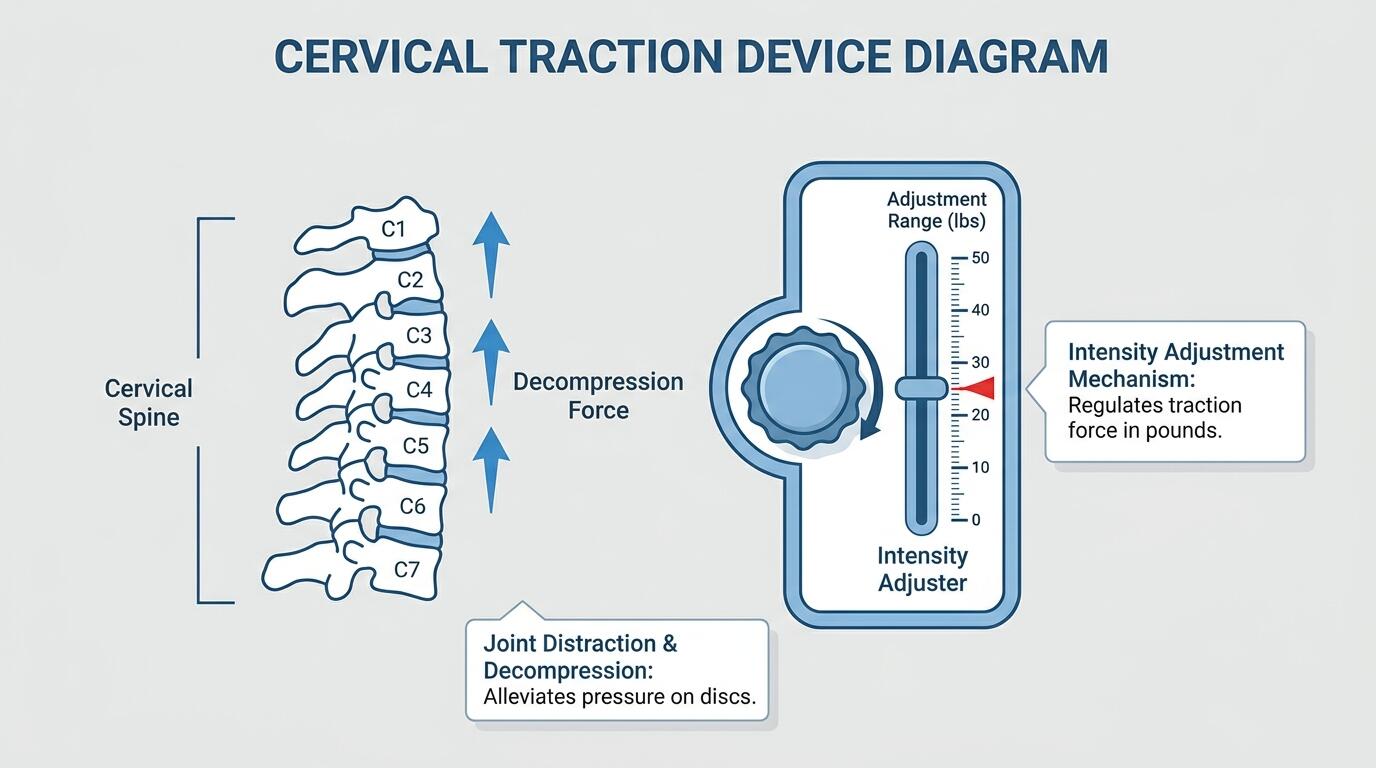
ALT: Cervical traction device with controlled intensity adjustment showing safe neck decompression for home use therapy
Advanced Considerations: Special Cases, Misconceptions, and Complementary Therapies
Special Situations That Require Extra Caution
Post-Surgical Cervical Patients
If you have undergone cervical fusion or disc replacement surgery, traction is not automatically safe — even at low intensity. The timeline for resuming traction varies by surgical approach and extent of fusion. Always obtain explicit clearance from your spine surgeon before using any cervical traction device post-operatively. Start with the minimum available intensity and report any unusual sensations immediately.
Osteoporosis and Bone Density Concerns
Reduced bone density affects how cervical vertebrae respond to mechanical load. Individuals with diagnosed osteoporosis should use cervical traction only under direct medical supervision, if at all. Even conservative force levels can stress compromised vertebral end plates in ways that are not immediately apparent.
Cervicogenic Headache Sufferers
Some users with headaches originating from the upper cervical spine (C1–C3) may find low-intensity traction genuinely helpful. However, this population is also at greater risk for symptom provocation if force is applied incorrectly. Start at the absolute minimum, keep sessions short initially, and track headache frequency and intensity as objective outcome measures.
Common Misconceptions Clarified
"More force means faster results."
This is perhaps the most dangerous misconception in cervical traction. Higher force does not equal better outcomes. Clinical evidence supports using the minimum effective dose — the lowest force level that produces measurable symptom relief. Overstretching ligaments and muscles can create hypermobility and worsen instability over time.
"If it doesn't hurt, it isn't working."
Effective cervical traction should feel like a comfortable, gentle elongation — not pain. Discomfort during traction is a signal, not a sign of efficacy. Therapeutic decompression works through sustained, low-level distraction, not through pain mechanisms.
"All neck stretchers and traction devices do the same thing."
There is a meaningful difference between a foam neck roll that provides passive support and a mechanical traction unit that creates measurable joint distraction force. For those specifically dealing with nerve compression or disc herniation, passive support alone is unlikely to produce the clinical benefit that true traction with controlled intensity can deliver. The guide on Best Neck Stretcher for Desk Workers offers helpful context on when a stretcher suffices and when you need a true traction device.
Frequently Asked Questions FAQ
Q1: How do I know which cervical traction device offers controlled intensity?
Look for devices that specify their force range in measurable units (pounds or kilograms) and offer incremental adjustment steps rather than vague "low/medium/high" settings. Mechanical over-door traction units that allow precise weight-based adjustments offer the greatest degree of control. Read product specifications carefully, consult user reviews from verified purchasers with similar conditions, and prioritize devices from manufacturers who publish clinical or testing data supporting their intensity claims.
Q2: Is cervical traction with controlled intensity safe to use every day at home?
For most users with physician or physical therapist clearance, daily cervical traction sessions of 15–20 minutes at a comfortable, therapeutic intensity are considered safe. The key is consistency at an appropriate force level — not escalating intensity beyond what produces symptom relief. If you experience any worsening of symptoms, increase in headaches, or new neurological symptoms such as arm tingling, discontinue daily use and consult your healthcare provider before resuming sessions.
Q3: How long does it typically take to see results from controlled-intensity cervical traction?
Most users begin noticing improvement in morning neck stiffness and pain levels within two to four weeks of consistent use at a therapeutic intensity. For disc-related nerve compression symptoms, the timeline may extend to six to eight weeks. Outcomes depend heavily on diagnosis, consistency of use, proper device setup, and whether traction is paired with other therapies such as targeted stretching or TENS therapy for pain management. Document your baseline symptoms before starting and reassess at two-week intervals.
Summary
Cervical traction is one of the most evidence-supported, non-invasive approaches available for managing neck pain, disc compression, and cervical radiculopathy at home. But its effectiveness hinges entirely on the quality and precision of intensity control the device provides.
Three core takeaways from this guide:
- Controlled intensity is the defining feature of a safe, effective cervical traction device. A device without measurable, incremental force adjustment is not a clinical tool — it is a risk factor.
- Progressive, protocol-driven use produces better outcomes than aggressive, high-force sessions. Begin conservatively, advance gradually, and treat your body's feedback as data.
- The best results come from integrating cervical traction into a broader at-home therapy routine — one that may include TENS for pain relief, targeted stretching, and consistent postural awareness throughout the day.
Your next step is to identify a device that matches your diagnosis, preferred body position during traction, and intensity range requirements. Consult your physical therapist or physician for personalized guidance, and approach your home therapy with the same rigor a clinician would apply in a supervised setting.
Ready to Explore Professional-Grade Electrotherapy Solutions?
Ready to take control of your pain relief and muscle health — naturally and without drugs? iStim offers a full range of professional-grade TENS, EMS, and Kegel devices designed for safe, effective home use. Visit https://istim.com/ to explore the complete product lineup and find the right electrotherapy solution for your needs.
References
- World Health Organization. "Musculoskeletal Health — Key Facts and Global Burden".
https://www.who.int/news-room/fact-sheets/detail/musculoskeletal-conditions - National Institutes of Health — National Library of Medicine (PubMed). "Cervical Traction for Managing Neck Pain: A Systematic Review".
https://pubmed.ncbi.nlm.nih.gov/ - American Physical Therapy Association (APTA). "Clinical Practice Guidelines for Neck Pain".
https://www.apta.org/patient-care/evidence-based-practice-resources/cpg - National Institute of Neurological Disorders and Stroke (NINDS). "Neck Pain Information Page".
https://www.ninds.nih.gov/health-information/disorders/neck-pain - Spine-Health (Veritas Health). "Cervical Traction for Neck Pain".
https://www.spine-health.com/treatment/physical-therapy/cervical-traction-neck-pain
Note: Standards and clinical guidelines may be updated. Please check the latest official documents or consult a qualified healthcare professional for current recommendations.
About iStim
iStim is a Los Angeles-based electrotherapy brand specializing in professional-grade TENS, EMS, and Kegel devices engineered for home use, backed by ISO-certified Taiwanese manufacturing and trusted by 20,000+ customers for drug-free pain relief and muscle stimulation. Learn more at istim.com.
© iStim. All rights reserved. This article is intended for informational purposes only and does not constitute medical advice. Always consult a qualified healthcare professional before beginning any new treatment or therapy program.
Leave a comment