

Best Cervical Decompression Device with Travel Bag
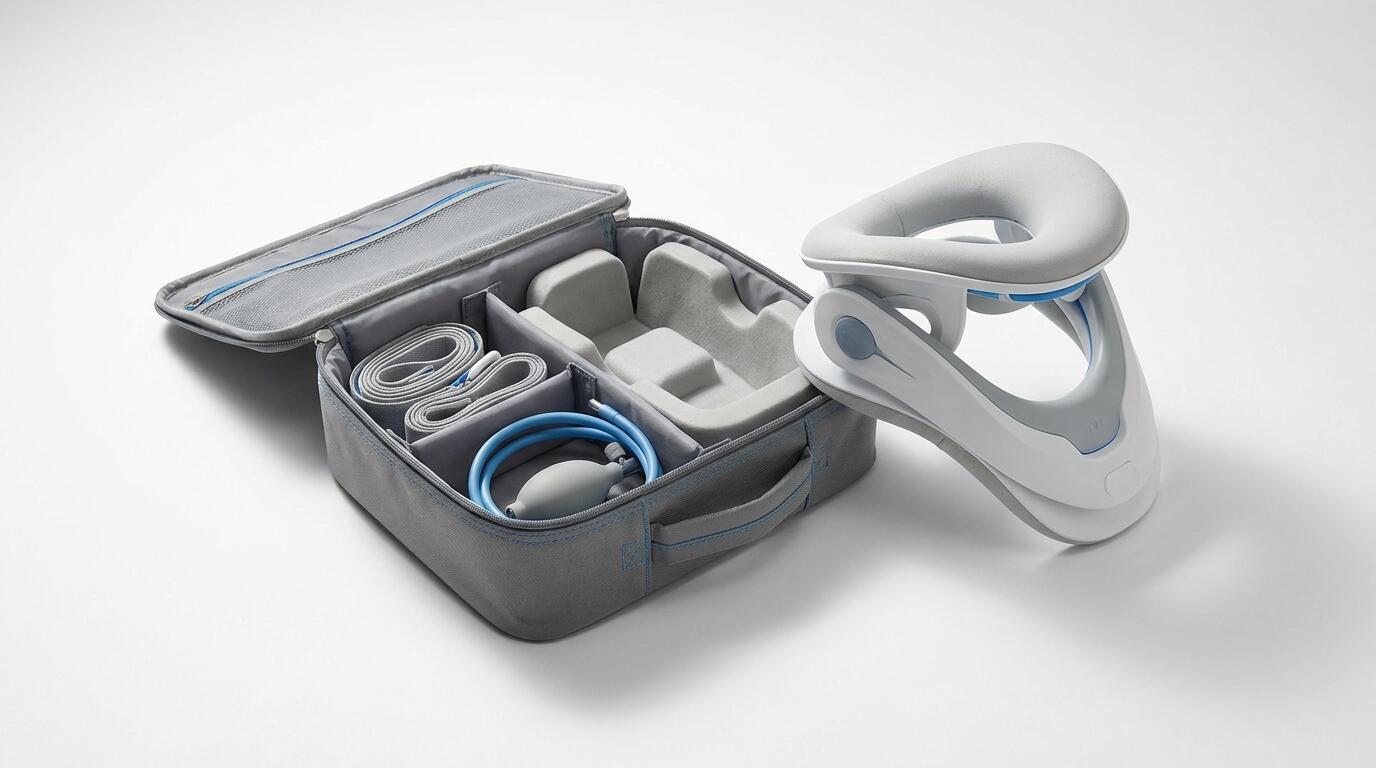
ALT: Best cervical decompression device with travel bag for portable neck traction therapy on the go
Why the Best Cervical Decompression Device with Travel Bag Belongs in Every Traveler's Health Kit
Key Conclusion: The best cervical decompression device with travel bag gives you professional-grade neck relief wherever you go — whether you're on a long-haul flight, a work trip, or simply commuting daily. By combining effective spinal decompression with the portability of a dedicated carrying case, these devices make it easy to stay consistent with your neck care routine without being tied to a clinic or home setup.
Neck pain doesn't take a vacation — and neither should your relief routine. For millions of people managing cervical stiffness, herniated discs, or general tension from prolonged sitting, missing even a few days of neck decompression therapy can set back progress significantly. That's where portability becomes a clinical priority, not just a convenience.
The growing demand for travel-friendly cervical traction solutions has pushed manufacturers to design devices that are lightweight, easy to pack, and come with purpose-built storage bags. Today, the best options deliver genuine therapeutic traction in a package compact enough to slip into a carry-on.
Who Benefits Most from a Travel-Ready Cervical Decompression Device
✅ Applicable Scenarios:
- Frequent travelers and remote workers who experience neck stiffness from prolonged sitting in planes, trains, or cars
- Office professionals managing chronic cervical tension or mild disc-related discomfort who need consistent at-home or on-the-go therapy
- Post-rehabilitation patients transitioning from clinical care who need to maintain their cervical decompression routine independently
- Athletes and fitness enthusiasts recovering from neck strain who travel for competitions or training camps
- Seniors managing age-related cervical compression who benefit from regular, gentle traction therapy
❌ Not Applicable/Cautions:
- Individuals with acute cervical spine injuries, recent neck surgery, or unstable fractures — always seek physician clearance first
- People with severe osteoporosis, spinal tumors, or active inflammatory arthritis in the cervical region, where traction may cause harm
- Those experiencing neurological symptoms such as sudden numbness, weakness, or shooting pain without a prior diagnosis — consult a healthcare professional before using any traction device
The Growing Need for Portable Cervical Decompression — and Why Packaging Matters
Cervical decompression — the process of gently relieving pressure on spinal discs and nerve roots in the neck — has been a cornerstone of physical therapy for decades. Clinicians use mechanical traction tables, but the reality is that most people don't have the time or budget for frequent clinic visits. This has driven a significant shift toward home and portable cervical traction solutions.
According to the American Chiropractic Association, neck pain is one of the most common complaints in clinical practice, affecting a large percentage of adults at some point in their lives. Sedentary lifestyles, increased screen time, and remote work have only accelerated this trend. The demand for accessible, drug-free solutions has never been higher.
But here's the gap that many buyers overlook: portability isn't just about whether a device is small — it's about whether it's practical to take with you. A neck traction device that requires awkward packing, risks damage in transit, or takes too long to assemble defeats its own purpose. This is where the inclusion of a dedicated travel bag transforms a good product into a truly portable therapy tool.
If you're evaluating different options on the market, the guide on How to Compare Neck Traction Devices Before Buying provides an excellent framework for assessing features beyond just price. And if you're primarily using your device at home, the resource on Best Cervical Traction Device for Home Use covers the full spectrum of home-optimized models worth considering.
The travel bag component specifically addresses several practical concerns: protecting the device from impact and compression in luggage, keeping all components (straps, pumps, padding inserts) organized in one place, and making the setup process faster. When your therapy tool is well-organized and protected, you're far more likely to actually use it — and consistency is the key driver of long-term results.
Choosing and Using the Best Cervical Decompression Device with Travel Bag
Three Steps to Getting Started with Portable Neck Traction
Step 1: Unpack, Inspect, and Familiarize Yourself Before You Travel
Before you rely on your cervical decompression device away from home, take time at home to unpack, assemble, and test the device thoroughly. Read the user manual, understand the adjustment mechanisms, and practice inflating or positioning the device to your comfort level. Confirm that all components are present and fit neatly back into the travel bag. This step ensures there are no surprises when you're in a hotel room or airport lounge. Allow approximately 15–20 minutes for your first full practice session.
Step 2: Establish Your Baseline Traction Settings
Effective cervical traction requires calibration to your specific neck anatomy and comfort level. Start at the lowest resistance or inflation level and gradually increase over multiple sessions until you find the point of gentle, sustained stretch without discomfort. Most practitioners recommend sessions of 15–20 minutes, with gradual progression over days or weeks. Keep notes on your preferred settings so you can replicate them consistently when traveling — this removes guesswork and reduces the chance of overdoing it in unfamiliar environments.
Step 3: Pack Smart and Build a Travel Routine
Use the dedicated travel bag to organize all components before each trip. Keep the device, any instruction cards, and supplementary items (such as a towel or neck pillow) together in the bag. Establish a consistent time in your travel day for your session — morning before breakfast or evening after arrival are popular choices. Consistency in timing helps reinforce the habit and ensures you don't skip sessions when schedules get busy.
Comparing Portable Cervical Decompression Solutions: Which Type Fits Your Lifestyle?
Not all cervical decompression devices are created equal, and the right choice depends heavily on how and where you plan to use it. Here's a comparison of the three main categories of portable cervical traction devices commonly available with travel bags:
| Comparison Dimension | Inflatable Cervical Collar | Over-Door Traction Unit | Mechanical Neck Traction Device |
|---|---|---|---|
| Portability | Excellent — deflates flat, fits in any bag | Moderate — requires a door; bulkier components | Good — compact design, purpose-built travel bag |
| Ease of Use | Very easy — inflate with pump, wear around neck | Moderate — setup requires anchoring to door | Moderate — requires proper positioning |
| Traction Control | Basic — pressure varies by inflation | Good — weight-based traction adjustment | High — precise mechanical adjustment |
| Travel Bag Included | Often included | Rarely included | Varies by brand; premium models include bag |
| Therapy Consistency | Lower — pressure distribution less precise | Higher — more clinical-grade traction force | Higher — consistent, repeatable settings |
| Best For | Mild tension, first-time users | Home use with occasional travel | Regular travelers seeking clinical results |
| Price Range | Generally lower | Moderate | Moderate to higher |
The key insight from this comparison: if you're a regular traveler who needs reliable, repeatable decompression therapy, a well-engineered mechanical or structured traction device that comes with a dedicated carrying case is almost always the better investment over a basic inflatable collar. The added structure means more consistent therapy outcomes — and the travel bag ensures you actually bring it with you.
What Makes a Cervical Decompression Device Truly Travel-Worthy
The Travel Bag: More Than Just Storage
The travel bag that comes with a cervical decompression device is often dismissed as an afterthought, but it's one of the most functionally important aspects of the product for anyone who travels regularly. A well-designed bag does several things simultaneously.
First, protection during transit. Cervical traction devices — especially those with inflatable components, mechanical joints, or precise adjustment hardware — are vulnerable to pressure damage inside checked luggage or compression inside a packed backpack. A quality travel bag with padding or structured walls prevents this kind of damage.
Second, component organization. Most cervical decompression systems include multiple parts: the main traction unit, straps or harnesses, inflation bulbs or pumps, instruction guides, and sometimes additional pads or posture supports. Without a dedicated bag, these components inevitably scatter across your luggage. A properly compartmentalized travel bag keeps everything in one accessible place.
Third, hygiene and discretion. A dedicated carry case protects the device from dust and contact with other items in your bag, maintaining hygiene for a product worn against your neck and head. It also allows for discrete transport — a zipped bag attracts far less attention in a hotel lobby than a device left loose in an open bag.
Which Cervical Decompression Device Is Most Portable?
This is one of the most frequently asked questions among buyers — and the answer has evolved significantly as the category has matured. The most portable cervical decompression devices today share several design characteristics: lightweight construction, compact dimensions when packed, minimal assembly requirements, and — critically — a purpose-designed carrying case.
Inflatable neck collars have historically been the most compact option, but they sacrifice therapeutic precision. The newer generation of structured, portable traction devices has closed this gap considerably. Look for devices that fold or collapse into a compact form factor, feature intuitive assembly that takes under two minutes, and come with a travel bag sized for carry-on compliance.
For desk workers and frequent flyers dealing with tech neck and cervical stiffness, the resource on Best Neck Stretcher for Desk Workers highlights options specifically suited to the office and travel context, with practical guidance on integration into busy schedules.
Key Features to Evaluate Before You Buy
Beyond the travel bag, several features distinguish high-quality portable cervical decompression devices from budget options that may not deliver meaningful relief:
Adjustable traction force: The ability to control the degree of decompression is essential for safety and therapeutic value. Devices with multiple resistance levels or precise adjustment mechanisms allow you to start gently and progress appropriately.
Neck contour fit: A device that conforms to the natural curve of your cervical spine provides more targeted decompression than a one-size-fits-all design. Look for ergonomic shaping or adjustable positioning guides.
Material quality and hygiene: Since the device contacts your neck and skin, breathable, washable, and hypoallergenic materials matter — especially when traveling in warm climates or using the device after exercise.
Durability for repeated travel: Zippers, clasps, and mechanical components should be rated for frequent use. Premium devices are engineered with materials that withstand the wear of regular packing and unpacking.
Clear usage instructions: When you're away from home, you won't have a clinician to guide you. Devices with clear, easy-to-follow instructions — ideally included in the travel bag — support safe, consistent self-use.
For those considering options reviewed by real buyers, the article on Best Neck Traction Device on Amazon: What to Look For breaks down what genuine customer feedback reveals about long-term durability and portability.
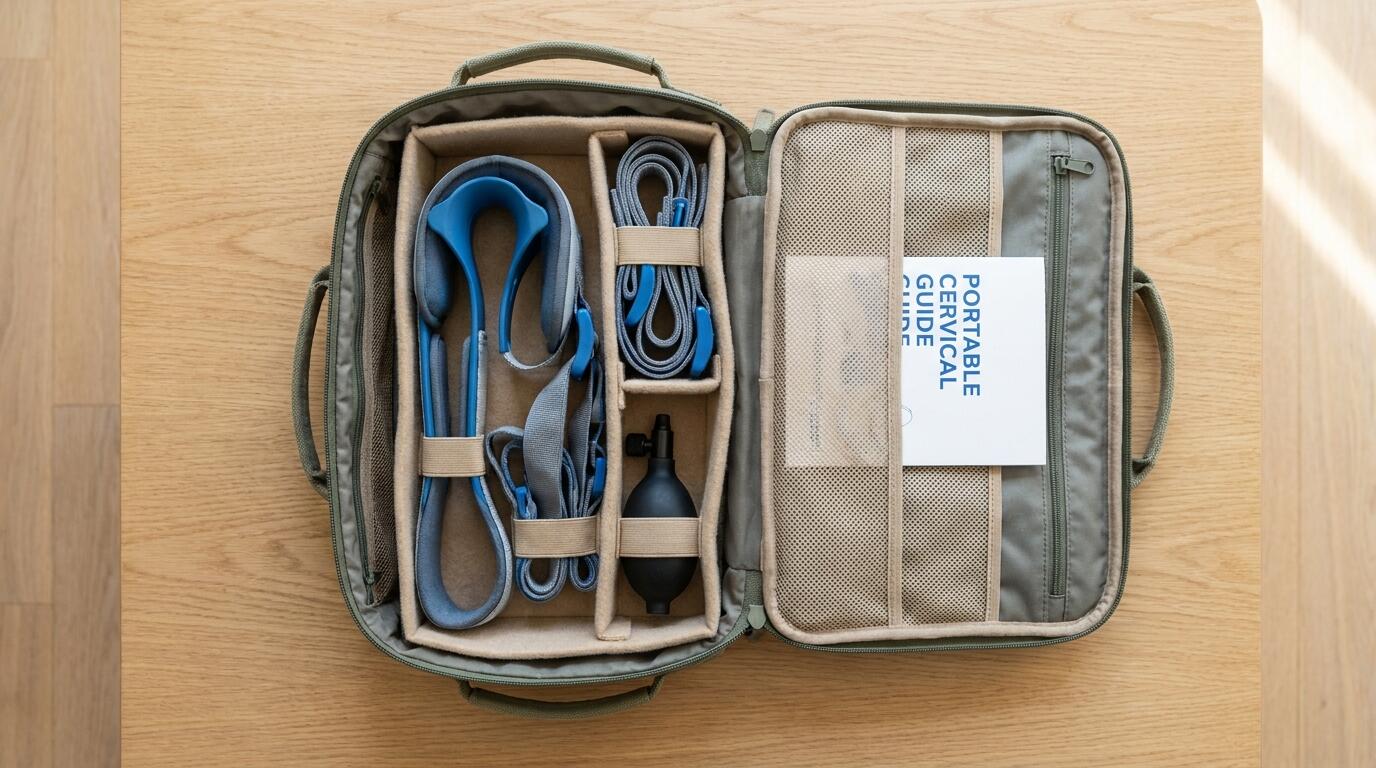
ALT: Portable cervical decompression device neatly packed in travel bag with all components organized for on-the-go neck traction therapy
Advanced Considerations: Making the Most of Portable Cervical Decompression
Handling Special Situations While Traveling
Using your device in shared spaces: Hotel rooms are typically private enough for comfortable use, but if you're sharing accommodation, the compact design and quiet operation of most portable cervical decompression devices make them easy to use without disruption. The travel bag also allows for discreet storage.
Managing varying neck tension during travel: Long flights and extended drives tend to create more significant cervical compression than regular daily activity. In these situations, consider extending your session slightly or adding a gentle warm-up (such as neck rotations) before applying traction. However, avoid increasing traction intensity impulsively — stick to your established settings.
Altitude and pressure changes: For inflatable cervical collar users specifically, altitude changes during flights can affect air pressure inside the device. Re-check and adjust the inflation level after reaching cruising altitude and again after landing to maintain consistent therapeutic pressure.
Common Misconceptions About Portable Cervical Decompression
Misconception 1: "More traction force means faster relief." This is a persistent and potentially harmful belief. Cervical traction works on a gradual, cumulative basis. Excessive force can irritate nerve roots, cause muscle spasm, or worsen disc-related symptoms. Start low, progress slowly, and follow any guidance provided by your healthcare provider.
Misconception 2: "A travel bag means the device is just a travel product." Many of the best portable cervical decompression devices with travel bags are clinical-grade tools that happen to be packaged for portability. The inclusion of a carrying case is about convenience and protection, not a compromise on therapeutic efficacy.
Misconception 3: "I only need the device when pain flares up." The most meaningful benefits of cervical decompression come from consistent, preventive use — not reactive use during acute flare-ups. Using your device regularly, including while traveling, is far more effective than using it only when pain peaks.
Frequently Asked Questions FAQ
Q1: How do I know which cervical decompression device is the most portable for travel?
The most portable cervical decompression devices are those that collapse or fold into a compact form, come with a dedicated travel bag, and require minimal assembly. Inflatable collar-style devices are the smallest, while structured mechanical devices offer better therapy precision in a slightly larger but still travel-friendly package. Prioritize devices where all components — including straps and pumps — fit neatly into the included bag, and check that dimensions are carry-on compatible before purchasing.
Q2: Is it safe to use a cervical decompression device every day while traveling?
For most users without contraindicated conditions, daily use of a well-designed cervical decompression device is generally safe when used according to the manufacturer's guidelines. Start with shorter sessions and build gradually. If you experience increased pain, headaches, or neurological symptoms such as numbness or tingling during or after use, discontinue immediately and consult a healthcare professional. Always obtain medical clearance before beginning a cervical traction routine, particularly if you have a pre-existing spinal condition.
Q3: How long does a typical cervical decompression session take when traveling?
Most portable cervical decompression sessions range from 15 to 20 minutes, making them easy to incorporate into a travel day without significant time commitment. Some users opt for shorter sessions of 10–12 minutes initially, gradually building to the full recommended duration. The compact setup time of well-designed portable devices — typically under two minutes — means the total time investment from unpacking to repacking is well under 30 minutes, fitting comfortably into a hotel morning routine or an airport lounge session.
Summary
Managing cervical pain and stiffness while traveling is no longer a matter of choosing between your health routine and your mobility. The best cervical decompression device with travel bag gives you the tools to maintain consistent, effective neck therapy wherever life takes you — with the protection, organization, and convenience to actually follow through.
Three core takeaways stand out from this guide:
- Portability is a therapeutic necessity, not a luxury. Consistency in cervical decompression therapy drives results, and a travel-ready device with a dedicated bag removes the biggest barrier to consistency — the hassle of travel.
- The travel bag is a functional feature, not just a bonus. Component protection, organization, and hygiene all contribute to better therapy outcomes and longer device lifespan.
- Matching the device type to your usage pattern matters. Inflatable collars suit mild, occasional use; structured mechanical devices with travel bags suit regular travelers who need reliable, clinical-quality decompression on the road.
Your next step is clear: identify the device format that fits your lifestyle, confirm it includes a quality travel bag with full component organization, and consult your healthcare provider to establish safe usage parameters before your first session.
Ready to Explore Drug-Free Pain Relief Solutions?
Ready to take control of your pain relief and muscle health — naturally and without drugs? iStim offers a full range of professional-grade TENS, EMS, and Kegel devices designed for safe, effective home use. Visit https://istim.com/ to explore the complete product lineup and find the right electrotherapy solution for your needs.
References
- American Chiropractic Association. "Back Pain Facts and Statistics".
https://www.acatoday.org/patients/health-wellness-information/back-pain-facts-and-statistics/ - National Institute of Neurological Disorders and Stroke (NINDS). "Neck Pain and Cervical Disorders".
https://www.ninds.nih.gov/health-information/disorders/back-pain - Cleveland Clinic. "Cervical Traction: What It Is, How It Works, and When It's Used".
https://my.clevelandclinic.org/health/treatments/24769-cervical-traction - National Center for Complementary and Integrative Health (NCCIH). "Chronic Pain: In Depth".
https://www.nccih.nih.gov/health/chronic-pain-in-depth - American Physical Therapy Association (APTA). "Physical Therapist's Guide to Neck Pain".
https://www.choosept.com/guide/physical-therapy-guide-neck-pain
Note: Standards may be updated, please check the latest official documents or consult professional advisors.
About iStim
iStim is a Los Angeles-based electrotherapy brand specializing in professional-grade TENS, EMS, and Kegel devices engineered for home use, backed by ISO-certified Taiwanese manufacturing and trusted by 20,000+ customers for drug-free pain relief and muscle stimulation. Learn more at istim.com.
© iStim. All rights reserved. This article is intended for informational purposes only and does not constitute medical advice. Always consult a qualified healthcare professional before beginning any new treatment or therapy program.
Leave a comment