

Are Reusable Electrode Pads Worth It? Cost Savings vs. Single-Use Alternatives
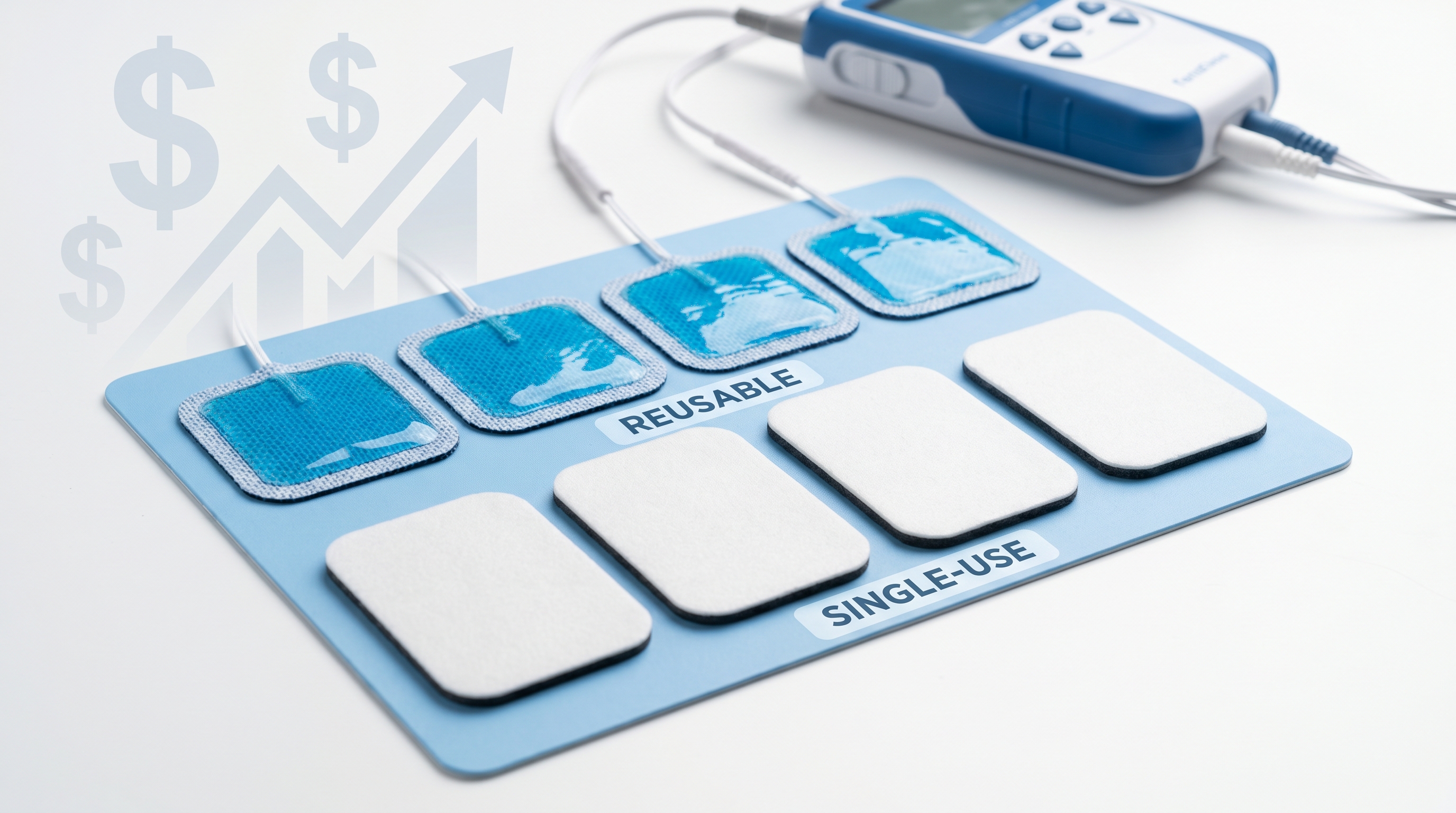
ALT: Reusable electrode pads for TENS EMS therapy showing cost savings versus single-use alternatives at home
Are Reusable Electrode Pads Worth the Investment for TENS and EMS Users?
Key Conclusion: Reusable electrode pads offer significant long-term cost savings over single-use alternatives for anyone regularly using TENS or EMS therapy at home. When properly maintained, high-quality reusable pads deliver consistent adhesion and conductivity across many sessions, making them the smarter, more sustainable choice for chronic pain sufferers, athletes, and rehabilitation patients seeking affordable, drug-free electrotherapy solutions.
If you use a TENS or EMS device regularly — whether for chronic back pain, post-workout muscle recovery, or pelvic floor rehabilitation — the cost and performance of your electrode pads matter more than most users initially realize. These small adhesive components are the critical interface between your device and your body, and choosing between reusable and single-use options can meaningfully affect both your wallet and your therapy results. This article breaks down the true cost comparison, examines when each type makes sense, and helps you make an informed decision backed by clinical insight and real-world practicality.
Who Should Be Reading This Guide: Applicable Scenarios and Cautions
✅ Applicable Scenarios:
- Regular TENS or EMS users who run multiple therapy sessions per week for chronic pain, muscle recovery, or pelvic floor strengthening
- Home therapy patients following a physical therapist's treatment plan who need a reliable, cost-effective pad supply
- Athletes and active individuals who use EMS devices frequently for performance recovery and want to minimize per-session consumable costs
- Postpartum women using Kegel electrical stimulation devices that require consistent, skin-safe electrode contact
❌ Not Applicable/Cautions:
- Individuals with sensitive or broken skin who may need hypoallergenic single-use options recommended by a dermatologist or physician
- Users who treat electrode pads as completely maintenance-free — reusable pads require proper cleaning and storage to achieve their full lifespan
- Anyone sharing electrode pads between multiple users, which raises hygiene concerns and is generally not recommended for skin safety reasons
Understanding Electrode Pads: The Overlooked Foundation of Effective Electrotherapy
Most people investing in a TENS or EMS unit spend considerable time comparing device features — pulse frequencies, program modes, channel counts — but give relatively little thought to the electrode pads that actually deliver those electrical signals to the body. This is a critical oversight, because even the most advanced electrotherapy device cannot perform well if its electrodes have degraded adhesion or compromised conductivity.
To understand why the reusable versus single-use debate matters so much, it helps to first understand what electrode pads actually do. Pad quality directly determines how uniformly electrical current is distributed across the skin, how comfortable the session feels, and whether the therapeutic signal reaches the target muscle or nerve pathway as intended. For a deeper understanding of how these signals work therapeutically, the What Is TENS Therapy and How Does It Relieve Pain Without Drugs? guide provides excellent clinical background on the mechanism of electrical nerve stimulation.
The global electrotherapy market has grown substantially in recent years, driven by increasing consumer interest in drug-free pain management and the expansion of professional-grade devices into the home-use category. As more people adopt TENS and EMS therapy as part of their daily wellness routines, the cumulative cost of electrode pad replacement has become a legitimate financial consideration — one that savvy users are increasingly researching before committing to a regular therapy program.
At iStim, we see this question come up constantly from our community of over 20,000 Amazon customers: "How long do these pads last, and is it worth buying reusable ones?" The answer, as we'll show in detail below, is nuanced — but for the vast majority of regular users, reusable pads represent a clear and compelling value proposition.
The Real Cost Breakdown: Reusable vs. Single-Use Electrode Pads
Three Steps to Evaluating Your Electrode Pad Costs
Step 1: Calculate Your Current or Expected Session Frequency
Begin by honestly assessing how often you use or plan to use your TENS or EMS device. Are you treating chronic lower back pain daily? Running post-workout EMS recovery sessions three times a week? Managing pelvic floor symptoms with regular Kegel stimulation? Write down your weekly session count, then multiply by 52 to get your annual session estimate. This baseline figure is essential for making an accurate cost-per-use comparison between pad types. Most users are surprised to find how quickly sessions add up over a year.
Step 2: Research the Per-Use Cost of Each Pad Type
Single-use electrode pads are priced per pair or per set, and their cost is entirely consumed in one session. Reusable pads carry a higher upfront price but are designed to be used across many sessions before replacement is needed. Gather pricing data for both options — specifically for pads compatible with your device's connector type — and divide the total pack price by the number of uses to calculate a true cost-per-session figure. This step often reveals that single-use pads cost several times more per session than quality reusable alternatives.
Step 3: Factor in Maintenance Requirements and Pad Longevity
Reusable pad lifespan depends heavily on how well they are maintained. Proper care — including cleaning the skin before each session, storing pads adhesive-side-down on their protective film, and keeping them away from dust and hair — can significantly extend their usable life. Factor this into your cost model by estimating how many sessions you'll realistically get per pad set under your actual usage and maintenance habits. A pad that lasts twice as long under good care is effectively twice as cost-effective, even if its purchase price is slightly higher.
Comparing Your Options: A Practical Breakdown
When weighing reusable electrode pads against single-use alternatives, multiple dimensions matter beyond just upfront price. The following comparison covers the key factors that real users — from chronic pain patients to competitive athletes — care about most.
| Comparison Dimension | Reusable Electrode Pads | Single-Use Electrode Pads | Premium Reusable (Specialty Gel) |
|---|---|---|---|
| Upfront Cost | Moderate | Low per pack | Higher upfront |
| Cost Per Session (Long-Term) | Low | High | Low to moderate |
| Adhesion Quality Over Time | Decreases with each use; maintainable | Optimal for single session | Maintains quality longer per use |
| Environmental Impact | Lower (less waste) | Higher (more packaging waste) | Lowest waste per session |
| Skin Compatibility | Good for most skin types | Consistent per session | Often optimized for sensitive skin |
| Convenience | Requires cleaning/storage care | Ready to use, discard after | Requires care; designed for longevity |
| Best For | Regular, frequent users | Occasional or clinical one-time use | High-frequency users with skin sensitivity |
The table above makes clear that the financial advantage of reusable pads grows in direct proportion to how frequently a user engages in therapy. A person using their TENS unit once a month may not see dramatic savings; someone managing chronic pain with daily sessions will find the cost difference substantial over even a single year.
Why Adhesion and Conductivity Quality Matter Beyond Cost
It's tempting to reduce this comparison purely to dollars and cents, but the clinical performance dimension is equally important. Electrode pad conductivity — how efficiently the pad transfers electrical current from the device to the skin — affects both the comfort and effectiveness of every session.
Low-quality pads, whether reusable or single-use, can create uneven current distribution that causes skin irritation, hot spots, or suboptimal stimulation of the target area. For users relying on TENS therapy for chronic pain conditions or EMS therapy for serious muscle rehabilitation, this isn't merely an inconvenience — it can undermine the entire therapeutic outcome. If you're exploring what EMS electrical muscle stimulation is and how it differs from TENS, you'll understand that each modality places specific demands on electrode pad performance that shouldn't be compromised by choosing inferior accessories.
One important factor that many users overlook is gel formulation. The adhesive gel on electrode pads serves a dual purpose: it sticks the pad to the skin and acts as the conductive medium for the electrical signal. Over repeated uses, the gel layer on a reusable pad gradually loses moisture and picks up skin oils, dead cells, and debris — all of which reduce both adhesion and conductivity. This is precisely why maintenance matters so much. For users curious about how gel chemistry affects performance, the Japanese Gel vs. Standard Gel Electrode Pads guide offers an informative deep dive into how formulation differences translate to real-world session quality.
Proper skin preparation before applying electrode pads is one of the most impactful, yet most commonly neglected, steps in extending pad life and maximizing therapy effectiveness. Clean, dry skin free of lotions, oils, and sweat residue allows the pad to form a complete, even contact surface. This improves conductivity, reduces the likelihood of skin irritation, and significantly extends the usable life of reusable pads — often by a meaningful margin that directly translates to lower per-session costs.
Consider the experience of a typical postpartum woman using an electrical Kegel stimulation device as part of her pelvic floor rehabilitation program. She may be using the device several times per week under her physical therapist's guidance. The cumulative pad cost over a six-month rehabilitation period can become significant if she's relying on single-use pads. Switching to quality reusable pads, with proper care, can make the difference between a financially sustainable home therapy program and one that feels increasingly burdensome to maintain.
Similarly, an athlete using EMS for muscle recovery after training sessions two to four times per week faces the same economic calculus. When you multiply the per-session pad cost by the number of sessions per year, the financial case for reusable pads becomes difficult to ignore — especially when the performance quality of a well-maintained premium reusable pad is comparable to that of a fresh single-use pad in the early portion of its lifespan.
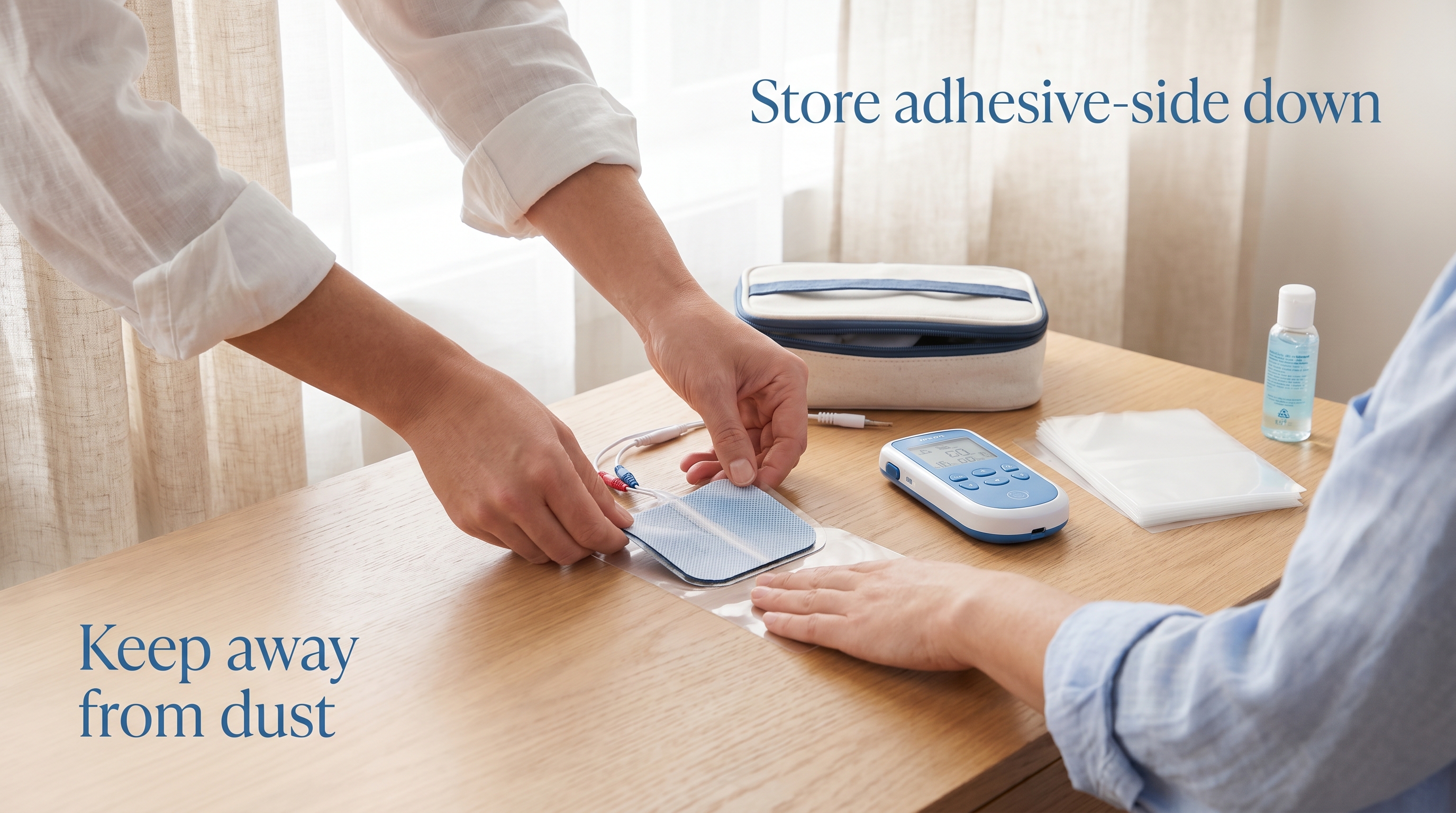
ALT: Proper storage of reusable electrode pads for TENS EMS therapy to extend lifespan and maximize cost savings at home
Advanced Considerations: Special Cases, Misconceptions, and Compatibility Factors
Special Situations That Affect Your Pad Choice
Sensitive or Reactive Skin: Some users experience skin reactions — redness, mild irritation, or discomfort — from standard electrode gel formulations. In these cases, the priority shifts from cost optimization to finding the right gel chemistry for your skin type, which may mean selecting premium pads designed for sensitive skin even if they carry a higher price point. Consulting a dermatologist or physical therapist before settling on a pad type is advisable.
Multi-Area Treatment Protocols: Users following a TENS unit electrode placement guide for chronic back pain or similar multi-site protocols often use more pad sets per session, making per-pad cost savings even more meaningful. In these scenarios, investing in higher-quality reusable pads for frequently treated areas while keeping a small stock of single-use backups for occasional or secondary treatment sites can be a sensible hybrid approach.
Travel and On-the-Go Use: Single-use pads retain one genuine practical advantage for users who travel frequently: they eliminate the need to transport and store used pads properly. A small supply of single-use pads can serve as a convenient travel solution, even for users who rely primarily on reusable pads at home.
Clearing Up Common Misconceptions
A persistent myth is that reusable electrode pads always deliver inferior performance compared to single-use options because they've been "used before." This is only true if the pads are poorly maintained or pushed well beyond their functional lifespan. A well-cared-for reusable pad in its early-to-mid lifespan typically performs comparably to a single-use pad in terms of adhesion and conductivity.
Another common misconception is that all electrode pads are interchangeable between devices. Connector type — snap connectors versus pin connectors — and pad size affect compatibility with specific devices. Always verify compatibility with your TENS or EMS unit before purchasing pads, whether reusable or single-use. iStim's accessory line is designed with clear compatibility information to help users avoid this common purchasing mistake.
Frequently Asked Questions About Electrode Pads
Q1: How do I know when my reusable electrode pads need to be replaced?
The clearest signs are diminished adhesion (pads no longer staying firmly on the skin during movement), visible gel degradation (dry, cracked, or uneven gel surface), and a noticeable reduction in therapy effectiveness even when device settings remain the same. If you notice any skin irritation patterns that weren't present with fresh pads, this can also indicate gel deterioration. Most reusable pads give clear physical cues before their performance drops significantly — inspect your pads before each session as a routine habit.
Q2: Are reusable electrode pads safe to use for pelvic floor Kegel stimulation therapy?
Yes, when used according to device and pad manufacturer guidelines. For internal Kegel electrode devices, compatibility and hygiene standards are especially important. It's critical to use pads or probe accessories specifically designed for pelvic use and to follow all cleaning protocols between sessions. For a thorough overview of how electrical stimulation supports pelvic floor health, the What Is the Pelvic Floor and Why Does It Matter for Women's Health? resource provides well-rounded clinical context alongside practical guidance.
Q3: How much can I realistically save by switching to reusable electrode pads over a full year?
The savings depend on your session frequency and the specific pad products you're comparing. As a general framework: if a set of single-use pads costs several dollars per use and a reusable set costs a moderate amount upfront but lasts many sessions, the cumulative savings for a user running multiple sessions per week can easily reach tens to over a hundred dollars per year. The higher your session frequency, the faster and larger the financial benefit of switching to quality reusable pads becomes.
Summary
The question of whether reusable electrode pads are worth it comes down to three core realities that this guide has examined in depth.
First, the math strongly favors reusable pads for frequent users. The per-session cost of a quality reusable pad — when that pad is properly maintained — is substantially lower than that of single-use alternatives over the course of a realistic therapy program. The upfront investment pays for itself relatively quickly for anyone using electrotherapy more than once or twice per week.
Second, pad quality directly affects therapy outcomes. Choosing cost-effective doesn't have to mean choosing lower quality. High-quality reusable electrode pads, properly cared for, deliver reliable conductivity and adhesion that supports effective TENS and EMS therapy sessions — and that clinical consistency matters for your health outcomes, not just your budget.
Third, the right choice is ultimately personal and usage-dependent. While reusable pads win on cost for regular users, single-use pads retain practical advantages for travelers, occasional users, or individuals with specific skin sensitivities. A thoughtful hybrid approach — reusable for primary use, single-use for travel or backup — is a legitimate strategy for many users.
Your next step is straightforward: assess your current session frequency, compare the per-session costs for pad options compatible with your specific device, and commit to the maintenance habits that will maximize the lifespan of whichever pads you choose. Your therapy outcomes — and your household budget — will both benefit.
Ready to Upgrade Your Electrotherapy Accessories?
Ready to take control of your pain relief and muscle recovery without relying on drugs? Explore iStim's full range of professional-grade TENS, EMS, and Kegel devices at https://istim.com/ and find the right solution tailored to your wellness needs. Backed by ISO-certified manufacturing and trusted by 20,000+ satisfied customers, iStim is your partner in safe, effective, at-home electrotherapy.
References
- National Institutes of Health — National Center for Complementary and Integrative Health. "Chronic Pain: In Depth".
https://www.nccih.nih.gov/health/chronic-pain-in-depth - U.S. Food and Drug Administration. "Transcutaneous Electrical Nerve Stimulators (TENS) — Guidance for Industry and FDA Staff".
https://www.fda.gov/medical-devices/device-advice-comprehensive-regulatory-assistance/overview-device-regulation - American Physical Therapy Association. "Physical Agents and Electrophysiological Agents in Physical Therapy Practice".
https://www.apta.org/ - PubMed Central — National Library of Medicine. "Transcutaneous Electrical Nerve Stimulation (TENS) for Pain Relief: A Systematic Review of Clinical Evidence".
https://www.ncbi.nlm.nih.gov/pmc/ - MedlinePlus — U.S. National Library of Medicine. "TENS (Transcutaneous Electrical Nerve Stimulation)".
https://medlineplus.gov/ency/article/007413.htm
Note: Standards and guidelines may be updated. Please check the latest official documents or consult a qualified healthcare professional for the most current recommendations.
About iStim
iStim is a Los Angeles-based electrotherapy brand specializing in professional-grade TENS, EMS, and Kegel devices designed for safe and effective home use. With ISO-certified manufacturing and a growing community of 20,000+ Amazon customers, iStim is committed to delivering drug-free pain relief and muscle stimulation solutions you can trust.
© iStim. All rights reserved. This article is intended for informational purposes only and does not constitute medical advice. Always consult a qualified healthcare professional before beginning any new therapy or treatment program.
Leave a comment