

Analog vs. Digital TENS Units: Key Differences for Home Users
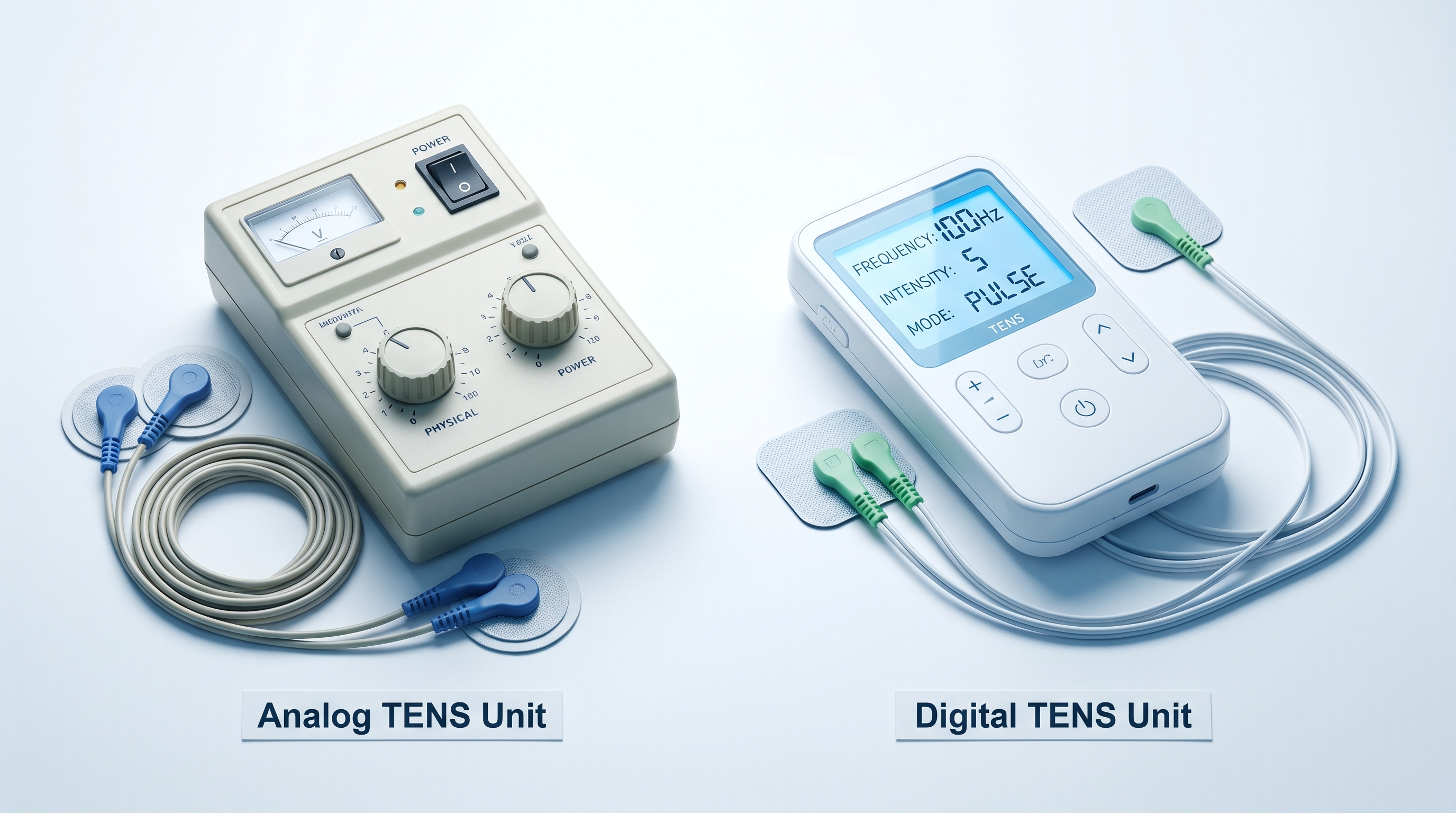
ALT: Side-by-side comparison of analog and digital TENS units for home-based chronic pain management and drug-free pain relief
Analog vs. Digital TENS Units: Which Is Right for Your Home Pain Relief Journey?
Key Conclusion: Whether you're managing chronic pain management at home, seeking drug-free pain relief after an injury, or supporting muscle recovery between workouts, the type of TENS unit you choose — analog or digital — can meaningfully affect your comfort, precision, and long-term outcomes. Understanding the core differences between these two technologies empowers you to make a smarter, more personalized investment in your health and well-being.
Electrotherapy has quietly revolutionized how everyday people approach pain management and physical rehabilitation. Once limited to clinical settings, TENS (Transcutaneous Electrical Nerve Stimulation) therapy is now widely accessible for home use, offering a compelling, non-pharmaceutical path to relief for millions of Americans living with back pain, arthritis, post-surgical soreness, or sports-related injuries.
But as the home TENS market has expanded, so has the variety of available devices — and the confusion around them. One of the most common questions buyers face is whether to choose an analog or digital TENS unit. While both types deliver electrical impulses to stimulate nerves and interrupt pain signals, they differ significantly in how they operate, how much control they offer, and how well they adapt to individual therapy needs.
This guide breaks down those differences clearly so you can select the right device with confidence.
Who Should Read This Guide?
✅ Applicable Scenarios:
- Adults managing chronic pain conditions such as lower back pain, sciatica, arthritis, or fibromyalgia who want more control over their therapy settings
- Athletes and active individuals exploring muscle recovery tools to complement their training routine
- Post-surgical or post-injury patients transitioning from clinical TENS treatment to home-based maintenance therapy
- Older adults or caregivers looking for simple, easy-to-operate electrotherapy devices for elderly family members
❌ Not Applicable/Cautions:
- Individuals with implanted electronic devices (e.g., pacemakers, spinal cord stimulators) — consult your physician before using any TENS unit
- People with epilepsy, active cancer, or open wounds at the electrode placement site — TENS therapy may not be appropriate without medical clearance
- Those seeking a diagnosis or treatment for an undiagnosed medical condition — TENS therapy supports symptom relief but does not replace professional medical evaluation
Why the Type of TENS Unit You Choose Actually Matters
The TENS therapy market has grown dramatically over the past decade. As more consumers seek alternatives to opioids and over-the-counter pain medications, electrotherapy devices have moved from physical therapy clinics into living rooms and gym bags. According to industry analysis, the global electrotherapy market is projected to continue expanding as demand for non-invasive, drug-free pain relief solutions rises among health-conscious consumers.
This shift has brought tremendous benefit — but also complexity. Today's market includes everything from basic dial-operated devices to sophisticated multi-channel digital systems with pre-programmed therapy modes. For a first-time buyer, the sheer variety can feel overwhelming.
If you're new to electrotherapy, you may find it helpful to start with foundational reading. Our guide on TENS vs. Prescription Pain Medication: A Non-Invasive Alternative Explained provides an excellent overview of why TENS therapy is gaining traction as a safer, non-addictive option for pain management. Additionally, understanding The Science Behind Endorphin Release During TENS Therapy can help you appreciate why consistent TENS use often produces cumulative, long-lasting relief rather than just temporary masking of symptoms.
The bottom line: choosing between an analog and digital TENS unit isn't just a matter of personal preference — it's a clinical and lifestyle decision that can influence how effective your therapy is, how easy it is to use safely, and how well it integrates into your daily routine.
Understanding the Core Differences: A Practical Deep Dive
Three Steps to Choosing the Right TENS Unit for Home Use
Step 1: Identify Your Primary Therapy Goal
Before comparing device types, clarify what you need the TENS unit to do. Are you managing a single, localized pain area (like a sore knee or lower back), or do you need versatility across multiple body regions? Do you want a simple plug-and-play experience, or are you comfortable adjusting multiple parameters to fine-tune your sessions? Write down your top three needs — this will anchor your decision as you compare features. Allow yourself 10–15 minutes for this reflection step; it pays off.
Step 2: Evaluate Your Technical Comfort Level
Consider how comfortable you are with technology and device interfaces. If adjusting dials and knobs feels intuitive and reassuring, an analog unit may serve you well. If you prefer on-screen feedback, pre-set programs, and the ability to save custom settings, a digital device will likely feel more empowering. There's no right or wrong answer — what matters is that you'll actually use the device consistently, which is the most important factor in achieving meaningful drug-free pain relief over time.
Step 3: Match Your Choice to Your Lifestyle and Budget
Think about where and how you'll use the device. Analog units tend to be compact, durable, and straightforward — often a practical choice for elderly users or those who value simplicity. Digital units offer broader functionality and may be better suited for athletes or post-surgical patients who need to progress through different therapy intensities over time. Factor in replacement electrode pad costs and battery requirements as part of your overall investment.
Analog vs. Digital TENS Units: A Side-by-Side Comparison
Both analog and digital TENS units work on the same fundamental principle — delivering low-voltage electrical currents through electrode pads placed on the skin to interrupt pain signals traveling to the brain. The meaningful differences lie in their design, usability, and therapeutic range.
| Comparison Dimension | Analog TENS Units | Digital TENS Units | iStim Professional-Grade Units |
|---|---|---|---|
| Interface | Manual dials/knobs | Digital display with buttons | Digital display with intuitive controls |
| Frequency Control | Approximate/limited | Precise, programmable | Precise and adjustable |
| Pre-Set Programs | None or very few | Multiple modes available | Multiple therapy modes |
| Ease of Use | Very simple for beginners | Moderate learning curve | User-friendly with clear guidance |
| Portability | Generally compact | Varies by model | Designed for home and portable use |
| Precision | Low-to-moderate | High | Clinical-grade precision |
| Price Range | Typically lower cost | Moderate to higher | Professional quality at accessible price |
| Best For | Basic, consistent pain relief | Versatile, multi-condition therapy | Home users seeking clinical-grade care |
Analog TENS Units: Simplicity With Real Strengths
What Makes Analog Units Appealing
Analog TENS units operate through physical controls — dials or knobs that adjust intensity and, in some cases, frequency. There's no screen to navigate, no menu to scroll through, and no complex programming required. For many users, this simplicity is a genuine advantage.
Elderly users, in particular, often find analog TENS units far more manageable than digital alternatives. If you're helping an aging parent manage knee pain or arthritis at home and they're not comfortable with digital interfaces, an analog unit can be a compassionate and practical choice. Similarly, someone who wants a no-fuss device they can use daily without consulting a manual may find an analog unit perfectly adequate.
Where Analog Units Fall Short
The primary limitation of analog units is precision. When you turn a dial, you're making a rough adjustment — you can't confirm the exact frequency or pulse width you're delivering. Over time, this can matter. Different pain conditions respond better to different TENS parameters; for example, high-frequency stimulation (typically above 80 Hz) tends to be more effective for acute pain, while lower frequencies are often used for chronic conditions and deeper muscle stimulation.
Without the ability to precisely set and replicate parameters session to session, it becomes harder to optimize your therapy or follow specific recommendations from a physical therapist or physician. There's also typically no memory function — each session starts from scratch.
The Electrode Placement Factor
Regardless of whether you use an analog or digital unit, proper electrode placement remains critical to effective — and safe — TENS therapy. If you're exploring TENS Electrode Pad Buyer's Guide: Sizes, Materials, and Compatibility Explained, you'll discover that choosing the right pad size for your treatment area is just as important as the device itself. Poor placement or incompatible pads can reduce effectiveness or cause skin discomfort.
Digital TENS Units: Precision, Programs, and Progression
The Case for Going Digital
Digital TENS units represent the current standard in professional and home electrotherapy. They feature digital displays that show exact settings — frequency in Hz, pulse width in microseconds, intensity level — and typically include a library of pre-programmed therapy modes designed for specific conditions or outcomes.
For someone managing chronic pain management across multiple body areas, or a post-surgical patient following a structured rehabilitation protocol, this precision is invaluable. You can set a specific program, replicate it exactly in the next session, and track your progression over time. Many digital units also allow you to create and save custom programs, giving you a personalized therapy experience.
Athletes recovering from training-related muscle fatigue or injury benefit significantly from digital units. The ability to switch between TENS mode (for pain relief) and EMS mode (for muscle stimulation and recovery) within a single device offers exceptional versatility. For a deeper understanding of how muscle stimulation complements pain relief, our article on TENS + EMS Combo Machines Explained: When to Use Each Mode is an essential read.
Best Practices for Safe TENS Unit Placement and Electrode Positioning
One area where digital units genuinely shine is in supporting safe, effective electrode placement. Many digital units include body maps or illustrated guides within their documentation, paired with program modes specifically designed for common treatment areas. When using any TENS unit — analog or digital — follow these core best practices:
- Always place electrodes on clean, dry, intact skin
- Never place pads directly over the spine, heart, carotid arteries, or head
- For back pain, position pads on either side of the spine rather than directly on it
- Refer to a comprehensive placement guide such as the resource on How TENS Units Stimulate Nerve Fibers to Block Pain Signals to the Brain to understand why placement location directly impacts therapeutic effectiveness
Digital units with clear displays make it easier to confirm you're starting at a low intensity and gradually increasing — a key safety principle that helps prevent skin irritation or muscle discomfort.
Multi-Channel Capabilities
Higher-end digital TENS units often offer multiple output channels, allowing simultaneous treatment of more than one body area. This is particularly useful for individuals dealing with widespread chronic pain or those who want to address both primary and secondary pain sites in a single session.
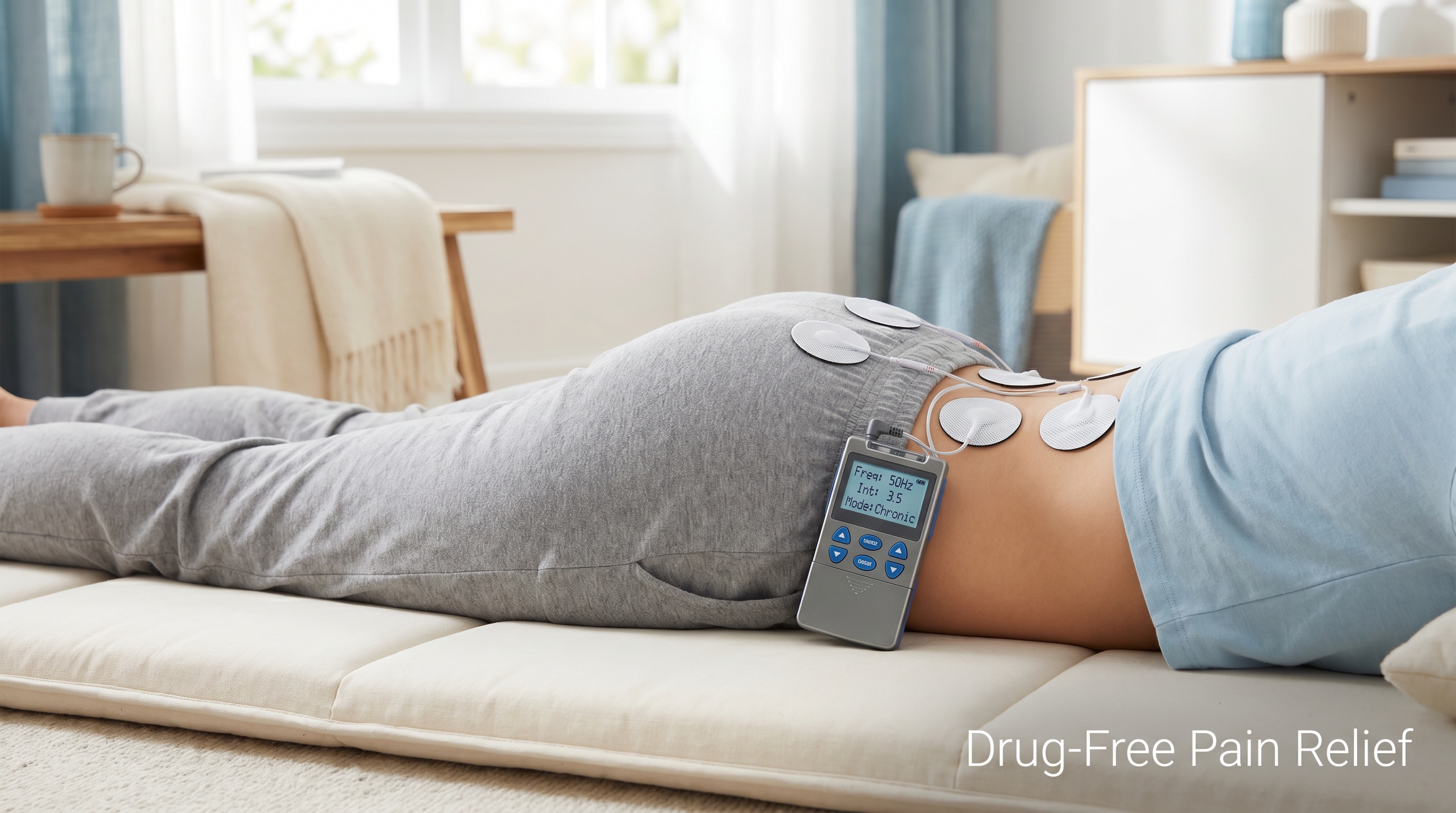
ALT: Professional-grade digital TENS unit with electrode pads placed on lower back, illustrating drug-free pain relief and chronic pain management at home
Advanced Considerations: Special Situations and Common Misconceptions
Special Situations Worth Knowing
For Post-Surgical Patients
If you're using TENS as part of a post-surgical recovery protocol, digital units are generally the more appropriate choice. Your physical therapist or surgeon may provide specific frequency and intensity recommendations. A digital unit allows you to dial in those parameters precisely, ensuring your at-home therapy aligns with your clinical treatment plan.
For Athletes Supporting Muscle Recovery
Athletes often benefit from devices that can switch between TENS and EMS modes. While this article focuses on TENS specifically, it's worth noting that EMS (Electrical Muscle Stimulation) works differently — it causes muscles to contract actively, supporting strength and recovery in ways that TENS alone does not. Professional sports teams and elite athletes have long recognized this dual benefit.
For Women Managing Pelvic Floor Health
Specialized electrotherapy applications extend beyond pain relief. Women dealing with pelvic floor weakness — whether from childbirth, aging, or other factors — may benefit from dedicated Kegel electrotherapy devices that use similar electrical stimulation principles in a targeted application. This is a separate therapeutic domain from standard TENS, though the underlying technology shares common roots.
Common Misconceptions Clarified
"More intensity always means better results."
This is one of the most persistent myths in TENS therapy. Effective TENS sessions often use moderate intensity levels that create a strong but comfortable tingling sensation. Excessively high intensity can cause muscle discomfort without providing additional therapeutic benefit.
"Analog units are outdated and ineffective."
Not true. Analog TENS units remain clinically effective for basic pain relief. Their limitation is precision and versatility, not fundamental efficacy. For straightforward, consistent home use focused on a single pain area, an analog unit may serve perfectly well.
"Digital units are always better for everyone."
Digital units offer more features, but more features aren't always more useful. An elderly patient managing a single chronic pain condition may find a complex digital interface frustrating and intimidating — potentially leading to inconsistent use, which undermines any therapeutic benefit.
Frequently Asked Questions FAQ
Q1: How do I know which TENS frequency setting to use for my pain condition?
The appropriate frequency depends on the type and nature of your pain. High-frequency TENS (generally above 80 Hz) is commonly used for acute or surface-level pain and tends to provide faster relief. Low-frequency TENS (typically below 10 Hz) is often preferred for chronic pain and deeper tissue stimulation. Digital units allow precise frequency adjustment to match your needs. Always consult your physical therapist or physician for personalized recommendations, especially for complex or long-standing conditions.
Q2: Is it safe to use a TENS unit every day for chronic pain management?
For most healthy adults without contraindications, daily TENS use is considered safe when used as directed. Many individuals incorporate TENS sessions into their daily routine for ongoing chronic pain management. However, it's important to vary electrode placement slightly between sessions to avoid skin irritation, start each session at a low intensity, and avoid using TENS while sleeping or driving. If you experience any skin changes, increased pain, or unusual sensations, discontinue use and consult a healthcare provider.
Q3: How long does a typical TENS therapy session last, and when will I notice results?
Most TENS therapy sessions last between 20 and 60 minutes, depending on the treatment area and the individual's response. Some users experience immediate relief during or shortly after their first session, while others notice progressive improvement over several days or weeks of consistent use. For chronic pain conditions, most clinical protocols recommend regular sessions over multiple weeks to achieve meaningful, lasting results. Keeping a simple pain diary can help you track your progress objectively.
Summary
Choosing between an analog and digital TENS unit is ultimately about matching the technology to your life — your pain profile, your comfort with technology, your therapy goals, and your daily routine.
Here are the three core takeaways to carry with you:
- Analog units offer simplicity, affordability, and ease of use — ideal for straightforward, single-area pain relief and users who prefer minimal-interface devices.
- Digital units deliver precision, programmability, and versatility — the superior choice for chronic pain management across multiple sites, progressive rehabilitation, and users who want clinical-grade control at home.
- Regardless of device type, consistent use, correct electrode placement, and appropriate intensity settings are the most important factors in achieving meaningful, drug-free pain relief and muscle recovery outcomes.
Your journey toward better pain management doesn't have to be complicated — but it should be informed. The right TENS unit, used correctly and consistently, can genuinely transform how you feel and function day to day.
Ready to take control of your pain relief and muscle recovery — naturally and drug-free? Explore iStim's full range of professional-grade TENS, EMS, and Kegel devices at https://istim.com/ and find the right solution tailored to your wellness needs. Join over 20,000 satisfied customers who have made iStim their trusted partner in at-home electrotherapy.
References
- National Institutes of Health (NIH), National Library of Medicine. "Transcutaneous Electrical Nerve Stimulation (TENS) for Pain Relief."
https://pubmed.ncbi.nlm.nih.gov/ - American Physical Therapy Association (APTA). "Physical Therapist's Guide to Pain Management with Electrotherapy."
https://www.apta.org/ - U.S. Food & Drug Administration (FDA). "Guidance on Transcutaneous Electrical Nerve Stimulators (TENS) — Class II Medical Devices."
https://www.fda.gov/medical-devices/home-use-devices/transcutaneous-electrical-nerve-stimulators-tens - Mayo Clinic. "Transcutaneous Electrical Nerve Stimulation (TENS): Overview and Clinical Use."
https://www.mayoclinic.org/ - Cleveland Clinic. "TENS Therapy: How It Works and When to Use It."
https://my.clevelandclinic.org/
Note: Standards and clinical guidelines may be updated. Please check the latest official documents or consult a qualified healthcare professional for the most current recommendations.
About iStim
iStim is a Los Angeles-based electrotherapy brand specializing in professional-grade TENS, EMS, and Kegel devices engineered for safe, effective home use — backed by ISO-certified Taiwanese manufacturing and trusted by 20,000+ Amazon customers for drug-free pain relief and muscle stimulation. Learn more at istim.com.
© iStim. All rights reserved. This article is intended for informational purposes only and does not constitute medical advice. Always consult a qualified healthcare professional before beginning any electrotherapy or treatment program.
Leave a comment