

4 Channel vs 2 Channel TENS Unit: Which One Should You Buy
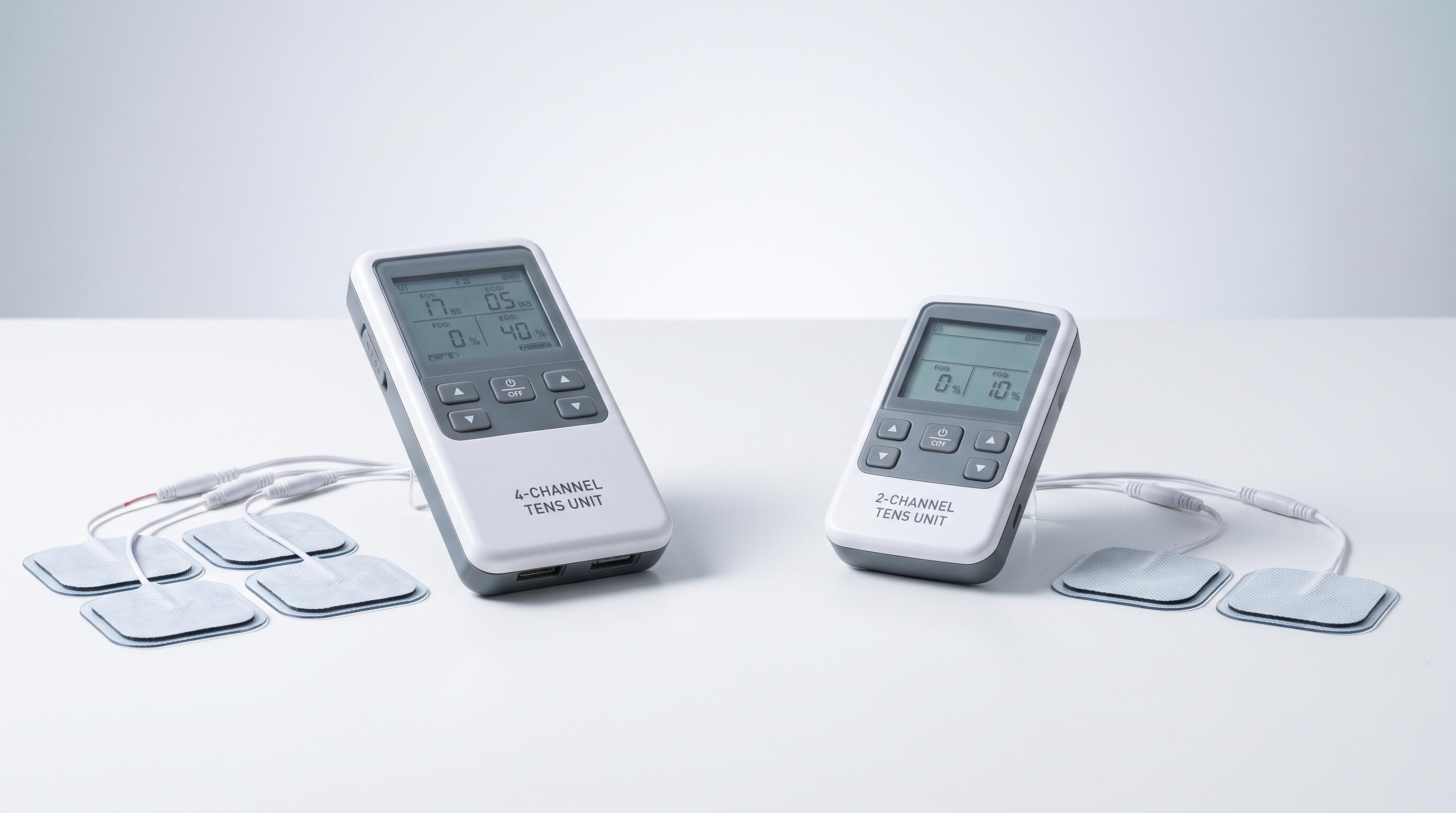
ALT: Side-by-side 4 channel vs 2 channel TENS unit comparison for drug-free home pain relief
Understanding the 4 Channel vs 2 Channel TENS Debate: Why It Matters for Your Recovery
Key Conclusion: When comparing a 4 channel vs 2 channel TENS unit, the right choice depends on your treatment area, lifestyle, and pain complexity. A 2-channel unit suits single-area, straightforward pain relief, while a 4-channel unit unlocks simultaneous multi-zone treatment — making it far more versatile for athletes, chronic pain sufferers, and anyone managing widespread discomfort at home without relying on medication.
If you've been shopping for a TENS unit recently, you've likely noticed that devices come with varying channel counts — most commonly two or four. At first glance, the difference seems minor. But in practice, the number of channels your device supports has a direct impact on how many electrode pads you can use simultaneously, how many body areas you can treat in a single session, and ultimately, how efficient your pain relief routine becomes.
For health-conscious adults managing chronic back pain, recovering from athletic strain, or simply trying to cut down on over-the-counter painkillers, this distinction can be the deciding factor between a device that genuinely fits your life — and one that falls short. This guide breaks down everything you need to know to make a confident, informed decision.
Who Should Read This Comparison
✅ Applicable Scenarios:
- Adults managing pain in multiple body areas simultaneously (e.g., lower back and knees, or shoulders and hips)
- Athletes and active individuals who need efficient post-workout muscle recovery sessions
- Individuals with chronic pain conditions who want to maximize each therapy session
- Older adults seeking a comprehensive, user-friendly drug-free pain management tool at home
- Postpartum women or rehabilitation patients working through multi-region muscle recovery
❌ Not Applicable/Cautions:
- Individuals with pacemakers, implanted electronic devices, or certain heart conditions — always consult your physician before using any TENS device
- People seeking treatment during pregnancy without explicit medical supervision
- Those with broken skin, open wounds, or active infections at intended electrode placement sites
- Anyone looking for a TENS unit to replace a diagnosed medical treatment plan without professional guidance
What Is a TENS Unit and Why Do Channels Matter?
Transcutaneous Electrical Nerve Stimulation (TENS) is a non-invasive, drug-free therapy that uses mild electrical impulses to disrupt pain signals traveling to the brain. It's been used in clinical settings for decades and has increasingly become a go-to home wellness tool for people who want to manage pain without relying solely on medication.
At its core, a TENS unit sends electrical pulses through electrode pads placed on the skin. These pulses stimulate sensory nerves, helping to block pain signals and — in some cases — encourage the release of endorphins, your body's natural painkillers. The therapeutic value is well-documented, making TENS technology one of the most trusted forms of electrotherapy available today.
So where do channels come in? Each channel on a TENS unit controls one pair of electrode pads. A 2-channel device manages two electrode pads (one pair), while a 4-channel device manages four electrode pads (two pairs). This means a 4-channel unit can stimulate two distinct body regions at the same time — independently or in coordination — effectively doubling the treatment coverage in the same session time.
The global electrotherapy market has grown steadily as more consumers look for non-pharmacological pain solutions. According to market research, interest in at-home TENS therapy has surged among working adults, athletes, and aging populations. As devices become more sophisticated and accessible, the question has shifted from "should I use TENS?" to "which TENS setup is right for my needs?"
For a deeper exploration of why channel count is one of the most critical specifications to evaluate before purchasing, read our comprehensive guide: Best 4 Channel TENS Unit: Why Channels Matter. It walks through the clinical reasoning behind multi-channel stimulation and what to look for in a quality device.
It's also worth understanding how TENS compares to EMS (Electrical Muscle Stimulation) — a related but distinct modality that targets muscle tissue rather than nerve pathways. If you're unsure which technology best fits your goals, TENS vs EMS: Which Device Should You Choose? provides a clear, side-by-side breakdown to help clarify your options.
4 Channel vs 2 Channel TENS: A Full Comparison
Three Steps to Choosing the Right TENS Unit for You
Step 1: Map Your Pain Areas
Before you evaluate any device, take five minutes to write down every body area where you regularly experience discomfort. Is it localized — say, only your lower back? Or does it shift between regions like your neck, shoulders, and knees? If you have one or two consistent pain sites, a 2-channel unit may be sufficient. If your discomfort spans multiple areas or changes frequently, you'll benefit from the flexibility of a 4-channel device. This self-audit takes only minutes but significantly sharpens your buying decision.
Step 2: Consider Your Session Time and Lifestyle
Think honestly about how much time you can dedicate to each therapy session. A 2-channel TENS unit requires you to treat one area, then reposition pads to treat another — effectively doubling your session time if you need multi-zone relief. A 4-channel device lets you treat two areas simultaneously, meaning a 20-minute session covers what might otherwise take 40 minutes with a basic unit. For busy professionals, parents, or athletes with packed schedules, efficiency matters enormously.
Step 3: Evaluate Your Long-Term Needs
Pain management is rarely a one-time event. Whether you're recovering from an injury, managing a chronic condition, or supporting post-workout muscle recovery as part of an ongoing routine, think about where you'll be six months or a year from now. A 2-channel unit might serve you today, but as your treatment needs evolve — perhaps you add pelvic floor therapy or start treating both knees after a surgery — a 4-channel device offers room to grow without requiring a new purchase.
Head-to-Head: 2-Channel vs 4-Channel TENS Unit Comparison
Choosing between these two device types involves more than just counting electrode pads. The differences ripple across treatment efficiency, versatility, user experience, and overall value. Here's a structured comparison to help you visualize the key distinctions:
| Comparison Dimension | 2-Channel TENS Unit | 4-Channel TENS Unit |
|---|---|---|
| Number of Electrode Pads | 2 pads (1 pair) | 4 pads (2 pairs) |
| Simultaneous Treatment Areas | 1 area at a time | Up to 2 areas simultaneously |
| Session Efficiency | Lower (sequential treatment) | Higher (parallel treatment) |
| Best For | Localized, single-area pain | Multi-area or widespread pain |
| Portability | Typically compact and lightweight | Slightly larger; still portable |
| User Complexity | Simpler setup; beginner-friendly | More setup options; moderate learning curve |
| Versatility Over Time | Limited to one zone per session | Adaptable to evolving treatment needs |
| Value for Multi-Zone Users | Lower long-term value | Higher long-term value |
| Ideal User Profile | Occasional, single-site pain relief | Athletes, chronic pain, rehab patients |
This comparison makes clear that the 4-channel format isn't just an "upgrade" in terms of specs — it's a fundamentally different treatment experience for users with complex or evolving needs.
Deep Dive: What Each Channel Type Truly Offers
The Case for 2-Channel TENS Units
A 2-channel TENS unit is straightforward, effective, and well-suited to a specific type of user. If your pain is reliably concentrated in one area — think a persistent tension headache zone at the base of your skull, or a consistent ache in your left shoulder — then a 2-channel device does exactly what you need without unnecessary complexity.
These devices tend to be simpler to set up, which makes them an excellent entry point for TENS newcomers who might feel overwhelmed by multi-pad configurations. The smaller form factor is also a genuine advantage for those who want a discreet device that tucks easily into a gym bag or desk drawer.
For occasional users or those treating a single, well-defined injury site during a recovery period, a 2-channel unit delivers solid value. It's important to set realistic expectations, though: if your pain needs shift — or if you simply want to treat your back and knees during the same session — you'll quickly feel the limitations.
The Case for 4-Channel TENS Units
The 4-channel TENS unit is where electrotherapy really begins to mirror the clinical experience. In a physical therapy setting, therapists frequently apply multiple electrode pairs across a broad area or across multiple muscle groups — because pain and dysfunction rarely stay neatly contained to one spot.
For athletes managing bilateral soreness (think both quads after a long run), for older adults dealing with arthritis in multiple joints, or for individuals undergoing post-surgical rehabilitation that affects several body regions, the 4-channel format is transformative. You're not just getting more pads — you're getting a treatment philosophy that acknowledges the complexity of real human pain.
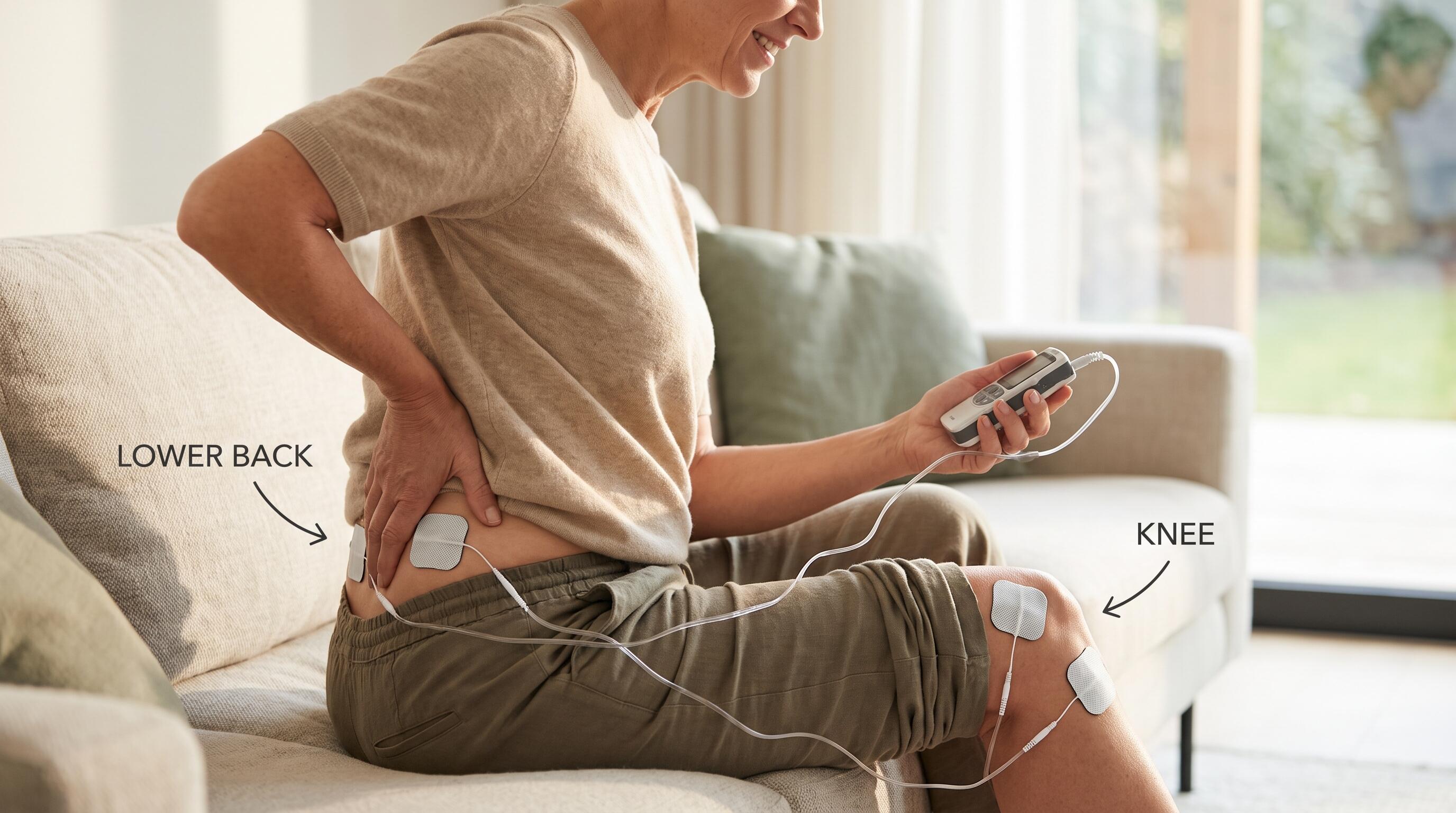
Consider this scenario: a 55-year-old office worker dealing with chronic lower back pain and recurring knee discomfort. With a 2-channel unit, she'd need to run two separate sessions — one for her back, one for her knee — every day. With a 4-channel device, both areas are addressed in a single session. Over weeks and months, that time savings adds up significantly, and so does the consistency of treatment — which is often a key factor in outcomes.
Independent Channel Control: The Hidden Advantage
One of the most underappreciated features of a quality 4-channel device is independent channel control. This means each pair of electrodes can operate at a different intensity, frequency, or mode — allowing you to customize the stimulation for each treatment site based on its specific needs. Your lower back might need a deeper, slower pulse, while your shoulder prefers a lighter, faster pattern. Independent control makes this possible within the same session, on the same device.
This level of precision is what separates a professional-grade 4-channel TENS unit from a basic consumer device. iStim's devices are designed with this clinical-quality functionality in mind, bringing the sophistication of a therapy clinic into your home. For a detailed review of how a combined TENS and EMS device performs across multiple channels, see our EV-805 Review: Who Is This TENS EMS Combo Machine Best For?.
Electrode Placement and Coverage Area
Another dimension worth exploring is coverage area. When you have four pads instead of two, you can surround a larger muscle group — like the lumbar region of the back — with electrodes placed both above and below the pain site. This "bracketing" technique can create a more immersive stimulation field, which many users find more effective than a single-pair placement.
Alternatively, you can split the four pads between two entirely separate areas of the body, treating them simultaneously with appropriate settings for each. This flexibility means a 4-channel device can be configured in multiple ways depending on your needs on any given day.
ALT: User applying 4-channel TENS unit electrode pads on lower back and knee for simultaneous drug-free pain relief at home
Advanced Considerations: Beyond the Channel Count
When a 2-Channel Unit May Actually Be the Smarter Buy
It would be unfair to crown 4-channel units as universally superior. There are real-world scenarios where a 2-channel device is the more sensible choice — and recognizing this is part of making a truly informed decision.
If you have a very specific, acute injury (a sprained ankle, a pulled hamstring) that you're recovering from over a defined period, a 2-channel unit offers targeted, uncomplicated relief. There's no need to manage multiple pad placements or channel settings when all you need is focused stimulation on one spot.
Budget constraints are also a legitimate factor. A 2-channel TENS unit typically comes at a lower price point. If you're exploring electrotherapy for the first time and want to test whether TENS works for your body before committing to a more advanced device, starting with a 2-channel unit is a perfectly reasonable approach. Many users graduate to a 4-channel device once they've experienced the benefits firsthand and understand their treatment needs more clearly.
Common Misconceptions About Channel Count
Misconception 1: More channels always means better pain relief.
The quality of the electrical signal, the range of programmable modes, and the precision of the device matter just as much as — if not more than — the channel count. A well-engineered 2-channel unit from a reputable brand can outperform a poorly built 4-channel device. Always evaluate overall device quality alongside channel specifications.
Misconception 2: 4-channel units are too complicated for home users.
Modern 4-channel TENS devices, especially those designed for home use like iStim's lineup, are built with intuitive interfaces that make multi-pad setups accessible even for first-time users. Clear labeling, guided electrode placement instructions, and multiple pre-programmed modes reduce the learning curve considerably.
Misconception 3: You need to use all four channels every session.
A 4-channel device can absolutely be used with just one pair of pads if that's all a particular session requires. You're not locked into a complex setup — you have the flexibility to scale up or down based on your needs on any given day.
Pairing Your TENS Device with Complementary Therapies
For maximum recovery results, many users find that combining TENS therapy with EMS (Electrical Muscle Stimulation) creates a more complete treatment protocol. While TENS primarily targets pain signals, EMS actively contracts and rehabilitates muscle tissue. If multi-modality therapy interests you, explore iStim's range of Best TENS EMS Combo Machine for Home Use — devices that combine both technologies in a single unit for a streamlined, efficient home therapy setup.
Frequently Asked Questions FAQ
Q1: How do I know how many channels I actually need for my pain condition?
Start by identifying how many distinct body areas you treat regularly. If you consistently experience pain in one or two locations — and they occur at the same time — a 4-channel unit allows you to address both simultaneously in one session. If your pain is truly isolated to a single spot and unlikely to change, a 2-channel unit may suffice. A physical therapist or pain management specialist can also provide personalized guidance based on your specific diagnosis and treatment goals.
Q2: Is a 4-channel TENS unit better than a 2-channel unit for chronic pain?
For most chronic pain sufferers, yes — a 4-channel TENS unit offers meaningful advantages. Chronic pain often involves multiple muscle groups or body regions, and the ability to treat two areas simultaneously saves time and may improve adherence to a daily therapy routine. Independent channel control also allows you to customize intensity and mode for each area, which is particularly valuable when different regions require different types of stimulation. That said, device quality and proper electrode placement remain equally important factors.
Q3: How long does a typical TENS session last with a 4-channel unit, and is it safe to use daily?
Most TENS therapy sessions range from 15 to 30 minutes per treatment area, though guidelines vary based on the condition being treated and the device's recommended settings. With a 4-channel unit treating two areas simultaneously, you can achieve equivalent coverage in roughly the same time as a single-area session with a 2-channel device. Daily use is generally considered safe for most healthy adults, but you should always follow the manufacturer's guidelines and consult a healthcare provider — especially if you have an underlying medical condition or are new to electrotherapy.
Summary
The 4 channel vs 2 channel TENS debate ultimately comes down to one central question: how complex and widespread are your pain management needs?
Here are the three core takeaways to carry with you:
- Channel count determines treatment coverage. A 2-channel unit treats one area at a time; a 4-channel unit can treat two simultaneously — a significant efficiency advantage for multi-zone pain sufferers.
- Your lifestyle and schedule matter. If you're a busy athlete, a working professional with chronic pain, or someone managing multiple body areas daily, a 4-channel device reduces total session time and increases consistency — two factors that correlate strongly with better outcomes.
- Quality and features matter as much as channel count. Look for devices with independent channel control, a range of programmable modes, professional-grade signal quality, and reliable manufacturing standards. iStim's ISO-certified devices are built to deliver clinical-quality stimulation designed for real home use.
For most health-conscious adults managing more than one area of pain — or anyone who expects their treatment needs to evolve over time — a 4-channel TENS unit is the smarter, more future-proof investment.
Ready to experience drug-free pain relief and muscle wellness from the comfort of your home? Explore iStim's full range of professional-grade TENS, EMS, and Kegel devices at https://istim.com/ and find the right solution tailored to your needs. Join over 20,000 satisfied customers who trust iStim to power their recovery and well-being every day.
References
- National Institutes of Health (NIH), National Library of Medicine. "Transcutaneous Electrical Nerve Stimulation (TENS) for Pain Relief".
https://www.ncbi.nlm.nih.gov/books/NBK537188/ - American Physical Therapy Association (APTA). "Physical Agents and Electrotherapy Clinical Practice Guidelines".
https://www.apta.org/ - Mayo Clinic. "TENS (Transcutaneous Electrical Nerve Stimulation)".
https://www.mayoclinic.org/tests-procedures/tens/about/pac-20384983 - Cochrane Library. "Transcutaneous Electrical Nerve Stimulation (TENS) for Chronic Pain – An Overview".
https://www.cochranelibrary.com/ - U.S. Food & Drug Administration (FDA). "General Wellness: Policy for Low Risk Devices — Guidance for Industry and FDA Staff".
https://www.fda.gov/regulatory-information/search-fda-guidance-documents/general-wellness-policy-low-risk-devices
Note: Standards and guidelines may be updated. Please check the latest official documents or consult a professional healthcare advisor for the most current information.
About iStim
iStim is a Los Angeles-based electrotherapy brand specializing in professional-grade TENS, EMS, and Kegel devices for home use, backed by ISO-certified Taiwanese manufacturing and a community of 20,000+ satisfied Amazon customers. Learn more at istim.com.
Disclaimer: This article is provided for informational and educational purposes only and does not constitute medical advice. Always consult a qualified healthcare professional before beginning any new pain management or electrotherapy regimen. © iStim. All rights reserved.
Leave a comment